Schinken-Peter serves Traditional Bavarian fare at Perlacher Str. 53 in Munich, with beer program and private dining suited to lunch or dinner.
Pearl is the En Primeur Club membership app — saves, bookings, and concierge access live there. Same editors, same standards.
- Address
- Perlacher Str. 53, 81539 München, Germany
- Phone
- +4949896973590
- Website
- schinkenpeter.de
- Directions
- Get directions
 Saves & bookings on Pearl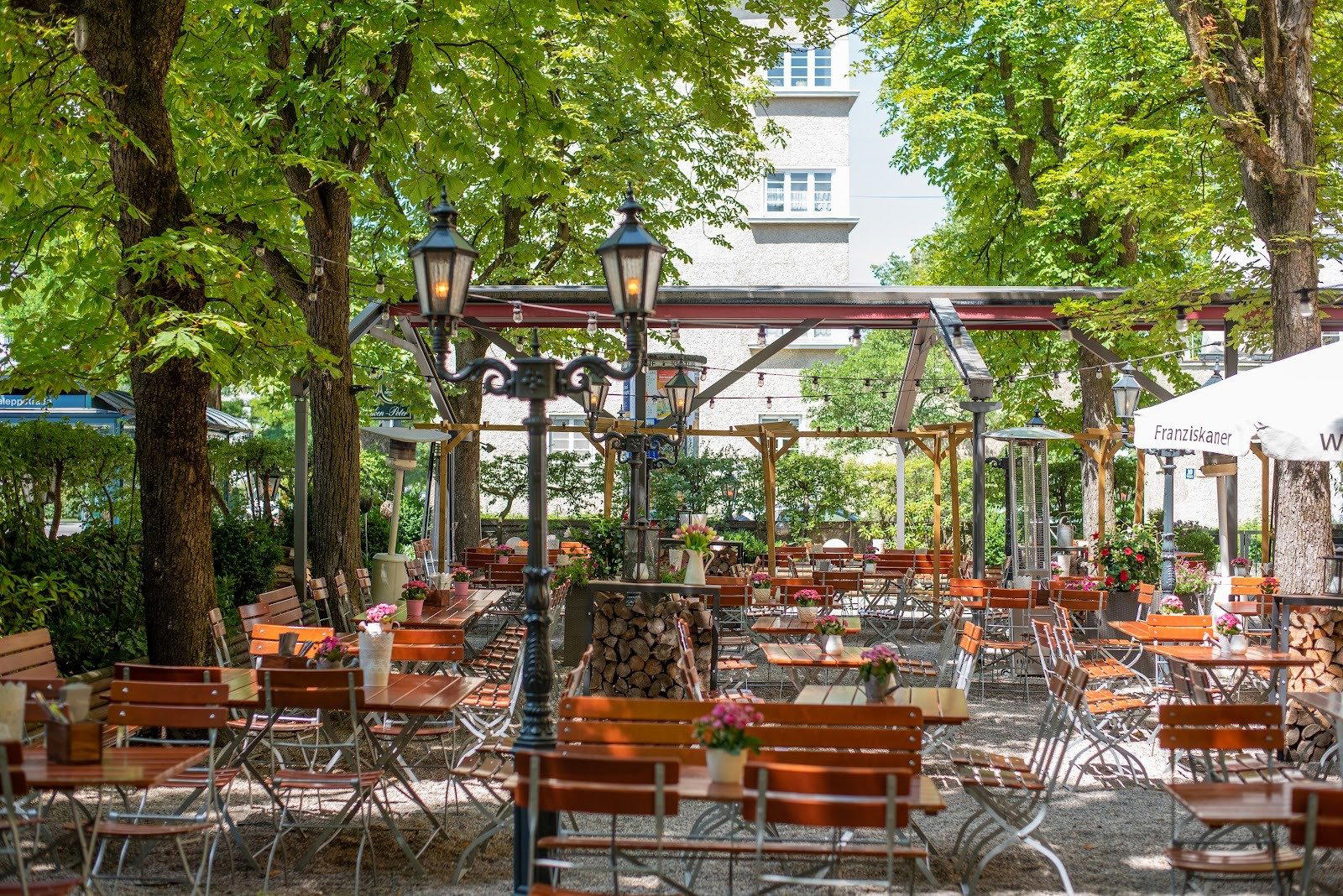
Perlach and the Persistence of the Munich Gaststätte
South of the Isar, away from the tourist circuits around Marienplatz and the Englischer Garten, Munich's residential districts preserve a dining culture that the city centre has largely traded away. The Gaststätte tradition, a neighbourhood tavern operating somewhere between a restaurant and a public room, survives here not as a nostalgic performance but as a functional institution. Schinken-Peter, on Perlacher Strasse in the Obergiesing district, sits within that tradition. The address alone signals something: this is a part of Munich where eating out means eating locally, where the room is filled with residents rather than visitors, and where the cooking answers to the expectations of regulars rather than the expectations of regulars.
Obergiesing has historically been a working-class district, and its dining culture reflects that character. The Gaststätte format here operates differently from the €€€€ fine-dining tier occupied by venues like Tantris, Atelier, Alois - Dallmayr Fine Dining, or Tohru in der Schreiberei. Where those kitchens are competing on tasting-menu precision and international credentials, the neighbourhood Gaststätte competes on consistency, value, and the particular trust that comes from being someone's regular. These are not comparable tiers: they answer different questions, and a city that has only one of them is impoverished in a specific way.
The Cultural Architecture of Bavarian Pork Cookery
The name Schinken-Peter announces a kitchen orientation that predates modern restaurant categories. Schinken, meaning ham or cured pork, places the venue within Bavaria's deep tradition of pork-centred cookery, a tradition rooted in the agricultural economy of the region and in the Catholic calendar that historically structured when meat could be eaten and in what form. Bavarian pork preparation encompasses a range of techniques, from raw-cured Schinken to roasted Schweinsbraten to the boiled and chilled formats used in Wurstsalat. The name of a restaurant in this context is rarely accidental: it functions as a culinary declaration, telling the neighbourhood what to expect before anyone has walked through the door.
This specificity distinguishes the Bavarian Gaststätte from the broader German restaurant category. While Germany's fine-dining circuit, represented by venues like Aqua in Wolfsburg, Schwarzwaldstube in Baiersbronn, Vendôme in Bergisch Gladbach, and Victor's Fine Dining by Christian Bau, has pursued international technique and cross-regional influence, the neighbourhood Gaststätte operates as a keeper of regional specificity. The dishes it serves are not designed to travel: they are anchored to local ingredients, local palates, and local eating habits that have remained largely stable across generations. That stability is a form of cultural argument, even if it is rarely framed as one.
What a Room Like This Teaches You About a City
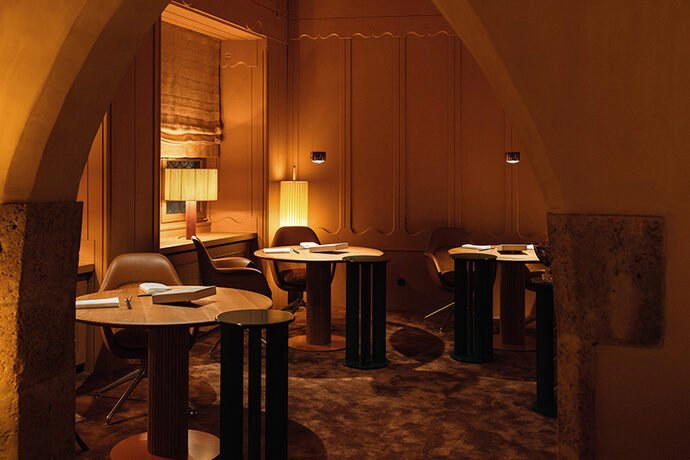
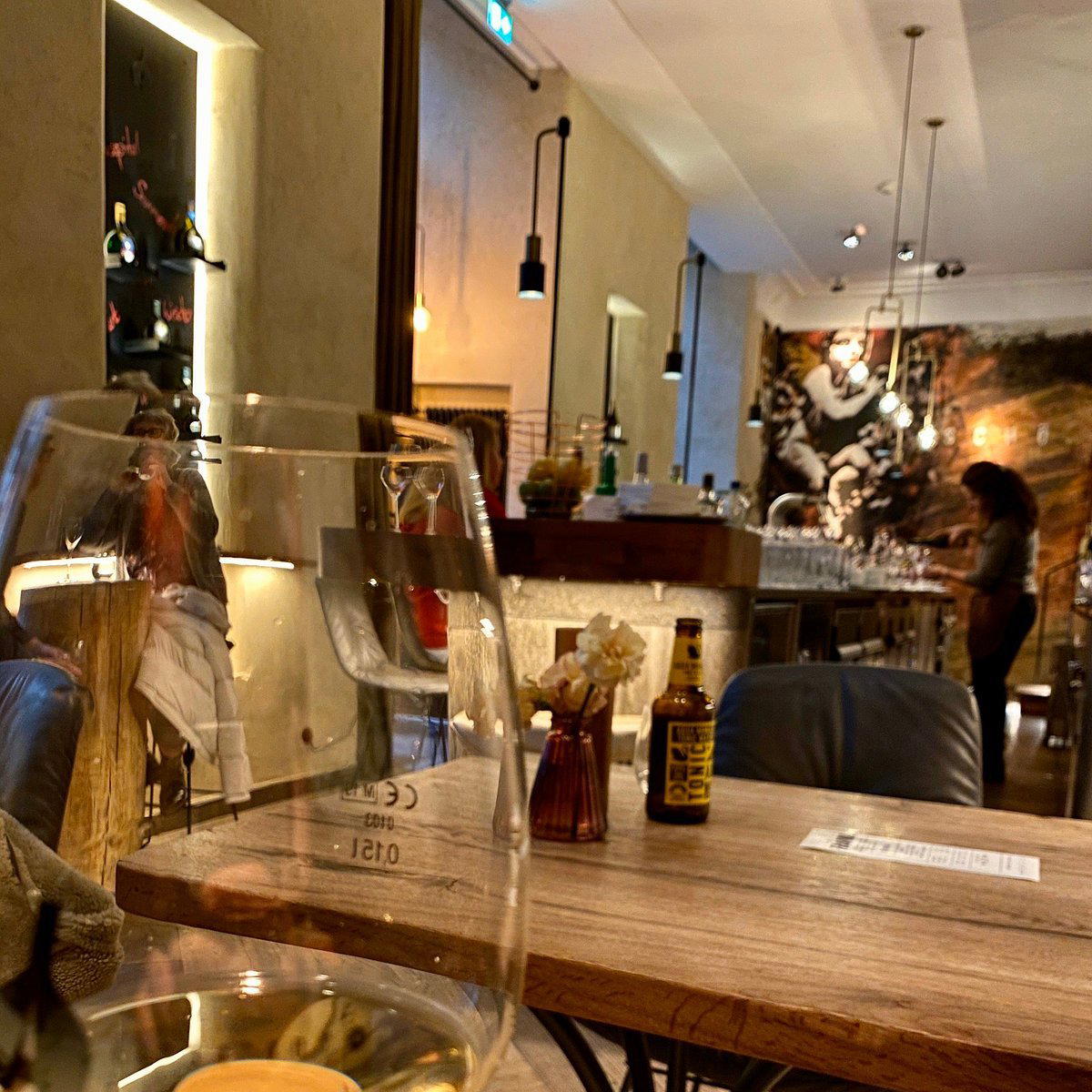
The physical environment of a neighbourhood Gaststätte in Munich follows conventions that are recognisable across decades: wooden furniture worn to a particular dullness, wall decorations that accumulate rather than being curated, lighting calibrated to warmth rather than drama. These are not design failures; they are the material record of continuous occupation. A room that looks like this has been used, and used consistently, by people who have no interest in the room as a statement. The atmosphere is a byproduct of function, not a designed impression, and readers accustomed to the careful art direction of venues like JAN or CODA Dessert Dining in Berlin will find it a deliberate change of register.
What the room offers in exchange is a particular kind of legibility. The social contract of the Gaststätte is transparent: you are a guest in a shared public room, the pace is unhurried, and the cooking is meant to accompany conversation rather than interrupt it. This is a different hospitality model from the tasting-menu format, where the kitchen sets the rhythm and the diner follows. In the Gaststätte, the diner is more autonomous, the portions are sized accordingly, and the bill lands without ceremony. For visitors to Munich who have spent time at the city's fine-dining addresses, an evening in a room like this recalibrates the senses in a useful direction.
Neighbourhood Address, Regional Logic
Perlacher Strasse runs through Obergiesing in a way that typifies Munich's residential south: tram lines, low-rise apartment buildings, neighbourhood bakeries, and the occasional Gaststätte or Wirtschaft anchoring the block. The area sits at a distance from the central concentration of premium dining, and that distance is part of its character. Venues in this part of the city do not draw from the same visitor pool as those near the Maxvorstadt or along the Isar promenades. The regulars are local, their loyalty is earned over years, and the kitchen's accountability is immediate in a way that is structurally different from destination dining.
Within Germany's broader restaurant map, this neighbourhood anchoring is not unusual, but it is instructive. The Bavarian Gaststätte at its functional leading serves as a counterweight to the upward pressure of the premium dining market, a pressure visible in cities across the country and in the international circuits tracked by venues from Restaurant Haerlin in Hamburg to Schanz in Piesport to Bagatelle in Trier and Waldhotel Sonnora in Dreis. The Gaststätte does not compete in that market. It competes for the trust of the street it is on, and that is a narrower, more demanding form of accountability than any award circuit provides.
Planning Your Visit
Address: Perlacher Str. 53, 81539 München. Reservations are recommended. Dress code: casual. Price: about $25 per person.
The Essentials
Comparable venues nearby, for context on price, style, and recognition.
| Venue | Cuisine | Price | Notes |
|---|---|---|---|
| Schinken-PeterThis venue — the venue you are viewing | Au, Traditional Bavarian | $$ | Not listed |
| Deutsche Eiche | Isarvorstadt, Modern Bavarian | $$ | Not listed |
| Rischart Café am Marienplatz | Not listed | $$ | Altstadt, Traditional Bavarian Bakery Cafe |
| Zur Festwiese | Not listed | $$ | Theresienwiese, Traditional Bavarian Gasthaus |
| Die Küche im Kraftwerk | Obersendling, Modern Alpine German | $$ | Not listed |
| Wirtshaus Rechthaler Hof | Theresienwiese, Traditional Bavarian | $$ | Not listed |
At a Glance
- Cozy
- Rustic
- Classic
- Group Dining
- Family
- Casual Hangout
- Private Dining
- Beer Program
Current opening hours
- Monday
- Closed
- Tuesday
- 4:30–11 PM
- Wednesday
- 4:30–11 PM
- Thursday
- 4:30–11 PM
- Friday
- 4:30–11 PM
- Saturday
- 11:30 AM–11 PM
- Sunday
- 11:30 AM–11 PM
Hours can change for holidays and private events. Last verified .
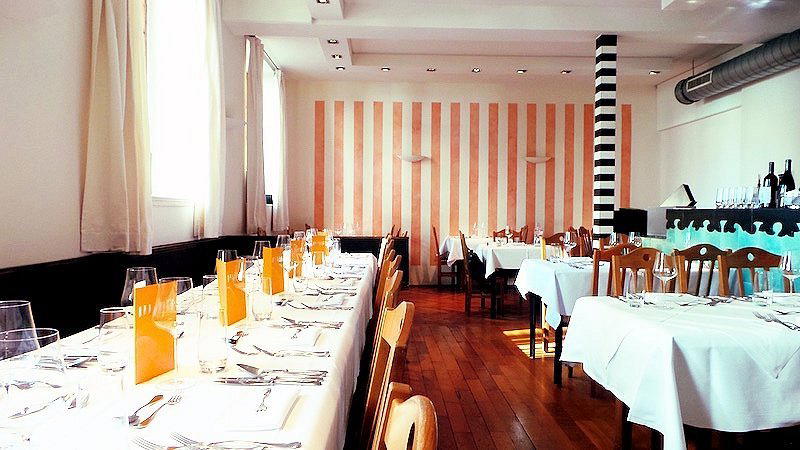
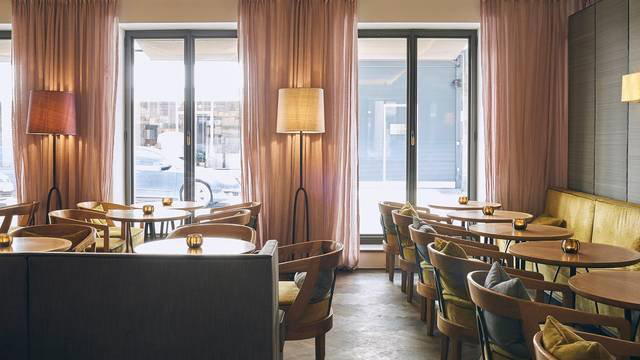
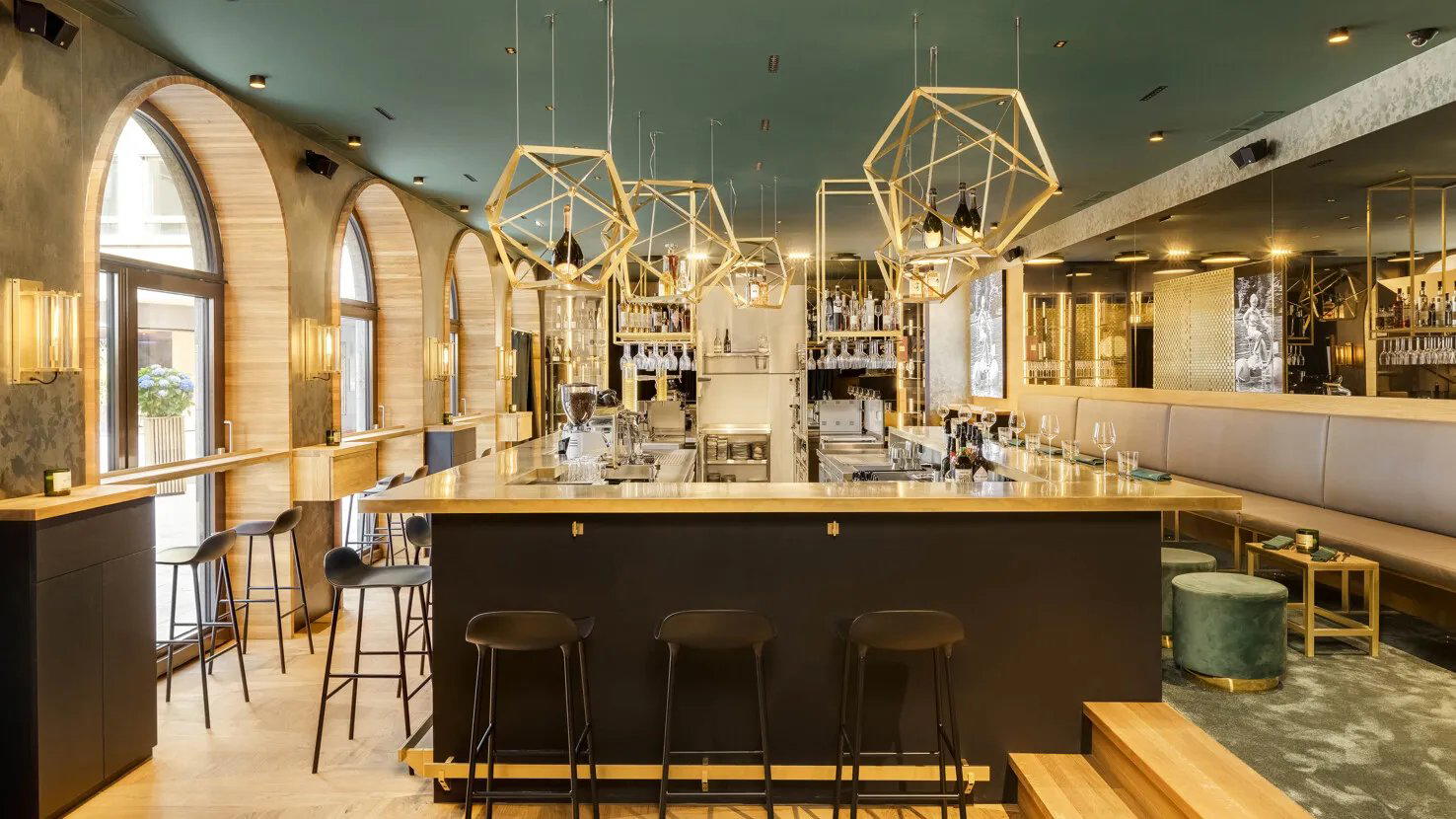
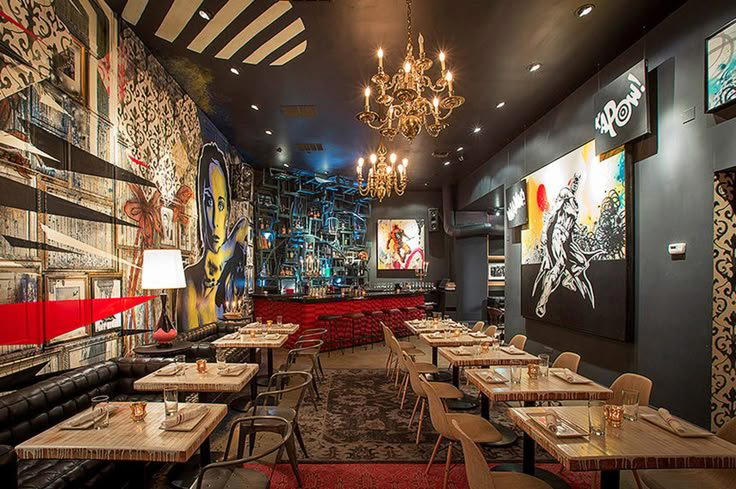
Cozy wood-paneled dining rooms with rustic decor and a tranquil outdoor beer garden under chestnut trees.