Situated on Neuer Markt in Vienna's first district, die Feinkosterei Neuer Markt occupies one of the city's most historically layered squares. The format places it within Vienna's specialist provisions and fine-food retail tradition, a category that operates at a distinct remove from the city's fine-dining restaurant circuit. An address in the Innere Stadt positions it among a concentrated cluster of premium food destinations.
Pearl is the En Primeur Club membership app — saves, bookings, and concierge access live there. Same editors, same standards.
- Address
- Neuer Markt 10/11, 1010 Wien, Austria
- Phone
- +434313961282
- Website
- feinkosterei.wien
- Directions
- Get directions
 Saves & bookings on Pearl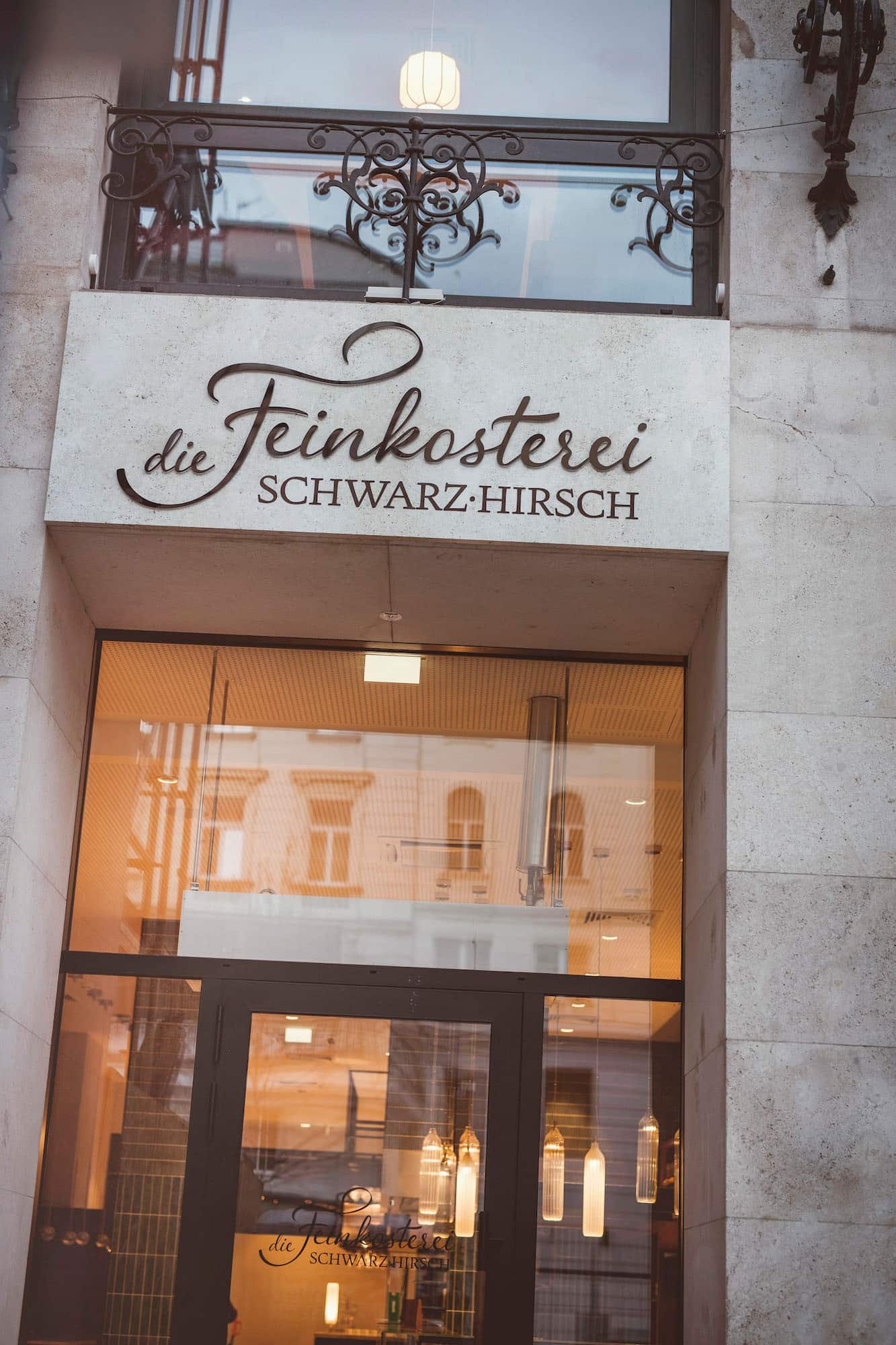
A Square With Memory: The Neuer Markt Setting
Vienna's Neuer Markt has served as a commercial and civic gathering point since the medieval period. The square, formally laid out and later presided over by the Providentia Fountain, sits within the first district's densest concentration of Baroque and Imperial-era architecture. Walking onto it from Kärntner Strasse, the urban pressure drops slightly: the square is wide, the sightlines long, and the surrounding facades carry the weight of centuries of Viennese commercial life. It is into this physical and historical frame that die Feinkosterei Neuer Markt, at number 10/11, inserts itself.
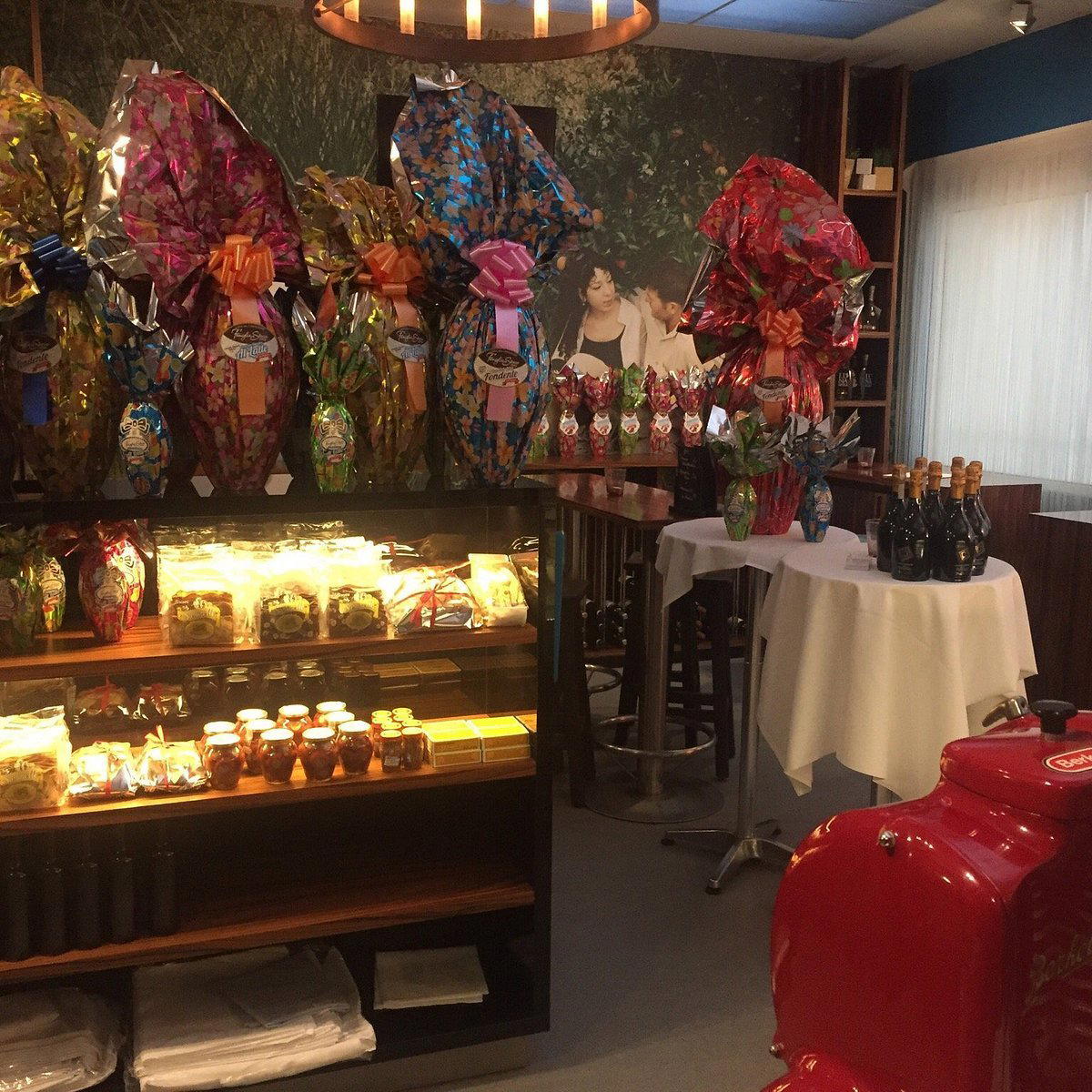
Vienna's first district has long organised its premium food retail differently from its restaurant scene. Where the city's celebrated restaurant addresses, places like Steirereck im Stadtpark, Amador, and Konstantin Filippou, sit within the architecture of a formal dining occasion, the Feinkosterei format belongs to a different tradition. The German and Austrian concept of a Feinkosterei, literally a fine provisions shop or delicatessen, historically occupied the space between the market stall and the restaurant table: a place where quality ingredients, prepared specialties, and considered curation were the product, not the performance of a kitchen brigade.
The Interior as Argument
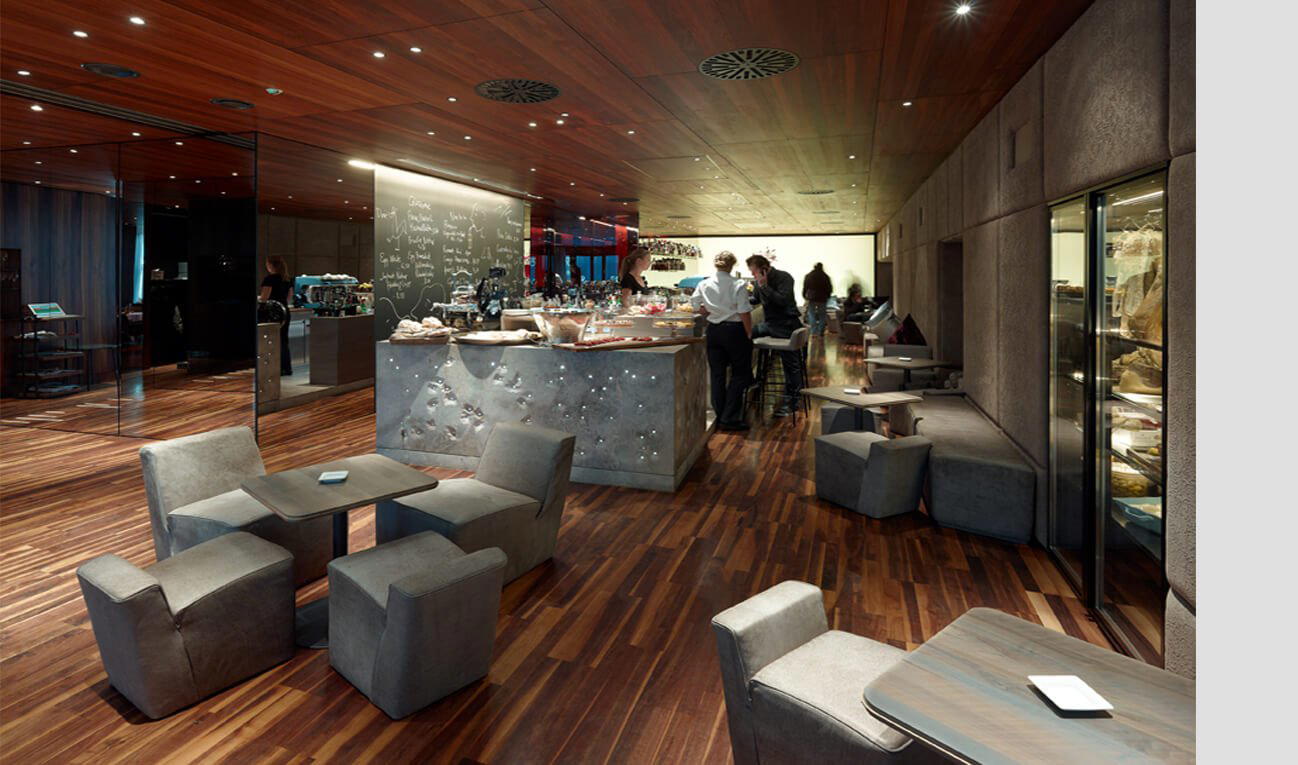
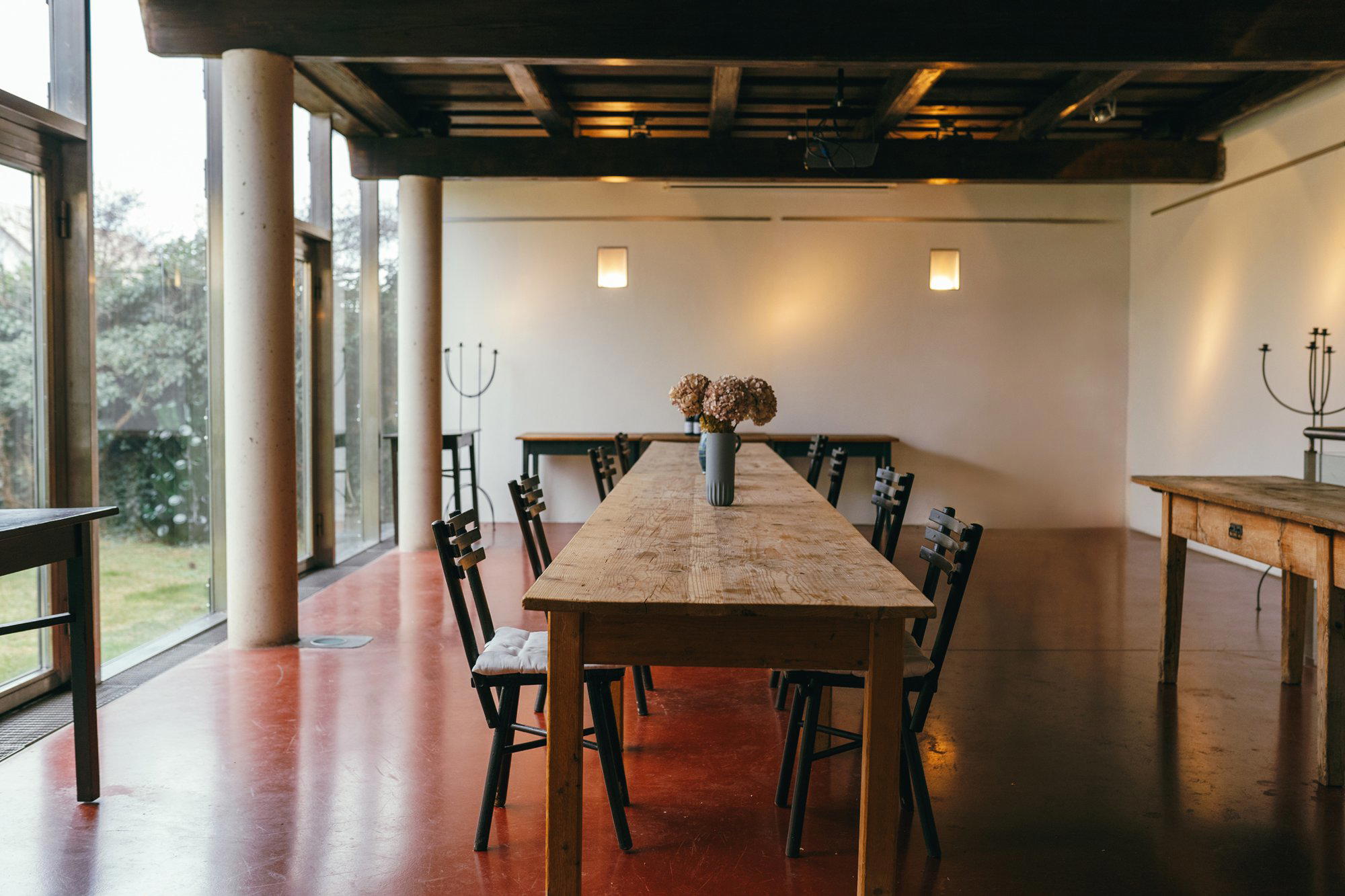
In any Feinkosterei operating in a building of this age and address, the physical container is not incidental. First-district addresses in Vienna frequently operate inside structures whose ceilings, stonework, or proportions predate the current occupant by centuries. The design challenge, and the editorial interest, lies in how a specialist food concept adapts to a space that was never built for refrigerated display cases or modern provisions logistics. Across the city's premium food-retail tier, particularly considered operators treat the architecture as a collaborator rather than an obstacle: original wall materials are left exposed, the vertical scale of older rooms is preserved rather than partitioned away, and lighting is placed to reveal rather than flood.
The Neuer Markt address sits in this tradition. The square itself is a formal space, and a Feinkosterei operating at number 10/11 inherits that formality whether it chooses to lean into it or subvert it. Across Europe's most established fine-food retail addresses, from the historic halls of Vienna's own Naschmarkt edges to specialist operators in Lyon and Bologna, the relationship between the physical space and the product on offer is read as a signal of intent. A well-proportioned room with considered display communicates the same thing the product itself should: that selection has been applied at every stage.
Where the Feinkosterei Format Sits in Vienna's Food Scene
Vienna's premium food scene in 2024 is not short of ambition at the restaurant end. Mraz & Sohn and Doubek represent creative Austrian cooking at serious technical levels, and the city's broader €€€€ restaurant tier, including addresses like Konstantin Filippou, positions Vienna within the European fine-dining conversation. But the Feinkosterei category sits adjacent to, rather than in competition with, these restaurant addresses. It answers a different set of questions: what to take home, what to eat standing, what to assemble rather than be served.
Austria's wider fine-food and restaurant circuit extends well beyond the capital. Regional destinations like Döllerer in Golling an der Salzach, Obauer in Werfen, and Landhaus Bacher in Mautern an der Donau have built reputations on Austrian produce rooted in specific terroirs, the Wachau, Salzburger Land, and alpine valleys. A Feinkosterei operating in Vienna's first district draws on this same national produce tradition, acting as a kind of urban edit of what the country's landscape yields: cured meats, alpine cheeses, preserved goods, and regional specialties that would otherwise require a journey to their source.
Further afield, Austrian alpine dining addresses including Gourmetrestaurant Tannenhof in Sankt Anton am Arlberg, Stüva in Ischgl, and Kräuterreich by Vitus Winkler in Sankt Veit im Pongau have deepened the country's reputation for ingredient-led, regionalist cooking. A Vienna Feinkosterei that draws on this tradition operates as a point of access for visitors and residents who want to engage with Austrian produce culture without leaving the city.
The Neuer Markt Address in Context
Location on Neuer Markt places die Feinkosterei within walking distance of the Staatsoper, the Albertina, and the dense concentration of first-district hotels that house a significant share of Vienna's higher-spending visitors. This is not accidental positioning for a premium provisions format. The comparable international model, specialist food retailers occupying historic city-centre buildings near major cultural institutions, has proven durable across European capitals. The format serves both the local shopper with specific product knowledge and the visitor seeking a concentrated encounter with regional food culture.
Internationally, the format finds loose parallels in concepts like Le Bernardin in New York City or the community-dining format of Lazy Bear in San Francisco, which both demonstrate that serious food addresses do not require a single format. The Feinkosterei sits within that broader understanding: that considered food destinations are not always the ones with tablecloths.
Austria's wine-country dining extends the picture further: Taubenkobel in Schützen am Gebirge and Schwarzer Adler in Hall in Tirol each represent how regional identity can be expressed through a food address with clarity of purpose. Restaurant 141 by Joachim Jaud in Mieming and Ois in Neufelden extend the country's regionalist dining further still. Die Feinkosterei Neuer Markt occupies a different point on that same spectrum: Vienna's urban answer to the question of what Austrian produce culture looks like when it comes to the capital.
Pricing, Compared
Comparable venues nearby, for context on price, style, and recognition.
| Venue | Cuisine | Price | Notes |
|---|---|---|---|
| die Feinkosterei Neuer MarktThis venue — the venue you are viewing | Innere Stadt, Austrian Tapas | $$ | Not listed |
| Hemmers | Not listed | $$ | Wien-Mitte, Authentic Austrian & South Tyrolean |
| HaasBeisl | Not listed | $$ | Margareten, Traditional Viennese Offal Specialties |
| Schlipf & Co | Not listed | $$ | Josefstadt, Austrian Dumplings (Schlipfkrapfen & Kasnudeln) |
| Goldener Baum | Baumgarten, Traditional Austrian | $$ | Not listed |
| DIE PFERDEFLEISCHEREI Gumprecht Filiale Friedensbrücke | Not listed | $$ | Franz Josefs Bahnhof, Austrian Horse Meat Butchery |
Continue exploring
More in Vienna
Restaurants in Vienna
Browse all →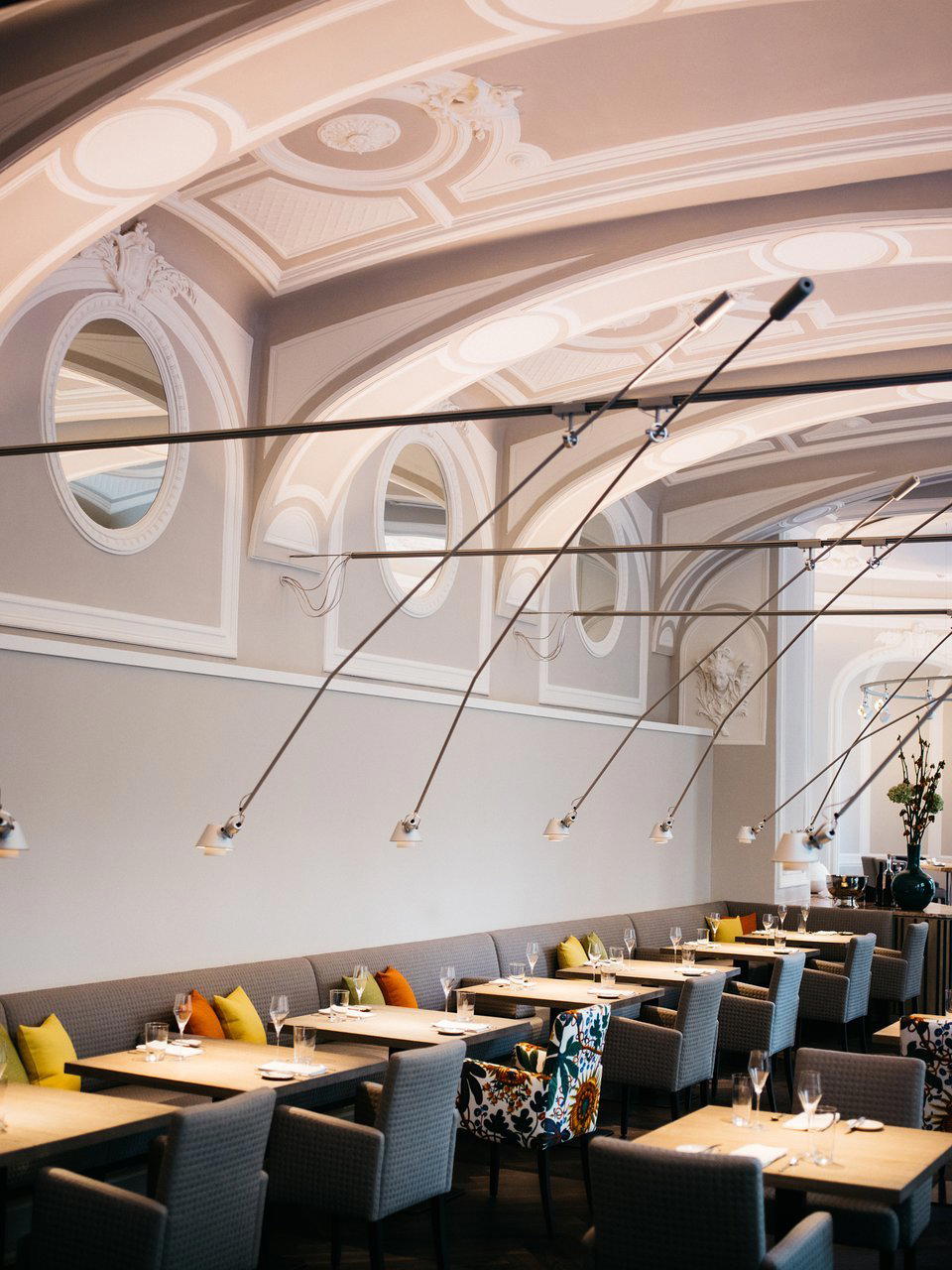
Bars in Vienna
Browse all →
Hotels in Vienna
Browse all →
At a Glance
- Cozy
- Classic
- Elegant
- Casual Hangout
- After Work
- Historic Building
- Terrace
- Street Scene
Current opening hours
- Monday
- 11 AM–12 AM
- Tuesday
- 11 AM–12 AM
- Wednesday
- 11 AM–12 AM
- Thursday
- 11 AM–12 AM
- Friday
- 11 AM–12 AM
- Saturday
- 11 AM–12 AM
- Sunday
- 11 AM–11 PM
Hours can change for holidays and private events. Last verified .
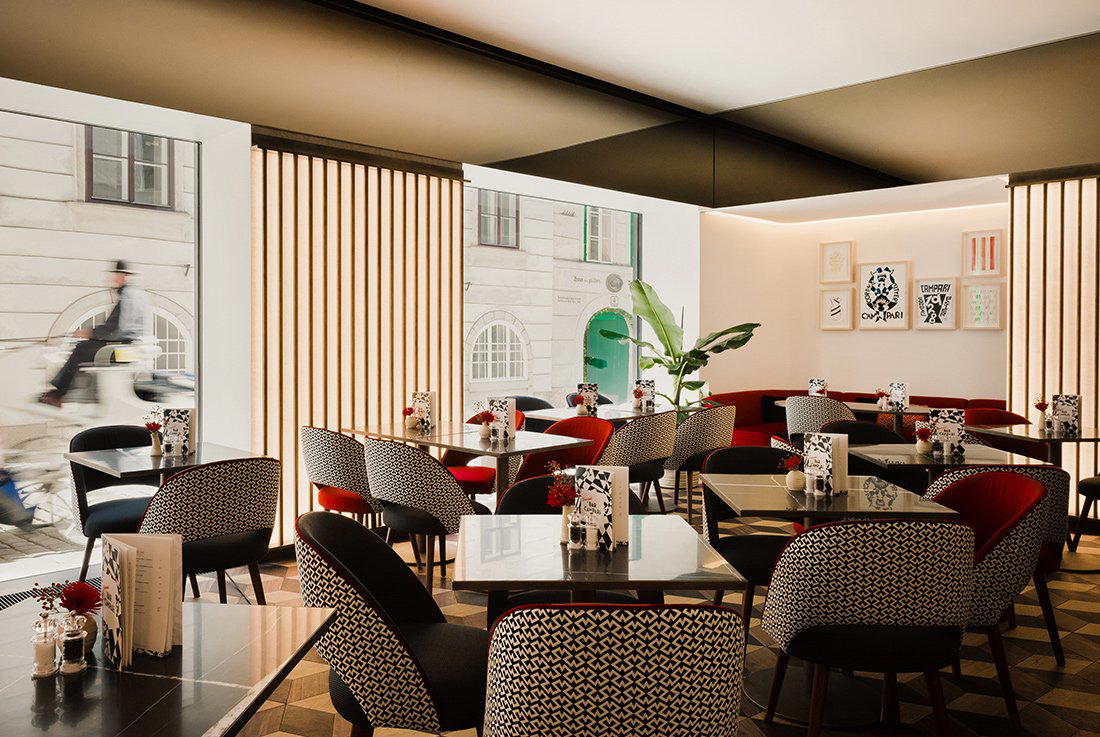
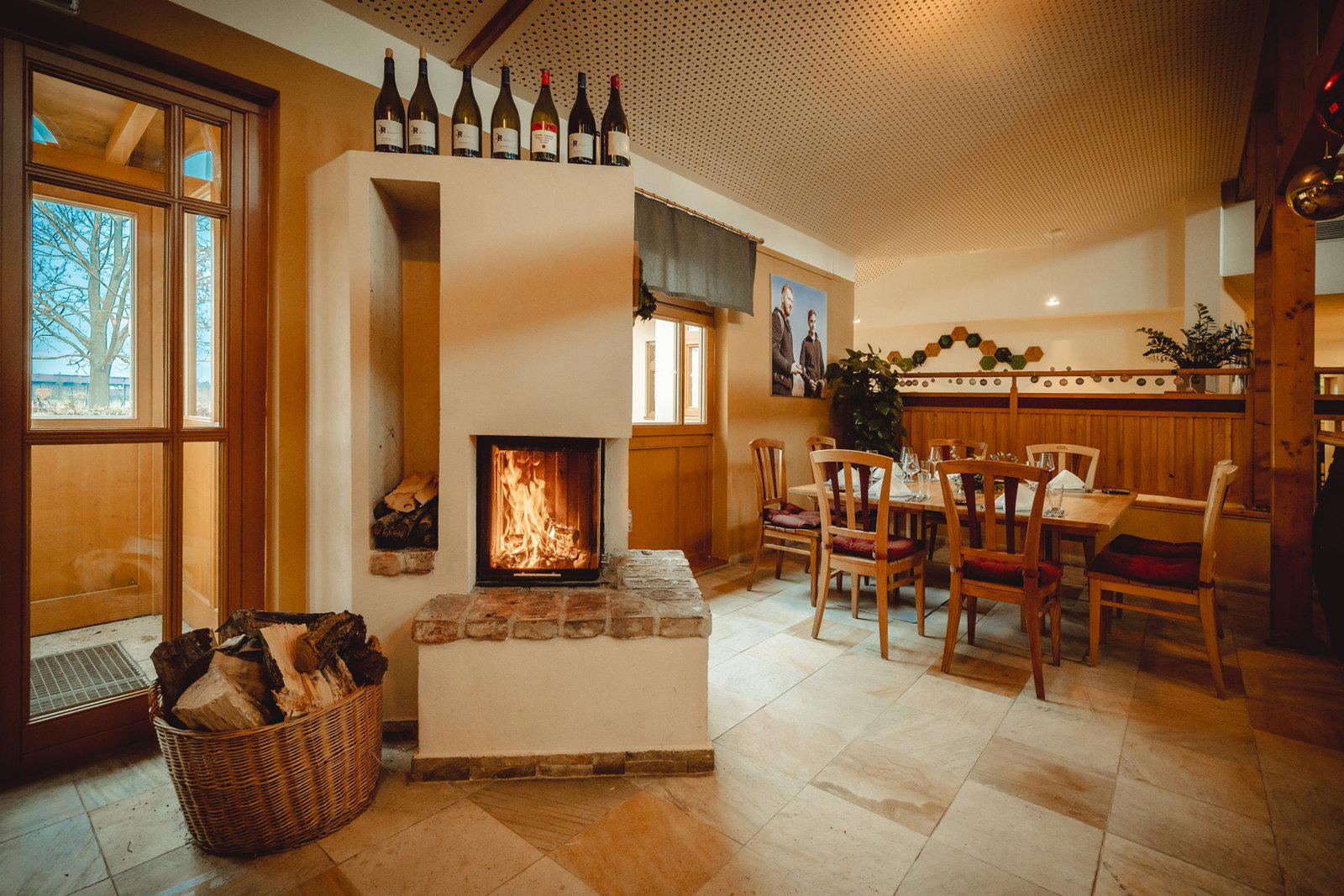
Elegant counter seating on the ground floor with cozy historic atmosphere, offering views of the redesigned Neuer Markt.