Trzesniewski at SCS Vösendorf carries one of Vienna's most recognisable open-sandwich formats into a shopping-centre food court, translating a century-old Viennese ritual of small, dense rye-bread spreads into a grab-and-go setting. The format is disciplined and fast: choose your spreads, add a Pfiff of beer if the tradition calls, and move on. For context on the wider Vosendorf dining scene, see our full guide.
Pearl is the En Primeur Club membership app — saves, bookings, and concierge access live there. Same editors, same standards.
- Address
- SCS-Straße 205 Ebene 1, Top G205, Vösendorfer Südring Shop 265, 2334 Vösendorf, Austria
- Phone
- +434316995215
- Website
- speckmitei.at
- Directions
- Get directions
 Saves & bookings on Pearl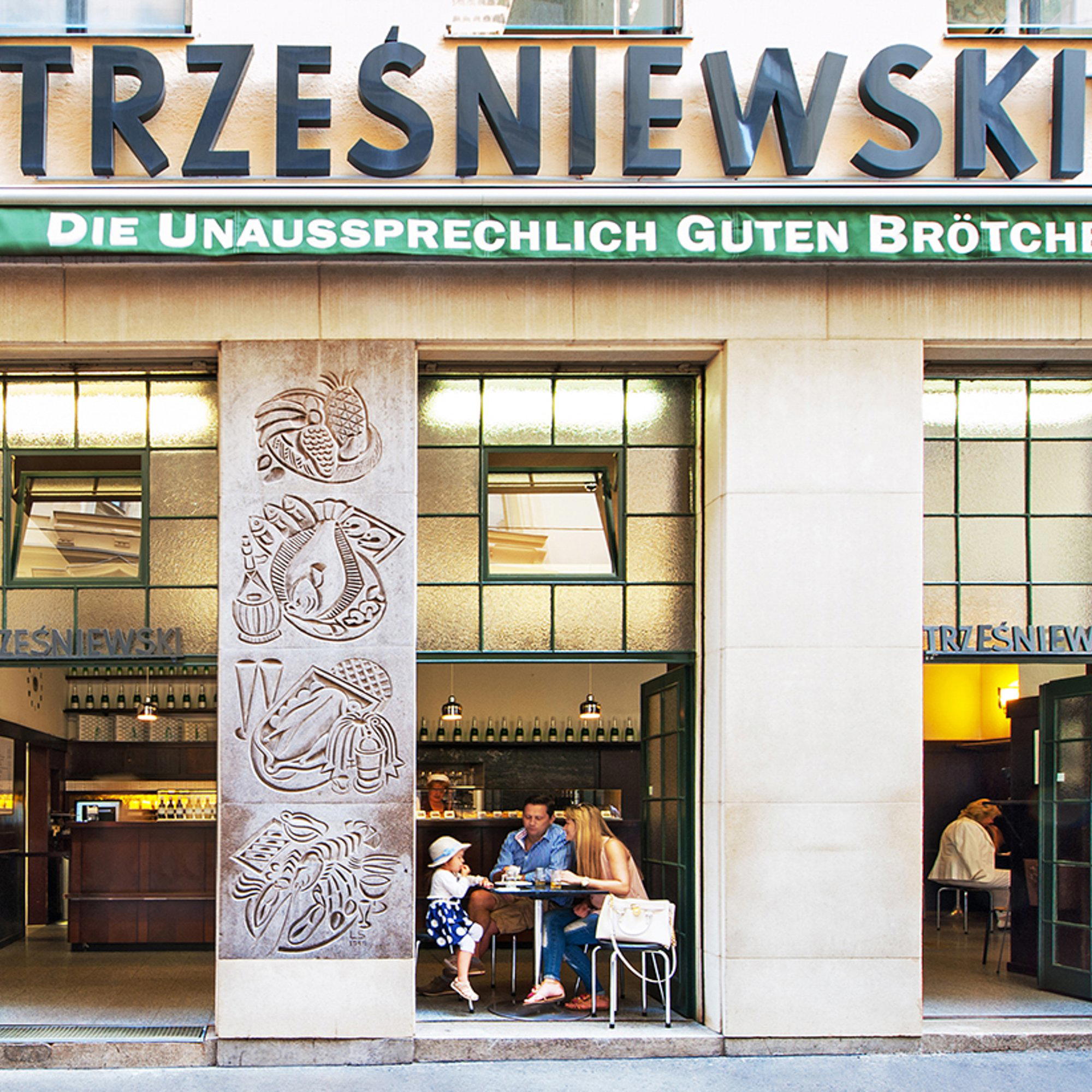
A Ritual in Miniature: The Viennese Open Sandwich at SCS Vösendorf
Trzesniewski is a restaurant in Vösendorf, Austria, serving Traditional Viennese Open-Face Sandwiches in SCS Vösendorf. The original Trzesniewski on Dorotheergasse in Vienna's first district has been serving its compact, spread-laden rye rounds since 1902. That format, defined by discipline and repetition rather than improvisation, travels with the brand wherever it opens. At Vösendorf, the ritual arrives in a format designed for shoppers, but the underlying logic of the open sandwich remains unchanged.
Understanding what Trzesniewski is requires understanding what it is not. It is not a sit-down restaurant, not a tasting menu, and not a place that rewards slow contemplation of a wine list. It belongs to a category of Viennese food culture that prizes precision in a small format: dense, flavour-forward spreads applied to thumbnail-sized rye bread, served cold, consumed standing or in transit. The category sits closer to the Viennese Beisl snack tradition than to the Alpine fine-dining circuit occupied by restaurants like Steirereck im Stadtpark in Vienna or Döllerer in Golling an der Salzach. Those restaurants operate on four-hour tasting menus and Michelin recognition; Trzesniewski operates on a ninety-second transaction and a format unchanged for generations.
The Format as the Point
What makes the Trzesniewski format worth discussing editorially is that it represents a distinct Austrian dining ritual: the deliberate restraint of the snack. Viennese food culture has long maintained a parallel tradition alongside its grander Beisl and Heuriger formats. The open-faced sandwich, small enough to finish in two bites, functions as punctuation in a day rather than its centrepiece. The spreads traditionally rotate across egg, paprika, herring, and vegetable preparations, each dense enough to carry flavour without garnish or elaboration. At the original Dorotheergasse location, the counter service and standing consumption have remained the standard for well over a century. The Vösendorf branch applies that same counter logic to a shopping-centre footfall pattern.
This is relevant context for anyone comparing Trzesniewski to other Vosendorf food options. MR CURRYWURST and Ossi's Bowl & Streetfood operate in the same quick-service register at SCS, each representing a different street-food tradition. Trzesniewski's distinction within that set is its direct lineage to a Viennese format with a documented history, rather than a contemporary fast-casual concept. That lineage is the trust signal here, not a chef's name or a Michelin citation.
Pacing and Etiquette: How the Ritual Actually Works
The prescribed behaviour at a Trzesniewski counter is worth spelling out because it differs from most food-court expectations. You do not browse a laminated menu or wait for a server. You approach the counter, assess the spread selection on display, and indicate your choices. The standard order runs to several pieces, selected by pointing or naming. Speed is the implicit contract: the counter is designed for throughput, and lingering indecision disrupts the queue's rhythm. In the original Viennese locations, regulars know their order before they reach the counter. That familiarity is part of what the format rewards over time.
The pairing convention, if one applies, is a small glass of beer called a Pfiff, roughly 0.125 litres, rather than wine or coffee. This is a Viennese convention specific to this snack category: the Pfiff calibrates to the small-format food rather than overwhelming it. Whether the Vösendorf location maintains this serving option is best confirmed on arrival. For anyone planning a visit to SCS on a specific day, checking in advance is the practical move.
Where Trzesniewski Sits in the Austrian Dining Picture
Austria's restaurant recognition infrastructure concentrates its attention on tasting-menu formats and creative Austrian cooking. Properties like Ikarus in Salzburg, Griggeler Stuba in Lech, and Gourmetrestaurant Tannenhof in Sankt Anton am Arlberg represent one end of the Austrian dining spectrum: Michelin-acknowledged, destination-worthy, and structurally ambitious. Landhaus Bacher in Mautern an der Donau, Obauer in Werfen, and Taubenkobel in Schützen am Gebirge anchor classic Austrian cuisine with decades of institutional credibility. Further across the spectrum, newer formats like Ois in Neufelden, Restaurant 141 by Joachim Jaud in Mieming, Schwarzer Adler in Hall in Tirol, Stüva in Ischgl, and Kräuterreich by Vitus Winkler in Sankt Veit im Pongau push regional ingredients into more contemporary registers.
Trzesniewski occupies none of those positions. It functions outside the recognition economy entirely, operating on the authority of repetition and cultural familiarity rather than critical validation. That is a legitimate position in the Austrian food picture. The snack format that Franz Trzesniewski codified in 1902 has outlasted several generations of fine-dining trends. For international visitors accustomed to comparing Austrian dining against starred restaurants in other European cities, the contrast with, say, Le Bernardin in New York City or Atomix in New York City is instructive: both of those operate on elaborate tasting structures and sustained critical attention. Trzesniewski operates on a two-bite sandwich and a queue. The comparison is not a ranking exercise; it maps the range of what counts as a dining ritual worth paying attention to.
Planning a Visit
The Vösendorf location sits within the SCS shopping centre at SCS-Straße 205, Ebene 1, Top G205, Vösendorfer Südring Shop 265, with access tied to the centre's operating hours rather than independent restaurant hours. SCS is one of the largest retail complexes in the Vienna metropolitan area, reachable by car from the city or via public transport connections from the south. The address places it clearly within the Vösendorf municipality rather than Vienna proper, which affects how visitors frame the trip: this is a suburban shopping errand that includes a snack stop, not a standalone dining destination. No booking is required; the format is walk-in friendly by design. Current hours follow the SCS centre schedule.
What It’s Closest To
Comparable venues nearby, for context on price, style, and recognition.
| Venue | Cuisine | Price | Notes |
|---|---|---|---|
| TrzesniewskiThis venue — the venue you are viewing | Traditional Viennese Open-Face Sandwiches | $ | Not listed |
| MR CURRYWURST | German Currywurst | $ | Vösendorf |
| Ossi's Bowl & Streetfood | Modern Middle Eastern Streetfood Bowls | $$ | Vösendorf |
| Heisse am Gürtel | Viennese Sausage Stand | $ | Josefstadt |
| Zum Scharfen René | Spicy Austrian Sausage Stand | $ | Staatsoper |
| Kaiserzeit | Traditional Viennese Sausage Stand | $ | Inner City |
Continue exploring
More in Vosendorf
Restaurants in Vosendorf
Browse all →![[aend] restaurant in Vienna](https://cdn.enprimeurclub.com/storage/v1/object/public/images/locations/recsVyRkMfzCxPmp0/hero2.jpg?width=3840&quality=75)
Bars in Vosendorf
Browse all →
Hotels in Vosendorf
Browse all →
At a Glance
- Well Known
- Classic
- Rustic
- Casual Hangout
- After Work
- Solo
- Historic Building
- Beer Program
Current opening hours
- Monday
- 9 AM–7 PM
- Tuesday
- 9 AM–7 PM
- Wednesday
- 9 AM–7 PM
- Thursday
- 9 AM–8 PM
- Friday
- 9 AM–8 PM
- Saturday
- 9 AM–6 PM
- Sunday
- Closed
Hours can change for holidays and private events. Last verified .
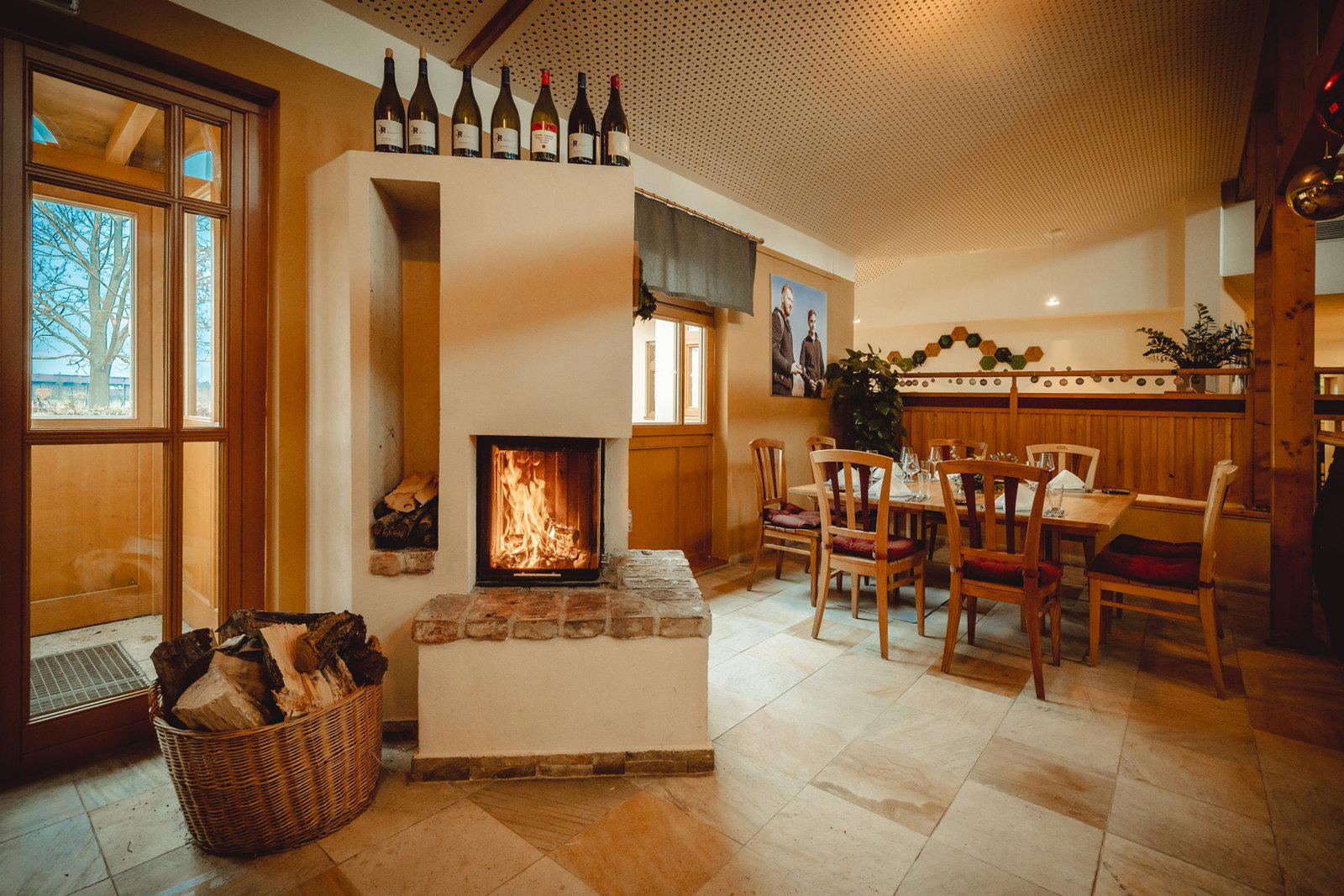
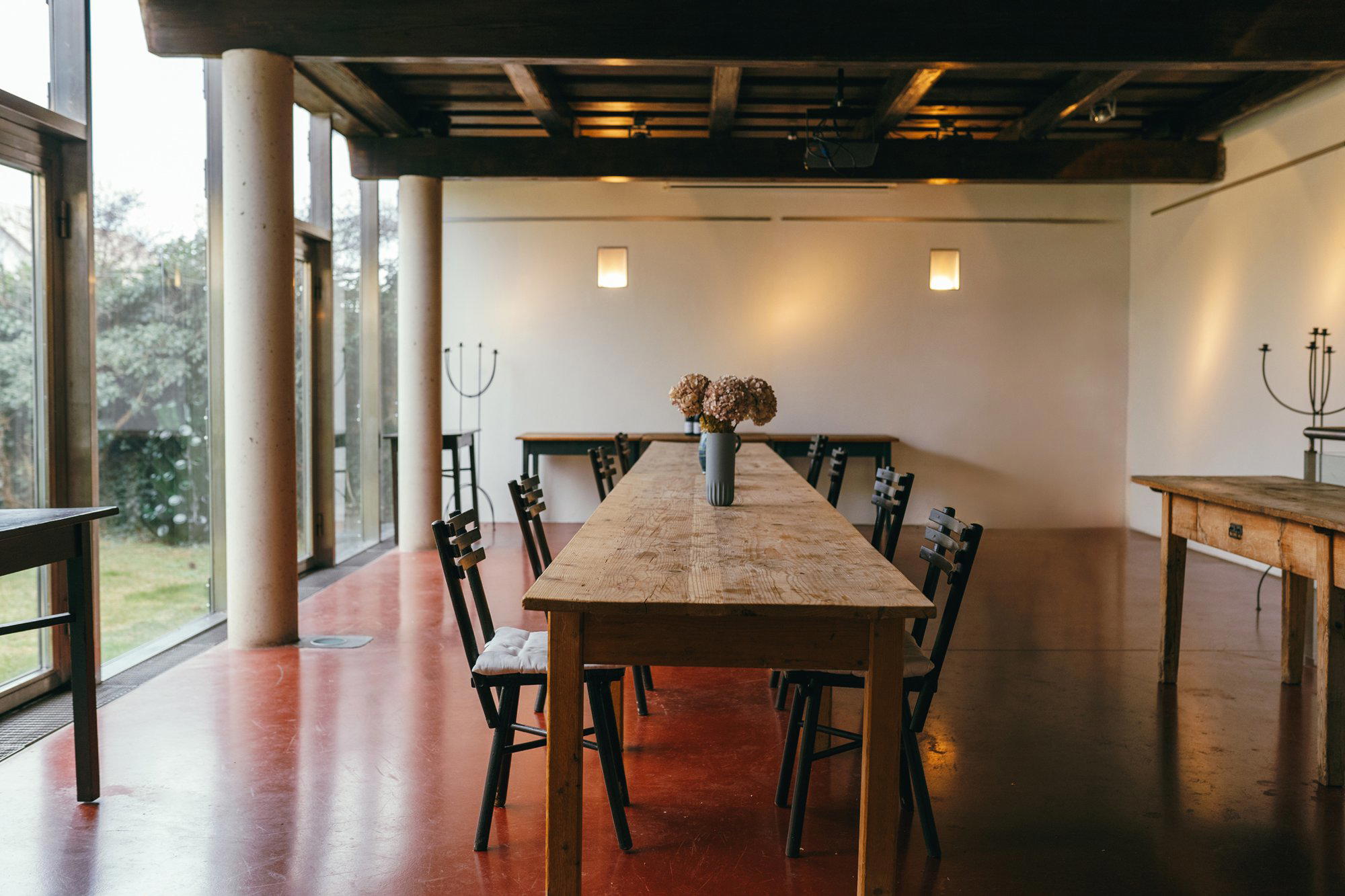
Retro, frugal atmosphere with narrow wood-paneled niches, small standing tables, and vintage charm; consistently busy with rapid turnover creating an energetic, bustling environment.