Das Marktrestaurant

Among the small cluster of Michelin-starred restaurants operating outside Germany's major cities, Das Marktrestaurant in Mittenwald earns its 2025 star through country cooking that draws on the Alpine region's produce rather than metropolitan trends. it occupies a distinct tier among Bavaria's destination dining options.
- Address
- Dekan-Karl-Platz 21, 82481 Mittenwald, Germany
- Phone
- +49 8823 9269595
- Website
- das-marktrestaurant.de
- Directions
- Get directions
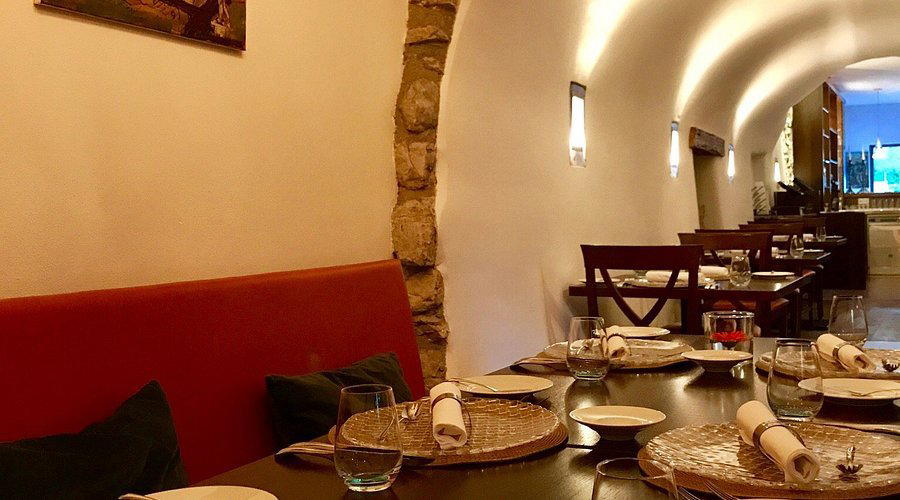
Where Alpine Terrain Shapes the Plate
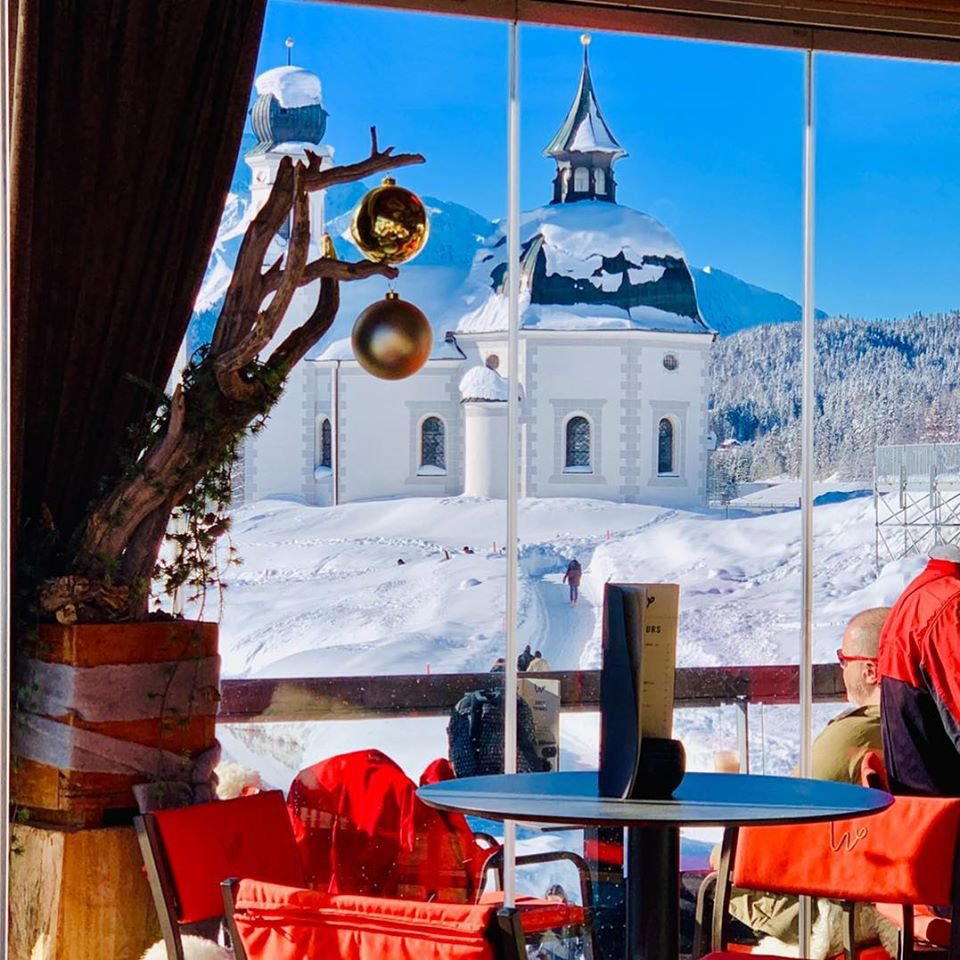
Mittenwald sits at roughly 920 metres above sea level in the Bavarian Alps, pressed against the Austrian border and framed by the Karwendel range. Das Marktrestaurant is a one-Michelin-star restaurant in Mittenwald, serving modern regional German cooking at a €€€€ price tier. The town is better known for its centuries-old tradition of violin-making than for its restaurants, which makes Das Marktrestaurant's position on Dekan-Karl-Platz 21 all the more telling. Arriving here, you are in a working mountain town, not a curated resort village. The setting communicates something important before a dish is served: this is a kitchen that answers to a place, not to a trend cycle.
That grounding in geography is, increasingly, the defining characteristic of compelling country cooking in German-speaking Europe. Where city restaurants in Berlin's competitive fine dining tier, Rutz, operating at three Michelin stars with a Modern European programme, or Nobelhart & Schmutzig, with its hyper-local Berlin-Brandenburg sourcing philosophy, tend to articulate their ingredient sourcing through a conceptual or political lens, Das Marktrestaurant operates through the older logic of proximity: you cook what the land around you produces, and the season dictates the menu's shape.
Country Cooking and What That Category Actually Means
The classification of country cooking in the Michelin framework covers a wider range than it might suggest. At one end, it describes hearty, relatively unmediated regional food with no particular claim to refinement. At the other, it includes kitchens that take local tradition seriously enough to subject it to the kind of technical attention that earns starred recognition. Das Marktrestaurant's 2025 Michelin star places it firmly in that second category: country cooking as a discipline, not a default.
The Bavarian Alpine corridor produces a specific range of ingredients. Dairy is central, the high-altitude grazing that characterises Allgäu and the surrounding areas generates milk with a distinct fat profile, and the cheeses and butters that follow from it. Game is seasonal and abundant. The rivers and lakes of the region supply freshwater fish. Wild herbs, mushrooms, and Alpine plants fill the gaps between the conventional agricultural calendar. A kitchen working seriously within these parameters has access to genuinely strong raw material; the question is what it does with that material.
Chef Diego Crosara's name carries an Italian inflection that hints at the broader culinary dialogue happening along the Alpine arc, where northern Italian, Austrian, and Bavarian traditions have historically overlapped and cross-pollinated. That geographic conversation is one of the more interesting undercurrents in serious Alpine cooking today, visible in kitchens from the South Tyrol northward. Across the border in Italy, similar questions about how to honour regional produce without fossilising tradition animate places like 21.9 in Piobesi d'Alba and Andrea Monesi - Locanda di Orta in Orta San Giulio, both working within country cooking frameworks further south.
The Sourcing Logic Behind a Mountain Menu
The Michelin star awarded to the restaurant is worth reading carefully. A one-star designation in this cuisine category signals that the kitchen is doing something more than executing regional recipes competently. It implies a coherent sourcing programme, seasonal discipline, and the kind of consistency that earns repeat recognition from anonymous inspectors who visit multiple times.
In the Alpine context, that sourcing logic is partly enforced by geography. Mittenwald's relative isolation from major supply chains means that the default tendency is to work with what is close. But there is a significant difference between passively using local produce because nothing else is easily available and actively building a menu around the qualities of specific suppliers, farms, and seasonal windows. The latter requires relationships, planning, and a willingness to let the supply constrain the menu rather than the other way around.
This is the approach that distinguishes the more serious country cooking kitchens from their more casual peers. Compare, for instance, the trajectory of destination restaurants that have built Michelin recognition in similarly remote or semi-rural German locations: Schwarzwaldstube in Baiersbronn and ES:SENZ in Grassau both operate in non-urban settings where the sourcing geography is a defining condition of the cooking. The Grassau location of ES:SENZ is particularly relevant as a peer reference: it sits in the Chiemgau Alps, a comparable Alpine environment to Mittenwald's, and has built its recognition on similar terrain-driven logic.
Where It Sits in the German Starred Landscape
Germany's Michelin map in 2025 spans from three-star urban flagships to single-star country restaurants with fewer than thirty covers. The restaurant occupies the latter tier, and within that tier it competes for a specific type of traveller: someone making a deliberate detour for a meal rather than someone choosing from a neighbourhood cluster.
The practical implication of that positioning is that a visit requires planning. For visitors building a broader itinerary around serious regional cooking in Bavaria and beyond, the constellation of starred restaurants in the region makes a multi-day circuit viable: JAN in Munich occupies a different register entirely as an urban fine dining address, while ES:SENZ in Grassau represents the closest equivalent in the Alpine corridor.
For comparison with Berlin's own country cooking and regional German restaurant scene, Landgasthof zum Adler represents a different expression of the same broad category in the capital. The distance between the two illustrates how widely country cooking can vary by region, terrain, and culinary tradition within a single country. Berlin's broader dining scene, detailed in our full Berlin restaurants guide, operates on a different register from Alpine destination cooking, though both reward equally serious attention. For those exploring Berlin more widely, our Berlin hotels guide, bars guide, wineries guide, and experiences guide cover the full range of the city's offerings.
Among the broader German fine dining circuit, Aqua in Wolfsburg, Vendôme in Bergisch Gladbach, and Restaurant Haerlin in Hamburg operate at different price points, in different culinary registers, and with different relationships to their regions, but together they map the territory within which the restaurant has earned its place.
A Note on Price and Value at This Tier
The €€€€ price tier places the restaurant above the lower end of the German fine dining range, broadly comparable with serious regional restaurants where the overhead of operating outside a capital city is offset by lower site costs.8 across 270 reviews is a meaningful signal of consistency at this level: it suggests that the kitchen delivers reliably across different tables and different seasons, not just on notable nights.
For planning purposes, the address at Dekan-Karl-Platz 21 in Mittenwald is the confirmed location. Given the restaurant's Michelin profile and its position in a small Alpine town with limited dining alternatives at this level, reservations are recommended, particularly for weekend visits or peak Alpine tourism periods in summer and winter.
What to Order
What's the must-try dish at Das Marktrestaurant?
What the Michelin star, the country cooking classification, and the Alpine sourcing geography together suggest is that the kitchen's most representative work will track the season closely. In a mountain environment, late summer and autumn tend to be the periods of greatest larder depth: game, wild mushrooms, and the last of the Alpine dairy production before winter. Those visits are likely to offer the fullest expression of what this kitchen can do with its immediate terrain. As a general principle with starred country cooking, the dishes that have no obvious urban equivalent, the ones that only make sense given where you are, are the ones worth ordering.
A Tight Comparison
Comparable venues nearby, for context on price, style, and recognition.
| Venue | Cuisine | Price |
|---|---|---|
| Das Marktrestaurant | Mittenwald, Modern Regional German | $$$$ |
| GOLVET | Tiergarten, Modern German Fine Dining | $$$$ |
| Bieberbau | Wilmersdorf, Modern German Fine Dining | $$$$ |
| Hugos | Tiergarten, Modern European Fine Dining | $$$$ |
| Irma la Douce | Tiergarten, Classic French Fine Dining | $$$$ |
| Bandol sur mer | Mitte, Modern French | $$$ |
Recognition history
Dated appearances from independent guides and award organizations, with the underlying list record or original source where available.
Michelin 1 Star
Michelin
Michelin 1 Star
Michelin
Continue exploring
More in Mittenwald
Restaurants in Mittenwald
Browse all →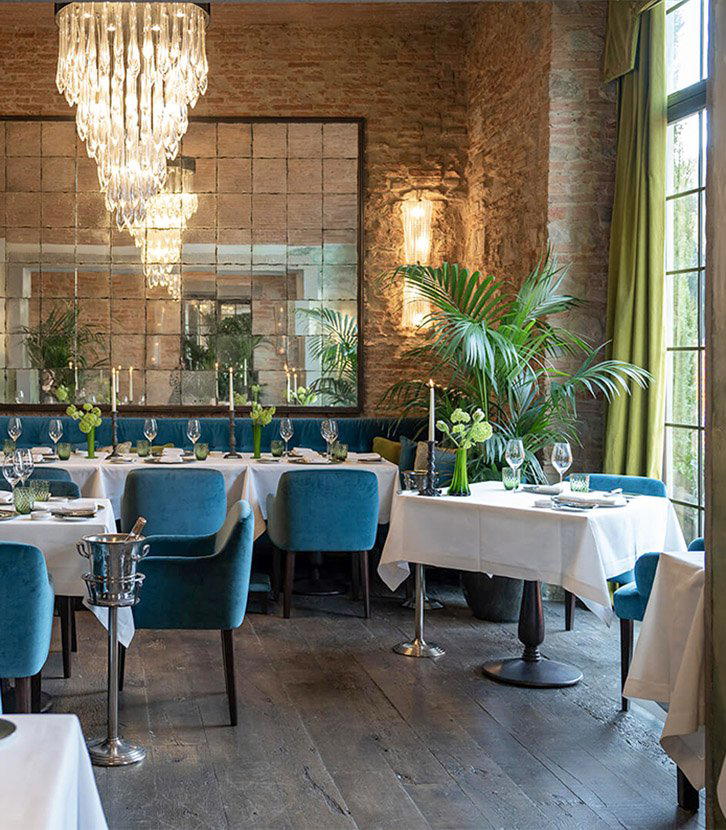
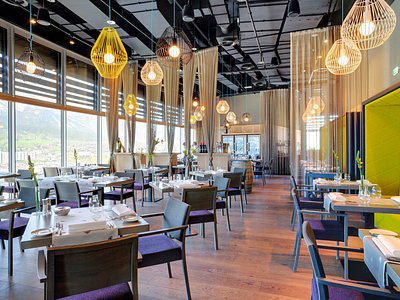
Bars in Mittenwald
Browse all →
At a Glance
- Cozy
- Elegant
- Intimate
- Classic
- Date Night
- Special Occasion
- Historic Building
- Extensive Wine List
- Local Sourcing
Current opening hours
- Monday
- Closed
- Tuesday
- 6:30–11 PM
- Wednesday
- 6:30–11 PM
- Thursday
- 6:30–11 PM
- Friday
- 6:30–11 PM
- Saturday
- 6:30–11 PM
- Sunday
- Closed
Hours can change for holidays and private events. Last verified .
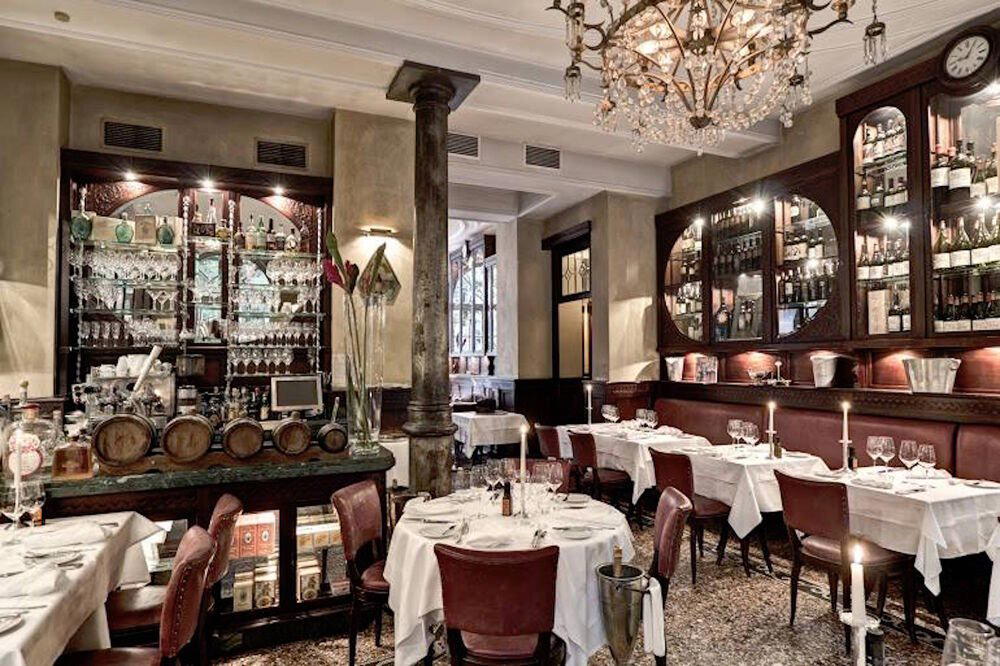
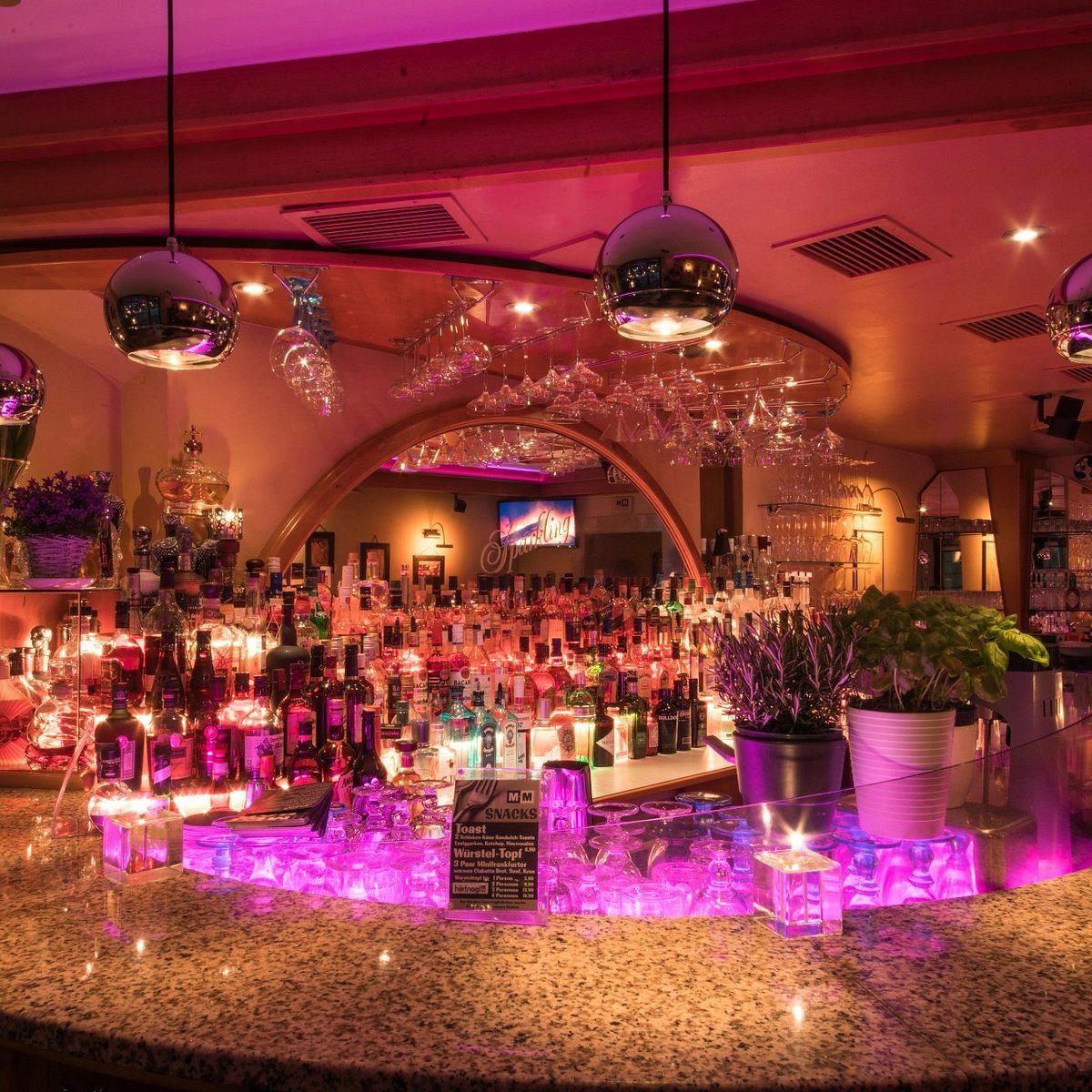
Warm candlelit atmosphere with a cozy inn-like feel and relaxed elegance.