
Landgasthof zum Adler in Rasdorf holds a 2024 Michelin Plate for country cooking at the €€ price point, placing it among Germany's recognized rural dining destinations.6 from 283 reviews signals consistent local and visitor approval. The format follows the German Landgasthof tradition: grounded, seasonal, and firmly rooted in regional produce rather than metropolitan experimentation.
Pearl is the En Primeur Club membership app — saves, bookings, and concierge access live there. Same editors, same standards.
- Address
- Am Anger 1, 36169 Rasdorf, Germany
- Phone
- +49 6651 422
- Website
- zum-landgasthof-adler.de
- Directions
- Get directions
 Saves & bookings on Pearl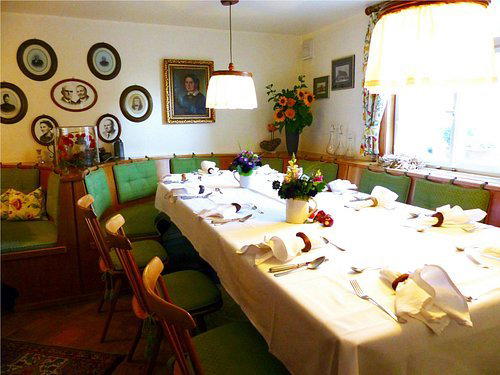
A Country Inn That Earns Its Michelin Plate Without Leaving Its Roots
The Landgasthof as a format is one of Germany's most durable dining institutions. At its core, it is a village inn that feeds the community first and the travelling guest second, structured around what the season and the surrounding region can supply rather than around what a tasting menu committee might approve. When Michelin extends a Plate to a house operating inside that tradition, as it did for Landgasthof zum Adler in 2024, it is recognizing something specific: the discipline required to keep country cooking honest while meeting a standard of execution that satisfies inspectors. That distinction is not automatic in the genre.
Rasdorf, a small municipality in the Hessian Rhön, sits in central Germany, a range of basalt hills, beech forests, and farming communities that has never built an identity around fine dining tourism. That makes the Michelin Plate more telling. The recognition arrives not because the kitchen is chasing urban technique or cosmopolitan references, but because it appears to be doing the harder thing: working within strict regional parameters and producing food that justifies the journey from outside.
What the Menu Architecture Says About the Kitchen
Country cooking menus, when they are functioning at their leading, operate as a direct record of regional produce cycles. The structure is typically less elaborate than urban tasting menus, fewer courses, shorter preparations, and a refusal to over-architect flavour. What this format demands instead is sourcing integrity and the kind of cooking confidence that does not require technical distraction to hold a diner's attention. A dish reads what it is. The pleasure comes from the quality of the ingredient and the correctness of its treatment, not from unexpected combinations.
At the €€ price point, Landgasthof zum Adler positions itself as accessible rather than aspirational in financial terms, which is itself a statement about the kitchen's priorities. Germany's Michelin-recognized rural houses occupy a range from affordable to quietly expensive, and staying in the lower bracket while earning acknowledgment from Michelin's Plate category suggests the focus is on the cooking rather than on building a premium brand architecture. For context, Berlin's Michelin-starred houses, including Rutz and Nobelhart & Schmutzig, operate at the €€€€ tier, where the price itself is part of the proposition. The Adler model is different: the value is in the ratio of quality to cost, which is exactly the ratio a Landgasthof should be optimizing.
The Rhön region's agricultural base tends toward game, cured meats, root vegetables, and dairy in the colder months, with foraged and market produce filling out the warmer calendar. A kitchen aligned with that cycle would change its menu composition meaningfully across the year, meaning a visit in October and a visit in April are likely to read as different meals even if the format stays constant. This is the defining characteristic of country cooking done seriously, and it is what separates a committed regional house from an inn that happens to have a kitchen.
Where It Fits in the German Rural Dining Picture
Germany's recognized country cooking venues are geographically dispersed, which is part of what makes the category interesting. Unlike France, where the starred country auberge clusters in defined gastronomic corridors, Germany's rural Michelin recognition appears across regions that don't share culinary traditions. Schwarzwaldstube in Baiersbronn represents the refined end of the Black Forest tradition. ES:SENZ in Grassau works in the Bavarian alpine context. Landgasthof zum Adler occupies the Hessian Rhön, a region with a different agricultural character and without the same established fine-dining tourism infrastructure. Its comparable set internationally would include houses like 21.9 in Piobesi d'Alba and Andrea Monesi - Locanda di Orta in Orta San Giulio, both of which work within the locanda or country inn model while maintaining recognized culinary standards.
In a village environment, reviews tend to come from people who made a deliberate trip or are returning regulars. A sustained 4.6 across that volume suggests the kitchen is consistent across service types, from the everyday local diner to the occasional visitor who has made the detour specifically because of the Michelin recognition.
Planning a Visit
Rasdorf is accessible by car from Fulda, which sits on the Frankfurt-Kassel rail corridor and is approximately 25 kilometres west. Arriving by public transport alone to the village itself is impractical for most visitors, making this a destination that rewards combining with a broader Rhön itinerary rather than a standalone day trip from a major city. The Michelin Plate and the 4.6 rating suggest that advance booking is advisable, particularly for weekend lunch and dinner. As with most German Landgasthof operations, the kitchen's hours likely follow a traditional weekly rhythm with one or more closure days; confirming availability before travelling is essential given the journey required. The €€ price range means a full meal with drinks should remain well inside what comparable urban bistro dining would cost, making the effort-to-value case relatively clear for anyone already in the region.
Travellers building a broader German regional food itinerary might pair a visit here with JAN in Munich, Aqua in Wolfsburg, Vendôme in Bergisch Gladbach, or Restaurant Haerlin in Hamburg to cover the range from starred urban dining to recognized country cooking in a single itinerary. For those approaching from Berlin specifically, the city's own dining range, from the creative tasting format of CODA Dessert Dining to the Chinese-influenced work at Restaurant Tim Raue and the market-driven approach at Das Marktrestaurant, sits in a completely different register.
Budget and Context
Comparable venues nearby, for context on price, style, and recognition.
| Venue | Cuisine | Price | Awards | Notes |
|---|---|---|---|---|
| Landgasthof zum AdlerThis venue — the venue you are viewing | Dining | $$ | Michelin Plate | Not listed |
| Aspendos | Schöneberg, Turkish Döner & Grill | $ | Not listed | Not listed |
| Rüyam Gemüse Kebab | Schöneberg, Turkish Döner Kebab | $ | Not listed | Not listed |
| Kitten Deli | Not listed | $$ | Michelin Plate | Neukolln, Israeli Mediterranean Vegetarian |
| Restaurant 1687 | Mitte, Dining | Not listed | Michelin Plate | Not listed |
| Bardele | Mitte, Italian Contemporary Trattoria | $$$ | Michelin Plate | Not listed |
Recognition history
Dated appearances from independent guides and award organizations, with the underlying list record or original source where available.
Michelin Plate
Michelin
Continue exploring
More in Berlin
At a Glance
- Rustic
- Classic
- Cozy
- Family
- Group Dining
- Celebration
- Private Event
- Historic Building
- Standalone
- Local Sourcing
- Farm To Table
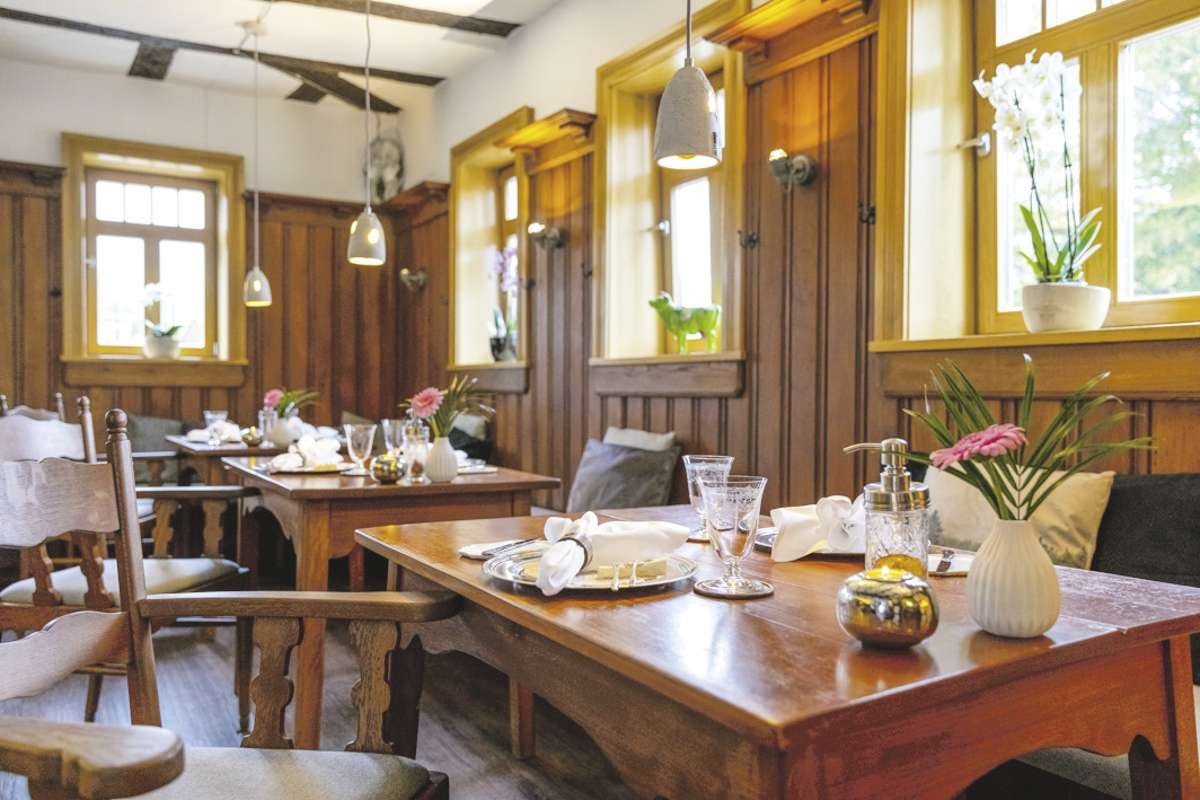
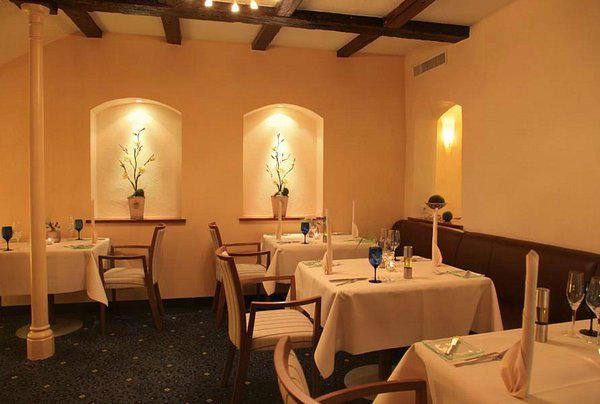
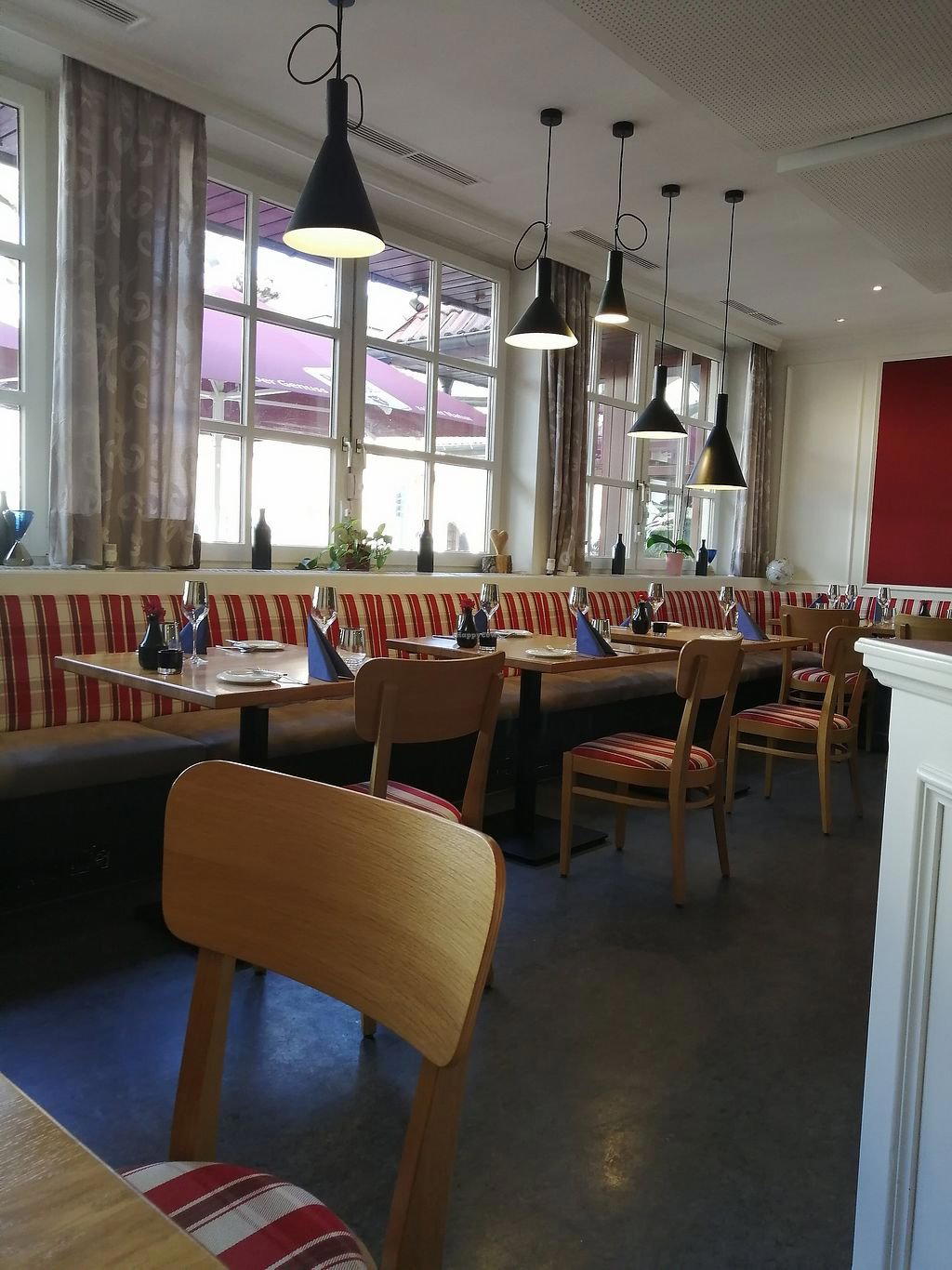
Traditional rural German inn atmosphere with a familial, old-established feel and generous event spaces.