Das Markthof


Michelin Plate · Falstaff Restaurant - 94 Falstaff Points
Our verdict
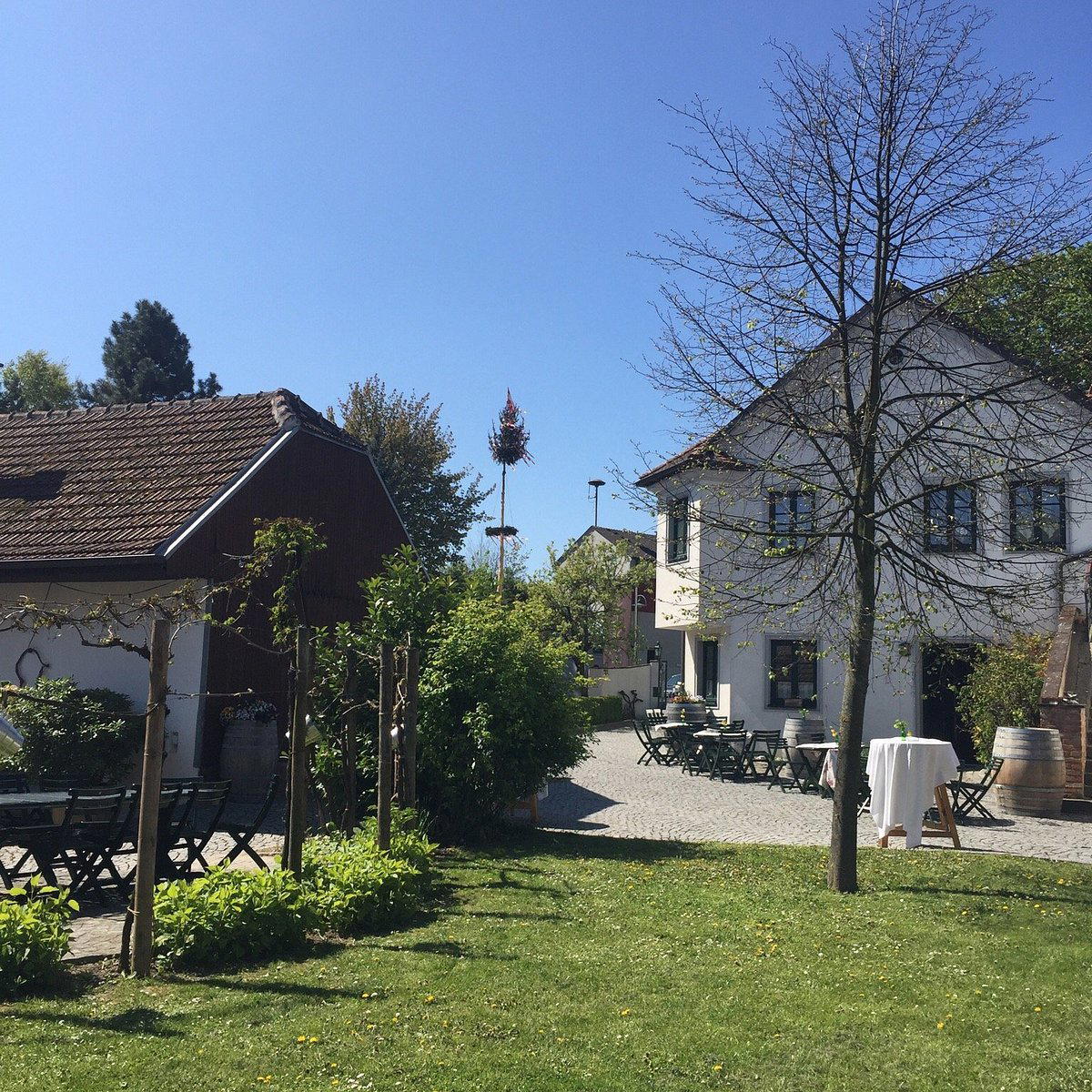
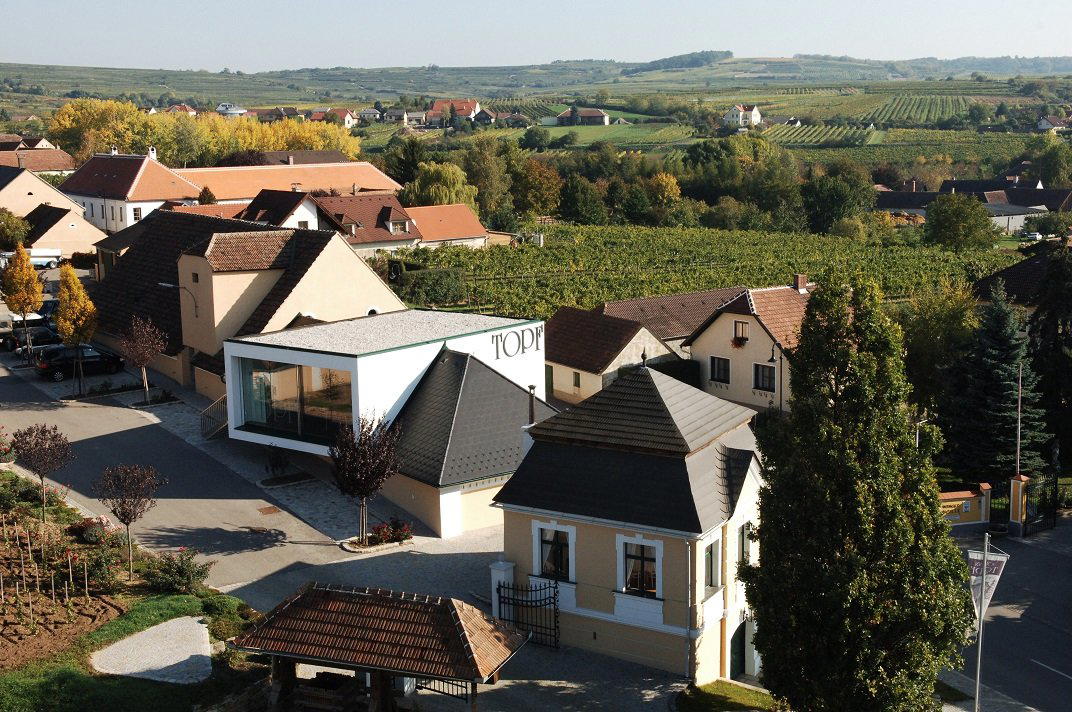
Das Markthof sits on a working organic farm in the small Lower Austrian village of Siegersdorf, where chefs Fabian Schasching and Max Eichberger translate estate-grown produce, including Angus beef raised on the property, into a menu that moves between hearty regional cooking and more considered fine-dining technique. The glass-fronted dining room opens fully in summer, extending onto a garden terrace that makes the farm setting tangible rather than decorative.

Pearl is the En Primeur Club membership app, where members save venues, book tables and use the concierge.
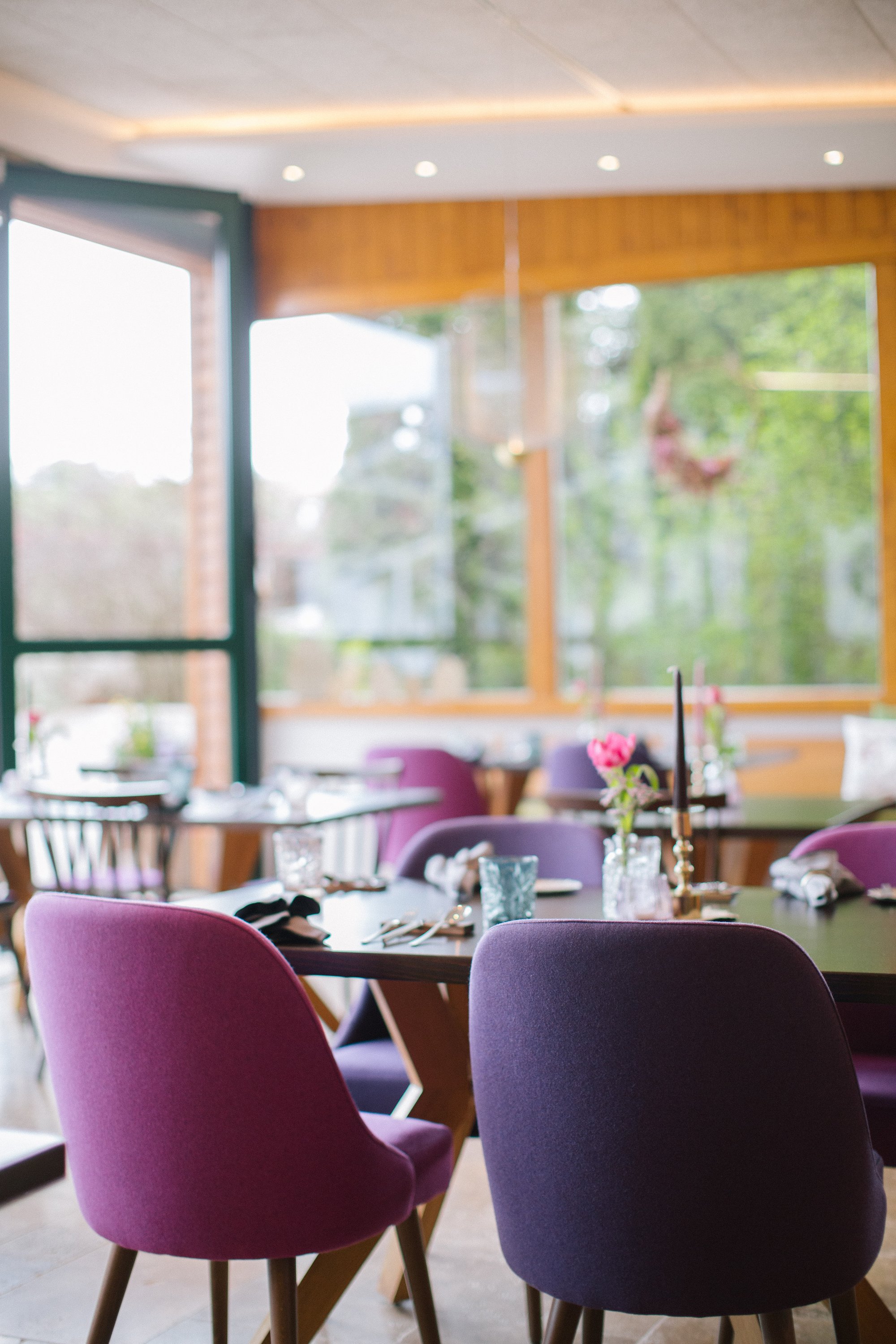
Where the Farm Is the Kitchen
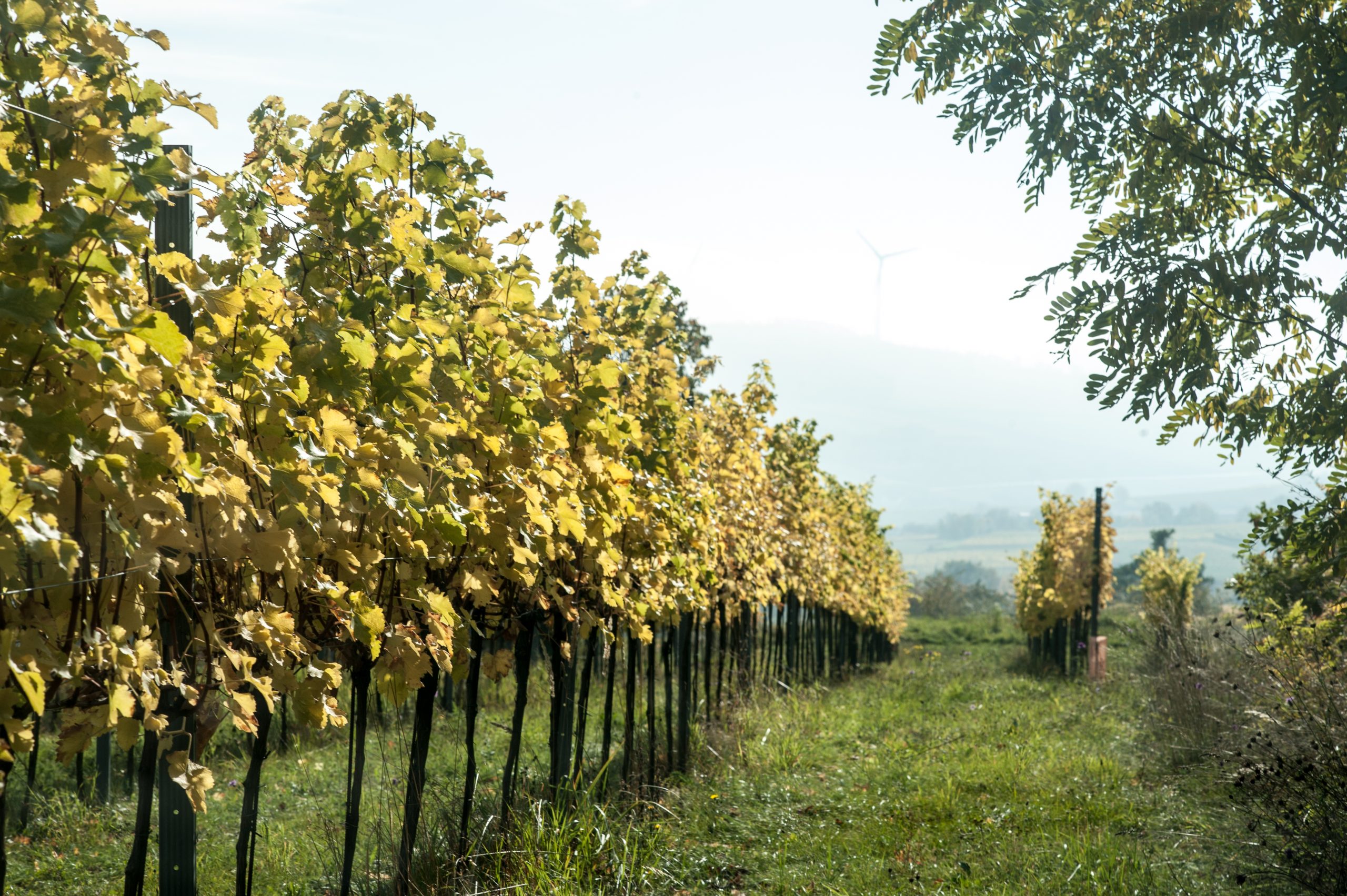
In Austria's wine-country villages, the gap between producer and plate is often smaller than anywhere else in Central Europe. The Kellergasse, the cellar lane, is a distinctly Lower Austrian institution: a road lined with wine cellars dug into hillsides, belonging to farming families who have worked the same land for generations. Das Markthof sits at Kellergasse 1 in Siegersdorf, and that address is more than geography. It signals that the restaurant exists because the farm exists, not the other way around.
The Edhofer family's organic operation underpins the kitchen in a direct and specific way: Angus beef raised on the property appears on the menu alongside produce grown in the surrounding fields. This is not a farm-to-table concept imported from elsewhere, it is the natural consequence of a farming family that decided to cook. That distinction matters in how the food tastes and in how the room feels. Hostess Angelika Edhofer runs the front of house with the attentiveness of someone who understands that guests are eating her family's work, not an anonymous supply chain's output.
The Physical Experience
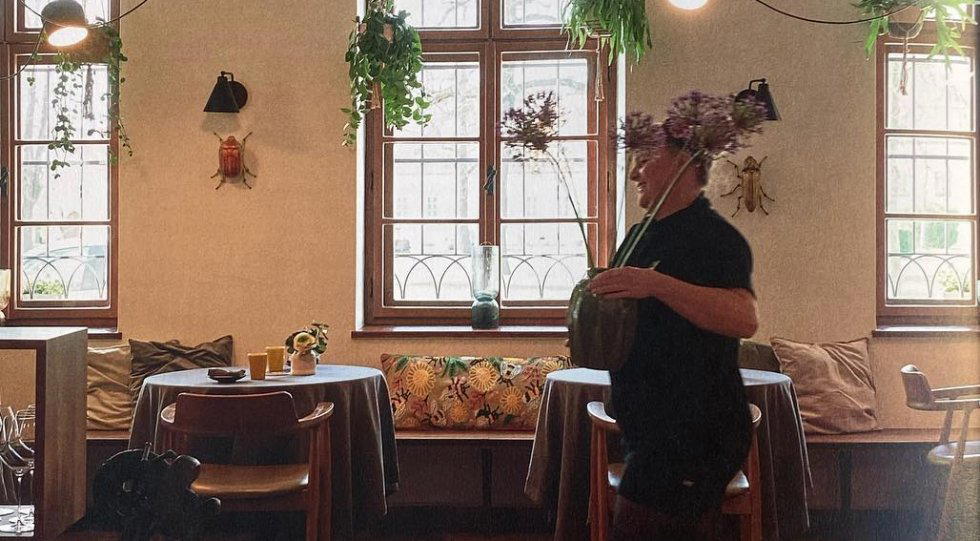
Approaching Das Markthof along the Kellergasse, the setting reads as agricultural before it reads as gastronomic. The village scale, small, quiet, unhurried, establishes a pace that carries inside. The dining room has been updated with modern touches that stop short of disrupting the character of the building: the glass façade is the most significant architectural move, designed to open the room entirely to the garden terrace when weather permits. In summer, the boundary between inside and outside dissolves, and the garden becomes a primary dining space rather than an overflow option. In cooler months, the same glass wall frames the countryside rather than obscuring it.
The overall effect is a room that does not try to compete with urban fine-dining aesthetics. It is comfortable in its setting in the way that a place can only be when it has been thought through by people who actually live there.
Sourcing as the Editorial Spine of the Menu
The broader question in Austrian regional cooking is how kitchens handle the tension between local tradition and wider ambition. The comfortable path is to stay entirely within the vernacular, roasts, dumplings, schnitzel, served to tourists who expect exactly that. The riskier path is to abandon the vernacular in favour of technique-led fine dining that could be anywhere. Das Markthof's chefs Fabian Schasching and Max Eichberger have found a third position: they use the farm's output as the fixed point and let technique move around it.
Estate's organic Angus beef is the clearest example. Angus raised on organic pasture in Lower Austria is not the same product as the industrially finished beef that supplies most of mid-range European dining. The breed, the feed, and the pasture management affect flavour, texture, and fat distribution in ways that conventional sourcing does not. A kitchen that controls its own beef supply can make decisions, about ageing, about cut selection, about how to prepare each part of the animal, that kitchens dependent on wholesale supply cannot. This is not a marketing claim; it is a structural advantage that shapes what appears on the plate.
Alongside the estate produce, the menu reaches out to carefully selected international ingredients. Halibut and lobster appear alongside the farm's own output, a pairing that sits in a well-established tradition of Austrian kitchens that take their local identity seriously but do not treat geography as a creative constraint. Restaurants like Landhaus Bacher in Mautern an der Donau and Obauer in Werfen have long demonstrated that Austrian kitchens can hold regional identity and international ingredient range simultaneously. Das Markthof operates in that same tradition, at a smaller and more intimate scale.
Das Markthof in the Austrian Restaurant Context
Austria's fine-dining tier is anchored in urban centres. Steirereck im Stadtpark in Vienna and Ikarus in Salzburg represent the country's highest-profile restaurant addresses, operating at price points and with a level of media attention that rural restaurants rarely attract. The rural fine-dining category in Austria is smaller but distinctive: places like Gourmetrestaurant Tannenhof in Sankt Anton am Arlberg, Griggeler Stuba in Lech, and Kräuterreich by Vitus Winkler in Sankt Veit im Pongau show that serious cooking can be embedded in the agricultural and Alpine landscape rather than extracted from it.
Das Markthof belongs to this category. It is not competing with Stüva in Ischgl or Schwarzer Adler in Hall in Tirol for the same guest, the context and the proposition are different. It is also not the same as the traditional Heuriger or Gasthaus, which tends to keep the kitchen resolutely within regional tradition. The Markthof occupies a specific niche: farm-sourced, family-run, with culinary ambition that extends the tradition without abandoning it. That niche is relatively uncrowded in Lower Austria, which makes Siegersdorf a more interesting address for serious diners than its size might suggest.
For those exploring the country's broader restaurant culture, covers what else the area offers. And for those whose interest in provenance-driven cooking extends internationally, the same sourcing logic that drives Das Markthof's menu also shapes kitchens as different as Le Bernardin in New York City, where the supply chain for seafood is treated as a primary creative concern, and Ois in Neufelden, which takes a similarly place-rooted approach in Upper Austria. There is also Restaurant 141 by Joachim Jaud in Mieming and Emeril's in New Orleans for readers who want to map how different culinary cultures handle the relationship between local produce and technique.
Planning Your Visit
Siegersdorf is a village-scale destination, which means that a meal at Das Markthof is treated as the anchor of a day or overnight trip rather than a casual dinner on the way through. For those staying in the area, experiences provide context for building a fuller itinerary. The Kellergasse itself is worth time: Lower Austria's wine cellar lanes are among the most atmospheric agricultural landscapes in Central Europe, and the one at Siegersdorf is no exception. The garden terrace at Das Markthof operates in summer and represents the most direct way to experience the farm setting. Reservations are advisable, particularly for summer terrace seating and weekend evenings. Phone and online booking details are best confirmed directly with the venue.
Frequently asked questions
Is Das Markthof child-friendly?
The setting works in families' favour. Das Markthof operates from an organic farm in Siegersdorf, with a garden terrace that opens fully in summer, outdoor space and a farmyard context tend to make the format accessible for children. The menu spans hearty traditional fare alongside fine-dining preparations, so there is range beyond the most formal end of the card.
Is Das Markthof better for a quiet night or a lively one?
Village scale sets the tone at Kellergasse 1: Siegersdorf is small and unhurried, and Das Markthof reflects that. The glass façade opens entirely in summer and the garden terrace adds a social dimension, but the atmosphere Angelika Edhofer cultivates is described as welcoming rather than high-energy. Plan for an attentive, unhurried meal rather than a buzzing dining room.
What dish is Das Markthof famous for?
The kitchen's identity is built on organic Angus beef from the Edhofer family's own farm, that provenance is the clearest editorial thread running through the menu. Chefs Fabian Schasching and Max Eichberger pair it with carefully sourced international produce including halibut and lobster, so the beef represents the farm's signature while the broader menu reaches further.
Comparable Spots, Quickly
Comparable venues nearby, for context on price, style, and recognition.
| Venue | Cuisine | Price | Awards | Notes |
|---|---|---|---|---|
| Das MarkthofThis venue (the venue you are viewing) | Modern Regional Farm-to-Table | Not listed | Michelin Plate · Falstaff Restaurant - 94 Falstaff Points | Not listed |
| Eckel | Classic Austrian | $50–100 | Michelin Plate | Unterdoebling |
| Plachutta | Traditional Viennese | $50–100 | Michelin Plate | Staatsoper |
| Landgasthaus Essl | Austrian Alpine Seasonal Cuisine | $50–100 | Michelin Plate | Rührsdorf, Rossatz |
| Kutschker 44 | Modern Austrian | $50–100 | Michelin Plate | Wahring |
| Gasthaus Tante Liesl | Traditional Viennese Gasthaus | $20–30 | Michelin Plate | Inner City |
Recognition history
Dated appearances from independent guides and award organizations, with the underlying list record or original source where available.
Michelin Plate
Michelin · 2026 Michelin Plate
Falstaff Restaurant - 94 Falstaff Points
Falstaff
Full recognition history (3 entries)
Michelin Bib Gourmand
Michelin
Continue exploring
More in Siegersdorf
Restaurants in Siegersdorf
All restaurants in Siegersdorf →
Bars in Siegersdorf
Browse all →
Hotels in Siegersdorf
Browse all →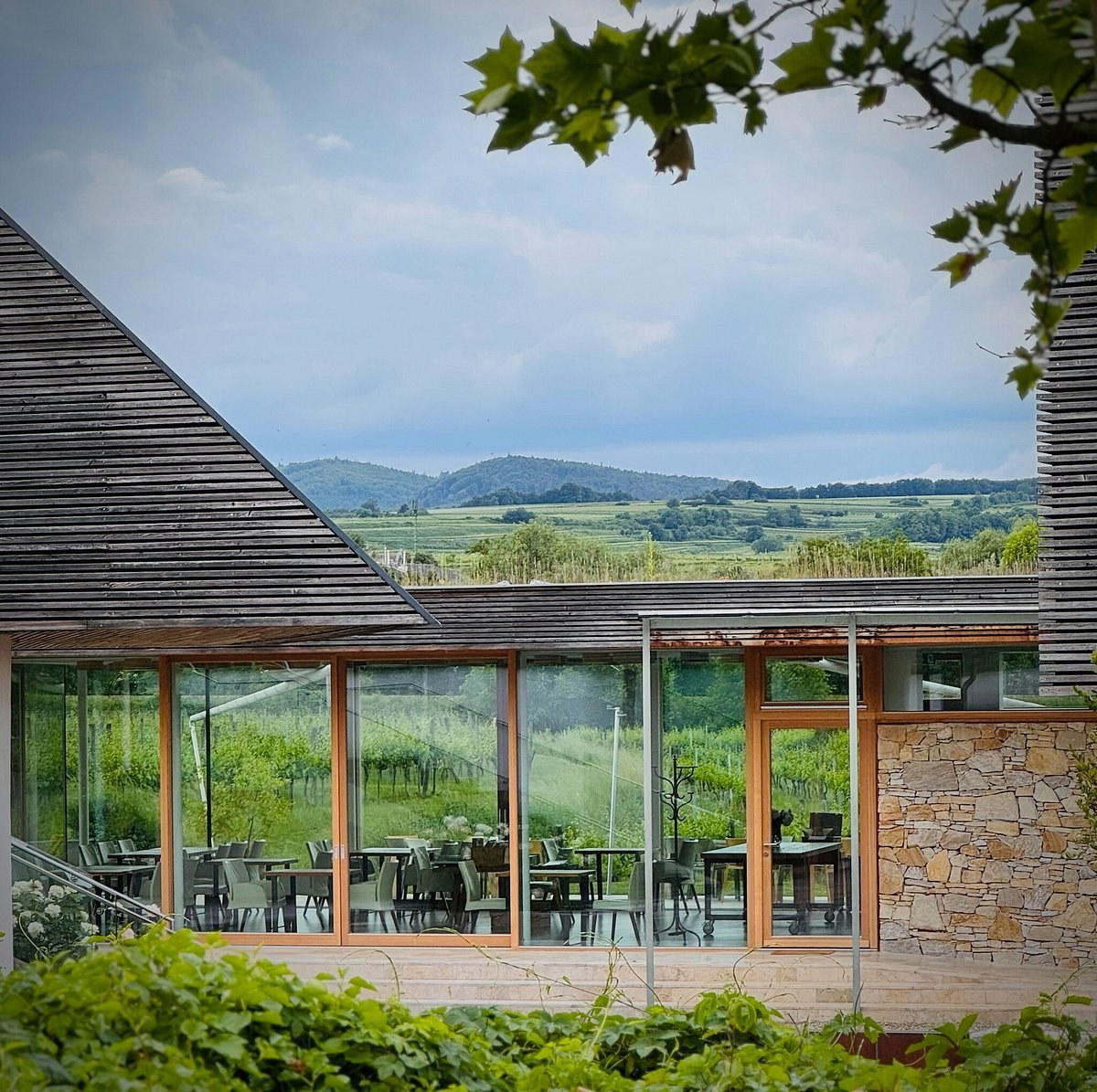
Details
- Rustic
- Cozy
- Intimate
- Scenic
- Special Occasion
- Date Night
- Family
- Historic Building
- Farm To Table
- Local Sourcing
- Garden
- Mountain
- A La Carte
Current opening hours
- Monday
- Closed
- Tuesday
- Closed
- Wednesday
- Closed
- Thursday
- 11 AM–12 AM
- Friday
- 9 AM–12 AM
- Saturday
- 9 AM–12 AM
- Sunday
- 11 AM–8 PM
Hours can change for holidays and private events. Hours as of .
Pleasant, welcoming family atmosphere in a rustic farm setting with a focus on relaxed high-quality dining.