Fleischerei occupies a former butcher's shop on Schönhauser Allee in Prenzlauer Berg, a neighbourhood whose dining scene has quietly outgrown its post-reunification reputation. The address sits within Berlin's broader creative dining corridor, where the city's most ambitious kitchens continue to push against the grain of conventional fine dining formats.
Pearl is the En Primeur Club membership app — saves, bookings, and concierge access live there. Same editors, same standards.
- Address
- Schönhauser Allee 8, 10119 Berlin, Germany
- Phone
- +493050182117
- Website
- fleischerei-berlin.com
- Directions
- Get directions
 Saves & bookings on Pearl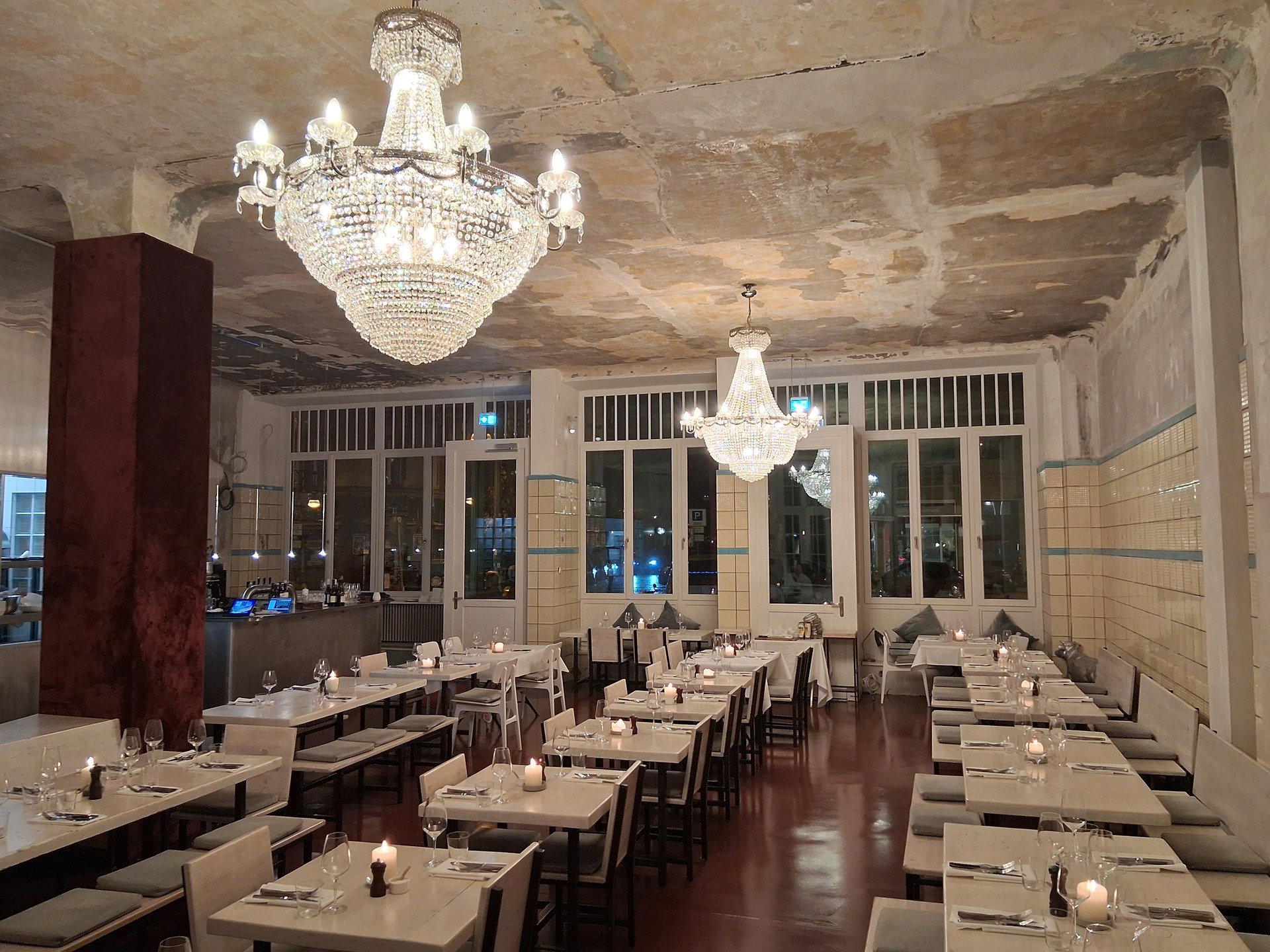
A Street, a Name, a Shift in What Berlin Expects from a Dining Room
Schönhauser Allee runs through the spine of Prenzlauer Berg like a tram line through memory. The street has absorbed waves of reinvention since reunification: artist squats that became boutiques, corner bars that became cocktail programmes, and in more than a few cases, spaces whose original industrial or trade purpose has been consciously reclaimed as atmosphere. The name Fleischerei translates directly from German as butcher's shop, and the address at number 8 sits in a neighbourhood that has spent three decades shedding one identity and reaching for another. That tension between inherited space and contemporary ambition is something Berlin's leading dining rooms have learned to use rather than apologise for.
The broader context matters here. Berlin's fine dining tier has consolidated around a small number of kitchens that have earned international recognition while maintaining the city's signature resistance to formality. Nobelhart & Schmutzig on Friedrichstrasse runs a hyper-regional counter format that strips the tasting menu down to its most confrontational local ingredients. Rutz in Mitte has held Michelin recognition while building one of the city's most serious natural wine programmes. FACIL at The Mandala Hotel operates a quieter, more architectural kind of contemporary European precision. These kitchens do not share a style, but they share a commitment to format discipline over spectacle. Fleischerei enters this conversation from Prenzlauer Berg, a neighbourhood that has historically punched below its weight in serious dining relative to Mitte or Kreuzberg.
The Evolution of a Prenzlauer Berg Address
What makes Fleischerei worth tracking is not simply what it is now, but what it represents as a category signal. Prenzlauer Berg spent its post-reunification years as a neighbourhood of affordable neighbourhood restaurants, family-friendly cafes, and the kind of Italian or Asian spots that serve a residential population rather than a destination diner. The appearance of a restaurant carrying the deliberate weight of a name like Fleischerei, on a commercial stretch of Schönhauser Allee, marks a meaningful shift in where Berliners expect serious cooking to happen.
This kind of geographic drift in a city's dining ambition is not distinctive to Berlin. In Paris, the 11th arrondissement absorbed the natural wine and neo-bistro movement before anyone admitted it had. In London, Bermondsey and Peckham built credible fine dining reputations while Mayfair held the institutional tier. In Berlin, the movement has been slower and more self-conscious, partly because the city's dining culture has long prized accessibility over exclusivity. Fleischerei's position in Prenzlauer Berg reads as part of that cautious northward expansion of destination dining away from the tourist-heavy centre.
For comparison, Germany's most decorated kitchens largely operate outside its major cities altogether. Schwarzwaldstube in Baiersbronn, Aqua in Wolfsburg, and Waldhotel Sonnora in Dreis represent Germany's highest Michelin tier in settings that require deliberate travel. Berlin, by contrast, is trying to build a city dining identity that competes on those terms without the rural-retreat format. Vendôme in Bergisch Gladbach and Victor's Fine Dining by Christian Bau in Perl operate in that destination-outside-the-city mode. Berlin's ambition is different: dining that earns its place within a living, working neighbourhood.
Reading the Room: Format and Expectation
The name Fleischerei does specific work. It signals awareness of the space's history and a willingness to let that history sit in the room rather than be plastered over. Berlin's most interesting hospitality projects have consistently done this: kept the tiles, kept the counters, kept the hooks where they are, and built a kitchen programme around the tension between what the space was and what it now serves. CODA Dessert Dining operates on a similar principle of conceptual precision in a space that does not announce itself with grandeur. Restaurant Tim Raue built an Asian-inflected fine dining identity in a Kreuzberg townhouse rather than a hotel lobby.
The pattern across Berlin's serious dining tier is consistent: format clarity over theatrical scale. Kitchens that know exactly what they are doing tend to occupy rooms that match that certainty. A former butcher's shop on a tram-line street in Prenzlauer Berg, if handled with precision, is a stronger editorial statement than a purpose-built fine dining room in a hotel. The question Fleischerei poses to its neighbourhood is whether the cooking inside is as considered as the name on the door.
For readers placing Berlin's creative dining scene in a wider German context, the city's comparable set has expanded in recent years. JAN in Munich, Restaurant Haerlin in Hamburg, ES:SENZ in Grassau, and Schanz in Piesport each represent the kind of regional seriousness that makes Berlin's urban dining project both harder and more interesting to sustain. Bagatelle in Trier adds a further data point: Germany's serious dining is geographically dispersed in a way that no single city has fully resolved. Internationally, kitchens like Le Bernardin in New York City and Lazy Bear in San Francisco demonstrate how a clear format identity, held consistently, becomes the primary trust signal for a dining room over time.
Planning a Visit
Fleischerei is a restaurant in Berlin serving Modern German Meat Cuisine at Schönhauser Allee 8, 10119 Berlin, Germany.
| Venue | Neighbourhood | Format | Price Tier |
|---|---|---|---|
| Fleischerei | Prenzlauer Berg | Not confirmed | Not confirmed |
| Nobelhart & Schmutzig | Friedrichshain-Kreuzberg | Counter / Tasting Menu | €€€€ |
| Rutz | Mitte | Tasting Menu / À la carte | €€€€ |
| FACIL | Mitte | Contemporary European Tasting | €€€€ |
| CODA Dessert Dining | Neukölln | Dessert-led Tasting Menu | €€€€ |
Reputation Context
Comparable venues nearby, for context on price, style, and recognition.
| Venue | Cuisine | Price | Notes |
|---|---|---|---|
| FleischereiThis venue — the venue you are viewing | Modern German Meat Cuisine | $$$ | Not listed |
| Restaurant Deutsche Oper | Sophisticated German Cuisine | $$$ | Charlottenburg |
| FOREIGN AFFAIRS | Authentic Austrian | $$$ | Mitte |
| Jungbluth | Modern German Cuisine | $$$ | Steglitz |
| Restaurant HessenWinkel | Regional German with Seasonal Specialties | $$$ | Rahnsdorf |
| Jasper's Mitte | Austrian & Bavarian Schnitzel House | $$$ | Scheunenviertel |
Continue exploring
More in Berlin
Restaurants in Berlin
Browse all →
Bars in Berlin
Browse all →
Hotels in Berlin
Browse all →
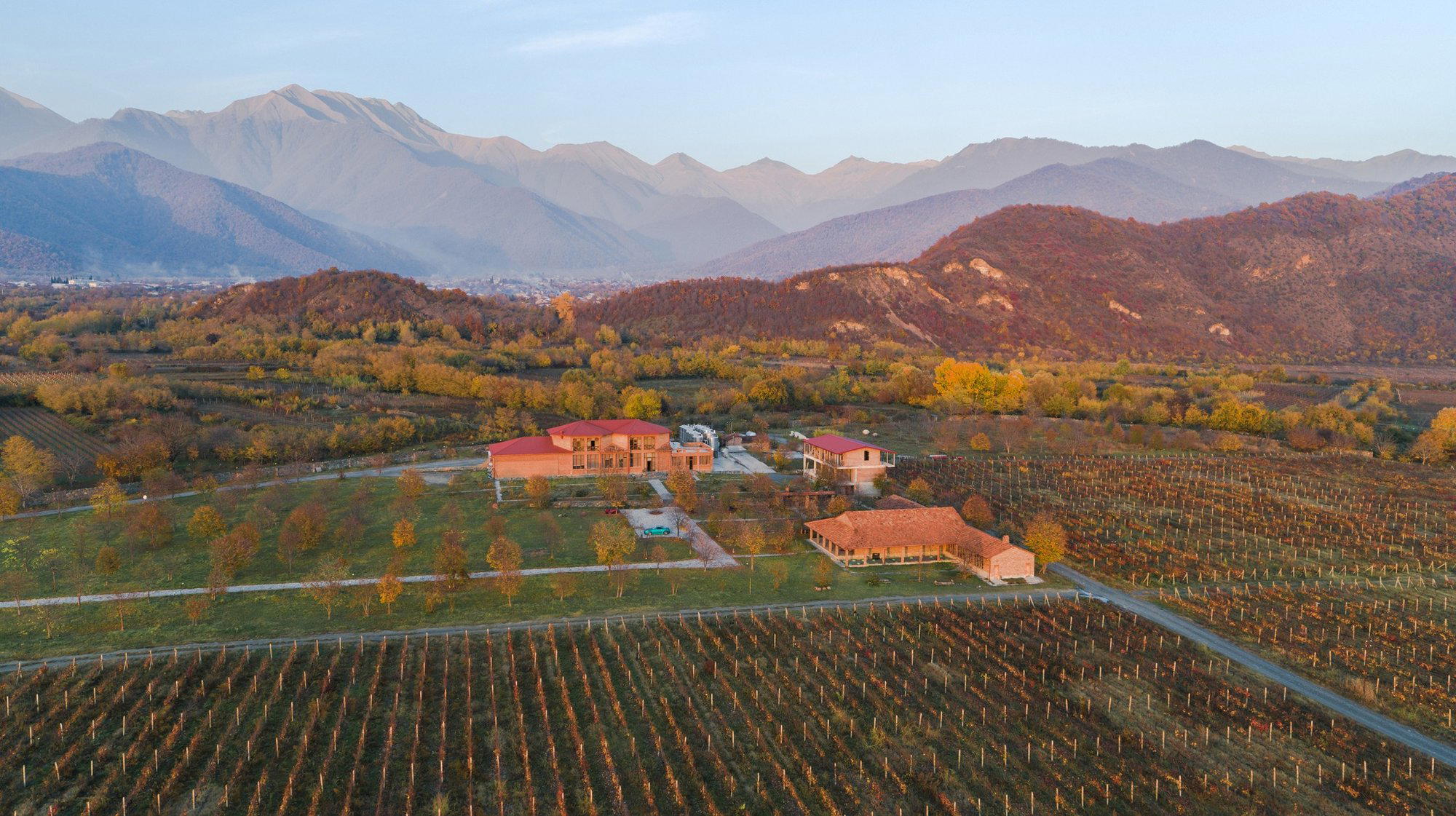
Wineries in Berlin
Browse all →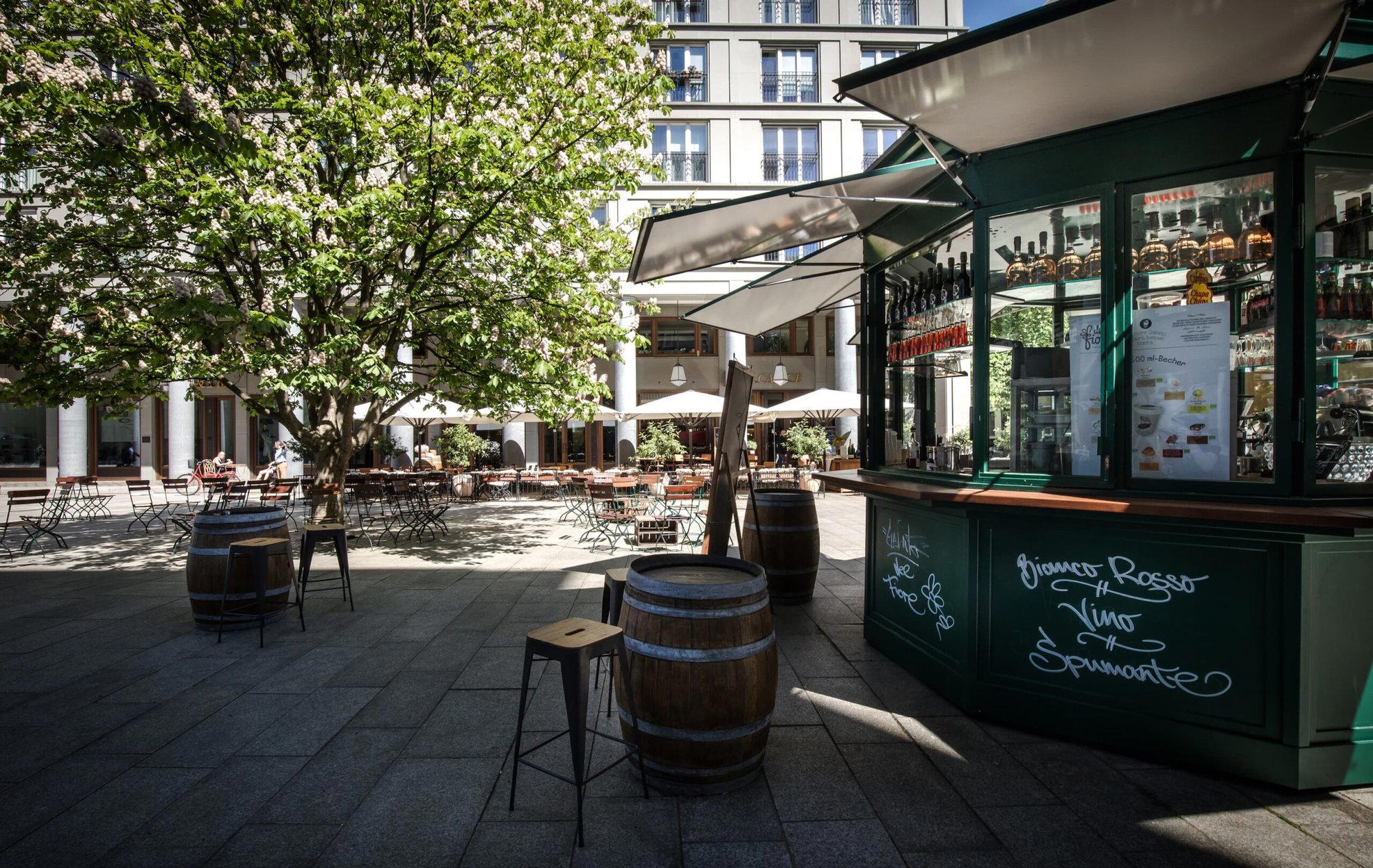
At a Glance
- Rustic
- Cozy
- Industrial
- Date Night
- Casual Hangout
- Historic Building
- Extensive Wine List
- Local Sourcing
Current opening hours
- Monday
- 12–3 PM, 6–11 PM
- Tuesday
- 12–3 PM, 6–11 PM
- Wednesday
- 12–3 PM, 6–11 PM
- Thursday
- 12–3 PM, 6–11 PM
- Friday
- 12–3 PM, 5:30–11 PM
- Saturday
- 5:30–11 PM
- Sunday
- 6–11 PM
Hours can change for holidays and private events. Last verified .
Refined atmosphere with wooden interiors, tiled walls, large chandeliers, and vintage butcher shop photos.