Das Kappel
Das Kappel sits in Kitzeck im Sausal, a Styrian wine village perched above the Leibnitz plain where the region's green-gold Welschriesling and Sauvignon Blanc define both the landscape and the table. In a part of Austria where sourcing and terroir are the organising principles of serious dining, the address at Steinriegel 25 places it at the edge of hillside wine country that has quietly attracted attention from Austrian food circles. See how it fits into Styria's broader dining scene below.
Pearl is the En Primeur Club membership app — saves, bookings, and concierge access live there. Same editors, same standards.
- Address
- Steinriegel 25, 8442 Steinriegel, Austria
- Phone
- +434334562347
- Website
- daskappel.at
- Directions
- Get directions
 Saves & bookings on Pearl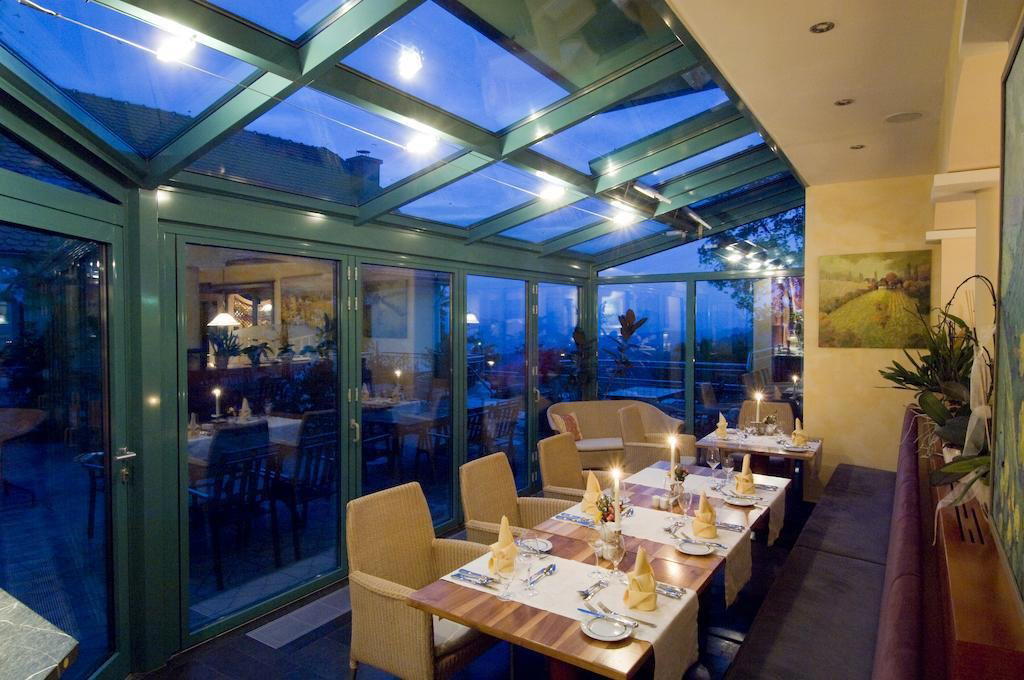
Sausal Hillside: The Setting That Shapes the Kitchen
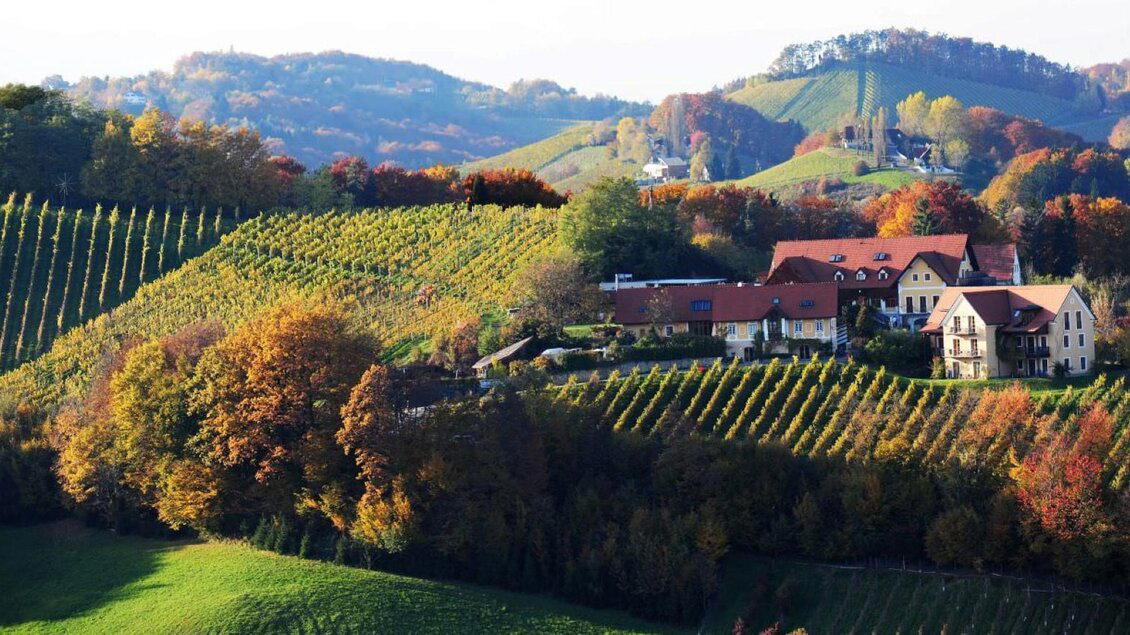
The road into Kitzeck im Sausal climbs through a sequence of steep vineyard rows that shift from pale straw to deep green depending on the season, with the Leibnitz plain spreading out below at an altitude that already signals you are somewhere particular. Kitzeck itself is often cited as one of the highest wine villages in Central Europe, and arriving at an address along Steinriegel means passing working vineyards before you reach the door. That geography is not incidental to how places like Das Kappel operate. In a wine-farming region, what arrives on the plate is inseparable from what grows within sight of the kitchen.
Styria's southern wine routes, the Südsteiermark and the Sausal, have developed a dining identity distinct from Vienna's polished urban fine dining or the grand alpine kitchens of Tyrol. Here, the connection between grower and table is compressed. Producers, farmers, and cooks often share the same postal district. Across the region, that proximity has produced a generation of addresses where provenance is the editorial argument of the menu, not a marketing footnote.
The Sourcing Logic of the Sausal
Austrian regional dining has moved in a clear direction over the past decade: away from generic Central European comfort food and toward menus that treat local sourcing as a structural commitment rather than an optional virtue. Styria sits at the leading edge of that shift. The region produces pumpkin seed oil, sheep's milk cheese, Vulcano-cured meats, Styrian beef, and a range of wild forageable ingredients that appear across the serious kitchens of the province. Chefs working in the Sausal hills have access to a supply chain that chefs in Vienna or Salzburg must negotiate at greater distance and cost.
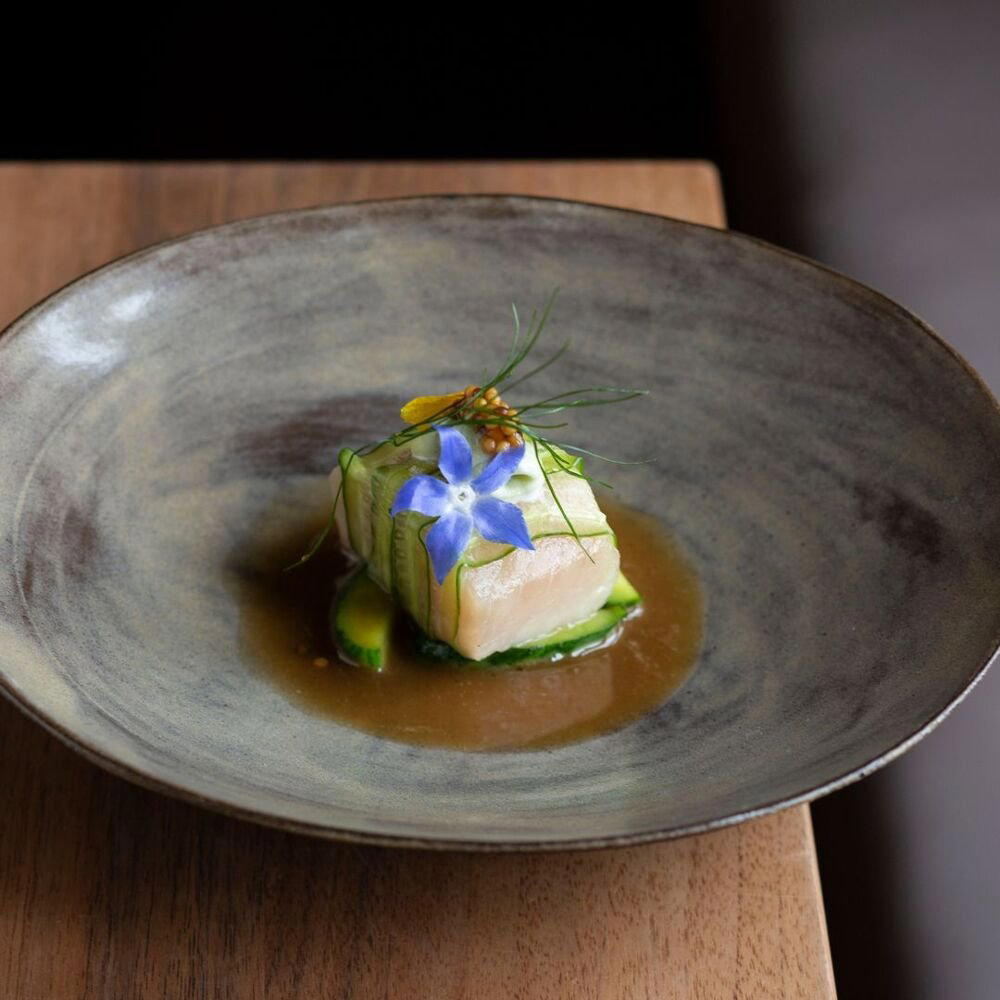
That advantage shapes what serious Styrian tables can do. When a kitchen is within a short drive of the farms and press houses supplying it, the menu can respond to what is actually at peak condition rather than what is available through a distributor's weekly list. The wines of the Sausal, particularly its Welschriesling, which carries a mineral edge from the region's Opok soils, function as an extension of the same terroir argument. Wine pairings in this context are not add-ons; they are the logical completion of a sourcing philosophy that starts in the ground.
Das Kappel's position at Steinriegel 25 in this environment places it inside that regional logic. The address is in Sausal wine country proper, which means access to that compressed supply chain and the accountability that comes with it. Sourcing claims in a community this small are verifiable by neighbours.
Styria's Dining Tier and Where This Address Fits
Austrian fine dining has a recognisable upper bracket. Steirereck im Stadtpark in Vienna and Döllerer in Golling an der Salzach represent the country's most decorated end of the spectrum, with Michelin recognition and international visibility. Landhaus Bacher in Mautern an der Donau and Obauer in Werfen anchor the classic-cuisine tier with decades of consistent regional authority. Taubenkobel in Schützen am Gebirge represents a more contemporary Franco-Austrian current.
Below that upper tier sits a dense layer of regionally significant addresses that rarely generate international press but hold real authority within the provinces. Styrian wine-country dining belongs largely to this layer. It prioritises depth of sourcing over display, and wine literacy over cocktail culture. Visitors who have eaten at Taubenkobel in Schützen am Gebirge or Thaller - Gasthaus in Sankt Veit am Vogau will recognise the register: locally rooted, seasonally disciplined, paired closely with the wines of the immediate region.
For context on how Austria's other provincial dining scenes operate, the Salzburg axis (covered by addresses like Ikarus in Salzburg and Atelier Fischer in Sankt Gilgen) leans toward international technique and tourist-season programming. The Tyrolean rooms (Gourmetrestaurant Tannenhof in Sankt Anton am Arlberg, Stüva in Ischgl, Griggeler Stuba in Lech) operate within the seasonal economics of ski resorts. Styrian wine-country dining is neither of those things. It runs on local patronage and regional agriculture, which produces a different kind of consistency.
Planning a Visit to Kitzeck im Sausal
Kitzeck im Sausal is most accessible by car from Leibnitz, which sits on the main rail line between Graz and Maribor. The drive up from Leibnitz takes roughly fifteen minutes on roads that narrow as they climb. Graz, Styria's capital and a city with a serious food culture of its own, is approximately 40 kilometres to the north. The Sausal is genuinely rural, and visitors combining it with the broader Südsteiermark wine route will find the logistics easier with a full day allocated rather than a short detour. Harvest season, running from September into October, concentrates both activity and atmosphere in the hillside villages. For a broader orientation to the area's dining options, see our full Kitzeck im Sausal restaurants guide.
The Broader Austrian Regional Dining Argument
Internationally, Austrian regional dining sits in an interesting position relative to peers. At the format level, the sourcing-led, wine-forward provincial room has close analogues in places like Lazy Bear in San Francisco or, in its relationship between kitchen and coastline, Le Bernardin in New York City, kitchens where a single sourcing principle organises the entire offer. In the Austrian context, addresses like Kräuterreich by Vitus Winkler in Sankt Veit im Pongau and Ois in Neufelden demonstrate that the provincial-sourcing model is producing some of the country's more interesting dining arguments, even without the visibility of the upper Michelin tier. Restaurant 141 by Joachim Jaud in Mieming and Schwarzer Adler in Hall in Tirol show the same pattern in Tyrol. The provincial model, in short, is not a consolation for missing Vienna, it is a different and coherent way of eating in Austria.
Das Kappel sits in this context. The address in Sausal wine country is itself a statement of affiliation: with Styrian produce, with the wine village model, and with the compressed geography that makes genuine terroir dining possible at a scale the cities cannot replicate.
Comparison Snapshot
Comparable venues nearby, for context on price, style, and recognition.
| Venue | Cuisine | Price | Notes |
|---|---|---|---|
| Das KappelThis venue — the venue you are viewing | Modern Styrian Regional | $$$ | Not listed |
| Koarl | Modern Austrian | $$$ | Hollenegg, Bad Schwanberg |
| Edler im Landhaus Oswald | Modern Austrian Fine Dining | $$$ | Unterbergla |
| Stadt Meierei | Refined Austrian Cuisine | $$$ | City Center |
| Weinrefugium Brolli | Traditional Austrian Regional | $$$ | Gamlitz |
| Casino Restaurant Baden | Austrian Fine Dining | $$$ | Centre |
Continue exploring
More in Kitzeck Im Sausal
Restaurants in Kitzeck Im Sausal
Browse all →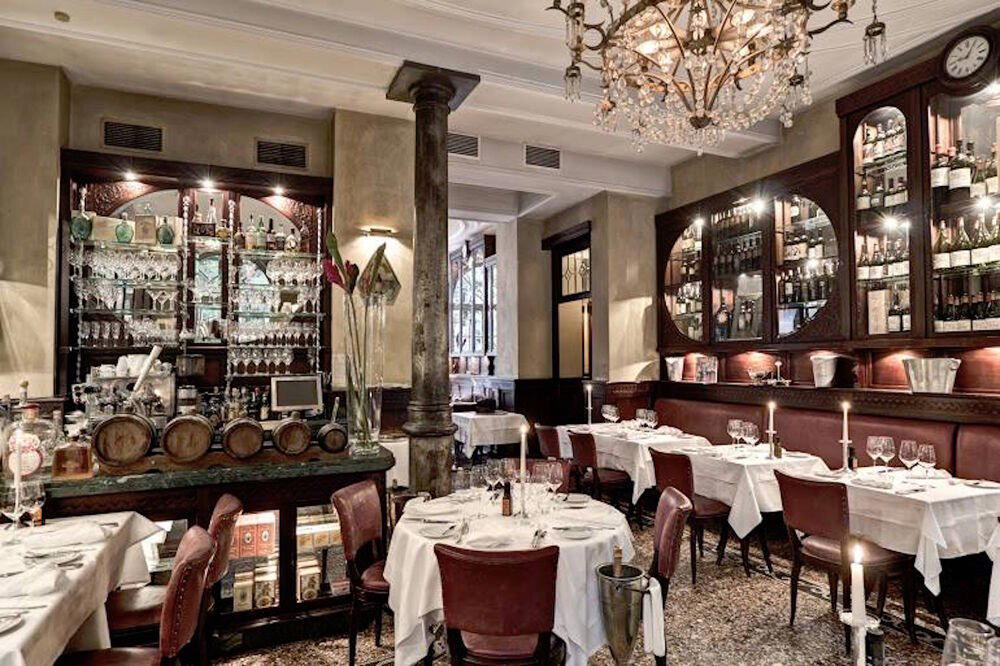
Bars in Kitzeck Im Sausal
Browse all →
Hotels in Kitzeck Im Sausal
Browse all →

At a Glance
- Rustic
- Cozy
- Scenic
- Special Occasion
- Date Night
- Panoramic View
- Hotel Restaurant
- Extensive Wine List
- Local Sourcing
- Mountain
- Vineyard
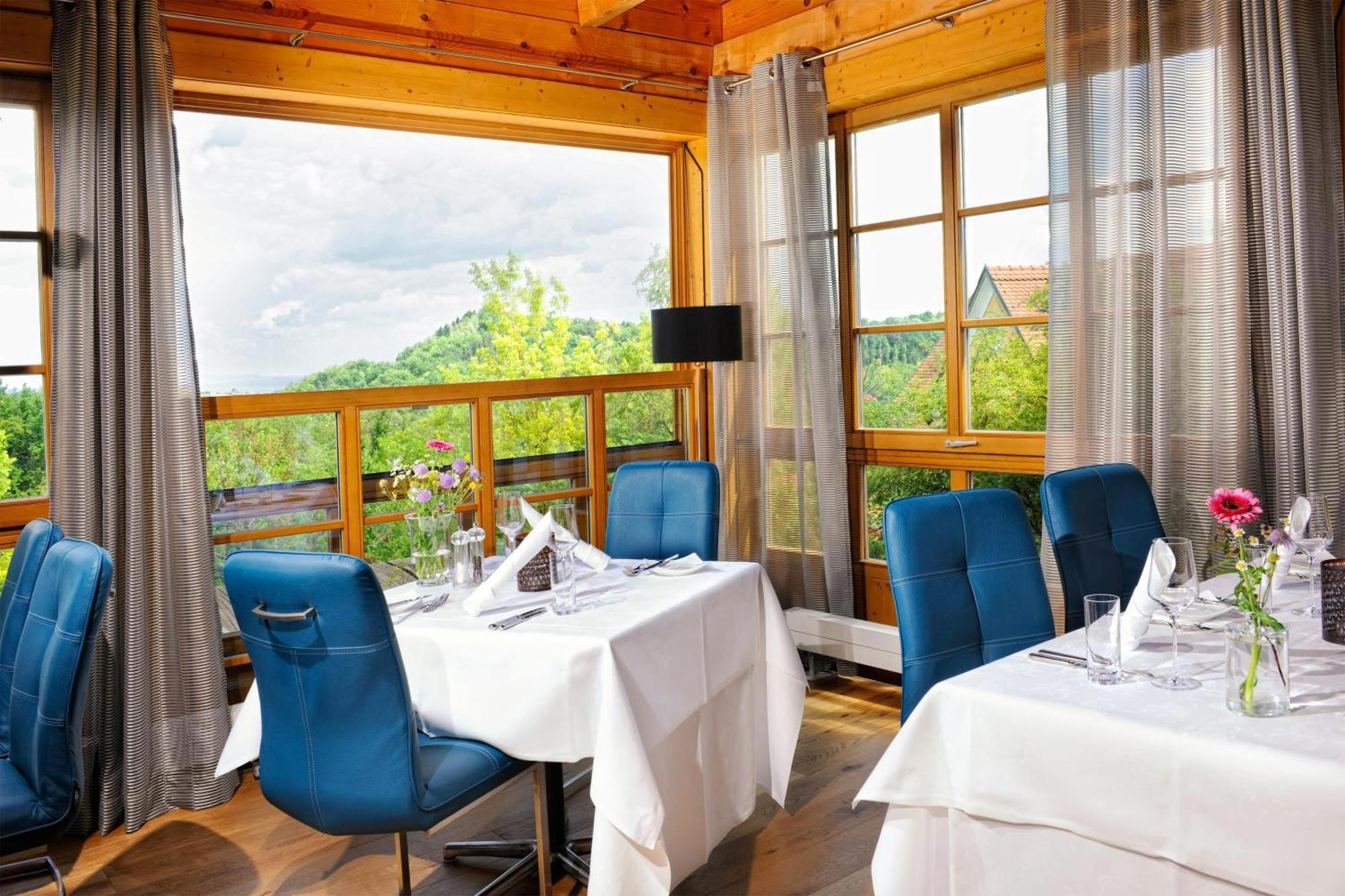
Traditional ambiance with panoramic hillside views and cozy, rustic charm.