
Michelin Bib Gourmand
Our verdict
A Michelin Bib Gourmand-recognised Wirtshaus on the Seggauberg above Leibnitz, Schlosskeller Wirtshaus delivers farm-to-table cooking at a mid-range price point that is increasingly rare in recognised Austrian dining. Chef Tetsu Oda works within a format that prioritises regional sourcing over formal spectacle.7 across 241 reviews confirms a loyal, broad-based following.

Pearl is the En Primeur Club membership app — saves, bookings, and concierge access live there. Same editors, same standards.
- Address
- Frauenberg 5, 8430 Seggauberg, Austria
- Phone
- +43 3452 74499
- Hours
- Mon–Tue ClosedWed–Fri 4–11 PMSat 11:30 AM–11 PMSun 11:30 AM–4 PM
- Directions
- Get directions
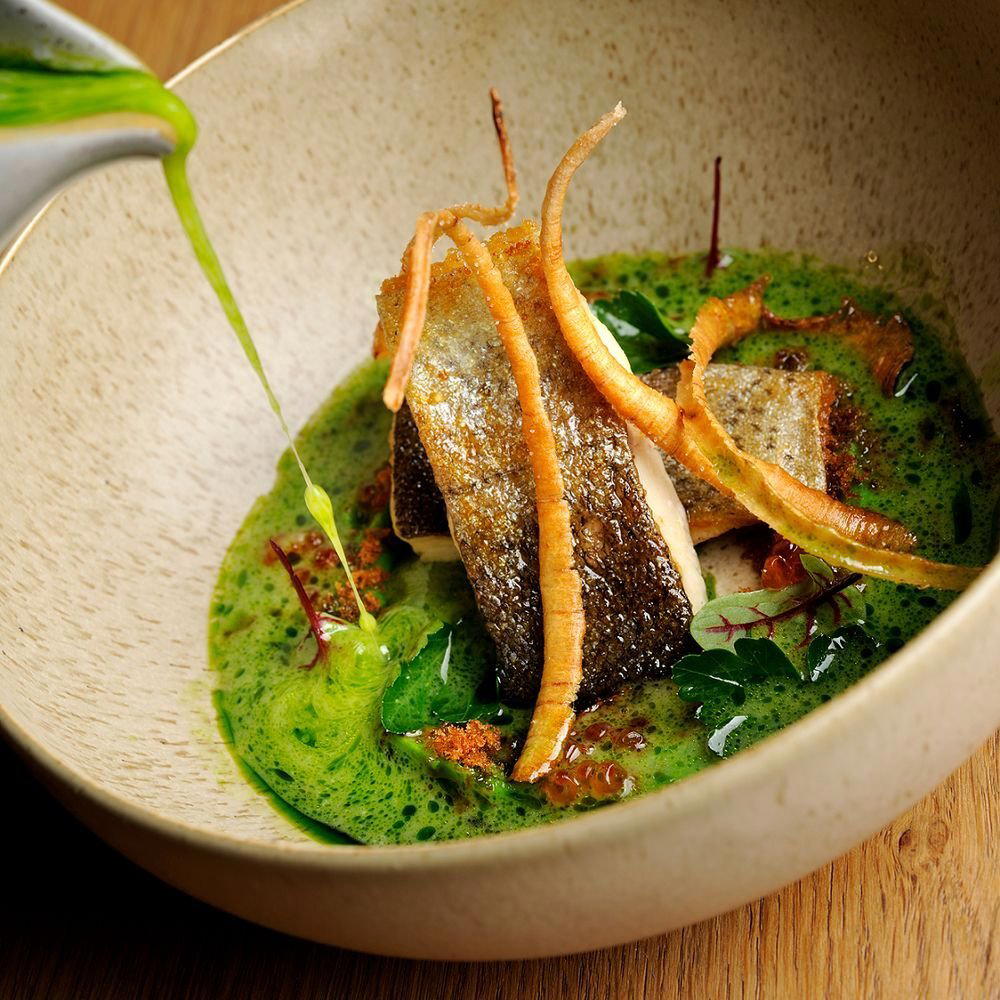
The menu
What to order
- Schlosskeller Surprise
- Sharing Menu
Where the Vineyard Slopes Feed the Kitchen
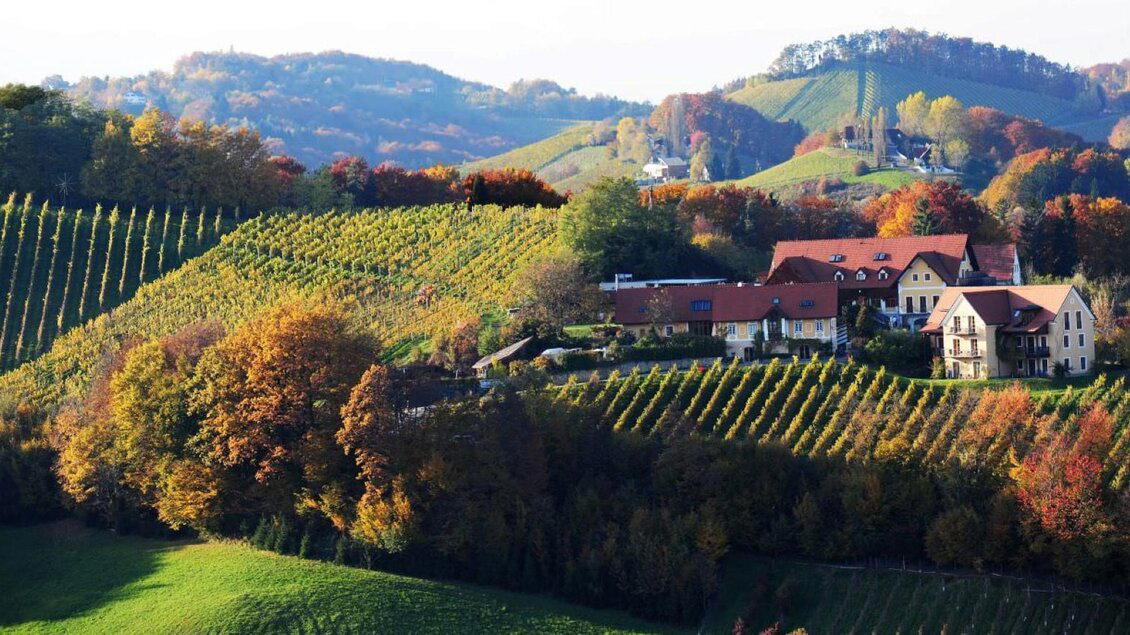
The drive up to Seggauberg from Leibnitz tells you something before a dish arrives. The southern Styrian hills that surround the Seggau estate are part of one of Austria’s most productive agricultural and viticultural zones, a region where Sauvignon Blanc and Welschriesling grow on steep gradients and small farms supply both local markets and the kitchens that have quietly earned serious attention. Schlosskeller Wirtshaus sits within this context as a Wirtshaus in the older Austrian sense: a place where the surrounding land is the menu’s primary author, and where the format is built around that logic rather than imported fine-dining conventions.
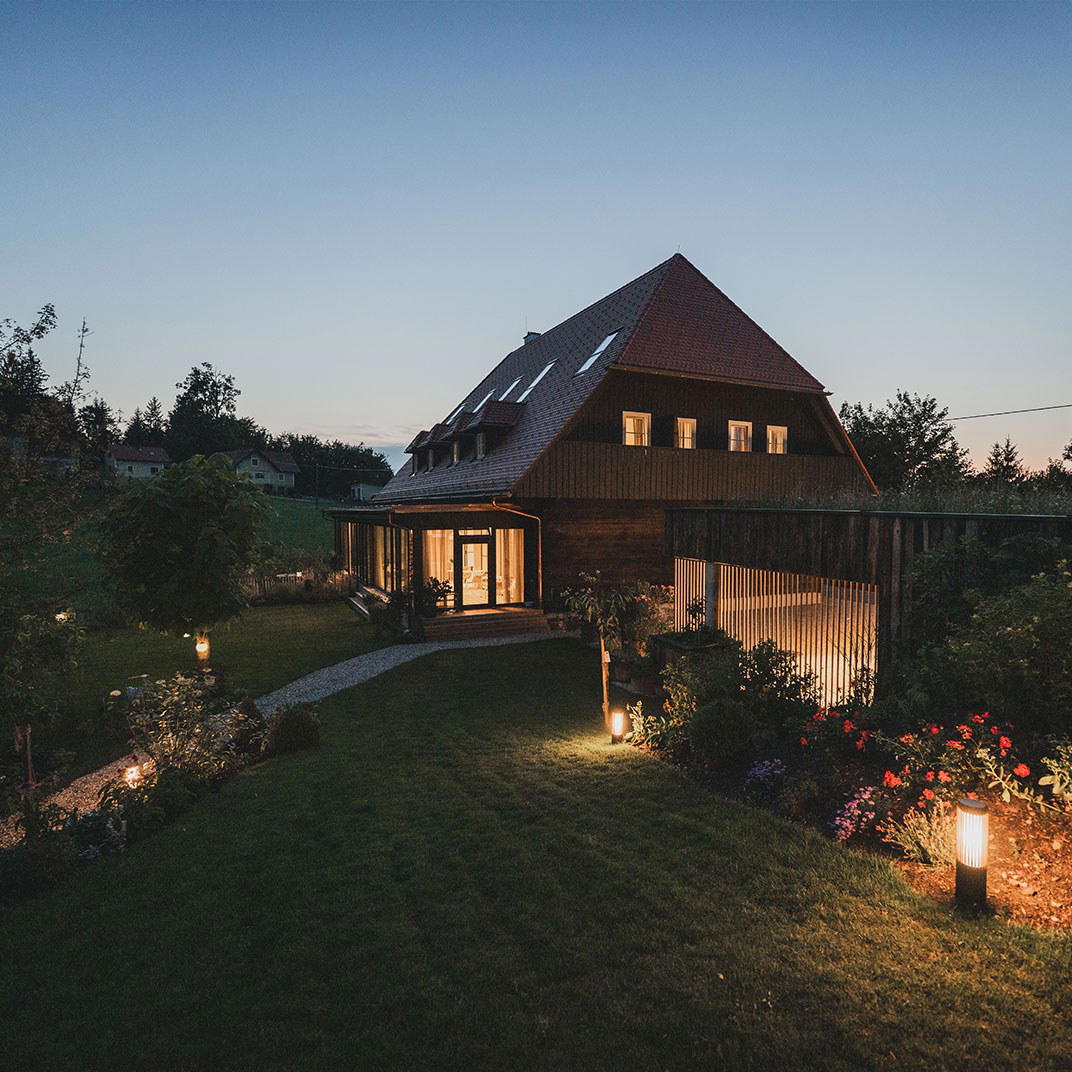
The address, Frauenberg 5 on Seggauberg, places the restaurant inside the Seggau complex, a hilltop site with ecclesiastical history and panoramic reach over the Leibnitz basin and the wine slopes beyond. Arriving here, especially in the late afternoon when the light flattens across the vineyards, frames the meal before it begins. The physical setting is not incidental to the cooking; it is the argument for it.
Farm-to-Table as Method, Not Marketing
Austria’s farm-to-table movement has matured enough that the phrase now requires scrutiny. In some contexts it signals a marketing stance applied to conventional supply chains. In the Styrian south, where the density of small producers, market gardens, and estate farms is higher than in most other Austrian regions, it more often signals a genuine sourcing discipline. The Wirtshaus format, which in Austria implies a less formal register than a Gourmetstube, actually suits that discipline well: shorter menus, seasonal rotation, and a price structure that allows frequent sourcing adjustments without chasing an overbuilt tasting-menu format.
Chef Tetsu Oda operates within this framework. The presence of a chef with a non-Austrian background at a traditional Wirtshaus in a rural Styrian setting is itself a broader pattern in Austrian regional dining, where the most interesting farm-to-table kitchens have increasingly drawn on cooks trained outside the Central European canon. The editorial point is not biographical; it is structural. A cook approaching regional Styrian ingredients without the automatic assumptions of local tradition tends to look at them more carefully, source more deliberately, and resist the shorthand that familiarity can produce.
The €€ price positioning is significant in this context. Michelin’s Bib Gourmand designation, held consecutively in 2024 and 2025, is awarded specifically to restaurants where the inspectors judge quality to be high relative to the price paid. That framing matters in a regional Austrian scene where Bib Gourmand and starred restaurants often occupy entirely different price tiers. For the sourcing-led approach to work at €€, the kitchen must be selective and precise rather than broad and generous.
The Southern Styrian Supply Chain
Southern Styria’s agricultural identity is built around a concentration of small-scale producers who supply both direct markets and regional kitchens. The vine dominates the visual profile, but the same terroir that produces Sauvignon Blanc with mineral precision also supports herb cultivation, soft fruit, pumpkin growing (Styrian pumpkin-seed oil is a protected designation product), and mixed farming that feeds a network of farm kitchens and Wirtshäuser across the region. For a kitchen committed to local sourcing, the supply chain from Seggauberg is unusually short.
That geographic specificity is what separates farm-to-table credibility in this part of Austria from similar claims made in urban settings. In Vienna, sourcing from Styria is already a supply chain decision. At Seggauberg, it is the path of least resistance. The question for the kitchen is not whether to source locally but how precisely to engage with what the surrounding land produces in a given week. This is the editorial test of any serious farm-to-table programme: does the menu change because the season has changed, or does it change because the menu calendar has turned a page?
For comparison, Austria’s most recognized farm-driven restaurants operate at substantially higher price points. Steirereck im Stadtpark in Vienna and Döllerer in Golling an der Salzach both occupy the €€€€ bracket, as do Ikarus in Salzburg and Obauer in Werfen. The Bib Gourmand tier at €€ represents a different structural proposition: regional ingredient quality applied at a format and price that makes the cooking accessible rather than aspirational. That is a harder balance to sustain than it appears, and consecutive Bib recognition suggests it is being maintained.
Within Leibnitz, Within the Seggau Complex
Leibnitz is not a dining destination that generates the same international travel traffic as Salzburg or the Wachau, but within Styrian food culture it has a coherent identity. The town sits at the junction of several wine routes, and the dining scene reflects both the wine-tourism economy and a local appetite for quality Wirtshäuser. Wirtshaus Kogel 3 represents another point on that map, while the Seggau complex itself houses Schlosskeller Gourmetstube (Modern Cuisine), which operates in a different register, with a higher price tier and a more formal tasting-menu format. The two kitchens on the same site serve different purposes and different audiences, which is architecturally sensible in a complex that draws both day visitors and overnight guests.
For a full picture of eating and drinking in the region, our full Leibnitz restaurants guide covers the broader scene, alongside our full Leibnitz wineries guide, which is essential context given how tightly the food and wine cultures here are linked. Our full Leibnitz hotels guide, bars guide, and experiences guide cover the rest of the planning picture for visitors spending more than a single meal in the area.
Internationally, the farm-to-table Wirtshaus format has parallels in other European contexts. BOK Restaurant Brust oder Keule in Münster and Clostermanns Le Gourmet in Niederkassel operate in comparable territory: ingredient-led kitchens in non-metropolitan settings, working at price points that require consistent sourcing discipline. Austrian counterparts at higher price tiers, including Kräuterreich by Vitus Winkler in Sankt Veit im Pongau, Ois in Neufelden, Restaurant 141 by Joachim Jaud in Mieming, Gourmetrestaurant Tannenhof in Sankt Anton am Arlberg, and Griggeler Stuba in Lech, show how ingredient-led cooking scales upward in the Austrian context. Schlosskeller Wirtshaus occupies the more accessible end of that spectrum without compromising the sourcing logic that anchors the format.
Planning a Visit
The Seggauberg address means a car or taxi from Leibnitz is the practical approach; the site is a short drive from the town centre but uphill on a road that is not suited to walking with luggage or in poor weather. Booking in advance is advisable: consecutive Bib Gourmand recognition has raised awareness of the restaurant well beyond the local audience, and weekends in the wine-tourism season draw visitors travelling specifically for the southern Styrian food-and-wine combination. The €€ price range places the restaurant within reach of lunch as well as dinner, and the Seggau site itself warrants time before or after a meal for the views over the Leibnitz basin and the surrounding slopes.
Frequently asked questions
What should I budget for a meal at Schlosskeller Wirtshaus?
Pricing at Schlosskeller Wirtshaus is listed as €€.
Who's behind the kitchen at Schlosskeller Wirtshaus?
The chef associated with Schlosskeller Wirtshaus is Tetsu Oda.
How hard is it to get a table at Schlosskeller Wirtshaus?
Two consecutive Bib Gourmand recognitions at a €€ price point have expanded demand well beyond the Leibnitz local audience. The Seggauberg hilltop location limits walk-in traffic, but that same profile makes advance booking the sensible approach, particularly on weekends and during the Styrian growing season when the kitchen is at full stretch.
Cost Snapshot
| Venue | Cuisine | Price | Awards |
|---|---|---|---|
| Schlosskeller WirtshausThis venue — the venue you are viewing | Styrian Wirtshaus & Gourmet | $30–50 | Michelin Bib Gourmand |
| Steirereck im Stadtpark | Creative | Not listed | Michelin 3 Star |
| Döllerer | Contemporary Austrian, Innovative | Not listed | Michelin 2 Star |
| Ikarus | Modern European, Creative | Not listed | Michelin 2 Star |
| Mraz & Sohn | Modern Austrian, Creative | Not listed | Michelin 2 Star |
| Obauer | Classic Cuisine | Not listed | Michelin 2 Star |
Recognition history
Dated appearances from independent guides and award organizations, with the underlying list record or original source where available.
Michelin Bib Gourmand
Michelin
Full recognition history (3 entries)
Michelin Bib Gourmand
Michelin
Michelin Bib Gourmand
Michelin
Continue exploring
More in Leibnitz
Restaurants in Leibnitz
Browse all →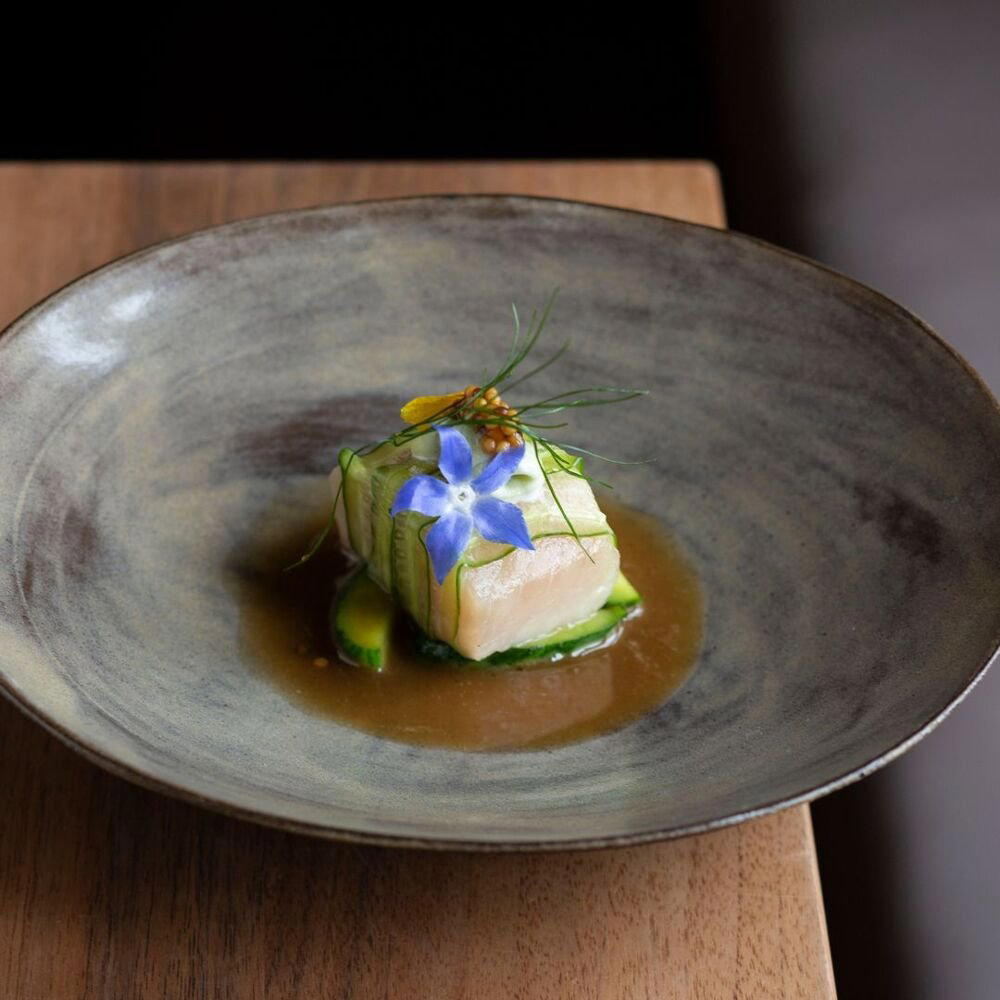
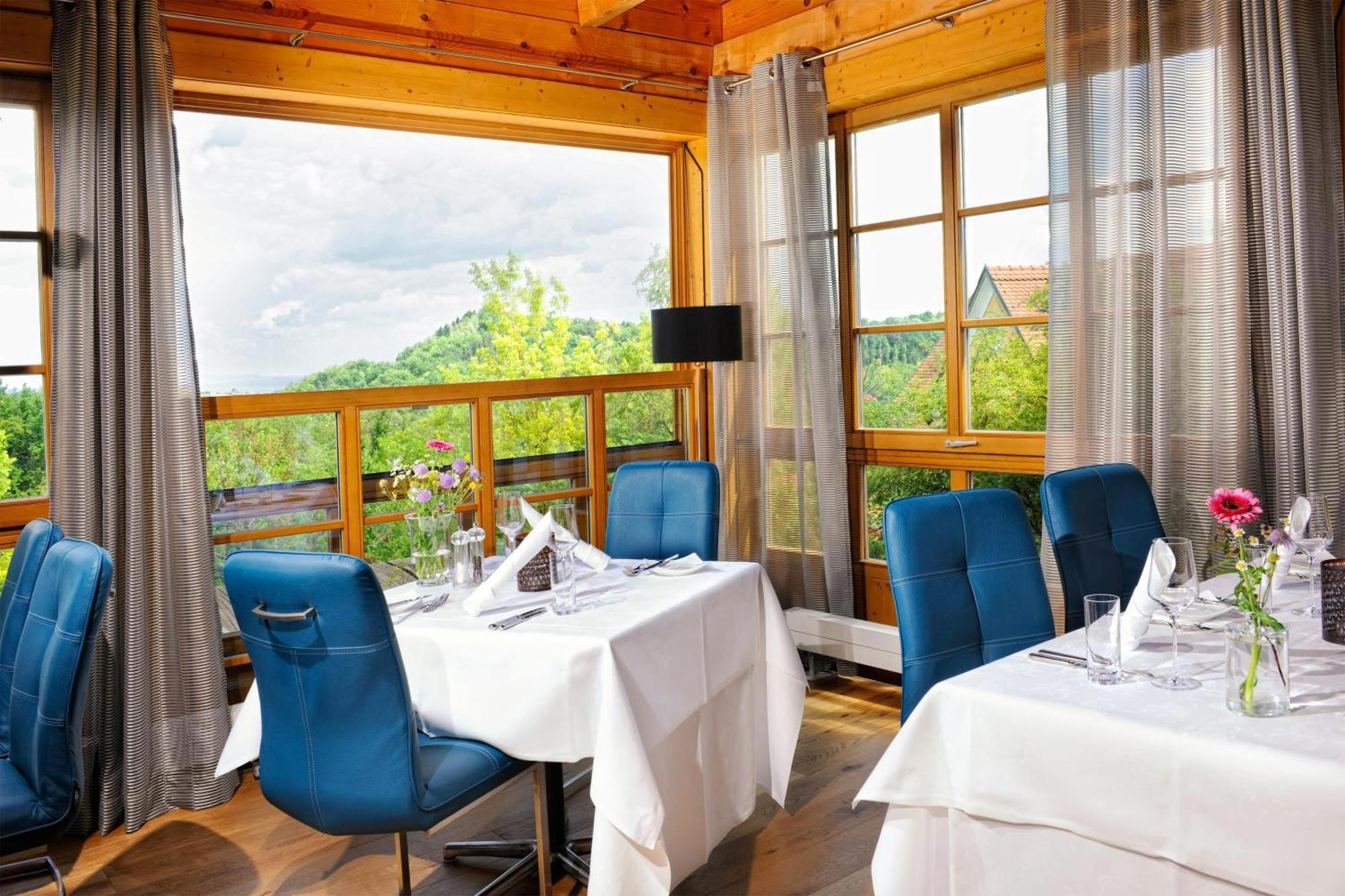
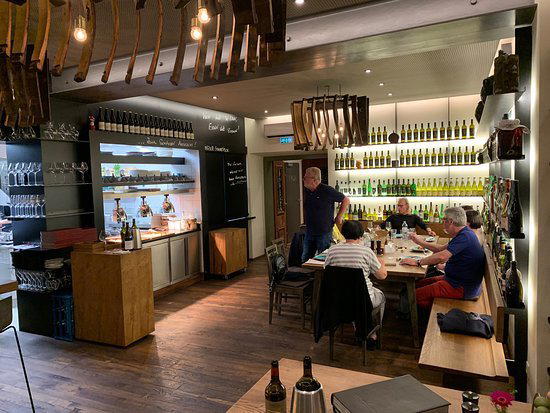
Bars in Leibnitz
Browse all →
Hotels in Leibnitz
Browse all →

Details
- Cozy
- Rustic
- Scenic
- Elegant
- Date Night
- Special Occasion
- Group Dining
- Terrace
- Historic Building
- Wine Cellar
- Extensive Wine List
- Local Sourcing
- Farm To Table
- Vineyard
- Mountain
- A La Carte
- Tasting Menu
- Wine
- Vegetarian Friendly
Current opening hours
- Monday
- Closed
- Tuesday
- Closed
- Wednesday
- 4–11 PM
- Thursday
- 4–11 PM
- Friday
- 4–11 PM
- Saturday
- 11:30 AM–11 PM
- Sunday
- 11:30 AM–4 PM
Hours can change for holidays and private events. Last verified .
Cozy with gorgeous wood panelling, gemütlich gourmet stube, and dreamy terrace atmosphere overlooking vineyards.