Das James
In the Salzkammergut lake district of Styria, Das James occupies a position that says something about where serious Austrian dining has been heading: away from urban clusters and toward the kind of regional specificity that only mountain terrain and direct producer relationships can sustain. The address alone, Sommersbergseestraße 392, high above Bad Aussee, signals that the journey to the table is part of the proposition.
- Address
- Sommersbergseestraße 392, 8990 Bad Aussee, Austria
- Phone
- +43676847670800
- Website
- dasjames.at
- Directions
- Get directions
Altitude, Terroir, and the Alpine Larder
Austria's serious dining scene has long operated on a tension between its capital and its countryside. Vienna holds the flagship addresses, Steirereck im Stadtpark in Vienna being one cited reference point for creative Austrian cooking at the highest tier, but the more interesting structural shift of the past decade has been the dispersal of culinary ambition into the alpine hinterland. The Salzkammergut, where the borders of Styria, Upper Austria, and Salzburg province converge around a chain of glacial lakes, has emerged as one of the quieter but more consequential zones in that dispersal. Das James, at Sommersbergseestraße 392 in Bad Aussee, is a restaurant serving Regional Austrian cooking in the Salzkammergut.
Bad Aussee is not an obvious dining destination. It is a small spa town of historic salt-mining character, less visited than the larger Salzkammergut towns of Hallstatt or Gmunden, which means the restaurants that do operate here are serving a more local, less tourist-pressured clientele. That context shapes what kitchens in the area prioritise: sourcing from the immediate region becomes less of a marketing stance and more of a practical necessity, because the supply chains that serve urban restaurants simply do not extend this far with the same reliability.
Where the Ingredients Come From, and Why That Changes Everything
The broader pattern at serious Austrian regional restaurants is one of compressed supply chains. Where a Vienna kitchen might source Mangalitza pork from a farm three hours away and call it regional, a kitchen operating in the Ausseerland works with a radius that is measurably shorter. Alpine dairy, freshwater fish from the Grundlsee and Toplitzsee, foraged fungi and herbs from the surrounding Totes Gebirge massif, and game from local hunting grounds are not aspirational sourcing stories here, they are the baseline of what is available.
This pattern repeats at particularly compelling addresses across Austrian alpine dining. Döllerer in Golling an der Salzach has built its reputation on exactly this kind of regional compression, making the Salzach valley's produce the structural centre of a contemporary tasting format. Obauer in Werfen, one of Austria's most enduring serious restaurants, has operated on a similar premise for decades. What distinguishes the Ausseerland approach is the particular combination of freshwater resources and high-altitude foraging terrain, a combination that produces a flavour profile distinct from the Salzach corridor or the Tyrolean approaches you find at places like Schwarzer Adler in Hall in Tirol or Gourmetrestaurant Tannenhof in Sankt Anton am Arlberg.
The Salzkammergut's culinary calendar is compressed by altitude, which means seasonal transitions at this elevation happen faster and with more intensity than they do in lowland Austrian kitchens.
Placing Das James in Its Competitive Set
Within Bad Aussee itself, Das James occupies a distinct position relative to the more traditional Styrian dining available at addresses like Erzherzog Johann, which anchors the conventional end of the local dining spectrum. The choice between the two reflects a broader pattern in Austrian regional towns: one address tends to hold the heritage-format ground (Schnitzel, Tafelspitz, regional wine lists weighted toward Styrian Schilcher), while another pushes the ingredients of the same region through a more considered contemporary frame.
Across Austria's alpine corridor, the restaurants that have built durable reputations in smaller towns share a structural logic: they are not trying to replicate what Vienna or Salzburg does, but to do something that only their specific location makes possible. Ois in Neufelden, Atelier Fischer in Sankt Gilgen, and Kräuterreich by Vitus Winkler in Sankt Veit im Pongau all operate on this premise. The restaurant, based on its location and address profile, belongs to that cohort of destination-specific addresses where the journey from a major city is understood to be part of the experience.
For context beyond Austria's borders, the model has international analogues: Lazy Bear in San Francisco and the communal-format dining movement it represents, or the way that Le Bernardin in New York City defines a genre through singular focus, both illustrate how a clear sourcing or format commitment can anchor a restaurant's identity more durably than any single award. In the alpine Austrian context, that commitment is almost always to place first.
Planning the Visit
Bad Aussee sits roughly 85 kilometres southeast of Salzburg, and the drive through the Salzkammergut, via the B145 through Bad Ischl, takes approximately 90 minutes from Salzburg's old town. The town is also reachable by train on the Salzkammergut-Bahn regional line, with a connection through Attnang-Puchheim, though car access gives more flexibility for exploring the Sommersbergstraße address, which sits above the town proper at the elevation of the Sommersbergsee. Given the address at 8990 Bad Aussee, visitors coming from Vienna should allow approximately 2.5 to 3 hours by car via the A9 Pyhrn Autobahn.
Reservations are recommended, and the address remains Sommersbergseestraße 392, 8990 Bad Aussee, Austria.
Those building a longer Salzkammergut itinerary might consider pairing a Bad Aussee stop with Landhaus Bacher in Mautern an der Donau on the Wachau approach, or anchoring in Salzburg to access Ikarus in Salzburg at the high end of the city's contemporary offer, before heading south into the lake district. For alpine skiing contexts, the corridor through Stüva in Ischgl and Griggeler Stuba in Lech represents the other end of Austria's mountain dining axis. Similarly, Restaurant 141 by Joachim Jaud in Mieming and Taubenkobel in Schützen am Gebirge illustrate how Austria's serious regional dining extends across different terrain types, each shaped by its specific agricultural and foraging resources.
Fast Comparison
Comparable venues nearby, for context on price, style, and recognition.
| Venue | Cuisine | Price | Notes |
|---|---|---|---|
| Das JamesThis venue — the venue you are viewing | Regional Austrian | $$ | Not listed |
| Erzherzog Johann | Traditional Styrian & Austrian | $$$ | Bad Aussee |
| Guttenberghaus | Traditional Austrian Alpine Hut Cuisine | $$ | Ramsau am Dachstein |
| Krummholzhütte | Styrian Gourmet Hut | $$ | Haus im Ennstal |
| Postwirt Weissl | Traditional Austrian | $$ | Timelkam |
| Wirtshaus Schlössl | Traditional Austrian Wirtshaus | $$ | Nußdorf am Haunsberg |
Continue exploring
More in Bad Aussee
Restaurants in Bad Aussee
Browse all →

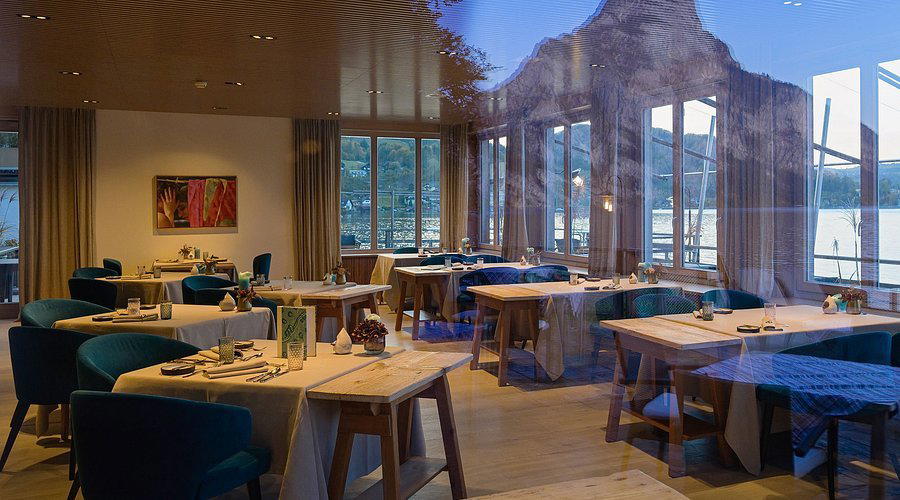
Bars in Bad Aussee
Browse all →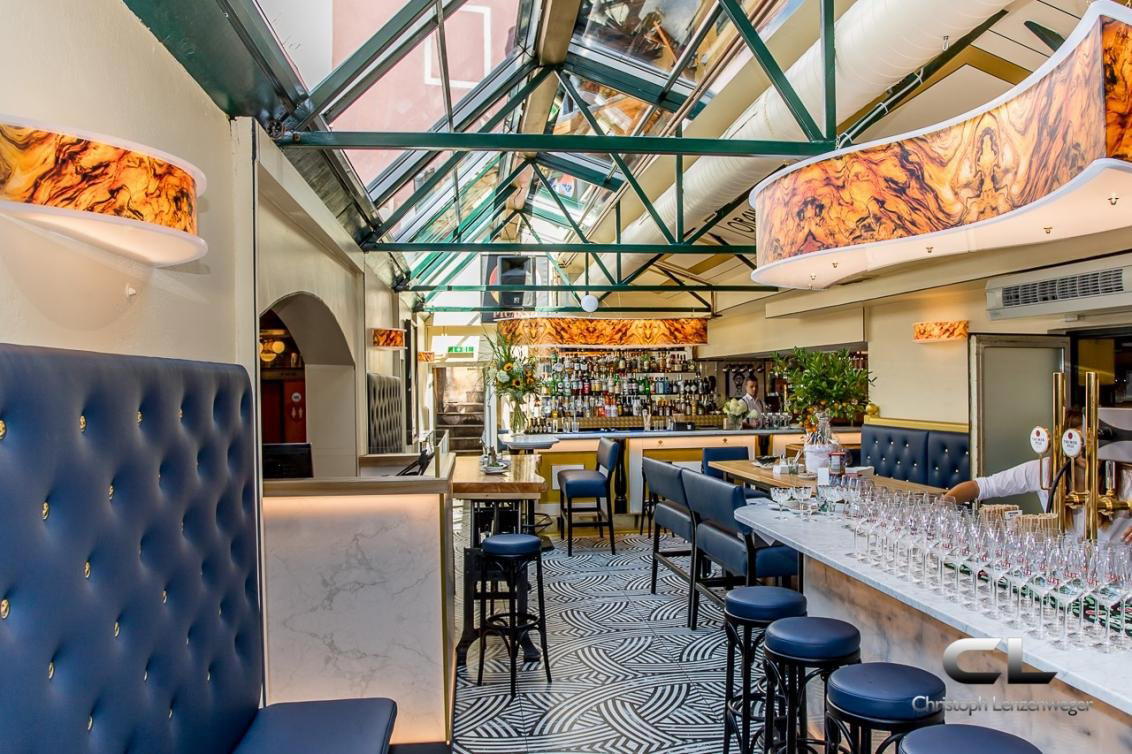
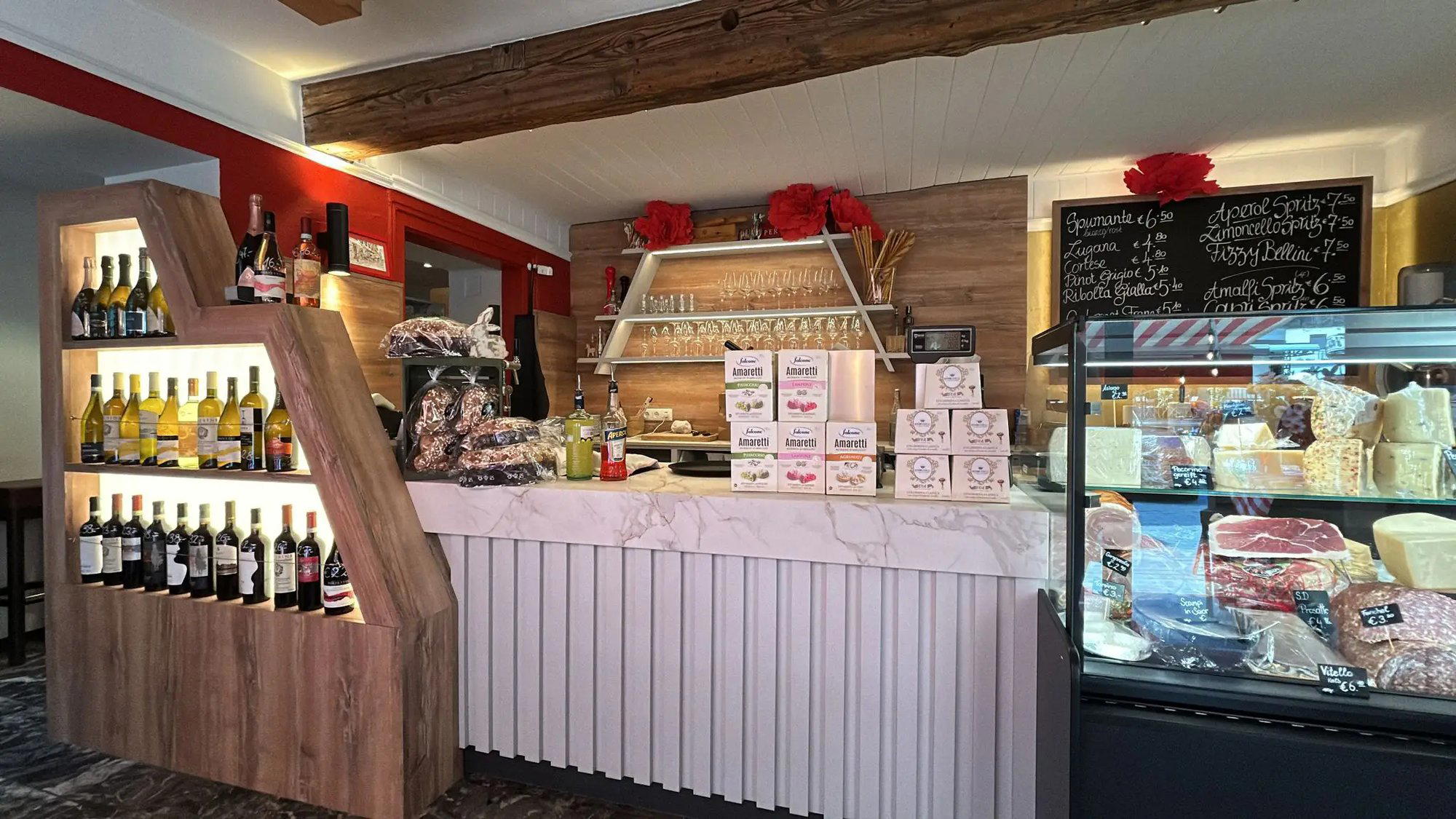

At a Glance
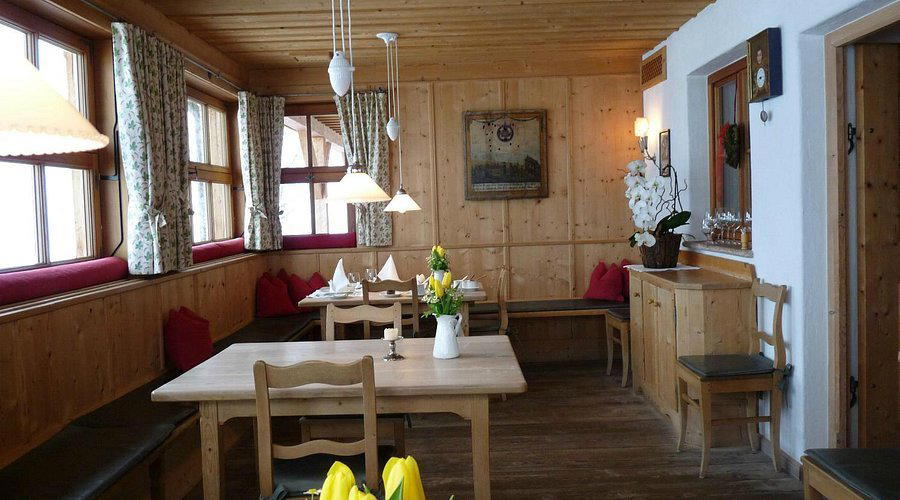
- Rustic
- Cozy
- Casual Hangout
- Terrace
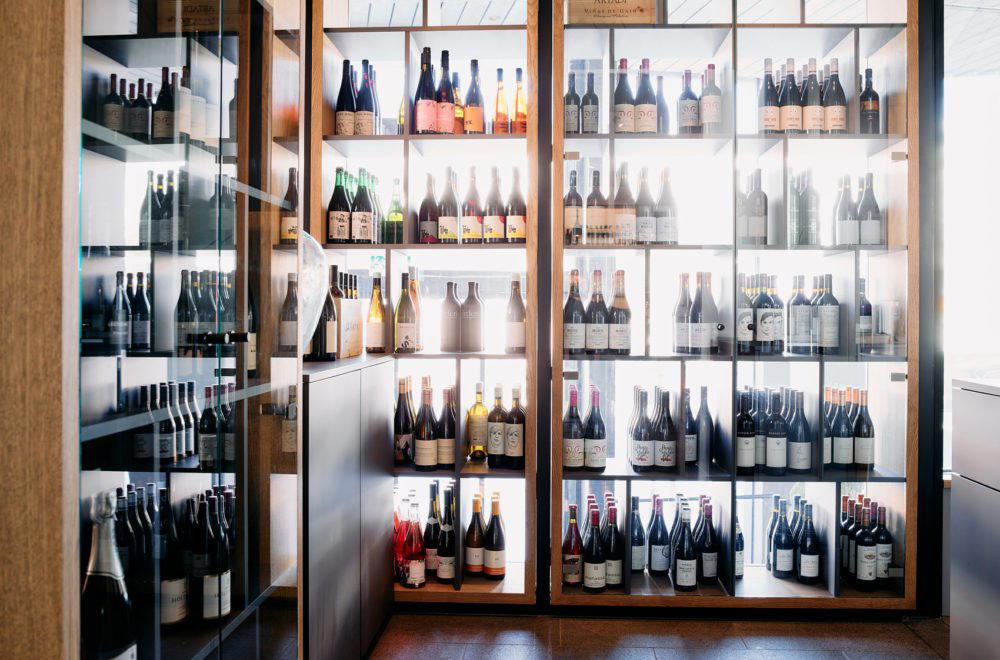
- Extensive Wine List
- Local Sourcing
- Mountain
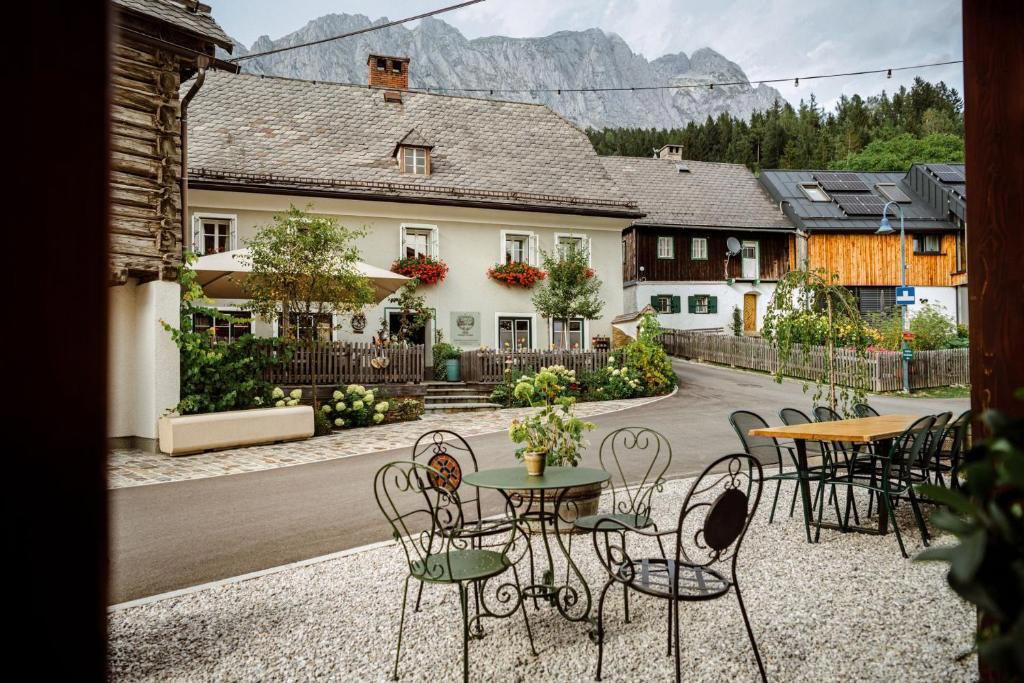
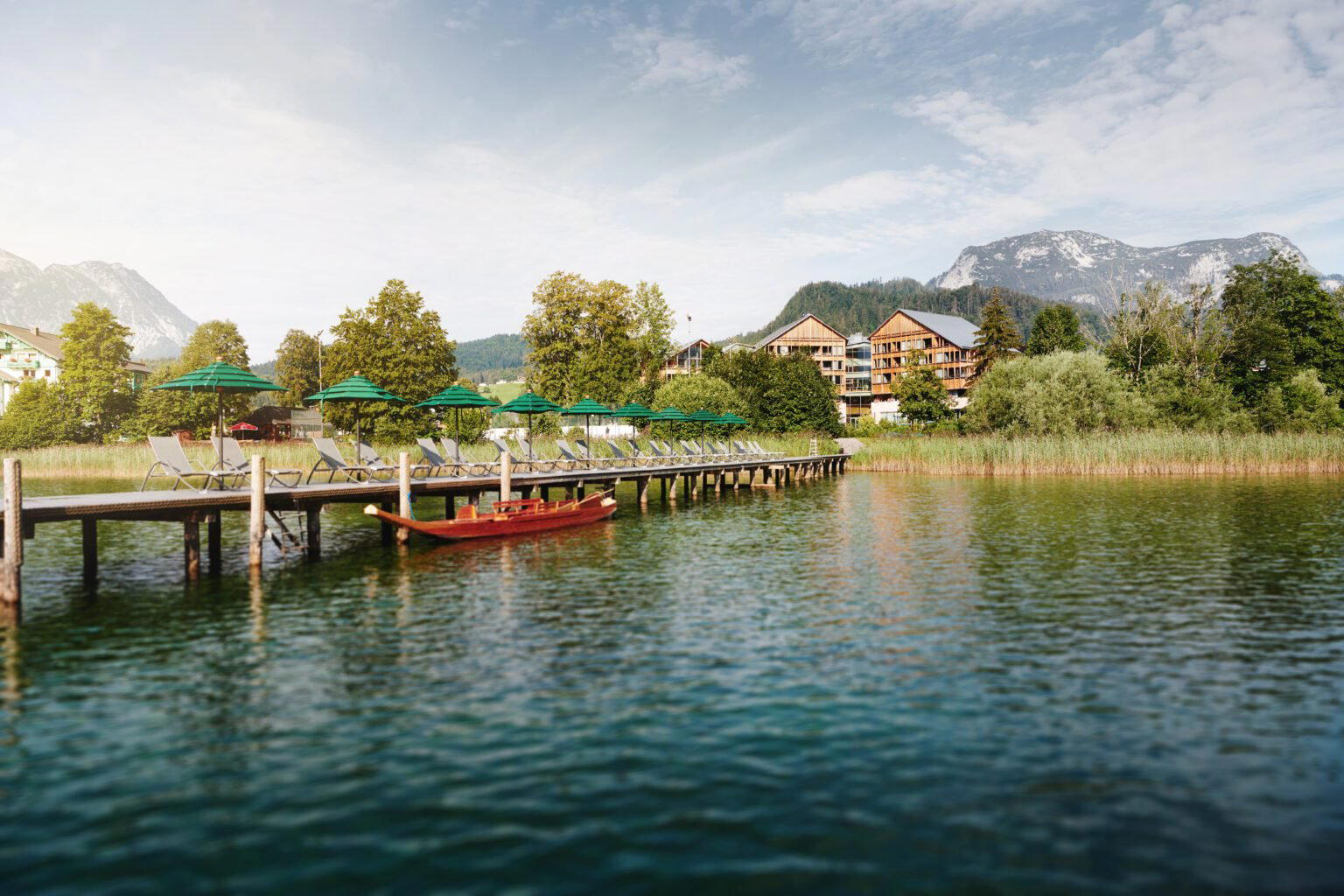
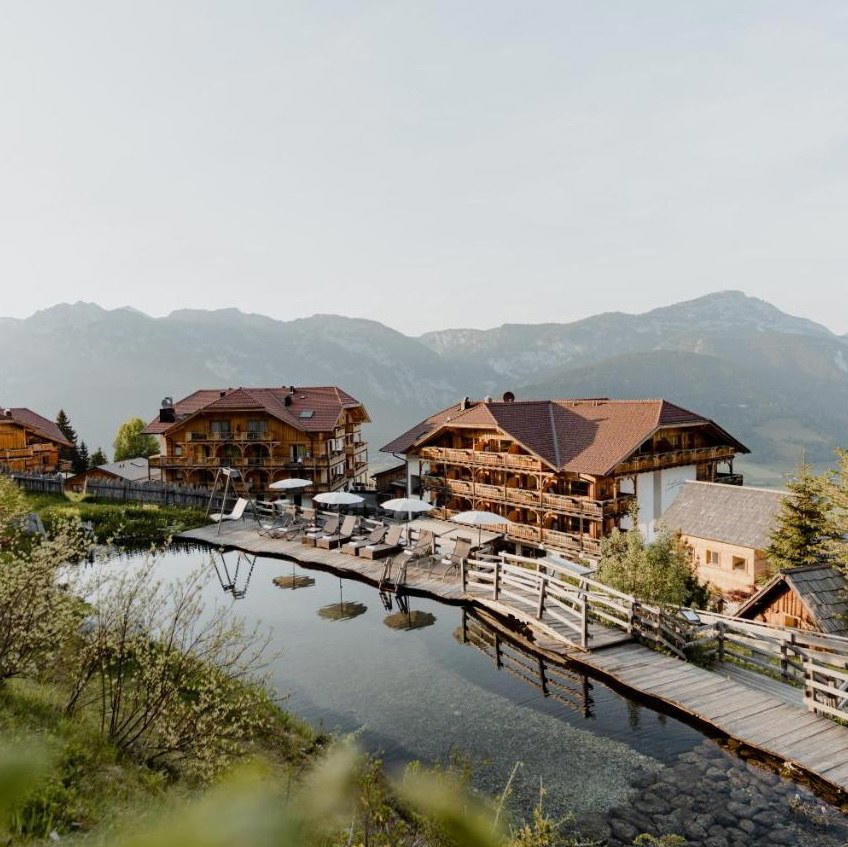
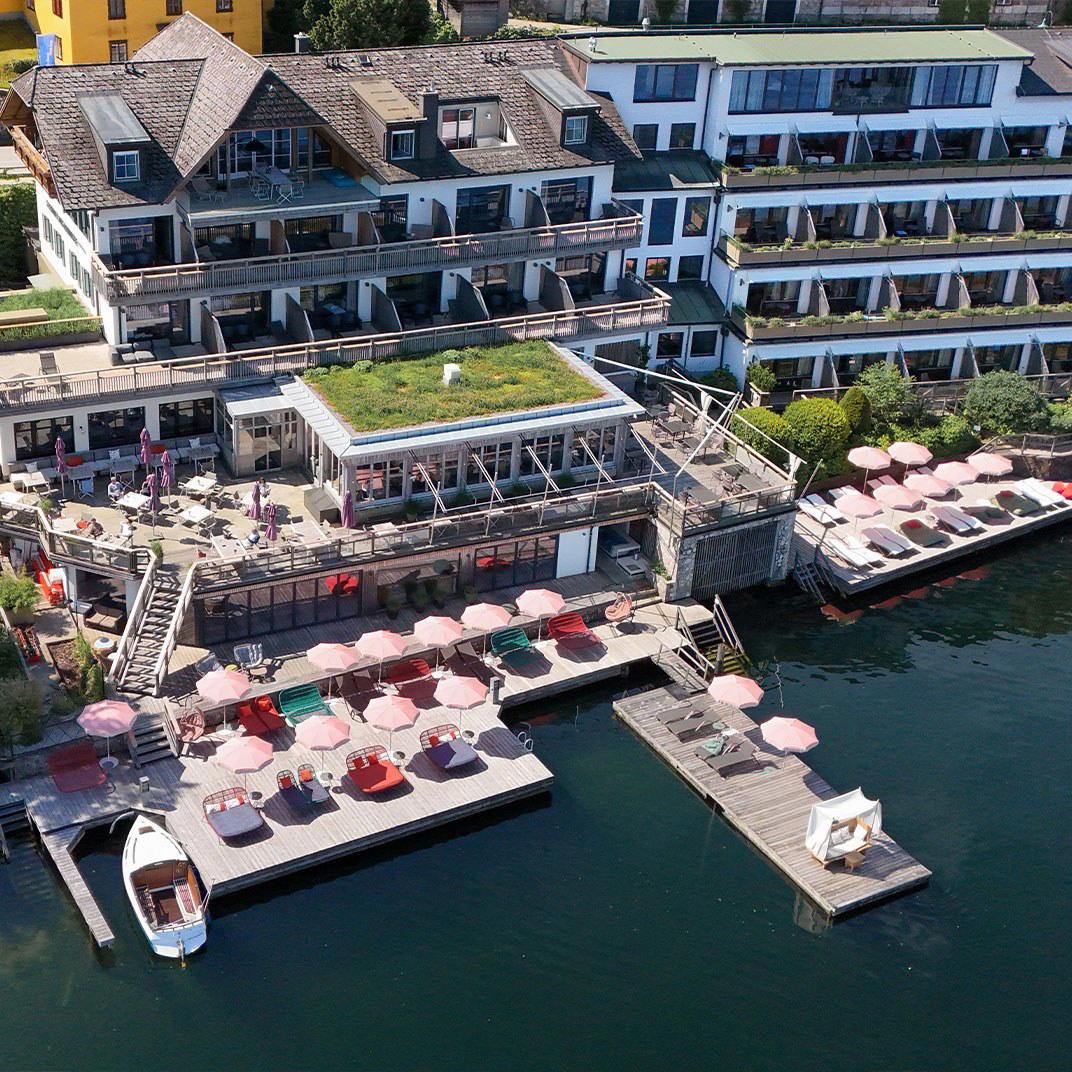
Beautiful building with great terrace, wonderful views, and great atmosphere.