Erzherzog Johann
Erzherzog Johann sits on Kurhaus Platz in the Styrian spa town of Bad Aussee, a setting that frames it within a long tradition of Austrian hospitality rooted in the Salzkammergut region. The venue takes its name from the Habsburg archduke who made this alpine valley famous in the nineteenth century, placing it at the intersection of regional history and contemporary dining in one of Austria's most quietly significant resort towns.
Pearl is the En Primeur Club membership app — saves, bookings, and concierge access live there. Same editors, same standards.
- Address
- Kurhauspl. 62, 8990 Bad Aussee, Austria
- Phone
- +433622525070
- Website
- erzherzogjohann.at
- Directions
- Get directions
 Saves & bookings on Pearl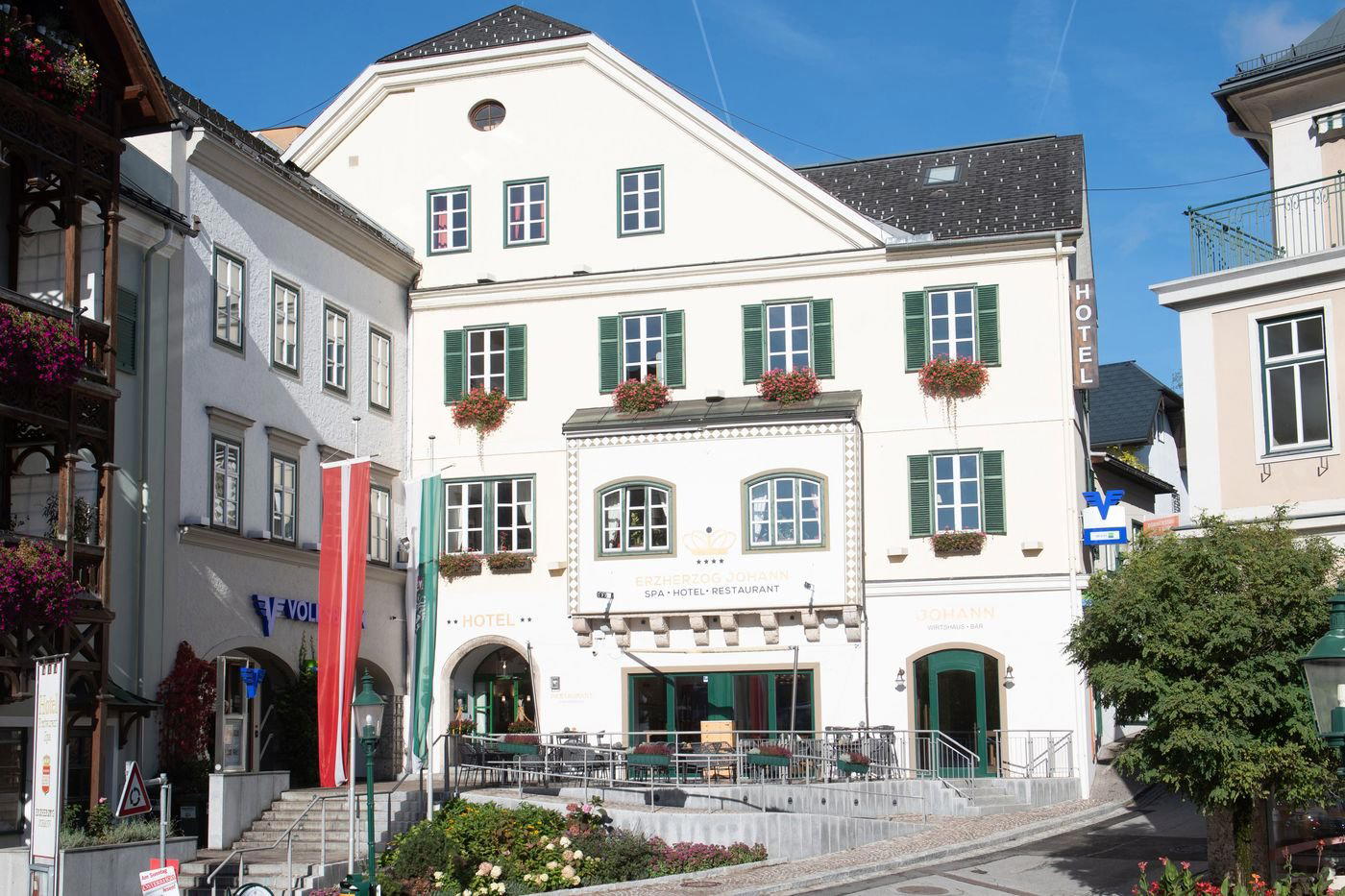
Where the Salzkammergut Comes to the Table
Bad Aussee occupies a particular position in the Austrian imagination. The Styrian spa town at the heart of the Salzkammergut, the lake district that stretches between Salzburg, Upper Austria, and Styria, has been drawing visitors since the nineteenth century, when salt-mining wealth and imperial favour turned it into something of an inland resort. Archduke Johann of Austria, the reform-minded Habsburg who became a symbol of regional identity and married a local postmaster's daughter, gave the town a lasting cultural imprint. Restaurants and hotels throughout the area carry his name as a form of regional shorthand, situating themselves within that tradition of alpine hospitality rather than the urban fine-dining circuits of Vienna or Salzburg.
Erzherzog Johann, at Kurhauspl. 62, sits in this inherited context. The address alone says something: the Kurhaus square was historically the social centre of Austrian spa towns, a place where the curative and the convivial overlapped. Dining here is less about tracking a chef's trajectory and more about understanding what Austrian hospitality looks like when it is embedded in a specific landscape and a specific history. That is a different kind of ambition from what you find at Steirereck im Stadtpark in Vienna or Döllerer in Golling an der Salzach, but it is no less considered.
The Styrian Dining Tradition and Where It Sits in Austria's Broader Scene
Austrian regional cooking is more internally varied than outside observers tend to assume. The Viennese Schnitzel tradition, the Tyrolean dumpling culture, and the Styrian table represent genuinely distinct approaches to ingredients and technique. Styria in particular has a strong identity built around pumpkin seed oil, freshwater fish from the mountain lakes, cured meats, and the kind of strong vegetable cookery that comes from a farming culture with a short growing season. The Salzkammergut, straddling the borders of Styria and its neighbours, draws on all of these while adding the freshwater resources of the lakes, pike, trout, char, that have been central to local cooking for centuries.
This is the culinary context in which a venue at the heart of Bad Aussee operates. The better Austrian restaurants in the alpine and lake districts, places like Obauer in Werfen or Landhaus Bacher in Mautern an der Donau, have long demonstrated that regional cooking, treated with seriousness, can sit comfortably alongside the more internationally inflected menus of urban fine dining. The pressure is on sourcing and technique applied to local materials, rather than on importing external reference points. That discipline is what the Salzkammergut tradition at its most coherent looks like.
The destination dining of Tyrol, Gourmetrestaurant Tannenhof in Sankt Anton am Arlberg, Stüva in Ischgl, Griggeler Stuba in Lech, tends to operate around resort seasons and a more international clientele. The Styrian lake district draws a different audience: Austrian regulars, hiking and cycling visitors, and travellers doing the Salzkammergut slowly rather than passing through between ski runs.
Atmosphere and Setting: The Kurhaus Square in Context
The Kurhaus Platz setting gives Erzherzog Johann a physical and social frame that most urban restaurants cannot replicate. Spa-town squares in the Austrian tradition were designed for a particular kind of unhurried sociability: the promenade, the coffee, the meal that extends into the afternoon. The architecture of these spaces, typically late-nineteenth century with the mix of civic grandeur and alpine domesticity that characterises the Habsburg resort, creates an environment where the act of sitting down to eat feels embedded in place rather than abstracted from it.
That sense of place is increasingly what distinguishes the more interesting dining destinations in Austria's smaller towns from the white-tablecloth formality of urban fine dining. Restaurants like Taubenkobel in Schützen am Gebirge or Atelier Fischer in Sankt Gilgen, the latter also in the Salzkammergut orbit, demonstrate what a strong sense of local identity can do for a dining experience when the setting itself becomes part of the proposition.
Bad Aussee's Dining Scene
Bad Aussee is a small town by any measure, and its restaurant offer reflects that scale. The scene rewards visitors who take the time to understand what it does well rather than arriving with expectations calibrated to a city. Das James represents one end of the local spectrum; Erzherzog Johann, with its Kurhaus address and historical associations, operates at a different register.
Austrian alpine dining at this level of regional embedding sits some distance from the internationally referencing tasting menus you find at Ikarus in Salzburg or the precise technique of Kräuterreich by Vitus Winkler in Sankt Veit im Pongau. It also occupies a different register from destination restaurants built around a single chef's international vision, in the way that Le Bernardin in New York City or Lazy Bear in San Francisco are. The draw here is continuity, place, and a form of hospitality that the alpine Styrian tradition has refined over generations rather than invented recently. That is a different promise, and for the right traveller, a more durable one.
For those building a longer route through Austria's regional dining, combining Bad Aussee with stops at Ois in Neufelden or Restaurant 141 by Joachim Jaud in Mieming gives a useful cross-section of what the country's non-urban dining tradition looks like at its more considered end. The Salzkammergut is not a detour from that conversation, it is one of its older and more grounded chapters.
The town is not on a major transit corridor, which is part of what preserves its character.
Cost and Credentials
Comparable venues nearby, for context on price, style, and recognition.
| Venue | Cuisine | Price | Notes |
|---|---|---|---|
| Erzherzog JohannThis venue — the venue you are viewing | Not listed | $$$ | Not listed |
| Das James | Sommersbergsee, Regional Austrian | $$ | Not listed |
| Elixhauser Wirt | Elixhausen, Modern Austrian Fine Dining | $$$ | Not listed |
| Ammerhauser | Anthering, Austrian Regional Fine Dining | $$$ | Not listed |
| Marketbeisl zur Ruth | Not listed | $$ | Marktplatz, Traditional Austrian Café & Bar |
| Stadt Meierei | City Center, Refined Austrian Cuisine | $$$ | Not listed |
Continue exploring
More in Bad Aussee
Restaurants in Bad Aussee
Browse all →

Bars in Bad Aussee
Browse all →

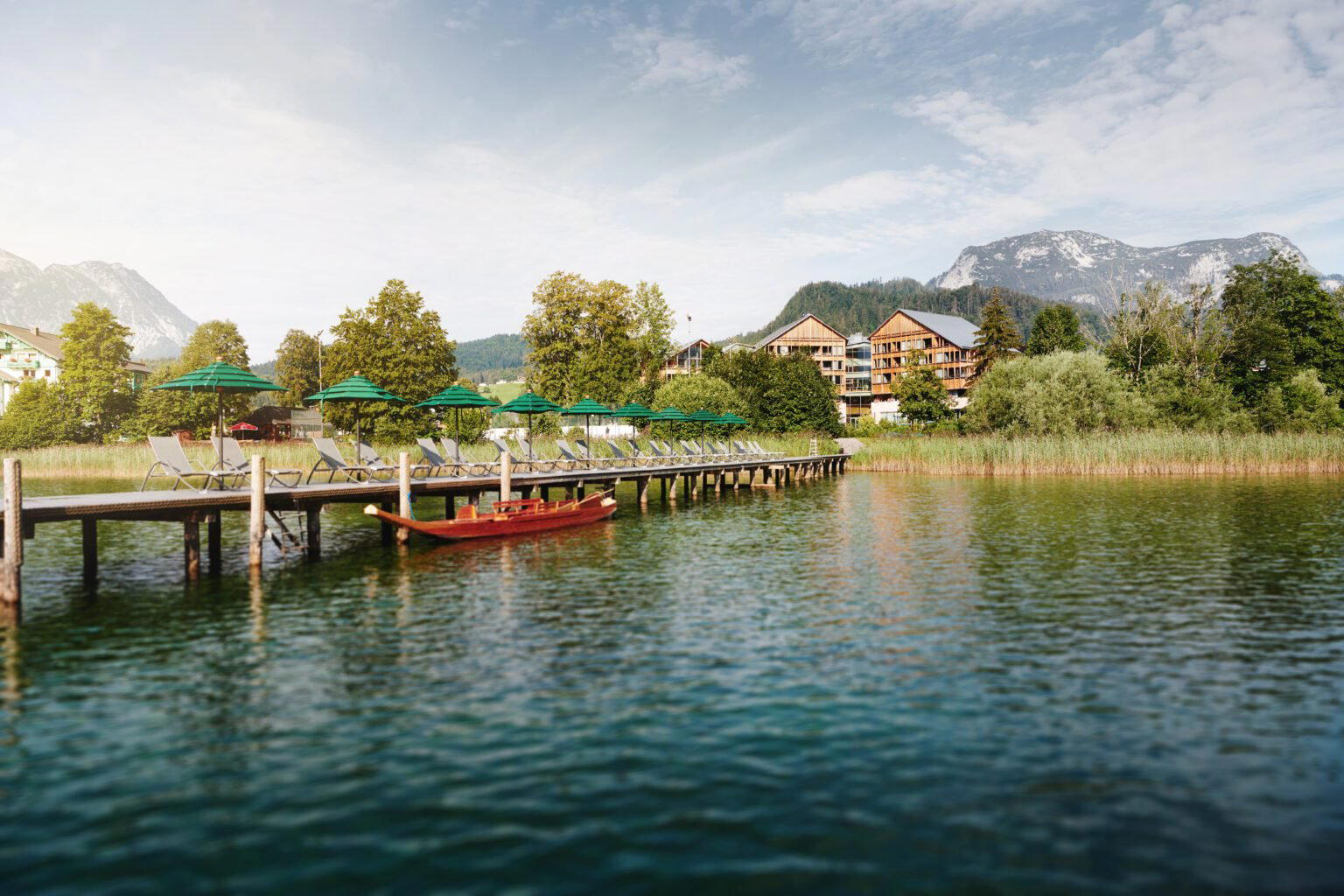
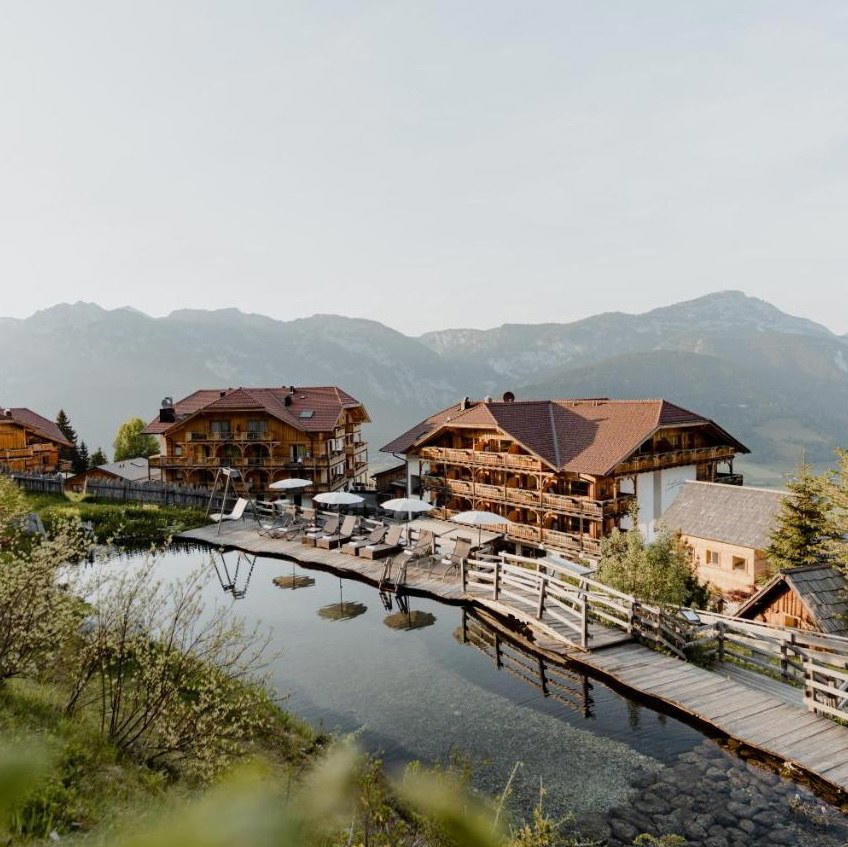
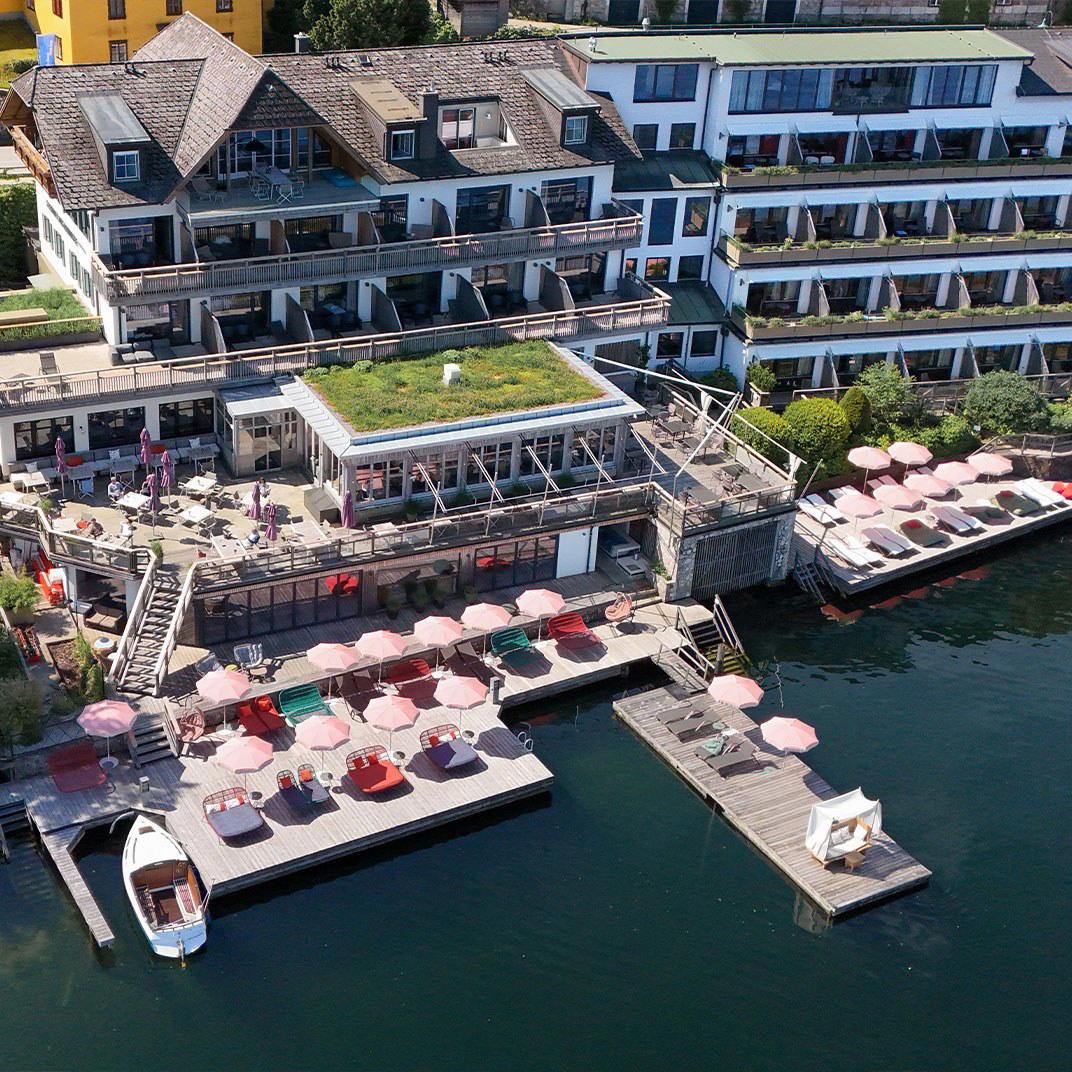
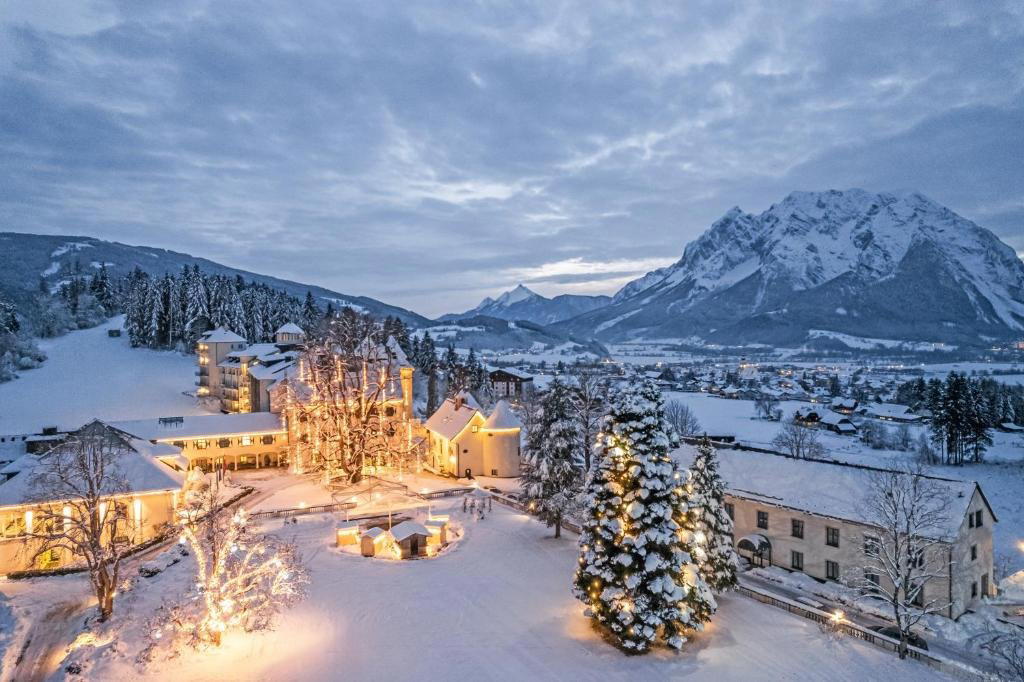
At a Glance
- Elegant
- Cozy
- Sophisticated
- Classic
- Date Night
- Business Dinner
- Group Dining
- Family
- Celebration
- Special Occasion
- Hotel Restaurant
- Panoramic View
- Historic Building
- Terrace
- Extensive Wine List
- Farm To Table
- Local Sourcing
- Mountain
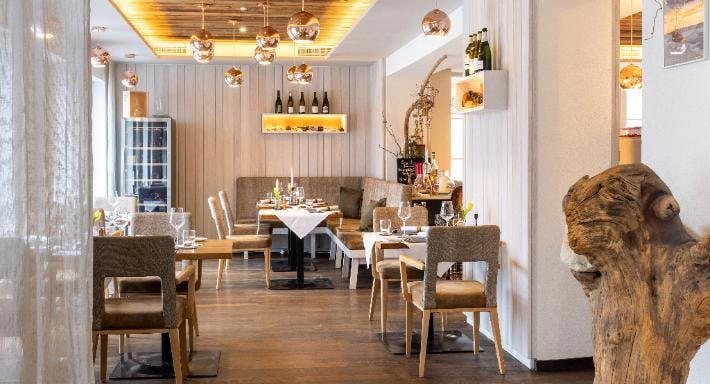
Refined and sophisticated with traditional Austrian charm; warm, welcoming atmosphere enhanced by real flowers and natural wood furnishings throughout the dining spaces.