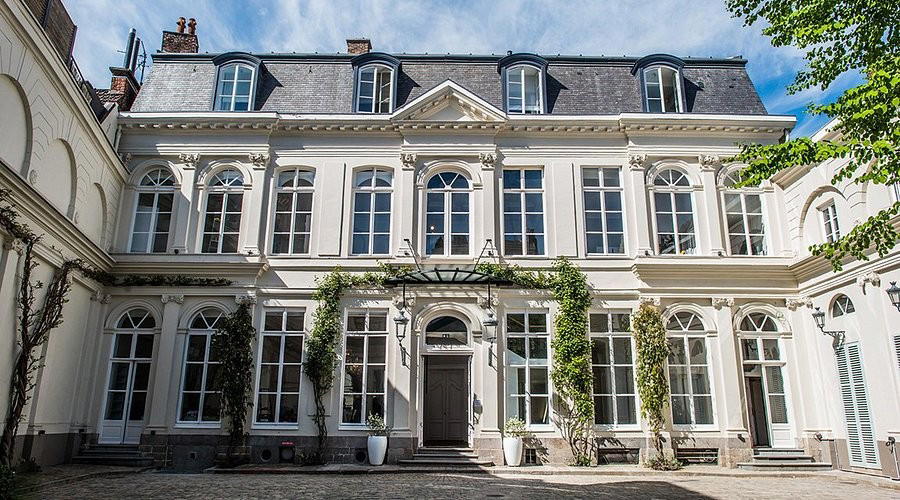
Daefnis occupies a quiet address on Rekkemstraat in Menen, a West Flemish border town that sits closer to Lille than to Bruges. Check directly for current booking availability and format.
Pearl is the En Primeur Club membership app — saves, bookings, and concierge access live there. Same editors, same standards.
- Address
- Rekkemstraat 2, 8930 Menen, Belgium
- Phone
- +3256900155
- Website
- xn--brasseriedfnis-9ib.be
- Directions
- Get directions
 Saves & bookings on Pearl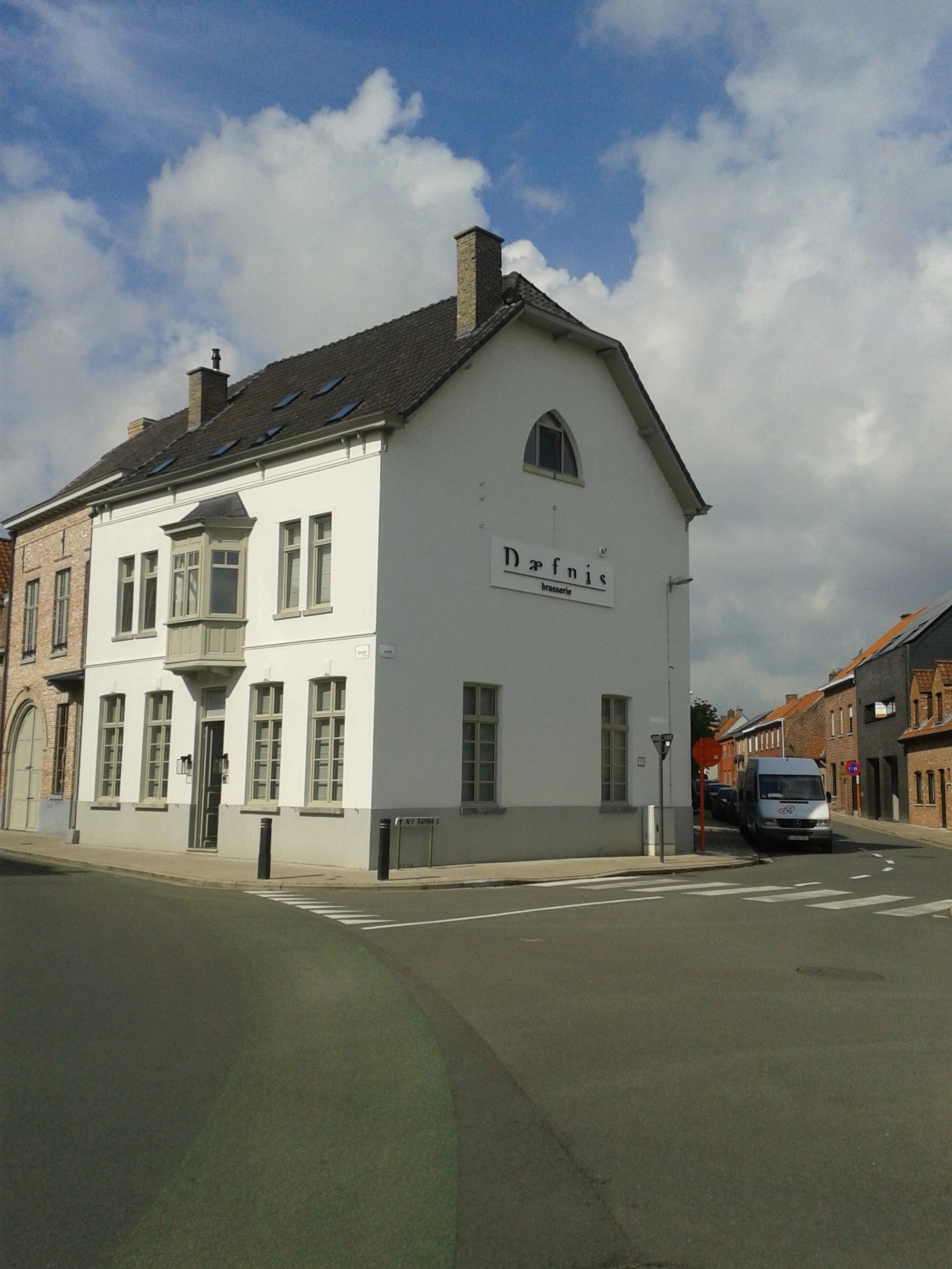
Menen and the Franco-Belgian Table
The French-Belgian border at Menen is one of the more quietly consequential culinary fault lines in Western Europe. On one side, the Flemish cooking tradition, rooted in butter, seasonal vegetables, and North Sea produce, shapes the table. On the other, the French brasserie and bistronomy model pulls in the opposite direction: more formal service rhythms, wine lists oriented toward the Rhône and Burgundy, and menus built around the set-price logic that dominates dining culture in northern France. Restaurants that sit in this corridor, as Daefnis does at Rekkemstraat 2 in Menen, operate at the intersection of both traditions rather than committing cleanly to either.
That geographic pressure is more than atmospheric. West Flanders dining has historically been underrepresented in the award circuits that define prestige in Belgian gastronomy, compared to the recognition concentrated in Ghent, Antwerp, Brussels, and the handful of rural Flemish addresses that have broken through internationally. Venues like Boury in Roeselare and Vrijmoed in Gent operate at the summit tier of Flemish creative cooking, with the recognition infrastructure to match. Menen sits at a different level of that same ecosystem: closer to the everyday, further from the spectacle, with a dining culture shaped more by local regulars than by destination traffic.
What the Address Tells You
Rekkemstraat runs through a residential quarter of Menen, the kind of street where a restaurant earns its place through consistency rather than concept. This is not the dining model of Zilte in Antwerp, with its panoramic position and explicit destination identity, or of Hof van Cleve in Kruishoutem, which draws from across Belgium and beyond on the strength of its sustained international standing. Daefnis operates on a different logic: the local dining room that a neighbourhood relies on, where the returning guest matters more than the first-time visitor arriving with a guidebook.
That model has its own discipline. The Franco-Belgian border region around Menen has enough culinary density that a restaurant cannot survive on novelty alone. The surrounding area, spanning across to Lille in France and north toward Kortrijk, produces diners with calibrated expectations shaped by regular exposure to solid, ingredient-led cooking on both sides of the frontier. Producing at that level, week after week for a local audience, is a different kind of rigor than chasing critic cycles.
The Cultural Roots of Border Cooking
Belgian cuisine resists easy categorization, which is part of what makes the Franco-Belgian corridor interesting. The country's dining culture drew deeply from French classical technique during the twentieth century, the brigade system, the sauce-forward logic of grande cuisine, the primacy of the set menu, while simultaneously maintaining a Flemish vernacular that insisted on things like witloof, waterzooi, and a relationship to North Sea fish that predates the French influence by centuries. Modern Flemish cooking, as practiced by the generation that includes Willem Hiele in Oudenburg and De Jonkman in Sint-Kruis, has largely moved past that tension into something more confident: using the French technique as infrastructure while foregrounding distinctly local produce and flavor logic.
Smaller restaurants in border towns like Menen often carry a different version of that story. They may not be running the modernist tasting menu format that defines the award-tier end of Belgian dining. What they frequently offer instead is something closer to the French cuisine du marché model: short menus, seasonal produce sourced through local relationships, and cooking that changes with what the week delivers rather than what a fixed concept demands. That approach has deep roots in the northern French tradition that Menen borders, and it produces a kind of eating that is harder to photograph but easier to remember.
Placing Daefnis in the Regional Tier
Daefnis sits in the part of the Belgian dining map that is assessed most accurately through direct experience and local knowledge. That is not a diminishment. A significant portion of Belgium's most reliable eating happens at this level, the mid-tier, neighbourhood-embedded restaurant that sustains a local dining culture without requiring external validation to fill its tables.
For context, the upper tier of Belgian fine dining in this region includes destinations like La Durée in Izegem and Ralf Berendsen in Neerharen, both operating with the kind of creative ambition and ingredient sourcing that places them in competition with peers well beyond their immediate geography. Daefnis is not in that conversation based on currently available data, but that positions it differently rather than lesser, the kind of address that complements a regional dining itinerary rather than anchoring it, and that rewards a different kind of attention from the visitor who has already covered the headline stops.
Elsewhere in Belgium, the pattern of strong neighbourhood restaurants anchoring local dining ecosystems is well-established, from Castor in Beveren to d'Eugénie à Emilie in Baudour. The Menen equivalent of that pattern, operating in a town of roughly 33,000 people on the French border, is the kind of place that appears in local conversation before it appears in any published guide. Atelier Rosa, also in Menen, represents another point of reference for understanding how the town's dining scene is structured across formats and registers.
Planning a Visit
Menen sits on the E17 motorway corridor between Kortrijk and the French border, approximately 20 kilometres from Kortrijk and accessible by train via the Kortrijk-Lille line. The town is compact enough to cover on foot once you arrive, and parking is available around the Rekkemstraat area without the complications of a city centre. For visitors coming from Brussels, the journey by car runs approximately 90 minutes depending on traffic through Ghent. Those building a longer West Flanders itinerary might pair a visit to Menen with Kortrijk, Roeselare, or cross the border to Lille, where the northern French dining tradition that shapes this whole corridor is most fully expressed.
Contact the restaurant directly before visiting. Those interested in how Belgian cooking of this tradition translates at the highest international level might look at what Bozar Restaurant in Brussels or Le Chalet de la Forêt in Uccle do with a similar Franco-Belgian inheritance under different conditions of scale and ambition.
Budget and Context
Comparable venues nearby, for context on price, style, and recognition.
| Venue | Cuisine | Price |
|---|---|---|
| DaefnisThis venue — the venue you are viewing | Lauwe, Modern French-Belgian Brasserie | $$$ |
| Atelier Rosa | Menen, Artisanal Belgian Chocolatier | $ |
| David Selen | Waregem, Modern French Bistronomie | $$$ |
| Belle de jour | centre, Modern French-Belgian Seafood | $$$ |
| Desanto | city center, French-Belgian Brasserie | $$$ |
| Cabo | Marina, Modern French-Belgian Brasserie | $$$ |

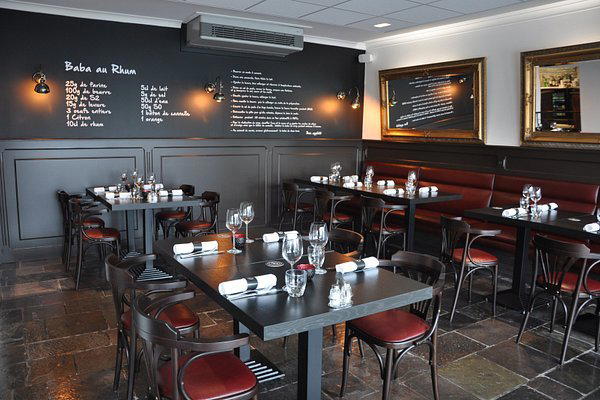
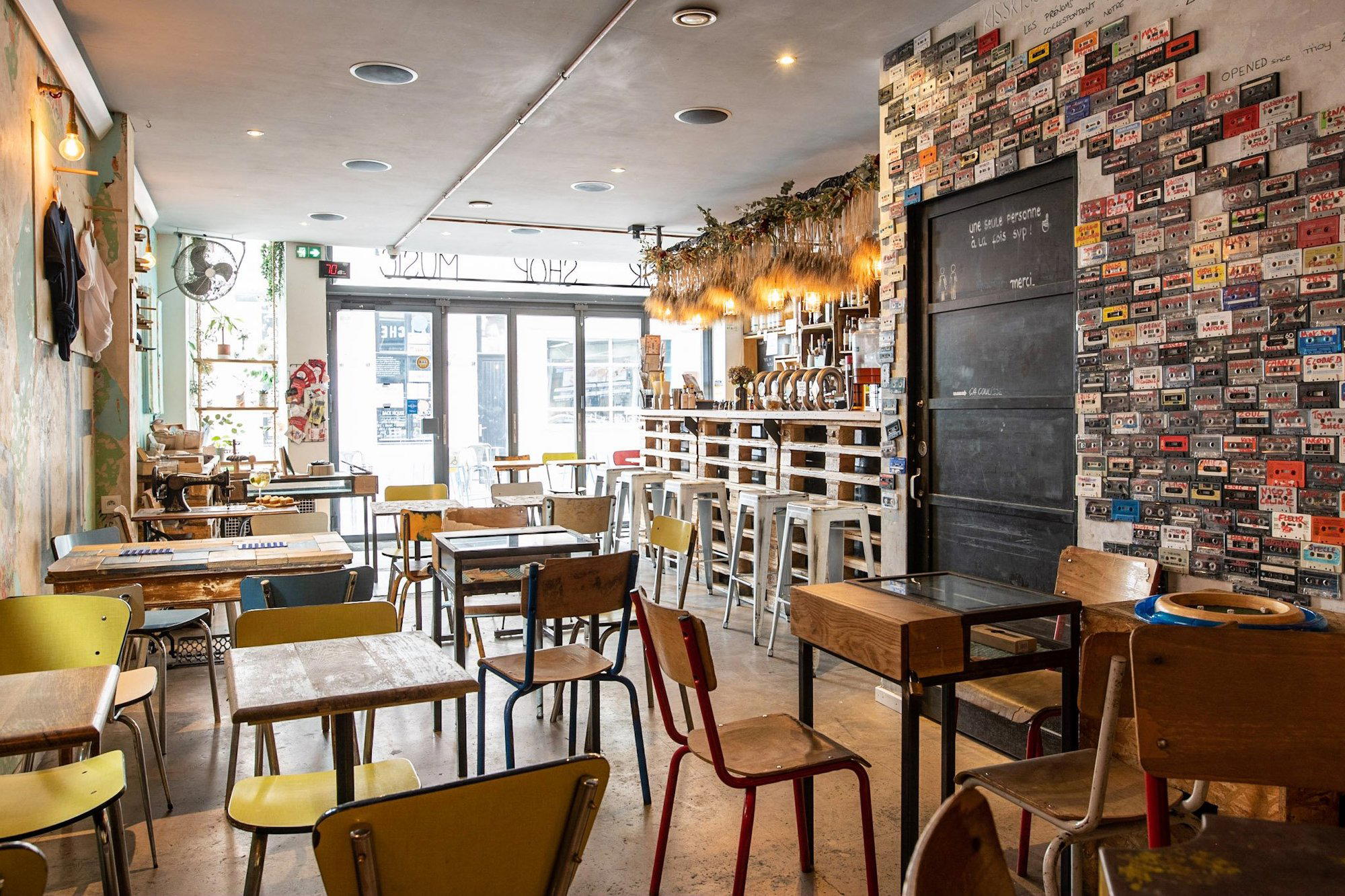
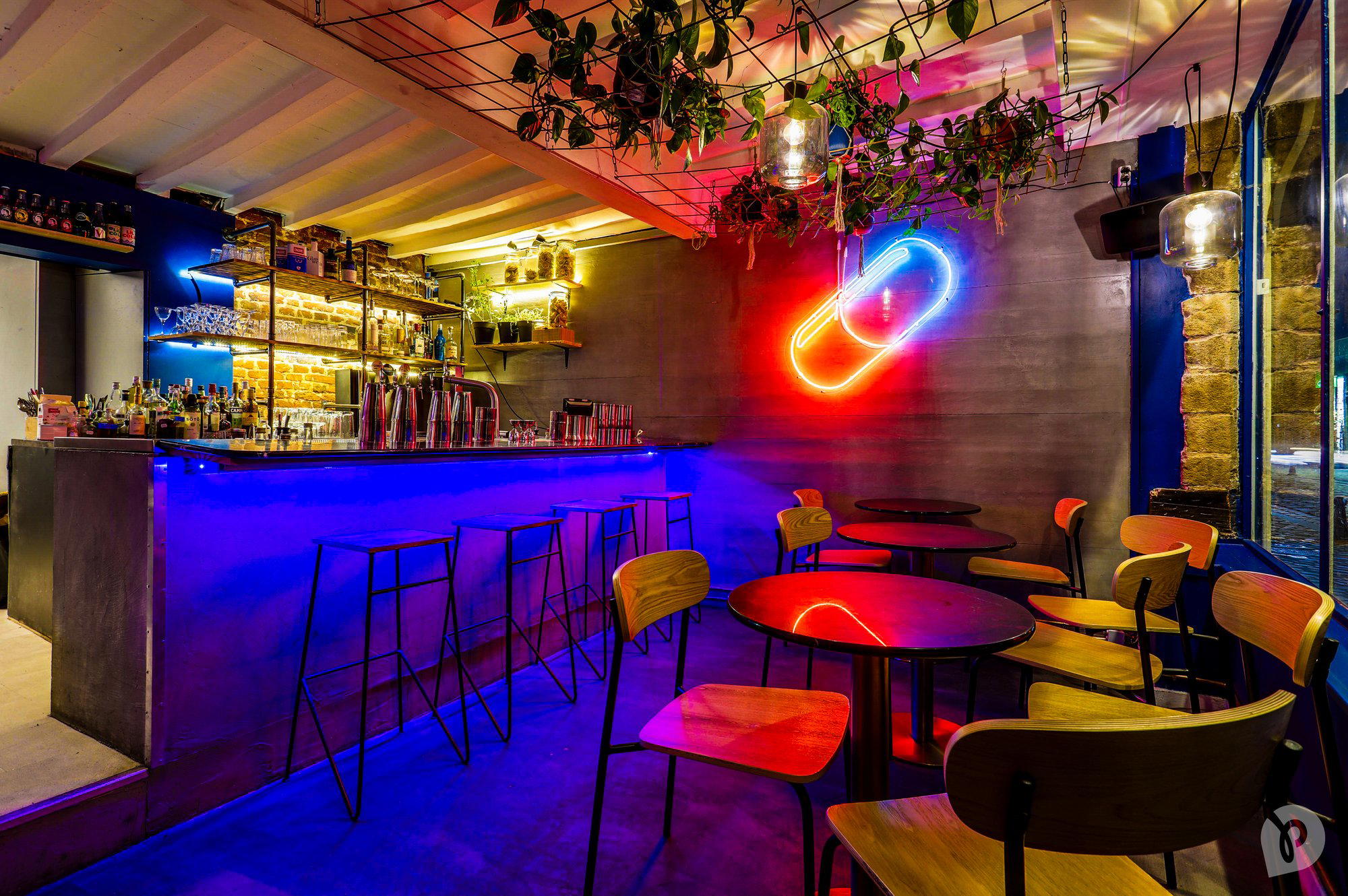
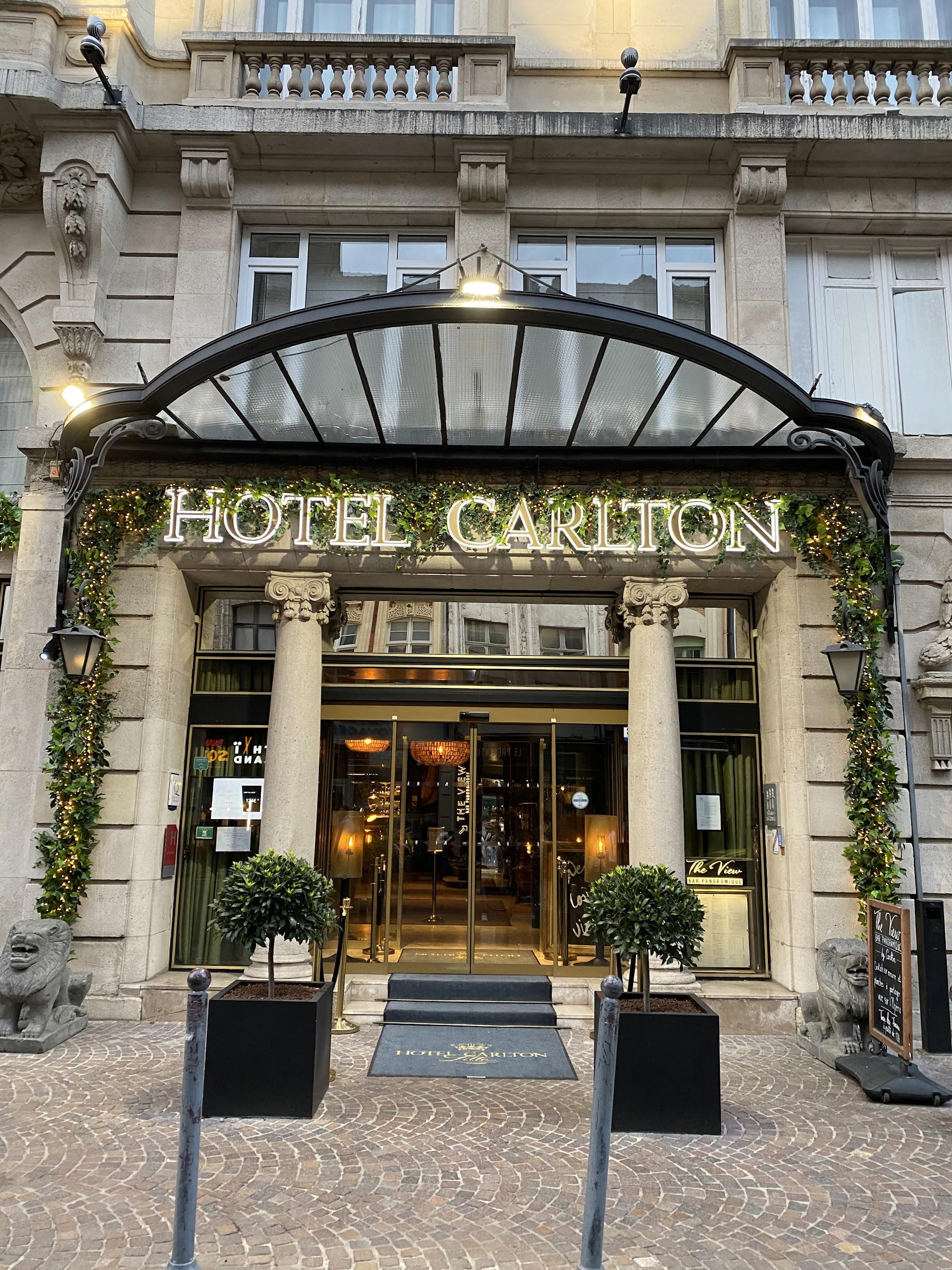
At a Glance
- Cozy
- Intimate
- Elegant
- Date Night
- Business Dinner
- Open Kitchen
- Extensive Wine List
- Local Sourcing
Current opening hours
- Monday
- 7–9 PM
- Tuesday
- 12–2:30 PM, 7–9 PM
- Wednesday
- 12–2:30 PM, 7–9 PM
- Thursday
- 12–2:30 PM, 7–9 PM
- Friday
- 12–2:30 PM, 7–9 PM
- Saturday
- Closed
- Sunday
- Closed
Hours can change for holidays and private events. Last verified .
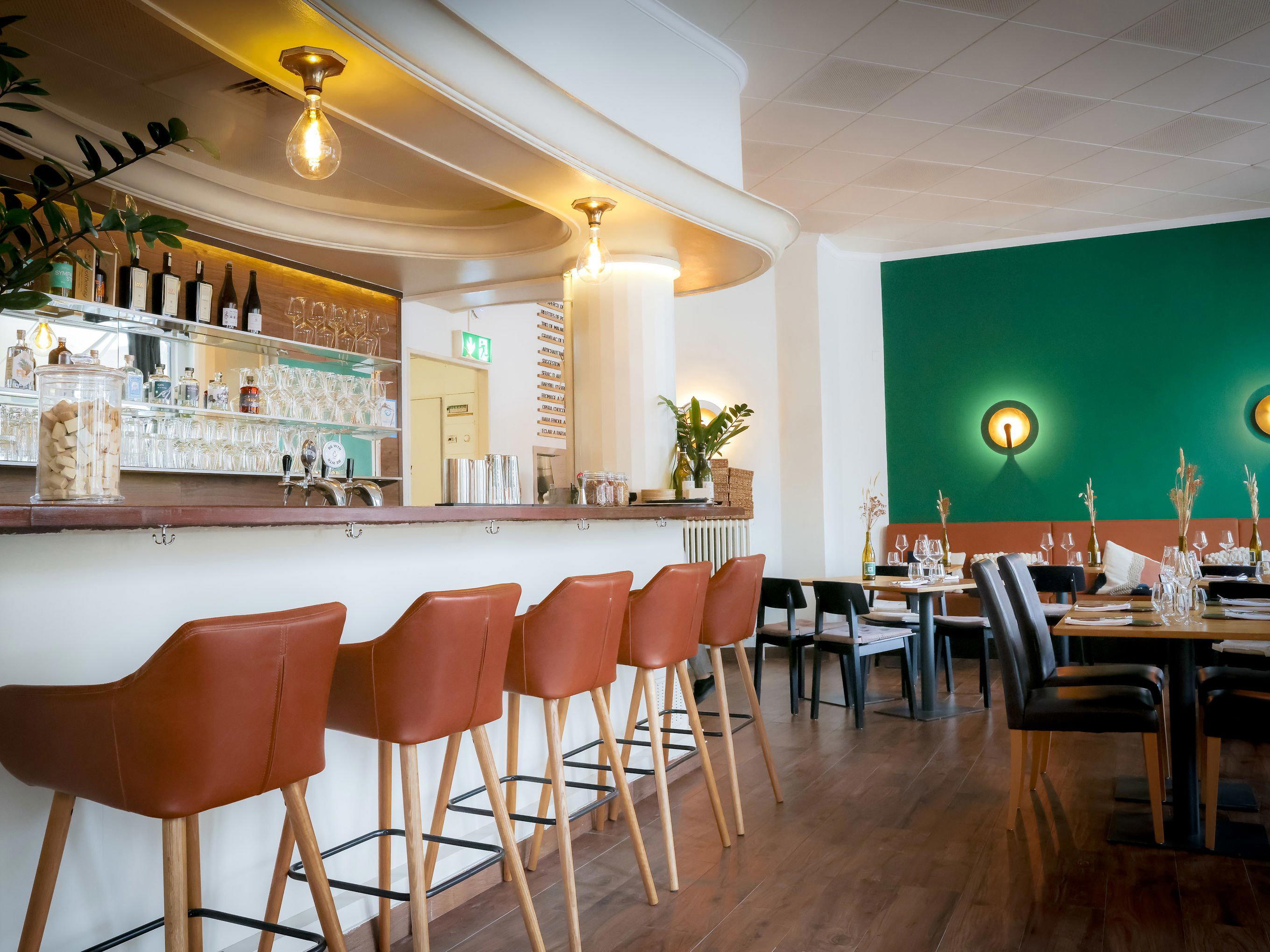
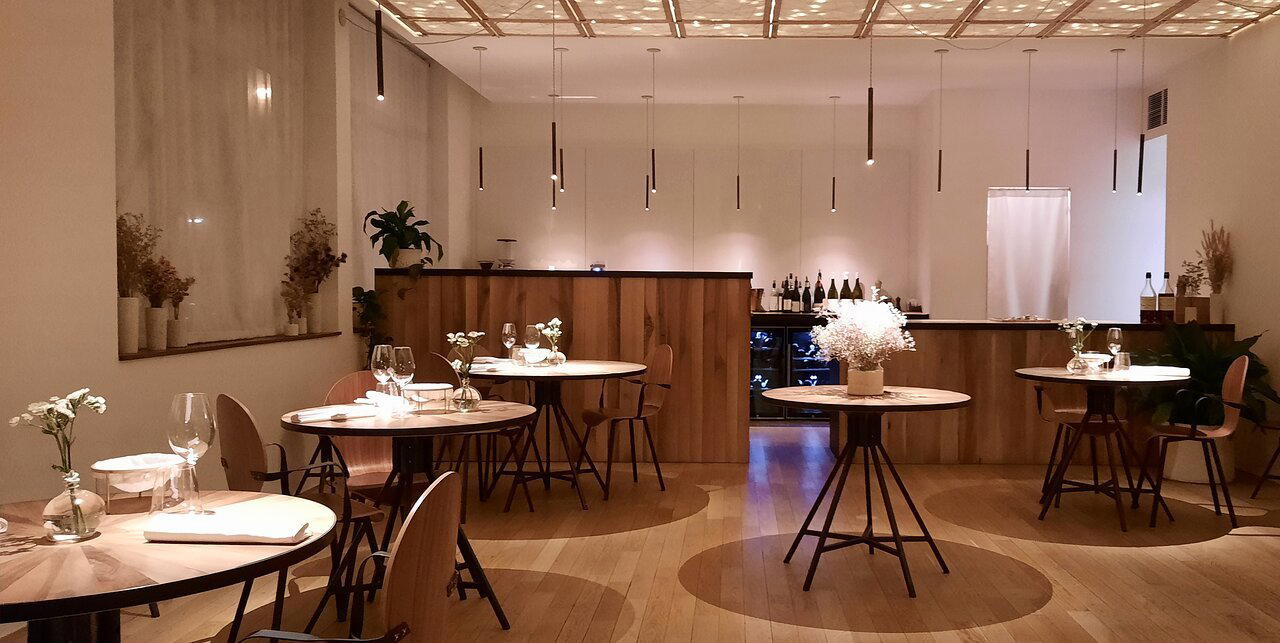
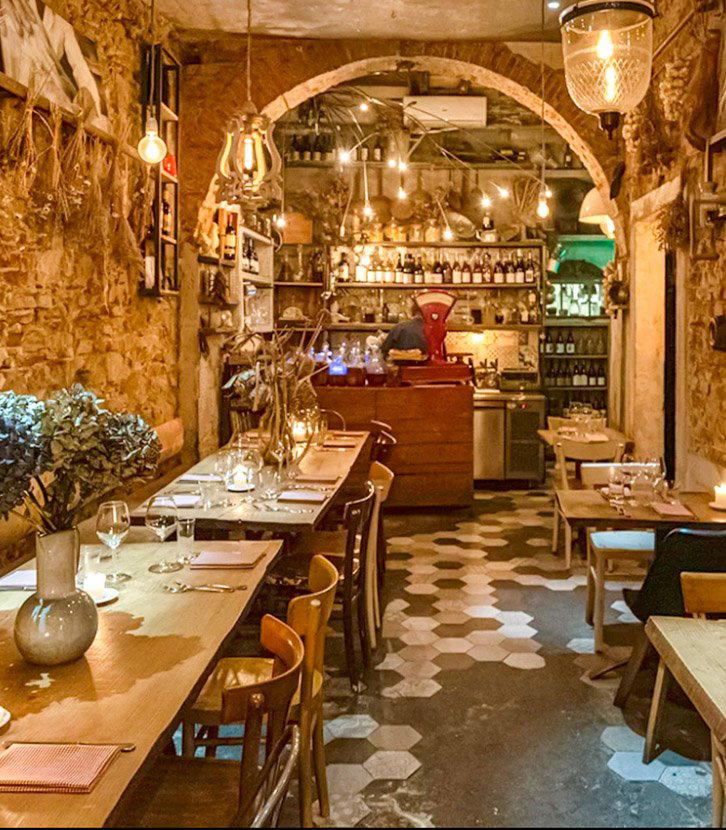
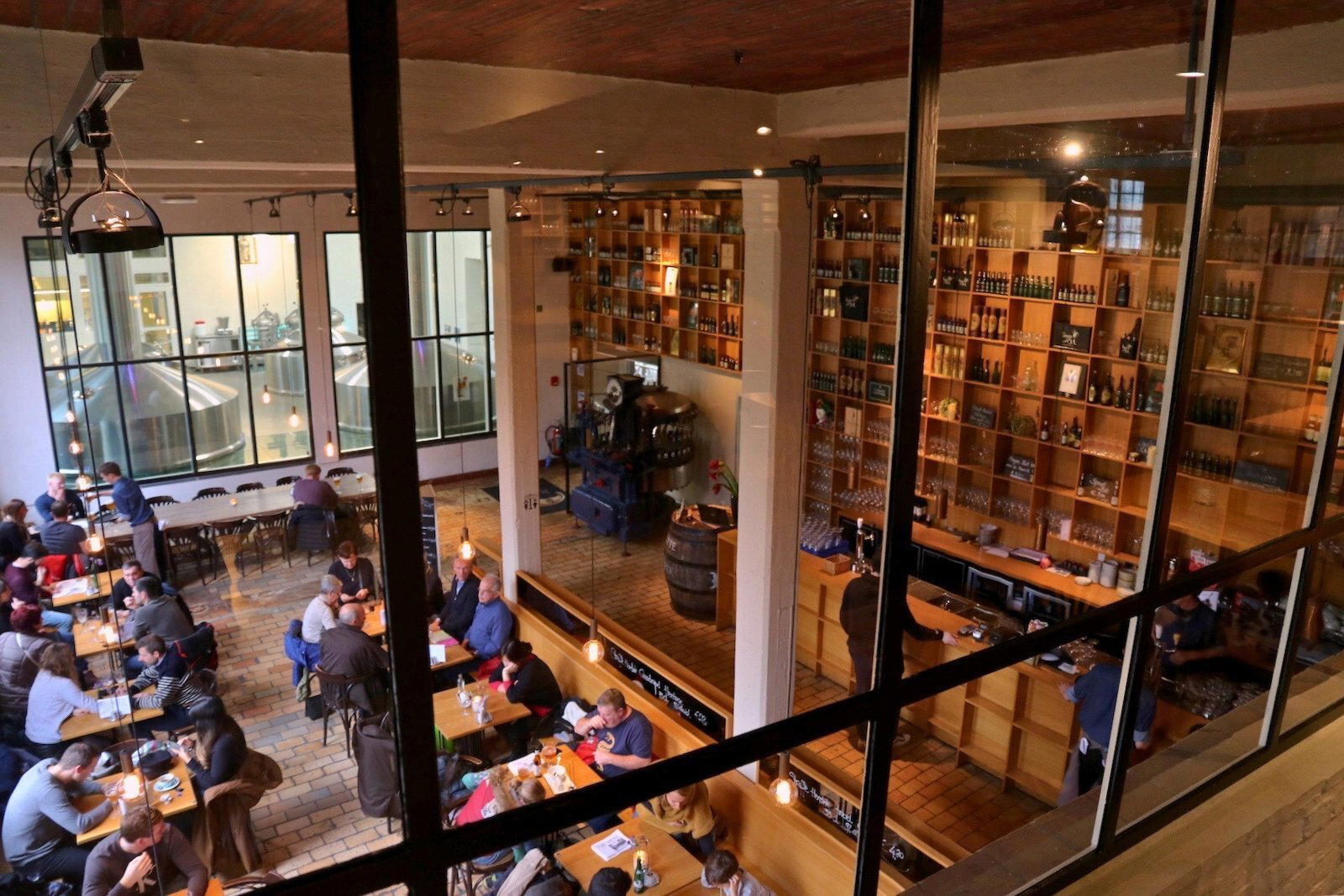
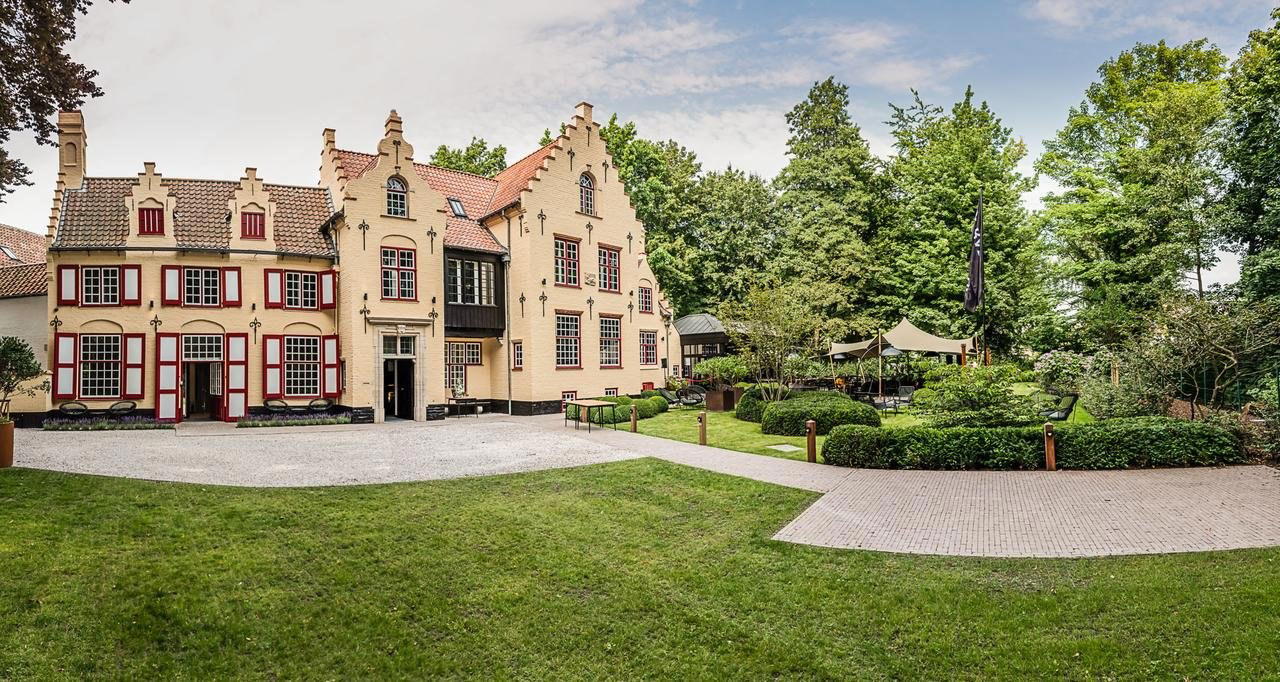
Warm, cozy, and homey atmosphere with an intimate setting.