Cabo
On the coastal edge of Blankenberge, Cabo occupies an address that places it squarely within the Belgian seaside dining conversation. The venue sits at Wenduinse Steenweg 1, where the North Sea coast sets the tone for what the region does well: direct sourcing, proximity to water, and a dining culture shaped by tides and seasons. For visitors working through the town's restaurant options, Cabo is a reference point worth understanding in context.
Pearl is the En Primeur Club membership app — saves, bookings, and concierge access live there. Same editors, same standards.
- Address
- Wenduinse Steenweg 1, 8370 Blankenberge, Belgium
- Phone
- +3250412759
- Website
- cabo-clubrestaurant.be
- Directions
- Get directions
 Saves & bookings on Pearl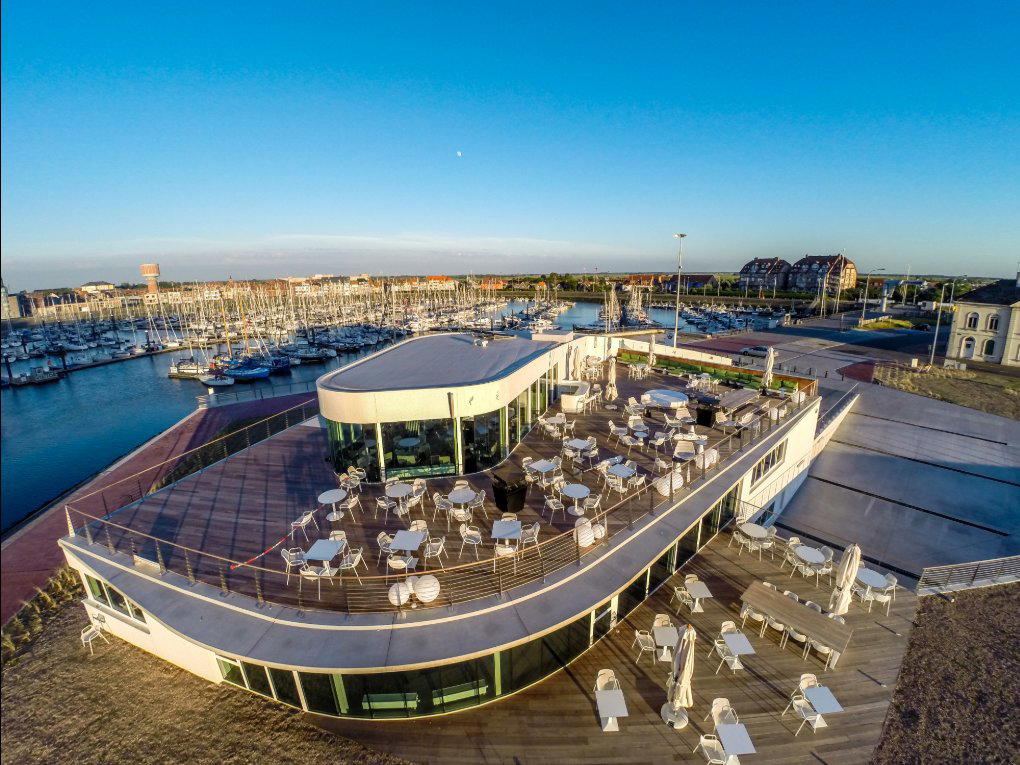
Where the Coast Sets the Agenda
Cabo is a restaurant in Blankenberge, Belgium, serving modern French-Belgian brasserie cuisine and priced around $45 per person. Blankenberge sits roughly midway along the Belgian coast, a stretch of shoreline that runs from De Panne in the southwest to Knokke-Heist in the northeast. Unlike Knokke, which has cultivated a reputation for high-end destination dining, or Ostend, which carries the weight of Belgium's historic fish market culture, Blankenberge operates at a more accessible register. The restaurants here tend to reflect the working coastal town it remains: direct, ingredient-led, and calibrated to visitors who arrive by train from Bruges or Brussels looking for something honest rather than elaborate.
Cabo's address at Wenduinse Steenweg 1 places it on the road connecting Blankenberge toward Wenduine, a quieter residential stretch that sits at a remove from the promenade's more tourist-facing establishments. Approaching from the town centre, the seafront gives way to a slightly less pressured atmosphere. That geography matters when reading a venue's positioning: places on the main drag compete on visibility; places slightly off it tend to compete on repeat custom and local loyalty.
The North Sea Ingredient Argument
The editorial case for Belgian coastal dining, at its stronger end, rests on provenance. The North Sea is one of Europe's most productive fishing grounds, and the Belgian coast has historically been one of its most direct conduits to the table. Grey shrimp from the Flemish coast, sole from the southern North Sea, and mussels from the Zeeland beds just across the Dutch border have defined this region's kitchen vocabulary for generations. What separates the better coastal addresses from the undistinguished ones is how directly they connect that supply chain to the plate, and how honestly they acknowledge seasonality.
This is a region where the gap between a kitchen that sources well and one that relies on consolidated wholesalers is visible in the eating. The former produces sole that tastes of sea salt and iron; the latter produces protein that could have come from anywhere. Venues in Blankenberge that have earned local standing over time tend to fall into the former category, where the supplier relationship is part of the identity. For context on how that sourcing argument plays out at a higher register along the Belgian coast, Bartholomeus in Heist and Willem Hiele in Oudenburg represent what serious engagement with North Sea produce looks like.
Cabo operates further down that spectrum, in the everyday coastal register rather than the destination tier. That is not a criticism of the category. The majority of good eating happens in this middle ground, where the ambition is a well-cooked fish rather than a composed technical sequence.
Reading Blankenberge's Restaurant Scene
The town's dining options have diversified considerably over the past decade. The traditional Belgian coast formula, moules-frites and fish soup served in large brasserie formats, remains present, but it now shares space with a broader range of approaches. Oesterput anchors the seafood-specialist end of the market. Bistro De Boeie represents the bistro format that prioritises casual confidence over ceremony. Carrello and Onism reflect the town's absorption of broader European dining trends. Ten Doele covers the more traditional Flemish end of the spectrum.
Within this field, Cabo holds its position on a road that channels local traffic rather than tourist footfall, which tends to shape a venue's priorities. Kitchens that survive primarily on local custom in a coastal town develop a different relationship with their suppliers and their regulars than those that reset entirely each summer season.
For visitors coming to Blankenberge with a wider appetite for Belgian coastal cooking, the full Blankenberge restaurants guide maps the range more completely.
Belgian Coastal Dining in National Context
To understand where Blankenberge sits in Belgian dining more broadly, it helps to reference the country's recognised reference points. At the high end, Hof van Cleve in Kruishoutem, Boury in Roeselare, and Zilte in Antwerp define what Belgian fine dining looks like at its most decorated. Bozar Restaurant in Brussels anchors the urban end. Further south, L'air du Temps in Liernu, d'Eugénie à Emilie in Baudour, and De Jonkman in Sint-Kruis represent Wallonia and the Flemish interior at their most serious. Castor in Beveren fills another distinct regional position.
The coastal tier exists in productive tension with all of this. The ingredients flowing through Blankenberge's kitchens, when handled well, are as good as anything passing through Belgium's most decorated addresses. The difference lies in technical ambition and format, not in raw material quality. That framing matters when deciding how to read a coastal venue: judge it against what it is attempting, not against a framework built for a different category.
For international reference on how serious seafood kitchens perform at the highest register, Le Bernardin in New York City remains the clearest benchmark for fish-focused precision. Closer to the Korean-influenced contemporary end, Atomix in New York City illustrates how tasting-menu formats can carry ingredient sourcing into highly composed territory. Neither is a direct comparison for a Belgian coastal address, but they frame the spectrum usefully.
Planning a Visit
Blankenberge is directly accessible by train from Bruges in under fifteen minutes and from Brussels in roughly ninety, making it a practical day-trip or weekend destination rather than a dedicated journey. Cabo's position on Wenduinse Steenweg 1 is reachable on foot from the town centre, though the walk takes you away from the beachfront noise toward a quieter residential edge. Cabo is recommended for reservations and follows casual dress.
In Context: Similar Options
Comparable venues nearby, for context on price, style, and recognition.
| Venue | Cuisine | Price | Notes |
|---|---|---|---|
| CaboThis venue — the venue you are viewing | Modern French-Belgian Brasserie | $$$ | Not listed |
| Ten Doele | Traditional Belgian-French Cuisine | $$$ | Blankenberge |
| Oesterput | Belgian Seafood | $$ | Blankenberge |
| Bistro De Boeie | Classic Belgian Bistro | $$ | Centrum |
| Carrello | Modern Mexican Coastal | $$ | Blankenberge |
| Onism | Global Fusion Tapas | $$ | Blankenberge |
Continue exploring
More in Blankenberge
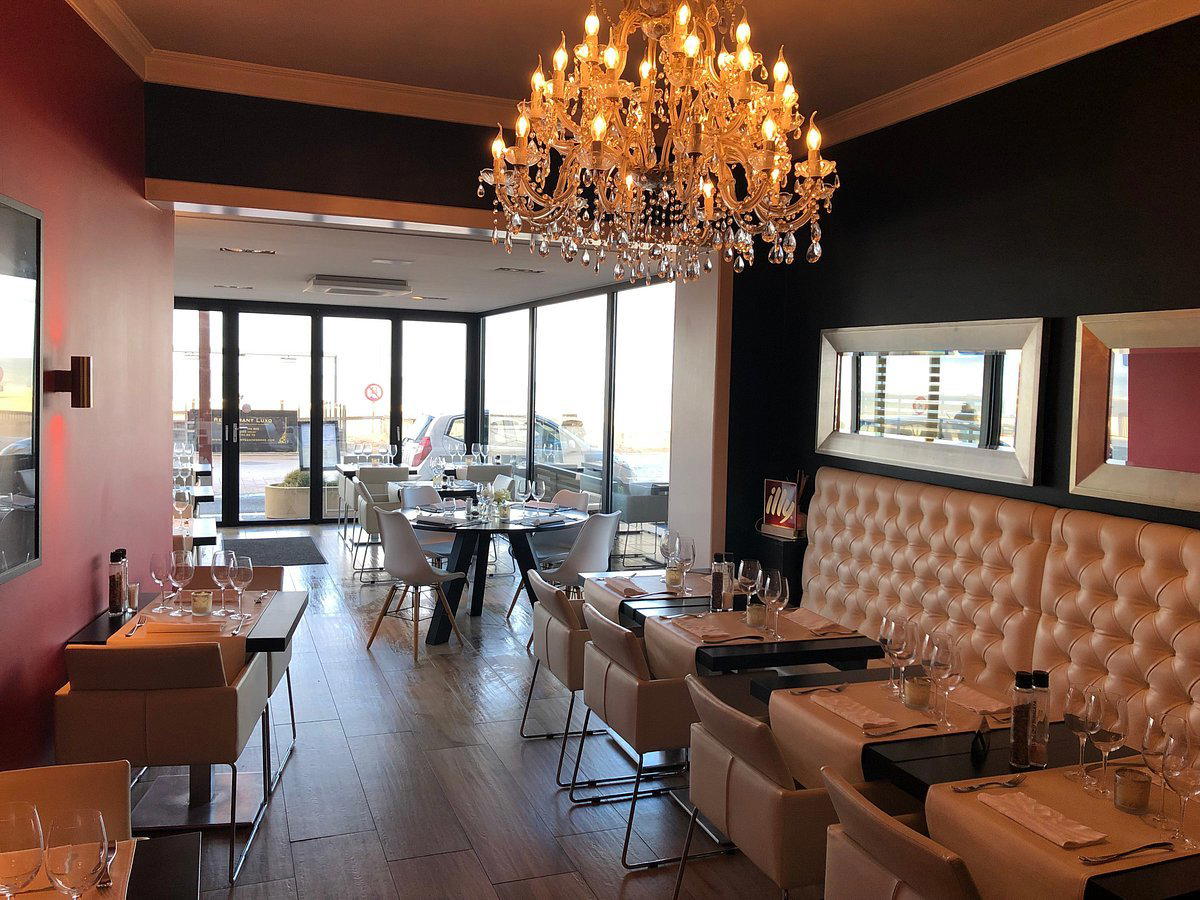
Restaurants in Blankenberge
Browse all →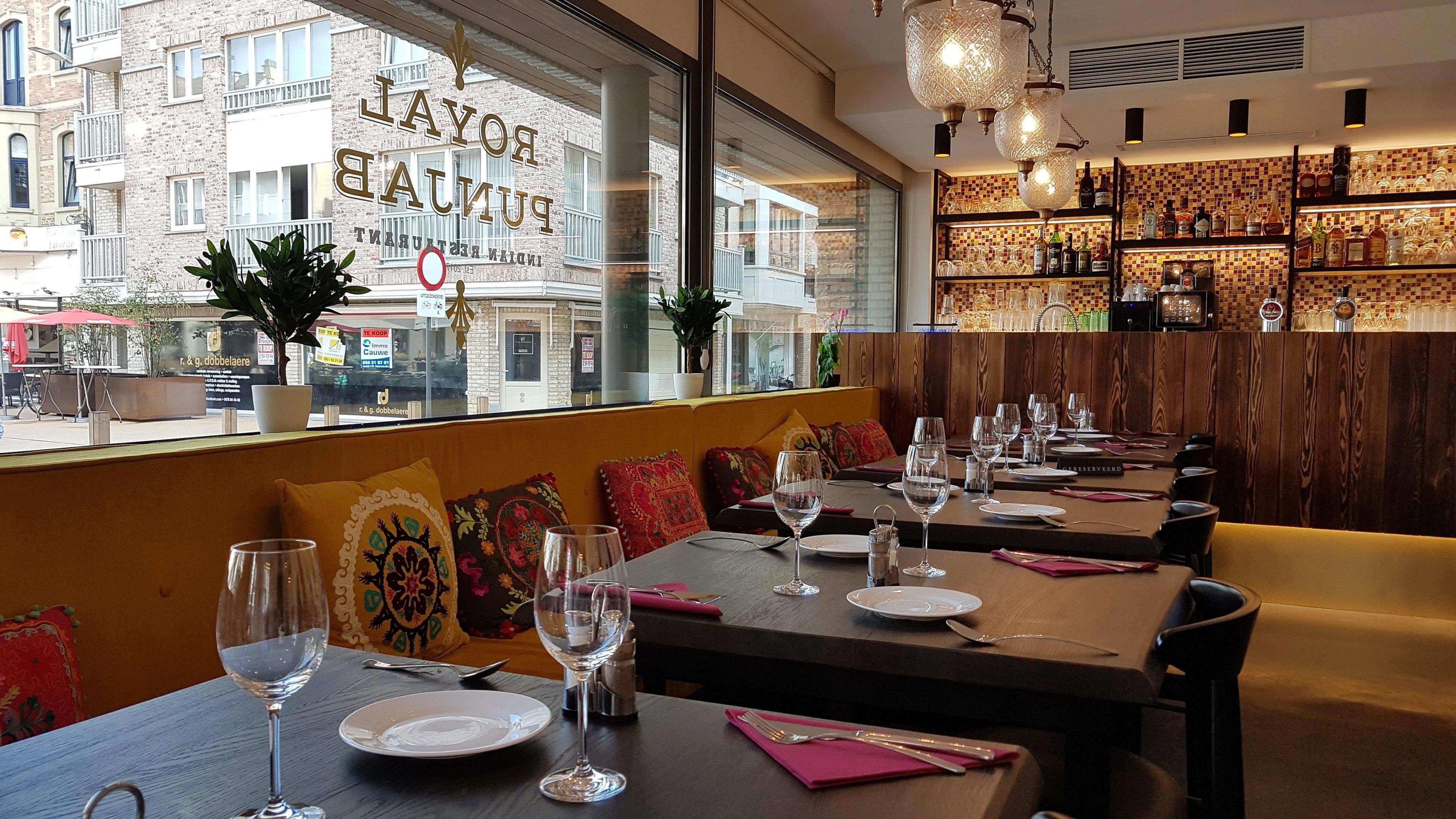
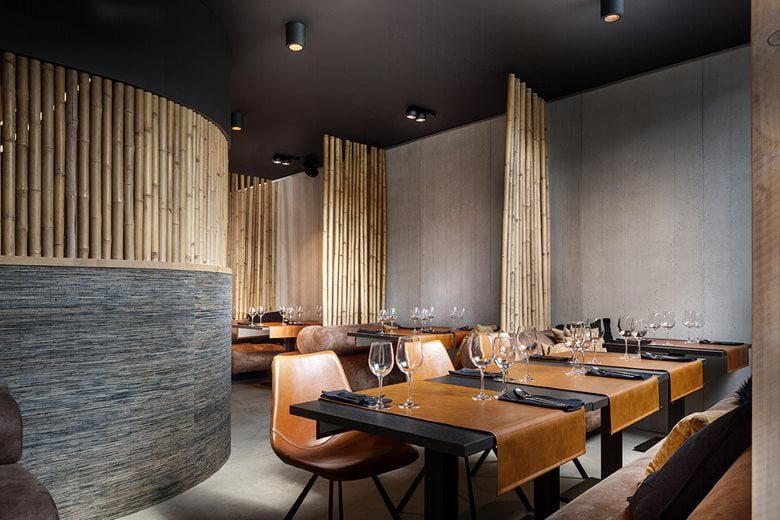
Bars in Blankenberge
Browse all →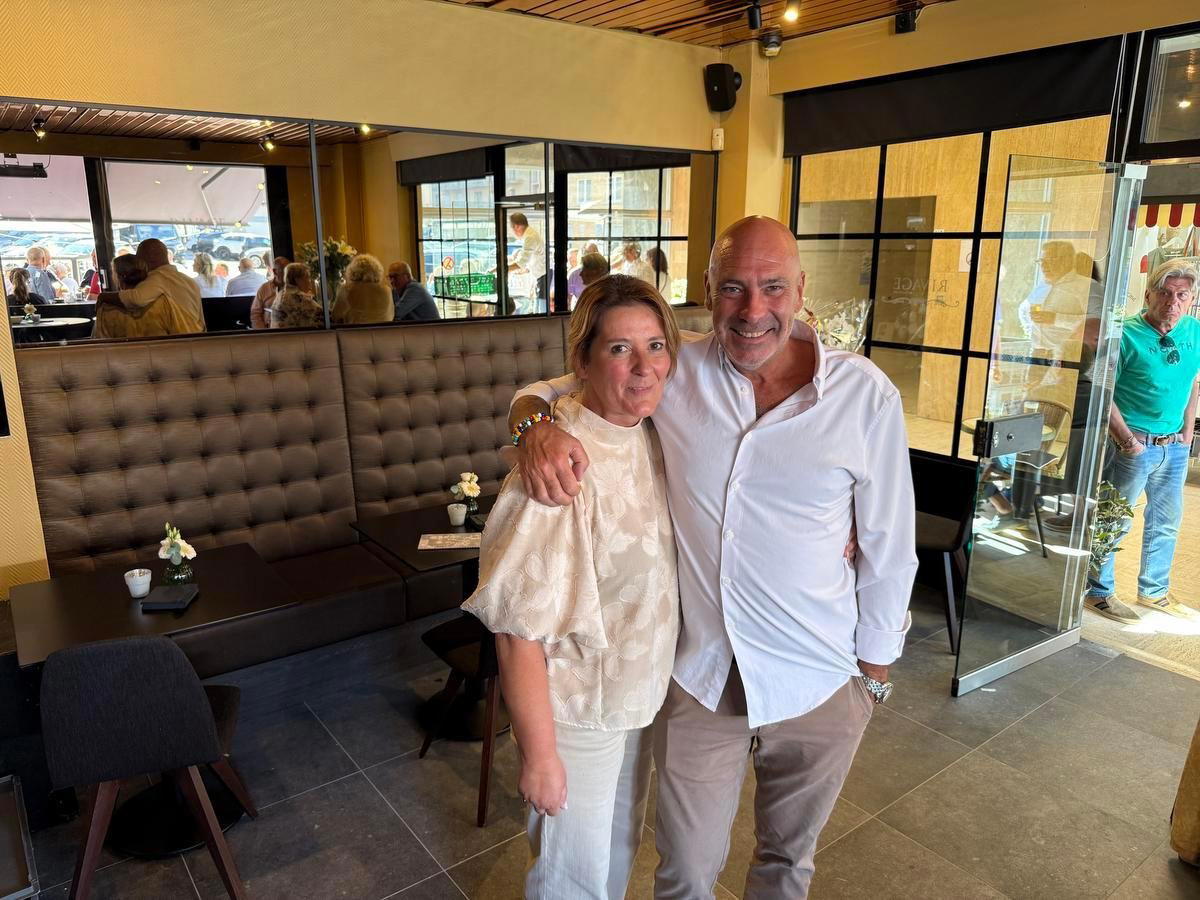
At a Glance
- Modern
- Scenic
- Elegant
- Lively
- Date Night
- Group Dining
- Casual Hangout
- After Work
- Rooftop
- Waterfront
- Terrace
- Standalone
- Craft Cocktails
- Waterfront
Current opening hours
- Monday
- 12–2 PM, 6–9 PM
- Tuesday
- 12–2 PM, 6–9 PM
- Wednesday
- Closed
- Thursday
- Closed
- Friday
- 12–2 PM, 6–9 PM
- Saturday
- 12–2 PM, 6–9 PM
- Sunday
- 12–2 PM, 6–9 PM
Hours can change for holidays and private events. Last verified .
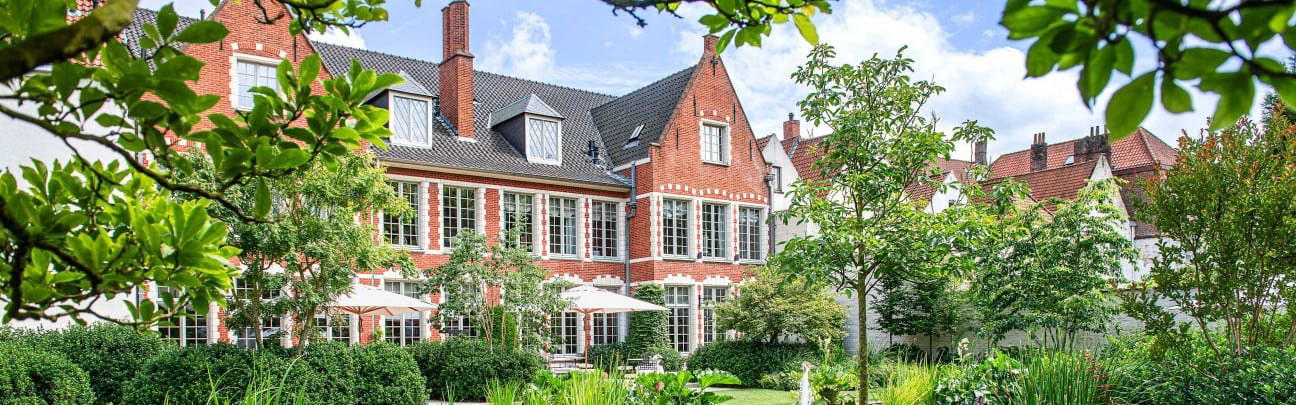
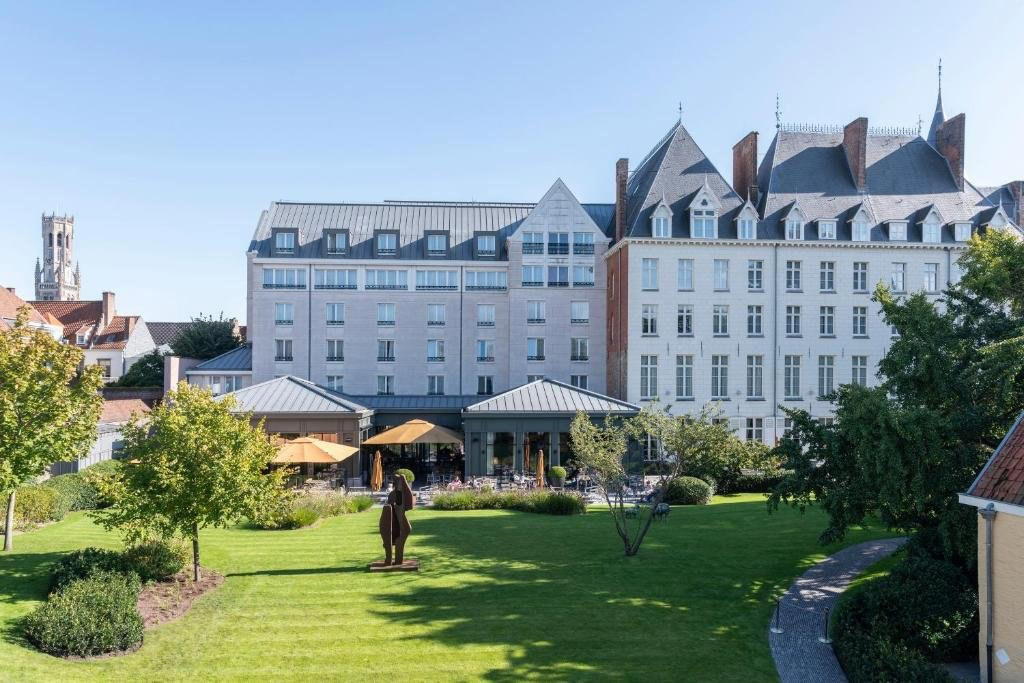
Modern, warm and casual setting with inviting lounge bar featuring spacious terrace overlooking the marina; refined yet welcoming atmosphere.