Our verdict
Atelier Rosa occupies a ground-floor address on Bruggestraat in Menen, a West Flemish border town that sits closer to Lille than to Ghent and tends to be overlooked by the broader Belgian dining circuit. The restaurant operates within a regional dining tradition that prizes local produce and precise technique, placing it alongside a quiet tier of destination tables that reward the detour.

Pearl is the En Primeur Club membership app — saves, bookings, and concierge access live there. Same editors, same standards.
- Address
- Bruggestraat 97, 8930 Menen, Belgium
- Phone
- +32485569586
- Hours
- Mon ClosedTue–Fri 2–6 PMSat 9 AM–5 PMSun Closed
- Website
- atelierrosa.be
- Directions
- Get directions
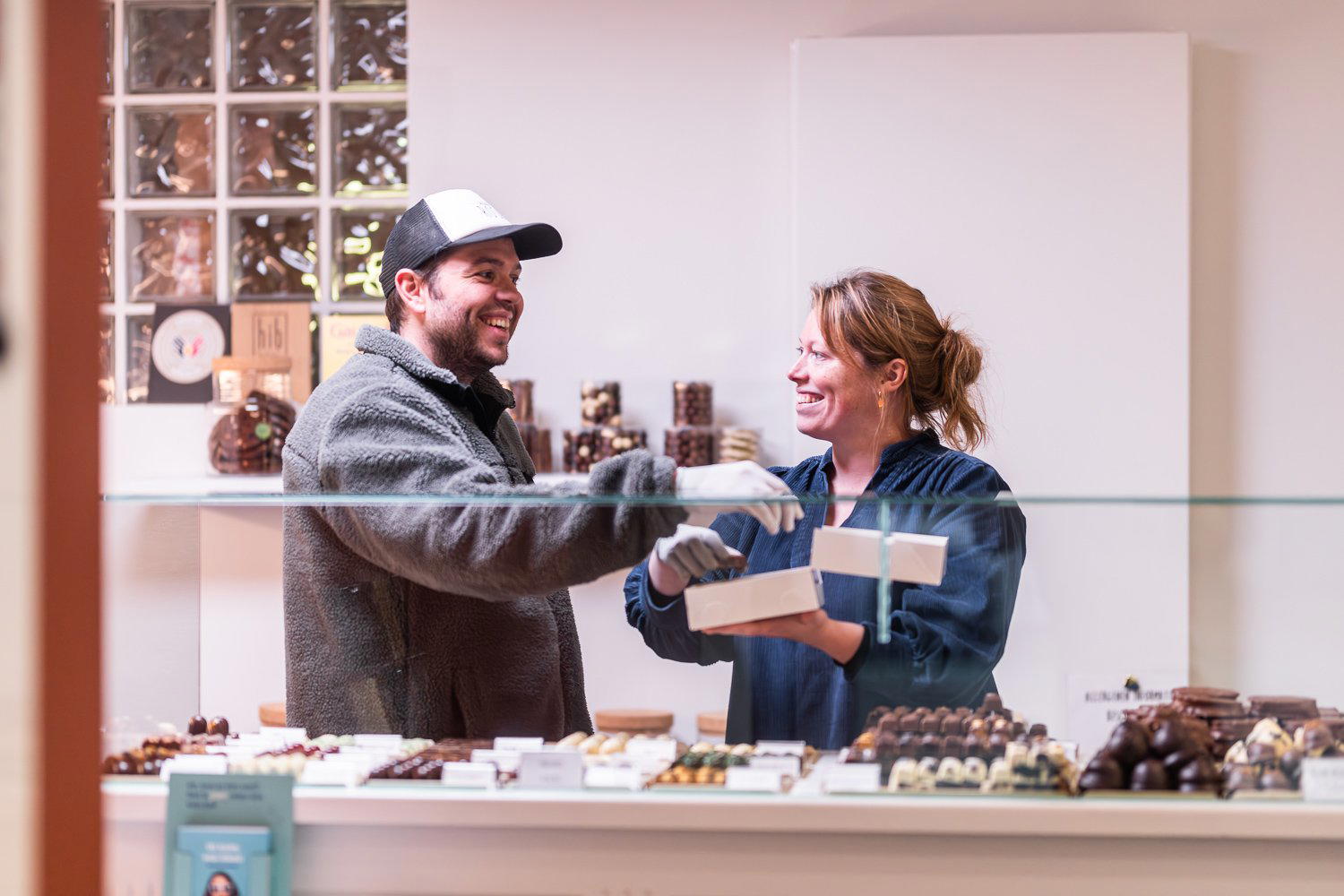
The menu
What to order
- Melocakes
- Pralines
- Ice cream
- Chocolate bars
- Chocolate tablets
A Border Town, a Local Ingredient Tradition, and What It Means to Eat Well in West Flanders
Menen sits on the Leie river at the French border, a short drive from Kortrijk and within easy reach of Lille. It is not a city that appears regularly in Belgian dining conversations, which tend to gravitate toward Ghent, Antwerp, and the Flemish coast. That gap is partly why restaurants like Daefnis and Atelier Rosa on Bruggestraat 97 carry weight for the region: in a town without a saturated dining scene, each table that commits to serious cooking earns a disproportionate share of local attention. See our full Menen restaurants guide for the broader picture.
West Flanders as a culinary region operates on a different tempo from Brussels or Antwerp. The proximity to France matters: border kitchens in this corridor have historically absorbed French technique while retaining Flemish produce logic, resulting in cooking that can feel more grounded than the urban creative menus at Vrijmoed in Gent or Boury in Roeselare. The latter two represent the high end of modern Flemish creativity at the €€€€ tier; the regional table in a town like Menen tends to operate differently, drawing on proximity to farms, the Leie's market culture, and a guest base that values familiarity alongside technique.
The Ingredient Argument: Why Sourcing Defines the West Flemish Table
The case for eating in West Flanders rather than driving past it to Lille or doubling back to Ghent often comes down to what is on the plate and where it was grown. Belgium's northwest has strong vegetable-growing culture, livestock traditions anchored to specific breeds and small-scale rearing, and a North Sea proximity that puts fresh fish within a day's reach of inland kitchens. These are structural advantages that coastal and near-coastal restaurants in the region use consistently.
What distinguishes the serious tables in this corridor from comparable rooms in larger Belgian cities is less about technique — Belgian cooking from Hof van Cleve in Kruishoutem to Zilte in Antwerp operates at a high technical baseline — and more about the directness of the supply chain. Shorter distances between field and kitchen translate into produce served at tighter windows of maturity. That is a practical advantage that a restaurant in Menen can hold over a peer in a major city importing from the same region but adding a day's logistics.
Atelier Rosa's address on Bruggestraat places it inside this local-sourcing geography. The restaurant draws on a tradition shared by other committed West Flemish tables: building menus around what is available close by rather than constructing a concept and sourcing backward from it. This is not a romantic claim about terroir but a practical observation about how the leading cooking in this part of Belgium tends to work.
Atelier Rosa in the Context of Belgian Fine Dining
Belgium's premium dining circuit concentrates considerable talent in a relatively small geography. The Michelin-starred tier includes addresses from Willem Hiele in Oudenburg to Le Chalet de la Forêt in Uccle and the landmark room at Bozar Restaurant in Brussels. Outside that starred tier, a parallel set of restaurants operates across smaller cities and towns, often with serious cooking, lower visibility, and price points that reflect the local market rather than a destination-dining premium.
Atelier Rosa belongs to a category that does not always receive the attention it merits: the committed regional table that is neither bidding for Michelin recognition nor settling for brasserie-level ambition. This middle register is where much of Belgium's most honest cooking happens. Comparable examples in this structural tier include La Durée in Izegem, which operates a French-Belgian creative menu at the €€€€ level a short distance from Menen, and Castor in Beveren. Both point to the same pattern: serious cooking outside the obvious city nodes, rooted in regional produce, attracting a local and increasingly broader clientele.
For international reference points, the model of ingredient-led cooking at the local scale, where provenance drives the menu rather than decorating it, has parallels at Lazy Bear in San Francisco and, in a different register, at Le Bernardin in New York City, where the sourcing argument is structural rather than incidental. The ambition differs enormously across those comparisons, but the underlying logic, that the ingredient is the starting point, not the finishing touch, connects them.
Planning a Visit: What to Know Before You Go
Menen is accessible by road from Kortrijk (roughly 15 kilometres) and by train, with Menen station a short walk from the Bruggestraat address. The town connects easily to the French border crossing toward Halluin, making it a practical stop for travellers moving between Lille and the broader Flemish region. For broader regional dining context, our Menen guide maps the town's dining options and helps anchor a visit itinerary. Readers who want to extend the trip into neighbouring West Flemish tables might consider De Jonkman in Sint-Kruis or Ralf Berendsen in Neerharen for comparison across the region's committed independent tier. Further afield, d'Eugénie à Emilie in Baudour, La Table de Maxime in Our, and Cuchara in Lommel illustrate how Belgium's non-metropolitan fine dining tier spreads across the country's smaller cities.
Frequently asked questions
How do I find Atelier Rosa?
Atelier Rosa is located at Bruggestraat 97, 8930 Menen, Belgium, Menen.
Is Atelier Rosa a good option for a special occasion dinner near the French-Belgian border?
Atelier Rosa sits at Bruggestraat 97 in Menen, a town on the Leie river at the French border and roughly 15 kilometres from Kortrijk, making it one of the more accessible fine dining options in this corridor for guests travelling from either side. The West Flemish dining scene, while less publicised than Ghent or Brussels, has built a reputation around ingredient-led cooking that draws on both Flemish and Northern French produce traditions. For a special occasion dinner in this geography, Atelier Rosa warrants consideration alongside the broader regional offer.
What's the must-try dish at Atelier Rosa?
What the body of West Flemish fine dining broadly signals is a commitment to regional sourcing, with the area's proximity to both French and Flemish produce networks informing the plate. Arriving with curiosity rather than a fixed expectation tends to serve guests well at addresses of this kind in Menen.
Should I book Atelier Rosa in advance?
For a fine dining address on Bruggestraat in Menen, advance booking is advisable. West Flanders has a concentrated pool of considered restaurants relative to its population, and tables at the stronger addresses fill ahead of weekends. Contact Atelier Rosa directly to confirm availability and any tasting menu formats before planning your journey from Kortrijk or Lille.
Side-by-Side Snapshot
Comparable venues nearby, for context on price, style, and recognition.
| Venue | Cuisine | Price | Notes |
|---|---|---|---|
| Atelier RosaThis venue — the venue you are viewing | Artisanal Chocolaterie | Not listed | Not listed |
| Daefnis | Modern French-Belgian Brasserie | $50–100 | Lauwe |
| ZoeteZee | Belgian Chocolatier | Not listed | Westende |
| Maison Antoine | Belgian Frituur | $1–10 | Etterbeek |
| Mika | Not listed | Not listed | hartje Jabbeke |
| Lornoy | Chocolaterie & Desserts | Not listed | Centrum |
Continue exploring
More in Menen
Restaurants in Menen
Browse all →
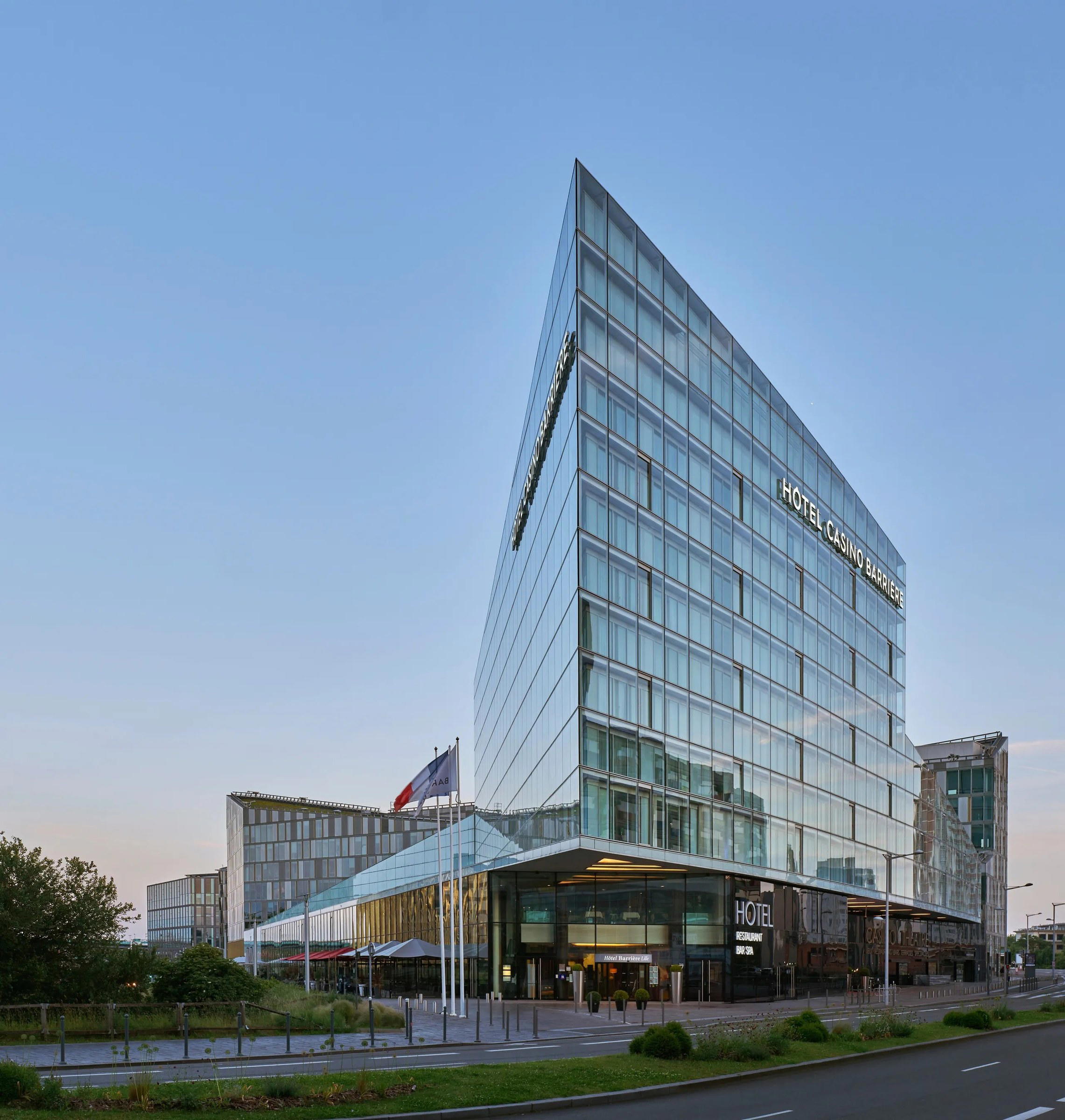
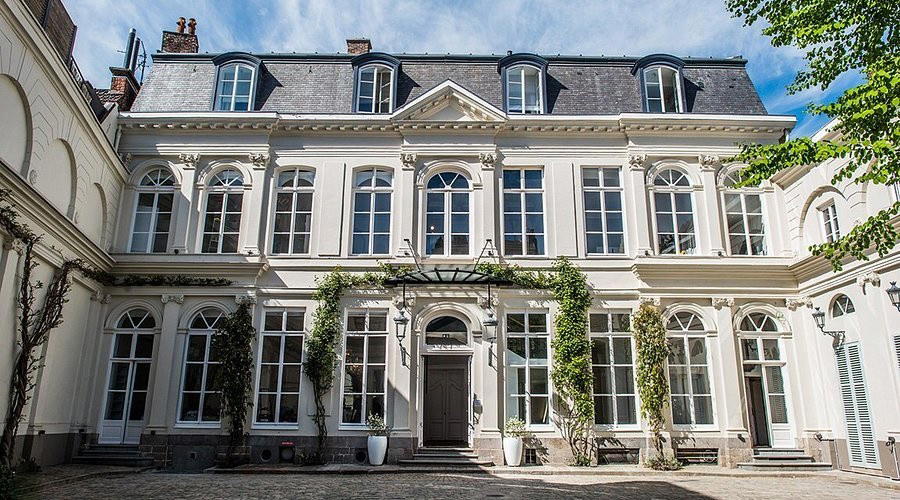
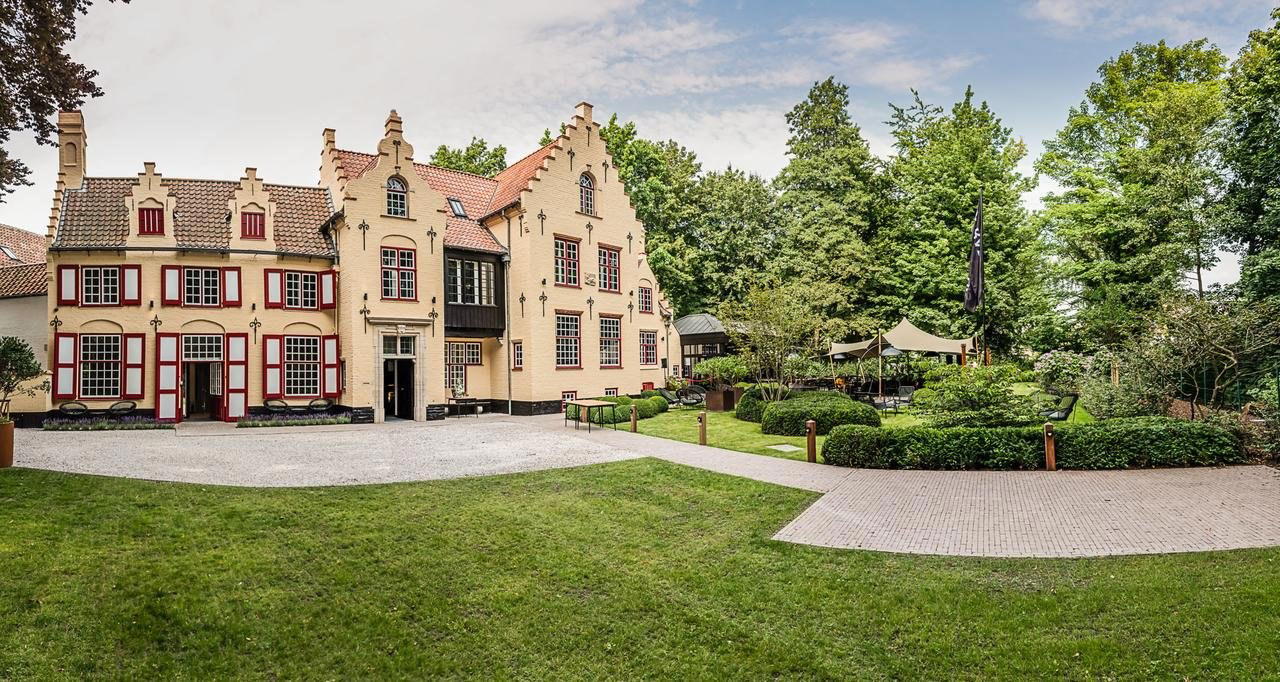
Hotels in Menen
Browse all →
Wineries in Menen
Browse all →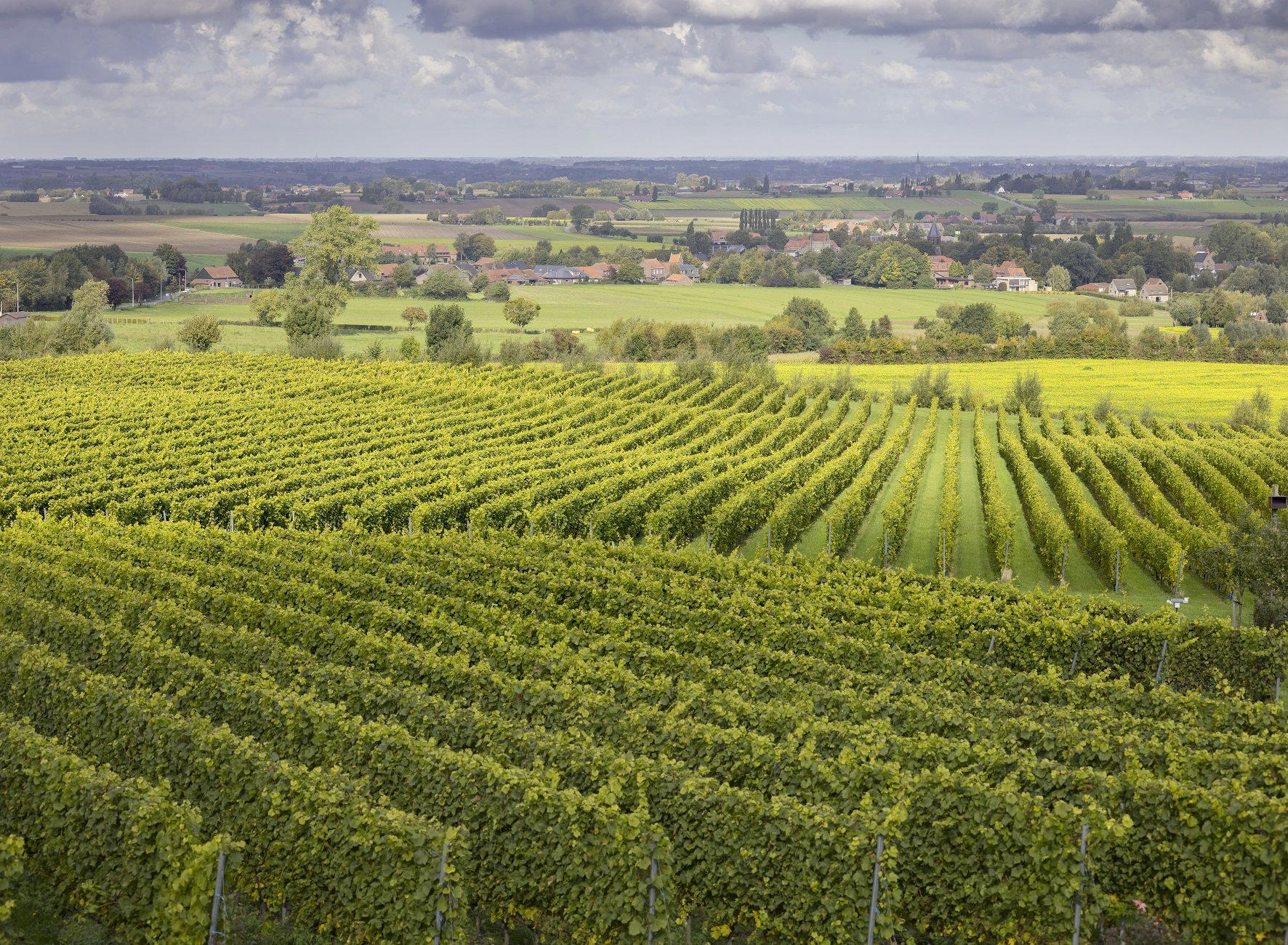
Details
- Cozy
- Quiet
- Solo
- Casual Hangout
- Standalone
- Local Sourcing
Current opening hours
- Monday
- Closed
- Tuesday
- 2–6 PM
- Wednesday
- 2–6 PM
- Thursday
- 2–6 PM
- Friday
- 2–6 PM
- Saturday
- 9 AM–5 PM
- Sunday
- Closed
Hours can change for holidays and private events. Last verified .
Artisanal chocolate shop atmosphere centered on seasonal confectionery, pralines, bars, tablets, and ice cream; press and listings emphasize a small specialist retail setting rather than a full-service dining room.