


1 Michelin Star · Gault & Millau Remarkable Restaurant
Our verdict
Inside a rehabilitated early-20th-century textile factory in Croix, Arborescence earns its Remarkable designation through a kitchen that bridges northern French produce with Asian technique. Chef Félix Robert's set menus lean heavily on seafood and vegetables, with Japanese and Southeast Asian inflections woven through with precision. Evenings run Wednesday to Saturday; weekend lunches are also available.9 from 481 ratings.

Pearl is the En Primeur Club membership app — saves, bookings, and concierge access live there. Same editors, same standards.
- Address
- 76 Rue de la Gare, 59170 Croix, France
- Phone
- +33 3 20 00 01 82
- Hours
- Mon–Tue ClosedWed–Thu 7:15–8:30 PMFri–Sun 12:15–1:30 PM, 7:15–8:30 PM
- Website
- r-arborescence.com
- Directions
- Get directions
- Booking
- Book on the venue's website
The menu
What to order
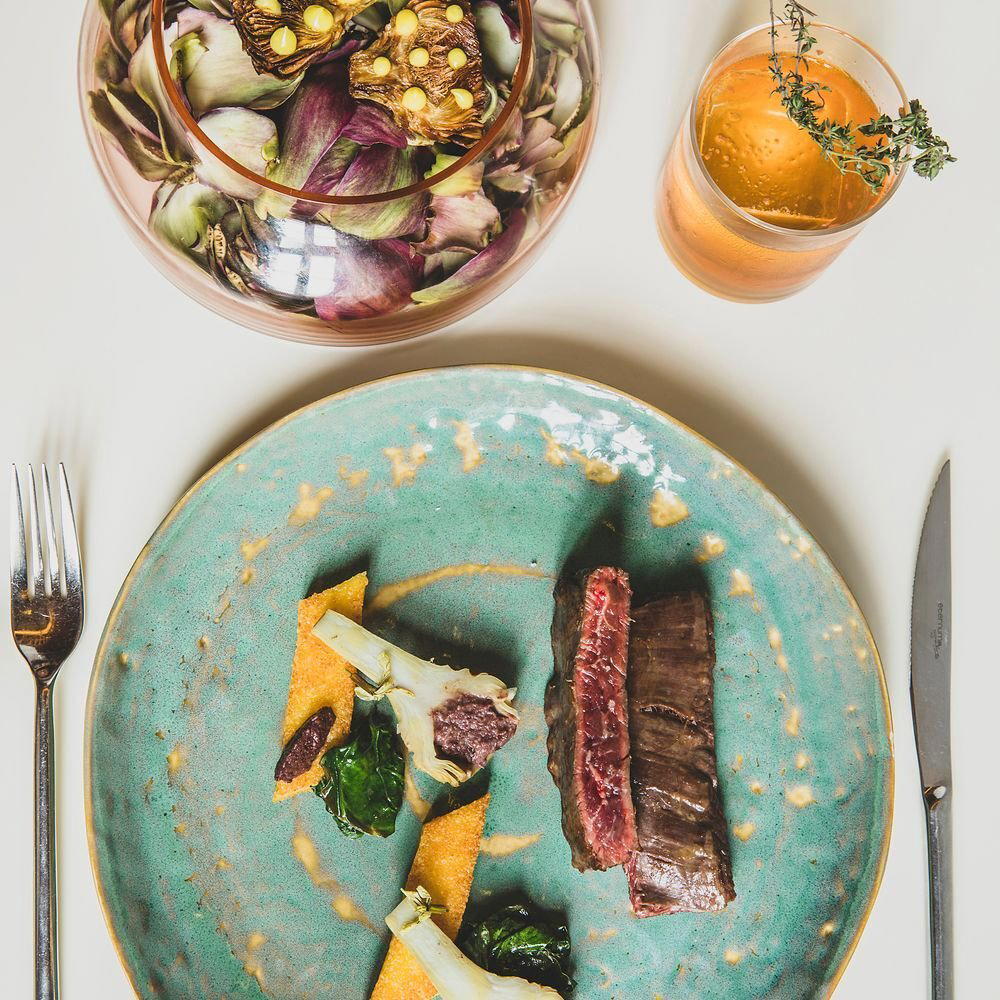
- Raviole dragon with smoked eel
- Langoustine cocoon with squash
- Oyster with seawater mousse and chocolate
- Sole with birch sap sauce
An Industrial Shell, a Precise Kitchen
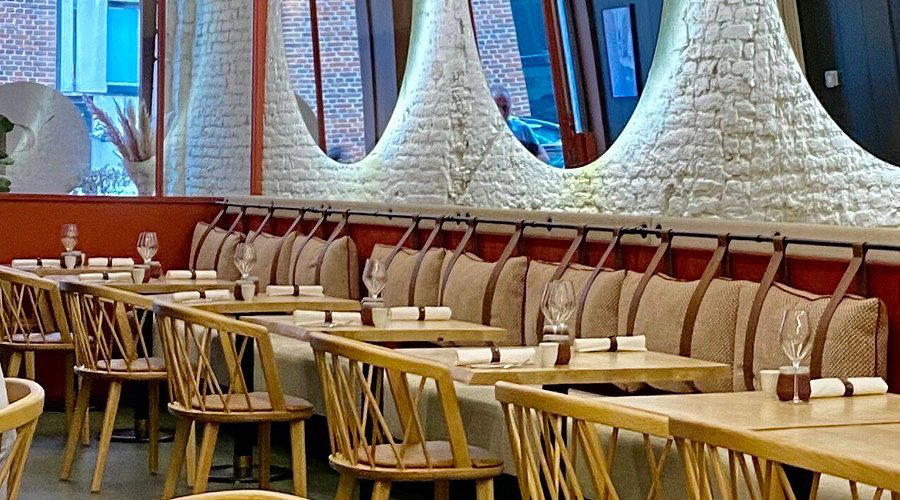
The textile industry left its mark on Croix the way it did across the Métropole Européenne de Lille: warehouses, factory floors, and mill buildings that fell quiet when manufacturing moved elsewhere. What happens to those spaces matters. Some become logistics depots. Others, occasionally, become something more considered. Arborescence occupies an early-20th-century textile factory on Rue de la Gare that has been stripped back rather than dressed up, exposing the bones of the original structure while adding the kind of spare, deliberate interior that signals the kitchen intends to do the talking. The approach is consistent with a broader shift in northern French dining, where ambitious cooking has increasingly migrated away from formal hotel dining rooms into repurposed industrial spaces that carry their own authority.
Croix sits within easy reach of Roubaix and the wider Lille metropolitan area, a zone that has historically punched below its weight in French fine dining relative to its population density and its proximity to Belgium, the Channel, and the North Sea. That is changing. Arborescence is part of the evidence. For the broader picture of where to eat and stay across the area, see our full Croix restaurants guide, our full Croix hotels guide, our full Croix bars guide, and our full Croix experiences guide.
Where the Provenance Argument Gets Interesting
Northern France has a genuine larder. The coastline from Boulogne-sur-Mer southward produces some of the most serious langoustine, sole, and turbot available in Europe. The flat agricultural land inland yields chicory, endive, and root vegetables that shaped a regional cuisine often unfairly dismissed as heavy. What the current generation of chefs in the Nord has done is reconnect with that coastal and agricultural supply chain while resisting the temptation to present it as folkloric. Arborescence operates squarely in this mode. The kitchen's focus on seafood and vegetables is not incidental: it reflects both what the surrounding region produces and a deliberate restraint about protein-heavy, sauce-heavy formats that dominated northern French cooking for decades.
The Japanese and Southeast Asian inflections running through the menu are not decorative. Chef Félix Robert's time in Japan, working in Tokyo within the orbit of Alexandre Gauthier's operation at La Grenouillère, and his subsequent formation at Troisgros in Ouches, produced a cook whose reference points span two culinary traditions without sitting fully inside either. Tempura technique, bao formats, Vietnamese coriander, and Thai curry appear across the set menus not as fusion gestures but as specific technical tools applied to northern French ingredients. A lightly seared langoustine with frothy rhubarb jus and ginger is the kind of dish that earns its complexity through restraint: the langoustine from nearby waters, the acidity from rhubarb cutting cleanly, the ginger present as a thread rather than a statement.
This intersection of regional provenance and Asian technique places Arborescence in a small but growing group of French restaurants where the terroir argument and the international technique argument reinforce rather than contradict each other. Compare the model to what Alexandre Mazzia does at AM in Marseille, where Mediterranean produce meets a similarly wide technical vocabulary, or to the ingredient-led precision at Mirazur in Menton. The geography and the cooking style differ substantially, but the underlying argument, that French fine dining gains authority from specificity of place rather than adherence to a single national canon, is shared.
The Cuisine d'Auteur Format in the Nord
Cuisine d'auteur as a category description signals something particular: a kitchen organised around a chef's personal vocabulary rather than around a regional or classical tradition in the conventional sense. It is a format that demands consistency across seasons and formats, because the menu is the chef's argument rather than a rotation through a known repertoire. In northern France, where restaurant culture has historically been anchored in brasserie formats and Flemish tavern traditions, this kind of authorial cooking is rarer than in Lyon or Paris.
The set menu structure at Arborescence is the mechanism through which this argument is made coherent. A la carte formats allow guests to avoid a kitchen's weaker notes; set menus require the kitchen to be confident across the full arc of a meal. The Michelin Guide's Remarkable designation, awarded on the basis of kitchen consistency and creative ambition rather than on a star count, reflects that confidence. It places Arborescence in a tier that acknowledges creative seriousness without the full weight of starred expectation, which is arguably the most commercially and creatively flexible position in contemporary French restaurant culture.
For context on what the starred tier looks like at the leading end, the cooking at Alléno Paris au Pavillon Ledoyen and the classical depth at Auberge de l'Ill in Illhaeusern represent the established end of that spectrum. Arborescence operates on a different register, more intimate in format and more geographically specific in its ingredient logic. Other cuisine d'auteur addresses worth mapping against it include Restaurant David Toutain in Paris and Apicius in Paris, both of which share the authorial format if not the northern French ingredient base.
Planning Your Visit
The service window at Arborescence is deliberately narrow. The kitchen operates Wednesday through Saturday evenings from 7:15 PM, with last orders at 8:30 PM. Friday, Saturday, and Sunday lunch runs from 12:15 PM to 1:30 PM. Monday and Tuesday are closed. That schedule, five services per week across three lunch and four dinner slots, is consistent with a kitchen running at controlled capacity rather than for volume. Booking ahead is advisable; the limited weekly service windows fill quickly, particularly for weekend lunch. The address is 76 Rue de la Gare, 59170 Croix. For winery and bar recommendations to build a broader evening in the area, see our full Croix wineries guide and our full Croix bars guide.
Frequently asked questions
When is Arborescence open?
Hours at Arborescence: Monday closed Tuesday closed Wednesday 7:15 PM-8:30 PM Thursday 7:15 PM-8:30 PM Friday 12:15 PM-1:30 PM 7:15 PM-8:30 PM Saturday 12:15 PM-1:30 PM 7:15 PM-8:30 PM Sunday 12:15 PM-1:30 PM 7:15 PM-8:30 PM.
How do I find Arborescence?
Arborescence is located at 76 Rue de la Gare, 59170 Croix, France, Croix.
Fast Comparison
| Venue | Cuisine | Price | Awards |
|---|---|---|---|
| ArborescenceThis venue — the venue you are viewing | Contemporary French with Asian Influences | $100–150 | 1 Michelin Star · Gault & Millau Remarkable Restaurant |
| Alléno Paris au Pavillon Ledoyen | Creative | Not listed | Michelin 3 Star |
| Kei | Contemporary French, Modern Cuisine | Not listed | Michelin 3 Star |
| L'Ambroisie | French, Classic Cuisine | Not listed | Michelin 3 Star |
| Le Cinq - Four Seasons Hôtel George V | French, Modern Cuisine | Not listed | Michelin 3 Star |
| Plénitude | Contemporary French | Not listed | Michelin 3 Star |
Recognition history
Dated appearances from independent guides and award organizations, with the underlying list record or original source where available.
Michelin 1 Star
Michelin
Opinionated About Dining Newly Added European Restaurants
Opinionated About Dining
Gault & Millau Remarkable Restaurant
Gault & Millau
Full recognition history (6 entries)
Opinionated About Dining Top Restaurants in Europe Recommended
Opinionated About Dining
Opinionated About Dining Top New Restaurants in Europe Ranked #6
Opinionated About Dining
Michelin 1 Star
Michelin
Continue exploring
More in Croix
Restaurants in Croix
Browse all →
Bars in Croix
Browse all →
Hotels in Croix
Browse all →
Wineries in Croix
Browse all →
Details
- Elegant
- Intimate
- Sophisticated
- Modern
- Romantic
- Date Night
- Special Occasion
- Celebration
- Open Kitchen
- Design Destination
- Standalone
- Sommelier Led
- Local Sourcing
- Tasting Menu
- Prix Fixe
- Wine
- Natural Wine
- Pescatarian Friendly
- Allergy Accommodating
Current opening hours
- Monday
- Closed
- Tuesday
- Closed
- Wednesday
- 7:15–8:30 PM
- Thursday
- 7:15–8:30 PM
- Friday
- 12:15–1:30 PM, 7:15–8:30 PM
- Saturday
- 12:15–1:30 PM, 7:15–8:30 PM
- Sunday
- 12:15–1:30 PM, 7:15–8:30 PM
Hours can change for holidays and private events. Last verified .
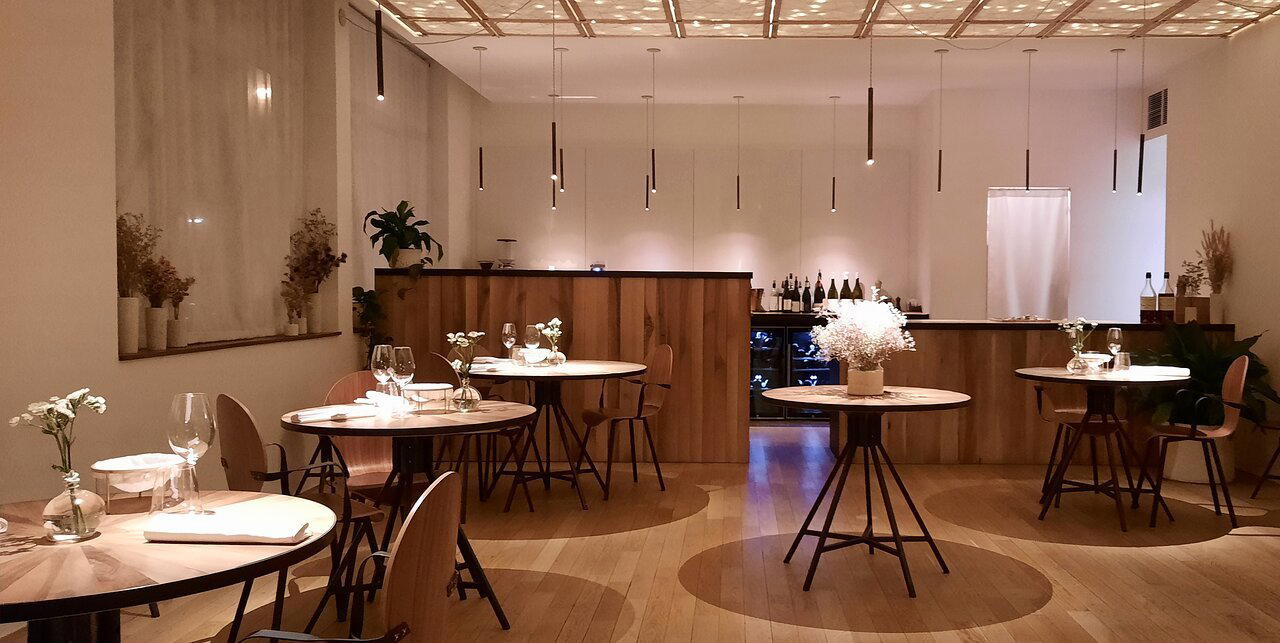
Softly lit dining rooms with luminous ceiling details and delicate hanging lights, warm and refined atmosphere with open kitchen views, minimalist wood furnishings and ample table spacing designed for intimate focus on the cuisine.