La Durée



La Durée holds two Michelin stars in Izegem, a West Flemish industrial town that punches well above its weight in serious dining. Chef Angelo Rosseel works a French-Belgian creative register recognised by both La Liste (92.5 points, 2025) and Opinionated About Dining's Classical Europe ranking. Tuesday through Saturday sittings keep covers tightly controlled, making advance planning essential.
Pearl is the En Primeur Club membership app — saves, bookings, and concierge access live there. Same editors, same standards.
- Address
- 7 Rue des Capucins, 1313 Ville-Haute Luxembourg
- Phone
- +352 28 99 99 60
- Website
- laduree.lu
- Directions
- Get directions
 Saves & bookings on Pearl
West Flanders, Two Stars, and the French-Belgian Kitchen That Earns Both
Izegem sits in the textile-and-leather corridor of West Flanders, a working town whose streetscape gives little away. That restraint extends to the building housing La Durée: the approach is quiet, the signage modest, the exterior nothing that telegraphs what awaits inside. Belgian fine dining has a longstanding habit of concentrating serious kitchens in places that confound expectations — Boury in Roeselare and Hof van Cleve in Kruishoutem follow the same logic — and La Durée belongs firmly in that tradition. The room, once you are inside, draws its register from the French classical template: composed, considered, calibrated to the kind of meal that asks something of you.
Chef Angelo Rosseel operates in a French-Belgian creative idiom that connects to the broader Flemish fine dining arc without simply replicating it. That arc has produced some of Europe's most decoration-dense kitchens relative to population, comparable two-star houses include Castor in Beveren, Cuchara in Lommel, and De Jonkman in Sint-Martens-Latem, and the competition within that tier is real.
Terroir, Provenance, and the French-Belgian Register
The French-Belgian kitchen at this level is defined by something more specific than geography: it is a mode of cooking that treats the land between the Lys valley and the coast as a larder with distinct claims on the plate. West Flanders produces ingredients that resist easy categorisation as either French or Flemish, the grey shrimp of the North Sea coast, the chicory grown in the dark, the early-season asparagus from Flemish sandy soils, the aged cheeses crossing the linguistic border. Serious kitchens here do not simply source locally as a point of principle; they source locally because the ingredient logic demands it.
The creative inflection at La Durée sits inside that framework. Rosseel's approach, classified as French-Belgian creative across the major guides, signals a kitchen that applies classical French technique to a regional palette rather than importing French product wholesale. This is the distinguishing move that separates the strongest Belgian two-star houses from their Paris-facing counterparts: the discipline is French, the material is Flemish. For comparison, Zilte in Antwerp and Willem Hiele in Oudenburg each demonstrate a version of this positioning, coastal and estuary product read through fine-dining structure. La Durée's position in the Opinionated About Dining Classical Europe list places it within a tradition of kitchens where execution and restraint carry more weight than novelty.
At restaurants at this level in Belgium, the wine program typically tracks the kitchen's French-Belgian orientation: Burgundy and the Northern Rhône feature heavily, with Alsace providing a natural bridge between the culinary cultures on either side of the border. The provenance logic that governs the plate tends to extend to the cellar, where producers working with minimal intervention and strong terroir expression tend to align with the kitchen's approach.
Format, Hours, and the Rhythm of the Room
The schedule at La Durée is tightly defined. Service runs Tuesday through Friday for both lunch (12:00–1:15 pm) and dinner (7:00–8:45 pm), with Saturday dinner only and the restaurant closed on Sunday and Monday. That adds up to nine services per week, a controlled volume that reflects a kitchen operating at depth rather than scale. The dinner window of roughly two hours per service, with a single sitting implied by the tight close time, sets the tempo: this is not a room where the evening drifts open-endedly.
The price tier sits at €€€€, consistent with the two-star peer group in Belgium. At this level, the meal is structured as a tasting sequence rather than a la carte selection, which is standard across the Classical Europe tier that OAD tracks. The lunch service represents the more accessible entry point into the format: in Belgium, two-star lunch menus frequently run at a significant discount to dinner equivalents while drawing from the same kitchen and ingredient base. That logic applies broadly across the Izegem fine-dining tier, and La Durée's midweek lunch windows make it plausible for business travel originating from Ghent, Bruges, or Kortrijk, each within 30 to 40 minutes by road.
Booking should be treated as a structured exercise rather than an afterthought. Two-star houses in the West Flemish cluster tend to fill several weeks ahead for weekend dinner; midweek lunch sits tend to carry more availability but are not reliably open. The restaurant's published hours suggest a single dinner sitting per service, so late arrival or same-week booking carries real risk of unavailability. No online booking system is listed in available records; direct contact or a platform carrying the reservation is the working assumption.
Where La Durée Sits in the Belgian Fine Dining Picture
Belgium's fine dining map has a structural peculiarity worth understanding before booking: the country's two- and three-star density relative to population is among the highest in Europe, which means the competition within each tier is intense and the distinctions between houses carry real weight. La Durée's dual recognition from Michelin and OAD Classical Europe places it in a subset of Belgian kitchens whose critical consensus runs across different methodologies, OAD scores weight diner frequency and expertise, Michelin weighs kitchen consistency and technique, and La Liste aggregates international critical data. A house appearing across all three is operating at a different level of sustained scrutiny than one with a single credential.
Within the Belgian two-star tier, the closest comparators in cuisine classification are Castor (Modern European, Modern French) and Cuchara (Modern European, Creative), both also at €€€€. The French-Belgian creative classification at La Durée implies a slightly more classical orientation than those houses. For readers tracking Belgium's broader fine dining output, Bozar Restaurant in Brussels and the three-star benchmark set by Boury anchor the upper and comparative ends of the national picture.
For readers placing La Durée in an international context: the Classical Europe OAD ranking connects it to a tradition that runs from Parisian bourgeois kitchens through Lyon's bouchon-inflected technique houses to Belgium's own post-Bocuse generation. The formal French influence at work here is not decorative. It structures the sequencing, the sauce work, the service tempo. Houses like Le Bernardin in New York demonstrate how far that French classical foundation travels when applied to non-French product; La Durée's version of the same equation draws on Flemish material rather than Atlantic seafood, but the structural logic is related. The more experimental end of contemporary European fine dining, represented internationally by houses like Atomix in New York, offers a useful contrast: La Durée operates in a different register, one where the inheritance of classical form is embraced rather than questioned.
Planning a Visit
La Durée is located at 7 Rue des Capucins in Izegem, a central address reachable from the E403 motorway connecting Bruges and Kortrijk. The closest major rail hub is Kortrijk, approximately 15 kilometres south, with Bruges and Ghent offering international connections. No hotel group affiliation is recorded, so overnight visitors should consult the Izegem hotels guide for accommodation options; Kortrijk's hotel stock covers the mid-to-upper range more comprehensively than Izegem itself. For a broader view of what the town offers across categories, the EP Club guides to Izegem bars, Izegem wineries, and Izegem experiences map the wider picture. Readers building a multi-stop West Flemish itinerary should also factor in Bartholomeus in Heist and d'Eugénie à Emilie in Baudour as complementary stops across different parts of the region.
What Regulars Order at La Durée
What do regulars order at La Durée?
What the awards record does confirm is that the kitchen operates in a French-Belgian creative register recognised by OAD's Classical Europe panel, a scoring methodology that weights repeat expert visits and long-term consistency. At this level, regulars typically return for a kitchen's handling of a particular category: the sauce architecture, the treatment of a seasonal ingredient, or the precision of a specific course type. The most reliable approach is to communicate dietary preferences clearly at booking and allow the tasting sequence to reflect the kitchen's current seasonal sourcing. The lunch service provides the more practical entry point for a first visit; the dinner format, with its tighter two-hour window, suits readers who have already established a sense of the kitchen's register.
Quick Comparison
| Venue | Cuisine | Price | Awards |
|---|---|---|---|
| La DuréeThis venue — the venue you are viewing | French-Belgian, Creative | €€€€ | Michelin 2 Stars |
| Boury | Modern Frlemish, Creative French | €€€€ | Michelin 3 Star |
| Comme chez Soi | French - Belgian, Classic Cuisine | €€€€ | Michelin 1 Star |
| Hertog Jan at Botanic | Modern Flemish, Creative | €€€€ | Michelin 2 Star |
| L'Eau Vive | French, Modern French | €€€€ | Michelin 2 Star |
| La Villa Lorraine by Yves Mattagne | Modern Cuisine | €€€€ | Michelin 2 Star |
Recognition history
Dated appearances from independent guides and award organizations, with the underlying list record or original source where available.
La Liste Top Restaurants
La Liste
Opinionated About Dining Classical in Europe Ranked #389
Opinionated About Dining
Michelin 2 Stars
Michelin
Opinionated About Dining Classical in Europe Recommended
Opinionated About Dining
Continue exploring
More in Luxembourg City
Restaurants in Luxembourg City
Browse all →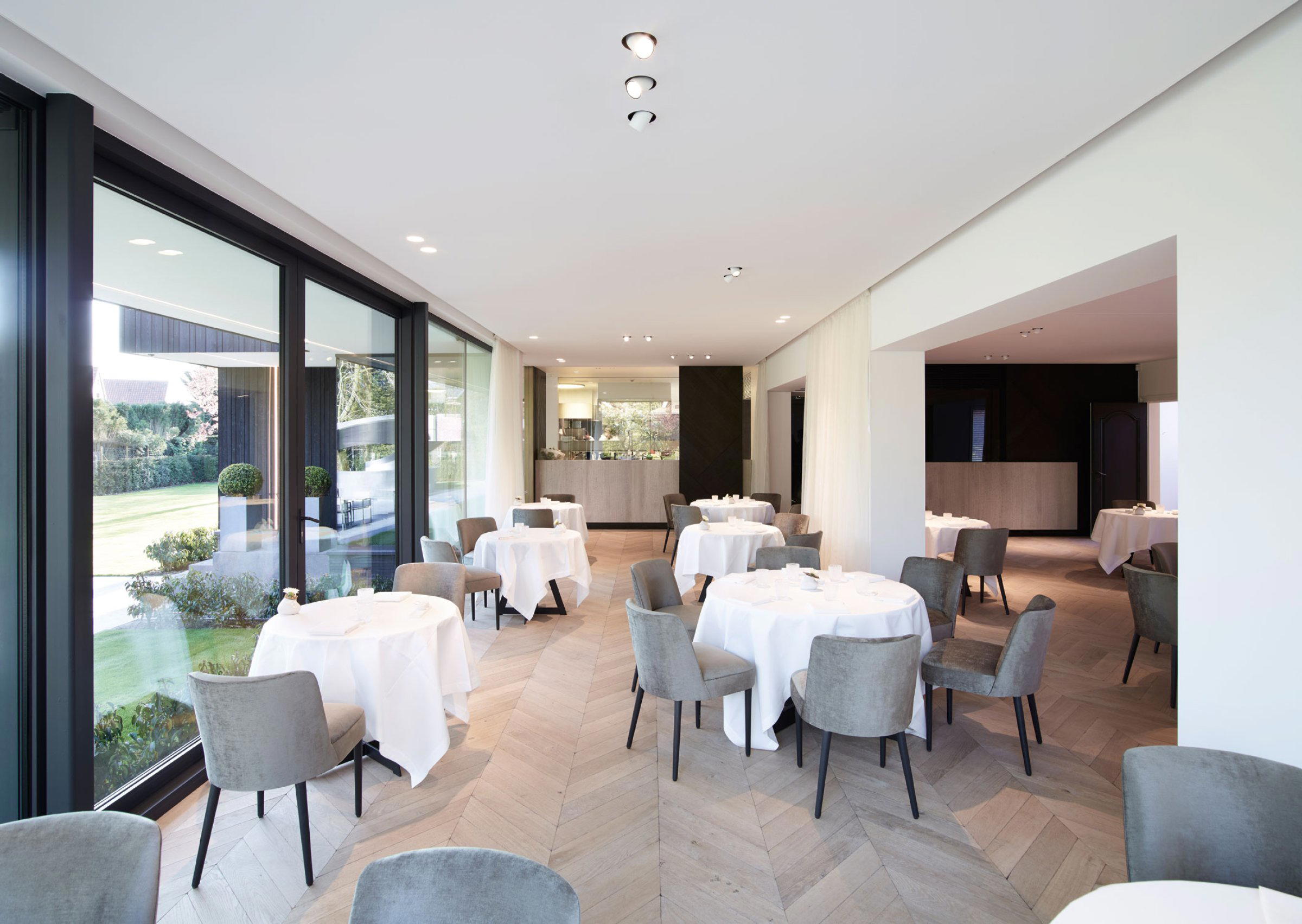
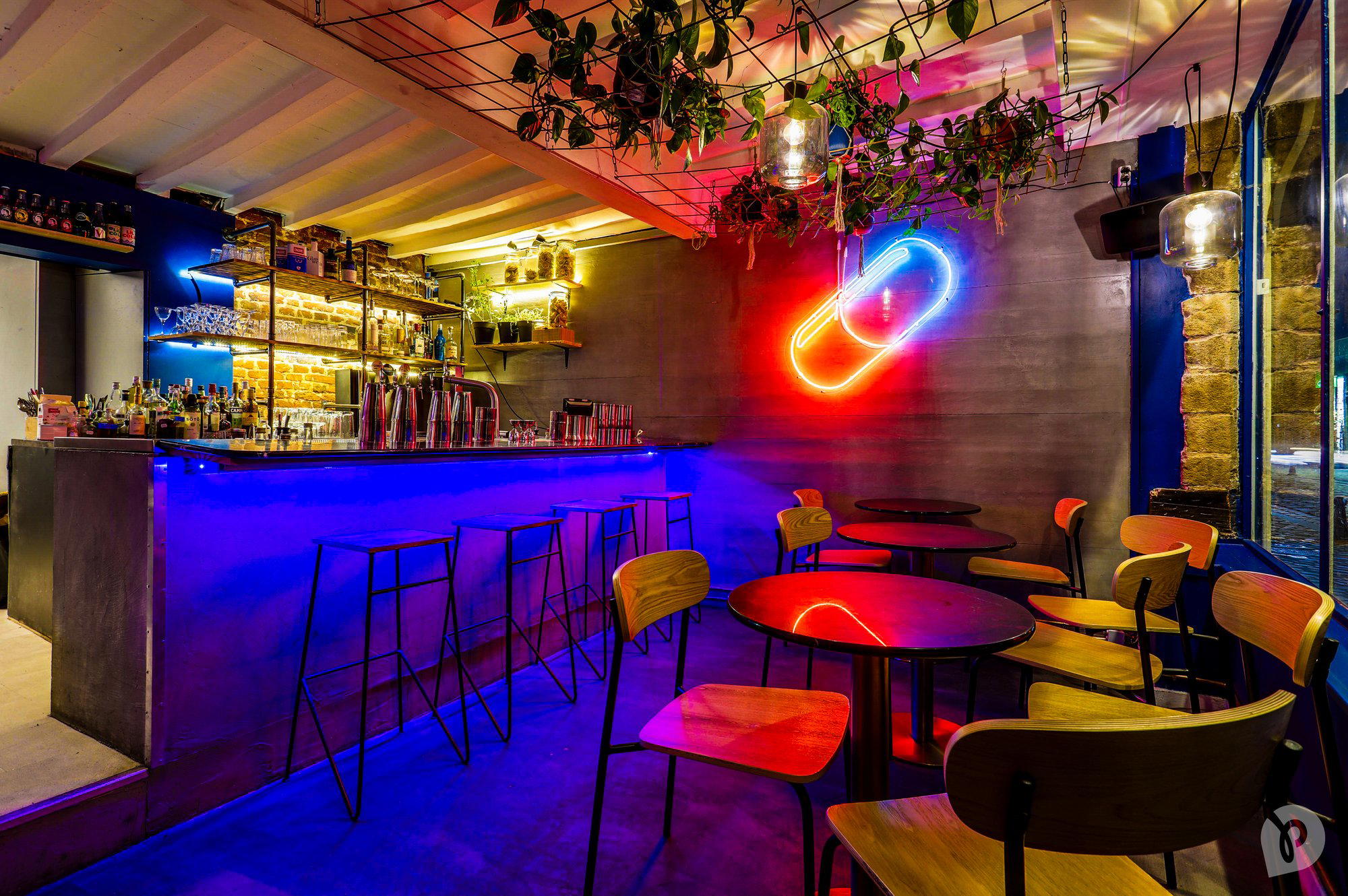
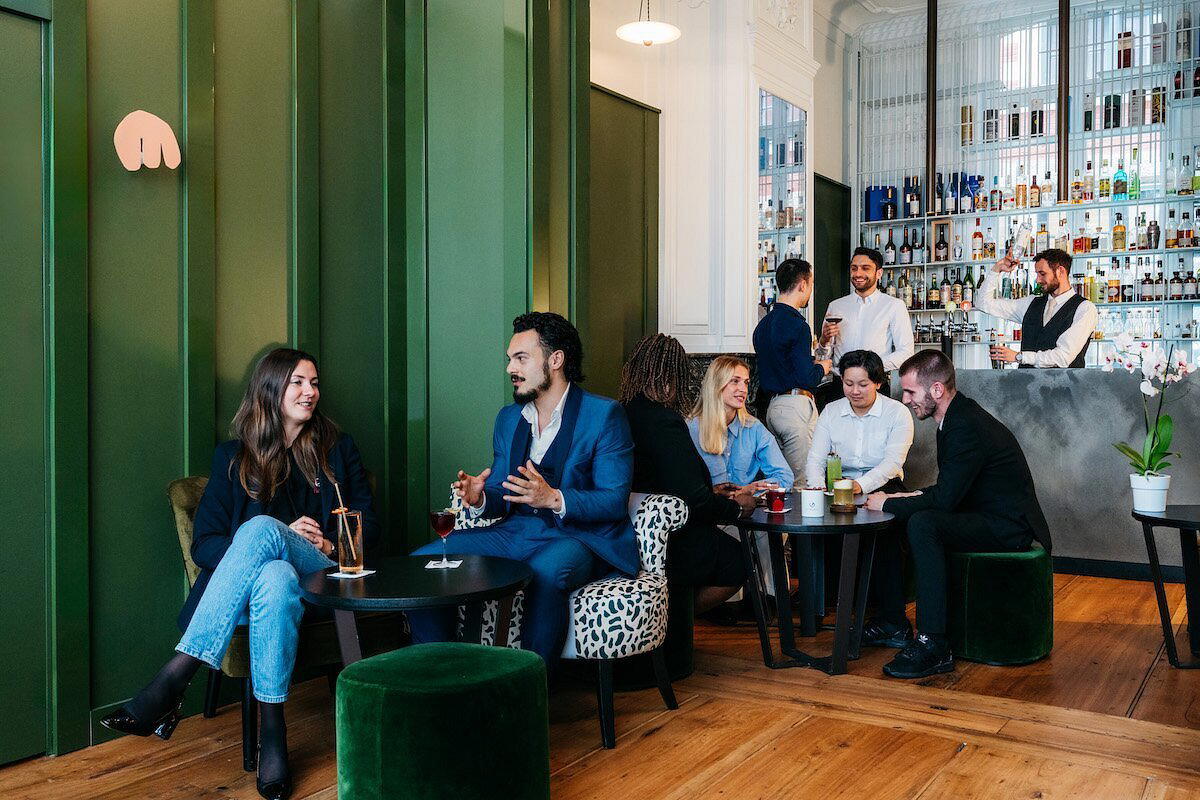
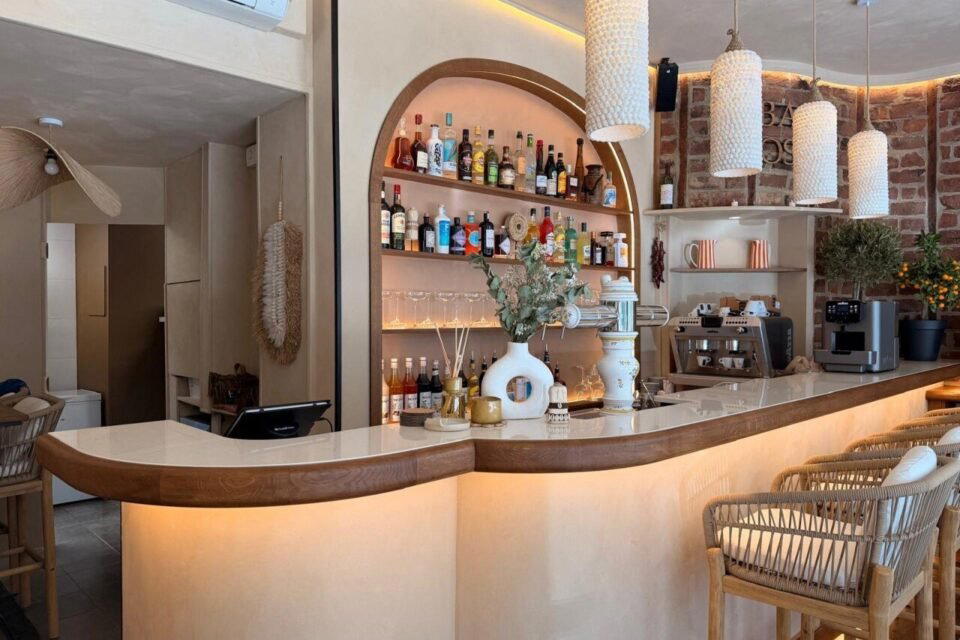
Bars in Luxembourg City
Browse all →
Hotels in Luxembourg City
Browse all →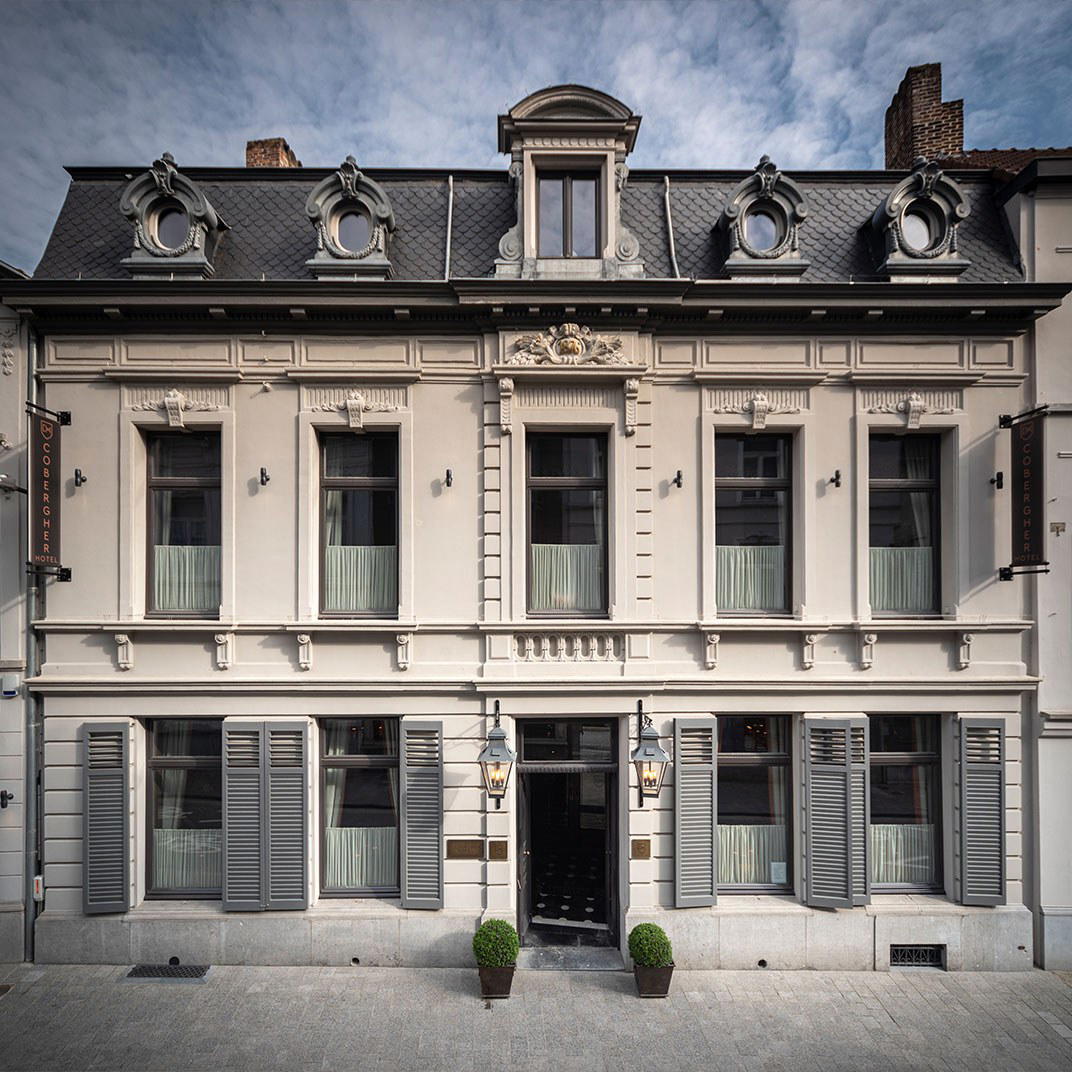
Wineries in Luxembourg City
Browse all →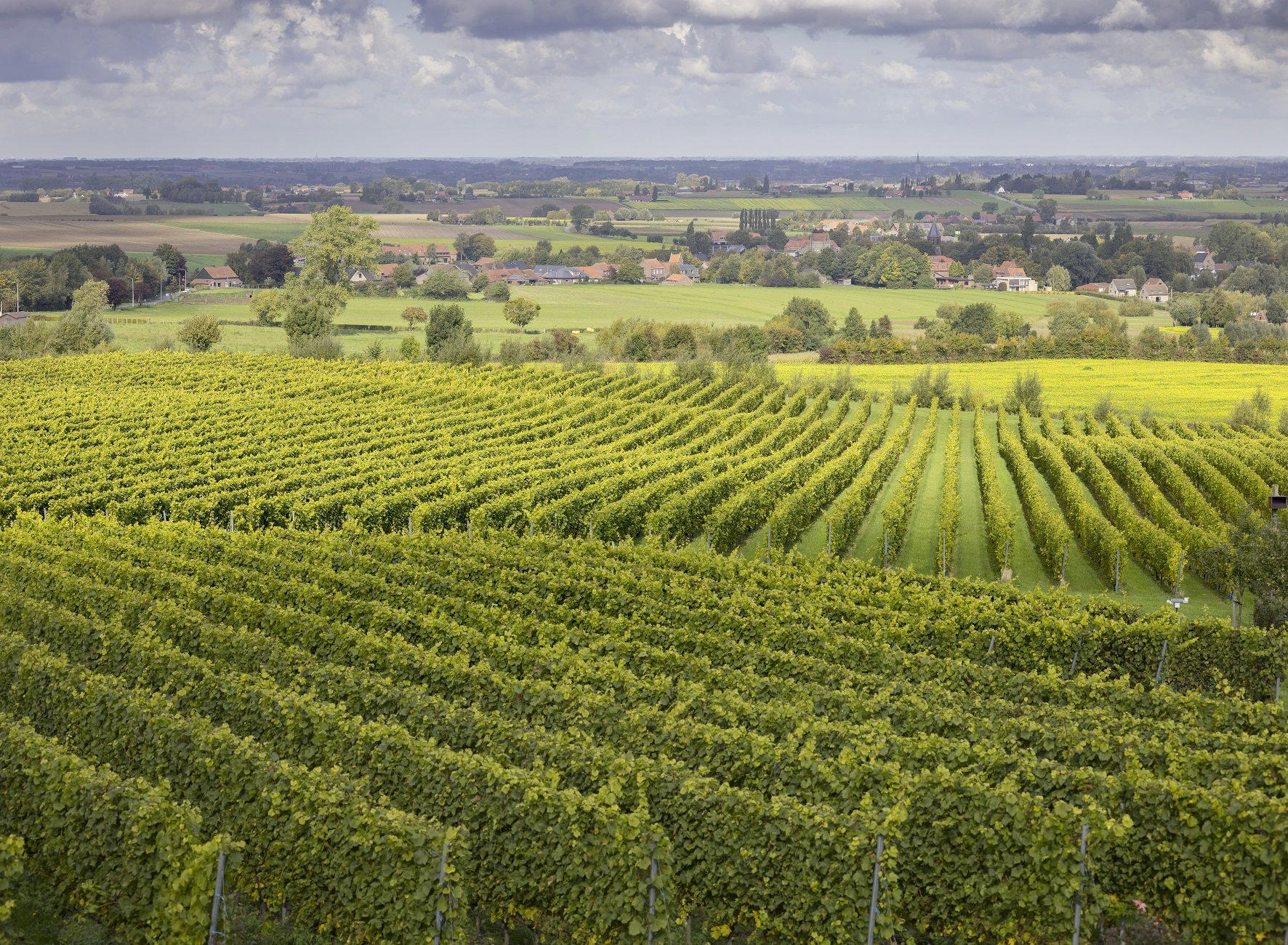
At a Glance
- Elegant
- Sophisticated
- Classic
- Intimate
- Date Night
- Special Occasion
- Business Dinner
- Standalone
Current opening hours
- Monday
- Closed
- Saturday
- 7-9pm
- Sunday
- Closed
Hours can change for holidays and private events. Last verified .
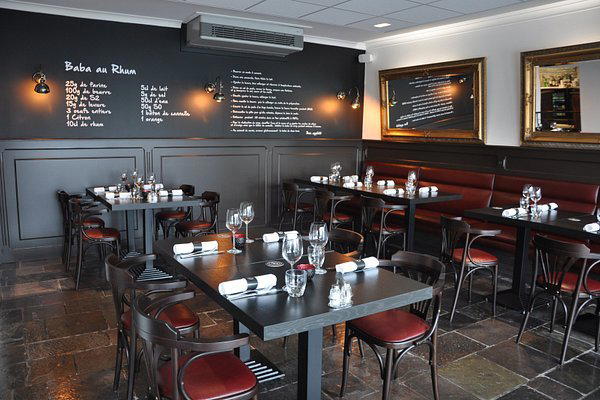
Épurée, sober, apaisante room in an elegant villa with classic decoration, grey tones, and a relaxing, classy atmosphere.
Know Before You Go
- Getting there
- 7 Rue des Capucins, 1313 Ville-Haute Luxembourg