Bar The View sits in Lille’s contemporary bar conversation, where the appeal is less about old Flemish tavern ritual and more about the city’s appetite for composed drinks, views, and evening pacing. Public venue data does not list awards, pricing, hours, or a published cocktail roster, so it is best read as a Lille bar to assess by setting, programme clarity, and booking practicality rather than trophy status.
Pearl is the En Primeur Club membership app — saves, bookings, and concierge access live there. Same editors, same standards.
- Address
- 3 Rue Pierre Mauroy, 59000 Lille, France
- Phone
- +33 3 20 13 33 13
- Website
- theviewlille.com
- Directions
- Get directions
 Saves & bookings on Pearl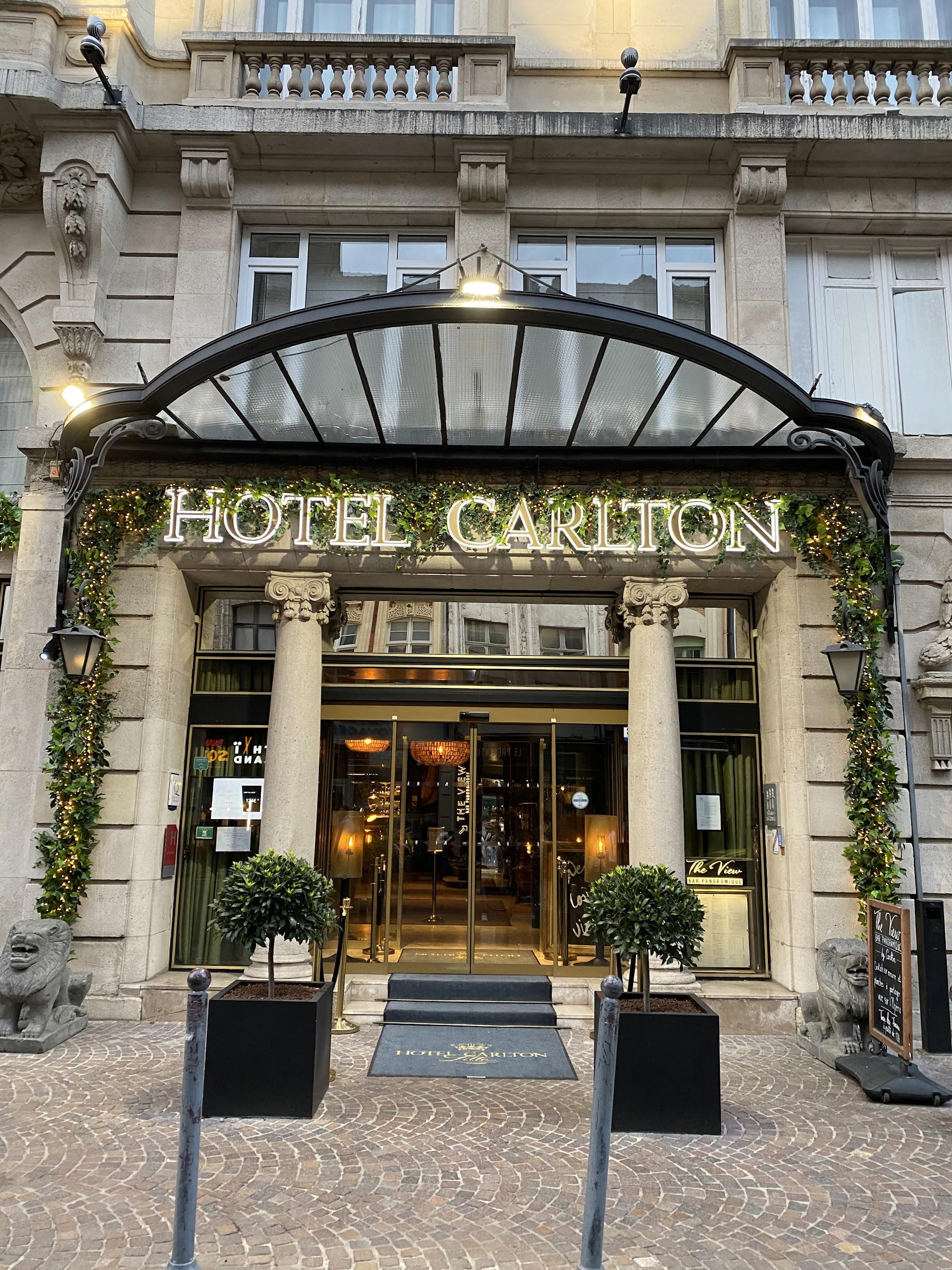
Looking at Lille from the glass, not the postcard
Approaching a bar called Bar The View in Lille sets up an expectation before the first drink is named: sightline matters. In a city whose centre moves between Flemish brick, grand civic squares, student streets, and polished hotel-adjacent drinking rooms, the idea of a view changes the usual bar hierarchy. The counter is not the only theatre. The room, the angle onto the city, the way dusk folds into the aperitif hour, and the sound level after dinner all become part of how the programme is judged.
That matters because Lille is not a cocktail capital built around a single dominant style. Its drinking culture has several speeds. There are beer-led estaminets, wine bars tied to northern French cooking, late bars powered by students and weekend traffic, and a smaller group of venues that ask for a calmer reading of the glass. Bar The View belongs in that last conversation by name and positioning, though the public record supplied does not provide a menu, bartender, awards, prices, hours, address, phone number, or booking method. That absence is not a defect to fill with guesswork. It simply means the useful editorial question is not whether a signature drink has gone viral, but how this sort of bar should be read inside Lille’s broader evening economy.
The cocktail programme, in this context, should be assessed by discipline rather than decoration. Modern French hotel and city bars have moved away from novelty for its own sake. The stronger programmes usually show control in three places: balance, dilution, and pacing. A room with a view has an additional burden because guests often arrive for the setting first and the drink second. The bar earns credibility when the glass does not become a prop for the panorama. Without a published drinks list in the venue data, no specific order should be claimed here. The smarter approach is to judge the menu on arrival by whether classic structures are handled cleanly, whether house creations explain themselves without theatrical overreach, and whether non-alcoholic options receive the same attention as the alcoholic list.
The Lille bar scene is broader than beer, though beer still sets the baseline
Lille’s drinking identity is grounded in northern France and Flanders. Beer culture remains the baseline for many visitors, not as a novelty but as social infrastructure: terrace glasses, after-work rounds, late-night student streets, and food that can carry malt, yeast, and salt. Cocktail bars entering this setting do not compete only with other cocktail bars. They compete with places that already know how to make an evening feel unforced.
That is why the city’s better cocktail rooms tend to work when they understand tempo. Paris can sustain bars that operate as destinations in themselves, where the guest crosses town for a single counter or a named bartender. Lille rewards a slightly different compactness. Its centre is walkable, dinner often sits close to drinks, and the margin between an aperitif, a second round, and a nightcap is practical rather than ceremonial. A bar such as Bar The View fits into that pattern if it functions as a composed stop in an evening rather than a detached pilgrimage.
For comparison inside the city, La Biche & Le Renard gives readers another Lille reference point for how local bar culture can define itself through personality and format. The broader city map also matters. EP Club’s full Lille bars guide places Bar The View among beer rooms, cocktail addresses, and late-evening stops, while the Lille restaurants guide helps connect pre-dinner and post-dinner decisions. In a city where the evening often moves on foot, those pairings are practical intelligence, not filler.
What a view-led cocktail room has to prove
View-led bars can fail in predictable ways. The room becomes the product, the drinks become secondary, and the menu leans on sweet profiles because the audience is mixed. The better version is more controlled: a short list with a clear house point of view, classics prepared without fuss, ice handled properly, glassware chosen for function, and service that can explain a drink in one sentence. These are not luxury clichés. They are the mechanics that separate a serious bar from a scenic lounge.
Because the venue data for Bar The View does not include a cuisine type, cocktail list, bartender name, or awards, the page cannot claim a creative vision attached to a named bar lead. It can, however, place the venue in a category that readers know how to test. Ask whether the first page of the menu reveals a governing idea. Look for whether the staff steers guests toward aperitif-style drinks before dinner and stronger, shorter serves later in the night. Notice whether the bar handles bitter, sour, spirit-forward, and low-alcohol profiles with equal confidence. In a northern French city where many guests arrive with beer as their default, a cocktail programme has to translate without flattening itself.
French bar culture outside Paris is also less monolithic than many visitors assume. Montpellier, Reims, Bordeaux, Dinard, and Lille each put pressure on cocktail venues in different ways. Papa Doble in Montpellier operates in a southern city with warmer-night energy and a different rhythm of aperitif drinking. La Vertu in Reims sits in a Champagne region where wine prestige shapes expectations around balance and finesse. Papillon in Bordeaux has to speak to a city where wine knowledge is part of the civic grammar. Aquarium Bar and Charcot Lounge in Dinard belongs to a coastal-hotel tradition where the room and setting carry unusual weight. Lille’s version is more urban and northern: less resort theatre, more after-work and weekend compression.
How Bar The View should fit into an evening
Planning has to stay cautious. The safest assumption is not that entry is difficult or easy, but that confirmation should happen through current listings or direct channels before building an evening around it. This is especially relevant in Lille, where weekend demand can concentrate sharply around the centre, major events, football fixtures, trade fairs, and the busy pre-Christmas period.
The natural use case is early evening or post-dinner rather than a long bar crawl that treats every room the same. A view-led setting usually makes more sense when there is still light in the sky or when the city has fully switched into night mode. That gives the room its reason to exist. If the aim is dinner first, the restaurant choice should determine the route; if the aim is drinks first, the bar should set the tone rather than exhaust the evening. EP Club’s Lille hotels guide is useful for travellers who want to keep late transport simple, while the Lille experiences guide helps structure the day so drinks do not become an afterthought wedged between sightseeing and dinner.
There is also a category distinction to make. Some bars are technical destinations; others are social rooms with a competent drinks list; others are hotel or view-led spaces where the setting carries part of the bill. Bar The View, based on available data, should be approached as a room whose promise begins with perspective and has to be validated by the drink in hand. That is a fairer reading than assigning it awards or menu details not supplied.
Reading the cocktail list when details are not published
In the absence of a listed signature serve, ordering should be diagnostic. A first drink can reveal the bar’s seriousness faster than a paragraph of branding. A dry aperitif, a sour, or a spirit-forward classic will show whether the team understands temperature, sugar, acid, and dilution. If the house list is built around named creations, the descriptions should tell the guest something concrete: base spirit, modifier, texture, bitterness, acidity, or length. Vague romance on a menu is usually less useful than four precise ingredients.
The same applies to bartender interaction. A good cocktail room does not need a speech. It needs questions that narrow the field: lighter or stronger, bitter or bright, short or long, before dinner or after. That sort of service is especially valuable in Lille, where a mixed group may include beer drinkers, wine drinkers, and guests who rarely order cocktails. A mature programme makes room for all of them without diluting its standards.
A view-led bar in a French city centre will usually be judged against hotel lounges, specialist cocktail bars, and polished restaurant bars rather than neighborhood beer cafés. If the drinks are priced in that higher bracket, they should show the corresponding work: clear technique, measured service, and a room that feels managed rather than merely decorated. If prices sit closer to casual bars, the expectation changes, and generosity may matter more than technical ambition.
Beyond Lille: useful French and international comparisons
Bar culture is useful to compare because each city reveals what a room is trying to solve. La Bar du Plaza Athénée in Paris represents the grand-hotel end of the French spectrum, where luxury codes, service choreography, and global expectations shape the glass before a guest sits down. Lille does not carry that same pressure, which can be an advantage. Its bar rooms can be less ceremonial and more responsive to the city’s compact social rhythm.
Across the Atlantic, Café La Trova in Miami shows another model entirely: music, Cuban drinking culture, and high-volume hospitality built into the identity of the room. That comparison is not about similarity. It shows why context matters. A cocktail programme is never just liquid technique. It is a response to city, audience, architecture, and time of night. In Lille, a bar called Bar The View has to reconcile visual appeal with northern French conviviality and a compact city-centre pattern of movement.
Wine remains part of the wider travel equation too. While Lille is not a wine-region capital in the way Bordeaux or Reims is, travellers often plan French trips across drinking categories rather than one city at a time. EP Club’s Lille wineries guide is less about vineyard density than about mapping how wine experiences can sit alongside restaurants, bars, and cultural stops in a northern itinerary. That context helps prevent a cocktail bar from being judged in isolation.
Practical planning notes
That limits what should be stated as fact. Travellers should verify current operating information through live local listings or the venue’s own current channels before making plans, particularly for Friday and Saturday evenings, public-holiday weekends, and periods when Lille’s centre draws regional visitors. If the evening includes dinner, choose the restaurant first, then decide whether Bar The View works as an aperitif or nightcap based on proximity and confirmed hours.
Dress should be guided by the room’s likely polished-bar category rather than by a formal code. Smart casual is the safer default for a view-led cocktail setting in a French city centre, especially if paired with dinner. For groups, confirmation matters more than optimism; bars with a strong setting can fill unevenly, with quiet early windows and sharper demand after dinner. For solo visitors or couples, the counter or smaller tables usually offer more flexibility, but that should not be treated as a guaranteed access rule without current confirmation.
Comparable Venues Nearby
Comparable venues nearby, for context on price, style, and recognition.
| Venue | Cuisine | Price | Notes |
|---|---|---|---|
| Bar The ViewThis venue — the venue you are viewing | cocktail_bar | $$$ | Not listed |
| La Biche & Le Renard | beer_bar | $$ | Vieux Lille 2 |
Continue exploring
More in Lille
Bars in Lille
Browse all →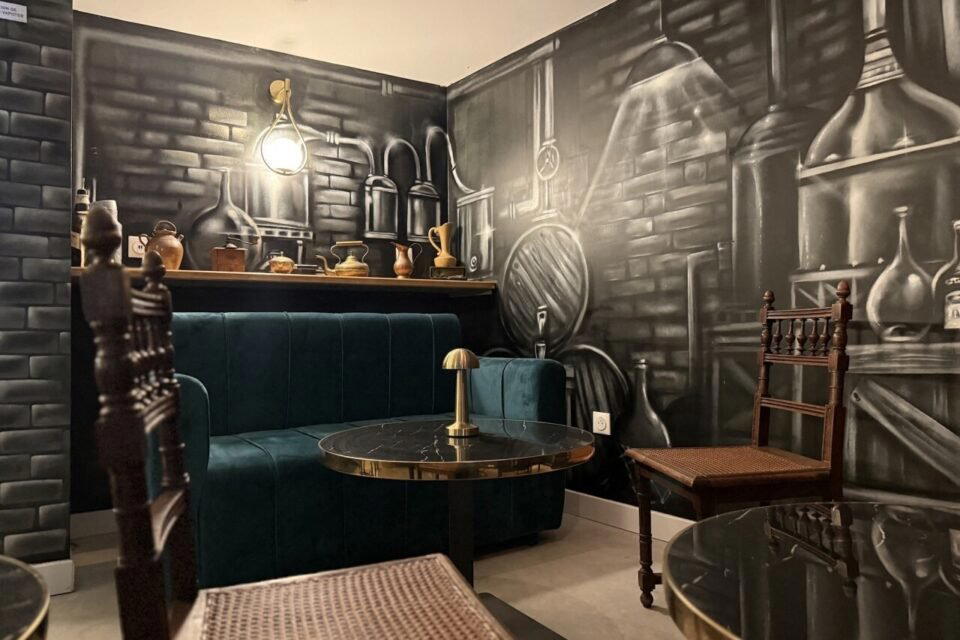
Restaurants in Lille
Browse all →
Hotels in Lille
Browse all →
Wineries in Lille
Browse all →
At a Glance
- Intimate
- Cozy
- Elegant
- Scenic
- Sophisticated
- Romantic
- Date Night
- After Work
- Group Outing
- Special Occasion
- Private Event
- Casual Hangout
- Rooftop
- Panoramic View
- Historic Building
- Hotel Bar
- Design Destination
- Seated Bar
- Lounge Seating
- Booth Seating
- Private Rooms
- Craft Cocktails
- Classic Cocktails
- Zero Proof
- Street Scene
- Skyline
Current opening hours
- Monday
- 6–11:30 PM
- Tuesday
- 6–11:30 PM
- Wednesday
- 6–11:30 PM
- Thursday
- 6 PM–12:30 AM
- Friday
- 6 PM–12:30 AM
- Saturday
- 6 PM–12:30 AM
- Sunday
- 5–10:30 PM
Hours can change for holidays and private events. Last verified .
Warm, dim and boudoir-like with subdued lighting, plush velvet seating and a cozy, intimate feel; some guests find it quite dark and enclosed despite the panoramic city views through relatively small windows.
Know Before You Go
- Getting there
- 3 Rue Pierre Mauroy, 59000 Lille, France