Da Luciano

Michelin Plate
Our verdict
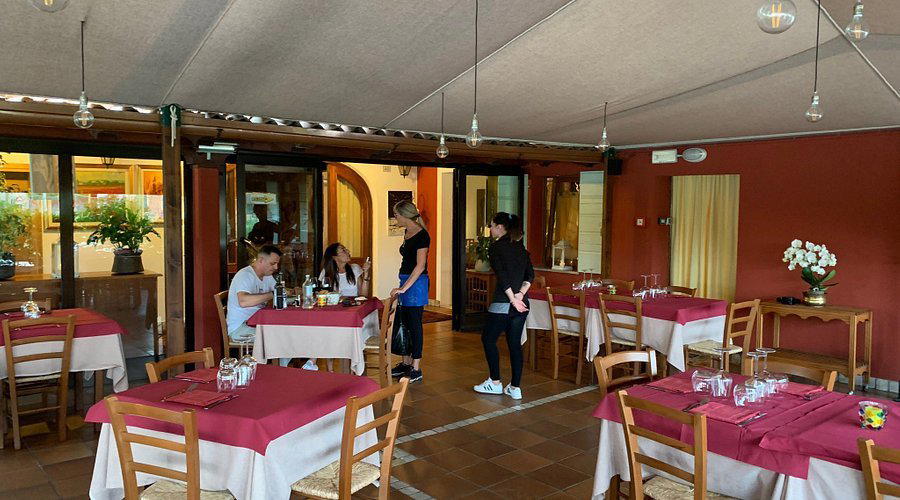
On the western shore of Lake Trasimeno, Da Luciano holds a Michelin Plate for two consecutive years and a menu built around the lake's freshwater catch, Umbrian truffles, and regional legumes. The outdoor terrace frames an unobstructed view across the water. At the €€ price tier, it sits among the more considered options in a town where lakeside dining can quickly default to the predictable.

Pearl is the En Primeur Club membership app — saves, bookings, and concierge access live there. Same editors, same standards.
A Lakeside Table in Umbrian Freshwater Country
Passignano sul Trasimeno sits on the northern shore of Italy's fourth-largest lake, a stretch of landlocked water that has shaped local cooking since well before the region's more celebrated hill towns drew international attention. The drive in along Via Nazionale brings you past ferry docks and low-slung waterfront buildings before the lake opens up fully. Da Luciano's outdoor terrace is positioned to make use of that view — water and sky in an unbroken line, the island of Isola Maggiore visible in the distance depending on light and season.
The context matters because freshwater fish cooking in central Italy occupies a distinct register from the coastal seafood traditions of Campania or the Adriatic. Lake Trasimeno's cuisine belongs to a landlocked tradition that runs through Umbria and into parts of Lazio and Tuscany, where carp, perch, tench, and eel have historically been the proteins of the table rather than sea bass or bream. That tradition is neither as celebrated nor as exported as its coastal equivalents, which makes restaurants that take it seriously worth paying attention to.
The Michelin Plate and What It Signals
Da Luciano holds a Michelin Plate for both 2024 and 2025. The Plate designation, introduced as Michelin restructured its recognition tiers, identifies kitchens making good food without the complexity or resource investment of starred operations. At the €€ price point, Da Luciano sits in the accessible tier of that recognised group, pricing well below the €€€€ operations at the top of Italian fine dining, places like Dal Pescatore in Runate or Enoteca Pinchiorri in Florence. The comparison is not about competition — it is about locating the restaurant on the full Italian dining spectrum. The Plate is Michelin's signal that the kitchen is doing something worth the stop, without implying the formality or price pressure of the higher tiers.
For a town of Passignano's scale, two consecutive years of Michelin recognition is a meaningful marker. Most comparable lakeside villages in central Italy do not appear in the guide at all. For context on what Michelin recognition can mean at the very leading of Italian creativity, Osteria Francescana in Modena and Le Calandre in Rubano sit at the other end of that same recognition system. Da Luciano's position is defined not by its distance from those operations, but by its clarity of purpose within a much smaller, more specific culinary context.
Umbrian Regional Identity on the Plate
Umbrian cooking is frequently described in relation to what it lacks: no coastline, limited urban scale, fewer internationally exported dishes than Emilia-Romagna or Campania. What it has instead is a deeply local pantry, black and white truffles from around Norcia and Spoleto, prized legumes from the Valnerina and the plains around Castelluccio, and the freshwater catch of Trasimeno. Da Luciano's menu draws on all three, placing the kitchen squarely within regional tradition rather than reaching toward a more generic Italian seafood identity.
The dish that anchors this positioning is tegamaccio, a fish stew native to the Trasimeno area. The preparation varies by cook and season, but the structure is consistent: multiple species of lake fish cooked together in a single pot with olive oil, wine, tomato, and aromatics, the flavours integrating over time in a way that single-protein dishes cannot replicate. It is a preparation rooted in the economies of lakeside fishing communities, where the day's catch was variable and the stew format allowed everything to be used. At Da Luciano, tegamaccio appears alongside dishes incorporating Umbrian truffles and local beans, ingredients that locate the kitchen in its regional geography rather than in a generalised Italian fish restaurant mode. This is the kind of specificity that separates a kitchen with a point of view from one that simply has access to the water.
The broader pattern this represents is consistent across the better kitchens working with freshwater traditions in central Italy. Rather than treating the lake as a limitation, they treat it as a specialisation. The approach aligns Da Luciano more closely with the ethos of places like Uliassi in Senigallia or Quattro Passi in Marina del Cantone, both coastal, both deeply committed to the specific character of their waters, than with generic lakeside dining.
Passignano's Dining Context
Restaurant sits on Via Nazionale, the main road that runs along the waterfront. Passignano is a small town with a concentrated dining scene; it does not have the spread of options you find in larger Umbrian centres like Perugia or Orvieto. Within that compact field, Da Luciano is one of the more considered stops. Il Molo represents the other end of the local cooking spectrum, leaning into country cooking with a different set of regional references. The two together give a reasonable sense of what serious eating in Passignano currently looks like.
For visitors approaching Passignano as part of a wider Umbrian itinerary, the town functions well as a lunch or early dinner stop rather than a destination in its own right, though the ferry connections to the lake's islands add another layer of activity around it. Booking ahead is advisable, particularly in summer when terrace tables are in demand and the broader tourist flow through the area increases. The €€ pricing means the financial commitment is modest relative to the quality signal Michelin has attached to it. For full local planning across categories, our guides to restaurants, hotels, bars, wineries, and experiences in Passignano sul Trasimeno cover the town in full.
For those tracking Italian dining more broadly, the range of what the country produces runs from the mountain-sourced precision of Atelier Moessmer Norbert Niederkofler in Brunico to the urban ambition of Enrico Bartolini in Milan, from the Apennine altitude of Reale in Castel di Sangro to the Piedmontese precision of Piazza Duomo in Alba. Italian cuisine also travels: 8½ Otto e Mezzo Bombana in Hong Kong and cenci in Kyoto represent how far its regional traditions have projected internationally. Da Luciano operates in a different register from all of these, but the thread connecting them is a commitment to place and specificity rather than to genre.
Planning a Visit
Da Luciano is located at Via Nazionale, 11, in Passignano sul Trasimeno. Pricing sits at the €€ level, placing it among the more accessible Michelin-recognised tables in central Italy. The terrace tables facing the lake are the clear preference for good weather; for summer visits, booking in advance rather than arriving on spec will save the disappointment of being seated indoors. Passignano is reachable by train from Perugia on the Ferrovia Centrale Umbra, making it a viable day-trip destination for those based in the regional capital.
What Dish Is Da Luciano Famous For?
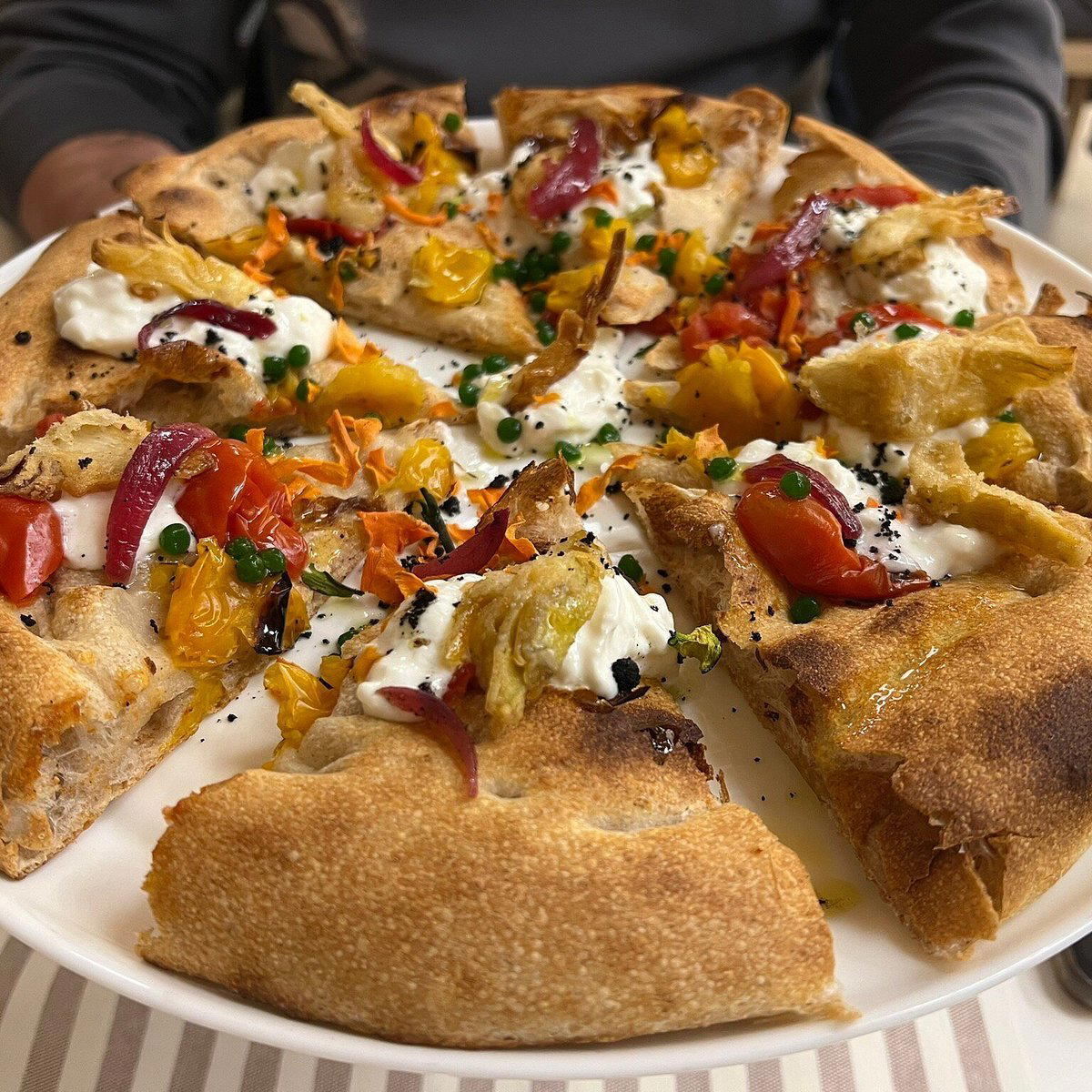
Da Luciano is most closely associated with tegamaccio, the traditional Lake Trasimeno fish stew. The dish draws on multiple species of freshwater catch from the lake, cooked together in a single pot with regional aromatics, a preparation native to the Trasimeno area and rarely found on menus outside this specific geography. The kitchen also works with Umbrian truffles and local beans, ingredients that reinforce the regional anchoring of the menu, but tegamaccio is the dish that most directly connects the restaurant to the culinary identity of its specific location.
Frequently asked questions
What kind of recognition has Da Luciano received?
Da Luciano has received recognition including: Enjoy beautiful views of Lake Trasimeno from the outdoor terrace of this restaurant, where the menu focuses mainly on fish, alongside original ingredients such as beans and Umbrian truffles which are used in typical specialities such as teg….
What dish is Da Luciano famous for?
Da Luciano is most closely associated with tegamaccio, the traditional Lake Trasimeno fish stew that draws on multiple freshwater species caught from the lake. The dish is one of Umbria's few distinctly regional fish preparations, and the restaurant's Michelin Plate recognition in both 2024 and 2025 underlines its standing as a serious address for this kind of local cooking. Umbrian truffles and beans also appear on the menu as typical regional ingredients alongside the fish focus.
How much does it cost to eat at Da Luciano?
Pricing at Da Luciano is listed as €€.
Comparison Snapshot
| Venue | Cuisine | Price | Awards | Notes |
|---|---|---|---|---|
| Da LucianoThis venue — the venue you are viewing | Italian Lakeside Seafood | $50–100 | Michelin Plate | Not listed |
| Atelier Moessmer Norbert Niederkofler | Italian, Creative | Not listed | Michelin 3 Star | Not listed |
| Dal Pescatore | Italian, Italian Contemporary | Not listed | Michelin 3 Star | Not listed |
| Enoteca Pinchiorri | Contemporary Italian Fine Dining | $200–300 | 3 Michelin Stars · World's 50 Best #32 | Italian - French, Italian Contemporary |
| Enrico Bartolini | Creative | Not listed | Michelin 3 Star | Not listed |
| Osteria Francescana | Avant-Garde Italian Contemporary | $300–500 | 3 Michelin Stars · World's 50 Best #1 | Progressive Italian, Creative |
Recognition history
Dated appearances from independent guides and award organizations, with the underlying list record or original source where available.
Michelin Plate
Michelin
Full recognition history (3 entries)
Michelin Plate
Michelin
Michelin Plate
Michelin
Continue exploring
More in Passignano sul Trasimeno
Restaurants in Passignano sul Trasimeno
All restaurants in Passignano sul Trasimeno →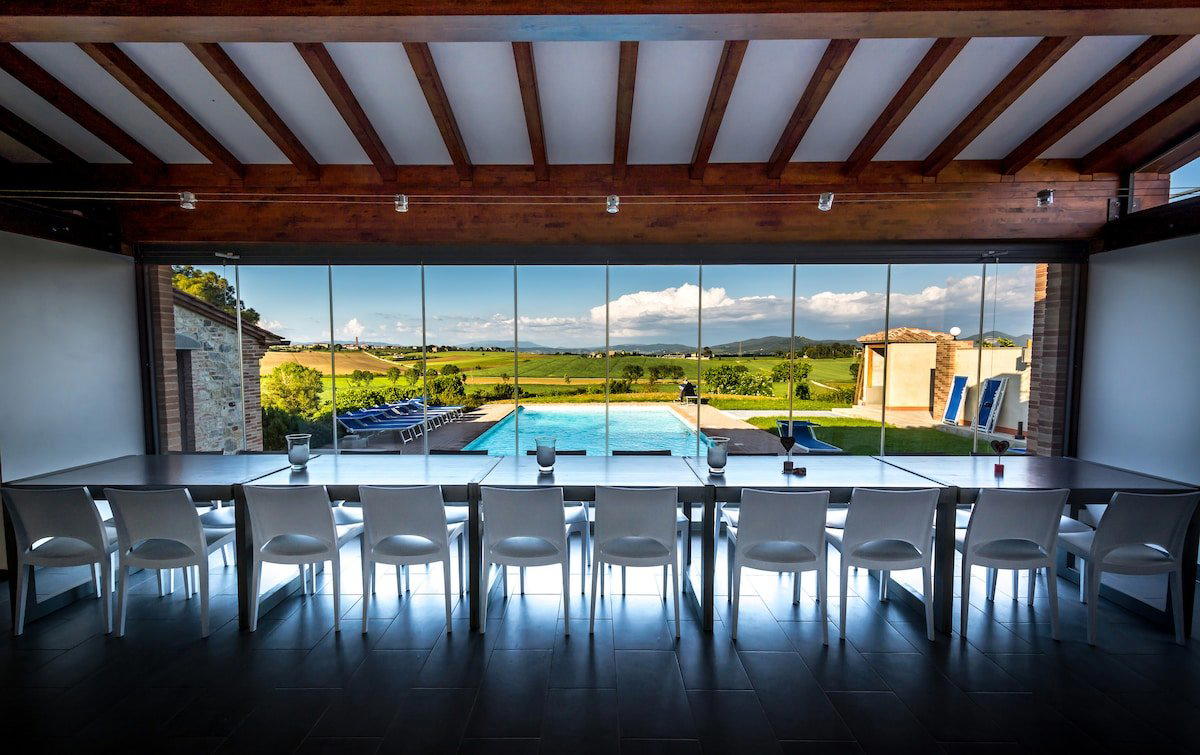
Bars in Passignano sul Trasimeno
Browse all →
Hotels in Passignano sul Trasimeno
Browse all →
Details
- Romantic
- Scenic
- Rustic
- Elegant
- Date Night
- Special Occasion
- Waterfront
- Terrace
- Local Sourcing
- Waterfront
- A La Carte
- Vegetarian Friendly
- Gluten Free Options
Current opening hours
- Monday
- Closed
- Tuesday
- 12:30–2:30 PM, 7:30–9 PM
- Wednesday
- Closed
- Thursday
- 12:30–2 PM, 8–9 PM
- Friday
- 12:30–2 PM
- Saturday
- 8 AM–1 PM
- Sunday
- Closed
Hours can change for holidays and private events. Last verified .
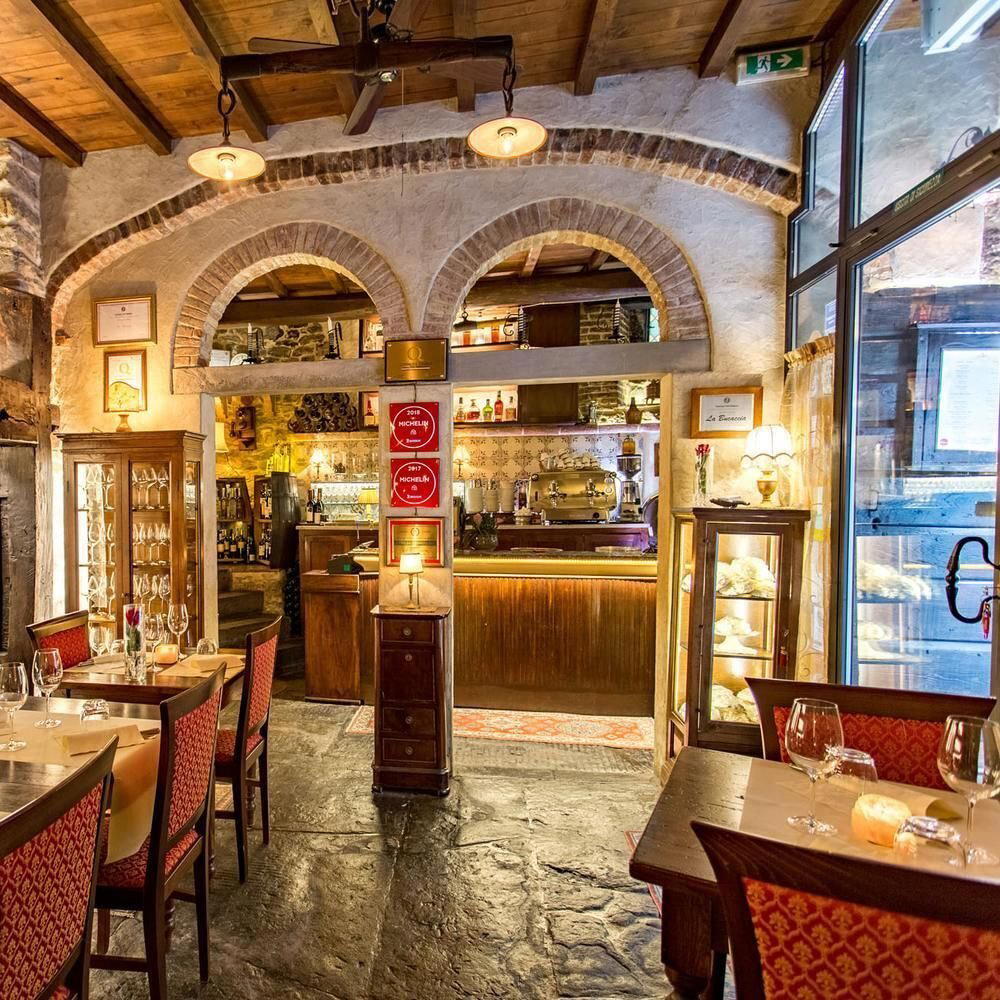
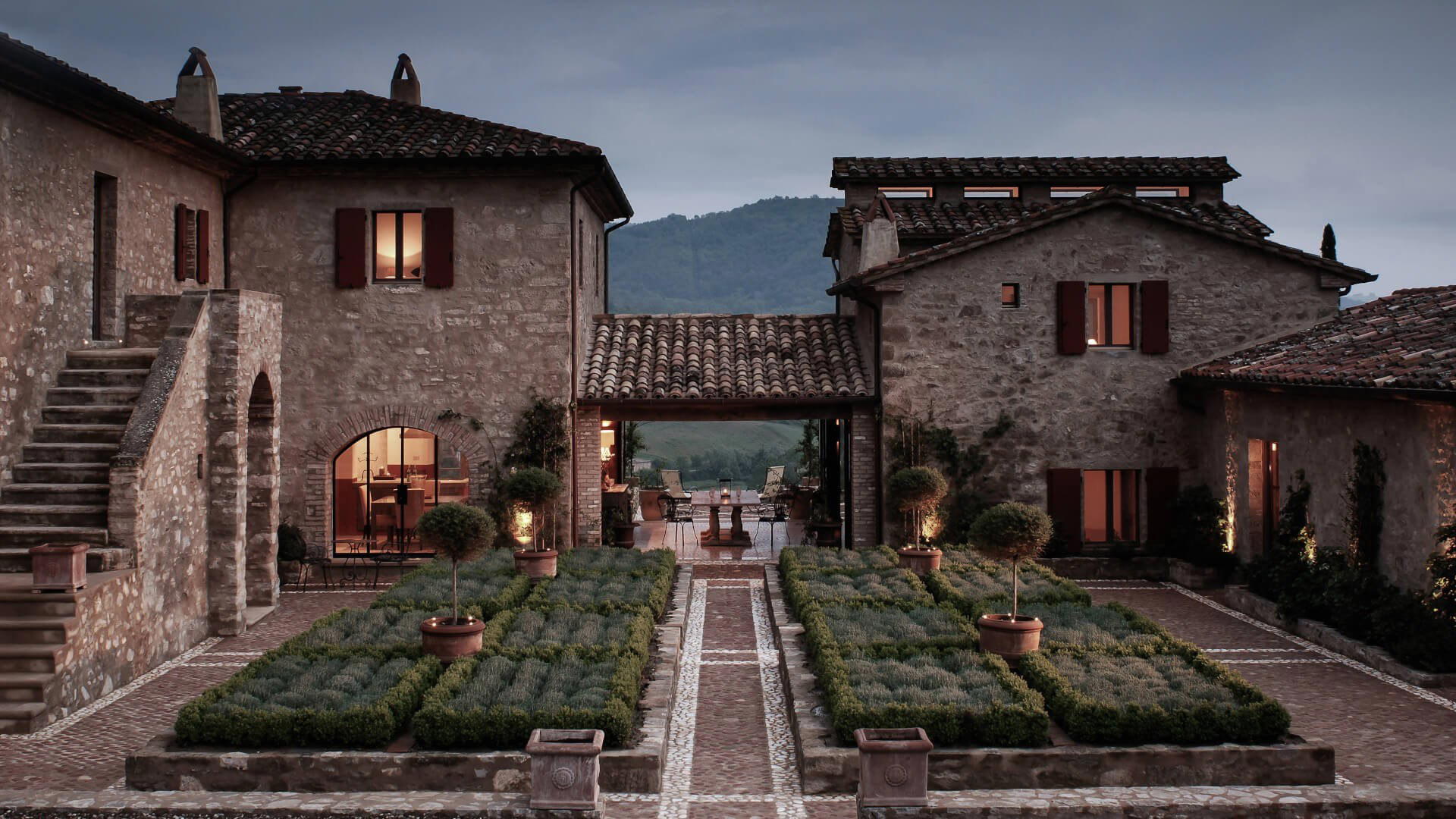
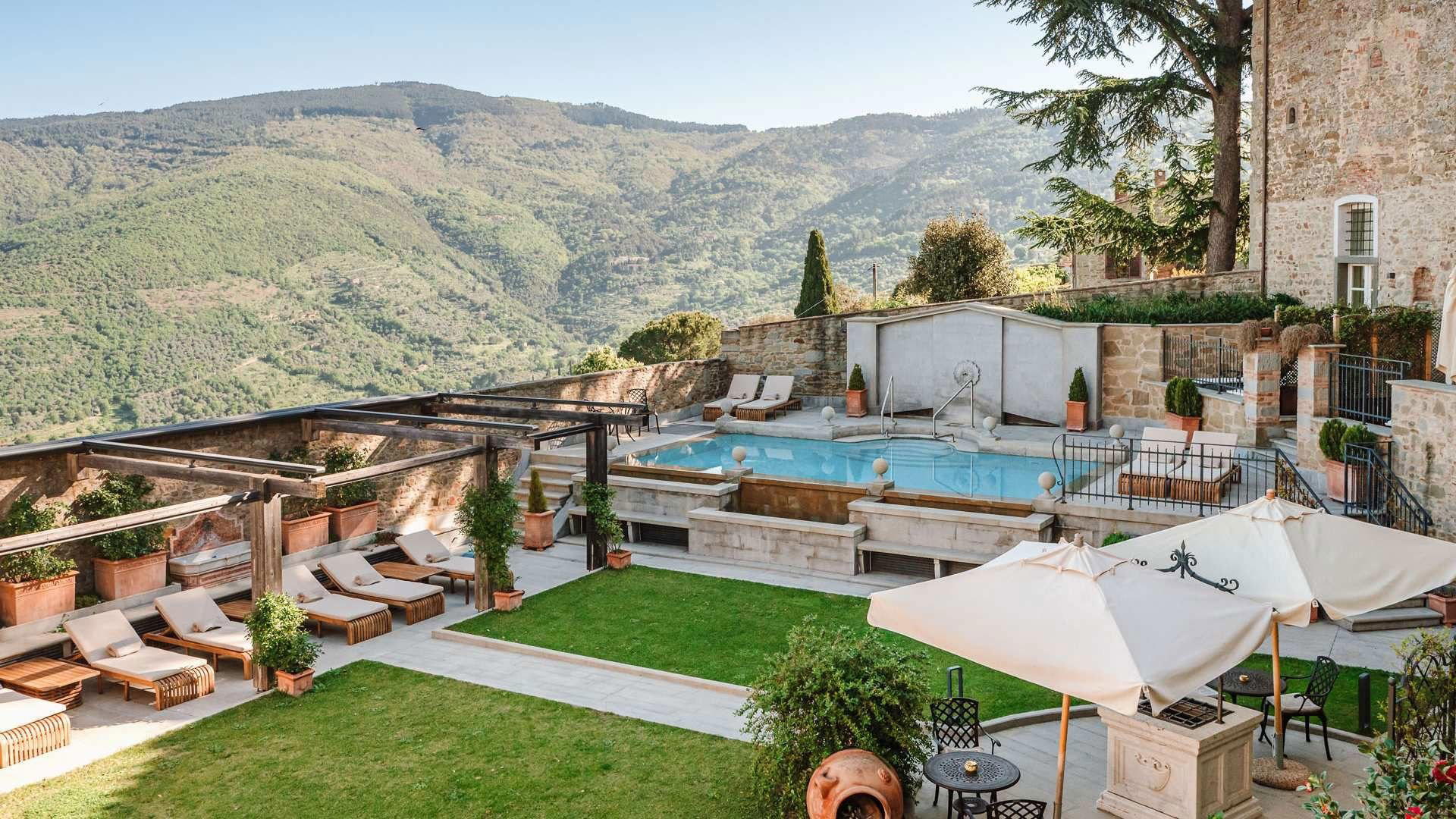
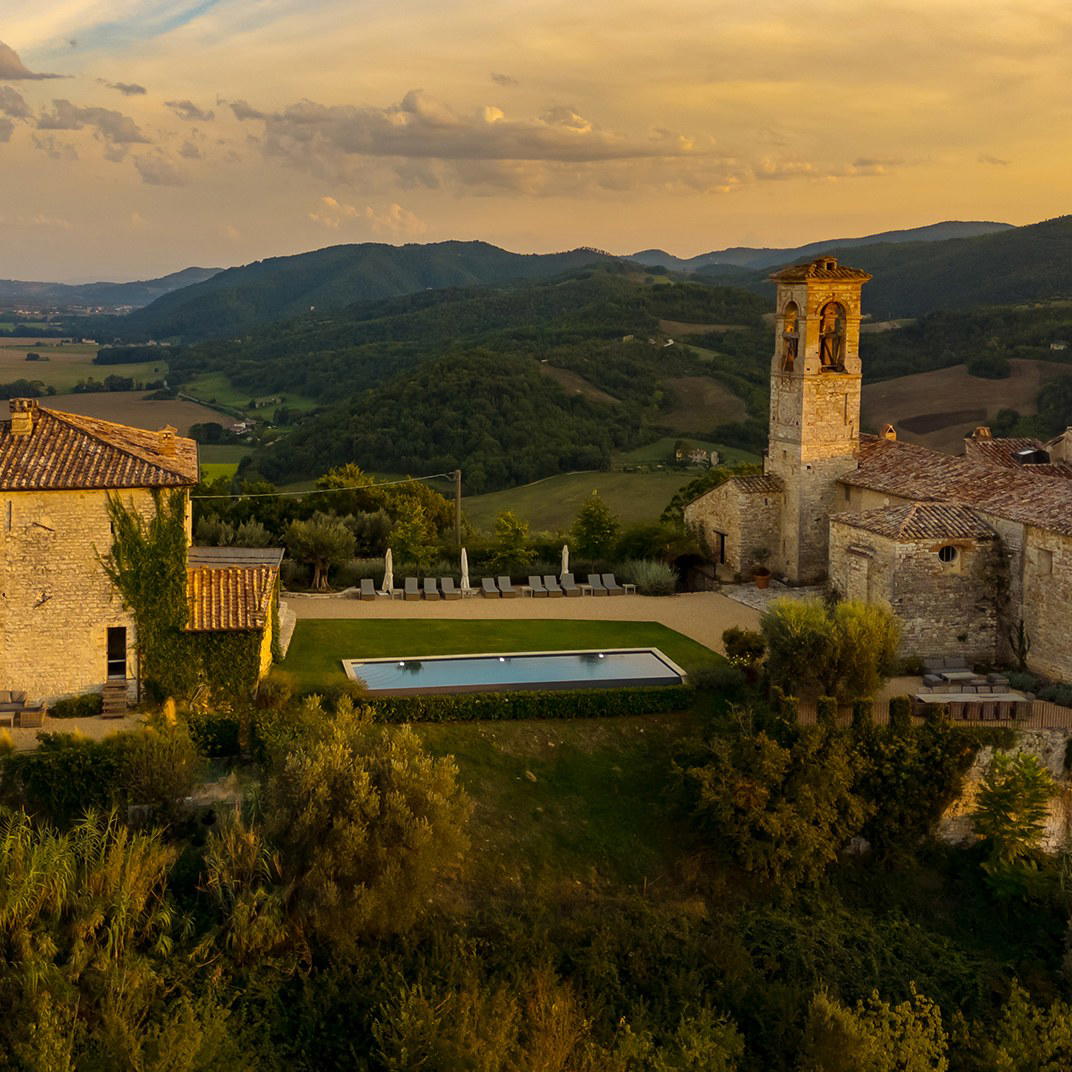
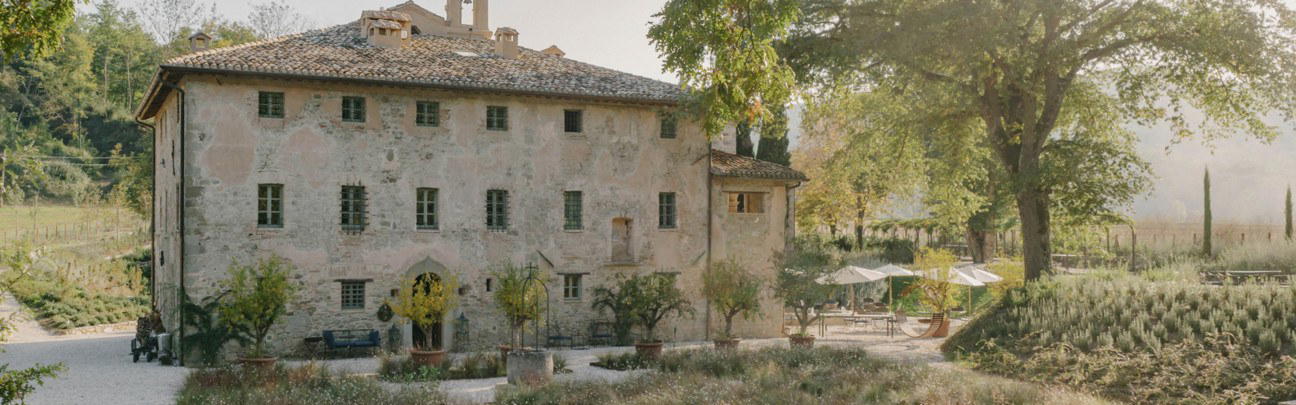
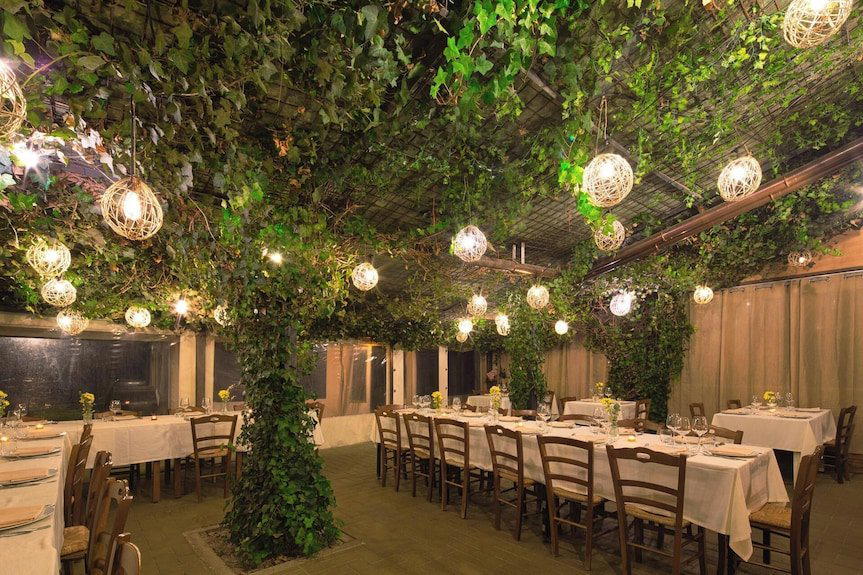
Relaxed yet refined atmosphere with simple stone interiors inside and al fresco terrace dining overlooking the lake.