竺çºçè|èæ
Our verdict
竺çºçè|èæ serves Hakka charcoal BBQ & wild boar for dinner in a casual, conversational room with an open kitchen and local sourcing.

Pearl is the En Primeur Club membership app — saves, bookings, and concierge access live there. Same editors, same standards.
- Address
- 360, Taiwan, Miaoli County, Miaoli City, Zhongzheng Rd, 73號2樓
- Phone
- +88637268509
- Website
- inline.app
- Directions
- Get directions
The menu
What to order
- Charcoal-grilled wild boar
- Smoked meats platter
Miaoli City and the Question of What Gets Grown Nearby
Miaoli County sits in the narrow corridor between Taoyuan and Taichung, a predominantly agricultural stretch of western Taiwan where tea gardens climb hillsides and rice paddies fill the valley floors. The county is better known to most Taiwanese for its Hakka communities and its strawberry farms than for any destination dining scene. That context matters, because it shapes what a neighborhood restaurant here draws on: supply chains are short, seasonal calendars are local, and the gap between field and plate is measured in kilometers rather than logistics networks. Zhongzheng Road, where 竹苗客棧|客棧 is addressed, runs through the civic center of Miaoli City, a street of ordinary commercial life that does not announce itself as a culinary address.
For the full picture of where Miaoli City sits within Taiwan's broader dining conversation, see our full Miaoli City restaurants guide.
Ingredient Geography: Why Miaoli's Sourcing Conditions Are Distinct
Taiwan's most-discussed restaurants tend to cluster in Taipei, Taichung, and Tainan, where proximity to international airports, dense food media, and award infrastructure produces a self-reinforcing cycle of visibility. Places like JL Studio in Taichung, logy in Taipei, and GEN in Kaohsiung operate within that recognized tier, drawing on supply networks built for high-volume, high-specificity kitchens. Miaoli operates differently. The county's agricultural output, which includes tea from the Sanyi and Touwu areas, river fish, wild mountain vegetables, and locally raised pork, tends to move through informal channels: morning markets, direct relationships between farmers and operators, and the kind of supply that does not survive the formalization that comes with Michelin-level visibility.
This is not a disadvantage so much as a different set of conditions. In regions where ingredient provenance is hyperlocal almost by default, the sourcing story is less about curatorial intent and more about structural proximity. A kitchen on Zhongzheng Road in Miaoli City is geographically positioned to access produce that a Taipei restaurant would have to import at cost and complexity. The question is always what a kitchen does with that access.
Comparable dynamics appear elsewhere in Taiwan's mid-sized cities. Amei in Tainan operates within a city whose food identity is built on hyper-regional specificity, and Shen Yen in Yilan sits in a county whose seafood and agricultural output defines its dining character in ways that metropolitan restaurants cannot easily replicate.
The Hakka Kitchen as a Sourcing Framework
Miaoli is one of Taiwan's most significant Hakka counties, and Hakka cooking is fundamentally a cuisine built around preservation, economy, and the intelligent use of what is available locally. Salted vegetables, fermented tofu, braised pork belly, and dishes that extend the life of seasonal produce through pickling and drying are structural features of the tradition, not stylistic choices. In that sense, the ingredient-sourcing story in a Miaoli restaurant is often inseparable from the Hakka culinary logic: you use what is near, you preserve what is abundant, and you build flavor over time rather than through expense.
This stands in contrast to the approach taken at Taiwan's most internationally recognized tables, where the sourcing narrative tends to emphasize rarity, precision agriculture, or the recovery of indigenous ingredients. Akame in Wutai Township and AKAME in Neipu both work within indigenous ingredient frameworks that require specific relationships with Paiwan communities and mountain foragers. The Hakka model in Miaoli is less about recovering lost ingredients and more about sustaining a continuous, practiced relationship with a regional pantry that never fully disappeared.
For other examples of how Taiwan's regional kitchens navigate ingredient identity outside the metropolitan core, Bebu in Hsinchu County and Dongmen Rice Noodle Soup in Hsinchu City both represent neighboring counties with their own distinct ingredient cultures.
Practical Considerations for Visiting
Miaoli City is accessible by Taiwan Railways from both Taichung and Hsinchu, placing it within approximately forty minutes of either city by standard rail. The Zhongzheng Road address is walkable from Miaoli Station, which makes the logistics more direct than they might appear for a county seat of this size. Visitors staying in the region might consider the broader accommodation picture in western Taiwan's mid-range cities; Volando Urai Spring Spa and Resort in Wulai District represents one model of how mountain-adjacent properties in northern Taiwan are positioned, though Miaoli's own accommodation offer is more utilitarian.
Because no phone number, website, booking method, hours, or pricing information is currently available in EP Club's verified data we recommend confirming details directly on arrival or through local search platforms before planning a specific visit. The venue's address on Zhongzheng Road, number 73-2, provides a fixed reference point. For planning context, readers traveling through this corridor of Taiwan may also find Chi Yuan in New Taipei a useful reference for understanding how mid-sized Taiwanese dining addresses position themselves relative to the Taipei axis.
For international comparison in terms of how regional ingredient sourcing shapes restaurant identity at a global level, the contrast with high-specification urban kitchens like Le Bernardin in New York City or community-format operations like Lazy Bear in San Francisco is instructive: both of those tables are built around sourcing as a deliberate and publicized system, whereas Miaoli's ingredient access is structural and quotidian rather than curated.
Other dining addresses in Taiwan's less-trafficked coastal and rural corridors, including a seafood-focused address in Gongliao District and a neighborhood restaurant in Sanchong District, along with a spiced-powder specialist in Xihu Township and Abura Yakiniku in Taichung City, collectively illustrate how Taiwan's non-metropolitan dining addresses cluster around specific ingredient traditions rather than format innovation.
Frequently asked questions
Is 竹苗客家農味 a family-friendly restaurant?
The address on Zhongzheng Road in Miaoli City places this restaurant in a residential-commercial strip typical of county-seat Taiwan, where family-style dining is the norm rather than the exception. Hakka cooking traditions are built around shared tables and communal portions, which tends to suit multi-generational groups.
What part of town is 竺çºçè|èæ in?
竺çºçè|èæ is located at 360, Taiwan, Miaoli County, Miaoli City, Zhongzheng Rd, 73è2æ¨, Miaoli City.
How hard is it to get a table at 竺çºçè|èæ ?
Reservations are recommended for 竺çºçè|èæ in Miaoli City. Confirm current policy via the venue's official channels.
What do critics highlight about 竺çºçè|èæ ?
竺çºçè|èæ is best approached by focusing on the core concept and signature offerings.
| Venue | Cuisine | Price | Awards | Notes |
|---|---|---|---|---|
| 竺çºçè|èæ This venue — the venue you are viewing | Hakka Charcoal BBQ & Wild Boar | $10–20 | Not listed | Not listed |
| JL Studio | Modern Singaporean Cuisine | $100–150 | 3 Michelin Stars · World's 50 Best #50 | Modern Singaporean, Singaporean |
| logy | Modern Japanese-Taiwanese Fusion Omakase | $100–150 | 2 Michelin Stars · World's 50 Best #22 | Modern European, Asian Contemporary |
| Le Palais | Fine Dining Cantonese | $150–200 | 3 Michelin Stars · La Liste Top Restaurants | Cantonese |
| Taïrroir | Taiwanese-French Fusion Fine Dining | $150–200 | 3 Michelin Stars · La Liste Top Restaurants | Taiwanese/French, Taiwanese contemporary |
| Mudan Tempura | Michelin-Starred Tempura | Not listed | 2 Michelin Stars · La Liste Top Restaurants | Tempura |
Continue exploring
More in Miaoli City
Restaurants in Miaoli City
Browse all →
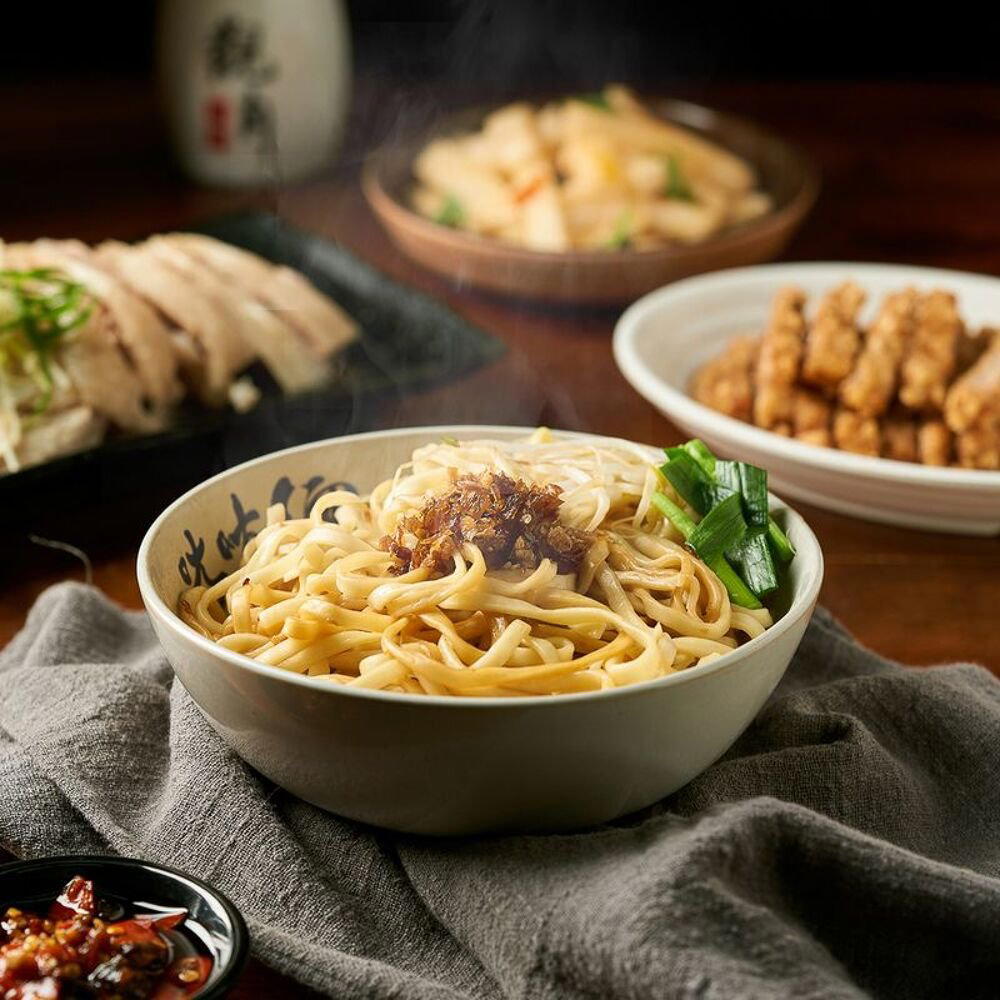
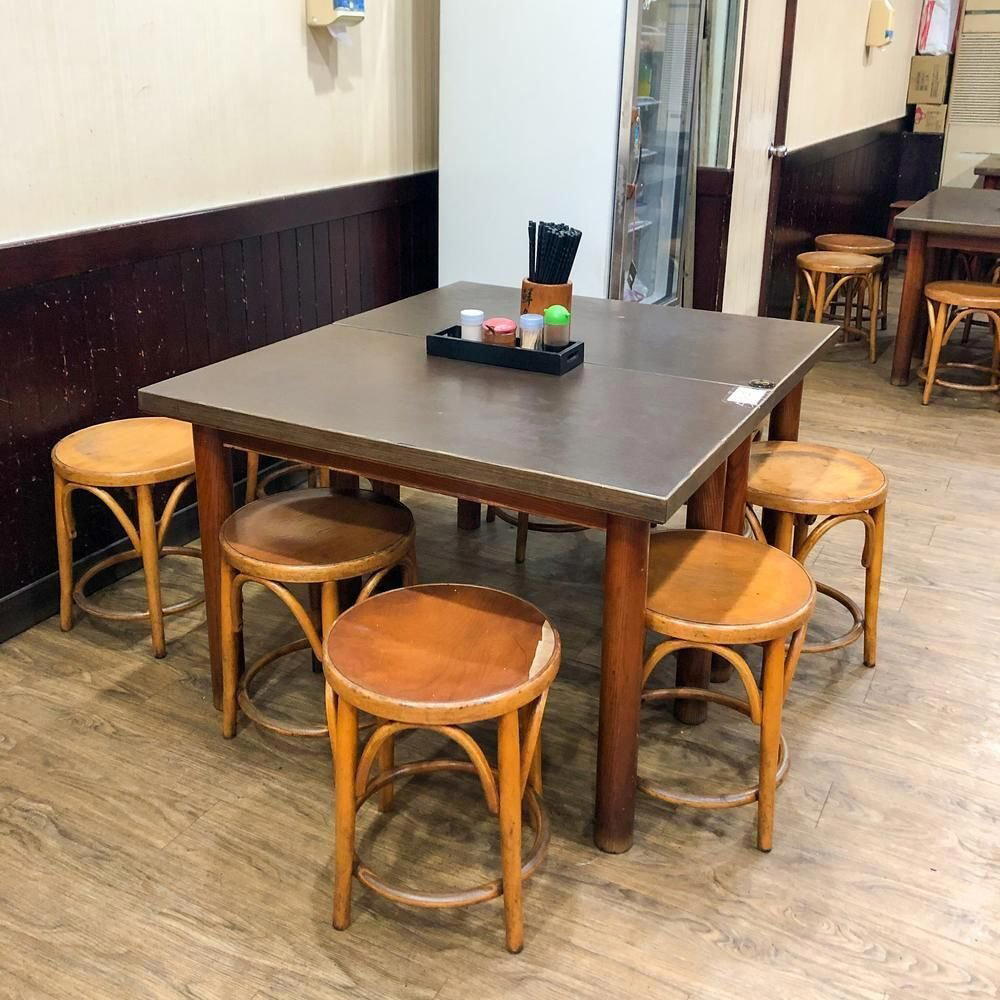
Bars in Miaoli City
Browse all →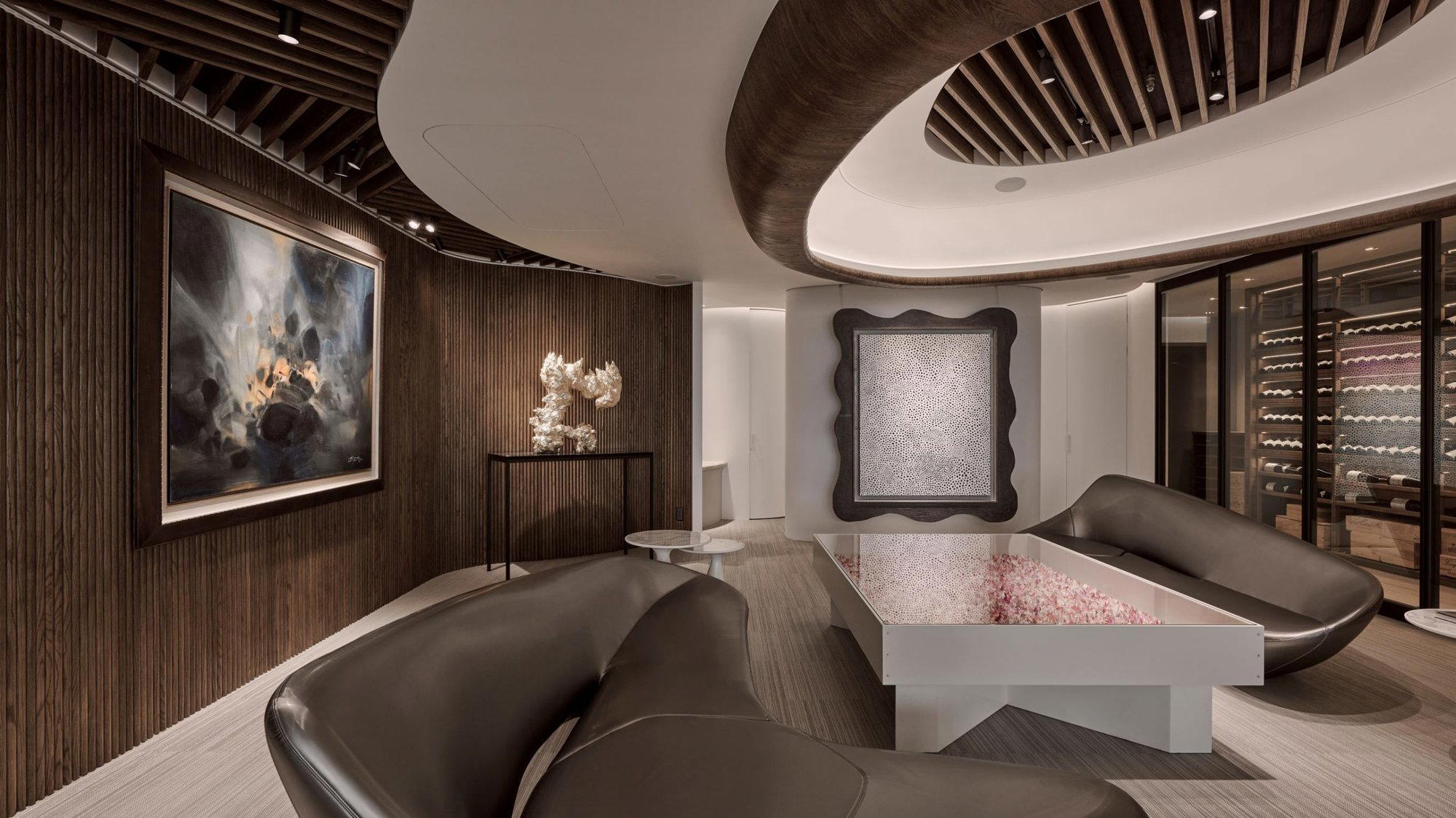
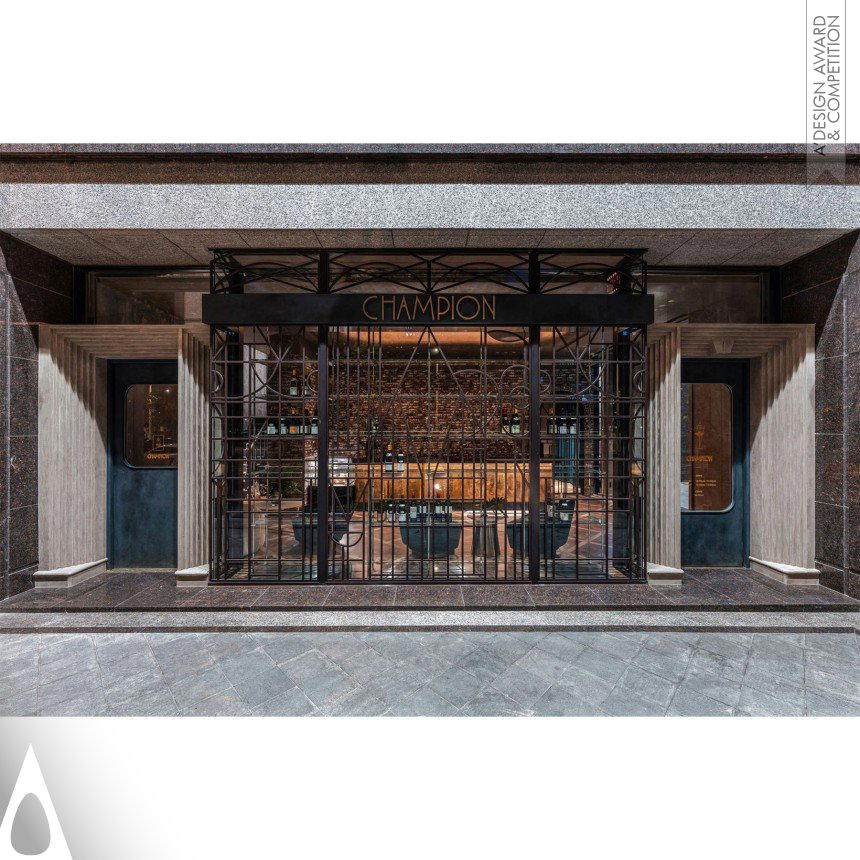
Details
- Rustic
- Cozy
- Family
- Group Dining
- Casual Hangout
- Open Kitchen
- Local Sourcing
- A La Carte
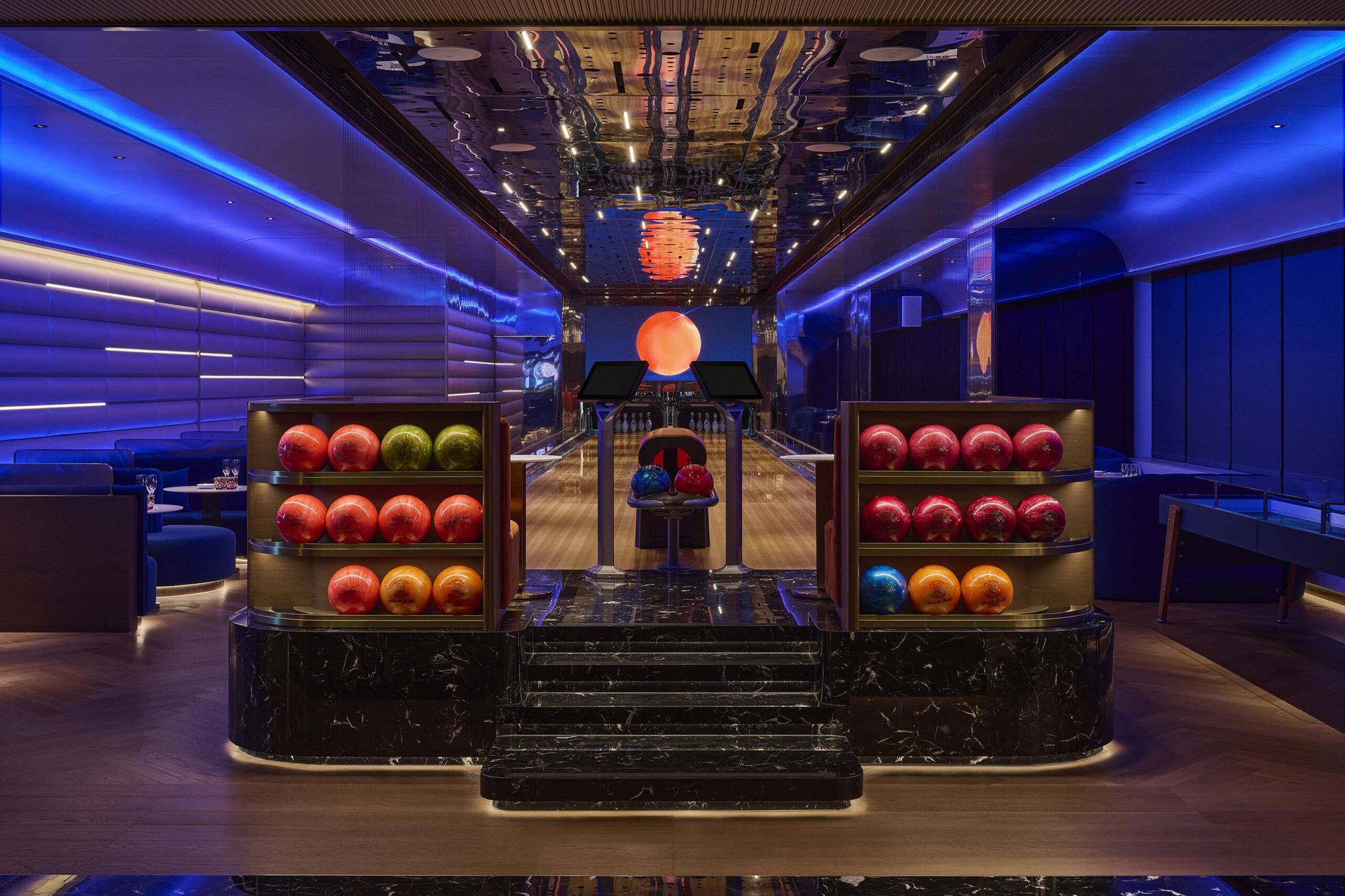
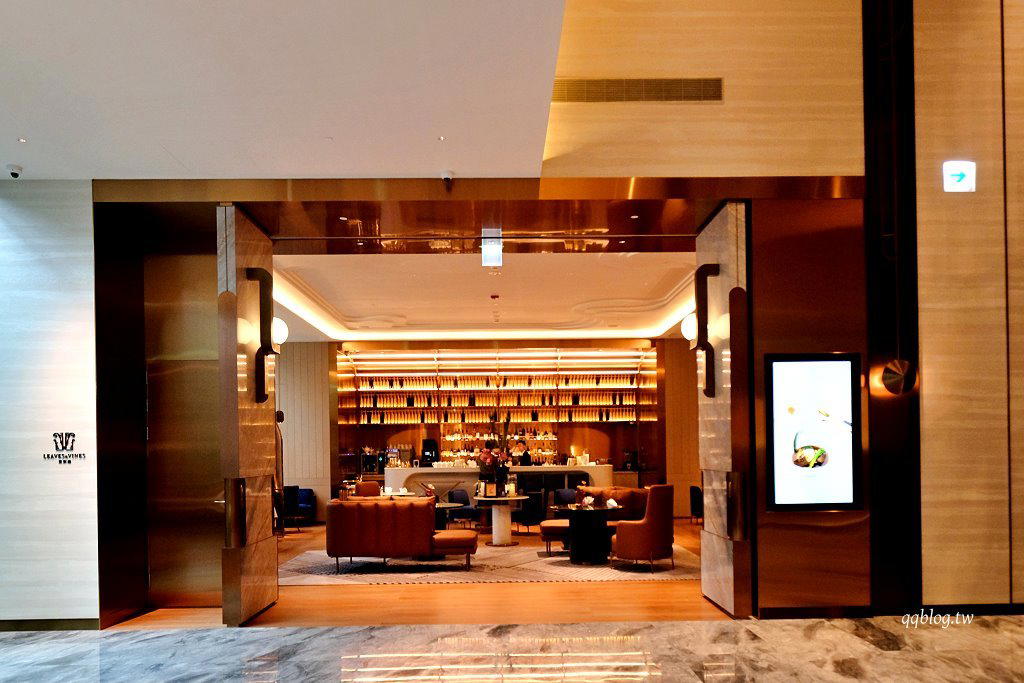
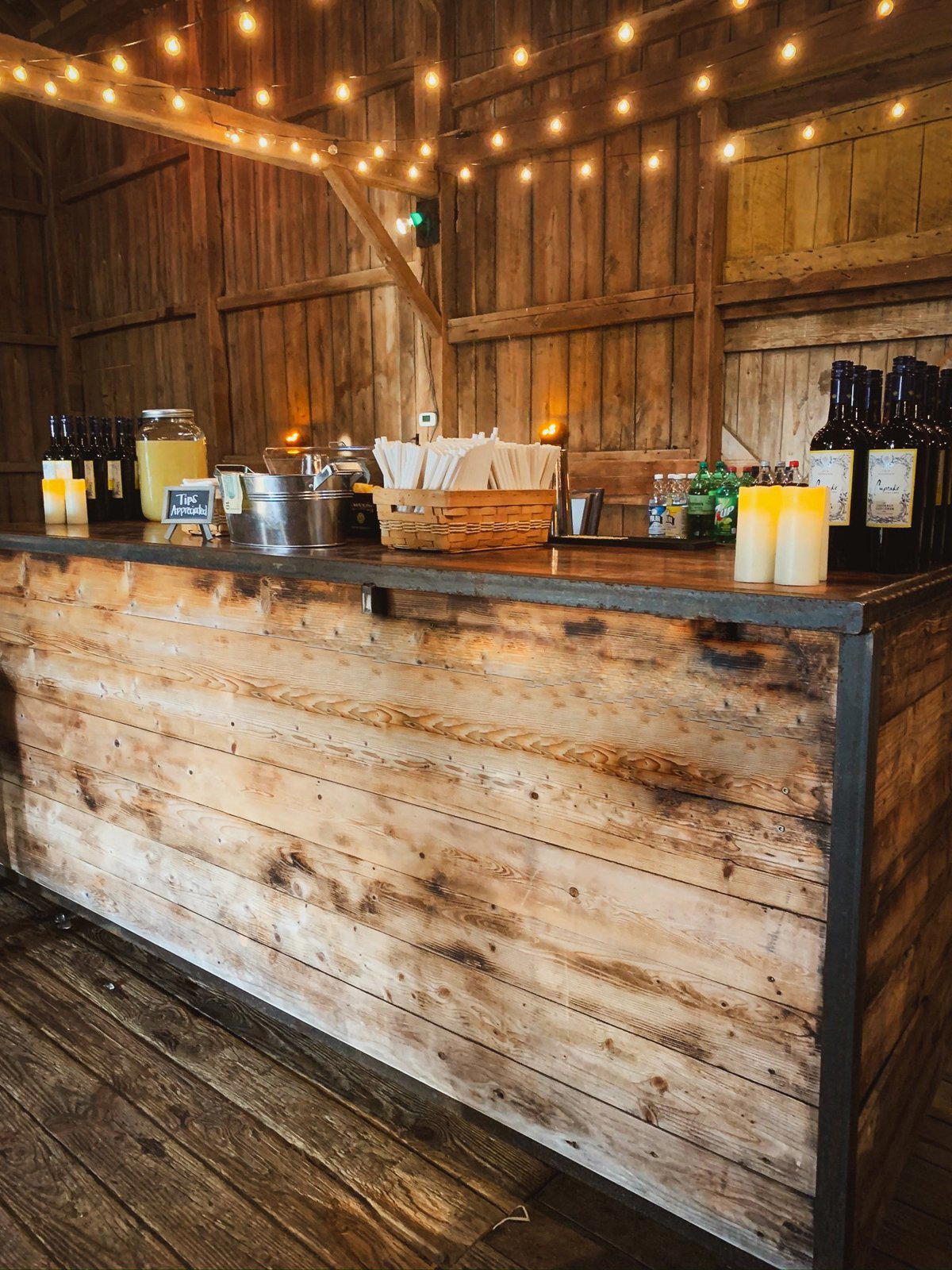
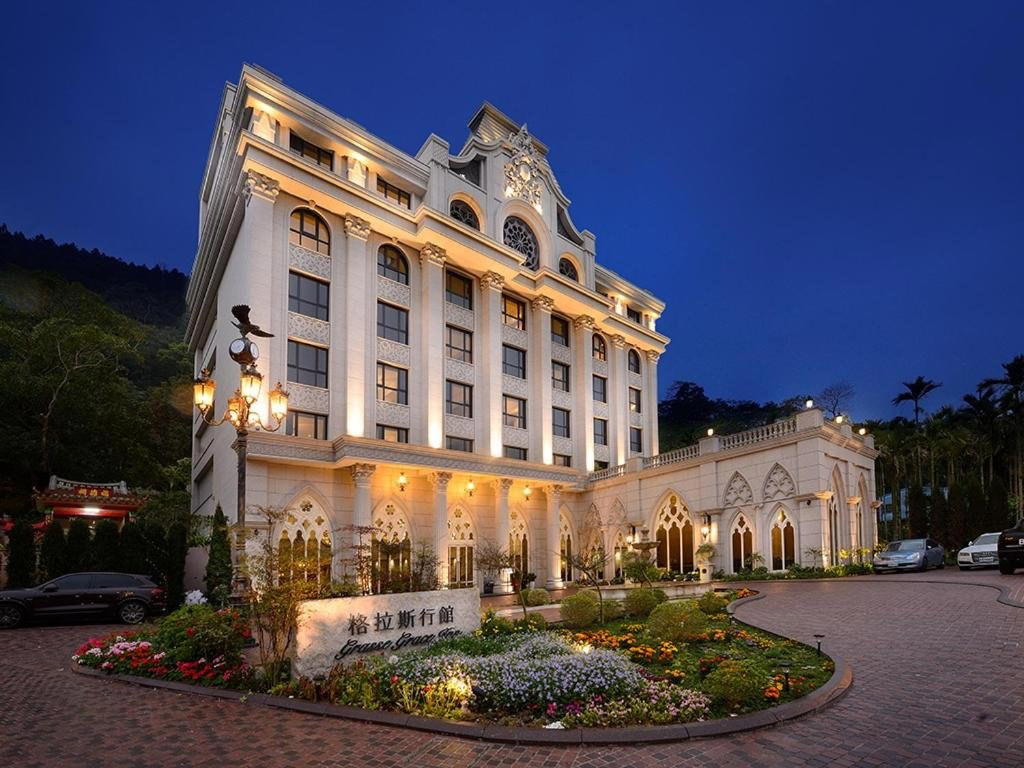
Warm, rustic atmosphere with wood-fired grill aromas and cozy indoor seating evoking traditional Taiwanese mountain village charm.