

1 Michelin Key · Fodor's Most Incredible Hotels in the World
Taiwan's first luxury hot spring resort sits in a mountain valley roughly 70 minutes from Taichung City, where Japan's Hoshinoya group translated the ryokan format for its inaugural overseas property. Forty-nine rooms combine private onsen access with kaiseki-style dining and views across forested gorge scenery. Reservations require direct contact through a customer service team rather than standard online booking.

Pearl is the En Primeur Club membership app, where members save venues, book tables and use the concierge.
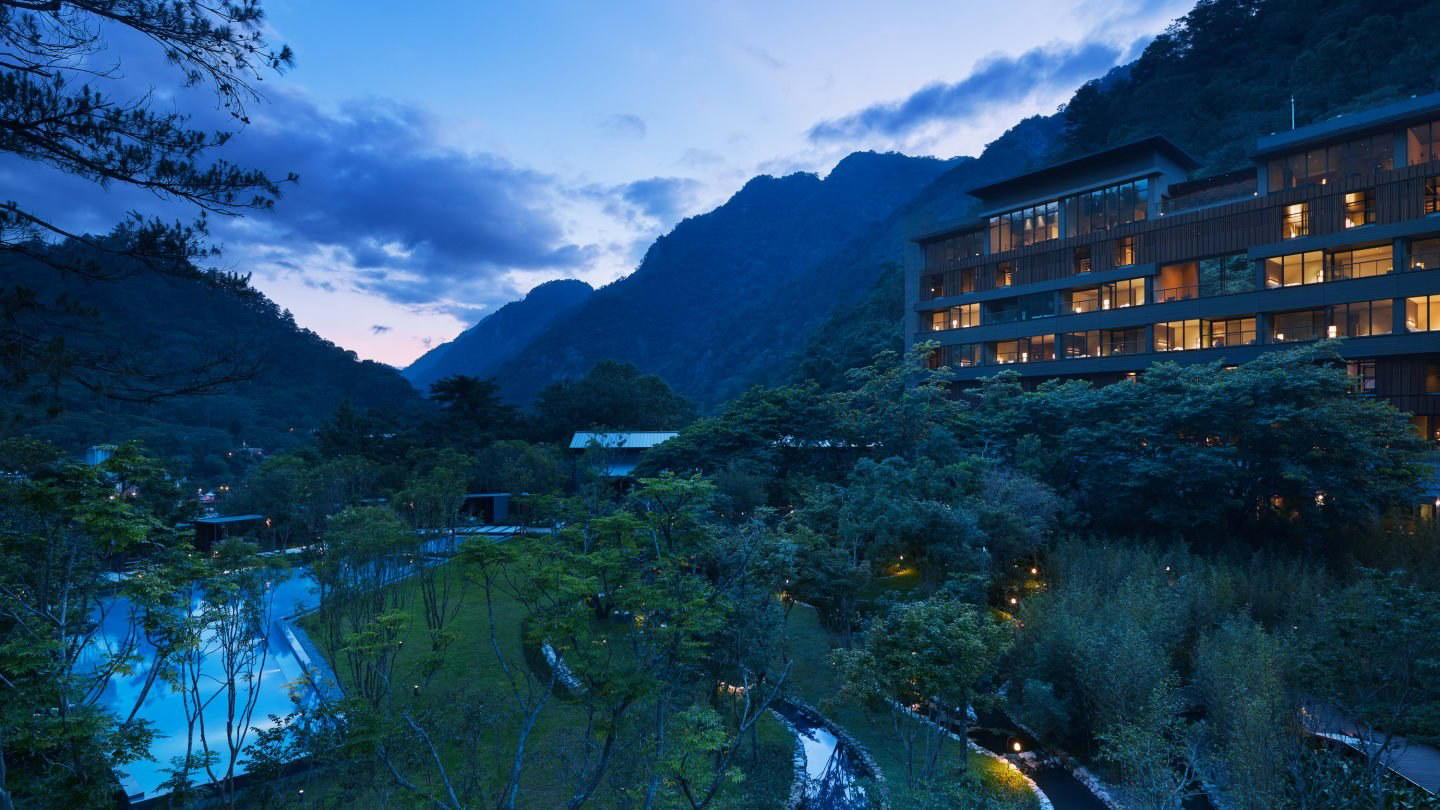
Where Japan's Ryokan Tradition Meets Taiwan's Central Mountains
The approach to Guguan already does significant work before you arrive. The drive east from Taichung City takes roughly 70 minutes, climbing through the Dajia River valley as the road narrows and the gorge deepens. By the time the property comes into view, the altitude, the forested ridgelines, and the drop in ambient noise have already performed a kind of recalibration. This is deliberate geography: Hoshinoya Guguan occupies a site chosen for its thermal spring credentials and its visual drama in equal measure, and the setting is load-bearing in a way that flat-city luxury hotels cannot replicate.
For context on why this matters architecturally and experientially: Japan's Hoshinoya group built its reputation across a series of properties in Japan where the built environment and the natural environment are treated as a continuous composition rather than a contrast. Guguan represents the group's first move outside Japan, and the site selection signals a considered brief. The Central Mountain range of Taiwan holds hot spring belts that have drawn visitors for generations, but the resort tier here has historically been uneven. Hoshinoya arrived into that gap with 49 rooms and a design sensibility calibrated to Japanese ryokan principles rather than the convention-hotel luxury that dominates Taichung's city core. For comparison, the InterContinental Taichung operates in an entirely different register: urban, high-rise, full-service convention infrastructure. Guguan is structurally opposed to that model.
Design as Spatial Argument
The ryokan format makes specific demands on architecture that standard luxury hotels avoid. Corridors must transition guests from shared social space to private retreat without abruptness. Materials need to read as grounded in place rather than imported from an international procurement catalogue. Scale has to stay human: the 49-room count at Guguan sits comfortably within the range where a property can maintain the quietness and pace that onsen culture requires. Compare this with larger hot spring resorts elsewhere in Taiwan, where room counts push into the hundreds and the communal bath areas become logistically more complex to manage as genuine retreat spaces.
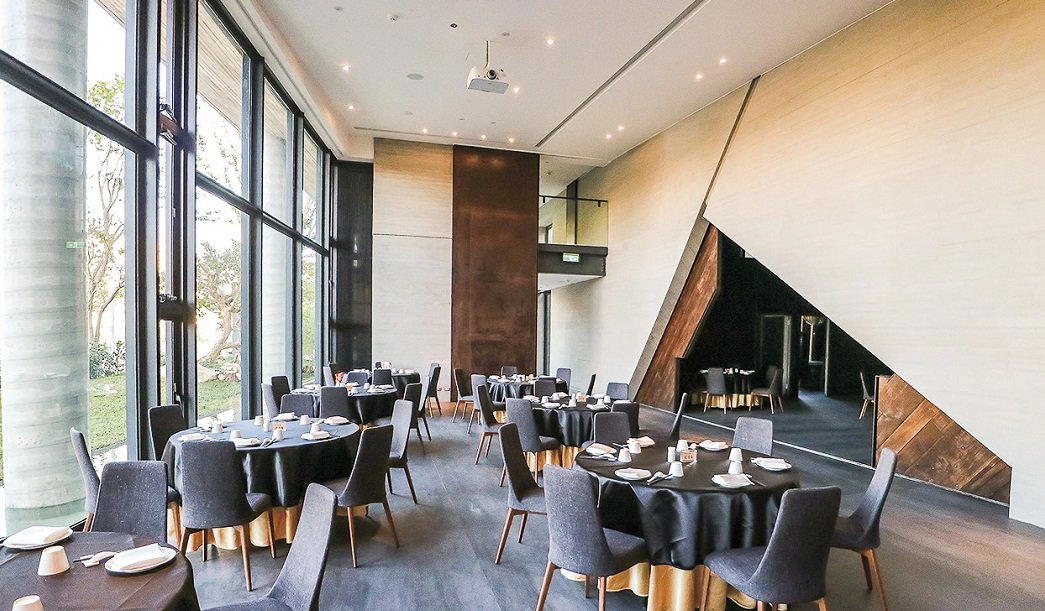
The interiors at Hoshinoya Guguan carry the visual language that the group has refined across its Japanese properties: materials that reference the surrounding landscape, spatial transitions that slow the guest's pace, and a deliberate restraint in decoration that keeps attention on the view rather than the furnishing. The gorge-facing rooms are the obvious draw, and the verdant scenery they frame changes character across the day as light shifts through the valley. This is a property where the architecture's primary function is to frame and mediate the natural setting, not to compete with it.
In-room private onsen baths follow a tradition in Japanese ryokan culture where thermal bathing transitions from a communal ritual to an entirely private one. Both formats operate here: public baths for those who want the full communal ryokan experience, private in-room baths for those prioritising seclusion. The thermal spring source in Guguan produces sodium bicarbonate water, a type historically associated in the region with skin-conditioning properties, which has supported the area's reputation as a bathing destination across decades.
The Kaiseki Model and What It Signals About the Food Programme
Kaiseki dining, as practised in high-end Japanese ryokan, is a form of structured seasonal cuisine where the sequence, presentation, and portion architecture of the meal carry as much meaning as the ingredients themselves. The courses are composed to move through temperatures, textures, and flavour registers in a specific progression. Applied at Hoshinoya Guguan, it represents a deliberate choice to maintain the full ryokan programme rather than adapt it to local dining norms or reduce it to a simplified version for international guests.
This matters as a signal about the property's positioning. Hot spring resorts in Taiwan frequently separate accommodation and dining as independent decisions; guests eat at resort restaurants as a convenience rather than as part of the experience's core logic. At a ryokan-model property, the meal is structural: it is the evening's organising event, the social anchor, and the main vehicle through which the surrounding environment enters the guest experience through local seasonal produce and preparation philosophy. Hoshinoya's commitment to this format at its first overseas property confirms that the group is not offering a diluted export version of the ryokan concept.
For those considering comparable experiences across Taiwan's premium resort tier, the Hotel Beore Sun Moon Lake in Nantou and The Lalu Hotel in Yuchi offer landscape-integrated stays in a different register. The Volando Urai Spring Spa and Resort in Wulai District operates a hot spring format in the mountains north of Taipei, while the Evergreen Resort Hotel in Jiaosi, Yilan, addresses the east coast's strong onsen belt. Each positions differently; Guguan's distinguishing factor is the Hoshinoya group's Japanese ryokan lineage applied in full.
Further afield, those placing Hoshinoya Guguan in a global context of landscape-integrated luxury might look at how properties like Amangiri in Canyon Point use dramatic terrain as a design collaborator, or how Hotel Indigo Alishan approaches high-altitude Taiwan from a different brand position. Within Taiwan's broader premium hotel spectrum, Gloria Manor in Kenting National Park and Grasse Grace Manor in Miaoli represent the country's range of landscape-led boutique formats.
Planning Your Stay
Hoshinoya Guguan sits in the Heping District of Taichung, addressed at 東關路一段溫泉巷16號, and the drive from Taichung City takes approximately 70 minutes by car. Public transport options into this valley are limited, making private transfer or car rental the practical approach for most international visitors. The 49-room scale means availability tightens at weekends and during Taiwanese public holidays, when demand from domestic travellers peaks significantly.
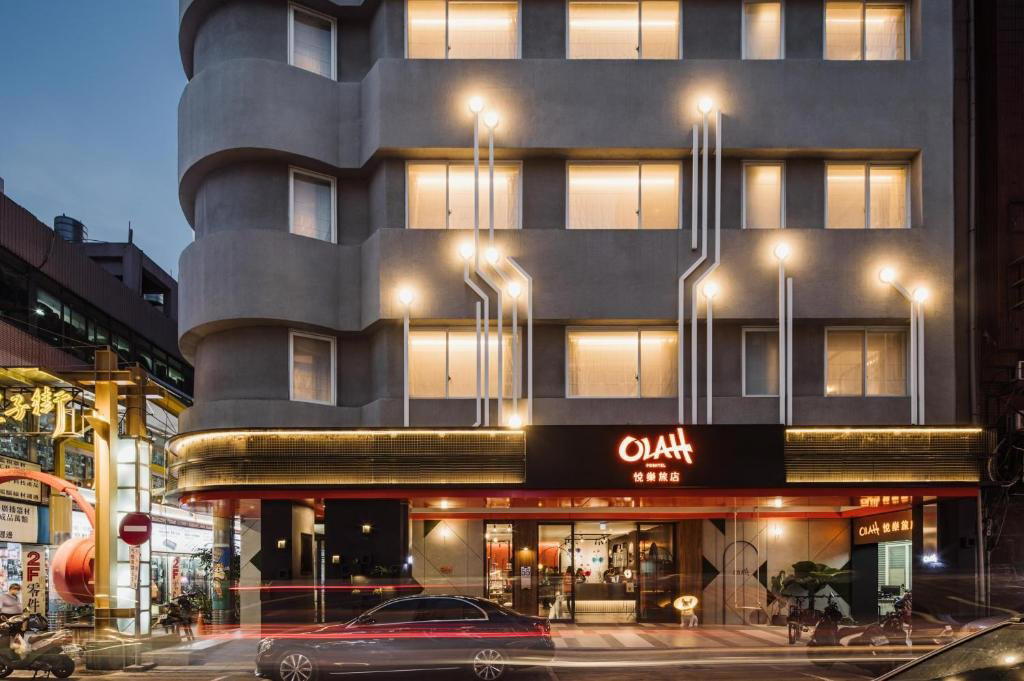
Pricing is available on request only, in line with the group's standard approach for this tier. Reservations require direct contact with the EP Club customer service team rather than standard online booking, as the property requests additional guest information before confirming stays. This structure is consistent with high-specification ryokan formats, where the intake process allows the property to personalise aspects of the stay before arrival. Those planning visits from Taipei might consider pairing the trip with a Taichung city night: see our full Taichung restaurants guide for the city's dining context, or consider the OLAH Poshtel Taichung Station for an accessible urban base before heading into the mountains.
Quick Comparison
Comparable venues nearby, for context on price, style, and recognition.
| Venue | Cuisine | Price | Awards | Notes |
|---|---|---|---|---|
| Hoshinoya GuguanThis venue (the venue you are viewing) | Luxury Japanese-style hot spring retreat integrated with Taiwanese nature. | Not listed | 1 Michelin Key · Fodor's Most Incredible Hotels in the World | Not listed |
| OLAH Poshtel Taichung Station | Contemporary boutique poshtel blending hostel and hotel accommodations with a focus on social spaces and modern design. | $1–100 | World Travel Awards | Luchuan |
| InterContinental Taichung | Contemporary luxury with Taiwan cultural heritage integration; high-end international brand positioning. | $200–300 | Michelin Selected · World Luxury Hotel Awards WLHA Global Winner | Zhongxing |
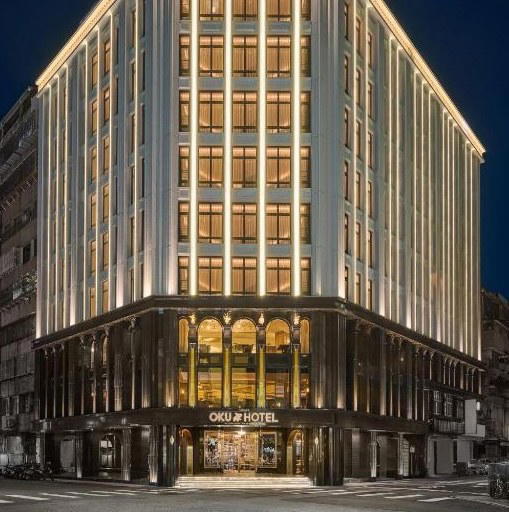
| OKU Hotel | Contemporary urban hotel in a revitalized historic area | $1–100 | Michelin Selected | Liuhe |
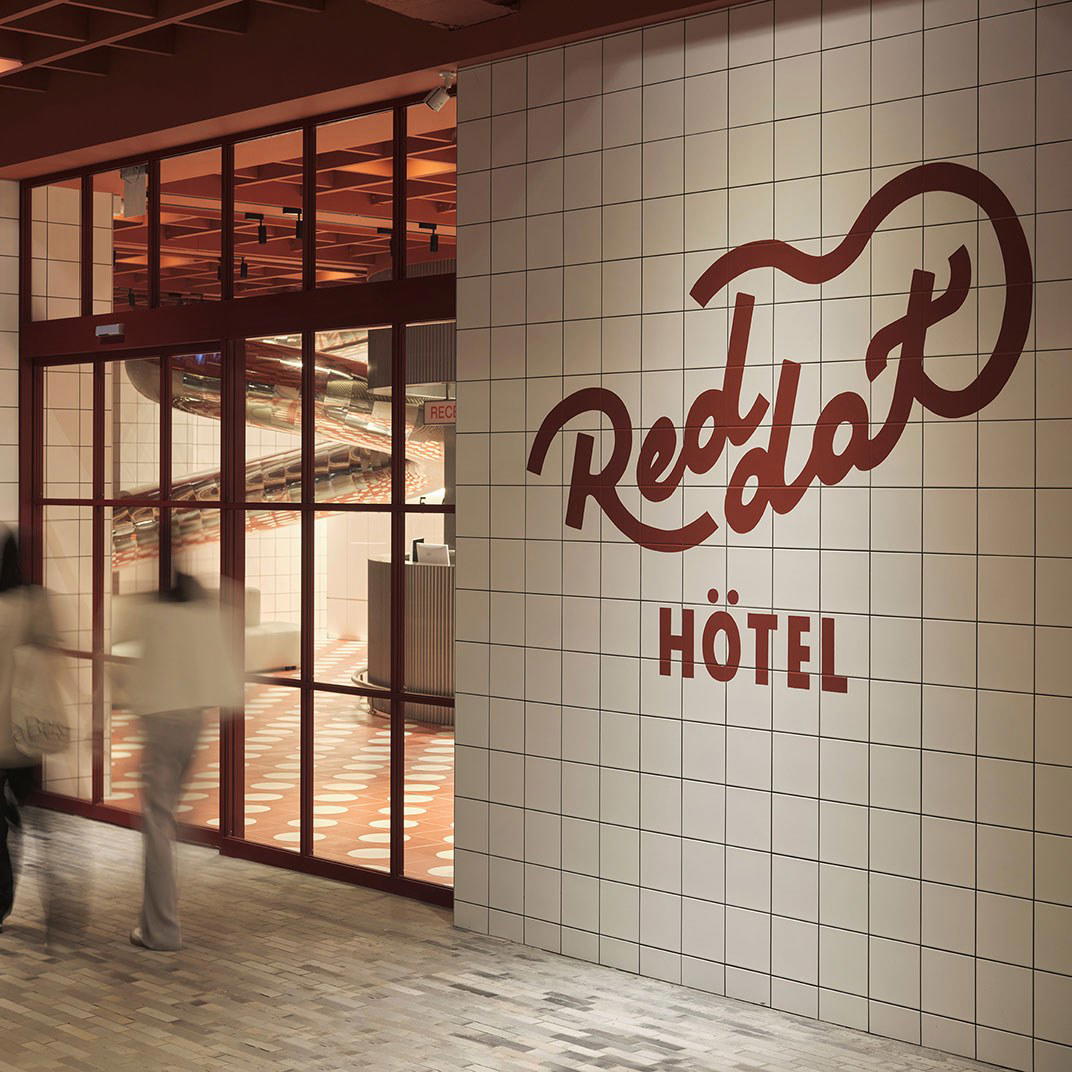
| RedDot Hotel | Artistic boutique hotel renovated from a 1970s property with a playful, community-connected vibe. | $1–100 | Michelin Selected | Zhonghua |
| Fairfield by Marriott Taichung | Modern business hotel | Not listed | Michelin Selected | Xidun |
Recognition history
Dated appearances from independent guides and award organizations, with the underlying list record or original source where available.
Michelin 1 Key
Michelin
Fodor's Most Incredible Hotels in the World
Fodor's
Full recognition history (3 entries)
Michelin 1 Key
Michelin
Continue exploring
More in Taichung
Hotels in Taichung
All hotels in Taichung →
Bars in Taichung
All bars in Taichung →
Details
- Quiet
- Elegant
- Scenic
- Romantic
- Sophisticated
- Minimalist
- Honeymoon
- Romantic Getaway
- Wellness Retreat
- Anniversary
- Weekend Escape
- Panoramic View
- Garden
- Terrace
- Wi Fi
- Outdoor Pool
- Spa
- Room Service
- Concierge
- Business Center
- Garden
- Pool
- Mountain
- Garden
- Elevator
- Wheelchair Accessible
Serene and relaxing with natural light, peaceful mountain and garden views, minimalist Japanese design fostering tranquility and immersion in nature.