Cultureel Eetcafé 'Skek
On the Zeedijk, one of Amsterdam's most historically layered streets, Cultureel Eetcafé 'Skek occupies a position that sits at the intersection of community dining and cultural programming. The format is eetcafé rather than restaurant proper, which shapes everything from pacing to expectation. For visitors wanting a meal embedded in neighbourhood life rather than set apart from it, Skek is worth understanding before you book.
Pearl is the En Primeur Club membership app — saves, bookings, and concierge access live there. Same editors, same standards.
- Address
- Zeedijk 4-8, 1012 AX Amsterdam, Netherlands
- Phone
- +31 20 427 0551
- Website
- skekamsterdam.cargo.site
- Directions
- Get directions
 Saves & bookings on Pearl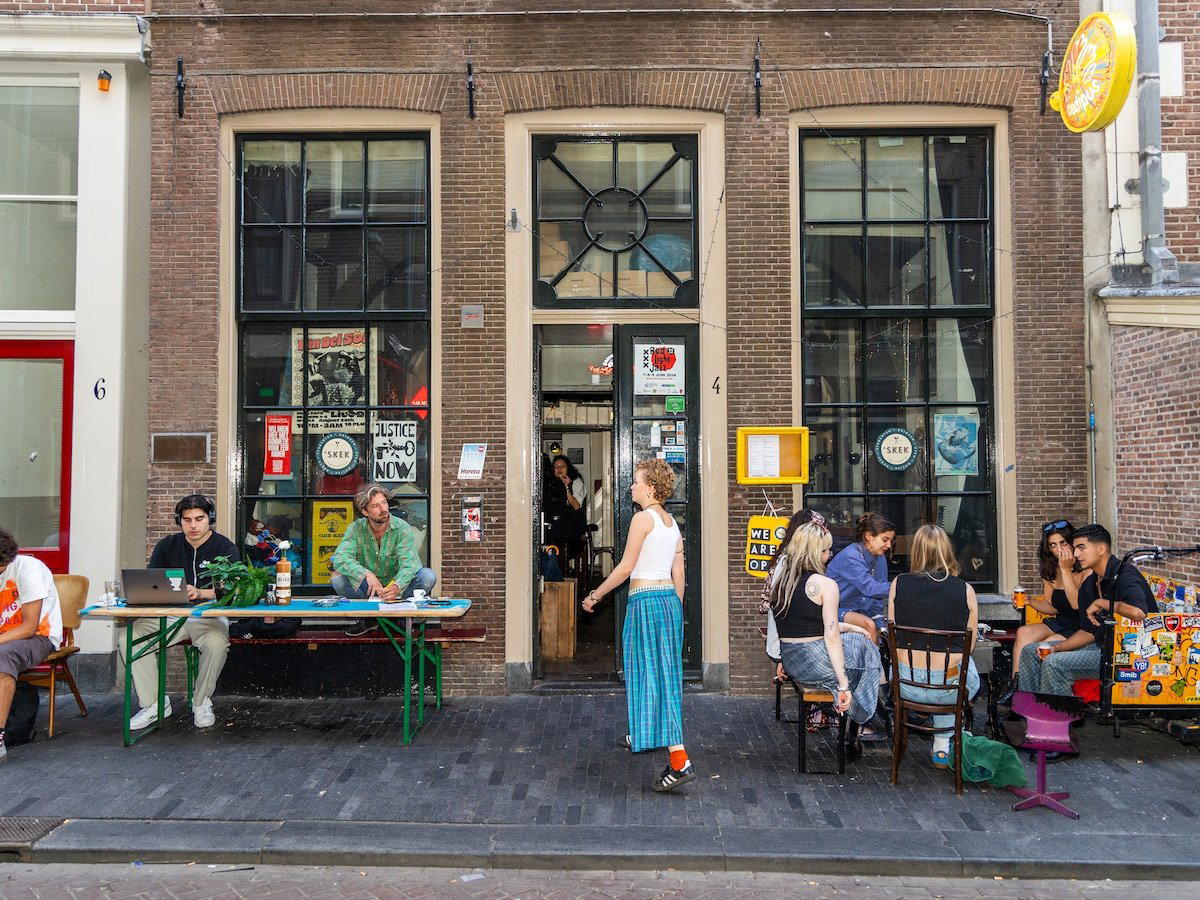
Zeedijk and the Eetcafé Tradition
The Zeedijk runs through the oldest part of Amsterdam, connecting the waterfront to the edge of the Red Light District and the Chinese quarter. It is a street that has absorbed centuries of sailors, merchants, and migrants, and the dining culture along it reflects that accumulation. The eetcafé, a distinctly Dutch format that sits between a brown café and a proper restaurant, emerged as the neighbourhood's answer to feeding people without the ceremony of a dining room. You eat well, you drink well, and the conversation at the next table is close enough to overhear. That is the point.
Cultureel Eetcafé 'Skek at Zeedijk 4-8 fits within that tradition. The address places it at the quieter northern end of the street, before the foot traffic thickens toward the canal. Approaching from the direction of Centraal Station, the building reads as part of the surrounding gabled row rather than as a destination that announces itself. This is deliberate. The eetcafé format does not require a marquee entrance, and Skek does not offer one.
How the Meal Works Here
The dining ritual at an eetcafé operates on a different clock from the tasting-menu houses that define Amsterdam's higher price brackets. The eetcafé inverts that logic: you arrive, you settle, you order when you are ready, and the table is yours for the duration of the evening rather than managed through a seating window.
This pacing difference has consequences for how you prepare as a guest. There is no tasting menu to read in advance, no sommelier pairing to pre-select. The ritual here is more like a long dinner with friends in a room that happens to serve food and drink to everyone.
That communal orientation places Skek in a category alongside a small number of Amsterdam venues where the meal is embedded in civic or cultural life rather than refined above it. The comparison with Flore or Bistro de la Mer is instructive precisely because those venues serve a different reader purpose: they are destinations for the meal itself. Skek is a destination for a particular kind of evening, of which the meal is one component.
The Eetcafé in Amsterdam's Broader Dining Scene
Amsterdam's restaurant scene has bifurcated sharply over the past decade. At the upper end, Dutch fine dining has extended well beyond the capital, with venues like De Librije in Zwolle and Inter Scaldes in Kruiningen setting standards that compare with any European peer group. Within Amsterdam itself, the creative and farm-to-table registers have grown, with places like De Kas and BAK operating in the €€€ range with defined sourcing commitments. Even the plant-forward tier has developed serious technical ambition, visible at De Nieuwe Winkel in Nijmegen.
The eetcafé sits deliberately outside that competitive hierarchy. It does not seek Michelin recognition, does not price against the tasting-menu tier, and does not construct an identity around chef biography or seasonal sourcing narratives. Its comparable set is different: other venues in the city where the social function of the space matters as much as the food coming out of the kitchen. This is not a concession. It is a different proposition, and confusing the two leads to the wrong expectations.
For context on what the upper bracket of Dutch dining looks like, venues across the country such as De Lindenhof in Giethoorn, Tribeca in Heeze, De Groene Lantaarn in Staphorst, Brut172 in Reijmerstok, De Lindehof in Nuenen, De Bokkedoorns in Overveen, and De Treeswijkhoeve in Waalre each represent the kind of precision and investment that earns formal recognition. Skek is a counterpoint to all of that, which is part of why it retains a distinct identity within the city's dining map.
The Zeedijk as Context
Dining on the Zeedijk is always dining with history close at hand. The street's association with Amsterdam's port culture, its Chinese community, and its long period of urban decline before gradual regeneration gives any meal along it a particular texture. Venues here exist within a neighbourhood that has never fully gentrified in the way that, say, the Jordaan or De Pijp have. That rougher edge is part of the appeal for a certain kind of traveller, and the eetcafé format is well suited to it.
Skek's position at the northern end of the Zeedijk means it sits close to the harbour-facing parts of the old city, where the pace is slower than the tourist-dense blocks further south. The walk from Centraal Station is direct and takes only a few minutes, which makes the venue accessible without requiring any particular navigation of the city's canal grid. For visitors building an evening around the area rather than just a single restaurant, the Red Light District, the Nieuwmarkt, and the Chinese quarter are all within a short radius.
Planning a Visit
The venue's cultural programming means that the evening's character can shift significantly depending on what is scheduled. Checking the events calendar before arriving is advisable, since a quiet dinner night operates differently from an evening with live programming in the space. Given the eetcafé format, walk-ins are more likely to be accommodated than at the tasting-menu houses across the city.
For those travelling more widely in the Netherlands and comparing dining formats across the country, international benchmarks like Le Bernardin in New York City or Lazy Bear in San Francisco illustrate how communal dining formats translate across different culinary cultures.
Comparable Venues
Comparable venues nearby, for context on price, style, and recognition.
| Venue | Cuisine | Price | Notes |
|---|---|---|---|
| Cultureel Eetcafé 'SkekThis venue — the venue you are viewing | Dutch Vegetarian Gastropub | $$ | Not listed |
| Noorderlicht Café | Sustainable Dutch Cafe with Vegetarian Focus | $$ | NDSM terrein |
| La Brasa | Argentine Steakhouse | $$ | Westelijke Eilanden |
| Kartika | Traditional Indonesian Rijsttafel | $$ | Helmersbuurt Oost |
| Van Speyk | Classic French-Dutch Brasserie | $$ | Hemelrijk |
| Bubbles & Wines Amsterdam | Wine Bar with Gourmet Bites | $$$ | Nes e.o. |
Continue exploring
More in Amsterdam
Restaurants in Amsterdam
Browse all →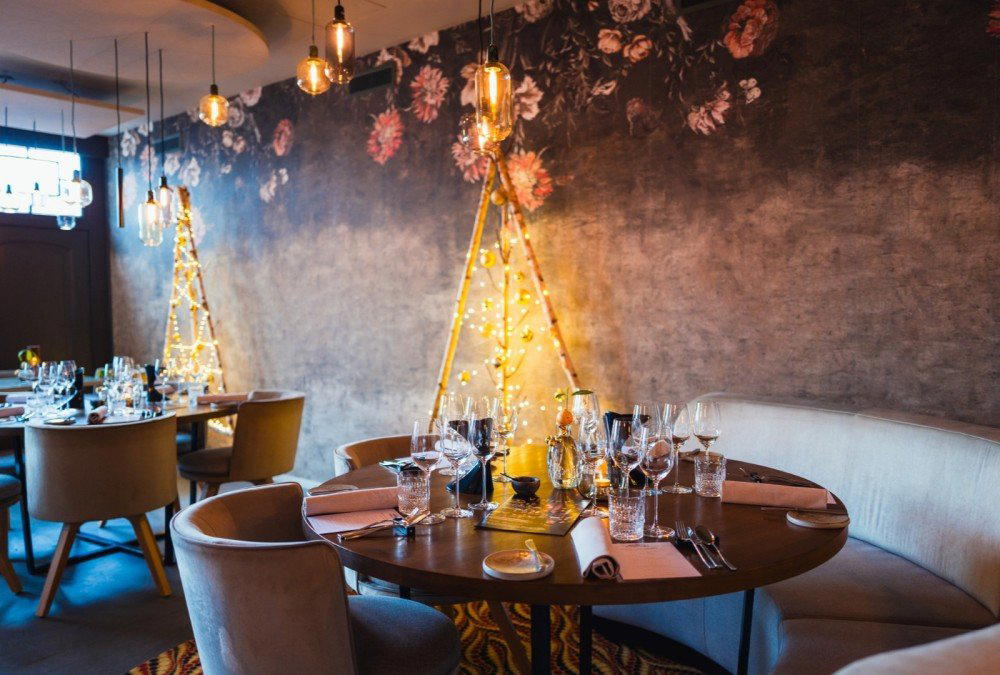
Bars in Amsterdam
Browse all →
Hotels in Amsterdam
Browse all →
Wineries in Amsterdam
Browse all →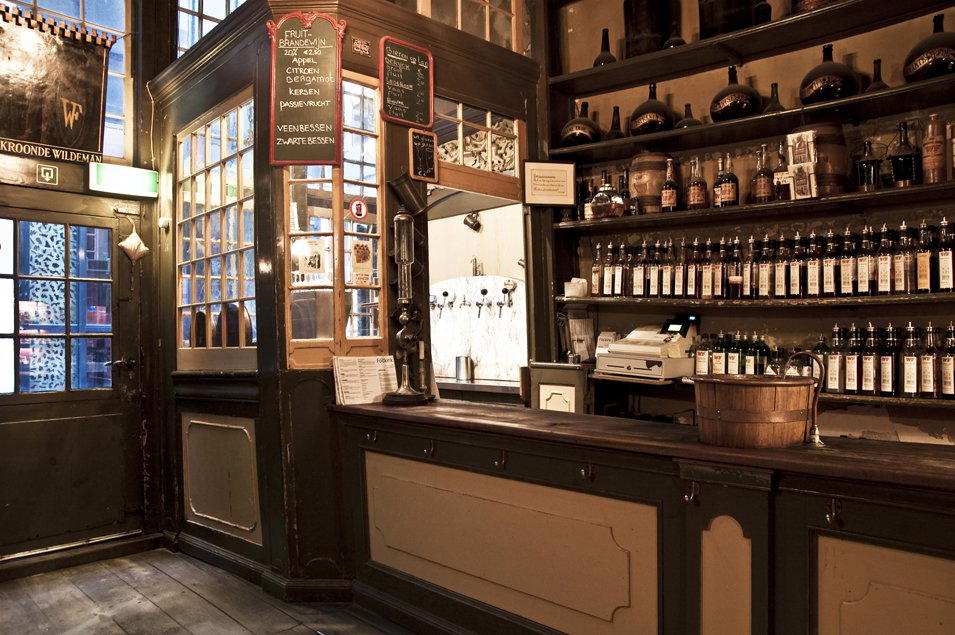
At a Glance
- Cozy
- Lively
- Trendy
- Casual Hangout
- Group Dining
- After Work
- Live Music
- Craft Cocktails
- Beer Program
- Organic
Current opening hours
- Monday
- Closed
- Tuesday
- 5 PM–1 AM
- Wednesday
- 5 PM–1 AM
- Thursday
- 5 PM–1 AM
- Friday
- 5 PM–3 AM
- Saturday
- 5 PM–3 AM
- Sunday
- 5 PM–1 AM
Hours can change for holidays and private events. Last verified .
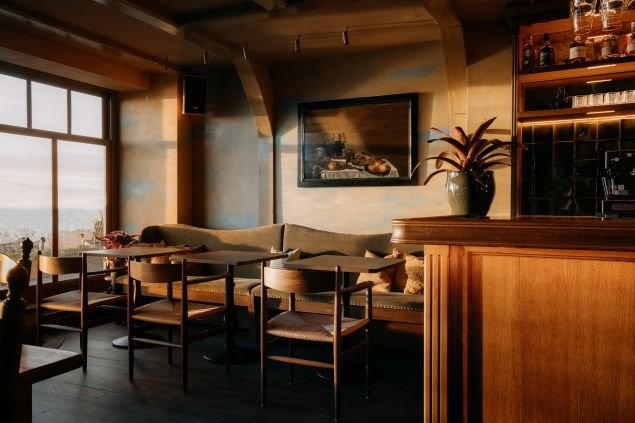
Cozy living room atmosphere with a lively bar vibe, enhanced by live music performances several evenings a week.