El Ferroviario Restaurant Parrilla
Our verdict
El Ferroviario Restaurant Parrilla serves traditional Argentine parrilla in a historic building, with asado ancho, bife de chorizo, and provoleta for lunch, dinner, or late night.

Pearl is the En Primeur Club membership app — saves, bookings, and concierge access live there. Same editors, same standards.
- Address
- Av. Reservistas Argentinos 219, C1408 Cdad. Autónoma de Buenos Aires, Argentina
- Phone
- +541130597666
- Hours
- Mon ClosedTue–Sun 12–4 PM, 8 PM–12:30 AM
- Website
- elferroviarioparrilla.com
- Directions
- Get directions
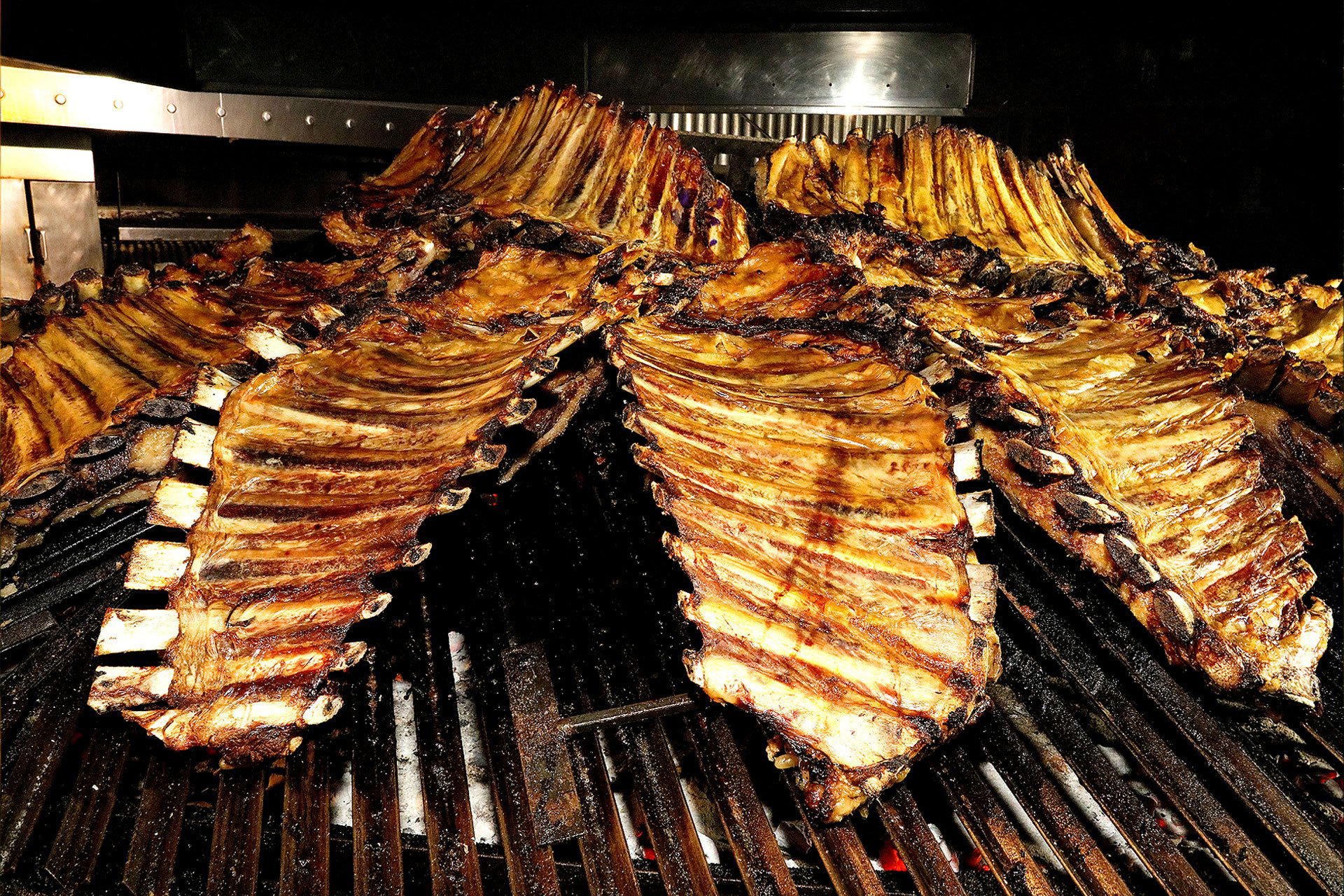
The menu
What to order
- Asado ancho
- Bife de chorizo
- Provoleta
Where the Parrilla Tradition Meets the Outer Barrios
Approach Av. Reservistas Argentinos on a weekend evening and the signals are familiar to anyone who has spent time in Buenos Aires beyond the tourist corridors: smoke drifting at street level, the low crackle of wood rather than gas, tables filling with neighbourhood regulars who treat the room as an extension of their own kitchens. El Ferroviario Restaurant Parrilla operates in the part of the city where the parrilla is not a concept or a destination meal but a weekly rhythm, embedded in the fabric of Parque Chacabuco and its surrounding streets in a way that the celebrated addresses further north rarely achieve. The name itself is a reference to the barrio's industrial and rail heritage, the kind of local identity that a restaurant in Palermo might borrow as branding but that here carries actual historical weight.
The Parrilla as Argentina's Most Durable Culinary Form
To understand what a neighbourhood parrilla does, it helps to place it inside the broader Argentine tradition. The parrilla is one of the few culinary formats that has proved genuinely resistant to international revision. Where kitchens across Buenos Aires have spent the last fifteen years absorbing Japanese technique, Peruvian acidity, and Basque precision, the wood-fire grill has absorbed comparatively little. At the top of the market, addresses like Don Julio have refined the form through provenance sourcing and wine program depth without fundamentally altering the ritual. Further along the creative spectrum, Aramburu and Trescha have moved Argentine product into tasting-menu formats that would be unrecognisable to a traditional parrillero. El Ferroviario sits in a different register entirely: the mid-tier neighbourhood parrilla that sustains the tradition without the pressure of critical recognition or the expectations that come with it.
That position in the market matters. Buenos Aires has a deep bench of accessible parrillas priced below the $$$$ tier of Don Julio or Crizia, and the honest ones distinguish themselves through the quality of their fire management, the sourcing of their cuts, and the consistency of their service across a long evening. The theatrics of the grill are democratic in Argentina in a way they are not in, say, the Basque Country or the American South, where wood-fire cooking has been repositioned as premium.
Local Ingredients, the Grill, and What Technique Means Here
The editorial angle that matters most for a parrilla in this part of Buenos Aires is the relationship between indigenous product and the transmission of technique across generations. Argentine beef is among the most thoroughly documented proteins in global food culture: the Pampas grass-feeding tradition, the distinct breed composition of Hereford and Angus crosses that dominate production, and the butchering conventions that produce cuts unavailable under the same names elsewhere. The asado de tira, the entraña, the vacío — these are not translations of European cuts but distinct products of a specifically Argentine system of animal husbandry and butchery. A parrilla working with these products is not importing a technique onto a foreign ingredient; it is applying a locally evolved method to a locally evolved product, which is a different relationship to terroir than the one French-trained critics typically recognise.
Where global technique does enter the Buenos Aires parrilla scene, it tends to do so quietly. Contemporary kitchens like Anafe have demonstrated that Argentine product can carry a lighter editorial hand, but the neighbourhood parrilla has always operated on the principle that the product and the fire are sufficient. The technique is the fire: reading the wood, managing the embers, understanding the distance from grate to coal for different cuts at different stages of a service. This is not unsophisticated; it is a different kind of precision than the one measured by Michelin inspectors, and the two systems rarely intersect.
For readers planning broader Argentine itineraries, the contrast between Buenos Aires parrillas and the grill traditions elsewhere in the country is instructive. Mendoza's restaurant scene, anchored by addresses like Azafrán and the estate dining at Cavas Wine Lodge, integrates the grill into wine-country formats where the pairing logic is explicit and the presentation more considered. In the Patagonian south, Las Balsas Restaurant in Villa La Angostura works with trout and lamb rather than beef, reflecting the different agricultural geography. The urban Buenos Aires parrilla is neither of these things: it is denser, faster, and organised around the social function of the meal as much as the gastronomic one. Properties like Entre Cielos in Luján de Cuyo or Awasi Iguazu offer entirely different registers for understanding Argentine hospitality and fire-cooking, and are worth including on any extended itinerary through the country.
The Neighbourhood and Getting There
El Ferroviario's address on Av. Reservistas Argentinos places it in the Parque Chacabuco area, in the southwest of the Autonomous City, a district that receives far less international coverage than Palermo, San Telmo, or Puerto Madero. This is not a neighbourhood that reorganises its calendar around tourists, which is both its limitation for first-time visitors and its appeal for anyone who wants to understand Buenos Aires at a remove from the curated experience. The address is accessible by subte from the city centre, though the final stretch is more comfortably made by taxi or remís. For context on the wider Buenos Aires dining scene and how different barrios map to different price tiers and culinary formats, the EP Club Buenos Aires guide provides a fuller picture.
For comparison points closer to the parrilla tradition at different price tiers, Los Talas del Entrerriano in General San Martín operates the asado-as-country-experience format at the city's edge, while La Bamba de Areco situates the tradition within a heritage estancia context roughly two hours from Buenos Aires. These are not competitors to a neighbourhood parrilla but useful coordinates for understanding how the same core product and technique read differently depending on setting, price point, and the implicit social contract between kitchen and guest. For a reference point outside Argentina entirely, the precision-driven tasting formats at Le Bernardin in New York or the communal-format ambition of Lazy Bear in San Francisco illustrate how far the conversation around fire, product, and technique has travelled in other contexts.
Planning Your Visit
Specific hours, pricing, and booking procedures for El Ferroviario are not centrally documented through international reservation platforms, which is characteristic of neighbourhood parrillas in this part of the city. Visiting in person or calling ahead remains the standard approach for tables, particularly on Friday and Saturday evenings when local demand is highest. A visit earlier in the week typically allows more flexibility. For readers building a Buenos Aires itinerary that spans price tiers and cooking styles, pairing a neighbourhood parrilla like El Ferroviario with a reservation at a more formally documented address, whether Don Julio at the premium end or La Bamba de Areco for a regional excursion, gives a more complete sense of what Argentine fire-cooking actually encompasses across its different social and economic registers.
Frequently asked questions
What should I eat at El Ferroviario Restaurant Parrilla?
El Ferroviario operates within the parrilla tradition, which means the menu is organised around Argentine beef cuts cooked over wood or charcoal. The standard approach at any Buenos Aires parrilla of this type is to order from the classic selection: asado de tira, vacío, and entraña are the cuts that leading demonstrate a kitchen's command of the fire. Offal, including mollejas (sweetbreads) and chinchulines (small intestine), is a consistent feature of the Buenos Aires parrilla format and worth ordering as a first course. For reference on how the parrilla tradition sits within Buenos Aires's wider dining scene, the Don Julio and Crizia pages offer points of comparison across different price tiers.
Can I walk in to El Ferroviario Restaurant Parrilla?
Neighbourhood parrillas in Buenos Aires outside the internationally recognised tier generally operate without advance reservation systems accessible through global platforms. Walking in is common practice, though weekend evenings draw the strongest local demand in any residential barrio. Arriving before 9pm on a weekday gives the leading chance of a table without a wait. For restaurants in Buenos Aires where booking is more formally structured, the EP Club Buenos Aires guide maps out which venues require advance planning and how far ahead.
Is El Ferroviario Restaurant Parrilla worth visiting if I am also planning to eat at a well-known Buenos Aires asado destination?
The two experiences are genuinely different and not substitutes for each other. Addresses at the documented premium tier, like Don Julio, reflect what the parrilla tradition looks like when it is subject to international critical scrutiny, extensive wine programming, and reservation demand from travellers. A neighbourhood parrilla in Parque Chacabuco reflects what the same tradition looks like when its primary audience is the surrounding community rather than a global dining public. Both are legitimate and complementary readings of Argentine fire-cooking, and visiting both within a single trip gives a more honest picture of how the form actually functions across Buenos Aires than either does alone.
The Short List
Comparable venues nearby, for context on price, style, and recognition.
| Venue | Cuisine | Price | Notes |
|---|---|---|---|
| El Ferroviario Restaurant ParrillaThis venue — the venue you are viewing | Traditional Argentine Parrilla | $20–30 | Not listed |
| El Pobre Luis | Argentine Parrilla Steakhouse | $20–30 | Belgrano, Argentine Parrilla Steakhouse |
| Happening Costanera | Traditional Argentine Parrilla | $30–50 | Belgrano, Traditional Argentine Parrilla |
| Huacho | Argentine Wood-Fired Patagonian Grill | $30–50 | Retiro, Argentine Wood-Fired Patagonian Grill |
| La Poesía | Classic Argentine Cafe | $10–20 | San Telmo, Classic Argentine Cafe |
| La Brigada | Classic Argentinian Parrilla | $50–100 | San Telmo, Classic Argentinian Parrilla |
Continue exploring
More in Buenos Aires
Restaurants in Buenos Aires
Browse all →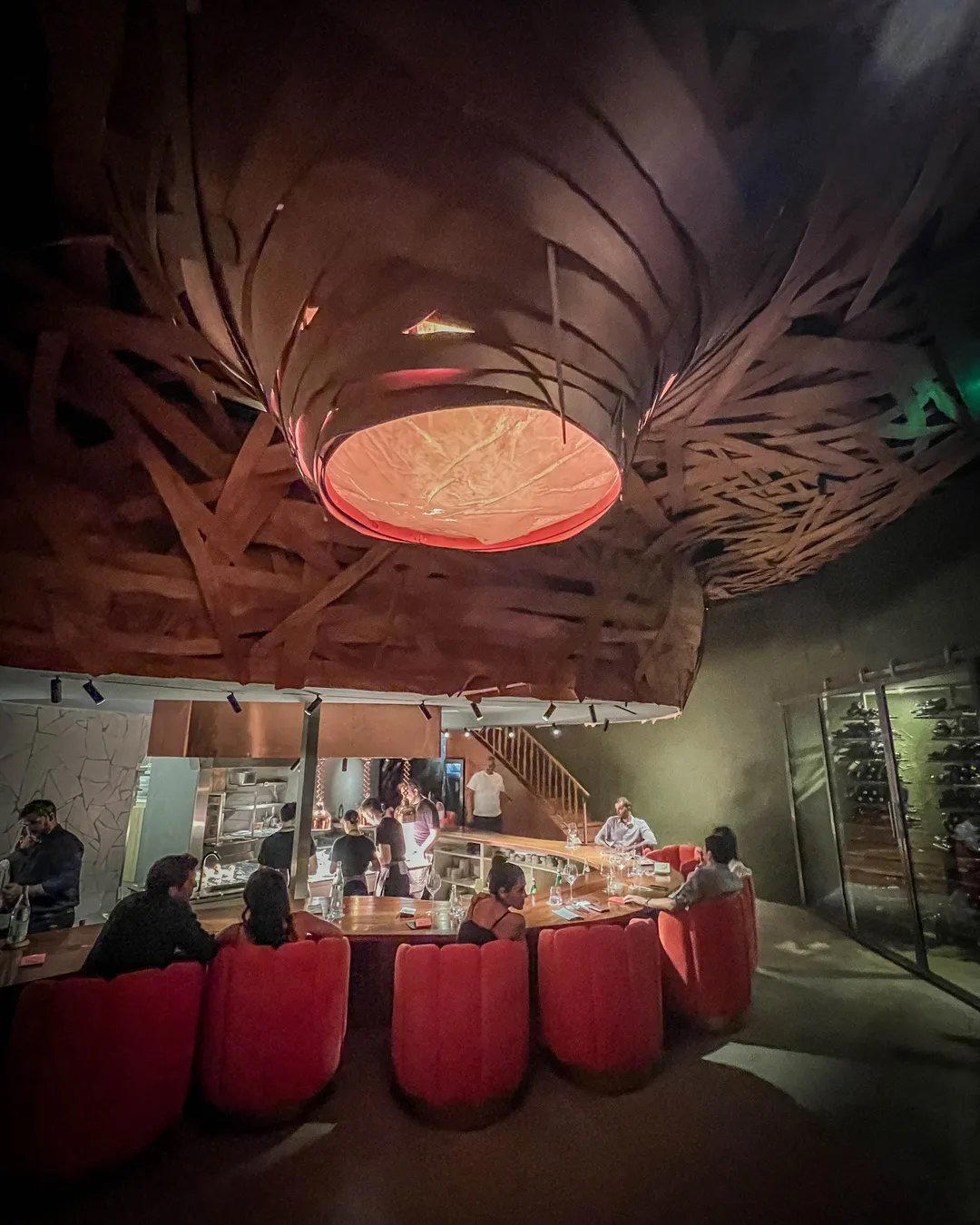

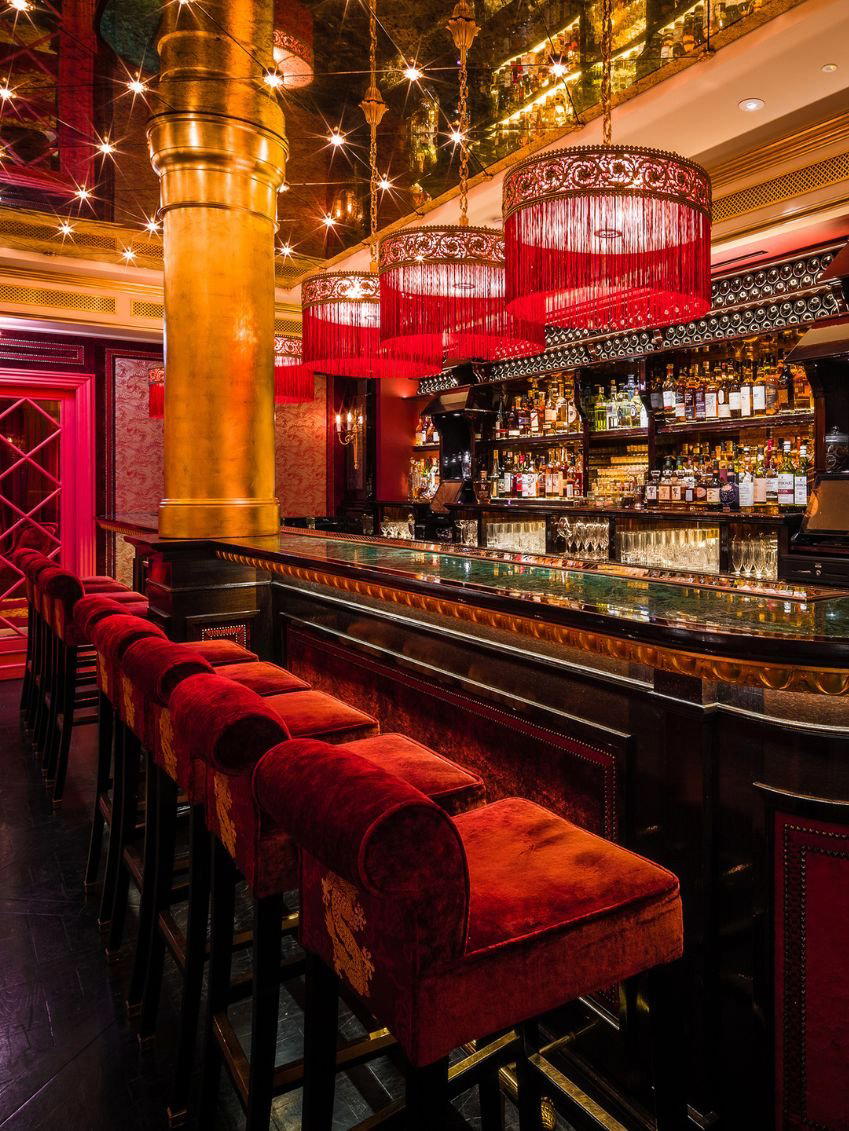
Bars in Buenos Aires
Browse all →
Hotels in Buenos Aires
Browse all →

Wineries in Buenos Aires
Browse all →
Details
- Lively
- Rustic
- Well Known
- Group Dining
- Casual Hangout
- Family
- Historic Building
- A La Carte
- Vegetarian Friendly
- Gluten Free Options
Current opening hours
- Monday
- Closed
- Tuesday
- 12–4 PM, 8 PM–12:30 AM
- Wednesday
- 12–4 PM, 8 PM–12:30 AM
- Thursday
- 12–4 PM, 8 PM–12:30 AM
- Friday
- 12–4 PM, 8 PM–12:30 AM
- Saturday
- 12–4 PM, 8 PM–12:30 AM
- Sunday
- 12–4 PM, 8 PM–12:30 AM
Hours can change for holidays and private events. Last verified .
Old-school Buenos Aires with a lively, neighborhood feel, featuring quick service amid soccer on TV and swarms of waiters delivering generous plates.