La Mezzetta
La Mezzetta occupies a corner address in Buenos Aires' Villa Ortúzar neighbourhood, where the city's more considered approach to traditional cooking plays out away from the tourist-facing circuits. The kitchen draws on the sourcing traditions that define Argentine provincial larders, placing it in a different register from the high-concept creative restaurants that dominate international coverage of the city's dining scene.
Pearl is the En Primeur Club membership app — saves, bookings, and concierge access live there. Same editors, same standards.
- Address
- Av. Álvarez Thomas 1321, C1427 Cdad. Autónoma de Buenos Aires, Argentina
- Phone
- +54 11 4554 7585
- Website
- instagram.com
- Directions
- Get directions
 Saves & bookings on Pearl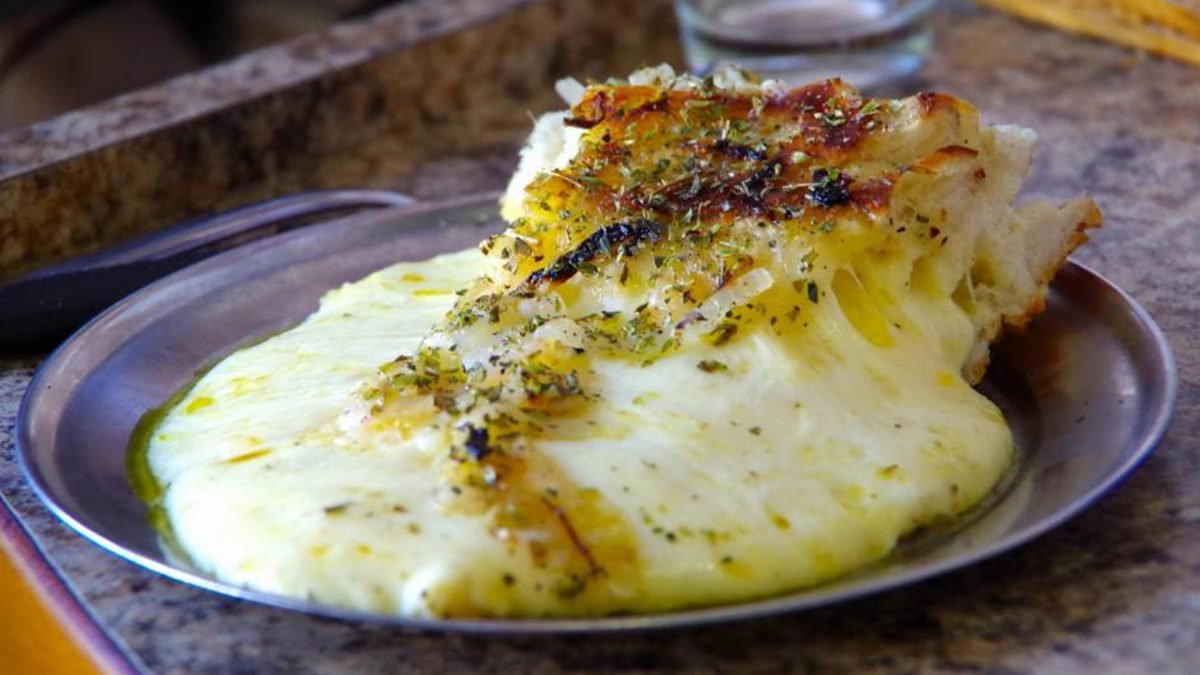
Villa Ortúzar and the Buenos Aires Restaurants That Resist the Spotlight
Buenos Aires has two dining circuits that rarely overlap. The first is the internationally documented one: the tasting-menu rooms in Palermo and Recoleta, the parrillas that appear on every ranked list, the wine bars with natural-import programs and Instagrammable fitouts. The second circuit is older, quieter, and geographically dispersed across the city's residential barrios, where locals eat without consulting international platforms. La Mezzetta sits at Av. Álvarez Thomas 1321, in Villa Ortúzar, on the second circuit. That address alone tells you something about the kind of cooking on offer and the audience it serves.
Villa Ortúzar occupies an unremarkable grid between Chacarita and Agronomía, the kind of Buenos Aires neighbourhood that rarely generates editorial coverage but sustains a dense, habitual dining culture. Corner restaurants here are not destinations in the way that Don Julio or Aramburu are destinations. They are institutions, in the more local sense: places that regulars return to on the same day each week, where the menu changes with supply rather than season, and where the cooking is judged by consistency over years rather than innovation over a single visit.
The Sourcing Logic Behind Argentine Neighbourhood Cooking
Argentina's strongest culinary argument has always been its raw material. The country's cattle provinces, its Patagonian lamb country, its northwestern spice and legume traditions, and its Italian immigrant baking heritage all feed into a larder that high-concept restaurants now mine explicitly. But in neighbourhood settings, that sourcing logic operates differently: it is embedded rather than announced. What arrives in the kitchen reflects what the city's wholesale and local markets hold that week, and the cooking follows accordingly.
This is the tradition that shapes a place like La Mezzetta. The Italian-inflected cooking that characterises so much of Buenos Aires' neighbourhood restaurant culture traces directly to the waves of Genovese, Neapolitan, and Calabrian immigration that reshaped the city's food identity from the late nineteenth century onward. The result was not Italian food transplanted, but Argentine food built from Italian hands: pasta that borrows local wheat and fillings, pizza with different dough ratios and topping logic, sauces that drift between continents. Comparing this register to the formal European-trained kitchens of Trescha or Crizia misses the point entirely. These are different projects, answering different questions about what eating in Buenos Aires should feel like.
La Mezzetta belongs to that neighbourhood Italian-Argentine tradition. The kitchen's reputation, sustained over decades in a low-profile residential address, rests on consistency and on the kind of ingredient-led cooking that does not require theatrical presentation to justify itself. The pizza programme, which draws serious local attention, reflects a Buenos Aires style with its own internal logic: thicker and more bread-forward than Neapolitan, different again from the Roman tradition, and shaped by the specific yeast and flour culture that developed locally across generations of bakers.
Where La Mezzetta Sits in Buenos Aires' Broader Dining Map
Understanding the restaurant requires understanding the tier of Buenos Aires dining it occupies and why that tier matters. The city's most internationally visible restaurants, places like Anafe, draw writers and award committees looking for a specific narrative about Argentine cuisine's modernisation. That narrative is real and the restaurants that carry it are doing interesting work. But it crowds out coverage of the older, more embedded layer of the city's food culture, which is more representative of how porteños actually eat.
The comparison set for the restaurant is not the creative tasting-menu scene. It sits closer to El Preferido de Palermo in its register, though geographically further from the tourist-facing barrios. Both represent the traditional Argentine-Italian neighbourhood restaurant format at a price point that reflects local demand rather than export pricing. Within that comparison, the restaurant's Villa Ortúzar location places it even further from the international visitor circuit, which explains both its lower profile outside the city and its sustained local following within it.
For visitors with appetite to move beyond the consensus dining map, the barrios north of Palermo offer a different reading of Buenos Aires food culture. Argentine wine from Mendoza producers, including the kitchen-table terroir of Azafrán and the estate settings of Cavas Wine Lodge, pairs naturally with this register of cooking, though the neighbourhood setting here suggests a local wine list rather than a curated cellar programme.
Argentina Beyond Buenos Aires: The Sourcing Map
The ingredient logic that underpins places like La Mezzetta extends outward from the city into a provincial larder that rewards direct exploration. Argentina's wine country around Mendoza, accessible through properties like Agrelo in Luján de Cuyo and Entre Cielos, produces the Malbec and Torrontés that appear on neighbourhood restaurant lists across Buenos Aires. The pampas cattle that define Argentine beef culture connect directly to the parrilla tradition, whether in its high-end form at Don Julio or in the weekday neighbourhood context of a local corner restaurant. Further afield, the northwestern provinces around Salta, accessible via La Table de House of Jasmines, supply the paprika, humita, and quinoa strains that mark the country's culinary northern border.
Patagonian sourcing reaches Buenos Aires through restaurants and wholesalers drawing on lamb and trout from the lake district around Villa La Angostura, where Las Balsas Restaurant puts that geography on the plate in situ. The gaucho ranching traditions of the pampas, living museum versions of which appear at La Bamba de Areco in San Antonio de Areco, feed into the beef sourcing logic that runs through every level of Buenos Aires dining, from the white-tablecloth parrilla to the neighbourhood corner restaurant.
For those mapping Buenos Aires against international reference points, the neighbourhood-embedded, ingredient-driven format has analogues elsewhere: the format that drives Lazy Bear in San Francisco reflects a different kind of sourcing commitment, while Le Bernardin in New York City represents the formal technical counterpoint. The Argentine neighbourhood restaurant is neither, but shares with both a seriousness about where the food comes from and what that provenance means on the plate.
Planning a Visit to La Mezzetta
The restaurant is located at Av. Álvarez Thomas 1321 in Villa Ortúzar, a residential neighbourhood most easily reached from the city centre by taxi or ride-share. The address puts it roughly equidistant from the Chacarita and Villa del Parque areas, accessible but clearly off the main tourist grid. Walk-in service fits the neighbourhood format. Visiting on a weekday evening typically offers more flexibility than weekend service, when local demand is highest.
Comparable Spots
Comparable venues nearby, for context on price, style, and recognition.
| Venue | Cuisine | Price | Notes |
|---|---|---|---|
| La MezzettaThis venue — the venue you are viewing | Classic Argentine Pizza al Molde | $$ | Not listed |
| Cosi Mi Piace | Roman-Style Pizza & Italian | $$ | Palermo |
| Caprichito | Comfort Italian Restaurant & Pizzeria | $$$ | Palermo |
| El Cuartito | Traditional Argentine Pizza | $$ | Centro |
| Facon | Argentine | $$ | Torre de Los Ingleses |
| Cantina Patio La Boca | Argentine Asado & Craft Beer | $$ | La Boca |
Continue exploring
More in Buenos Aires
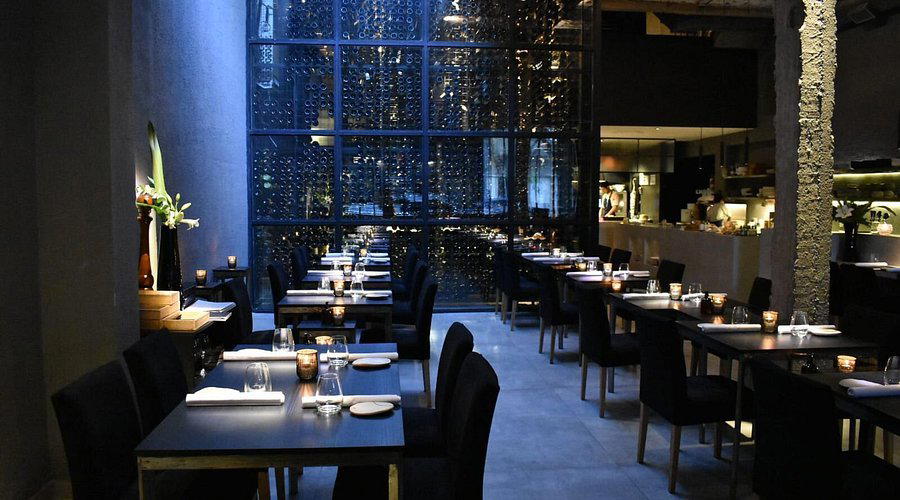
Restaurants in Buenos Aires
Browse all →
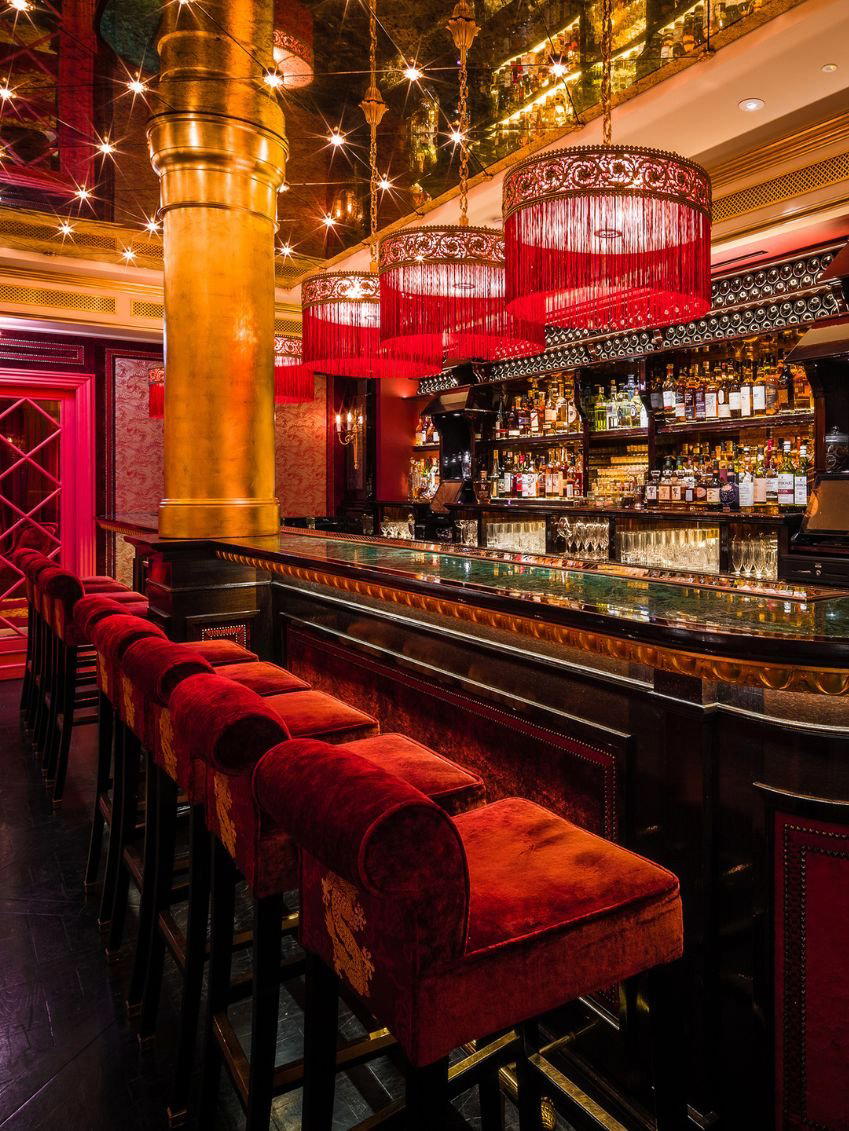
Bars in Buenos Aires
Browse all →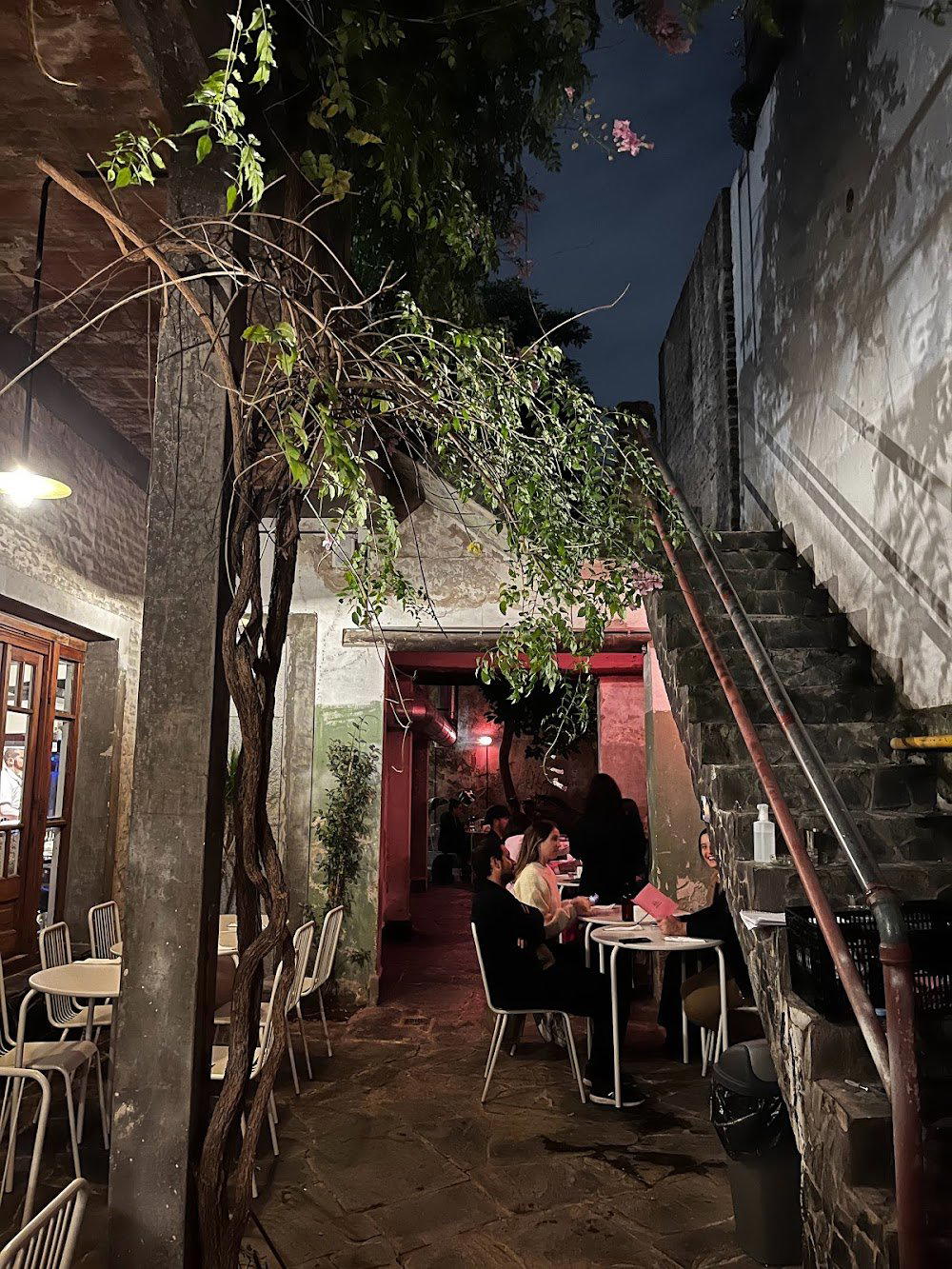
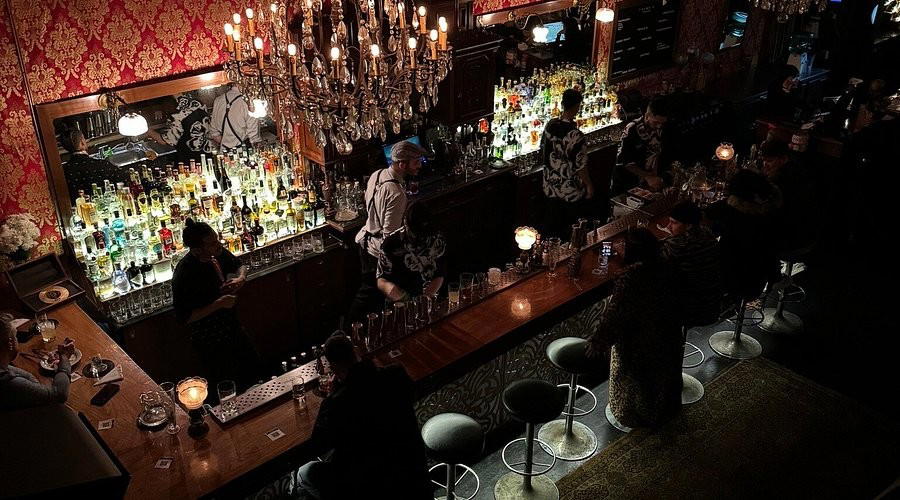
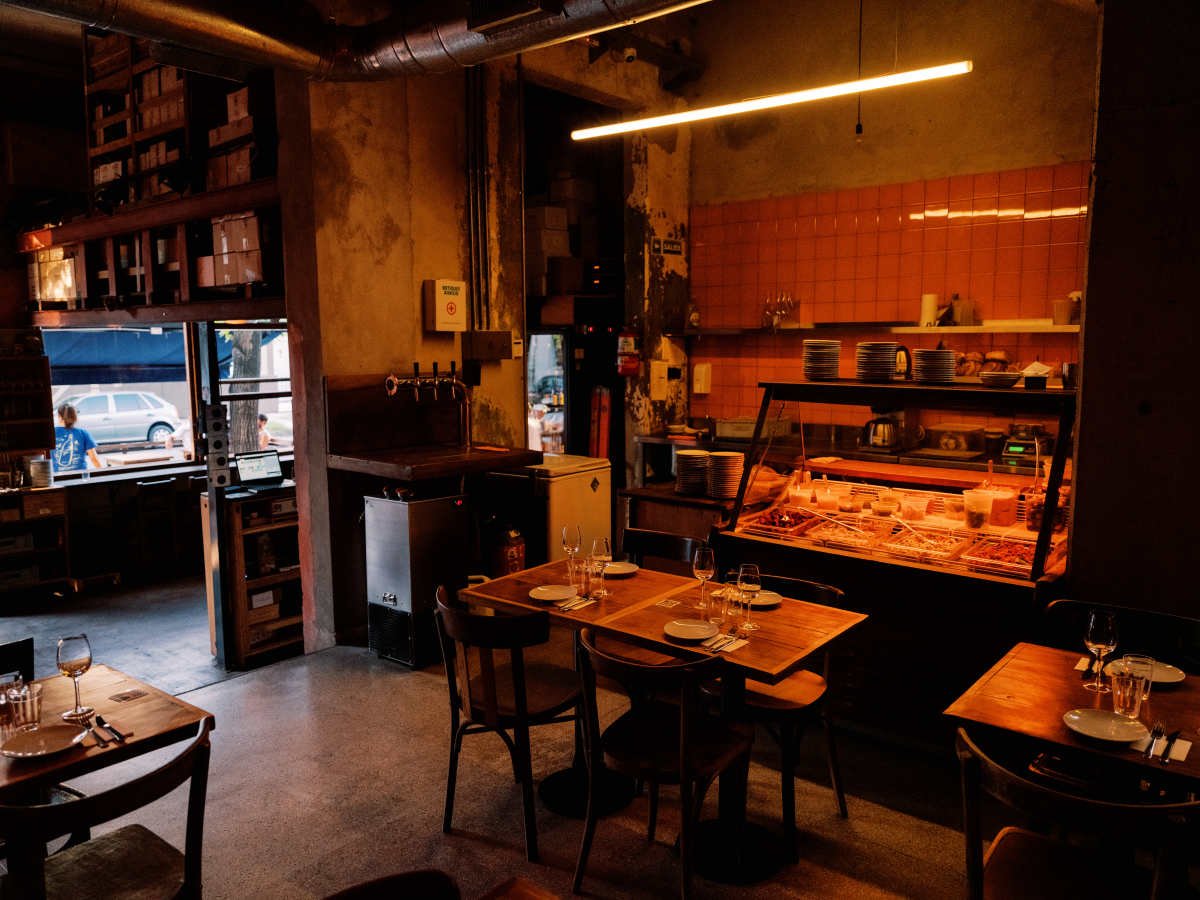
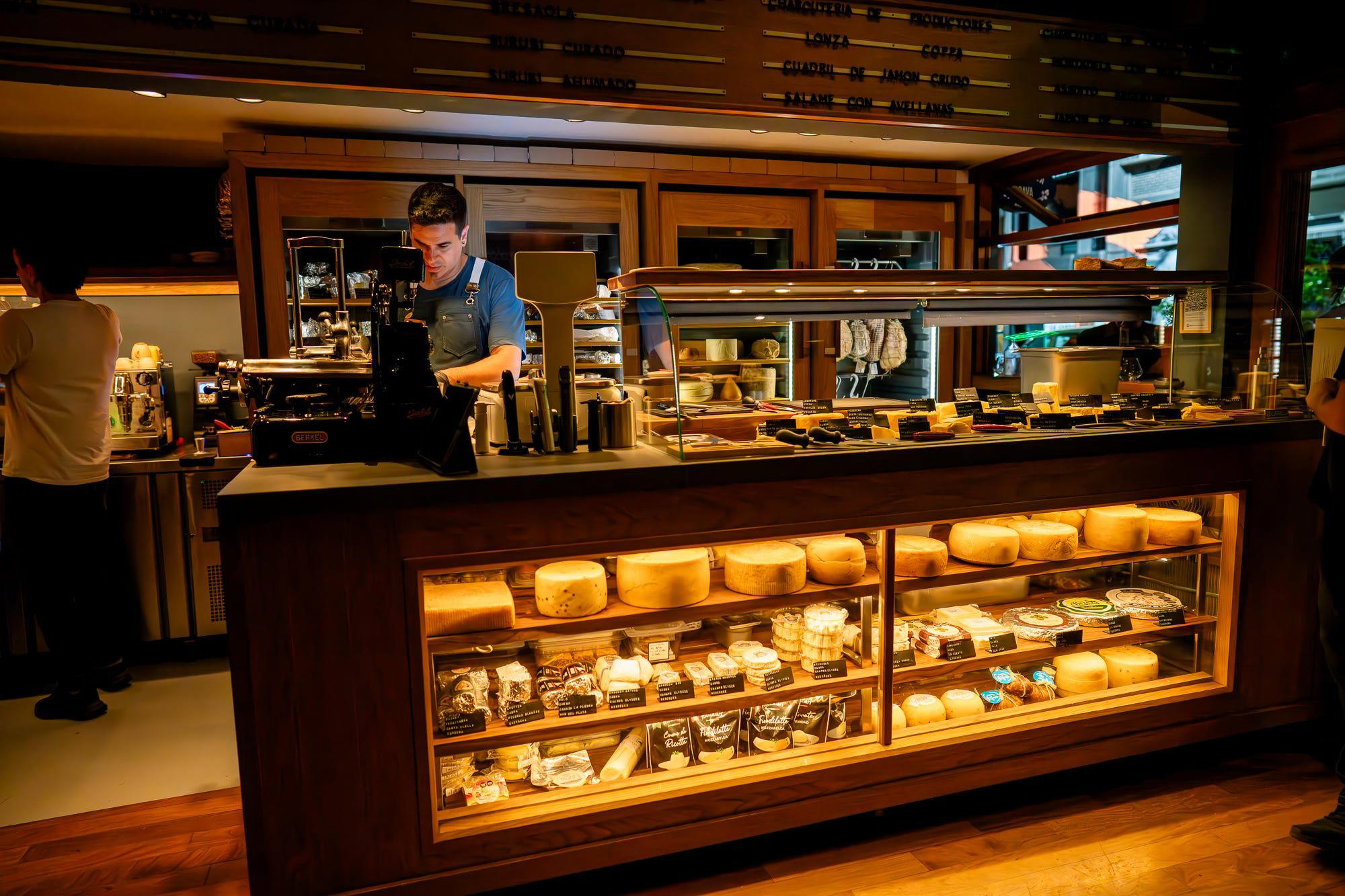
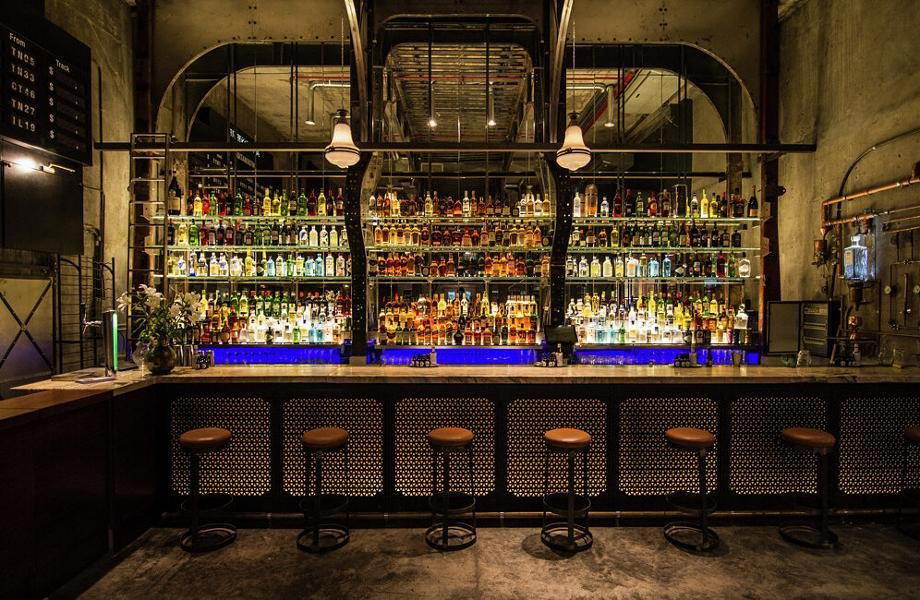
Hotels in Buenos Aires
Browse all →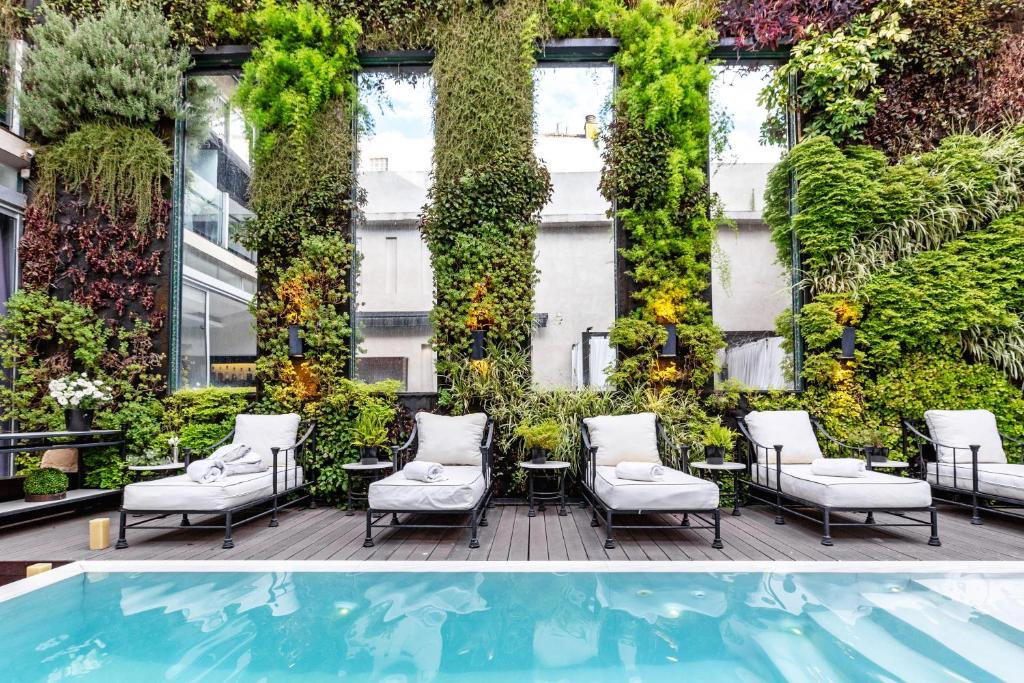
Wineries in Buenos Aires
Browse all →
At a Glance
- Classic
- Well Known
- Casual Hangout
- Late Night
- Standalone
Current opening hours
- Monday
- 9 AM–12 AM
- Tuesday
- 9 AM–12 AM
- Wednesday
- 9 AM–12 AM
- Thursday
- 9 AM–12 AM
- Friday
- 9 AM–1 AM
- Saturday
- 9 AM–1 AM
- Sunday
- Closed
Hours can change for holidays and private events. Last verified .
Bustling no-frills counter-service spot with a lively neighborhood atmosphere focused on quick pizza consumption.