
In Minami-Aoyama, crisscross belongs to Tokyo’s useful daytime café tier: polished enough for a planned stop, relaxed enough for breakfast, pancakes, bread, vegetables, wine, families, pets, and takeout. Tabelog selected it for Cafe EAST “Tabelog 100” 2025, which places it above the city’s ordinary coffee-and-carb circuit without pushing it into special-occasion dining.
Pearl is the En Primeur Club membership app — saves, bookings, and concierge access live there. Same editors, same standards.
- Address
- 東京都港区南青山5-7-28
- Phone
- +81364341266
- Website
- tysons.jp
 Saves & bookings on Pearl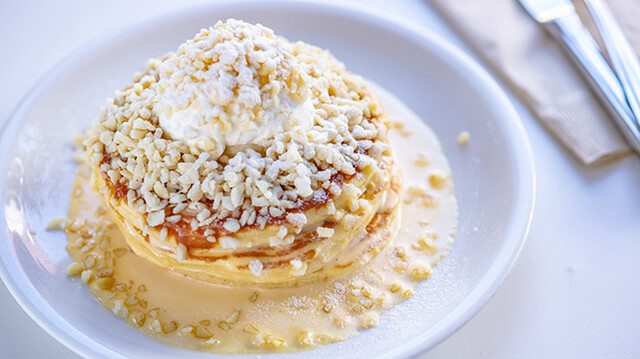
Minami-Aoyama café culture has a different rhythm from Tokyo’s station-mall coffee chains. Around Omotesando, the better daytime rooms work as soft infrastructure for the neighbourhood: breakfast before retail appointments, terrace tables after gallery visits, casual wine rather than a formal lunch, and enough space that a pram or dog does not feel like a breach of etiquette. crisscross sits squarely in that Aoyama category, with the open-terrace, house-restaurant feel that makes the area’s cafés operate less like pit stops and more like low-pressure dining rooms.
The value proposition is not built on bargain pricing alone. Tokyo has cheaper bread counters, stricter coffee bars, and more elaborate lunch rooms, but the appeal here is breadth: café, pancake, and bread under one roof, breakfast service, vegetable-conscious ordering, takeout, wine, multilingual English menu support, family-friendly use, and pet-friendly terrace logic. That combination matters in Omotesando, where a guest often needs flexibility more than ceremony. The Tabelog Cafe EAST “Tabelog 100” 2025 selection, alongside earlier Cafe “Tabelog 100” selections in 2021 and 2022, gives the room a credible signal in a category where casual addresses can be difficult to sort from décor-led cafés.
Aoyama's daytime café economy rewards range over ceremony
Tokyo’s premium restaurant conversation often tilts toward counters, omakase formats, and tasting menus, but the city’s café culture has its own hierarchy. In Aoyama, the useful addresses are the ones that can cover breakfast, late-morning sweets, a light meal, and a glass of wine without forcing the guest into a rigid occasion. crisscross works in that lane rather than chasing the precision of a specialist coffee shop or the choreography of a formal restaurant.
That distinction explains why the menu categories matter. Pancakes and bread pull the venue toward Tokyo’s brunch audience, while the vegetable-conscious and vegetarian-friendly notes broaden its use beyond the sugar-and-coffee circuit. The wine listing changes the tempo again: this is not simply a morning address, but a café that can stretch into early evening without pretending to be a dining-room destination. For travellers building a day around Omotesando and Aoyama, that elasticity carries real value.
Neighbouring comparisons sharpen the point. Nicolai Bergmann NOMU Aoyama operates in a similarly polished Aoyama daytime bracket, while breadworks Omotesando sits closer to the bread-led casual end. SITAARA Aoyama ten pushes the neighbourhood into a more restaurant-shaped lunch-and-dinner decision, and Ristorante Hiro Aoyama sits in a much higher special-occasion price tier. crisscross occupies the middle ground: more complete than a grab-and-go bakery, less financially committed than a formal Aoyama meal.
The room is part of the calculation, not decoration
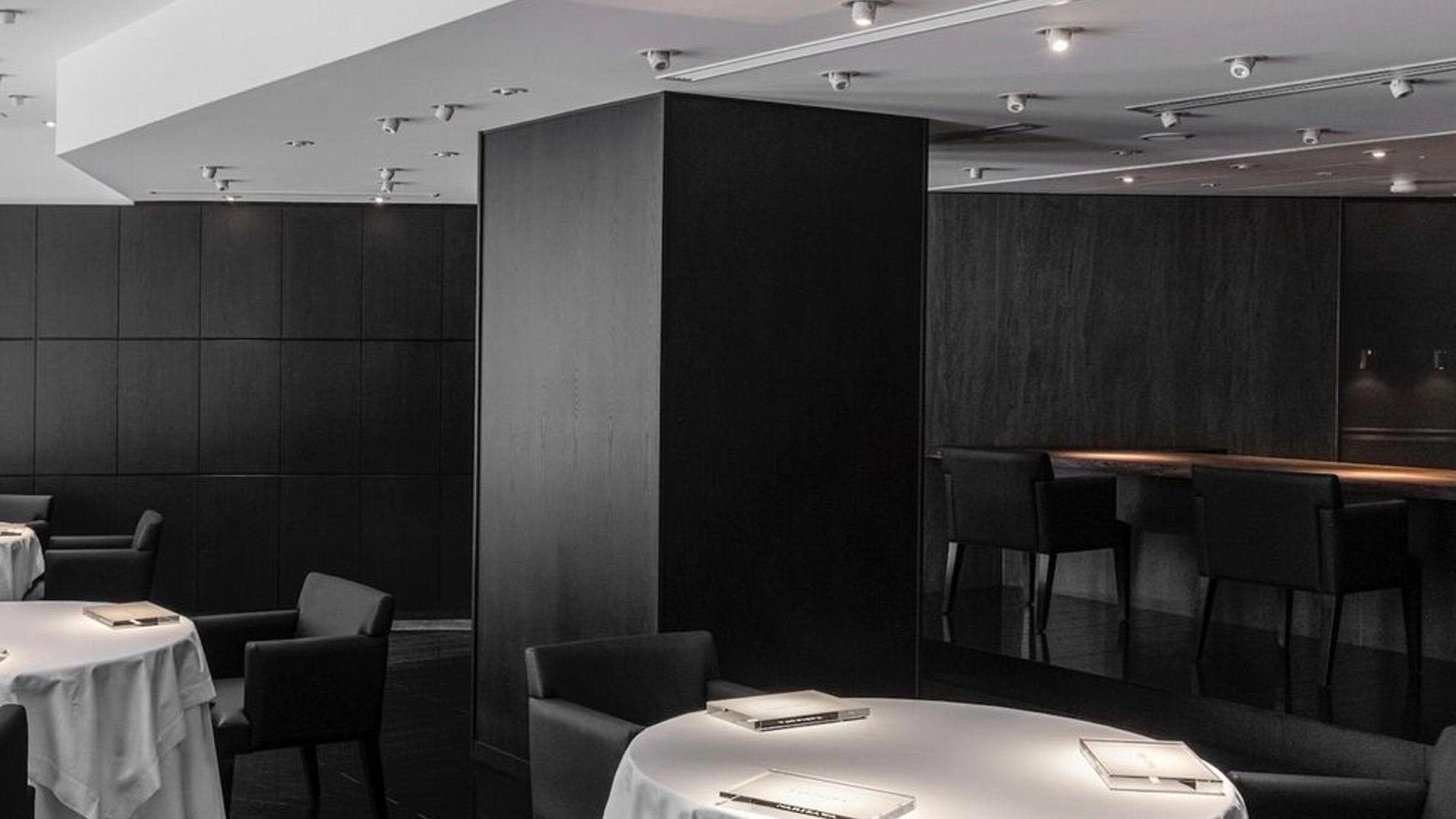
In Tokyo, seat comfort can be as valuable as menu ambition. The stated layout of 80 seats, split between indoor seating and a larger terrace allocation, changes how the café functions. A narrow counter can be thrilling for sushi; it is a liability when the brief is breakfast with children, a laptop stop, or a pause between appointments. Here, the spatial proposition is unusually clear for central Tokyo: open terrace, wheelchair access, free Wi-Fi, non-smoking environment, and a format that permits both family and friends without turning the room into a destination performance.
The terrace is not a minor footnote in Aoyama. Outdoor seating in Tokyo tends to be either scarce, cramped, or seasonal in practice; when a café builds a meaningful part of its identity around terrace use, it shifts the guest decision. Pet-friendly service makes the address more local than tourist-coded, while takeout keeps it useful for people moving between Omotesando, Minami-Aoyama, and the boutiques and offices around the station. For an EP Club reader, the read is simple: this is a strategic daytime table rather than a trophy reservation.
The absence of private rooms and private-use availability also clarifies the format. This is not the setting for a sealed business meal or a formal group dinner. It is better understood as a flexible Aoyama café with enough polish to justify a planned stop and enough casual function to absorb different kinds of guests. That is precisely where many Tokyo visitors misjudge value: they overspend on formality when the day actually calls for a good table, reliable categories, and room to linger.
How to place it in a Tokyo itinerary
Strongest use case is daytime Aoyama: breakfast, a mid-morning pause, a casual lunch, or an early-evening glass of wine before moving elsewhere. The café’s Tabelog score of 3.71 and 2025 Cafe EAST “Tabelog 100” selection put it above anonymous convenience, but the format remains accessible enough for repeat use during a Tokyo stay. It pairs naturally with Omotesando retail, Minami-Aoyama design stops, and museum or gallery time rather than with a night built around a single table.
For broader planning, crisscross belongs in a different file from Tokyo’s harder-edged dining addresses. A traveller comparing the city’s range might move from casual café intelligence here to restaurant-led meals such as . 鮪と炭火焼き うお炭 秋葉原店, 12/10 Shinjuku ten, 124. KAGURAZAKA (Yakitori), 2D Cafe, or 3 Chome no Curry Ya San. For the wider city edit, use Our full Tokyo restaurants guide, Our full Tokyo hotels guide, Our full Tokyo bars guide, Our full Tokyo wineries guide, and Our full Tokyo experiences guide.
Travellers extending the same casual-dining logic beyond Tokyo can compare the café’s utility with -Grilled beef Sukiyaki- KAMAKURA TANUKIAN 鎌倉 たぬき庵 in Kamakura.cafe in Osaka.know in Kumamoto, (Shoku) Vietnam in Kawasaki, [Curry Senmon Ten] Maruyama Kyoju. in Sapporo, [ki:] in Kyoto, Jōdo Saké Bar in Los Angeles, and Onigiri Time in Pasadena. The through-line is not luxury in the old sense; it is practical pleasure with enough editorial signal to justify choosing carefully.
Comparable Options
Comparable venues by cuisine and category.
| Venue | Cuisine | Price | Notes |
|---|---|---|---|
| crisscrossThis venue — the venue you are viewing | American-leaning All-Day Cafe | $$ | Not listed |
| The French Toast Factory Yodobashi Akiba ten | French Toast Cafe | $$ | Chiyoda |
| shake tree burger&bar | Gourmet American Burger Bar | $$ | Sumida |
| Baker Bounce | American Burger Diner | $$ | Setagaya |
| ババ・ガンプ・シュリンプ 東京店 | American Seafood - Shrimp Specialists | $$ | Bunkyō |
| Bakery & Burger JB’s Tokyo | Craft Burgers & Artisan Bakery | $ | Yoyogi, Shibuya |
Recognition history
Dated appearances from independent guides and award organizations, with the underlying list record or original source where available.
Tabelog 100 #77 · No. 77
Tabelog · Tabelog 100 - Cafe - EAST - 2025











At a Glance
- Scenic
- Cozy
- Modern
- Lively
- Brunch
- Casual Hangout
- After Work
- Family
- Solo
- Group Dining
- Terrace
- Garden
- Standalone
- Beer Program
- Garden
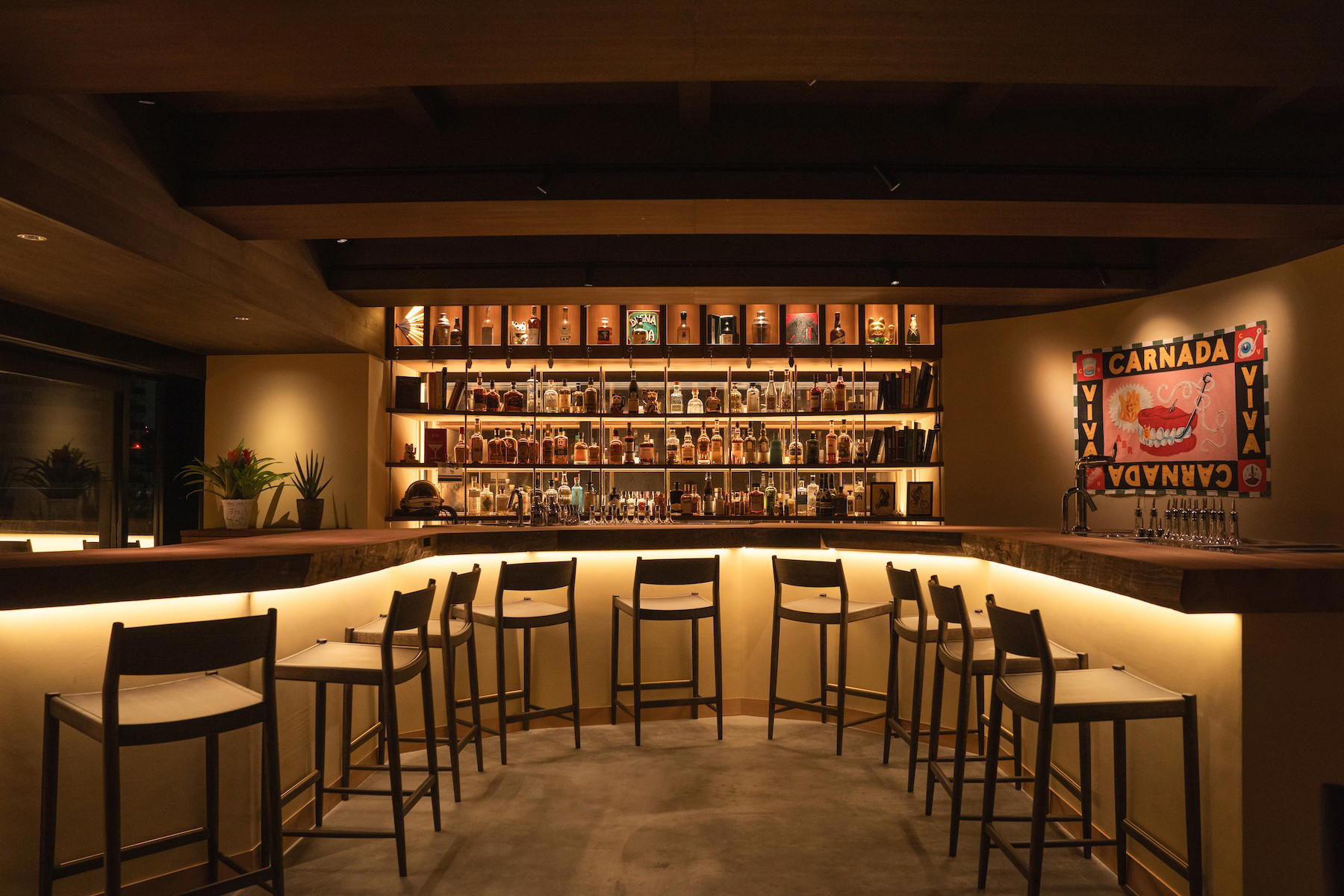
Open, green, and relaxed, with a terrace-oriented, park-like feel that shifts naturally from breakfast and lunch to an easygoing evening hangout.