
COKIMA occupies a quiet address on Calle de Andrés Mellado in Madrid's Chamberí district, positioning itself within the city's growing conversation around responsible sourcing and restrained modern cooking. While the Michelin-heavy tier of Madrid dining gravitates toward spectacle, COKIMA operates at a different register — one that rewards readers who track where the city's next wave of kitchen thinking is emerging.
Pearl is the En Primeur Club membership app — saves, bookings, and concierge access live there. Same editors, same standards.
- Address
- C. de Andrés Mellado, 21, Chamberí, 28015 Madrid, Spain
- Phone
- +34915989401
- Website
- grupotombo.com
- Directions
- Get directions
 Saves & bookings on Pearl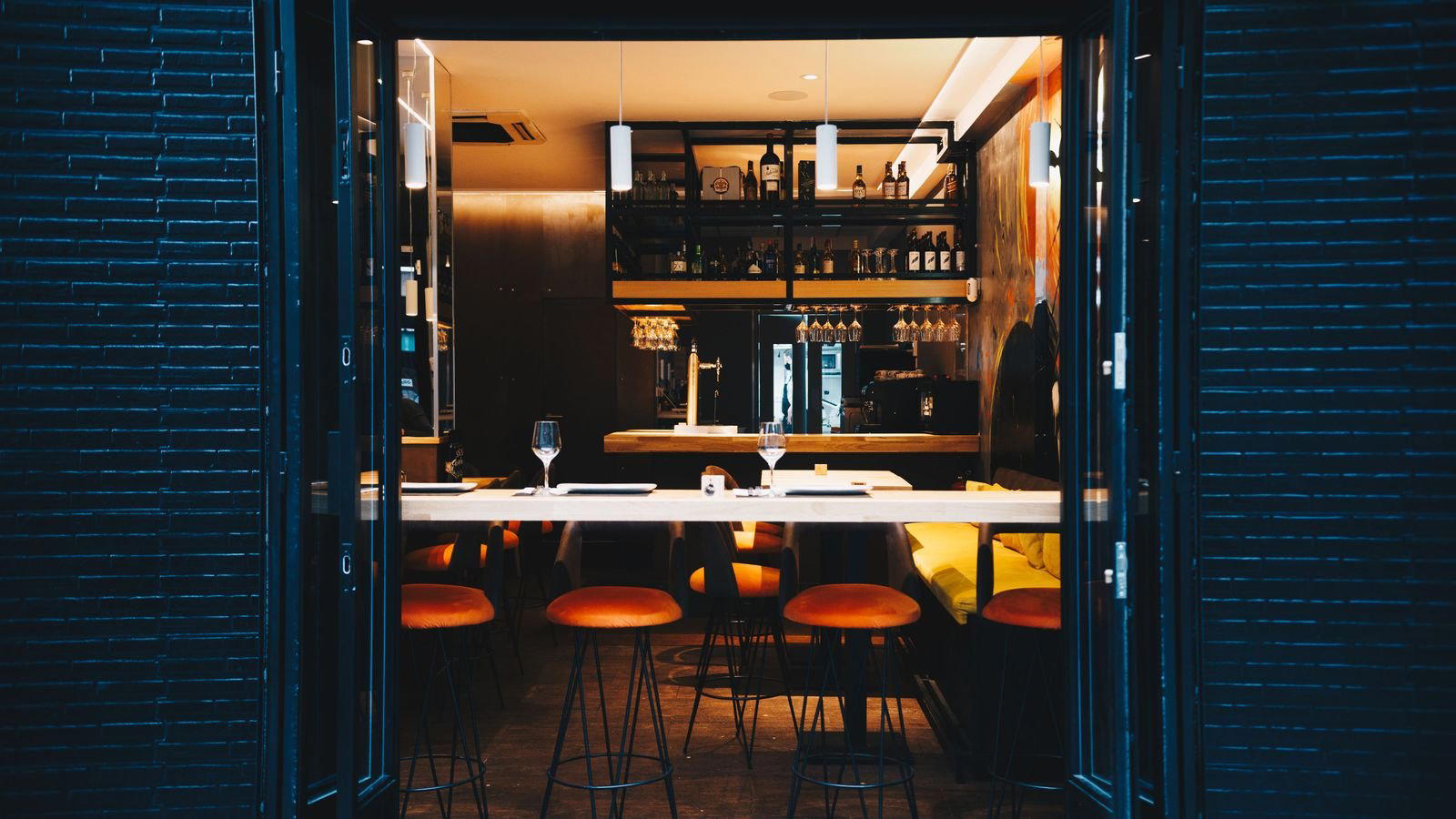
Chamberí's Quieter Dining Current
Madrid's fine dining conversation tends to concentrate around a handful of high-visibility addresses: the theatrics of DiverXO, the grand format of Coque, the hotel-anchored precision of Deessa. But Chamberí has long maintained a parallel track: residential, unhurried, and populated by restaurants that answer to neighbourhood regulars as much as to visiting critics. Calle de Andrés Mellado, where COKIMA sits at number 21, belongs to that character. The street runs through a part of Chamberí that skews local rather than touristic — the kind of block where the bakery and the wine merchant have been there longer than any restaurant worth writing about.
That physical context matters, because it shapes the register a restaurant must adopt to survive there. Chamberí's dining room expects competence and consistency above spectacle. It is a demanding audience in its own way, and addresses that endure in this district tend to do so by earning return visits rather than first-time curiosity.
The Sustainability Frame in Madrid's Current Kitchen Moment
Spain's most decorated kitchens have spent two decades building a global reputation on technique and creativity. Azurmendi in Larrabetzu became a reference point not only for its three Michelin stars but for an environmental program that integrated its own kitchen garden, rainwater harvesting, and geothermal energy into the restaurant's operating model — making sustainability structural rather than decorative. Aponiente in El Puerto de Santa María pushed further still, building an entire menu logic around underutilised marine species and zero-waste seafood processing.
Those are headline cases, but they represent a wider shift across Spanish restaurant culture. Younger kitchens, including those working at a less monumental scale, are increasingly framing their sourcing decisions as editorial choices rather than background logistics. The question of where a protein comes from, how a vegetable was grown, and what happens to the parts of an ingredient that don't reach the plate has moved from footnote to foreground in how progressive Spanish restaurants present themselves. Ricard Camarena in València and Mugaritz in Errenteria both operate with supply chains that prioritise traceability and seasonality as primary creative constraints, not afterthoughts.
COKIMA occupies a position within this current in Madrid. Without the institutional scale of a Azurmendi or the marine-specialist framing of Aponiente, it works at the neighbourhood level, where the practical expression of ethical sourcing looks different: shorter, more legible menus; tighter ingredient rosters; cooking that foregrounds what a product actually tastes like rather than what technique can be applied to it.
What the Address Signals About Format
In Madrid's higher-end tier, the dominant format remains the long tasting menu, multiple courses, elaborate service choreography, and a wine program priced to match. That tier includes Paco Roncero and DSTAgE, both of which operate with the kind of production values that require significant pre-investment from the diner in time, money, and appetite for ceremony. The Chamberí address and the residential street context of COKIMA suggest a different format logic, one oriented toward accessibility and repetition rather than occasion-dining.
That is not a lesser ambition. Some of the most technically disciplined cooking in European cities happens in rooms that seat thirty people and change their menu weekly. The format discipline required to produce coherent, sourcing-led food without a large brigade or a tasting-menu price point is its own kind of rigor. Comparable approaches elsewhere in Spain, El Celler de Can Roca in Girona in its earliest years, or Cocina Hermanos Torres in Barcelona before its current scale, began at a register closer to what a neighbourhood address demands before awards recognition changed the format entirely.
The relevant comparison for COKIMA is not the Michelin three-star tier but rather the city's mid-to-upper register of modern Spanish kitchens operating with conscious sourcing as a structural commitment.
Internationally, the template for this kind of restaurant is well established. Lazy Bear in San Francisco built significant recognition around a format that foregrounded producer relationships and seasonal constraint at a scale far below that of the city's most decorated kitchens. Le Bernardin in New York City has maintained decades of relevance partly through supply-chain discipline around fish sourcing that keeps the menu tethered to what is actually available and responsible to take. The underlying logic in both cases is that the sourcing framework is not the marketing story, it is the cooking constraint that shapes every decision on the plate.
COKIMA's Chamberí position places it in a neighbourhood where that kind of quiet consistency is the expectation, not the exception. The restaurants that hold their ground on Andrés Mellado over years tend to do so because they have solved the harder problem: cooking well and responsibly for people who return, not for people who arrive once with high expectations calibrated to a press profile.
Planning a Visit: COKIMA vs. Madrid's Higher-Visibility Tier
| Venue | District | Format Signal | Price Tier | Lead Time |
|---|---|---|---|---|
| COKIMA | Chamberí | Neighbourhood modern | Not confirmed | Check direct |
| DiverXO | Las Tablas | Progressive tasting | €€€€ | Months in advance |
| Coque | Almagro | Grand tasting | €€€€ | Weeks in advance |
| DSTAgE | Chueca | Modern Spanish tasting | €€€€ | Weeks in advance |
For broader Madrid restaurant context, see our full Madrid restaurants guide. For Spanish fine dining outside the capital, Quique Dacosta in Dénia, Arzak in San Sebastián, and Martin Berasategui in Lasarte-Oria represent the established pillars. Atrio in Cáceres is the outlier worth tracking if the combination of wine depth and sustainable sourcing in a non-metropolitan setting is the brief.
How COKIMA Madrid compares with similar nearby venues.
| Venue | Cuisine |
|---|---|
| Nakeima | Dumpling Bar |
| Tripea | Fusion |
Recognition history
Dated appearances from independent guides and award organizations, with the underlying list record or original source where available.
Macarfi 6.5 Food Rating
Macarfi
Continue exploring
More in Madrid
Restaurants in Madrid
Browse all →
Bars in Madrid
Browse all →
Hotels in Madrid
Browse all →

At a Glance
- Trendy
- Lively
- Modern
- Group Dining
- Casual Hangout
- Date Night
- Terrace
- Open Kitchen
- Craft Cocktails
- Local Sourcing
Current opening hours
- Monday
- 1:30–4 PM, 8–10:30 PM
- Tuesday
- Closed
- Wednesday
- 1:30–4 PM, 8–10:30 PM
- Thursday
- 1:30–4 PM, 8–10:30 PM
- Friday
- 1:30–4 PM, 8–11:30 PM
- Saturday
- 1:30–4 PM, 8–11:30 PM
- Sunday
- 1:30–4 PM, 8–10:30 PM
Hours can change for holidays and private events. Last verified .
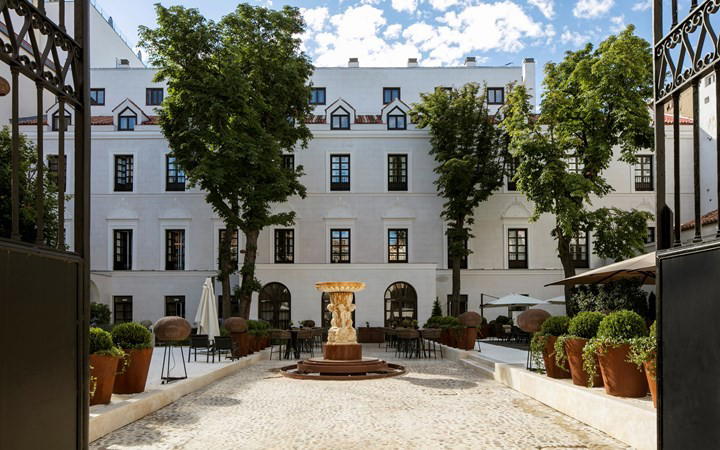
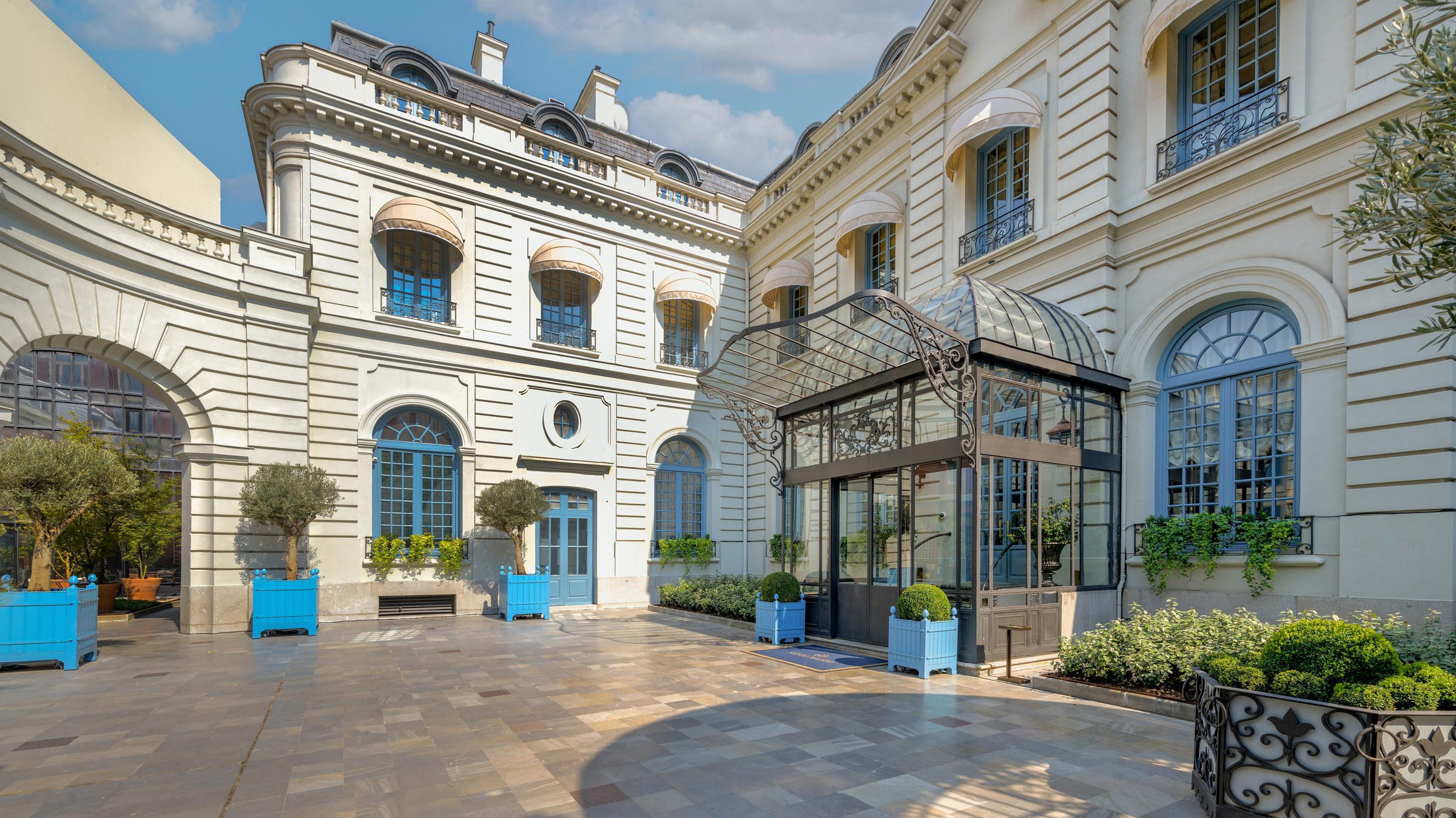
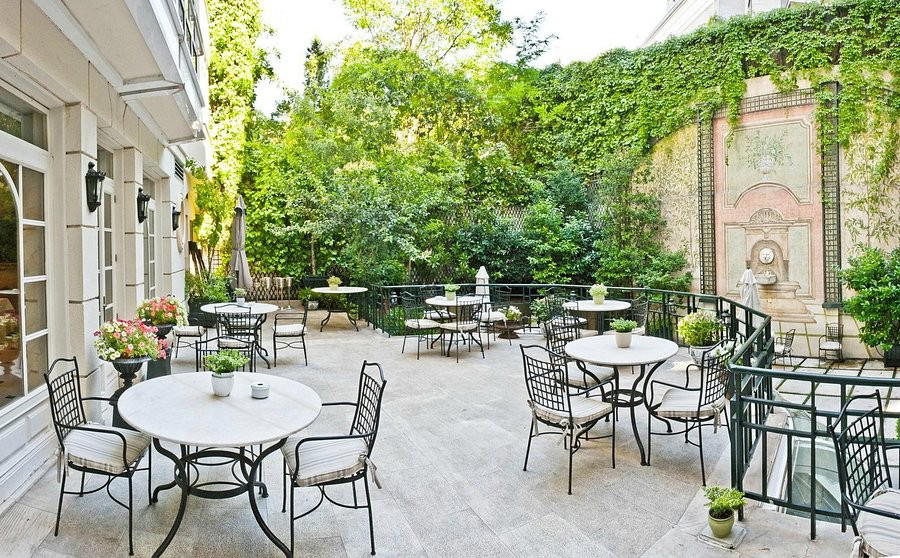
Charming small space with high tables, lovely terrace, and a fun, madness-inspired atmosphere blending wood-smoke and citrus aromas.
Know Before You Go
- Getting there
- C. de Andrés Mellado, 21, Chamberí, 28015 Madrid, Spain