
On Calle del General Díaz Porlier in the Salamanca district, Restaurante Más de Santa occupies a quieter residential stretch of one of Madrid's most composed neighbourhoods. The address places it outside the capital's high-volume dining corridor, which shapes both the clientele and the register of the room. For those working through Madrid's serious restaurant tier, it represents a neighbourhood-anchored alternative to the city's more loudly recognised tables.
Pearl is the En Primeur Club membership app — saves, bookings, and concierge access live there. Same editors, same standards.
- Address
- Calle del General Díaz Porlier, 95, Salamanca, 28006 Madrid, Spain
- Phone
- +34917241787
- Website
- restaurantemasdesanta.com
- Directions
- Get directions
 Saves & bookings on Pearl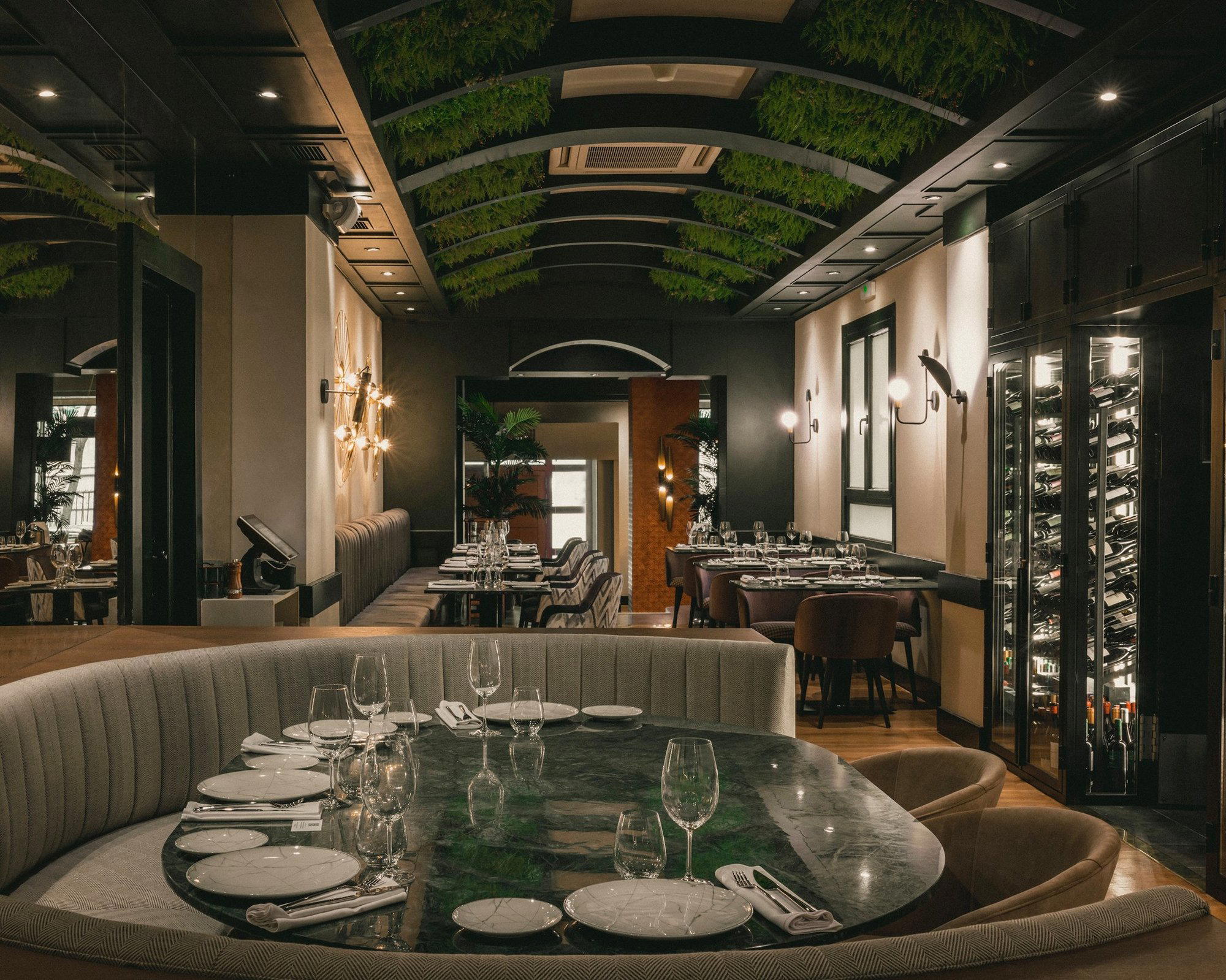
A Room That Sets Its Own Terms
Madrid's Salamanca district runs on a particular logic: wide, grid-planned streets, stone facades that do not telegraph what lies behind them, and a resident population with enough local loyalty to sustain restaurants that do not need tourist foot traffic to fill seats. Calle del General Díaz Porlier sits at the quieter residential end of that grid, away from the window-shopping corridors of Serrano and Velázquez. A restaurant on this street is making a deliberate spatial choice — proximity to a captive, return-visit neighbourhood audience rather than the high-visibility positioning that Madrid's trendier dining pockets demand.
That physical context matters for how Restaurante Más de Santa is read. In a city where the loudest dining conversation circles around the theatrics of DiverXO, the multi-act format of Coque, and the hotel-anchored ambition of Deessa, a Salamanca address on a residential side street signals a different register entirely. The architectural container here is not designed to announce itself from the pavement; it draws its clientele inward rather than projecting outward.
Salamanca's Interior Grammar
The Salamanca district's restaurant interiors tend to fall into two schools. The first leans into the neighbourhood's historic fabric: dark wood, white tablecloths, a formality that mirrors the surrounding apartment buildings' bourgeois confidence. The second adopts a lighter, more contemporary palette while keeping the spatial proportions modest — rooms that seat perhaps forty to sixty covers, low ceilings, and a preference for intimacy over spectacle. Both schools share a resistance to the kind of high-concept spatial theatrics that define the €€€€ avant-garde tier represented by venues like Paco Roncero or DSTAgE.
The physical arrangement of a neighbourhood room in Salamanca typically prioritises table spacing over maximised capacity, a configuration that serves the long, unhurried lunches that remain a genuine cultural practice in this part of the city rather than a marketing claim. Afternoon light through street-level windows, stone or tile flooring, and a bar that functions as a social hinge point rather than a cocktail showcase are recurring features. These are not incidental design decisions; they are spatial arguments about what a meal in this district is supposed to feel like.
Where Más de Santa Sits in Madrid's Dining Structure
Madrid's restaurant scene has stratified sharply over the past decade. At the leading sits a small cluster of multi-Michelin addresses, DiverXO holds three stars, while two-star operations like DSTAgE operate long tasting menus at prices that place them in direct comparison with the broader Spanish canon: El Celler de Can Roca in Girona, Martin Berasategui in Lasarte-Oria, Mugaritz in Errenteria, and coastal addresses like Aponiente and Quique Dacosta. Below that tier, a denser mid-market of neighbourhood-anchored restaurants operates without the review-cycle pressure of starred houses, often delivering more consistent, less performance-dependent meals.
Más de Santa occupies the Salamanca residential tier of that mid-market. That is a more demanding standard in some respects: a tasting menu can carry a single visit on novelty; a neighbourhood restaurant survives only on reliability.
The Cuisine Question
The neighbourhood supports Spanish market-driven cooking with a moderate creative range, neither the radical technique of the avant-garde tier nor the conservatism of Madrid's old-guard asadores. Contemporary Spanish cooking in this postcode typically means quality ingredient sourcing, seasonal adjustment, and a menu short enough to rotate genuinely rather than cosmetically.
Spain's broader restaurant culture provides useful reference points. The product-first philosophy associated with addresses like Arzak in San Sebastián, the regional ingredient focus of Ricard Camarena in València, or the conceptual discipline of Azurmendi all filter down into how serious neighbourhood restaurants across Spain now frame their cooking identity. A Salamanca address that attracts return-visit clientele is almost certainly operating within that product-first idiom, even if the ambition stops well short of the starred tier.
Booking and Practical Planning
The Salamanca neighbourhood dynamic generally makes mid-range restaurant reservations more accessible than the high-pressure booking windows of Madrid's starred houses. At the €€€€ end, tables at DiverXO require planning months in advance. Neighbourhood restaurants in this postcode tend to operate on shorter lead times, weekend lunch is typically the tightest window, while Tuesday through Thursday dinner often has more availability. That pattern holds across comparable dining rooms in the area. For visitors building a Madrid itinerary alongside more formal meals, the Salamanca residential corridor offers a natural lower-pressure counterpoint.
Address: Calle del General Díaz Porlier, 95, Salamanca, 28006 Madrid. Nearest Metro: The address is served by the Salamanca district metro network, with Ibiza and Lista stations (Line 9) providing the closest access. Dress: Salamanca neighbourhood restaurants typically observe a smart-casual register consistent with the district's character.
For further Madrid dining context, including the full spectrum from avant-garde tasting rooms to neighbourhood classics, see our full Madrid restaurants guide. For international comparison points at a similar register of serious neighbourhood cooking, Le Bernardin in New York City and Atomix represent how a deliberate spatial and culinary identity can anchor a room's reputation over time. For the Spanish creative canon more broadly, Cocina Hermanos Torres in Barcelona and Atrio in Cáceres show the range of approaches operating outside Madrid's own starred ecosystem.
How Restaurante Más de Santa Madrid compares with similar nearby venues.
| Venue | Cuisine |
|---|---|
| Haroma | Modern Spanish |
Recognition history
Dated appearances from independent guides and award organizations, with the underlying list record or original source where available.
Macarfi 6.6 Food Rating
Macarfi
Continue exploring
More in Madrid
Restaurants in Madrid
Browse all →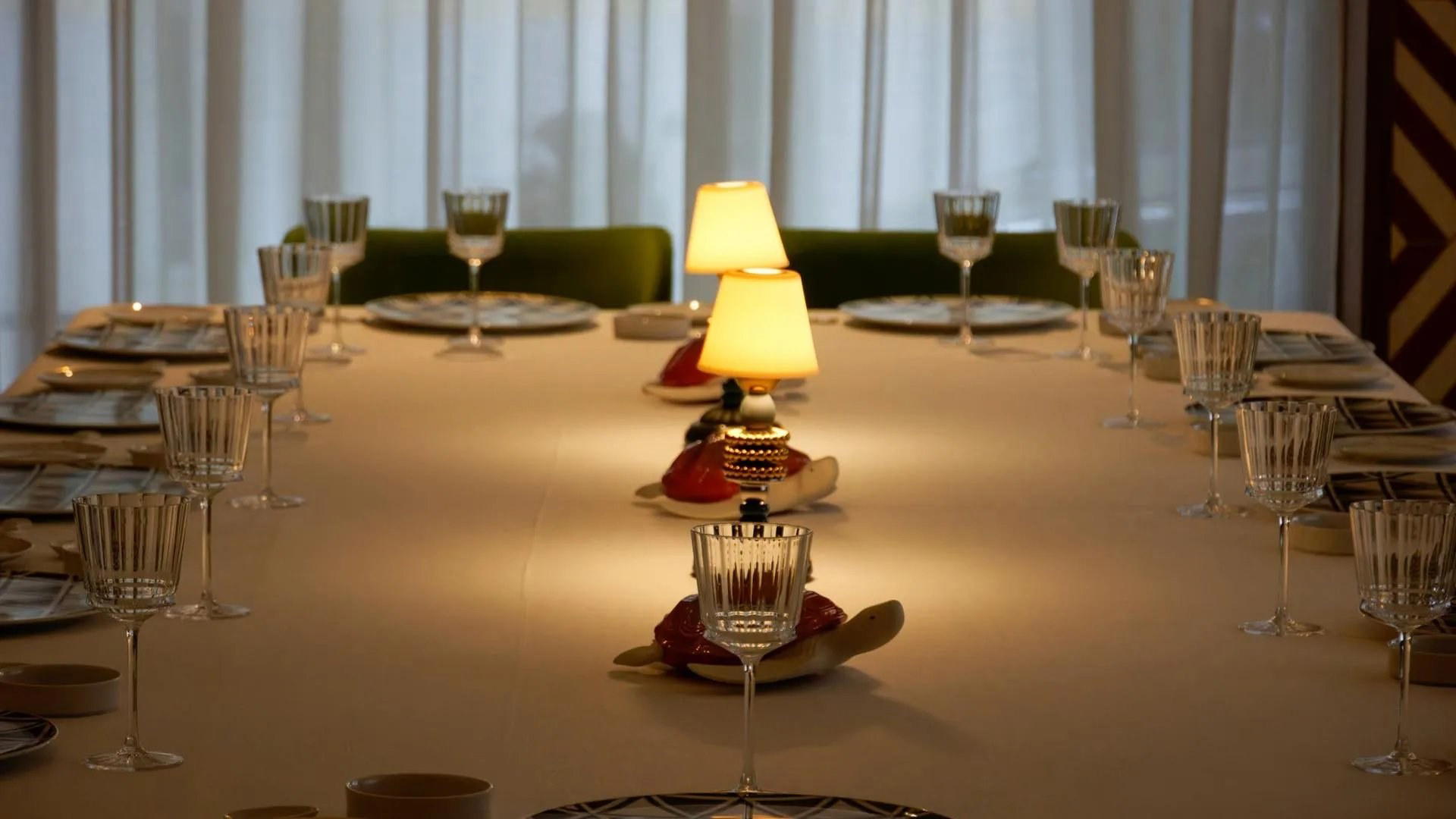
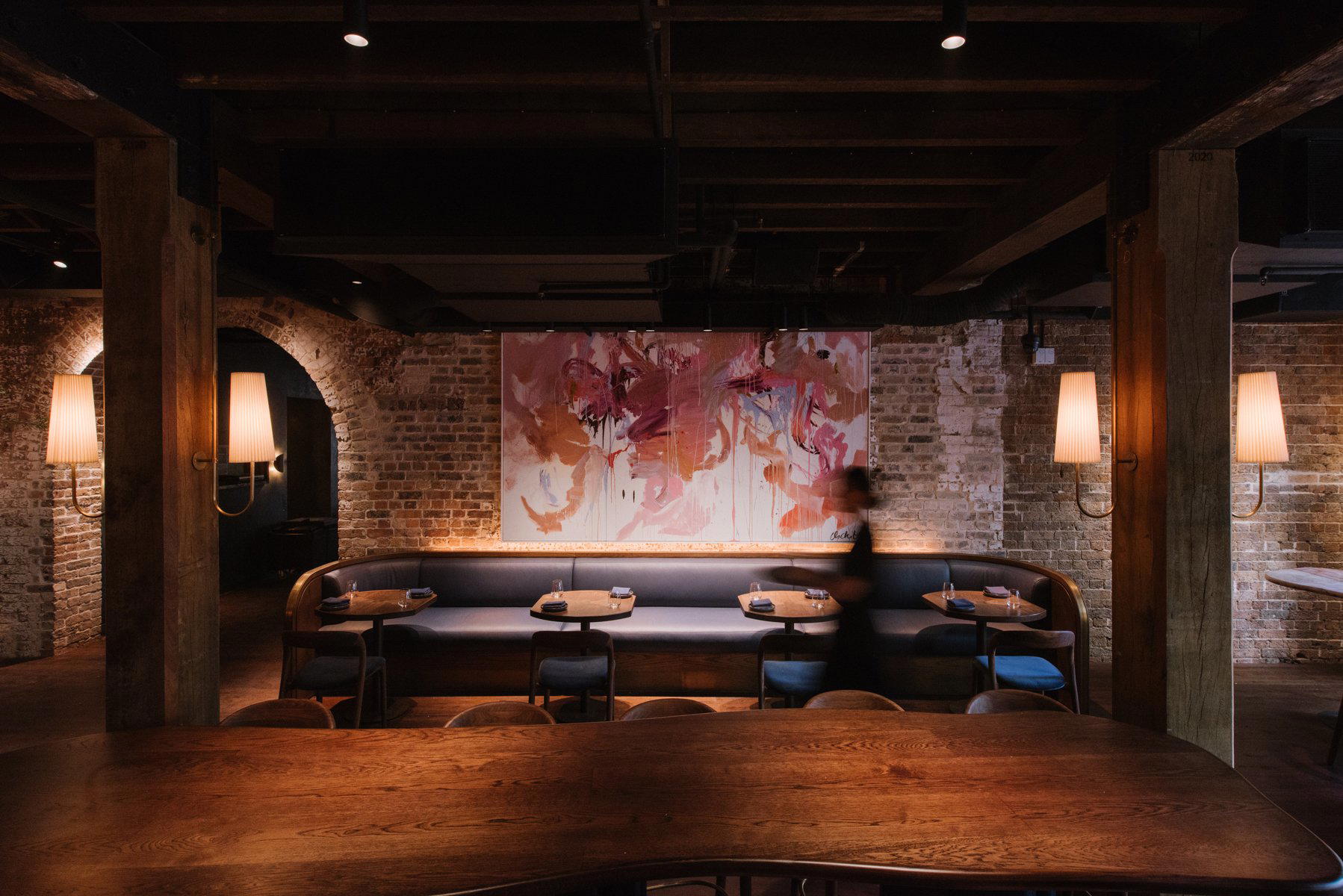
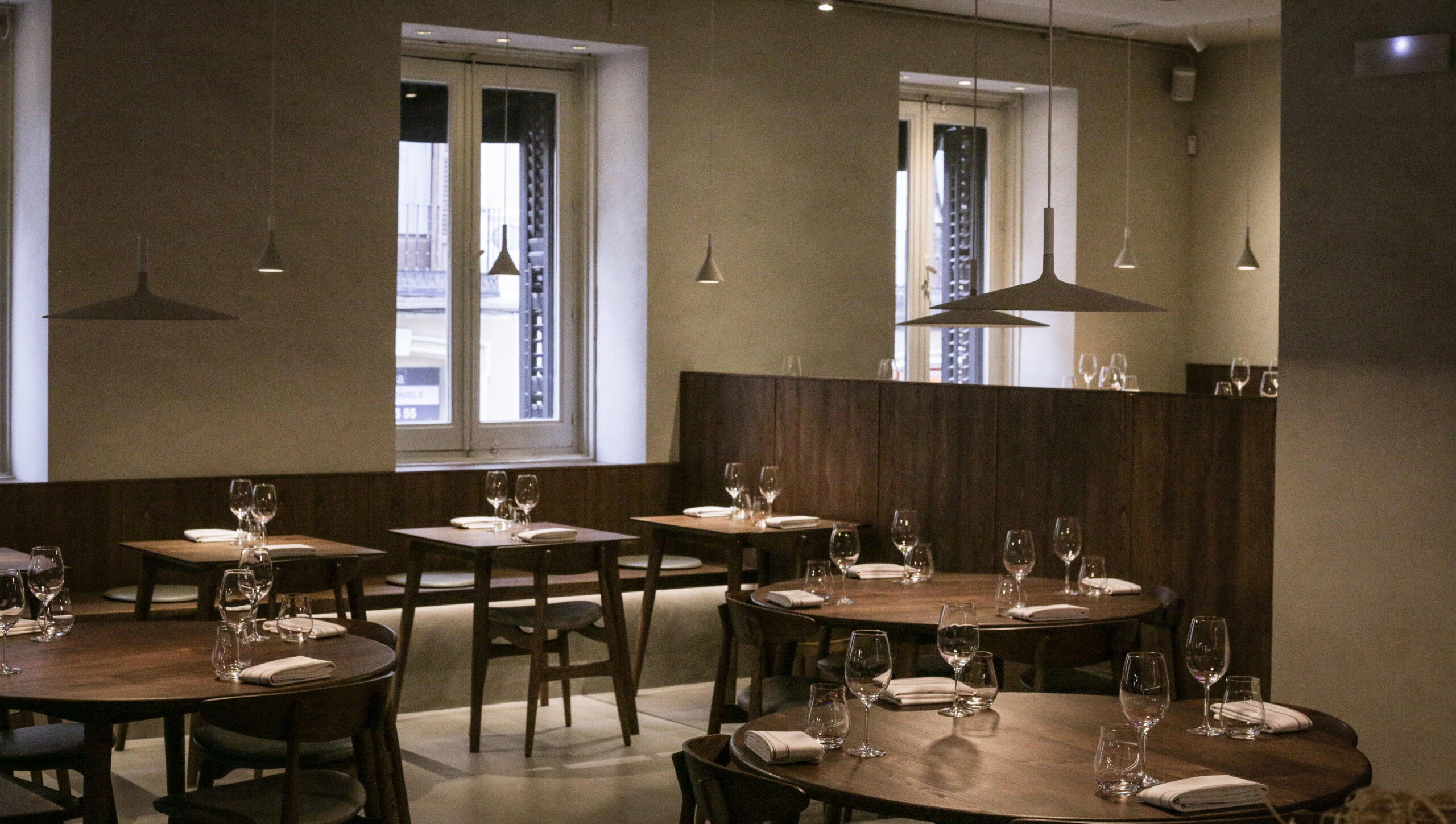
Bars in Madrid
Browse all →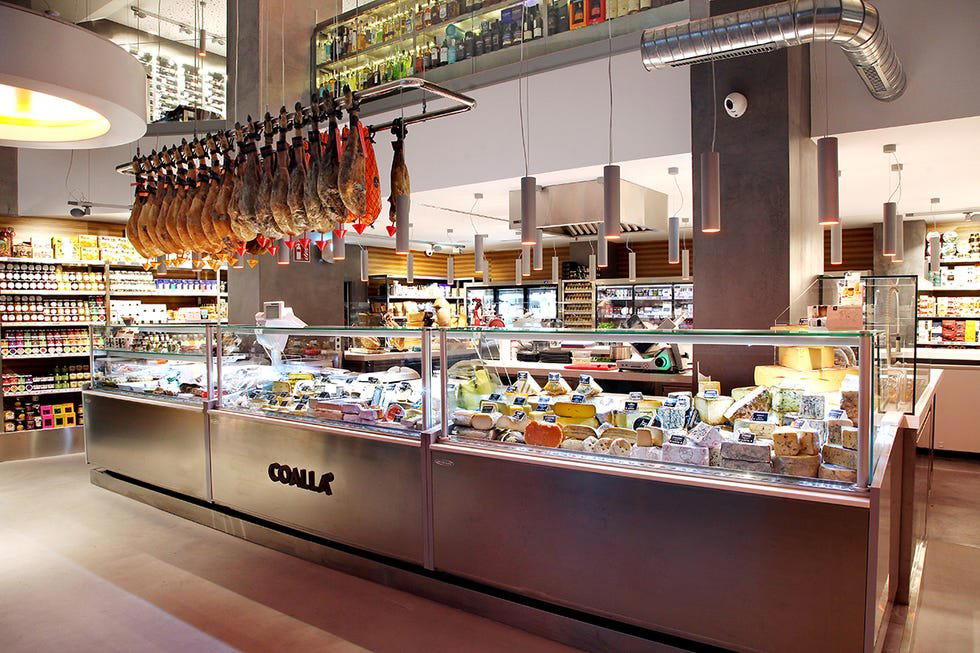
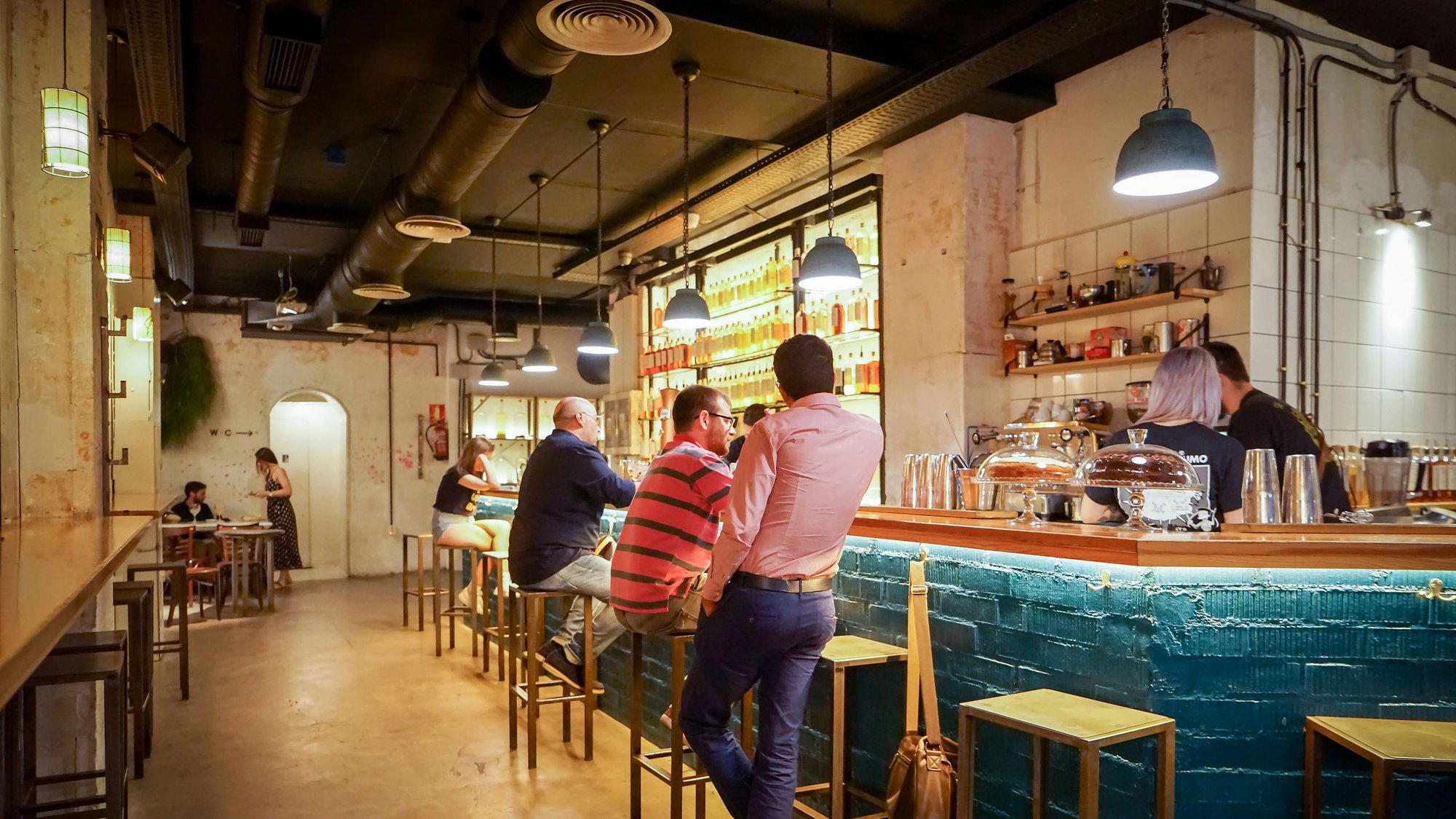
Hotels in Madrid
Browse all →

At a Glance
- Elegant
- Cozy
- Sophisticated
- Date Night
- Craft Cocktails
Current opening hours
- Monday
- Closed
- Tuesday
- 1:30–3:30 PM, 7:30–11 PM
- Wednesday
- 1:30–3:30 PM, 7:30–11 PM
- Thursday
- 1:30–3:30 PM, 7:30–11 PM
- Friday
- 1:30–3:30 PM, 7:30–11:30 PM
- Saturday
- 1:30–3:30 PM, 7:30–11:30 PM
- Sunday
- 1:30–3:30 PM
Hours can change for holidays and private events. Last verified .
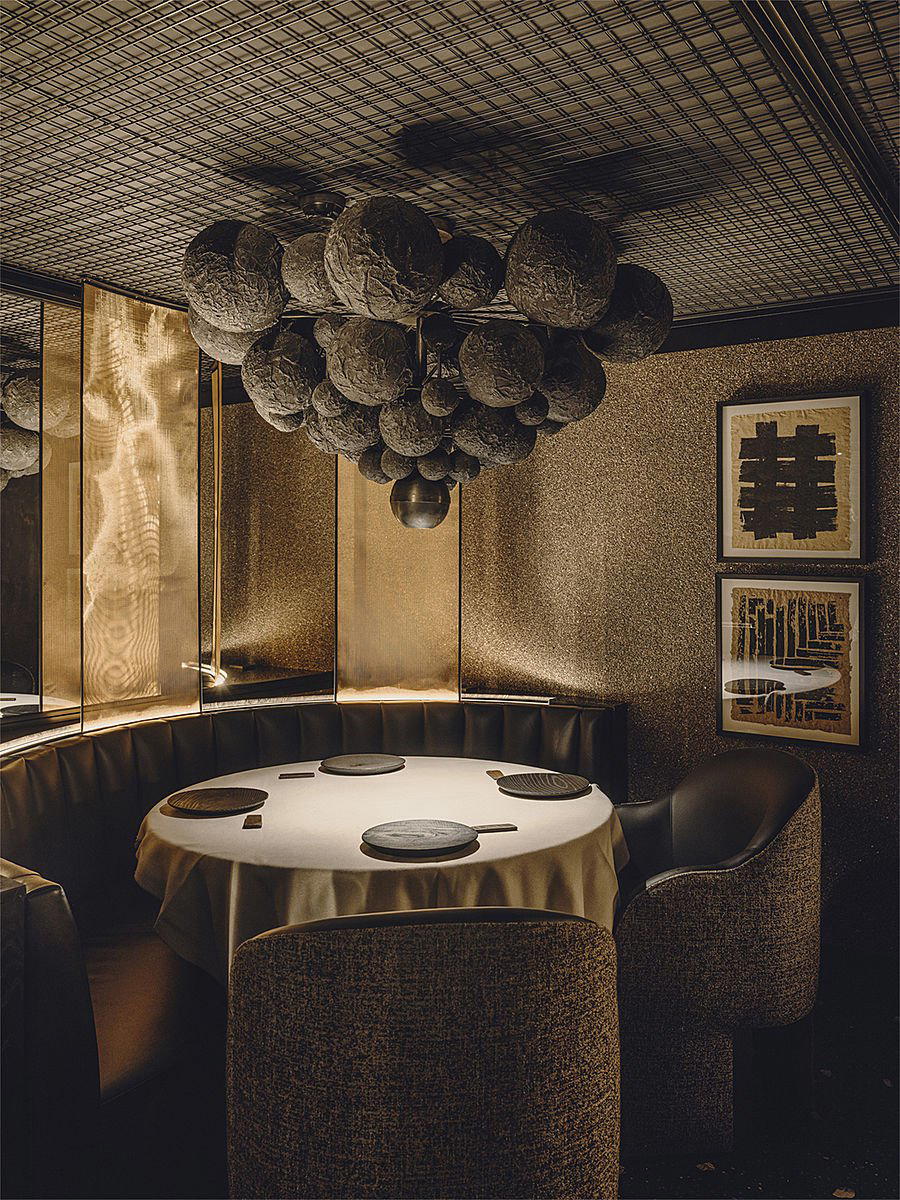
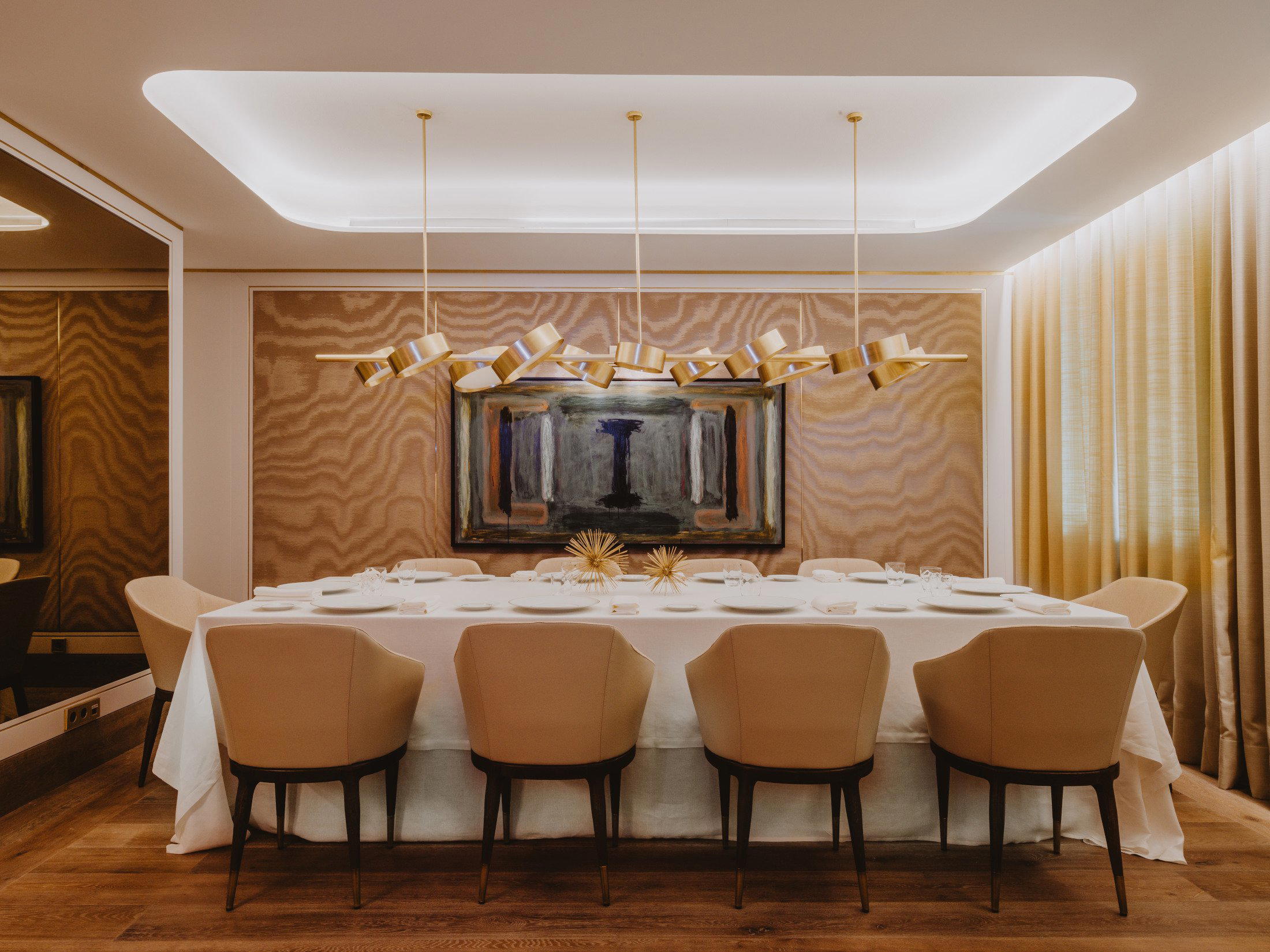
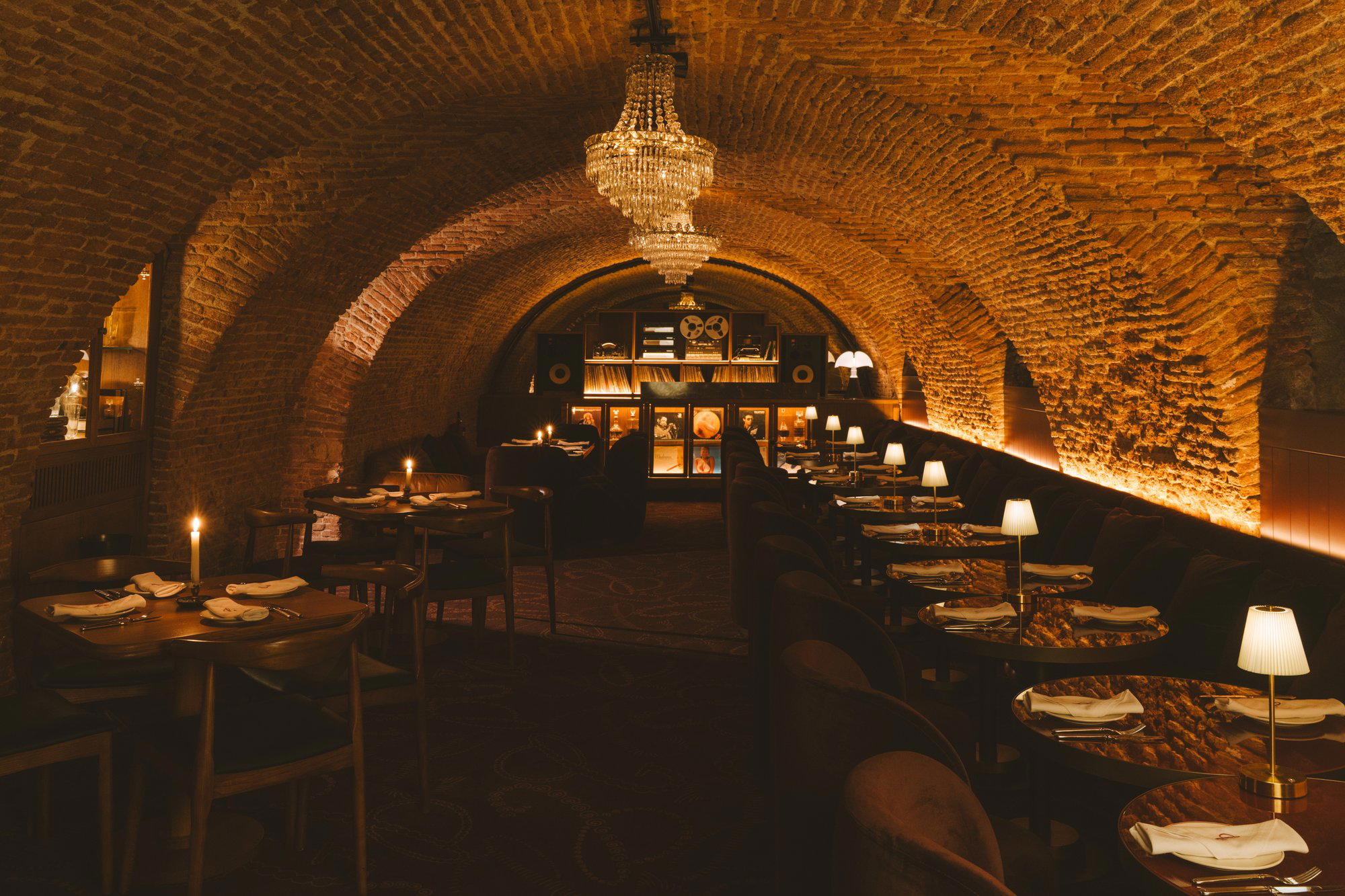
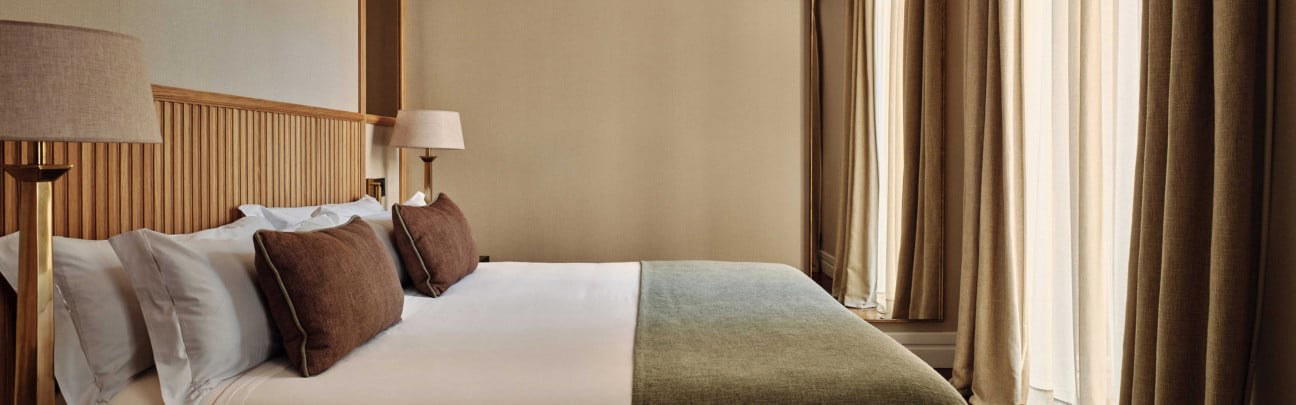
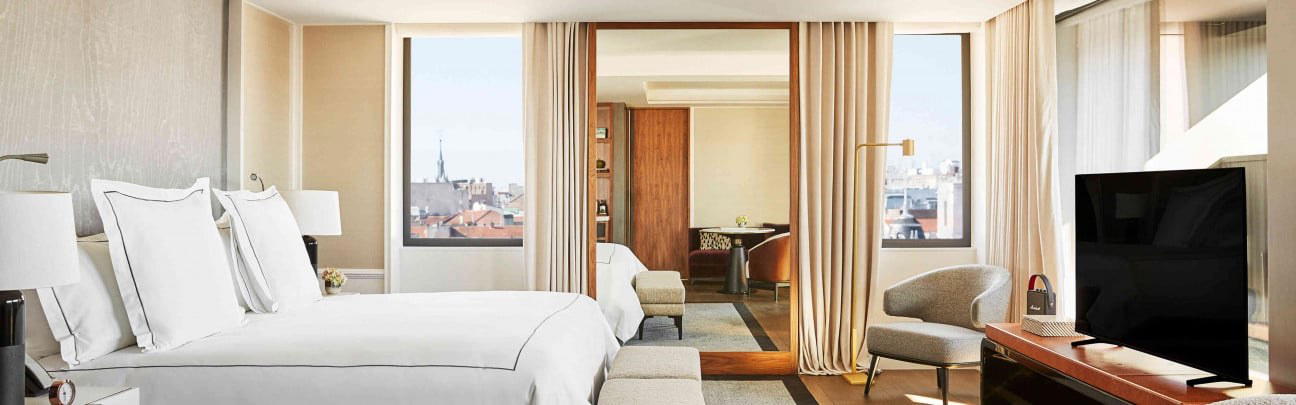
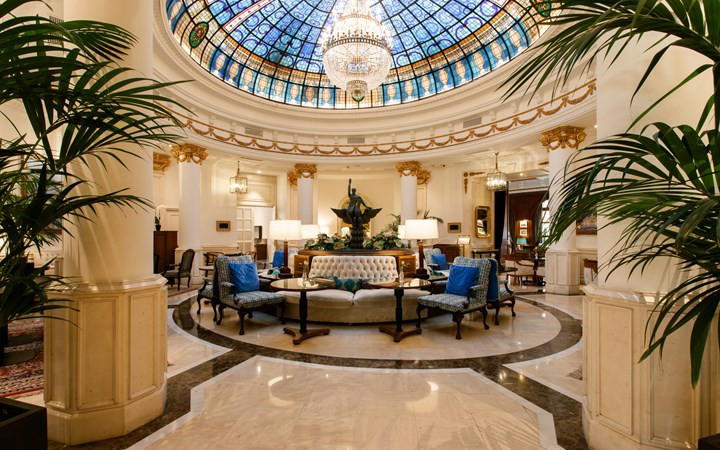
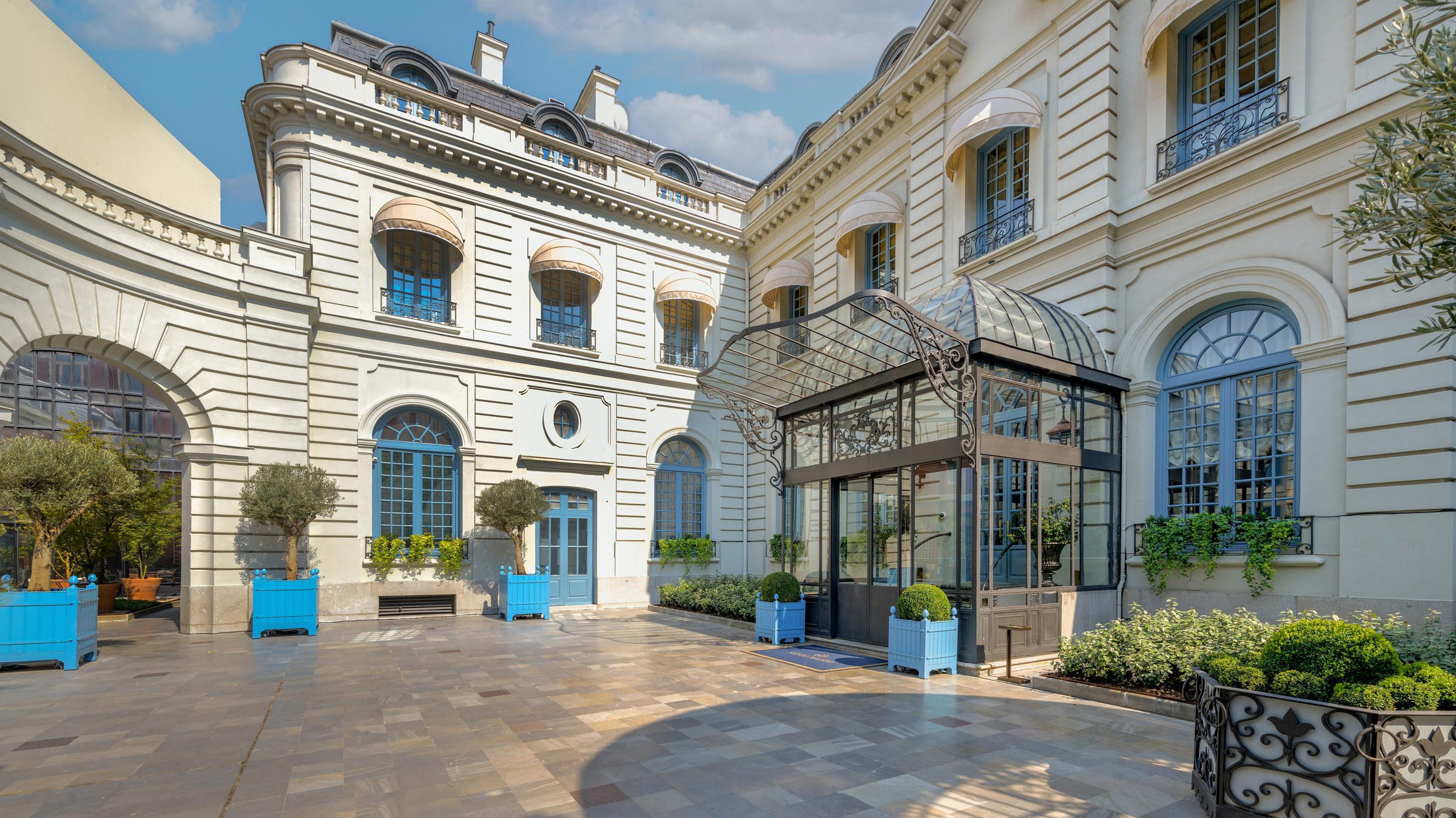
Contemporary and elegant interiors creating a warm, cozy, and charming atmosphere.
Know Before You Go
- Getting there
- Calle del General Díaz Porlier, 95, Salamanca, 28006 Madrid, Spain