Cipriani

Housed within the Copacabana Palace on Avenida Atlântica, Cipriani holds a Michelin star for its tasting menu format that threads Italian provenance — Neapolitan, Piedmontese — through locally sourced Brazilian ingredients. The result is a dining program that sits at the precise intersection of two ingredient cultures, served inside one of Rio's most recognisable addresses. Currently closed for refurbishment; check ahead before booking.
 Discover on Pearl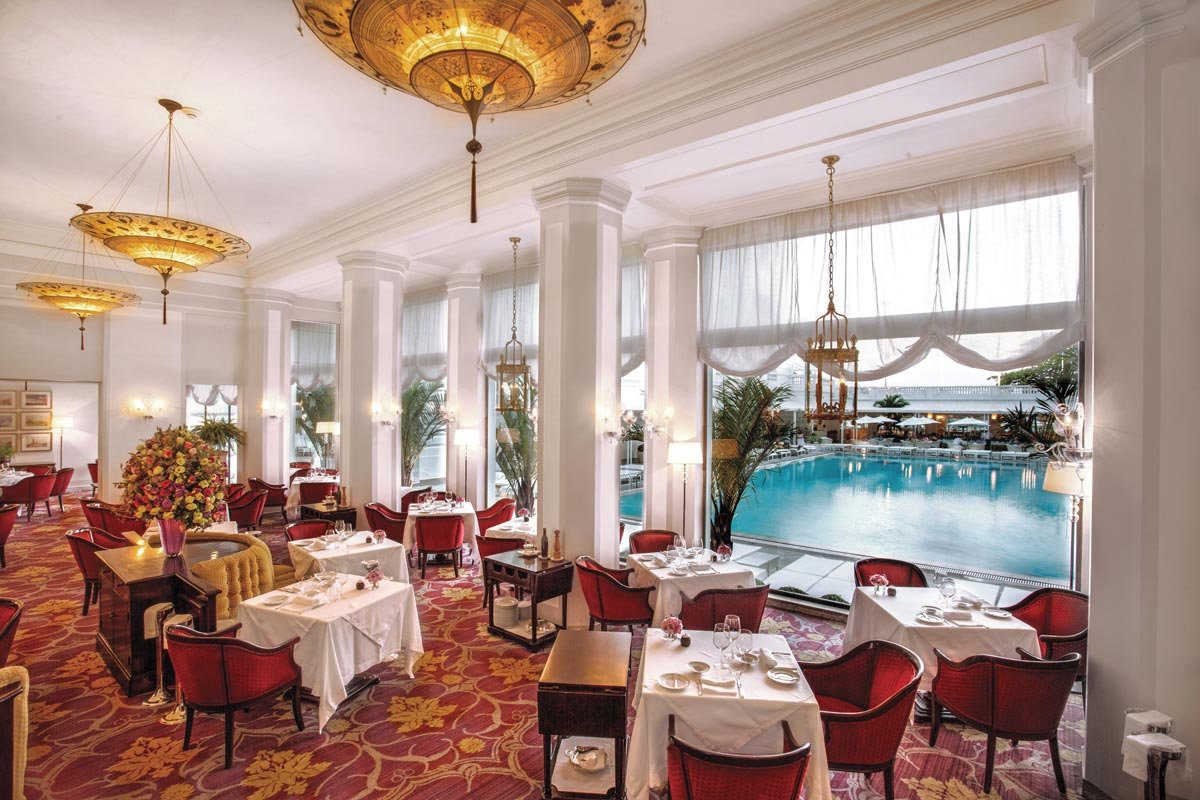
Where Avenida Atlântica Meets the Italian Table
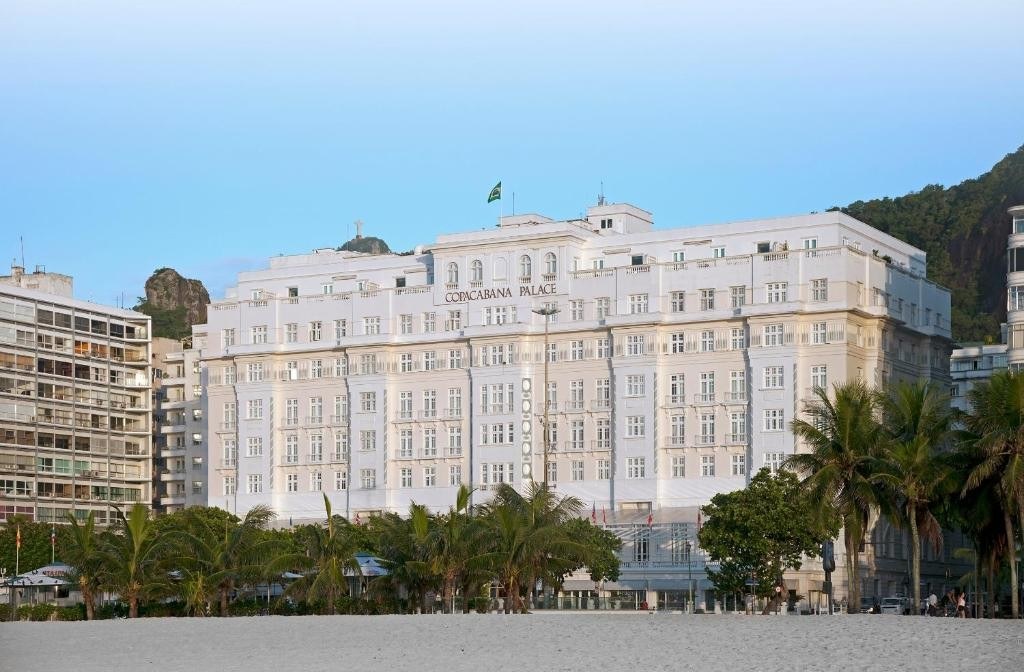
Copacabana Palace has occupied a particular position in Rio de Janeiro's cultural imagination since it opened in 1923. The white neoclassical facade on Avenida Atlântica — facing the beach that has come to define the city's global image — has made it the reference point against which other Rio hotels are measured, not the other way around. The restaurant within it, Cipriani, inherits that context and adds a layer of its own: a Michelin-starred Italian tasting menu that treats ingredient provenance with the same seriousness as any specialist kitchen in Milan or Naples.
Rio's fine dining tier has consolidated around a small group of tasting-menu formats at the $$$$ price point. Lasai and Oteque approach the meal from a Brazilian ingredients-first position, each holding Michelin recognition for their respective interpretations of regional produce. Cipriani occupies a different corner of the same category: an Italian-led program that brings DOP-registered and artisan-sourced Italian ingredients into dialogue with Brazilian produce, rather than treating the local pantry as the primary subject. That distinction matters when choosing between Rio's top-tier tables.
The Tasting Menu: Essenza Dell'Evoluzione
The menu is titled Essenza Dell'Evoluzione , a statement of intent about the relationship between classical Italian cooking and its evolution through contact with other ingredient cultures. Two formats are offered: a full 14-course experience or a shorter 11-course option. The structure gives the kitchen enough runway to move through multiple Italian regional traditions within a single sitting, with Neapolitan and Piedmontese preparations anchoring the classical sections.
The editorial angle that defines this kitchen is provenance discipline. Italian cooking at its most serious , whether in Turin, Naples, or a diaspora kitchen operating thousands of kilometres away , is rooted in ingredient specificity. The distinction between a San Marzano tomato and any other canned variety, or between 00 flour milled for a specific dough texture and a generic substitute, is not incidental. It is the point. At Cipriani, Italian ingredients with traceable regional identities are brought across to work alongside Brazilian counterparts, and that pairing is where the menu earns its Michelin star rather than simply trading on the hotel's address.
One dish that has drawn particular attention is the red prawns with almond escabeche and Russian salad , a preparation that places a premium Brazilian crustacean inside a framework of Mediterranean technique. The escabeche format, acidulated and aromatic, creates a bridge between the prawn's natural sweetness and the salad's creaminess, demonstrating in a single course how the kitchen thinks about cross-cultural ingredient alignment rather than mere novelty. Deep-fried pizza , rooted in Neapolitan street tradition , and what the menu describes as Mediterranean tuna appear as reference points to classical southern Italian cooking, reset within the contemporary structure of a multi-course progression.
Italian Ingredient Culture in a Brazilian Context
The broader context for what Cipriani is doing sits inside a global conversation about how Italian cooking travels. The most rigorous Italian kitchens operating outside Italy , 8 1/2 Otto e Mezzo Bombana in Hong Kong and cenci in Kyoto are useful reference points , tend to resolve the question of locality differently. Some insist on Italian ingredient primacy and treat the host country as backdrop. Others use local produce to reinterpret Italian technique. Cipriani's approach is a third path: a genuine synthesis, where Italian provenance and Brazilian supply are each given weight, with the menu's intelligence measured by how convincingly it moves between them.
Brazil has its own serious ingredient culture that rarely gets the international attention it deserves. The country's northeastern and Amazonian pantries in particular contain products , fruits, peppers, fish, shellfish , that carry the same sense of irreducible locality as a Sicilian caponata ingredient or a Ligurian basil variety. When an Italian-trained kitchen learns to handle those products with the same provenance respect it applies to DOP olive oil or aged Parmigiano-Reggiano, the results tend to be more interesting than either a straight Italian import or a Brazilian-themed adaptation. That synthesis is what the Essenza Dell'Evoluzione format is attempting.
Among Rio's Italian dining options, Cipriani occupies the formal tasting-menu end of the spectrum. Artigiano, Babbo Osteria, and Pici Trattoria represent different points on the Italian register , more casual, more trattoria-oriented, more accessible in format and price , but none are operating at the same level of Michelin-recognised formal ambition. The choice between them depends on what kind of Italian evening the reader is after, rather than a simple question of quality.
The Room and the Setting
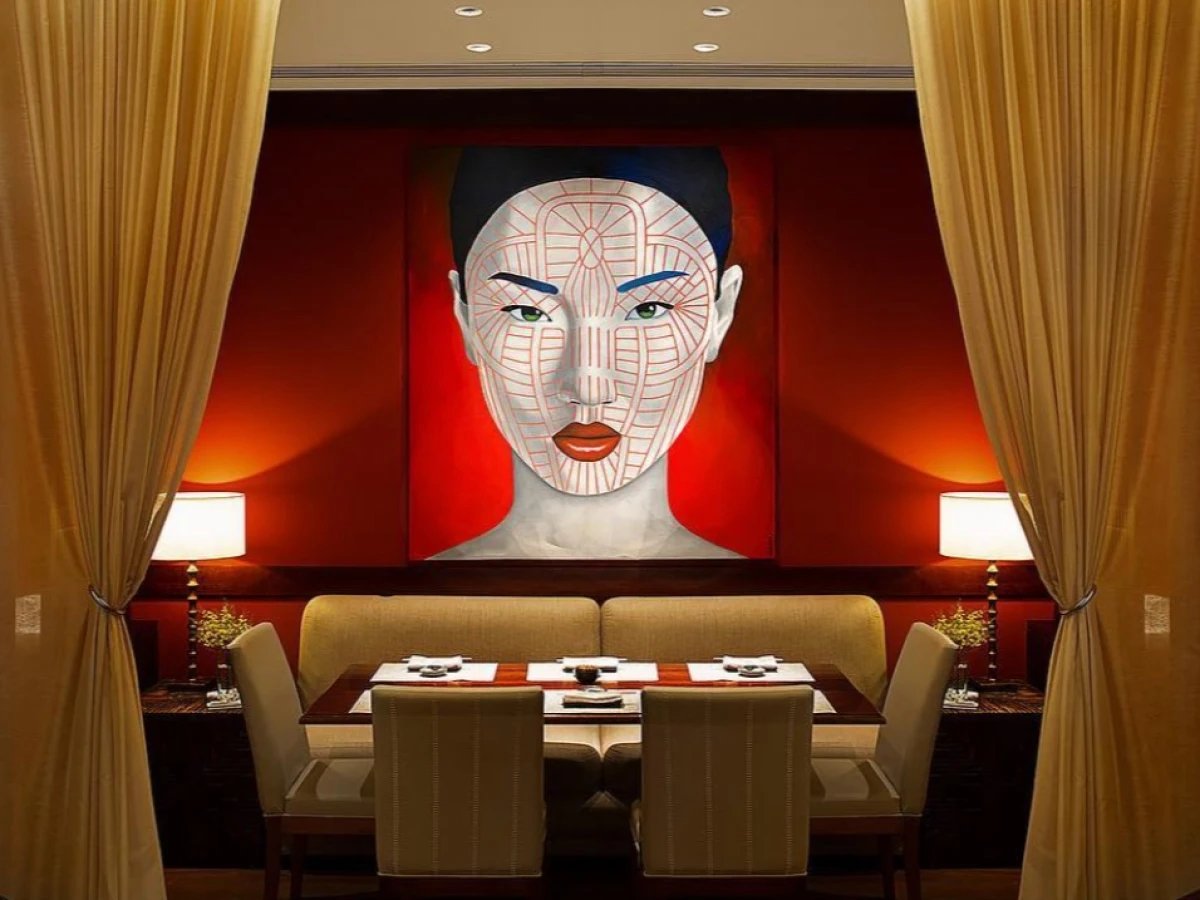
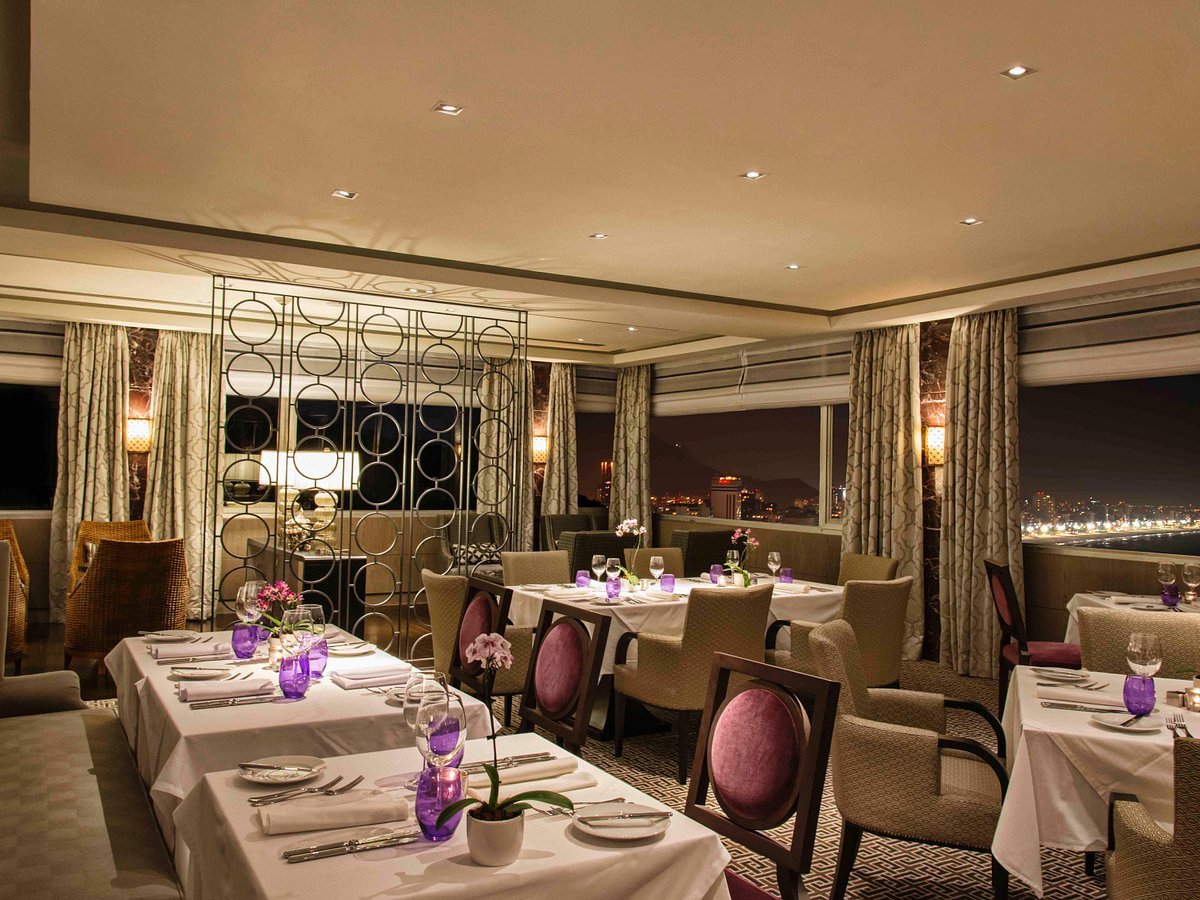
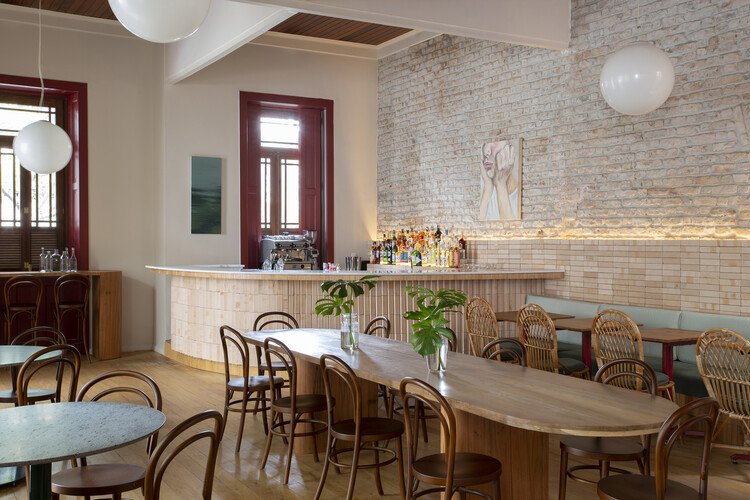
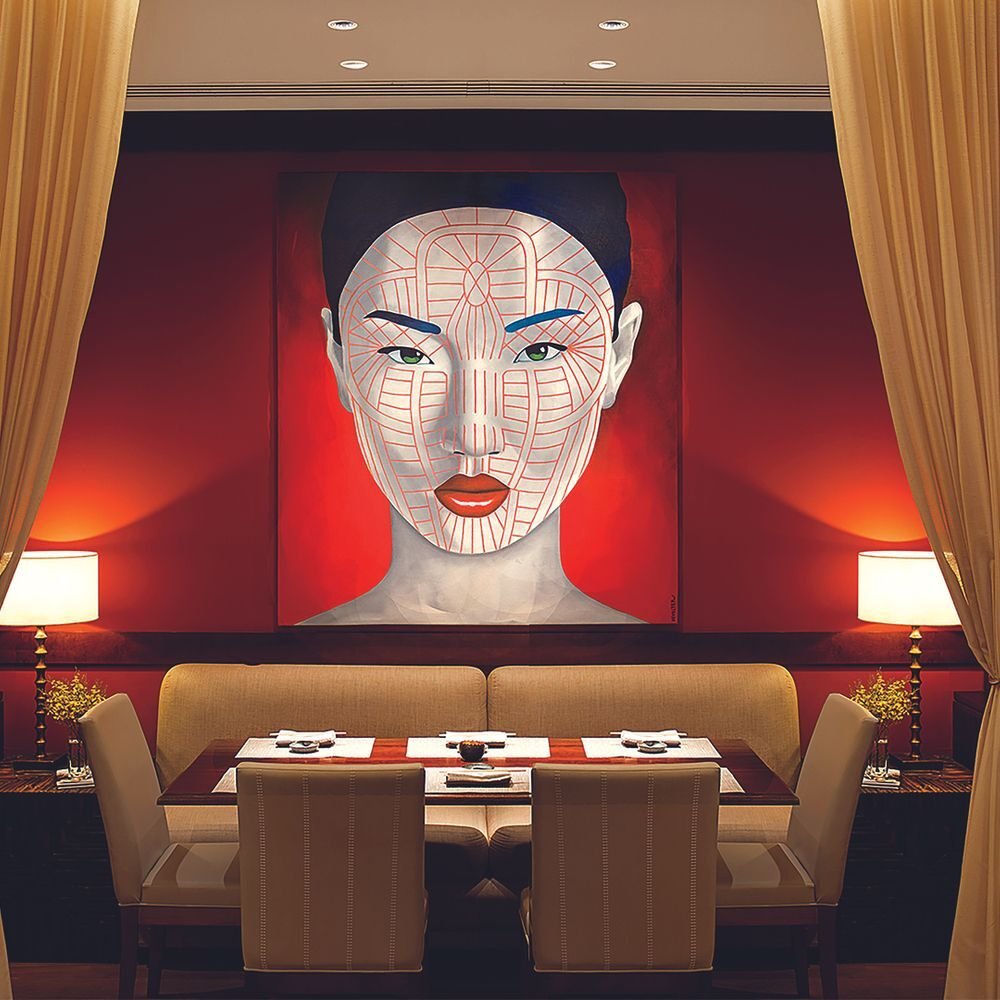
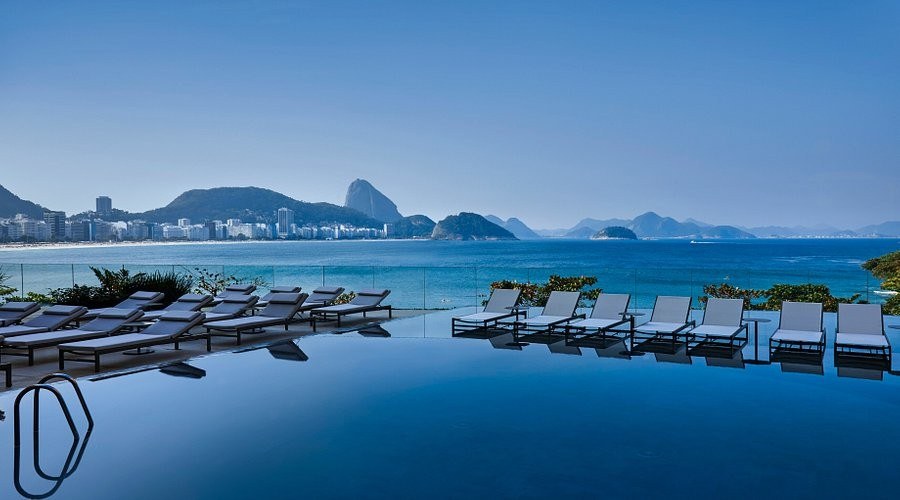
The dining room at Cipriani is a formal space, and the Copacabana Palace context is inescapable. The hotel, part of the Belmond group, sets a specific register: polished service, considered interiors, and the kind of institutional confidence that comes from a century of operation at a single address. The restaurant's windows look onto the hotel's pool, which is lit subtly at night, so the view is contained and architectural rather than open to the beach directly. That framing keeps the focus inward, on the table, rather than competing with the dramatic exterior.
For comparison within Brazil's tasting-menu circuit, the structural ambition of Cipriani's 14-course format is consistent with what serious contemporary restaurants elsewhere in the country are doing. D.O.M. in São Paulo remains the landmark reference for ingredient-led Brazilian fine dining; Manu in Curitiba, Manga in Salvador, and Mina in Campos do Jordão each bring regional Brazilian ingredient perspectives to formal tasting formats. Orixás North Restaurant in Itacaré and Castelo Saint Andrews in Gramado extend the range further into regional specificity. Cipriani's Italian-Brazilian axis sits within this national conversation but argues from a different starting point: European classical technique and provenance culture applied to a dual-ingredient context.
Planning Your Visit
Cipriani is currently closed for refurbishment, and confirming its reopening status before planning any visit is the first practical step. When operating, the kitchen runs Tuesday through Saturday evenings, with last seating at 9 PM on weekdays and 9:30 PM on Fridays and Saturdays. Sunday and Monday are closed. The price range sits at the $$$$ tier, consistent with the hotel's positioning and the multi-course tasting format. The Copacabana Palace address , Avenida Atlântica 1702 , is one of Rio's most recognisable, and the hotel is well served by the city's transport infrastructure along the Zona Sul beachfront corridor.
Given the format and price point, this is a reservation that rewards advance planning. The choice between the 11-course and 14-course options is worth considering before arrival rather than at the table , the longer format is a significant commitment in time and appetite, and the shorter version is not an edited lesser version but a complete experience in its own right. Google Reviews score the restaurant at 4.6 across 1,196 reviews, a figure that reflects consistent execution rather than occasional excellence.
For a broader picture of Rio's dining, drinking, and hotel options: our full Rio de Janeiro restaurants guide, hotels guide, bars guide, wineries guide, and experiences guide cover the wider city.
At-a-Glance Comparison
A quick peer reference to anchor this venue in its category.
| Venue | Cuisine | Price | Awards | Notes |
|---|---|---|---|---|
| Cipriani | Italian | $$$$ | Michelin 1 Star | This venue |
| Lasai | Regional Brazilian, Modern Cuisine | $$$$ | Michelin 2 Star | Regional Brazilian, Modern Cuisine, $$$$ |
| Oteque | Modern Brazilian, Modern Cuisine | $$$$ | Michelin 2 Star | Modern Brazilian, Modern Cuisine, $$$$ |
| Oro | Contemporary Italian, Brazilian, Modern Italian | $$$$ | Michelin 2 Star | Contemporary Italian, Brazilian, Modern Italian, $$$$ |
| Lilia | Italian, Brazilian | $$ | Italian, Brazilian, $$ | |
| Casa 201 | French | $$$$ | Michelin 1 Star | French, $$$$ |
Continue exploring