Cigui sits on Via Natale Colarich in Muggia, the small Istrian-edged port town at Italy's northeastern tip where the Adriatic meets the Slovenian border. The restaurant operates within a dining tradition shaped by proximity to the sea and the region's layered Venetian, Habsburg, and Slavic culinary inheritance. For travellers moving between Trieste and the Istrian peninsula, it represents a local anchor in a town with few dining options of note.
Pearl is the En Primeur Club membership app — saves, bookings, and concierge access live there. Same editors, same standards.
- Address
- Via Natale Colarich, 92, 34015 Muggia TS, Italy
- Phone
- +393940273363
- Website
- tavernacigui.it
- Directions
- Get directions
 Saves & bookings on Pearl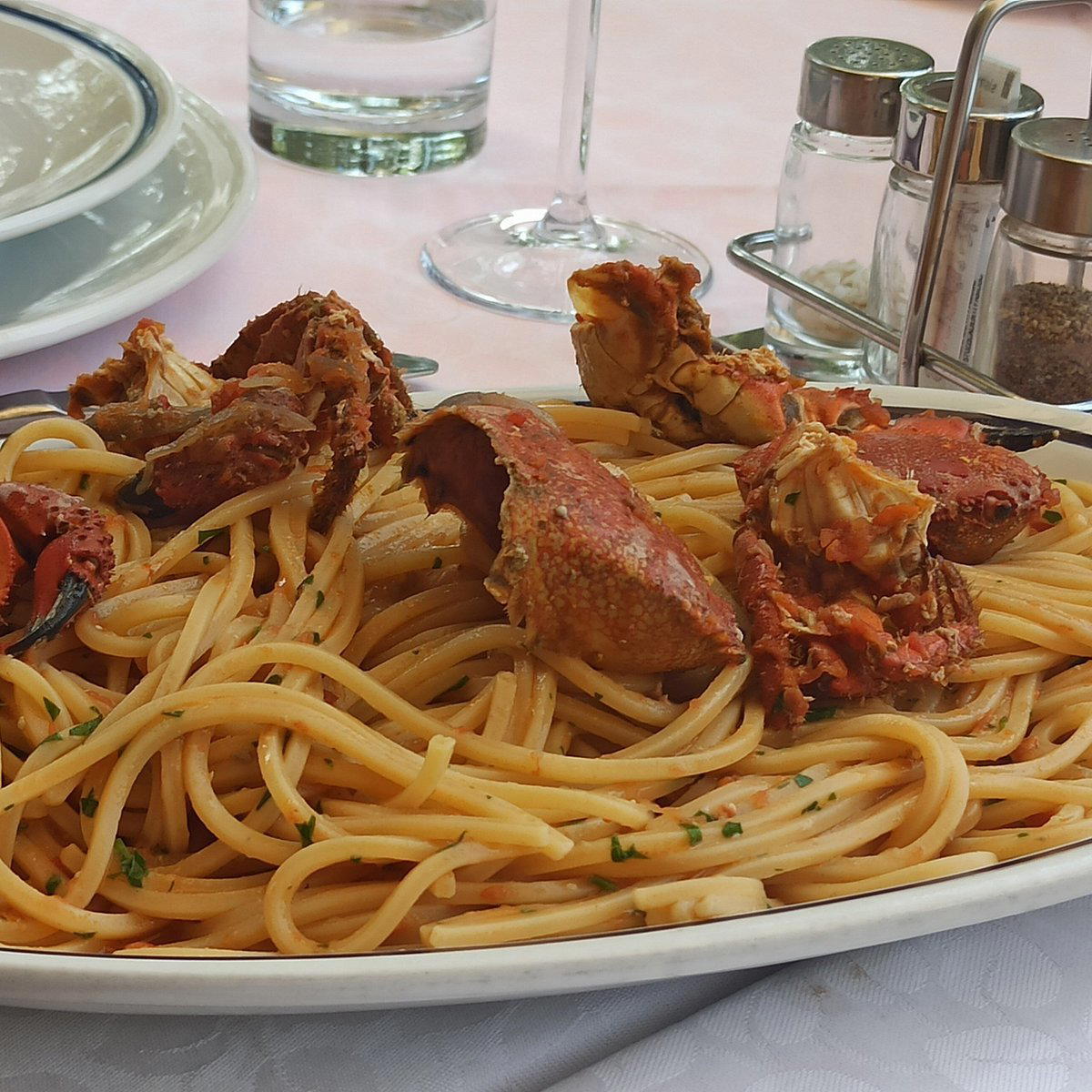
Muggia's Table at the Edge of the Map
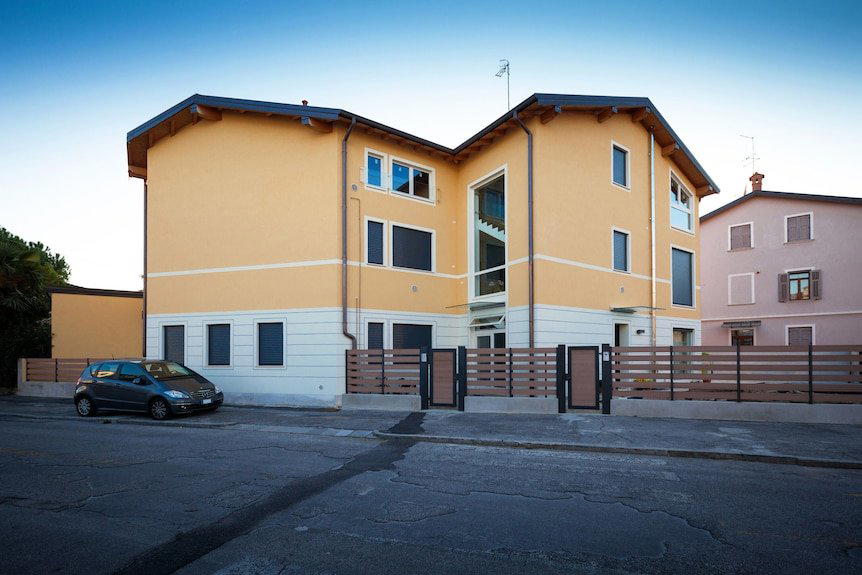
Muggia occupies a particular geographic position that shapes everything on the plate. Tucked into the southernmost corner of the Friuli Venezia Giulia coastline, directly across the bay from Trieste and a few kilometres from the Slovenian border, it is a town where Italian, Slovenian, and Istrian culinary traditions have been compressing into one another for centuries. The fishing harbour defines the immediate food culture: what arrives at the dock in the morning tends to appear on tables by evening. Cigui, addressed at Via Natale Colarich 92, sits inside that tradition. The street runs through a residential quarter of the town, away from the more tourist-facing waterfront, and that positioning already signals something about what kind of restaurant this is: it serves the place rather than narrating it for outsiders.
The physical approach to Muggia from Trieste, either by ferry across the bay or by road along the coast, gives a sense of the town's scale. It is small, the harbour compact, and the dining options correspondingly limited. In that context, Cigui functions as a neighbourhood-anchored address in a neighbourhood that happens to be an entire small town. Alongside peers including Osteria al Corridoio, Sal de mar, and Trattoria alla Marina, it forms part of a small cluster of eating addresses that between them cover most of what Muggia offers at the table.
Where the Food Comes From
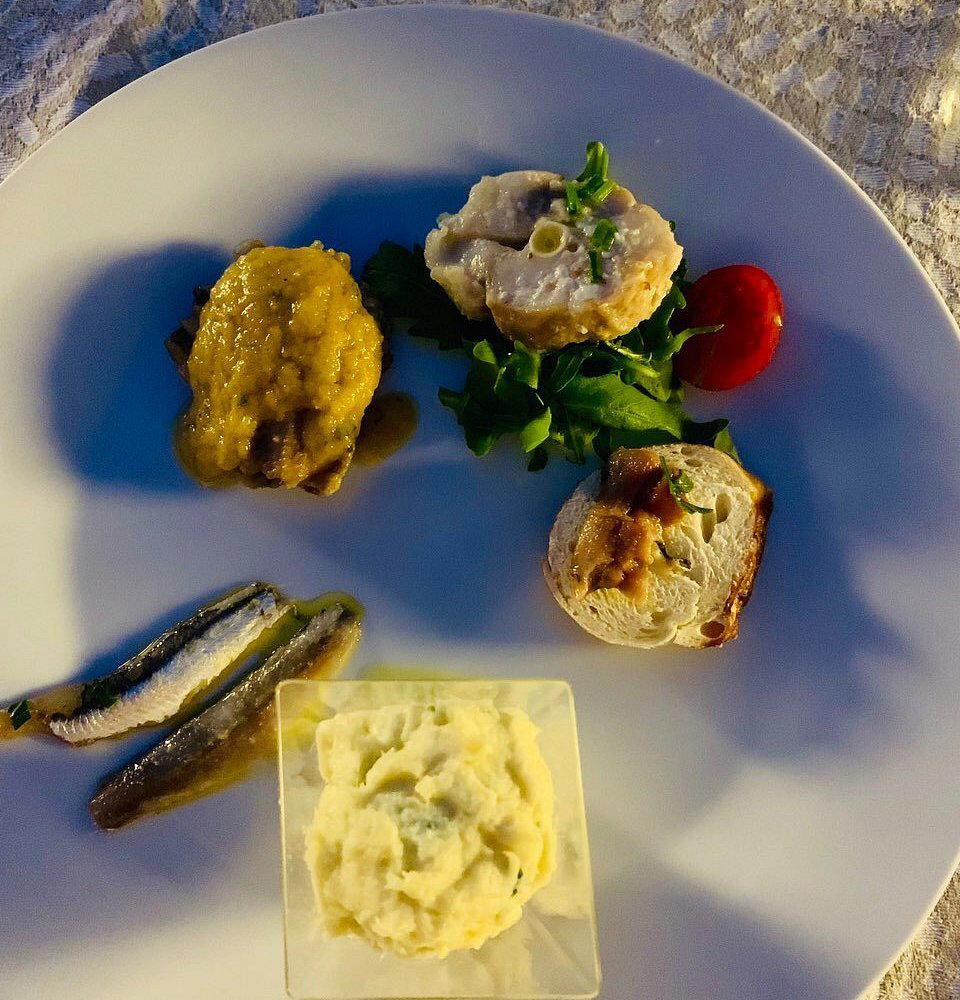
The ingredient logic of northeastern Italian coastal cooking is direct in its geography and complicated in its history. The Adriatic here is shallower and colder than it is further south, producing crustaceans, small fish, and shellfish with a particular density of flavour. The bora wind, which drops temperatures sharply in winter, has historically pushed preservation techniques: dried, pickled, and cured ingredients appear alongside fresh ones across the region's tables. Trieste itself, forty years under Habsburg rule before joining Italy in 1954, absorbed Central European ideas about vinegar, paprika, and slow-braised meat, and those ideas diffused into the surrounding towns, including Muggia.
Istrian coastline, now split between Slovenia and Croatia but historically unified under Venetian and then Austrian administration, contributed its own pantry: white truffles from the Motovun forest, cured meats from inland villages, wild herbs from limestone scrubland. At restaurants operating in this geography, the sourcing question is less about farm-to-table philosophy as a marketing position and more about practical proximity. What grows within twenty kilometres of the table is what appears on the menu, because that has always been the available and one economical choice. Italian fine dining at the northern extreme of the Adriatic arc, from addresses like Uliassi in Senigallia further down the coast to Quattro Passi in Marina del Cantone in the south, consistently demonstrates how coastal Italian cooking elevates locality into technique. Muggia operates on a smaller register than those destinations, but the underlying sourcing logic connects them.
The Istrian Border Kitchen
Understanding Muggia's food requires accepting that the Italian-Slovenian border here is a relatively recent political line drawn across a much older food culture. The same bora-brined fish, the same karst-grazed lamb, the same locally pressed olive oils appear on tables on both sides of that line. Regional trattorie and osterie in this part of the world have always drawn from a shared larder without particular regard for which state nominally controlled the territory at any given moment. That cross-border ingredient logic is part of what makes this corner of the Adriatic different from the more conventionally Italian dining cultures further west, whether in the Veneto or in Emilia-Romagna.
Italy's most celebrated kitchens have often made their reputations by treating regional specificity as a competitive asset rather than a limitation. Osteria Francescana in Modena, Dal Pescatore in Runate, and Piazza Duomo in Alba each operate from a position of deep rootedness in a specific landscape. Cigui's context is different in scale, but the principle of place-driven cooking connects the ambition even across different tiers of the market. Where those restaurants have built international reputations, Muggia's dining scene remains local in both orientation and audience, which is precisely its character.
Planning a Visit
Muggia is reachable from Trieste by a short ferry crossing from the Molo Venezia pier, which remains one pleasant approach, or by bus along the coastal road. The town is small enough that walking from the ferry landing to Via Natale Colarich takes under fifteen minutes. Because Muggia has limited dining options overall, booking ahead at any of the town's restaurants is advisable, particularly on weekends and during summer months when the harbour draws visitors from Trieste. Contact details for Cigui were not available at the time of publication; Visitors spending time along the northeastern Italian coast who want to compare the regional cooking at a higher formal register might consider Le Calandre in Rubano, Reale in Castel di Sangro, or Atelier Moessmer Norbert Niederkofler in Brunico for the Alpine-Adriatic end of Italian sourcing-led cooking. For an international perspective on coastal technique, Le Bernardin in New York City remains a reference point, and Lazy Bear in San Francisco shows how proximity-driven sourcing translates in a different setting. For Italian fine dining across the country's broader spectrum, Enrico Bartolini in Milan, Enoteca Pinchiorri in Florence, Da Vittorio in Brusaporto, and Casa Perbellini 12 Apostoli in Verona each represent the country's upper tier across different regions and formats.
Side-by-Side Snapshot
Comparable venues nearby, for context on price, style, and recognition.
| Venue | Cuisine | Price | Notes |
|---|---|---|---|
| CiguiThis venue — the venue you are viewing | Traditional Italian Seafood Trattoria | $$$ | Not listed |
| Trattoria alla Marina | Italian Seafood Trattoria | $$ | Muggia |
| Sal de mar | Italian Seafood | $$ | Muggia harbor |
| Osteria al Corridoio | Traditional Italian Seafood Trattoria | $$ | centro storico |
| Vineria Vencó del Collio | Friulian Italian Trattoria | $$$ | Dolegna del Collio |
| Bracerie Venete | Italian Steakhouse | $$$ | Centro |
Continue exploring
More in Muggia
Restaurants in Muggia
Browse all →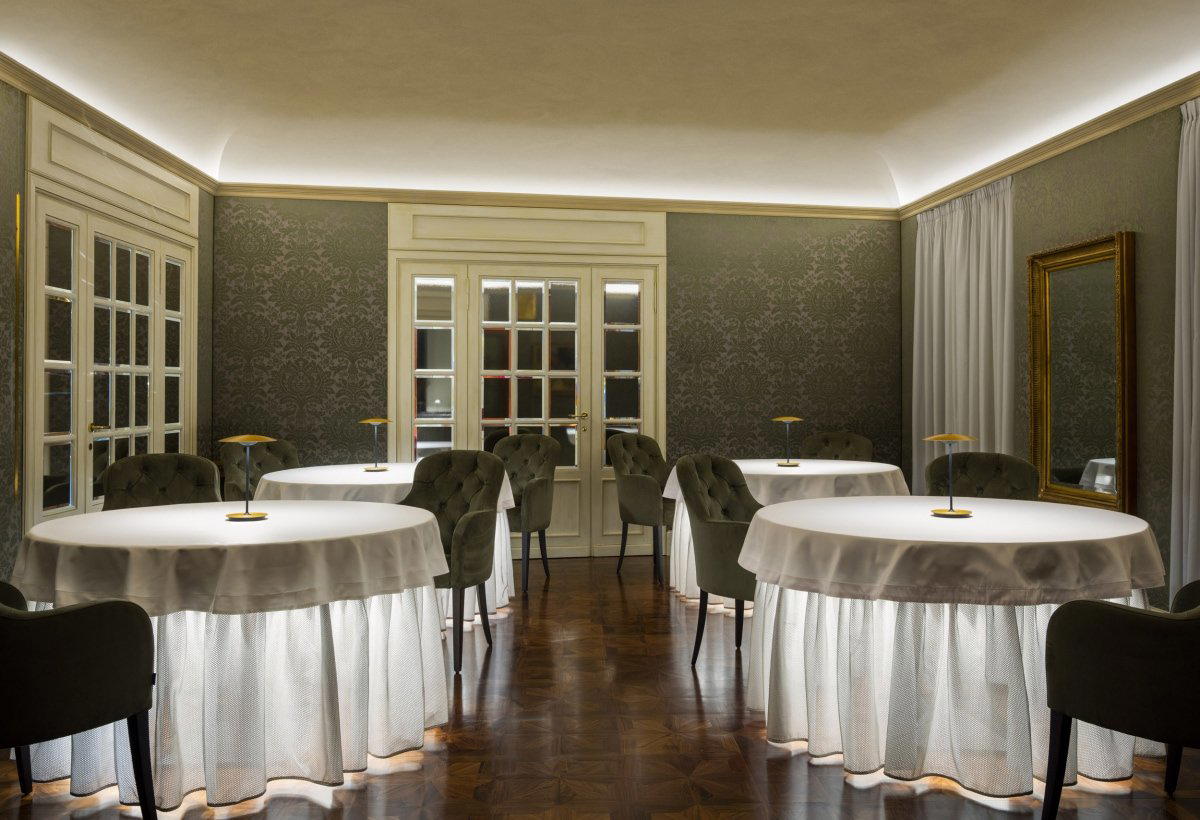
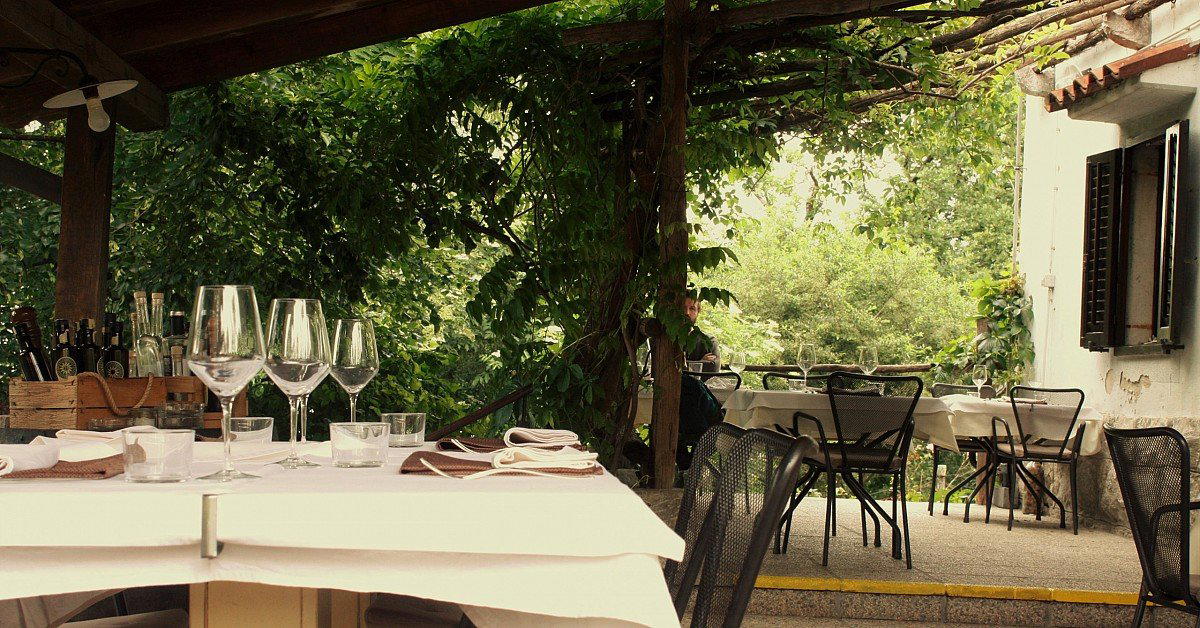
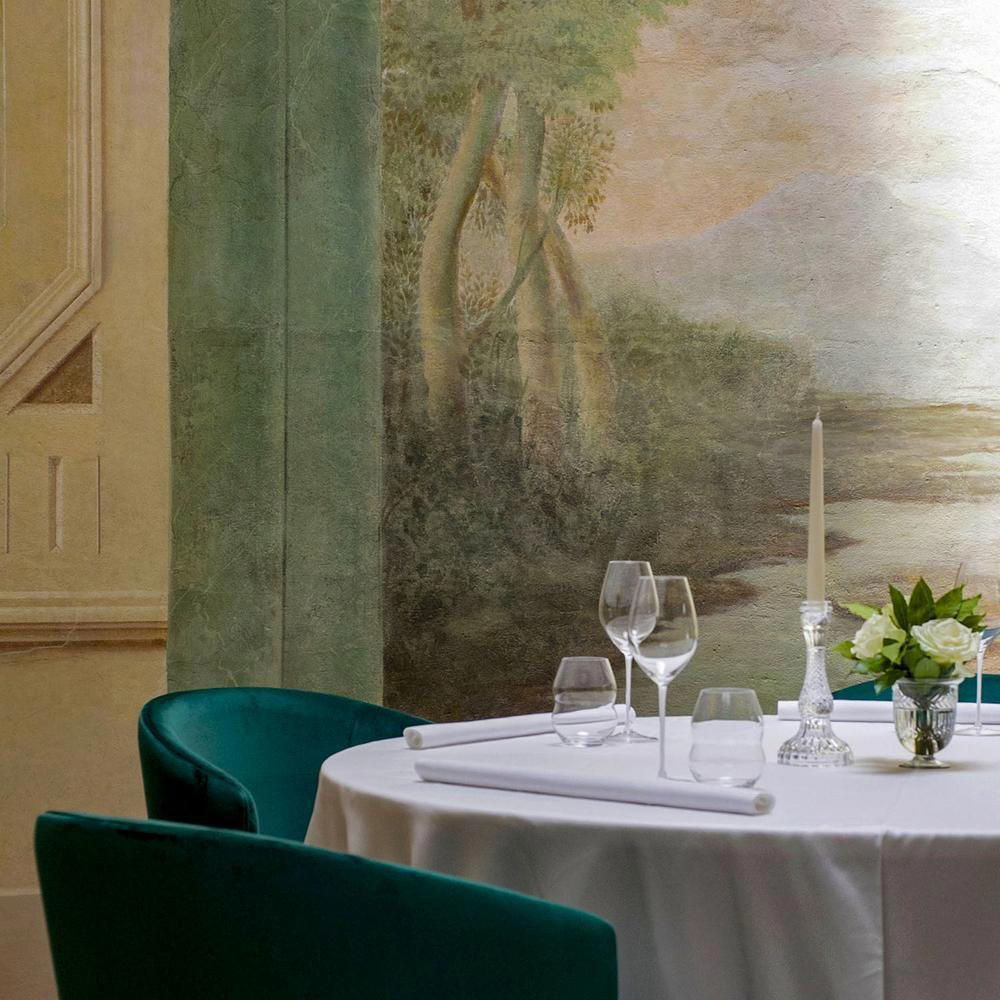
Bars in Muggia
Browse all →
Hotels in Muggia
Browse all →
At a Glance
- Rustic
- Cozy
- Scenic
- Special Occasion
- Family
- Terrace
- Local Sourcing
- Waterfront
- Vineyard
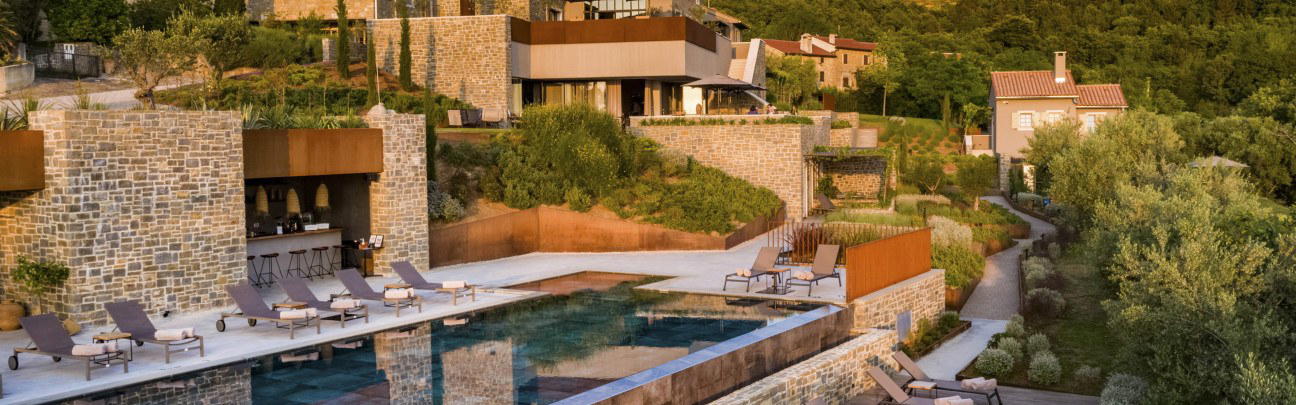
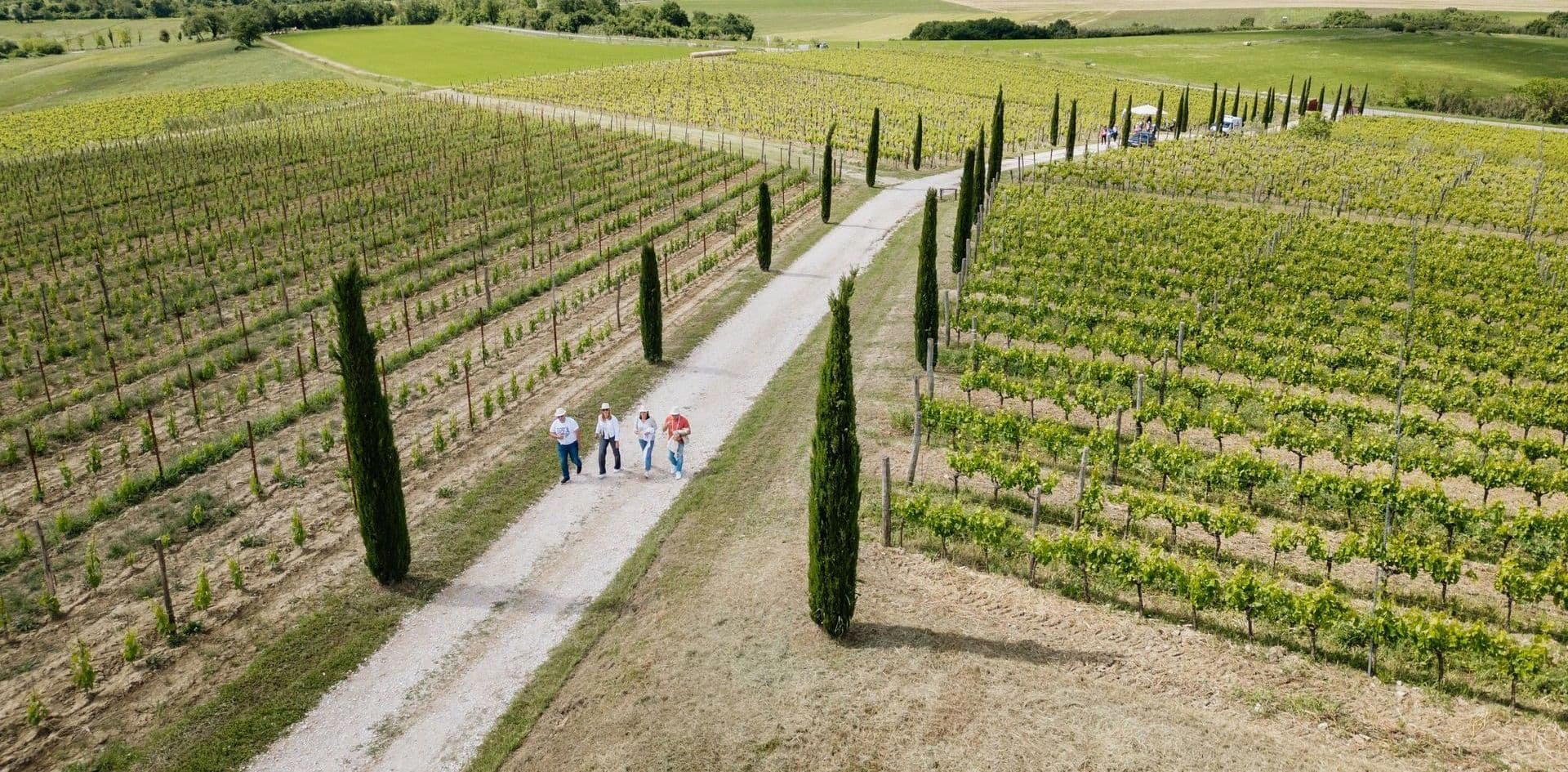
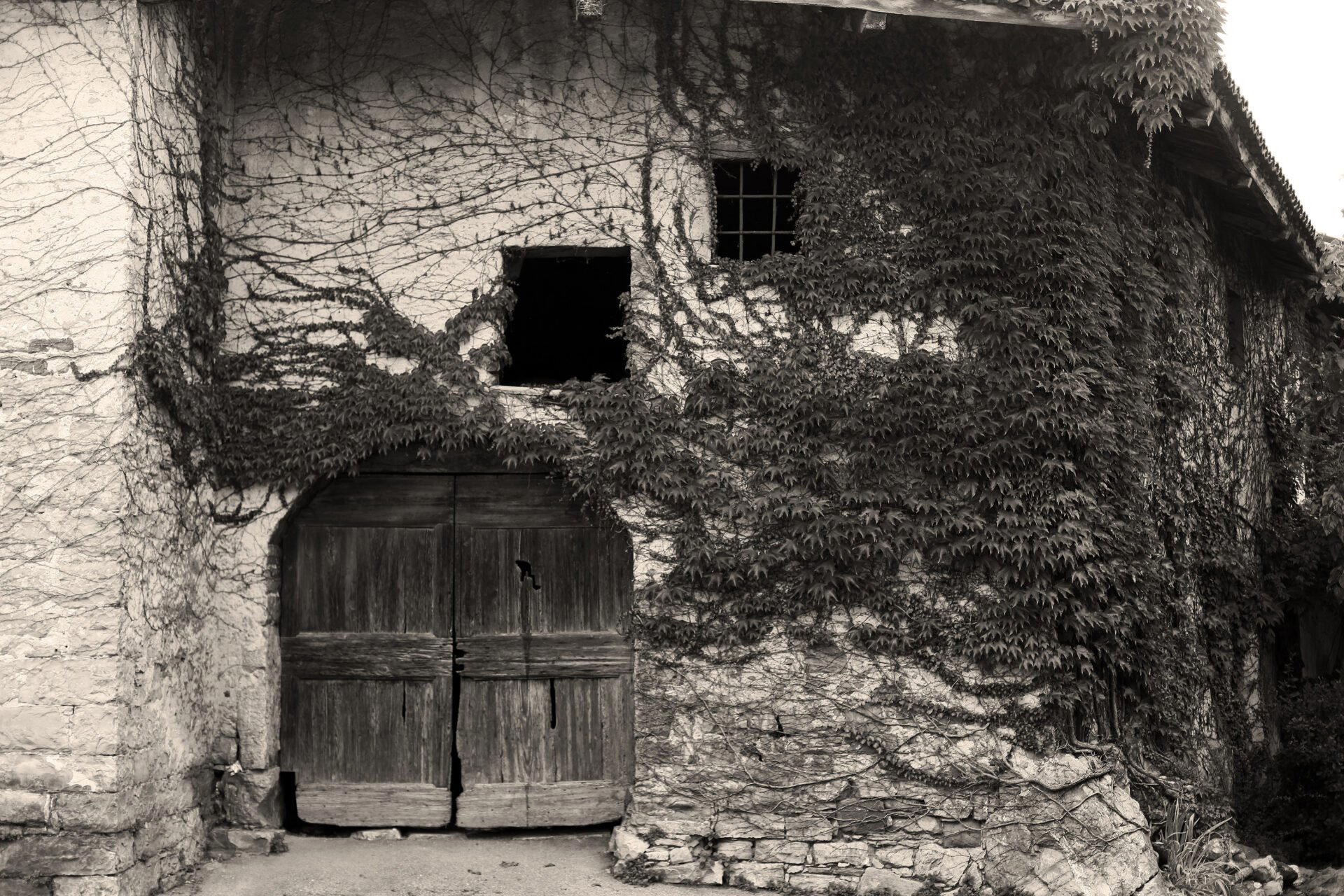
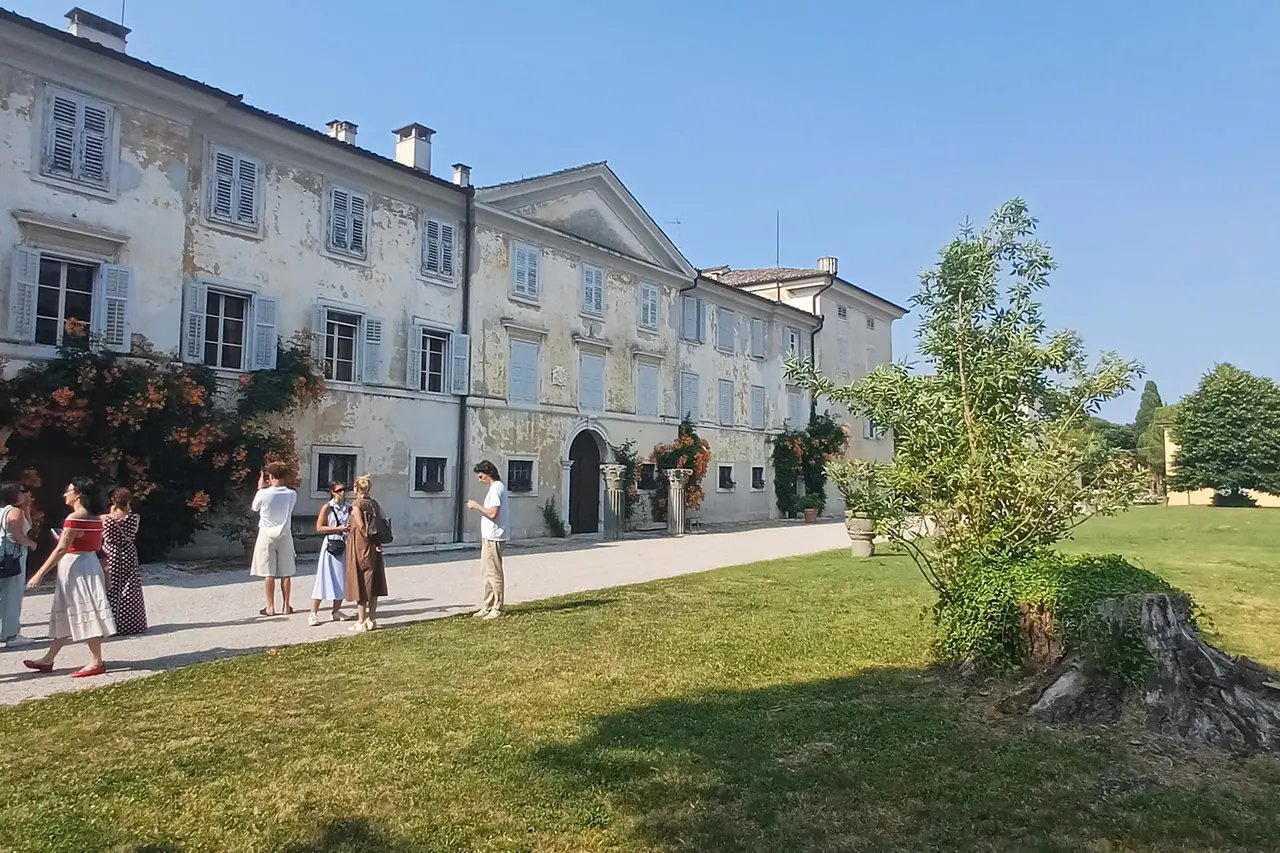
Traditional and cosy interior full of family heirlooms, rustic charm amid vineyards and olive groves.