Our verdict
Chutaro Sushi brings Asian dining to Mühlacker, a small Baden-Württemberg town where the surrounding region's appetite for ingredient-led cooking runs deep. Sitting on Bahnhofstraße in the town centre, it occupies a niche that most mid-sized German towns underserve: dedicated Asian cuisine at a neighbourhood scale. For travellers moving through the Enz valley corridor, it represents a practical and considered stop.

Pearl is the En Primeur Club membership app — saves, bookings, and concierge access live there. Same editors, same standards.
- Address
- Bahnhofstraße 98, 75417 Mühlacker, Germany
- Phone
- +4970418169898
- Hours
- Mon–Fri 11 AM–3 PM, 5–10:30 PMSat–Sun 12–3 PM, 5–10:30 PM
- Website
- chutaro.de
- Directions
- Get directions
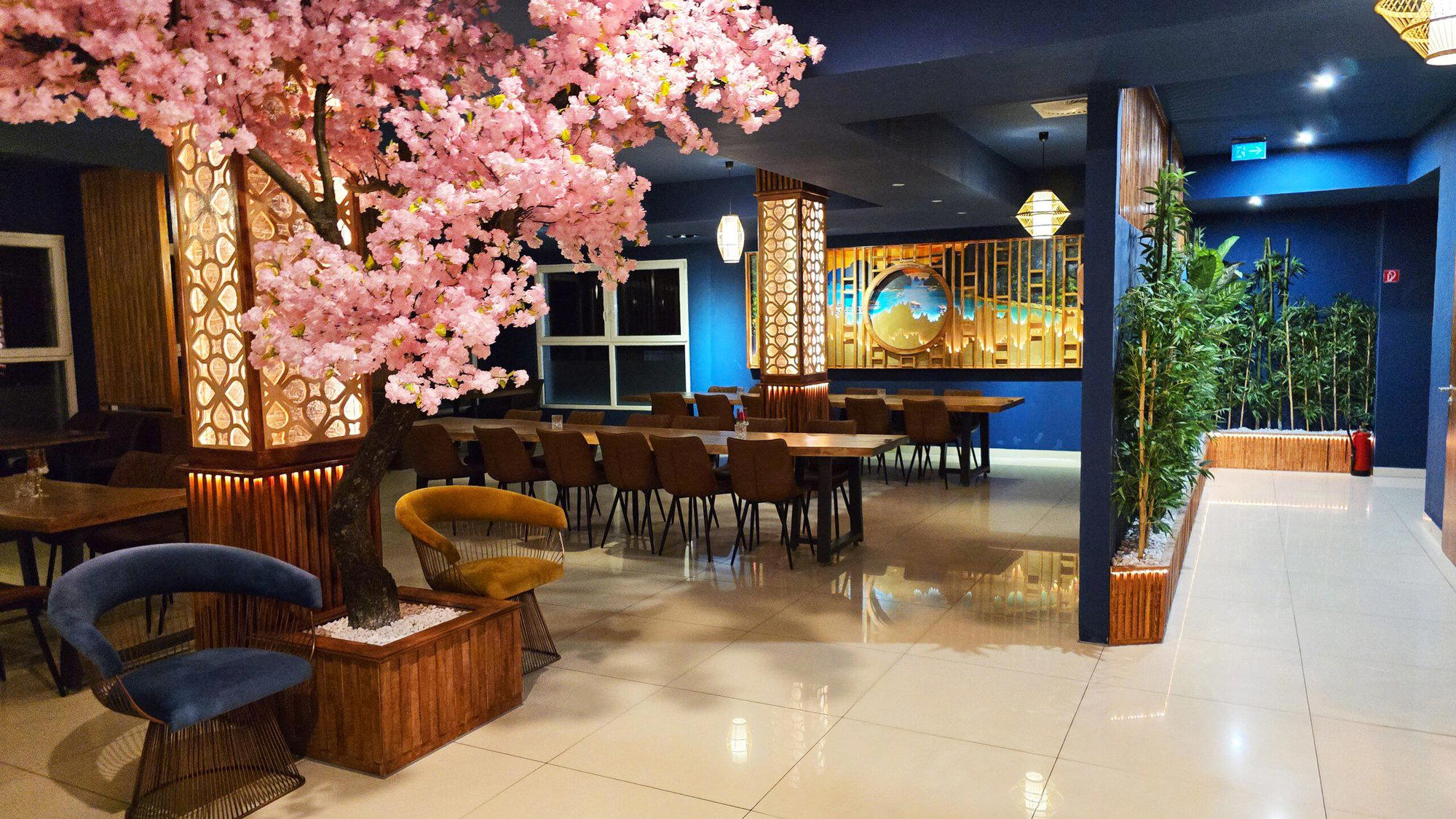
Asian Dining in a Baden-Württemberg Market Town
Small German towns along the Enz valley have never been short of solid German cooking, but dedicated Asian restaurants at the neighbourhood level remain comparatively rare. Mühlacker, a town of around 25,000 between Pforzheim and Vaihingen, sits in Baden-Württemberg's agricultural belt, a region where produce quality tends to be high but dining options skew conservative. Chutaro Sushi on Bahnhofstraße 98 occupies a specific gap in that context: a sushi and broader Asian dining address in a town where the category has little direct competition.
That positioning matters more than it might first appear. In Germany's larger cities, the Asian dining tier has fragmented considerably over the past decade. Hamburg, Berlin, and Munich all host specialist omakase counters, high-end Japanese tasting menus, and pan-Asian formats that price against fine European dining rather than casual takeaway. The trajectory runs from Restaurant Haerlin in Hamburg and JAN in Munich at the upper end of the creative dining spectrum, down through mid-market neighbourhood addresses. Chutaro Sushi occupies the latter register, serving a local audience rather than destination diners, which shapes everything from its format to its sourcing logic.
What Ingredient Sourcing Looks Like at This Scale
The ingredient sourcing question for a sushi restaurant in a Baden-Württemberg market town is genuinely interesting. Japan's leading omakase counters — the kind that inform the upper tier of German Japanese dining — built their reputations on fish sourced through Tokyo's Toyosu market or equivalent high-grade wholesale networks, aged under precise humidity and temperature conditions, and served at counters where the chef-to-guest ratio allows close attention to each piece. That model requires volume, specialist suppliers, and a guest base willing to pay for it. Venues like Schwarzwaldstube in Baiersbronn demonstrate how sourcing discipline at the regional level can anchor a restaurant's identity even in geographically peripheral locations, though the French classical tradition Schwarzwaldstube operates within gives it a different supplier infrastructure than a sushi address would need.
For a sushi restaurant operating in a town like Mühlacker, the practical sourcing reality involves working through established German wholesale fish networks, which have improved substantially in range and quality over the past fifteen years as Japanese dining has expanded across Germany. Frankfurt and Stuttgart both host specialist Japanese food importers that supply restaurants well outside the major cities.
The broader regional context reinforces this point. Baden-Württemberg's agricultural output, particularly in the Kraichgau and Enz valley areas, is strong on vegetables, herbs, and some meat, though it is not a fish-producing region. A restaurant applying an ingredient-forward approach to Asian cuisine here would logically emphasise those available local inputs for vegetable and garnish components while sourcing fish through specialist channels. This hybrid sourcing model, combining regional produce with specialist imports, has become common in European Japanese cooking outside the major cities.
The Town and What to Expect Approaching the Address
Bahnhofstraße in Mühlacker is a functional commercial street running near the town's rail connection, which places Chutaro Sushi within easy reach of visitors arriving by regional train from Pforzheim or Mühlacker station. The street's character is mixed-use rather than destination dining, which means the restaurant draws primarily from a local catchment rather than from passing food tourism. For travellers moving through the region, that has practical implications: this is a neighbourhood address, not a booked-weeks-ahead destination counter.
Atmospherically, sushi restaurants in German market towns of this scale tend toward the compact and functional rather than the theatrical. The design language of Japanese dining that has filtered through to mid-market European addresses over the past two decades generally favours clean lines, minimal clutter, and natural materials, though the execution varies considerably by operator.
The comparison set for what a well-run neighbourhood Asian restaurant in this tier can achieve is instructive. Germany's mid-market Japanese and pan-Asian restaurants have generally raised their baseline in the past decade, driven partly by a more knowledgeable domestic customer base and partly by better supplier infrastructure. Venues operating in smaller German cities that take their sourcing and preparation seriously can produce cooking that genuinely competes with lower-tier urban equivalents. The distance from Mühlacker to Stuttgart is roughly 35 kilometres, which gives the local market access to urban comparison points without requiring a day trip. That proximity shapes what Mühlacker diners expect.
Where Chutaro Sushi Sits Relative to the Region's Dining Range
Baden-Württemberg's dining range is wider than most international visitors recognise. The Black Forest corridor alone contains some of Germany's most awarded kitchens, including Schwarzwaldstube in Baiersbronn and Ösch Noir in Donaueschingen, operating at the three-star and high creative level respectively. Further afield in Germany, venues like Aqua in Wolfsburg, Vendôme in Bergisch Gladbach, and ES:SENZ in Grassau demonstrate how serious fine dining can anchor itself in geographically peripheral locations when the sourcing infrastructure and guest base support it. Chutaro Sushi is not in that conversation, it is a different category serving a different function, but the broader regional sophistication creates a baseline expectation that even neighbourhood dining in Baden-Württemberg tends to meet.
For full context on what Mühlacker's dining options look like across categories, our full Mühlacker restaurants guide covers the range in more depth. Travellers seeking the upper tier of regional German dining would look toward the Black Forest addresses above, while those curious about Germany's broader creative dining scene might reference CODA Dessert Dining in Berlin, Jante in Hanover, or Schanz in Piesport for a sense of what the category's top tier looks like nationally. Internationally, Le Bernardin in New York City and Lazy Bear in San Francisco represent the benchmark for seafood-focused and community-format dining at the highest level.
Planning Your Visit
Chutaro Sushi is located at Bahnhofstraße 98, 75417 Mühlacker. The address is accessible via Mühlacker station on the regional rail network connecting Pforzheim and Vaihingen an der Enz, which makes it reachable without a car from the surrounding towns.
Frequently asked questions
Would Chutaro Sushi be comfortable with kids?
A neighbourhood sushi and Asian restaurant on a commercial street in a town of Mühlacker's size typically runs at a relaxed pace that suits families. The setting on Bahnhofstraße 98, close to the rail station, suggests a practical, walk-in-friendly format rather than a formal counter experience.
What part of town is Chutaro Sushi- Asian Restaurant in?
Chutaro Sushi- Asian Restaurant is located at Bahnhofstraße 98, 75417 Mühlacker, Germany, Muhlacker.
What's the best way to book Chutaro Sushi- Asian Restaurant?
Reservations are recommended for Chutaro Sushi- Asian Restaurant in Muhlacker. Confirm current policy via the venue's official channels.
What makes Chutaro Sushi- Asian Restaurant worth seeking out?
Chutaro Sushi- Asian Restaurant is best approached by focusing on the core concept and signature offerings.
Side-by-Side Snapshot
Comparable venues nearby, for context on price, style, and recognition.
| Venue | Cuisine | Price | Notes |
|---|---|---|---|
| Chutaro Sushi- Asian RestaurantThis venue — the venue you are viewing | Asian Sushi Restaurant | Not listed | Not listed |
| Suzuna | Traditional Japanese Izakaya & Ramen | $20–30 | Gablenberg |
| Mikoto | Modern Japanese Sushi | $30–50 | Gablenberg |
| Yuoki | Japanese & Chinese Sushi Grill | $20–30 | Viesenhäuser hof |
| Feinkost Böhm Sushi-Ya | Traditional Japanese Sushi | $30–50 | Gablenberg |
| OJIGI | Authentic Japanese Sushi & Fine Dining | Not listed | Plankenhofpassage |
Continue exploring
More in Muhlacker
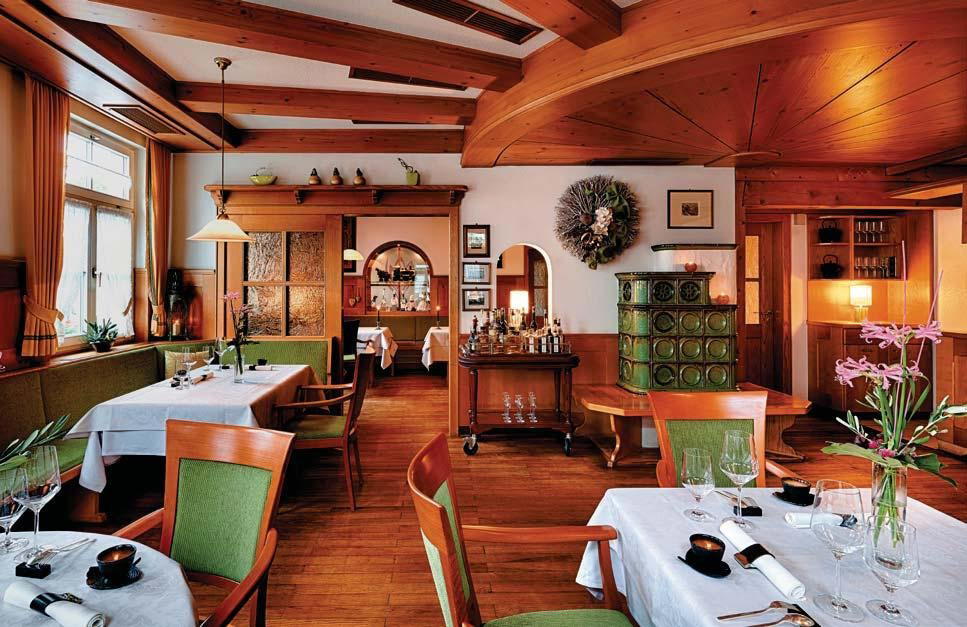
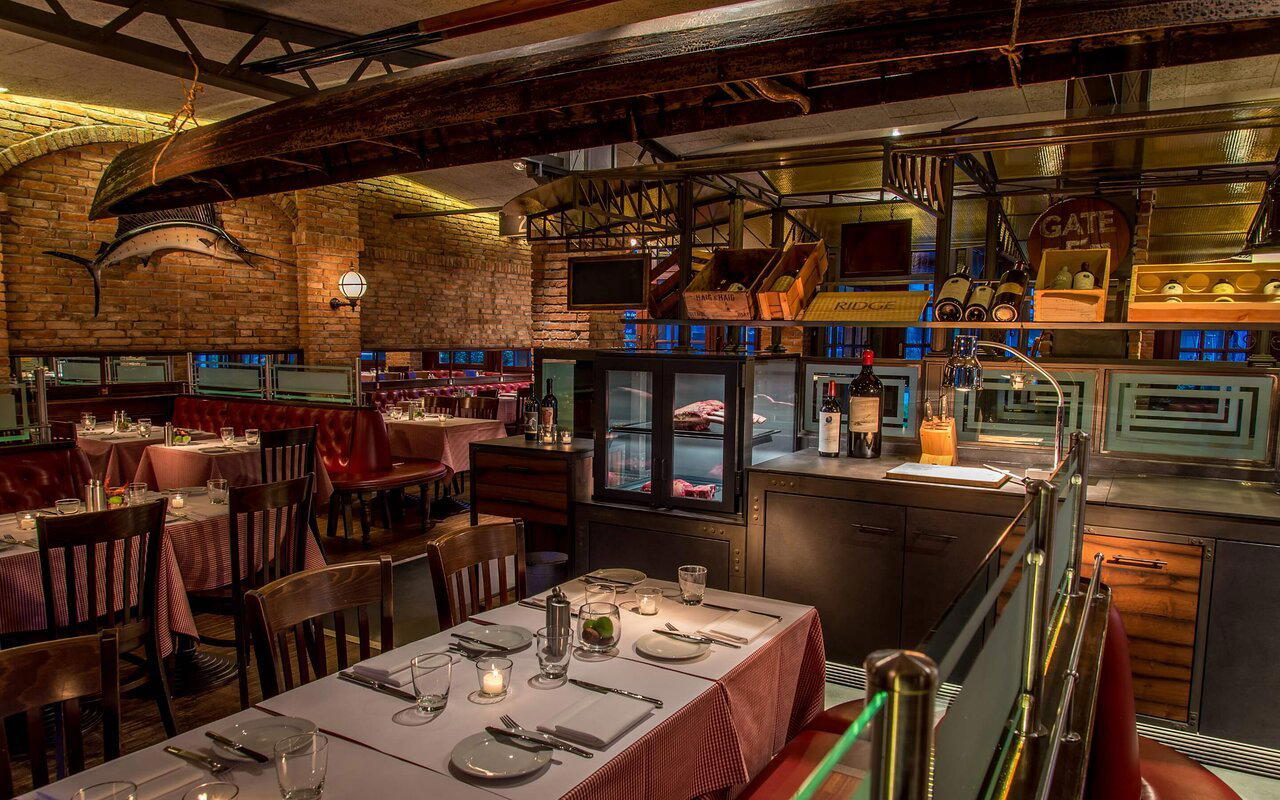
Restaurants in Muhlacker
Browse all →
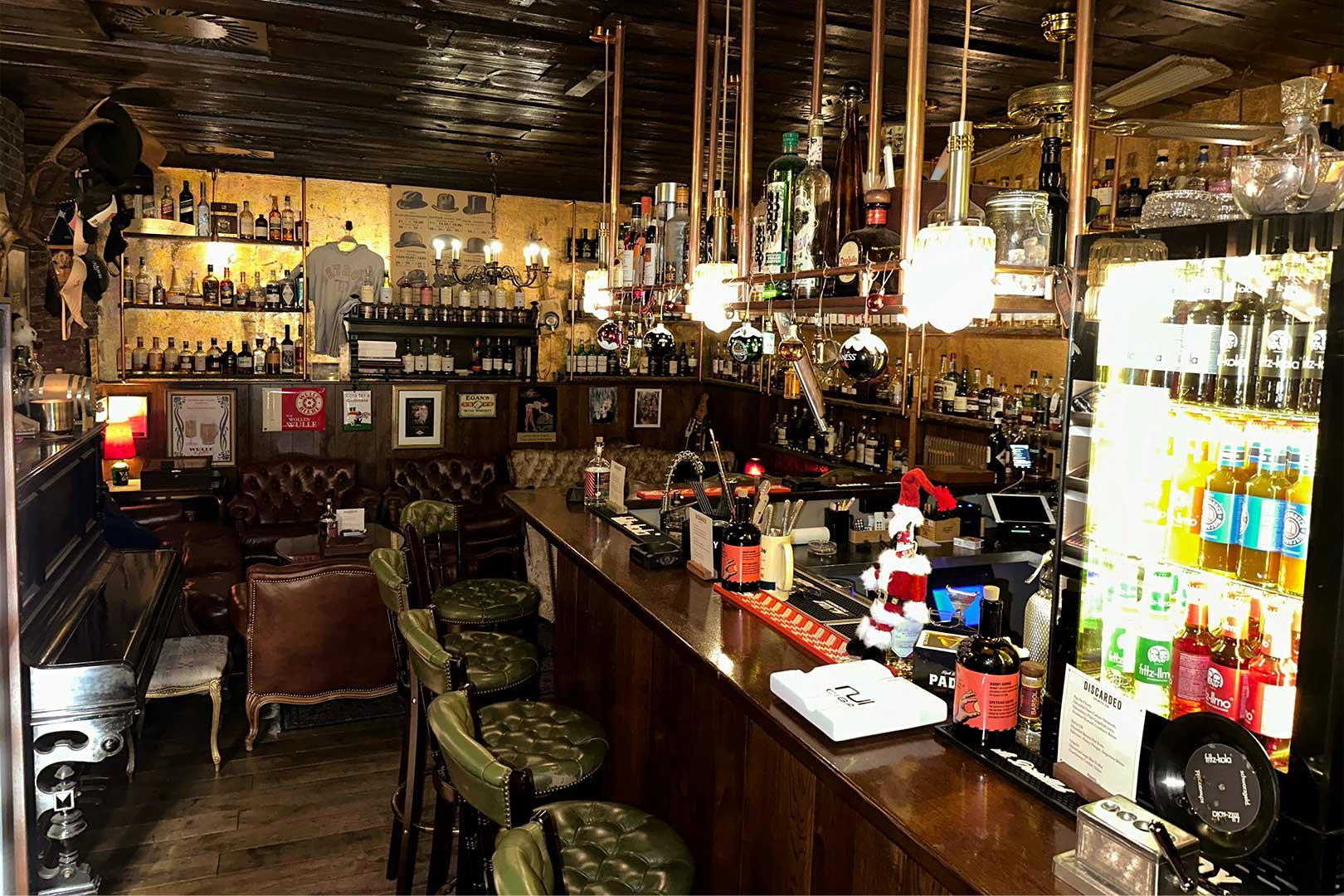
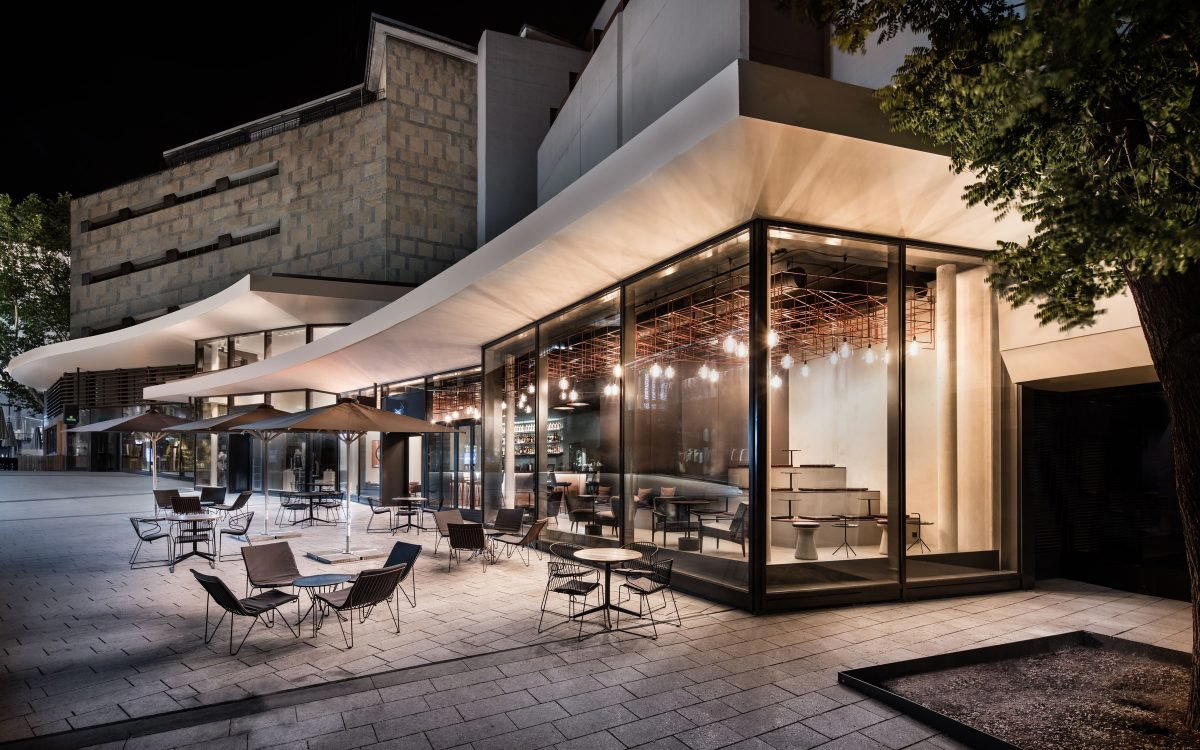
Bars in Muhlacker
Browse all →
Hotels in Muhlacker
Browse all →

Details
- Modern
- Cozy
- Family
- Casual Hangout
- A La Carte
- Vegetarian Friendly
Current opening hours
- Monday
- 11 AM–3 PM, 5–10:30 PM
- Tuesday
- 11 AM–3 PM, 5–10:30 PM
- Wednesday
- 11 AM–3 PM, 5–10:30 PM
- Thursday
- 11 AM–3 PM, 5–10:30 PM
- Friday
- 11 AM–3 PM, 5–10:30 PM
- Saturday
- 12–3 PM, 5–10:30 PM
- Sunday
- 12–3 PM, 5–10:30 PM
Hours can change for holidays and private events. Last verified .
Modern and einladend atmosphere well-suited for relaxed meals with friends or family.