Gourmetrestaurant Berlins Krone

Berlins Krone holds a Michelin star earned in both 2024 and 2025, making it the standout fine dining address in the Black Forest spa town of Bad Teinach-Zavelstein. Chef Franz Berlin works within a Modern French register at a €€€€ price point, placing this small-town restaurant in the same award tier as Germany's most recognised regional tables..
Pearl is the En Primeur Club membership app — saves, bookings, and concierge access live there. Same editors, same standards.
- Address
- Marktpl. 2, 75385 Bad Teinach-Zavelstein, Germany
- Phone
- +49 7053 92940
- Website
- kronelamm-schwarzwald.de
- Directions
- Get directions
 Saves & bookings on Pearl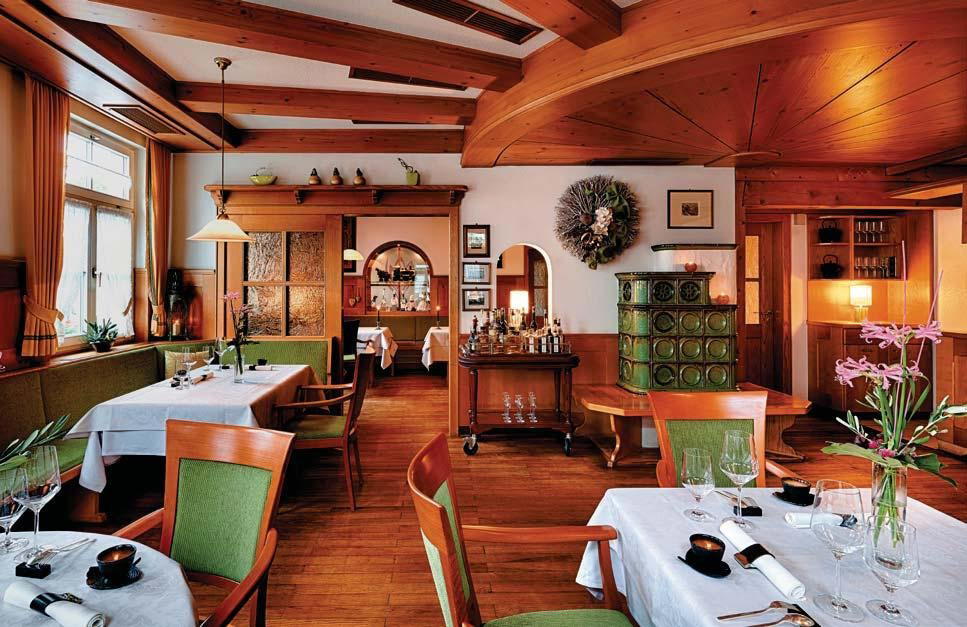
A Starred Table in the Black Forest Foothills
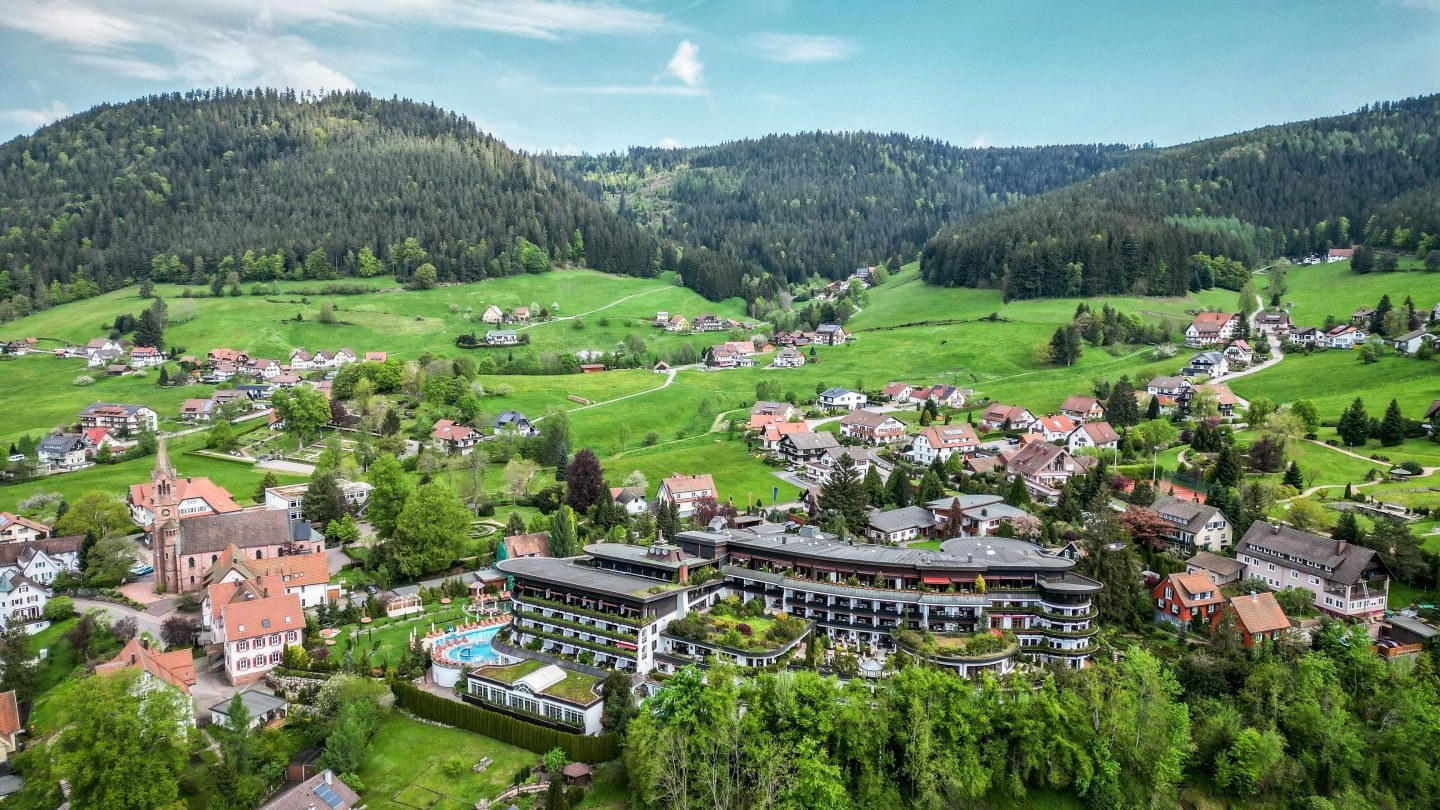
Bad Teinach-Zavelstein is home to Gourmetrestaurant Berlins Krone, a Michelin one-star restaurant in the Northern Black Forest. Against that backdrop, a sustained Michelin star feels like a deliberate statement about what serious cooking can look like outside Germany's metropolitan fine dining circuit. Berlins Krone, addressed at Marktplatz 2, occupies the kind of central market-square position common to ambitious provincial restaurants across Baden-Württemberg: visible, grounded in place, and carrying the weight of a local institution. The building's setting on the square means the approach is unhurried, the surroundings more spa-town than city-block, and the sense on arrival is of a restaurant that has chosen its location rather than been assigned it.
The Northern Black Forest has a longer claim on French culinary influence than the destination's spa-town identity might suggest. Proximity to Alsace, generations of cross-border culinary exchange, and the concentration of Michelin-starred tables in nearby Baiersbronn, where Schwarzwaldstube holds three stars in a Classic French register, have created a regional fine dining tradition with genuine depth. Berlins Krone sits in that tradition at the one-star tier, working a Modern French idiom under Chef Franz Berlin. The cuisine type here is less a borrowed fashion and more a reflection of the region's actual culinary geography.
Provenance, Terroir, and What the Region Offers the Plate
Modern French cooking at this price point in southern Germany operates within a specific ingredient logic. The Black Forest and its surrounding valleys produce game, foraged herbs, freshwater fish, and cold-climate vegetables across an unusually varied micro-terrain. The French technical framework that underpins this category of cooking is well-suited to treating those materials with precision: stocks built from local bones, sauces that amplify rather than mask regional produce, and a plating discipline that keeps provenance legible on the plate. In the broader German fine dining context, this is the same ingredient logic that drives award-level tables from ES:SENZ in Grassau in the Chiemgau Alps to Schanz in Piesport in the Moselle, where the land's character shapes the menu's direction.
What separates the Black Forest specifically is the density of quality sourcing within a small radius. Farmers, foragers, and small producers operating in the Nagold Valley and surrounding areas feed a hospitality economy anchored by wellness tourism. That means a kitchen like Berlins Krone draws on a supplier base that has been developed and maintained over years, rather than relying on the national logistics chains that supply urban fine dining. Whether that translates into particular signature ingredients or seasonal anchoring points is not data available here, but the regional pattern is consistent across comparably positioned restaurants in this corridor.
Where Berlins Krone Sits in the German Michelin Tier
Gourmetrestaurant Berlins Krone's Michelin star places it in a competitive tier in southwest Germany. Baden-Württemberg and Bavaria together account for a disproportionate share of Germany's total stars, meaning a one-star award in this region places a restaurant inside a genuinely crowded comparable set. Retaining that star across 2024 and 2025 signals consistency.
The competitive frame matters here. Within the Black Forest corridor, Schwarzwaldstube operates at three stars and in a Classic French register that has defined the region's fine dining ceiling for decades. Berlins Krone sits at a different tier and in a different town, but it draws from the same regional culinary tradition and prices at €€€€, the same band as three-star tables in Germany. For context, Vendôme in Bergisch Gladbach and Victor's Fine Dining by Christian Bau in Perl both hold two stars at the same €€€€ price point, illustrating how tightly German fine dining prices cluster regardless of star count.
The restaurant's. At a restaurant of this scale in a spa town with modest tourist volume, 194 reviews represents meaningful engagement. A 4.7 average at that volume is not a statistical artefact of a handful of enthusiastic visitors: it reflects repeated satisfaction across a cross-section of guests that includes both local regulars and destination diners.
Modern French Cooking in a Regional Context
Modern French category covers a wide range of ambition and interpretation in Germany's fine dining circuit. At its most sophisticated, it describes kitchens that have absorbed classical French technique and are applying it to local ingredients with contemporary restraint, as seen at JAN in Munich. At its most formulaic, it describes a French-inflected tasting menu template that could be found in any mid-sized European city.
What is clear from the category and context is that the kitchen is working within a tradition rather than against it. Modern French cooking in the Black Forest region has a coherent logic: the technique is borrowed and refined, the ingredients are local and seasonal, and the result is cuisine with a dual identity that is neither purely regional nor purely classical. This is the same productive tension that animates Waldhotel Sonnora in Dreis and, in a different register, Restaurant Haerlin in Hamburg: French vocabulary applied to German materials with sufficient rigour to sustain critical recognition.
For readers considering the broader Modern French category across Europe, comparable reference points at the two-star level include Sketch, The Lecture Room and Library in London and Alex Dilling at Hotel Café Royal in London, both of which operate at significantly higher price points and in a major metropolitan context.
Planning a Visit
Bad Teinach-Zavelstein is a spa town in the Nagold Valley, approximately 35 kilometres southwest of Stuttgart. The drive from Stuttgart takes around 45 minutes; the town is not served by direct high-frequency rail, so arriving by car is the practical approach for most guests. The restaurant's market-square address, Marktpl. 2, is direct to locate within the compact town centre. Given the Michelin recognition and the limited capacity typical of restaurants at this level in small German towns, booking well in advance is advisable, particularly for weekend sittings. For those planning a wider visit to the area, our full Bad Teinach-Zavelstein restaurants guide, hotels guide, bars guide, wineries guide, and experiences guide cover the wider destination. For context on comparable award-level cooking elsewhere in Germany, Aqua in Wolfsburg and CODA Dessert Dining in Berlin represent the three-star and two-star tiers in different regional contexts. For readers interested in Bagatelle in Trier, that table offers a further point of comparison in the French-influenced fine dining corridor of western Germany.
Fast Comparison
Comparable venues nearby, for context on price, style, and recognition.
| Venue | Cuisine | Price | Awards | Notes |
|---|---|---|---|---|
| Gourmetrestaurant Berlins KroneThis venue — the venue you are viewing | Michelin-Starred German Fine Dining | $$$$ | Michelin 1 Star | Not listed |
| Schlossberg | Modern German Fine Dining | $$$$ | Michelin 1 Star | Schwarzenberg |
| Cédric | Modern Regional German Fine Dining | $$$$ | Michelin 1 Star | Weinstadt |
| Merkles Restaurant | Modern German Fine Dining | $$$$ | Michelin 1 Star | Endingen am Kaiserstuhl |
| Eisenbahn | Classic-Modern German Fine Dining | $$$$ | Michelin 1 Star | Schwäbisch Hall |
| Esszimmer im Oberschwäbischen Hof | Modern Fine Dining with South German Influences | $$$$ | Michelin 1 Star | Schwendi |
Recognition history
Dated appearances from independent guides and award organizations, with the underlying list record or original source where available.
Michelin 1 Star
Michelin
Michelin 1 Star
Michelin
Michelin 1 Star
Michelin
Continue exploring
More in Bad Teinach-Zavelstein
Restaurants in Bad Teinach-Zavelstein
Browse all →
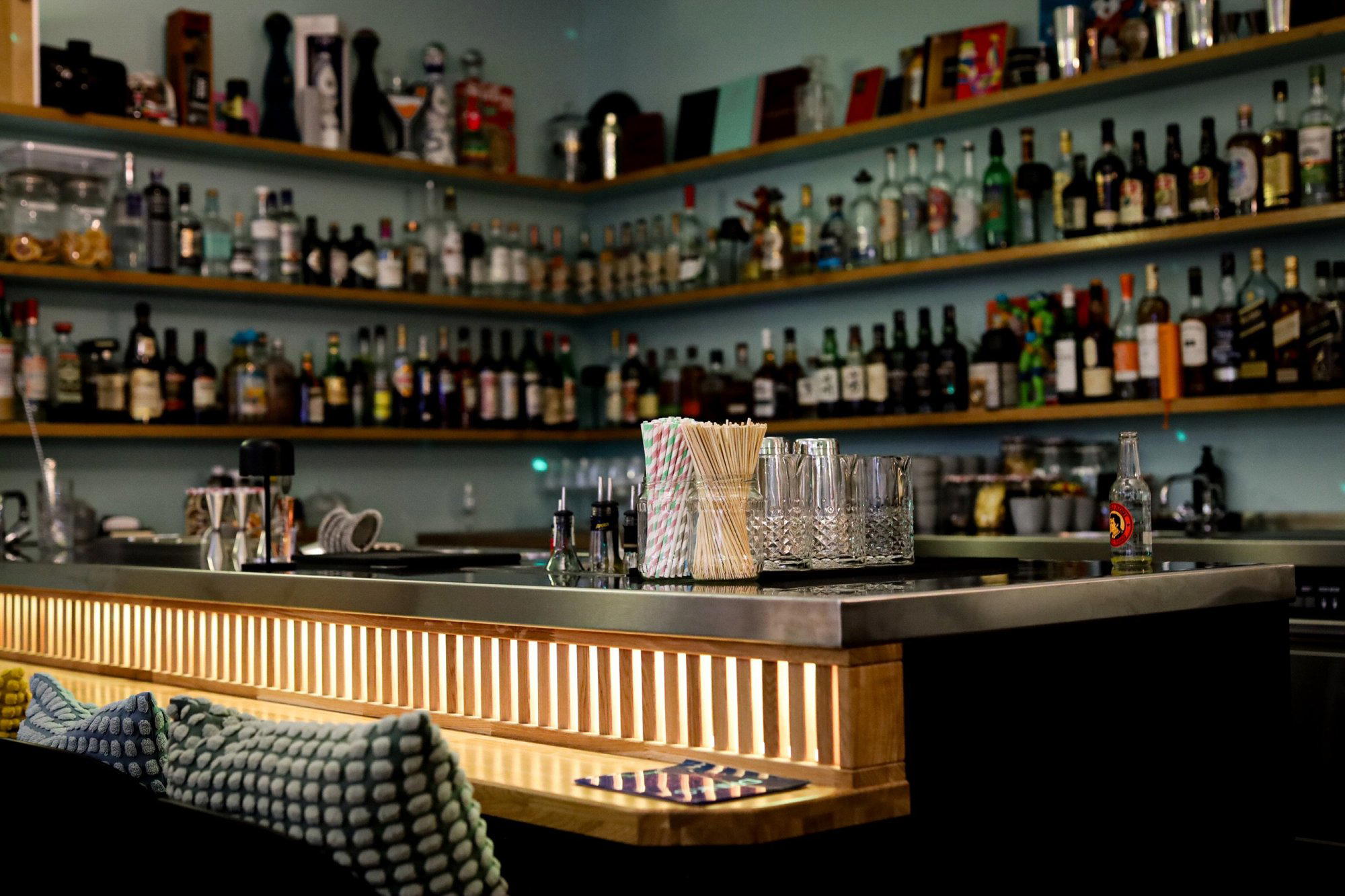
Bars in Bad Teinach-Zavelstein
Browse all →


Hotels in Bad Teinach-Zavelstein
Browse all →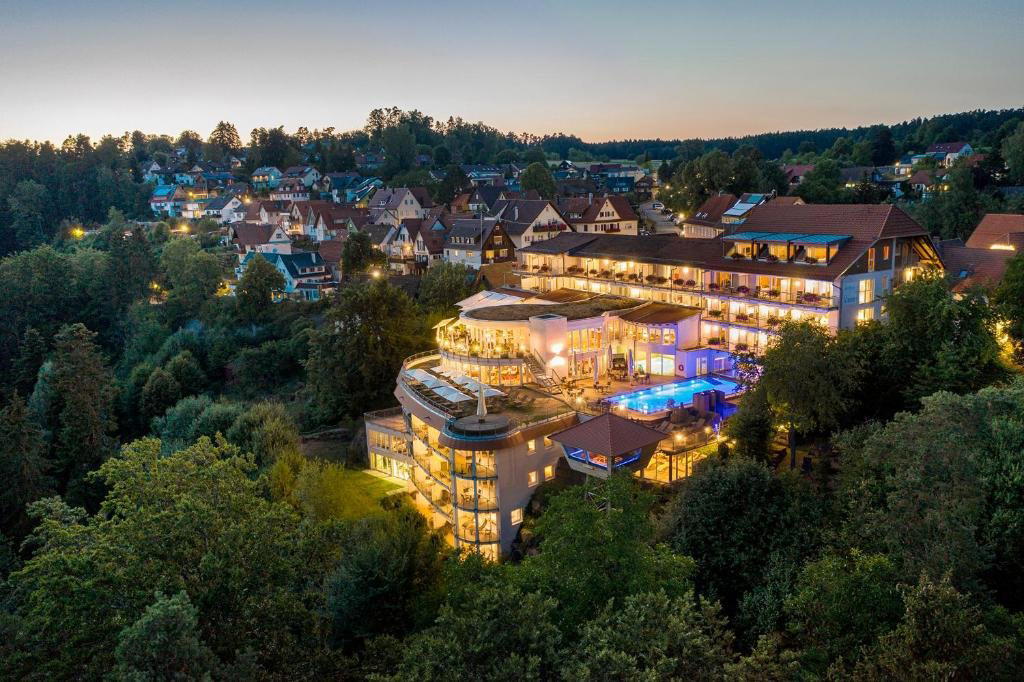
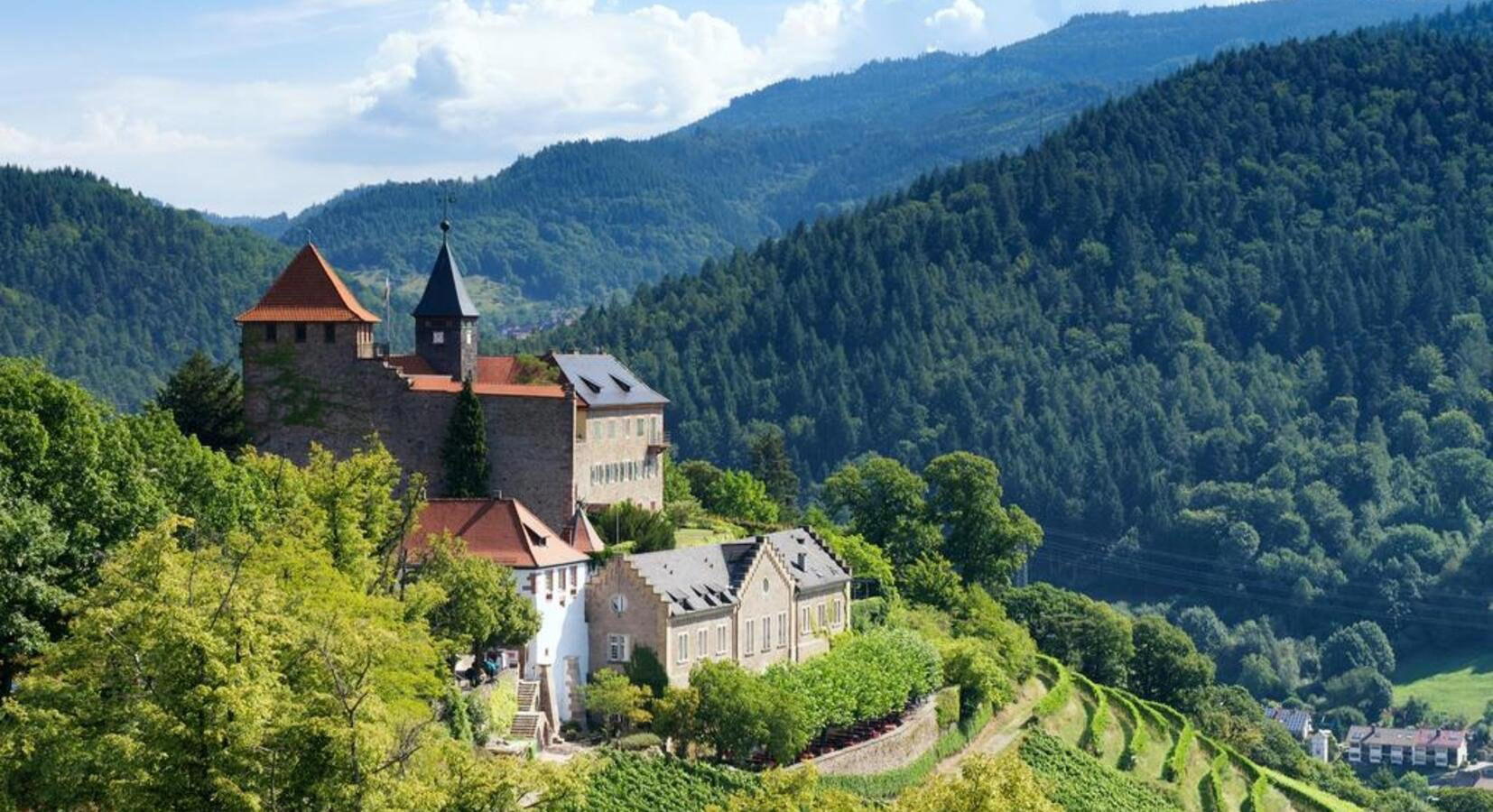
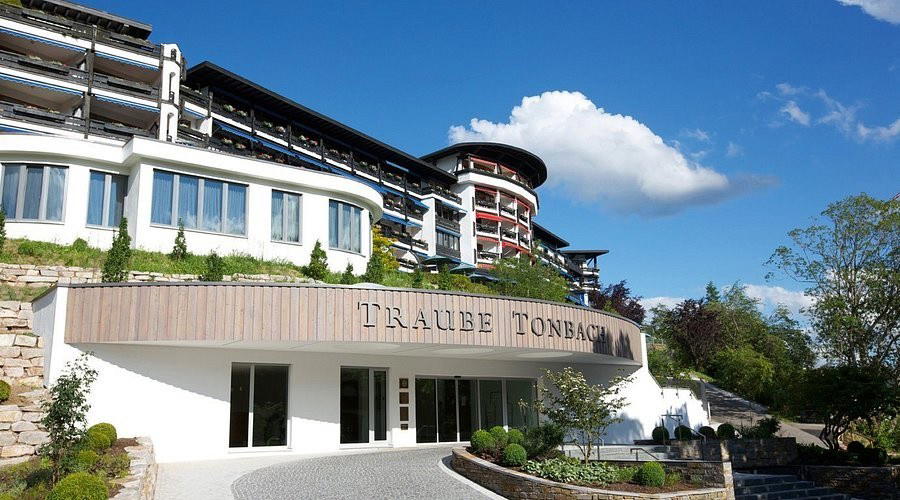
Wineries in Bad Teinach-Zavelstein
Browse all →
At a Glance
- Elegant
- Cozy
- Sophisticated
- Intimate
- Special Occasion
- Date Night
- Hotel Restaurant
- Extensive Wine List
- Sommelier Led
- Local Sourcing
- Mountain
Current opening hours
- Monday
- Closed
- Tuesday
- Closed
- Wednesday
- 6–7 PM
- Thursday
- 6–7 PM
- Friday
- 6–7 PM
- Saturday
- 6–7 PM
- Sunday
- Closed
Hours can change for holidays and private events. Last verified .
Cosy and elegant atmosphere with refined lighting and warm hospitality.