
A compact Kitashinagawa ramen and tsukemen address with 19 seats, counter seating, and repeated selection in Tabelog Ramen TOKYO “Tabelog 100” from 2019 through 2025. Chuka Soba Waka TOKYO belongs to Tokyo’s serious everyday ramen tier: modest pricing, tight service rhythm, and a station-side location that rewards diners who treat ramen as a craft format rather than a quick filler stop.
Pearl is the En Primeur Club membership app — saves, bookings, and concierge access live there. Same editors, same standards.
- Address
- 3 Chome-2-1 Kitashinagawa, Shinagawa City, Tokyo 140-0001, Japan
- Phone
- +81 3-6433-1224
- Website
- waka-group.com
 Saves & bookings on Pearl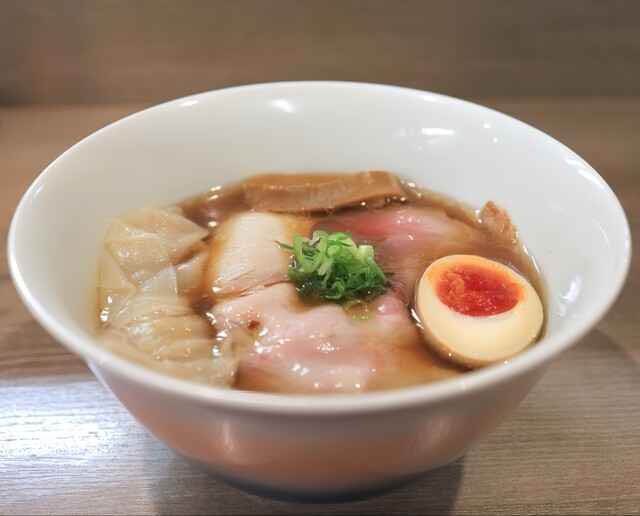
Kitashinagawa changes register quickly: rail line, older Shinagawa-side streets, then a second-floor ramen room where scale matters more than spectacle. Tokyo ramen has long made room for compact, practical addresses judged by repeat performance rather than décor. Chuka Soba Waka TOKYO sits in that serious everyday bracket, with ramen and tsukemen as core categories and 19 seats split between five counter seats and table seating.
The point is not simply smallness; Tokyo has countless small ramen rooms. Here, it is tied to a competitive format: limited seats, no private rooms, no private-use setup, and service built around turnover without fast-food theatre. In a city where luxury tasting menus and sub-JPY 2,000 noodle counters can feel worlds apart, ramen remains one of the cleanest ways to read local standards.
Kitashinagawa ramen in the city's serious everyday tier
Tokyo ramen runs from station-adjacent lunch counters to destination bowls tracked by specialist diners with the care others reserve for sushi or French. Tabelog’s Ramen TOKYO “Tabelog 100” selections matter because they gather shops competing inside a crowded field, not across restaurant genres. Chuka Soba Waka TOKYO was selected in 2025, with prior selections from 2019 through 2024, a useful signal in a category where consistency is easier to claim than sustain.
That recognition places it closer to Tokyo’s ramen specialist conversation than to a casual noodle stop chosen only for convenience. Its Tabelog score is 3.78, and average spend is JPY 1,000 to JPY 1,999 for both lunch and dinner. The threshold is low, but scrutiny is not. In the same price band, Ichou no Ki and Rebanira ya Kintaro Toukyou shucchoujo occupy different casual lanes; Gyoza Mania Shinagawa hon ten moves higher in spend, while Kappo MAKINO and Quintessence belong to different dining categories. The useful comparison is whether a modestly priced specialist room can hold attention in Tokyo’s dense field.
For readers mapping the city by genre, ramen complicates hierarchy. A counter can be more instructive than a grand dining room because the margin for error is narrow: broth category, noodle handling, ticket flow, seating discipline, and front-of-house pacing show quickly. Team dynamic matters even when names are not the story. In a small ramen shop, kitchen and service are one performance; the room works only if cooking cadence, seat turnover, payment flow, and table resets stay aligned.
Counter discipline over restaurant theatre
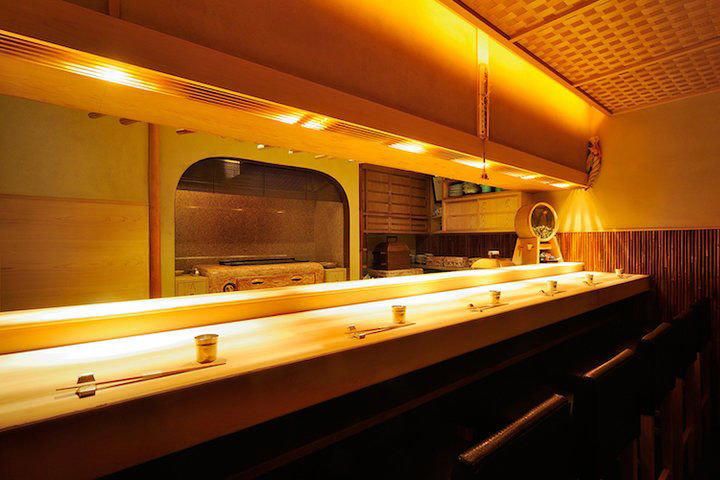
The room’s structure shapes the experience. Five counter seats show the working rhythm, while 14 table seats make the shop more flexible than stricter counter-only ramen rooms common in central Tokyo. Solo diners move through efficiently, pairs have a natural place to sit, and small groups are not automatically excluded. The absence of private rooms is part of Tokyo ramen grammar: public, quick, and judged in the open.
Reservations are unavailable, placing the shop inside familiar Tokyo ramen logic: access is governed less by concierge planning than by timing, patience, and the ability to work around meal peaks. The address is one minute on foot from Kitashinagawa Station on the Keikyu Main Line and within walking distance of Shinagawa Station, so it fits a Shinagawa-area day rather than requiring a dedicated cross-city expedition. Parking is unavailable, another reason the rail connection matters.
Payment details show the category’s modernization. Credit cards are accepted, including Visa, Master, and AMEX, and transportation IC cards such as Suica are accepted; QR code payments are not. That mix is common in Tokyo’s transitional casual dining tier, where a compact specialist room may move beyond cash-only habits. The shop is non-smoking, matching current expectations for serious food-focused dining rather than older counter culture.
EP Club’s broader Tokyo coverage places that decision in context. The city’s restaurant map stretches from casual specialist rooms such as 3 Chome no Curry Ya San, 12/10 Shinjuku ten, and 124. KAGURAZAKA (Yakitori) to broader dining stops including . 鮪と炭火焼き うお炭 秋葉原店 and visual-culture cafés such as 2D Cafe. For a fuller read, use Our full Tokyo restaurants guide, then widen trip planning through Our full Tokyo hotels guide, Our full Tokyo bars guide, Our full Tokyo wineries guide, and Our full Tokyo experiences guide.
How to read the format before joining the queue
The editorial case for Chuka Soba Waka TOKYO is strongest for diners who care about Tokyo’s specialist food culture but do not want every meal to become a reservation campaign. Opening in 2019 and appearing repeatedly in Tabelog’s ramen selections gives it a record beyond novelty. Sunday operations have also started, broadening usefulness for weekend itineraries in a city where specialist shops can be uneven on rest days.
The categories, ramen and tsukemen, place it in a tradition where comparison is granular rather than decorative. Tsukemen, a dipping-noodle format, usually shifts attention to noodle texture and broth concentration, while ramen keeps the bowl as a complete composition. Without over-reading a menu not listed here, the presence of both tells diners to think in format terms: soup-led bowl versus separated dipping structure, speed versus concentration, counter meal versus slightly more deliberate pacing.
Families can make sense here if expectations match the room. The price band is accessible by Tokyo standards and table seats help, but the format remains a compact ramen shop, not a lingering family restaurant. For travelers moving beyond Tokyo, it sits in the broader Japanese casual-specialist conversation that includes -Grilled beef Sukiyaki- KAMAKURA TANUKIAN 鎌倉 たぬき庵 in Kamakura.cafe in Osaka.know in Kumamoto, (Shoku) Vietnam in Kawasaki, [Curry Senmon Ten] Maruyama Kyoju. in Sapporo, and [ki:] in Kyoto. The Japanese-food conversation also travels abroad, from Jōdo Saké Bar in Los Angeles to Onigiri Time in Pasadena, but Tokyo’s ramen rooms remain different because the city’s density makes direct comparison immediate.
The practical verdict is simple: this is a Shinagawa-side ramen choice for diners who value recognition, compact format, and price discipline over ceremony. It belongs on an itinerary when the goal is to understand Tokyo’s serious casual dining at street level, not when the goal is a long-form restaurant evening.
Accolades, Compared
Comparable venues at a similar level for quick context.
| Venue | Cuisine | Price | Notes |
|---|---|---|---|
| Chuka Soba Waka TOKYOThis venue — the venue you are viewing | Modern Tokyo ramen & tsukemen | $ | Not listed |
| Kitchen Pan Chi | Japanese yoshoku (Western-style comfort food) | $ | Meguro |
| CURRY UP | Japanese curry house by NIGO in Harajuku | $ | Shibuya |
| Imagawayaki Kashiwaya | Traditional imagawayaki & Japanese sweets stand | $ | Setagaya |
| Tokyo Style Noodle Hotate Biyori | Scallop-focused Tsukemen & Ramen | $ | Chiyoda |
| Ramen Kai | Clam-focused Japanese ramen | $ | Taitō |
Recognition history
Dated appearances from independent guides and award organizations, with the underlying list record or original source where available.
Tabelog 100 #78 · No. 78
Tabelog · Tabelog 100 - Ramen - TOKYO - 2025









At a Glance
- Cozy
- Lively
- Solo
- After Work
- Casual Hangout
- Standalone
- Beer Program
- Local Sourcing
Current opening hours
- Monday
- 11 AM–2:30 PM, 6–8:30 PM
- Tuesday
- 11 AM–2:30 PM, 6–8:30 PM
- Wednesday
- 11 AM–2:30 PM, 6–8:30 PM
- Thursday
- 11 AM–2:30 PM, 6–8:30 PM
- Friday
- 11 AM–2:30 PM, 6–8:30 PM
- Saturday
- 11 AM–2:30 PM, 6–8:30 PM
- Sunday
- 11 AM–2:30 PM, 6–8:30 PM
Hours can change for holidays and private events. Last verified .
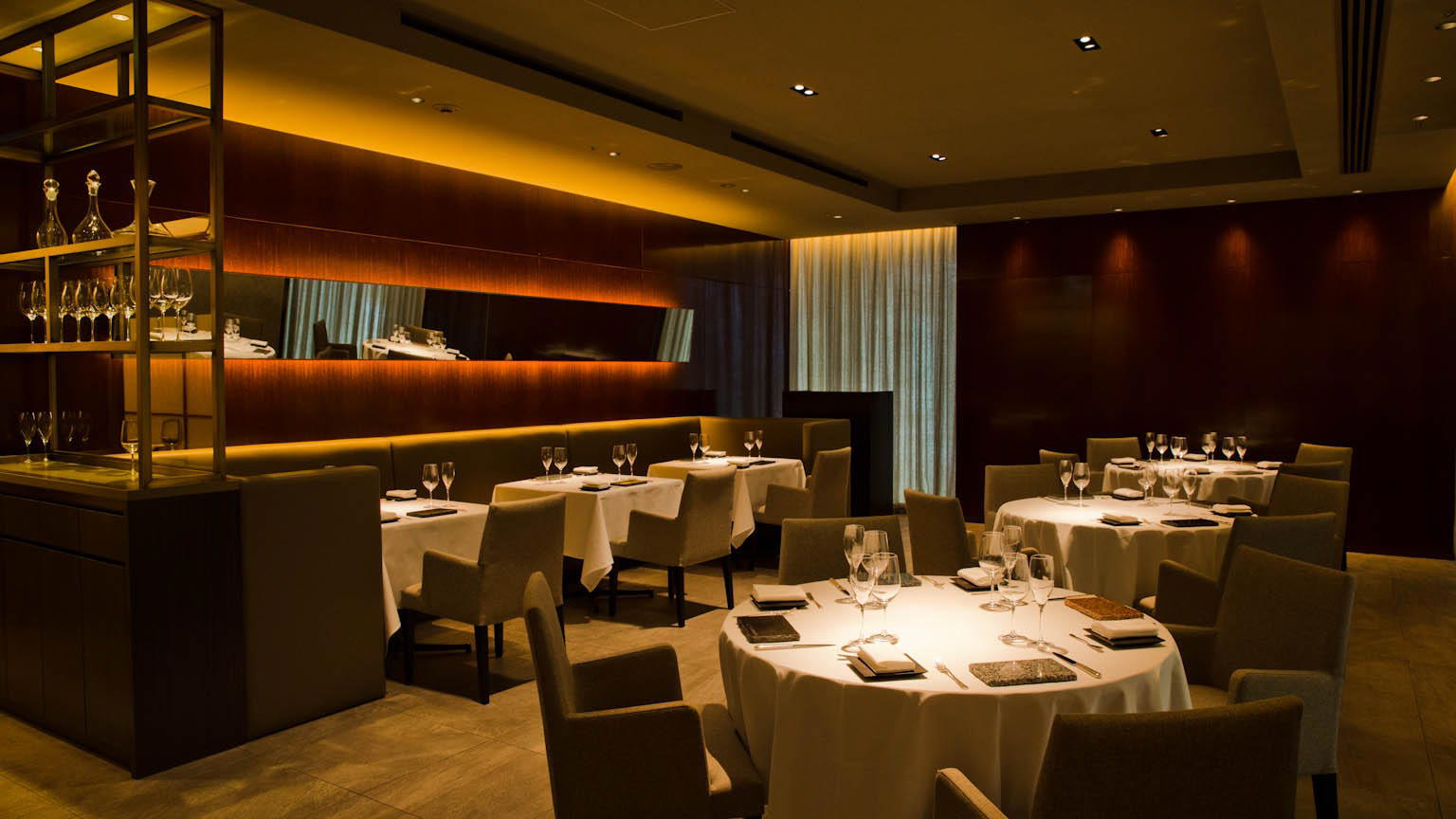
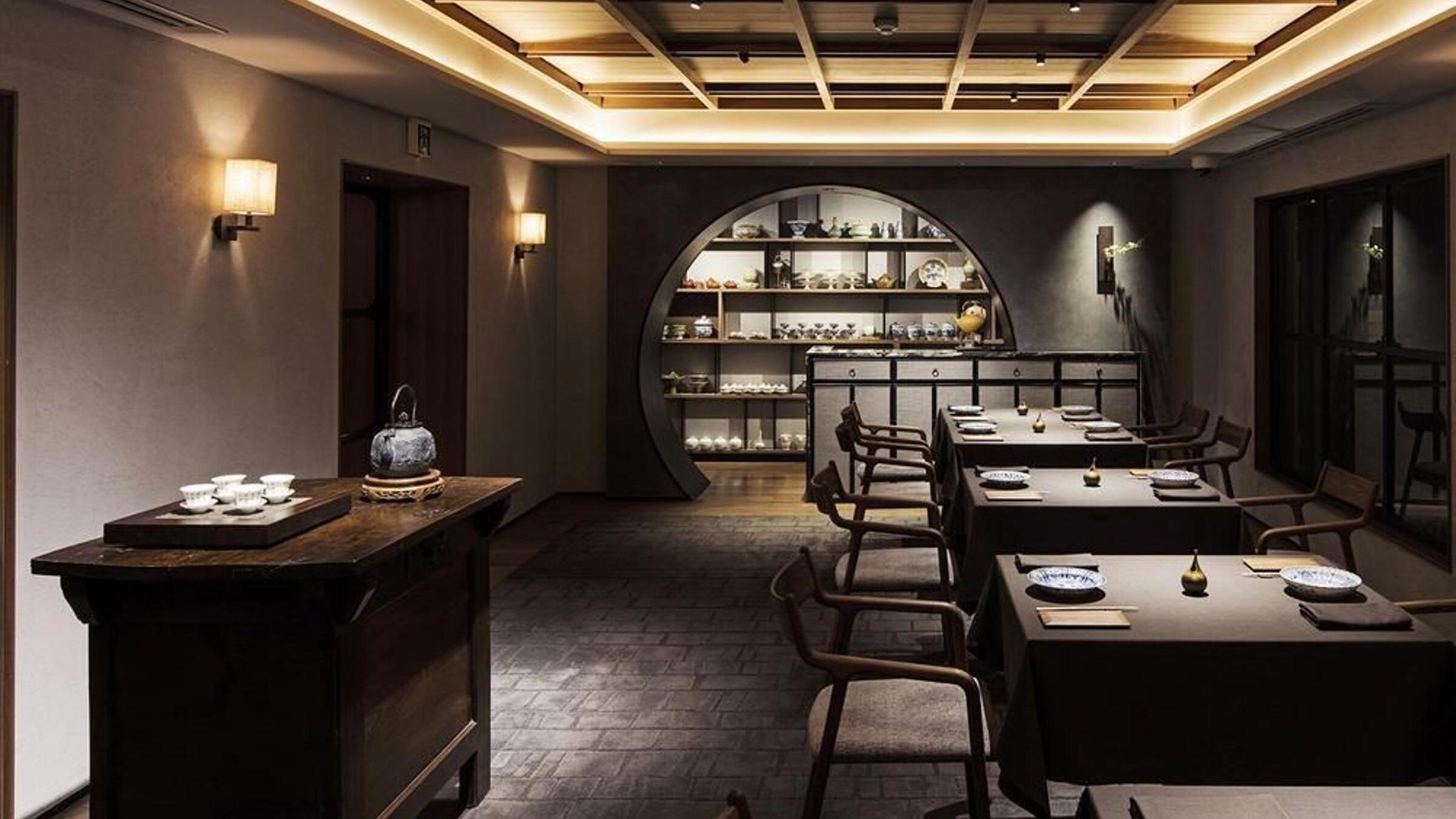
Compact second-floor ramen shop with a casual, bustling feel; simple counter and table seating, bright and functional rather than decorative, often with a short wait at peak times.