
Nagoya’s wagashi culture is often quieter than its miso-katsu and kishimen reputation, but Baika Do gives the sweet side of the city a serious address in Kakuozan. The format is compact and takeaway-led, with Tabelog 100 recognition in 2023 placing it among Japan’s notable traditional-sweets counters rather than café-driven dessert rooms.
Pearl is the En Primeur Club membership app — saves, bookings, and concierge access live there. Same editors, same standards.
- Address
- 1 Chome-6-2 Suemoritori, Chikusa Ward, Nagoya, Aichi 464-0821, Japan
- Phone
- +81 52-751-8025
- Website
- tabelog.com
 Saves & bookings on Pearl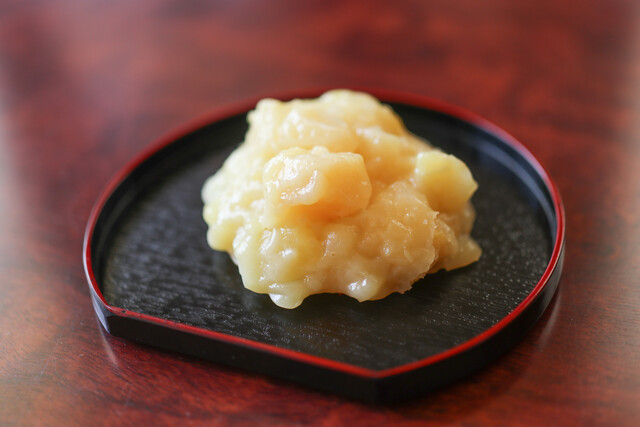
Kakuozan has the feel of a Nagoya neighbourhood where food errands still matter: station exits, small shopfronts, short queues, and the rhythm of residents buying something precise rather than lingering over a long meal. In that setting, Japanese sweets read less like dessert and more like punctuation. A box taken home, a seasonal piece carried to a family table, a small purchase folded into the day. Baika Do belongs to that tradition, and its compact, takeaway-first format makes the point cleanly.
Wagashi has a different narrative structure from a restaurant tasting menu. There is no long procession of savoury courses, no sommelier pacing, no dining room theatre. The sequence is tighter: choose, pack, carry, serve, eat with tea. The pleasure lies in compression. A good wagashi shop has to communicate season, texture, sweetness, and craft in a small object, often bought in the morning and understood later at home. That is why recognition in this category matters. Baika Do was selected for Tabelog 100 Japanese traditional sweets / Japanese sweets cafe EAST in 2023, a list that separates specialist sweet shops from general dessert cafés and casual snack counters.
A takeaway wagashi counter in a city better known for savoury appetite
Nagoya’s dining identity is usually discussed through salt, sauce, and heft: miso-based cooking, noodles, grilled eel, fried cutlets, breakfast sets. Wagashi sits on another register. It is measured, seasonal, and often tied to gift culture rather than restaurant spectacle. In that sense, Baika Do is useful for understanding the city beyond its louder dishes. The shop’s category is Japanese traditional sweets, its service is takeaway, and the seating is essentially incidental, with a built-in bench for about three people rather than a café room designed for a long stay.
That format places it closer to everyday craft retail than to the dessert-course end of fine dining. Nearby comparison matters. Kakuozan Kichi Imo Honten and Wagashi Karyo ocobo operate in the same low-price sweet-shop band, while tbz Kakuouzan honten sits a notch higher in listed spend. CORK, by contrast, belongs to a different Nagoya decision entirely, with a restaurant-level budget. The useful comparison is not which address is more glamorous, but what kind of eating the traveller is trying to fit into a day. Wagashi works between meals, after temple visits, before a train ride, or as an edible souvenir with a shorter fuse than packaged confectionery.
The Tabelog score of 3.62 gives another signal. In Japan, where user scoring tends to be compressed and conservative, a mid-three rating attached to a specialist shop can be more meaningful than it looks to travellers used to inflated review platforms. The 2023 Tabelog 100 selection is the stronger credential, but the score reinforces the same point: this is a recognised address within a precise category, not a general sweets stop trading on neighbourhood convenience alone.
The progression is selection, packaging, then tea at home
The tasting arc here is not staged by a chef in front of the guest. It is staged by the buyer. That changes how to think about ordering. Rather than building a meal, the smarter move is to assemble contrast: something for immediate appetite, something suited to tea, and something that can travel cleanly. The available public details do not name a fixed signature item, so the editorial point is broader: wagashi shops reward restraint. Buying too widely can flatten the distinction between pieces; a smaller selection gives texture and sweetness room to register.
The restaurant’s price band, listed under JPY 999, keeps the experiment low-risk by Nagoya dining standards. That matters for travellers who might spend heavily elsewhere in the city and want a precise local food experience without committing to a long reservation. The shop opens daily from morning to late afternoon, with onigiri manju service listed from 9 AM, making it more useful before lunch than after dinner. Cash planning also matters: credit cards, electronic money, and QR payments are not accepted.
The shop’s non-smoking status, children-welcome note, and family-friendly occasion tag point to a practical neighbourhood sweet shop rather than a hushed salon. Reservations are listed as available, but the real intelligence is format-led: this is a takeaway counter, not a room built around seated pacing. Parking is listed next to the shop with space for two cars, though Kakuozan Station on the Higashiyama Line is the cleaner approach for most visitors. The address sits in Chikusa Ward, an area that pairs naturally with a slower half-day rather than a cross-town dash.
Where it fits in a Nagoya food day
For a traveller building a Nagoya itinerary, this is not the anchor meal. It is the calibration point. Put a wagashi stop beside a heavier lunch or dinner and the city reads with more range. That is where the restaurant earns its place: as a specialist counter that makes Nagoya’s sweet tradition legible without asking for a full afternoon.
Readers planning broader meals can use Our full Nagoya restaurants guide for the main dining map, then cross-check category outliers such as 1022, 451, Aaron, Alan., and All Day Dining Montmartre. For the rest of the city infrastructure, Our full Nagoya hotels guide, Our full Nagoya bars guide, Our full Nagoya wineries guide, and Our full Nagoya experiences guide give the trip a wider frame.
For readers comparing Japanese casual and specialist formats beyond Nagoya, the contrast is instructive: -Grilled beef Sukiyaki- KAMAKURA TANUKIAN 鎌倉 たぬき庵 in Kamakura sits in a savoury set-piece tradition. 鮪と炭火焼き うお炭 秋葉原店 in Tokyo points toward urban grill and seafood eating, while.cafe in Osaka.know in Kumamoto, (Shoku) Vietnam in Kawasaki, and [Curry Senmon Ten] Maruyama Kyoju. in Sapporo show how narrow formats carry local meaning. Even outside Japan, concise formats such as Jōdo Saké Bar in Los Angeles and Onigiri Time in Pasadena help explain why a small counter can be more culturally specific than a long menu.
Quick Comparison
Comparable venues at a glance for context.
| Venue | Cuisine | Price | Notes |
|---|---|---|---|
| Baika DoThis venue — the venue you are viewing | Japanese traditional sweets (wagashi) shop | $ | Not listed |
| Fujimi Tei Honten | Kourai-style tonkotsu ramen | $ | Naka |
| Ebi Soba Hiiro | Shrimp-focused Ramen | $ | Mizuho |
| Naruto Ya | Ramen & Tsukemen Shop | $ | Naka |
| Masago | Traditional Nagoya ramen (chuka soba) counter | $ | Naka |
| tokyo miso style IKEDA | Tokyo-style miso ramen shop | $ | Nakamura |
Recognition history
Dated appearances from independent guides and award organizations, with the underlying list record or original source where available.
Tabelog 100 #43 · No. 43
Tabelog · Tabelog 100 - Japanese traditional sweets / Japanese sweets cafe - EAST - 2023
Continue exploring
More in Nagoya
Restaurants in Nagoya
Browse all →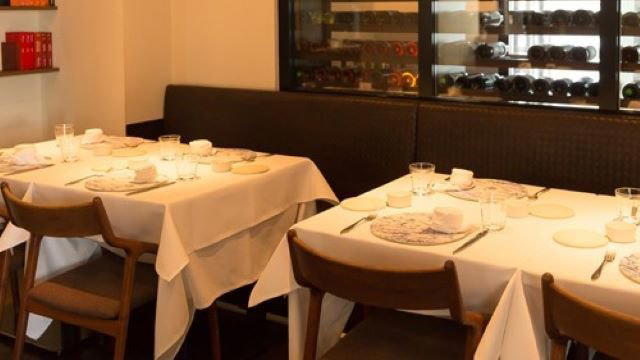

At a Glance
- Classic
- Well Known
- Quiet
- Cozy
- Solo
- Family
- Casual Hangout
- After Work
- Standalone
- Street Scene
Current opening hours
- Monday
- 8 AM–5 PM
- Tuesday
- 8 AM–5 PM
- Wednesday
- 8 AM–5 PM
- Thursday
- 8 AM–5 PM
- Friday
- 8 AM–5 PM
- Saturday
- 8 AM–5 PM
- Sunday
- 8 AM–5 PM
Hours can change for holidays and private events. Last verified .
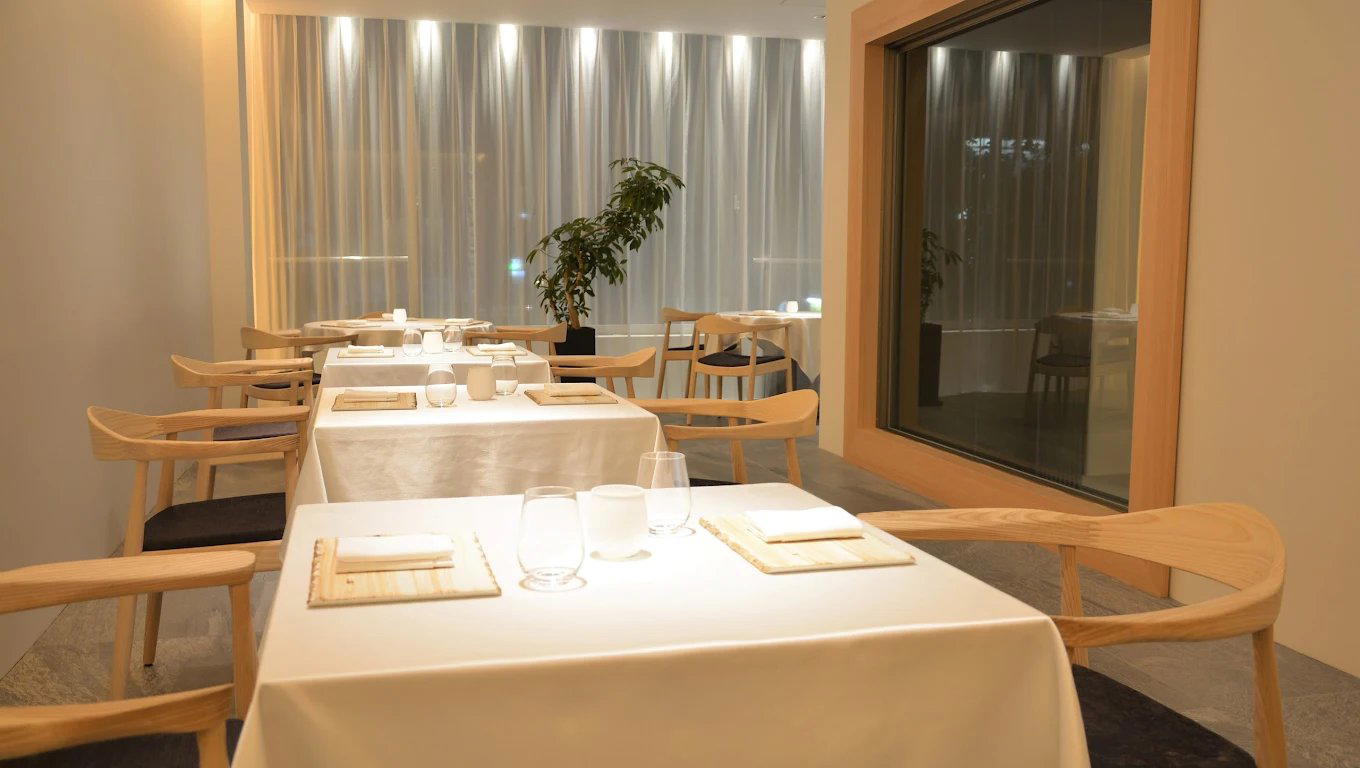
A small, traditional wagashi shop with a simple, classic interior and a built‑in bench for a few guests; the feel is calm and unhurried, with a neighborhood street atmosphere rather than a sit‑down café vibe.