Choy sits in Bangkok's Bang Khae district, away from the tourist-heavy dining corridors that define most international visitors' experience of the city. The address alone signals something worth investigating: a neighbourhood restaurant operating outside the recognition economy that has come to shape Bangkok's fine-dining conversation. For those willing to travel west, it represents a different register of the city's eating culture.
Pearl is the En Primeur Club membership app — saves, bookings, and concierge access live there. Same editors, same standards.
- Address
- 9/19 Thanon PhutthaMonthon Sai 2, Bang Khae Nuea, Bang Khae, Bangkok 10160, Thailand
- Phone
- +66952642226
- Website
- choypedyang.com
- Directions
- Get directions
 Saves & bookings on Pearl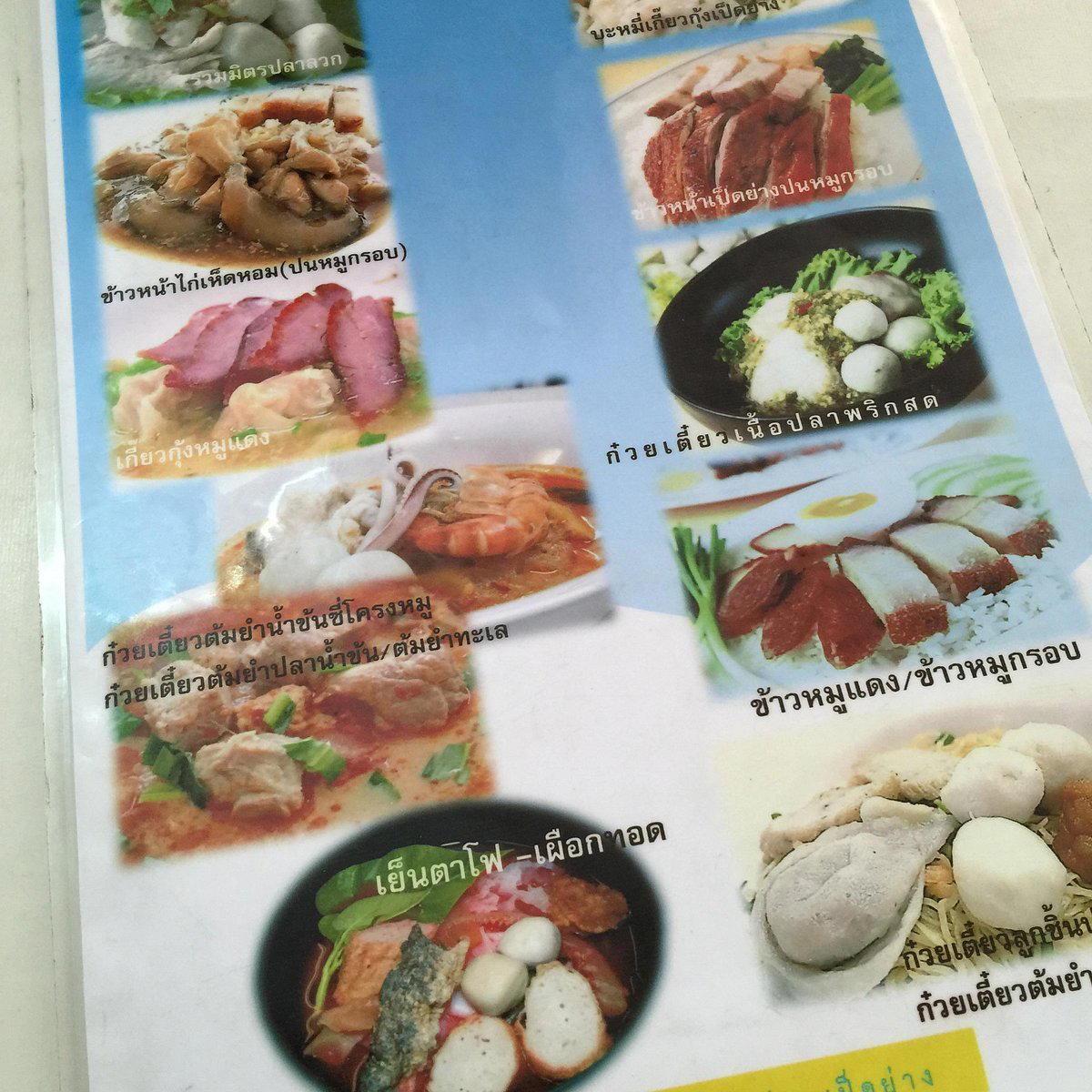
Bangkok Beyond the River: Dining in the Outer Districts
Most of Bangkok's internationally recognised dining sits within a tight corridor running from Silom through Sukhumvit to the Chao Phraya riverfront. The restaurants that attract global attention, places like Sorn (Southern Thai), Baan Tepa (Thai contemporary), and Sühring (German), operate in the city's most visible, most reviewed, most expensive tier. The ฿฿฿฿ price bracket in Bangkok increasingly means tasting menus, reservation systems, and dining rooms designed as much for photography as for eating. That is the city's fine-dining conversation, and it is not the whole picture.
Choy is a Cantonese Roast Duck restaurant in Bang Khae, Bangkok, with. The address, 9/19 Thanon PhutthaMonthon Sai 2 in Bang Khae, places it in the western residential districts that most international visitors never reach. Bang Khae is not a dining destination in the way that Thong Lo or Sathorn are. There are no hotel lobbies nearby generating cover counts, no cluster of expat bars feeding into late dinner bookings. What there is, instead, is a Bangkok that functions on local terms, where a restaurant earns its reputation through the neighbourhood rather than through the city's broader recognition infrastructure.
What the Address Signals About Thai Restaurant Culture
In Thai food culture, geographical distance from tourist infrastructure often functions as a credibility marker rather than a liability. Particularly trusted neighbourhood restaurants in Bangkok, across every price point, tend to exist in residential pockets where the customer base is local and repeat, and where the kitchen has no incentive to calibrate flavour toward foreign preferences. The food that results from this condition tends to be more direct: seasoning calibrated for Thai palates, preparations that assume familiarity rather than explanation, and a pace set by the neighbourhood rather than by the demands of a dining-destination audience.
This is the tradition Choy sits within. The Bang Khae location is not incidental context. It is the structural reason the restaurant operates the way it does. Bangkok's outer districts have produced some of Thailand's most discussed neighbourhood tables, and the pattern is consistent: remove the restaurant from the international dining circuit, and you often get cooking that is more rooted, more specific, and less mediated by what the market expects Thai food to look like.
For comparison, consider how the Thai dining scene looks when you expand beyond Bangkok: AKKEE in Pak Kret operates in a similar register, outside the city's centre but drawing serious eaters willing to travel. Ayutthayarom in Phra Nakhon Si Ayutthaya and Baan Heng in Khon Kaen demonstrate that Thailand's most compelling food experiences are distributed across the country, not concentrated in the capital's tourist zones.
The Neighbourhood Table as a Format
The neighbourhood restaurant is one of Thai food culture's most durable formats, and one that the international dining press has historically underserved in favour of the more legible fine-dining tier. A table at Gaa (Modern Indian) or Côte by Mauro Colagreco comes with a documented framework: tasting menu, prix fixe, international press trail, award recognition. A neighbourhood restaurant in Bang Khae operates without most of those scaffolds. The visit requires a different kind of preparation and a different set of expectations.
That is not a criticism of either format. It is a description of two genuinely different ways of eating in the same city. The format that Choy represents, a local address with a local audience, is the one that a majority of Bangkok's residents actually use when they eat out. It is, by volume and by cultural weight, the dominant form of the city's food culture. The internationally recognised fine-dining tier is the exception, not the rule.
This broader distribution of Thai restaurant culture is visible across the country. Baan Chik Pork Noodles in Udon Thani, Banmai Chay Nam in Nakhon Ratchasima, and Baan Suan Lung Khai in Ko Samui all represent variations on the same principle: Thai food at its most functional and most specific exists in places that were built for local use, not for destination dining.
Getting to Bang Khae
Bang Khae sits on Bangkok's western edge, accessible by the MRT Blue Line to Bang Khae station, which places the area within the city's public transport network. Ride-hailing services cover the route reliably, and the address on Thanon PhutthaMonthon Sai 2 is mappable through standard applications. PRU in Phuket and Anuwat in Phang Nga represent the southern reach of the country's serious restaurant culture, while Banrimbung in Nakhon Pathom sits just west of Bangkok's boundaries.
the scale of ambition that drives reservation-led fine dining in New York, at places like Le Bernardin, or the communal-format experimentation visible at Lazy Bear in San Francisco, is one strand of global food culture. The neighbourhood restaurant in Bangkok's outer districts is another, operating with different constraints and different rewards. Neither is a lesser version of the other. They are answers to different questions about what eating out is for. The same spirit connects The Spa in Lamai Beach to the broader Thai tradition of food as community infrastructure rather than destination spectacle.
Comparable Venues
Comparable venues nearby, for context on price, style, and recognition.
| Venue | Cuisine | Price | Awards | Notes |
|---|---|---|---|---|
| ChoyThis venue — the venue you are viewing | Cantonese Roast Duck | $$ | Not listed | Not listed |
| Jok Khlong San | Porridge Shop | $$ | Not listed | Bang Wa |
| Jok's Kitchen | Chinese Seafood | $$ | Michelin Plate | Khanna Yao |
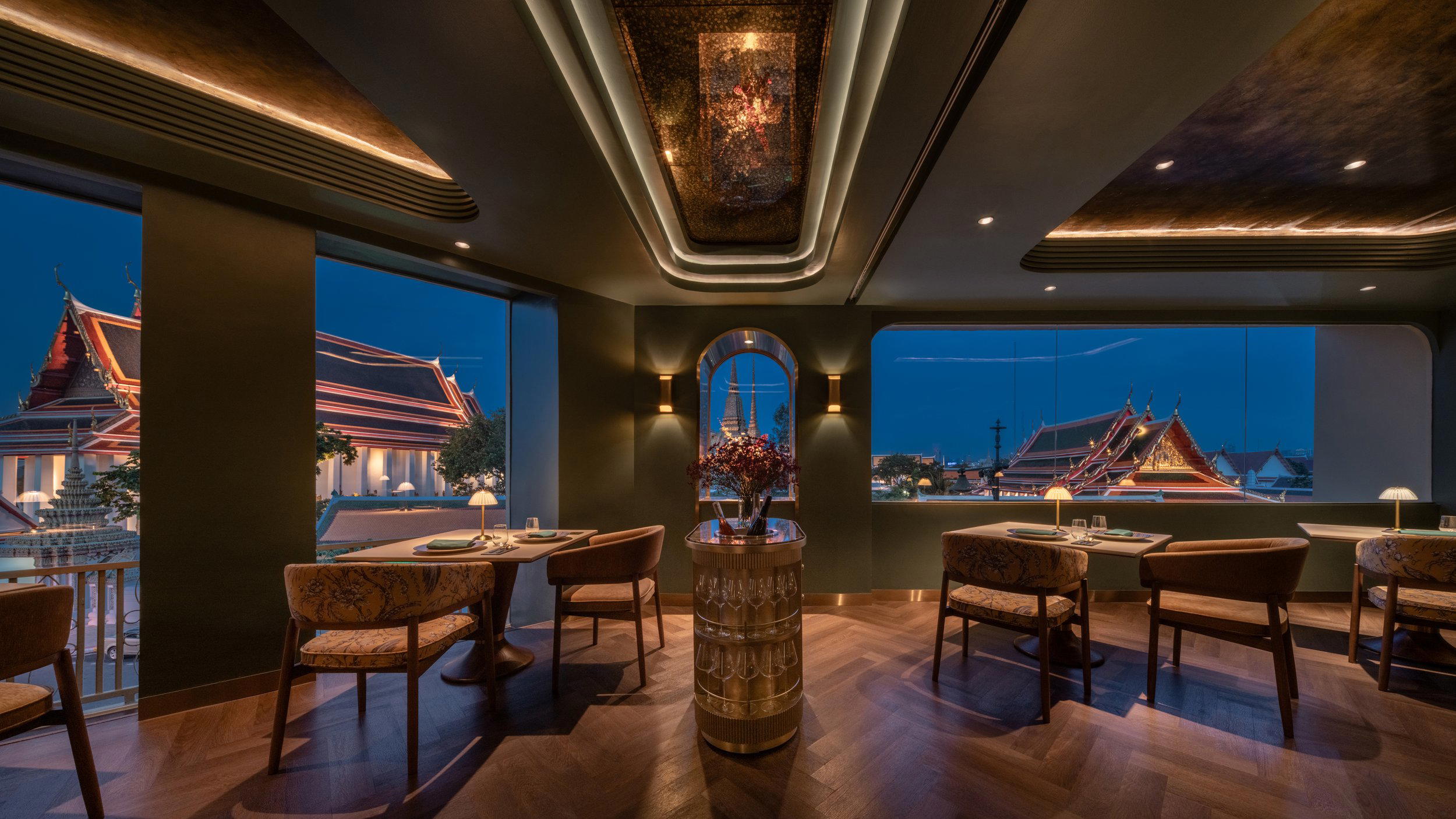
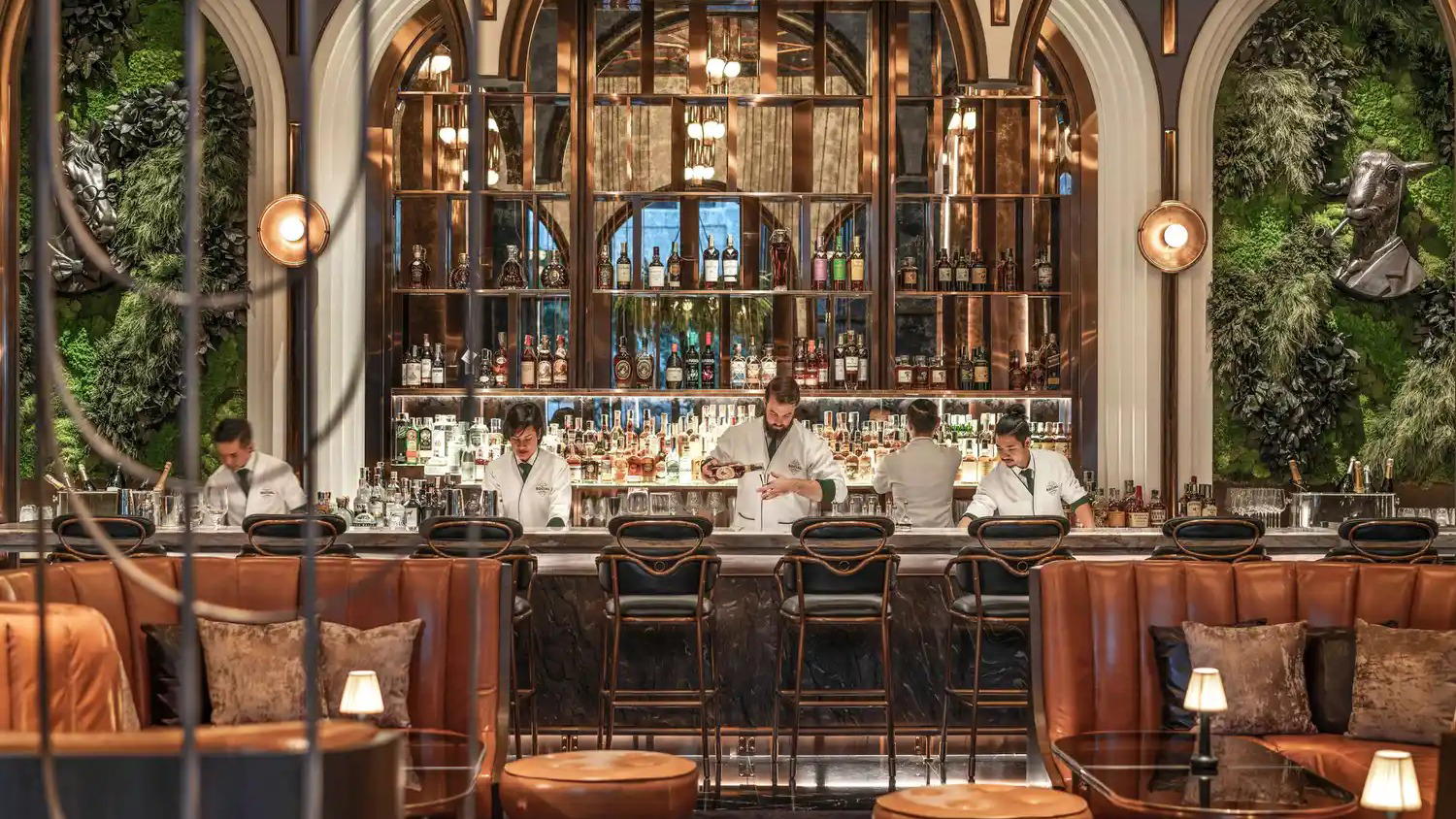
| Four Seasons Bangkok at Chao Phraya River | Multi-Cuisine Fine Dining: Cantonese, Thai Farm-to-Table, Italian & French | $$$$ | Not listed | Klong San |
| Din Tai Fung | Taiwanese Soup Dumplings | $$ | Not listed | Makkasan |
| Amritsr Restaurant Sukhumvit Soi 22 | Authentic North Indian Punjabi | $$ | Not listed | Khlong Toei Nuae |
At a Glance
- Casual
- Family
- Casual Hangout
- Standalone
Current opening hours
- Monday
- 7:30 AM–5 PM
- Tuesday
- 7:30 AM–5 PM
- Wednesday
- 7:30 AM–5 PM
- Thursday
- 7:30 AM–5 PM
- Friday
- 7:30 AM–5 PM
- Saturday
- 7:30 AM–5 PM
- Sunday
- 7:30 AM–5 PM
Hours can change for holidays and private events. Last verified .
Casual family-friendly neighborhood spot with direct dining atmosphere.