


World's 50 Best #25 · Top 500 Bars Best Bars #169 · Tatler Listed in Best Bars Asia-Pacific
Opium occupies a century-old shophouse in Samphanthawong, Bangkok's former opium-smoking district, and has built one of the city's most critically recognised bar programs from that charged address. Named to Asia's 50 Best Bars at number 43 and the World's 50 Best Bars at number 92 in 2025, it draws serious cocktail drinkers who value historical weight alongside what's in the glass.

Pearl is the En Primeur Club membership app, where members save venues, book tables and use the concierge.
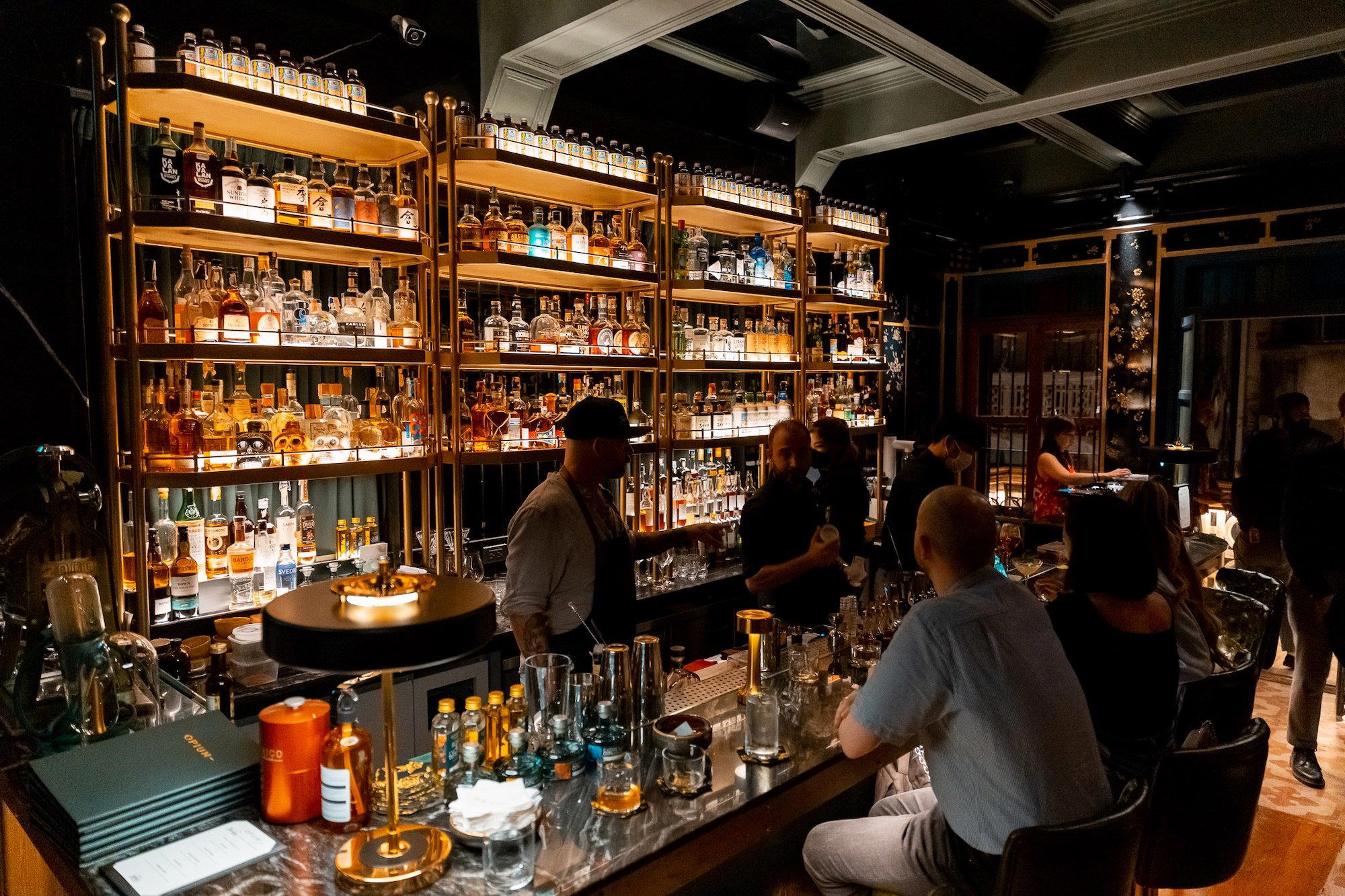
A District With Memory, a Bar That Answers to It
Bangkok's cocktail scene has sorted itself into distinct registers over the past decade: rooftop spectacle venues positioned for sunset crowds, hotel bars with international programming, and a smaller cohort of historically grounded addresses where the location itself functions as the primary argument. Opium belongs firmly to that third category. The bar occupies a building on Vanich 1 Road in Samphanthawong that is roughly a century old, and the neighbourhood around it was, within living memory, the commercial and social heart of Bangkok's opium trade. That history is not decoration here; it is the editorial logic of the entire program.
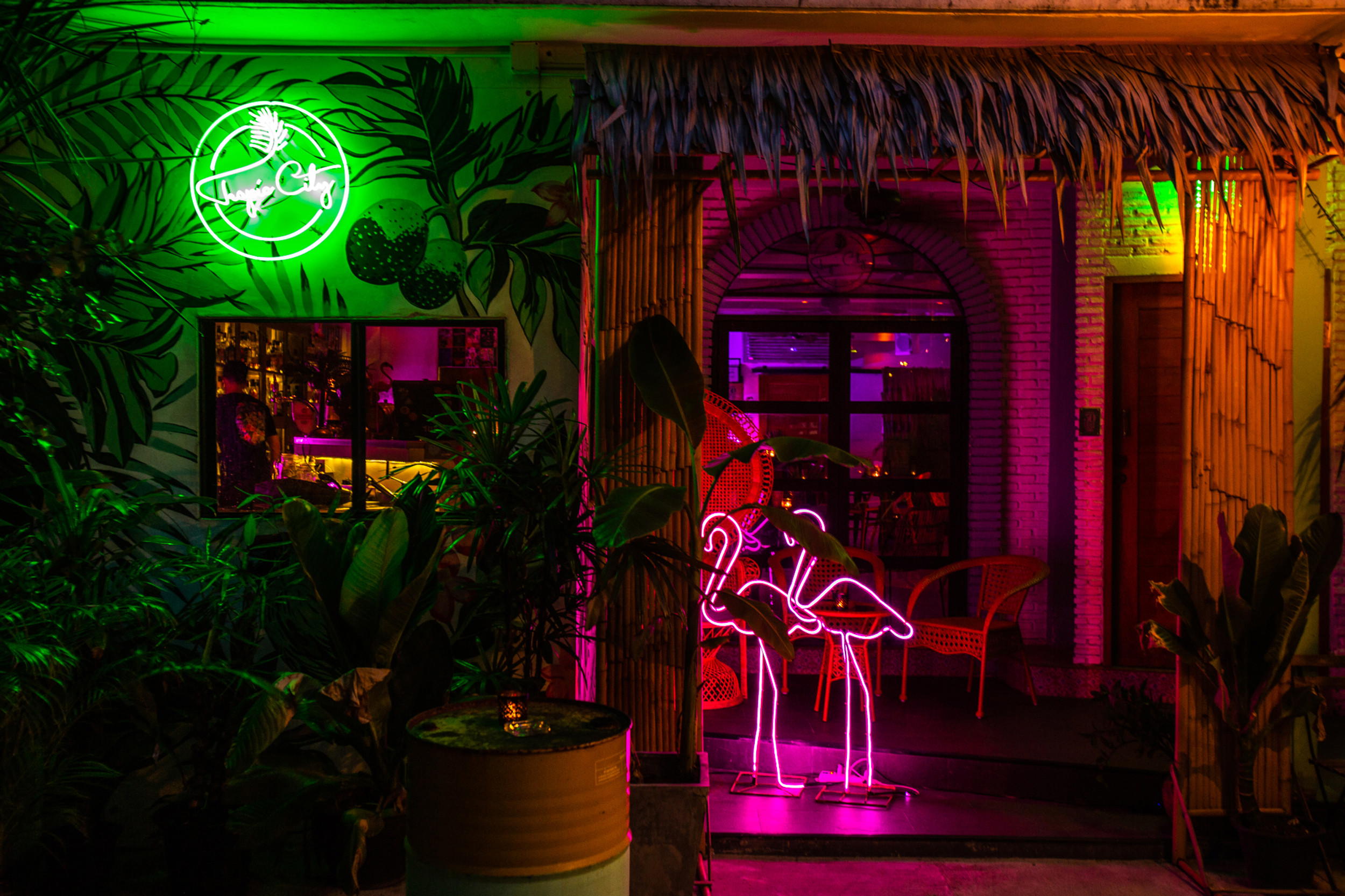
Arriving on foot from the main road, the building reads as a narrow, weathered shophouse, the kind of structure that defines this stretch of Bangkok's old Chinatown corridor. The surrounding blocks carry the density and residual commerce of a district that has not been renovated into uniformity, and Opium's position inside that texture is what distinguishes it from bars that import atmosphere rather than inherit it. The address at 422 Vanich 1 Road places it in Samphanthawong district, one of the few parts of central Bangkok where the urban grain has remained largely intact across decades of development pressure elsewhere in the city.
How Bangkok's Heritage Bar Tier Works
Across Asia-Pacific, a recognisable format has emerged at the more credentialed end of the cocktail world: small-capacity bars in historically significant buildings, programs that draw from the locality's material and cultural past, and a deliberate resistance to the scale and visibility of hotel or rooftop operations. Bangkok has its own version of this tier, and Opium sits squarely within it. For comparison, Asia Today and Bar Us occupy different parts of the Bangkok bar spectrum, while BKK Social Club has built its reputation on a more internationally oriented cocktail program.
The sourcing logic of bars in this tier typically extends beyond spirits to encompass local botanicals, regional ferments, and ingredients with a traceable relationship to the neighbourhood or culinary tradition in question. In Bangkok's old Chinese commercial districts, that means a pantry shaped by Teochew migration patterns, traditional apothecary ingredients, and the herb-forward medicine culture that ran parallel to the opium trade in the same streets. How much of this ingredient landscape Opium formalises into its program is a question leading answered at the bar itself, but the framework is there in the address, and bars with this level of international recognition rarely leave the sourcing logic implicit.
The Awards Picture and What It Signals
Recognition from credentialed external bodies tells you something specific about where a bar sits in its competitive set. Opium's 2025 position at number 43 on Asia's 50 Best Bars and number 92 on the World's 50 Best Bars places it inside a tier where scrutiny is applied by industry peers and critics rather than by algorithmic aggregation. The Tatler Leading Bars Asia-Pacific 2025 listing adds a separate editorial voice to that assessment. Taken together, these three recognitions in the same year indicate a program that is performing consistently across different evaluation frameworks, not spiking on a single dimension.
For context on what that World's 50 Best position means in practice: the list covers bars across every major drinking city globally, and a placement in the nineties still represents a small fraction of the bars reviewed. At number 169 in the Top 500 Bars ranking, Opium's position is stable across lists that use different methodologies, which is a more reliable signal than a high ranking on any single list alone. Bar Sathorn and EAT ME RESTAURANT in Bang Rak represent other points of Bangkok's recognised drinking and dining scene, but Opium's concentration of bar-specific awards is notable within the city's current landscape.
Placing Opium in the Broader Bangkok Drinking Map
Bangkok's bar geography has spread considerably from its earlier concentration in Silom and Sukhumvit. The emergence of credentialed programs in older districts, including Chinatown and the riverside quarters, reflects a broader shift in how the city's serious drinking culture relates to its own history. Bars like Opium are part of a pattern visible across Asian cities where colonial-era or pre-modern commercial districts have become the preferred setting for programs that want to source meaning from place rather than construct it from scratch.
Visitors coming specifically for Opium should plan their evening with some awareness of how the surrounding neighbourhood operates. Samphanthawong functions differently from the Sukhumvit corridor or the Chao Phraya riverside hotel strip. Getting there by taxi or rideshare is direct from most of central Bangkok, but the streets around Yaowarat Road run at their own rhythm, particularly in the evening hours when the food market activity peaks. The bar's address at 422 Vanich 1 Road is specific enough that a map application will bring you to the right building, though the entrance may not announce itself with the signage conventions of a more commercially oriented venue.
For those building a broader Bangkok itinerary, Hansar Bangkok in Pathum Wan and Octave Rooftop Lounge and Bar in Khlong Toei represent different registers of the city's drinking options, while our full Bangkok guide maps the city's dining and drinking scene by neighbourhood. Beyond Bangkok, the format Opium represents has parallels in other cities: Bar Leather Apron in Honolulu, Jewel of the South in New Orleans, and Julep in Houston all operate in the historically anchored, ingredient-conscious register that defines this tier internationally. Thailand's entertainment culture extends well beyond Bangkok's bar scene; Chiang Mai Cabaret Show is a reminder of how varied the country's nightlife formats are outside the capital.
Planning a Visit
Given the bar's scale (described consistently as small) and its current position across multiple high-profile lists, advance planning is advisable. Bars of this size and recognition typically do not absorb walk-in traffic at peak hours without friction. The phone number on record is +66 82 979 3950, and the website at opiumbarbangkok.com is the appropriate channel for current hours and any reservation options. The Samphanthawong location, while accessible, is not a district where you can easily pivot to an equivalent alternative if Opium is full on arrival, so confirming capacity before travelling across the city is a practical step rather than an optional one.
The bar's position on three separate 2025 lists means that recognition is actively driving inbound interest from both local and international visitors, which tends to compress available space further as the year progresses. The awards cycle typically increases foot traffic in the months following announcement, so timing a visit outside the immediate post-announcement period, or securing a confirmed spot ahead of arrival, is the more reliable approach for visitors who have made Opium a specific destination rather than a speculative stop.
In Context: Similar Options
Comparable venues nearby, for context on price, style, and recognition.
| Venue | Cuisine | Price | Awards | Notes |
|---|---|---|---|---|
| OpiumThis venue (the venue you are viewing) | speakeasy | $30–50 | World's 50 Best #25 · Top 500 Bars Best Bars #169 | Not listed |
| Ku Bar | speakeasy | $10–20 | World's 50 Best #49 | Bom Phrap Satru Pai Khwaeng |
| G.O.D | cocktail_bar | $20–30 | World's 50 Best #31 · Top 500 Bars Best Bars #276 | Talat Noi |
| Asia Today | speakeasy | $10–20 | World's 50 Best #90 | Talat Noi |
| Q&A Bar | Bar | Not listed | World's 50 Best #34 | Si Lom |
Recognition history
Dated appearances from independent guides and award organizations, with the underlying list record or original source where available.
World's 50 Best Asia's Best Bars #25
World's 50 Best
Tatler Listed in Best Bars Asia-Pacific
Tatler
Top 500 Bars Best Bars #169
Top 500 Bars
Full recognition history (6 entries)
Tatler Best Bars Thailand
Tatler
World's 50 Best Asia's Best Bars #43
World's 50 Best
World's 50 Best Bars #92
World's 50 Best
Continue exploring
More in Bangkok
Bars in Bangkok
All bars in Bangkok →
Restaurants in Bangkok
All restaurants in Bangkok →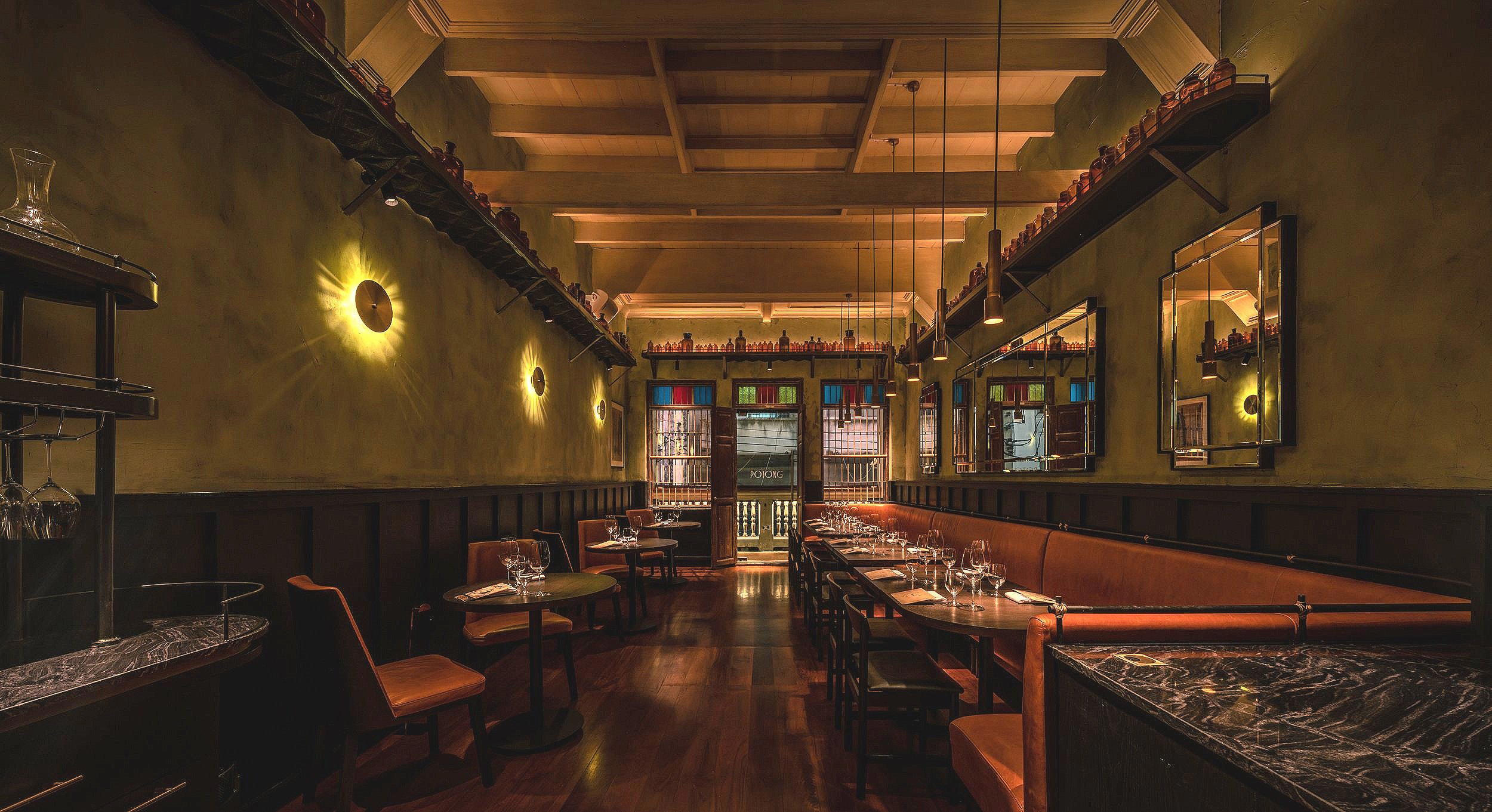
Opium
The drinks
- Craft cocktails
Signature drinks: Sip to Seed, Poker Face, Nipponlay, Opium Spritz.
Details
- Sophisticated
- Elegant
- Trendy
- Intimate
- Date Night
- Special Occasion
- Speakeasy
- Design Destination
- Lounge Seating
- Seated Bar
- Private Rooms
- Craft Cocktails
- Gin
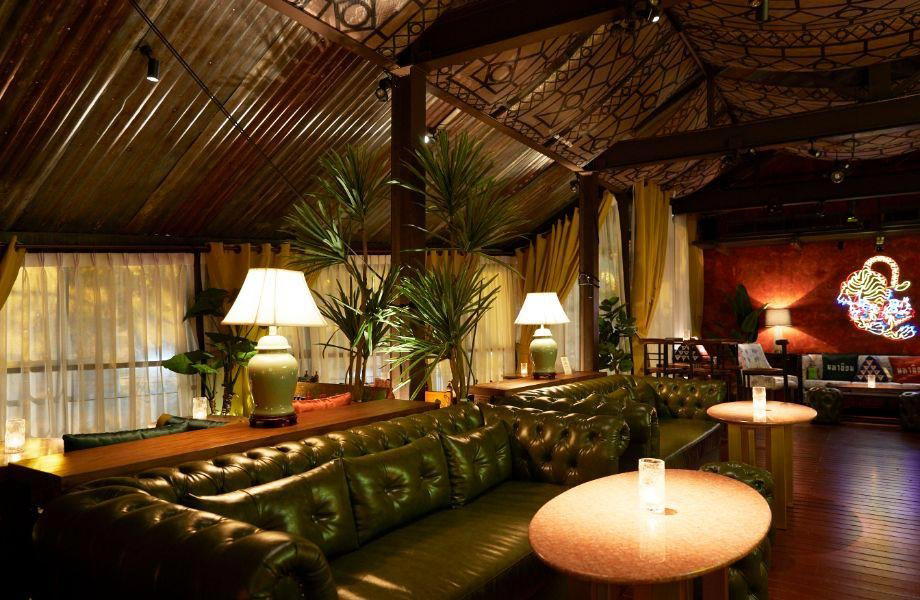
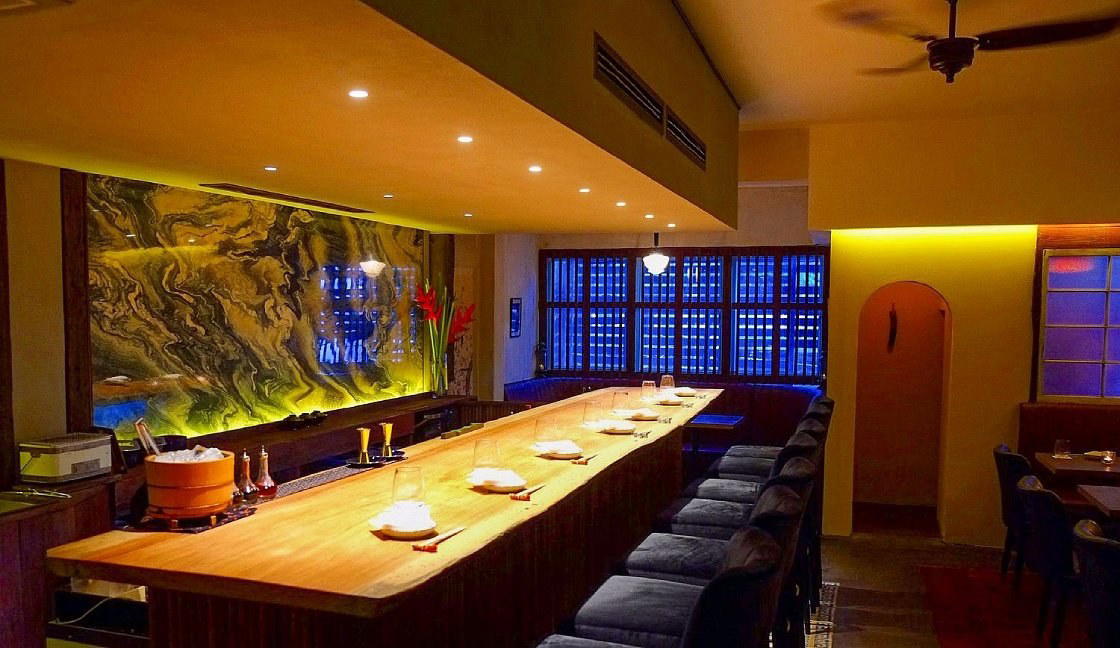
Sultry old-meets-new décor with black lacquer walls, golden motifs, leather banquettes, dark green hues, and preserved architectural elements blending nostalgia and modern luxury.