Chocobar Cortés
Chocobar Cortés sits on Calle San Francisco in Old San Juan, carrying over a century of Puerto Rican chocolate heritage into a café format that draws as much on confectionery tradition as it does on the neighbourhood's colonial-era street life. The Cortés family name has defined cacao processing on the island since 1929, and the bar translates that industrial legacy into cups, bars, and small plates worth pausing for.
Pearl is the En Primeur Club membership app — saves, bookings, and concierge access live there. Same editors, same standards.
- Address
- 210 C. de San Francisco, San Juan, 00901, Puerto Rico
- Phone
- +1 787 722 0499
- Website
- chocobarcortes.com
- Directions
- Get directions
 Saves & bookings on Pearl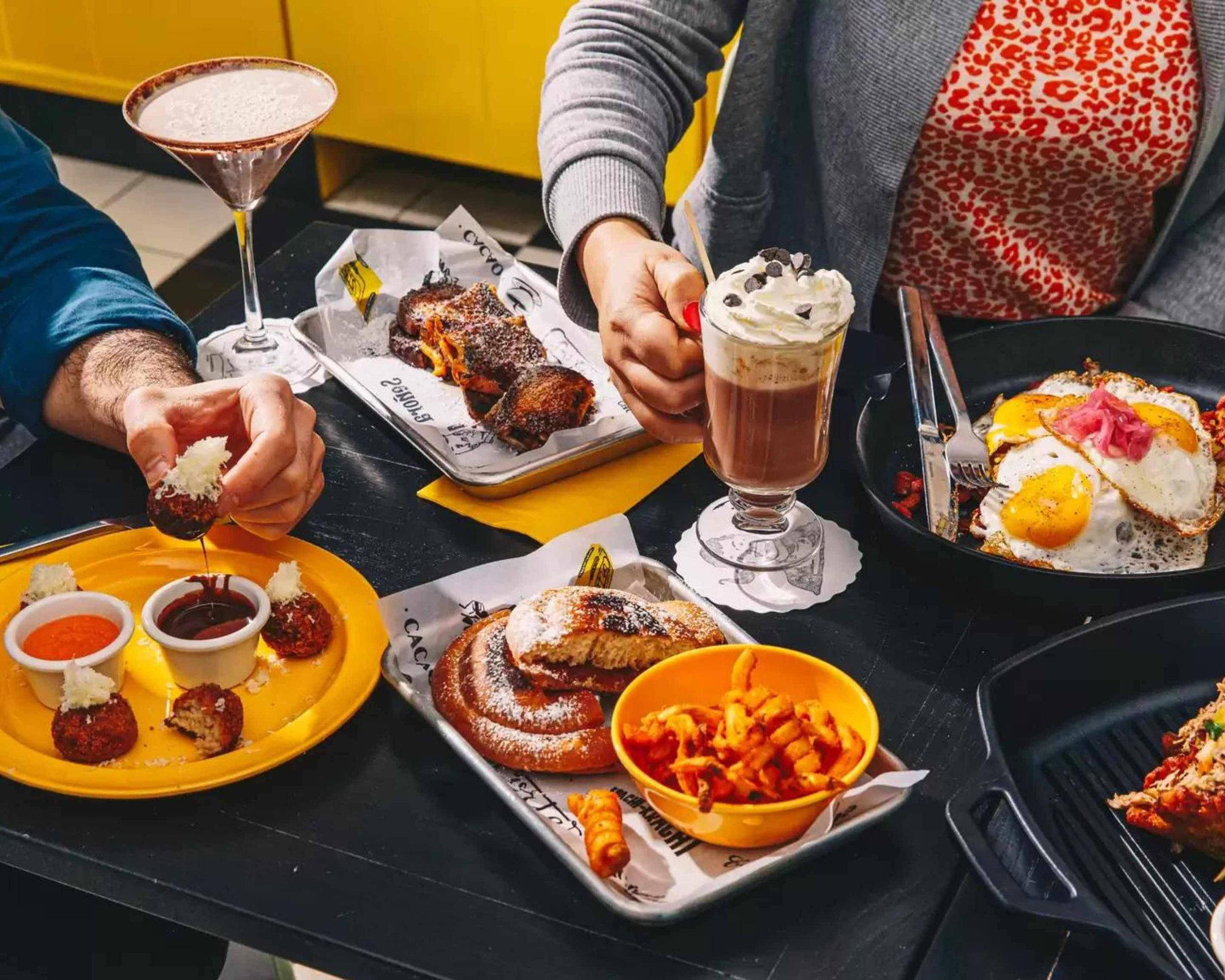
Where Cacao History Meets the Street
Old San Juan's Calle San Francisco runs like a spine through the colonial grid, connecting the heavier foot traffic of the cruise-ship docks to the quieter plazas further inland. The buildings along it are thick-walled, painted in the faded ochres and blues that define the historic zone, and the street-level activity shifts from souvenir shops to serious eating within a few blocks. Chocobar Cortés occupies one of those storefronts at number 210, a space that reads as a café-bar on the surface but carries a deeper provenance: the Cortés family has been processing cacao in Puerto Rico since 1929, and this address is where that industrial history becomes something you can sit down with.
The format is worth understanding in context. Puerto Rico's food scene has developed two broad tracks over the last decade: a fine-dining tier anchored around modern Caribbean technique, and a more casual category where ingredient provenance and local narrative do the heavy lifting. Chocobar Cortés belongs to the second track, though the heritage it draws on is longer than most venues in either category. For comparison, the fine-dining tier in Old San Juan is represented by places like 1919 Restaurant (Modern American) and Areyto Modern Cuisine by Chef Jason González, both of which operate with tasting-menu ambition. Chocobar Cortés is doing something different: it is placing a single, deeply rooted local ingredient at the centre of a café experience and asking whether that is enough. On most visits, the answer is yes.
The Cortés Legacy and What Cacao Production Means Here
The Cortés company's cacao history spans nearly a century on the island, making it one of the longest-running food-production operations in Puerto Rican commercial history. That context matters for understanding what the bar represents. Cacao cultivation and chocolate processing in the Caribbean has always sat at an uncomfortable intersection of colonial extraction and local agricultural identity. Puerto Rico's cacao tradition, like much of the region's, was shaped by export economies before it was shaped by local consumption. The Cortés operation pivoted toward domestic chocolate production in the twentieth century, and Chocobar translates that pivot into a direct-to-consumer format that is as much about reclaiming the ingredient as it is about selling it.
Broader Caribbean chocolate scene has attracted significant international attention in recent years, with single-origin sourcing from Trinidad, Grenada, and the Dominican Republic entering the vocabulary of high-end chocolate makers in Europe and North America. Puerto Rican cacao sits within that regional story, and Chocobar Cortés positions the Cortés name within it, drawing on nearly a hundred years of processing knowledge to anchor its menu in something more than café novelty. Visitors who are tracking Puerto Rico's food identity across the island will find related conversations happening at places like COA in Dorado and Charco Azul in Vega Baja, where local ingredients are similarly centred.
Chocolate as Technique, Not Just Flavour
Editorial angle that makes the restaurant worth discussing beyond its heritage is the way it applies contemporary café and bar technique to a native product. This is a pattern visible in other parts of the world where local ingredients have been adopted into imported hospitality formats: the speciality coffee movement using Ethiopian or Colombian beans through Japanese-influenced extraction methods, or the natural wine scene applying minimal-intervention French technique to Georgian or Greek grapes. The restaurant applies a similar logic to cacao, placing Cortés chocolate into a café-bar format drawn from broader international templates while keeping the base ingredient specific to the island.
That approach puts it in a different conversation from the kind of tourist-facing chocolate shops that appear in historic districts across the Caribbean. The bar format introduces alcohol pairings and savory applications alongside the expected hot chocolates and confections, which expands the occasion type from afternoon sweet stop to something that can bridge lunch and early evening. This structural flexibility is a feature of the stronger casual venues in Old San Juan, several of which appear in our full San Juan restaurants guide.
The Neighbourhood and When to Go
Old San Juan's tourist pressure is heavily front-loaded toward the morning and early afternoon, when cruise passengers move through the commercial streets in volume. By mid-afternoon that population thins considerably, and the neighbourhood returns to something closer to its residential rhythm. That shift makes late afternoon the better window for the restaurant, when the street outside settles and the café format works as intended rather than as a queue management exercise.
Seasonally, Puerto Rico's driest and most temperate months run from December through April, which aligns with peak tourism. Arriving outside that window, between May and November, brings humidity and occasional rain but also shorter lines and a more local clientele. The rainy-season version of Old San Juan is legitimately different from the high-season version, and a cacao-focused café is a reasonable place to wait out a mid-afternoon shower. Visitors planning a longer sweep of the island's food scene might pair a San Juan stay with trips to Estela Restaurant in Rincon or Lago Dos Bocas in Arecibo, both of which represent distinct regional food identities away from the capital.
Calle San Francisco 210 is walkable from most of Old San Juan's hotels and guesthouses, and the address sits within a few minutes of the major plazas. Reservations are recommended, which makes the restaurant a manageable stop on a dense day of eating in the historic zone. Those building out a fuller San Juan dining itinerary should cross-reference options like Amor y Sal, AQA Oceanfront, and ARYA for evening meals, each of which operates in a different register from Chocobar's daytime café model. Beyond San Juan, Paros Restaurant in Puerto Rico, La Parguera in La Parguera, Kaplash in Anasco, El Dorado in Playita, Brazo Gitano Franco in Mayaguez, and Da Bowls in Aguadilla give a fuller picture of how Puerto Rico's food identity varies across its geography. For global context on what chocolate-focused technique looks like at the fine-dining tier, the menus at Le Bernardin in New York City and Lazy Bear in San Francisco show how ingredient-specific focus operates when formality increases.
Comparable Venues
Comparable venues nearby, for context on price, style, and recognition.
| Venue | Cuisine | Price | Notes |
|---|---|---|---|
| Chocobar CortésThis venue — the venue you are viewing | Chocolate-Infused Caribbean | $$ | Not listed |
| Sazón Cocina Criolla DTMO | Authentic Puerto Rican Criolla | $$ | Isla Grande |
| Bartolo Restaurant | Authentic Puerto Rican Creole | $$ | Miramar |
| Choices | Latin Fusion Urban Bistro | $$ | Isla Grande |
| Cafe O'Donnell | Traditional Puerto Rican Criollo | $ | San Cristóbal |
| AQA Oceanfront | Contemporary Latin Rotisserie | $$$ | Condado |
At a Glance
- Lively
- Trendy
- Whimsical
- Brunch
- Casual Hangout
- Family
- Open Kitchen
- Craft Cocktails
- Street Scene
Current opening hours
- Monday
- 8 AM–5 PM
- Tuesday
- 8 AM–5 PM
- Wednesday
- 8 AM–5 PM
- Thursday
- 8 AM–5 PM
- Friday
- 8 AM–8 PM
- Saturday
- 8 AM–8 PM
- Sunday
- 8 AM–8 PM
Hours can change for holidays and private events. Last verified .
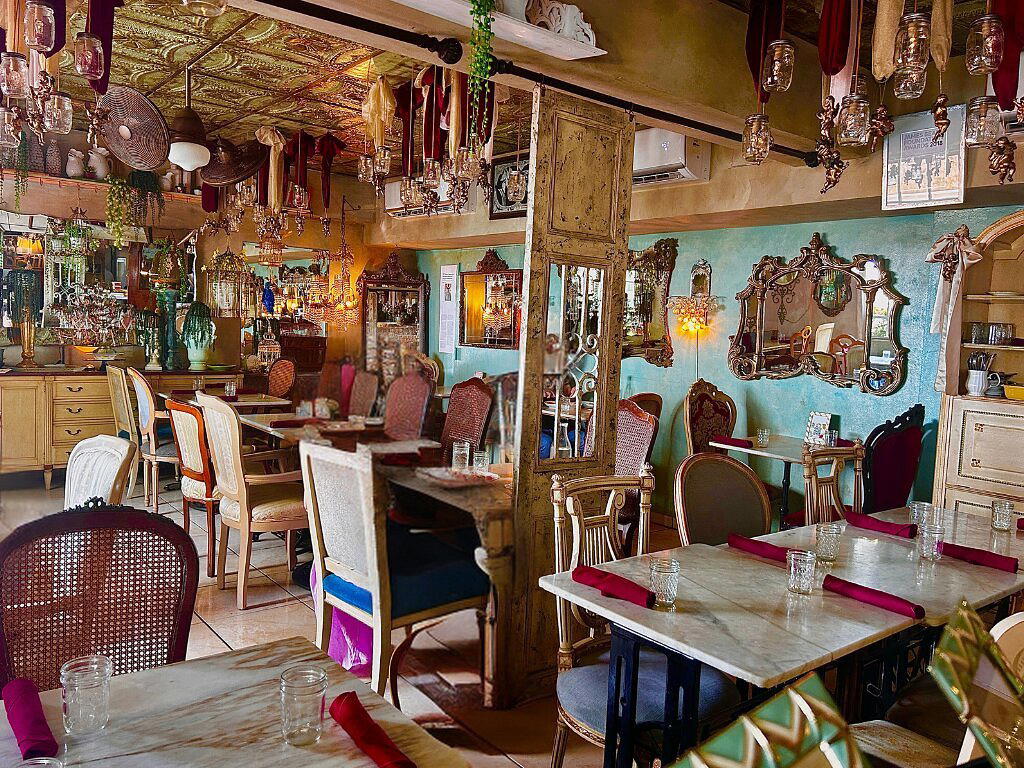
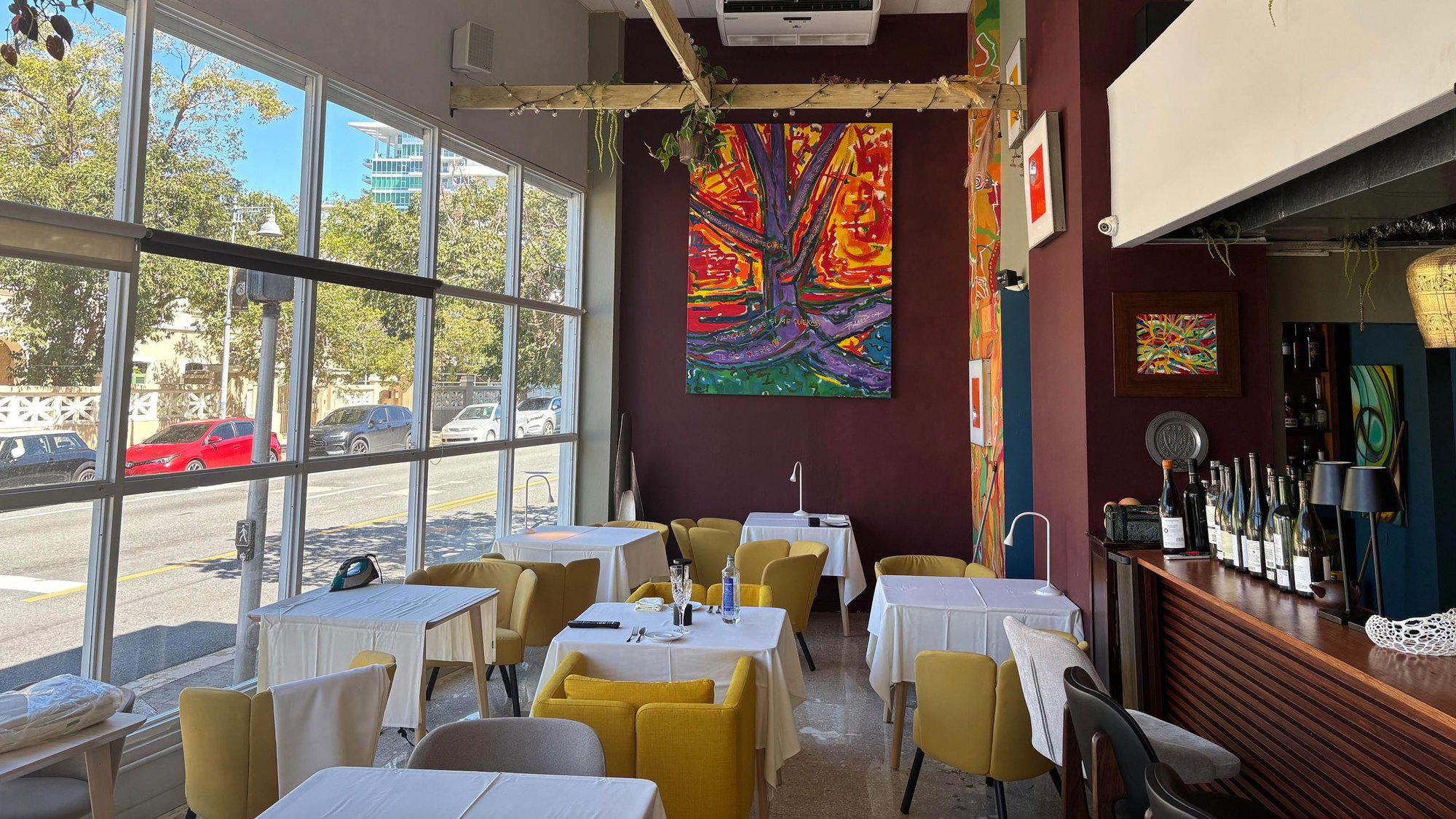
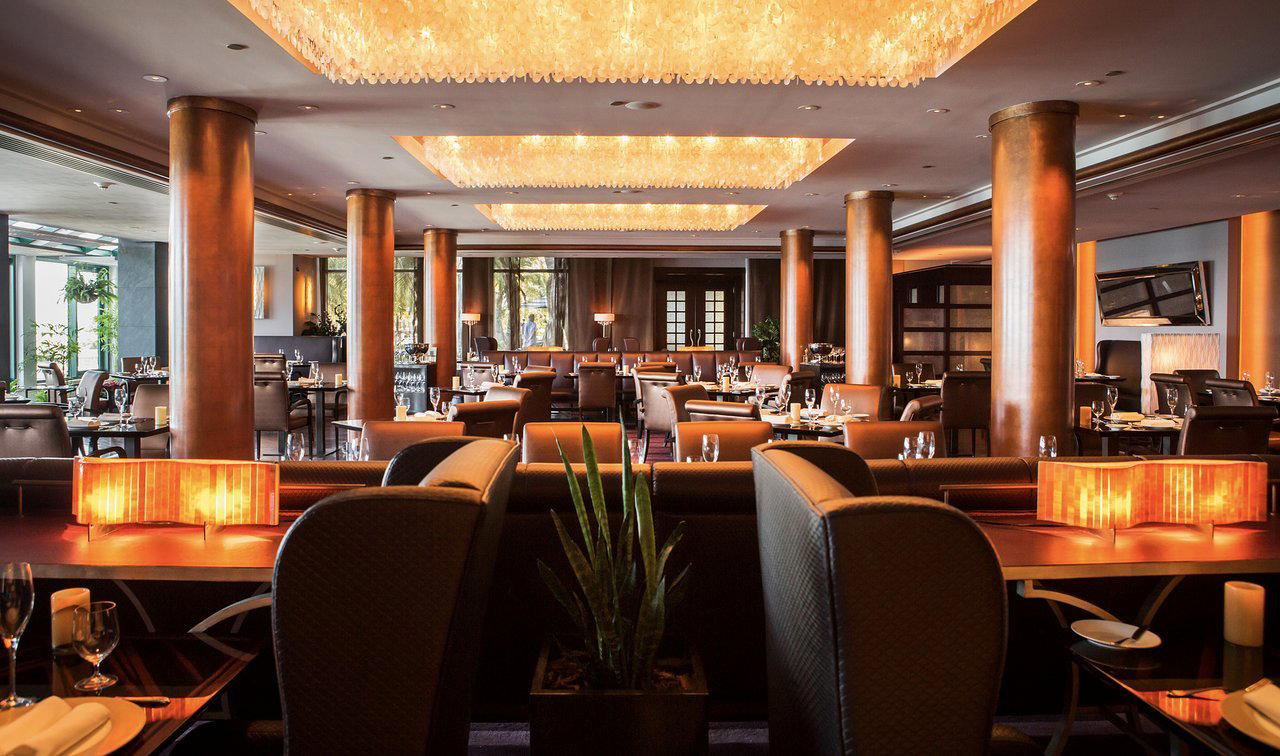
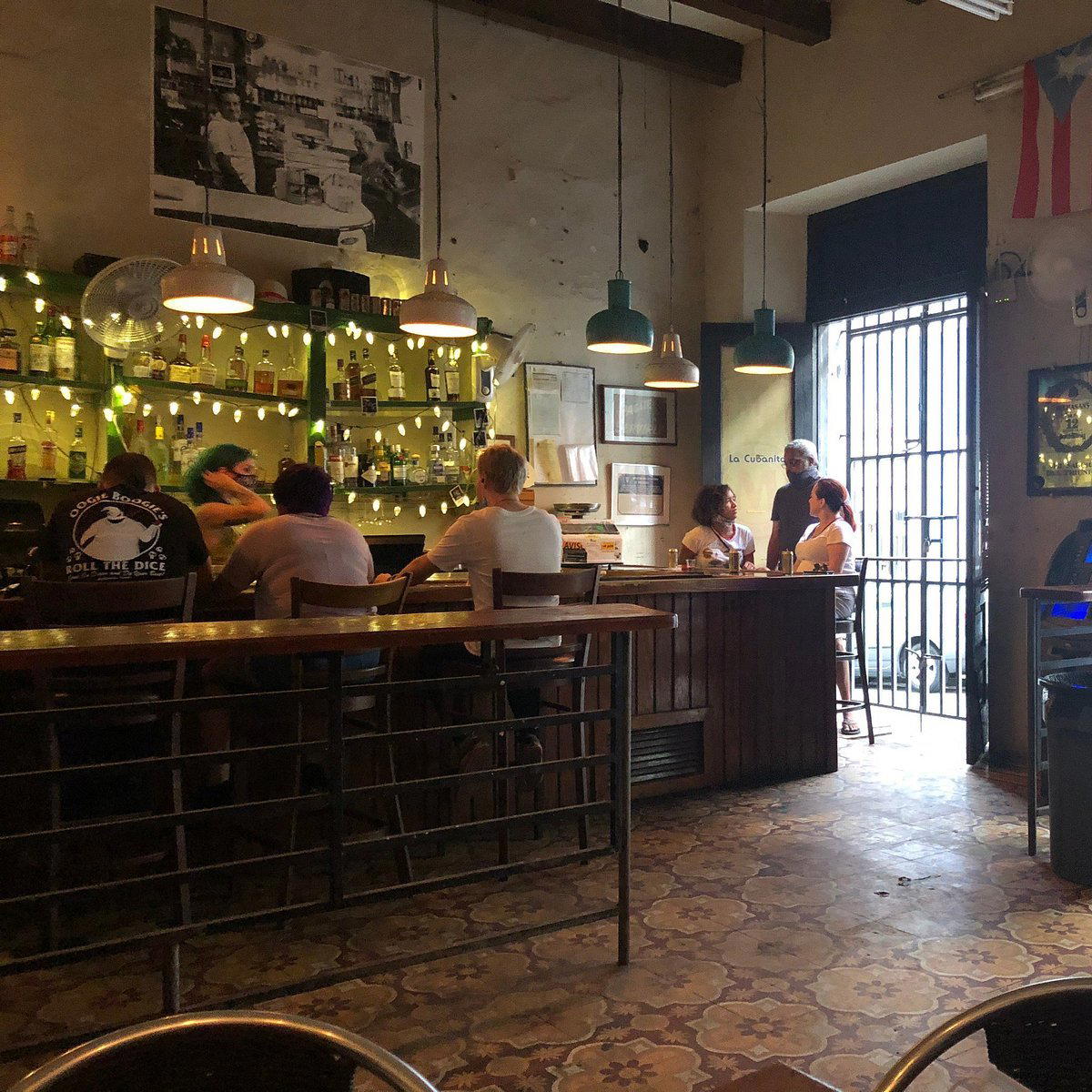
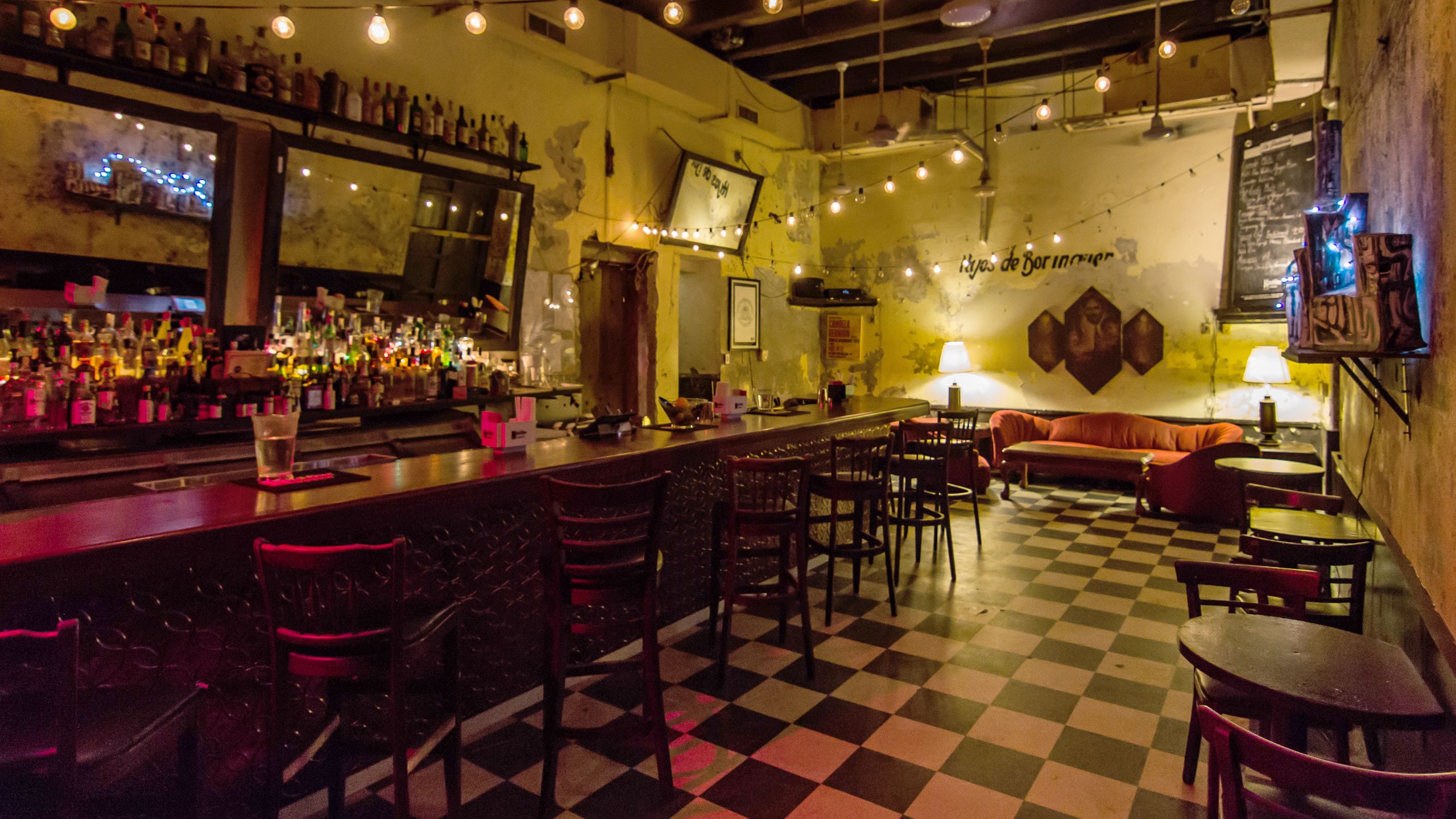
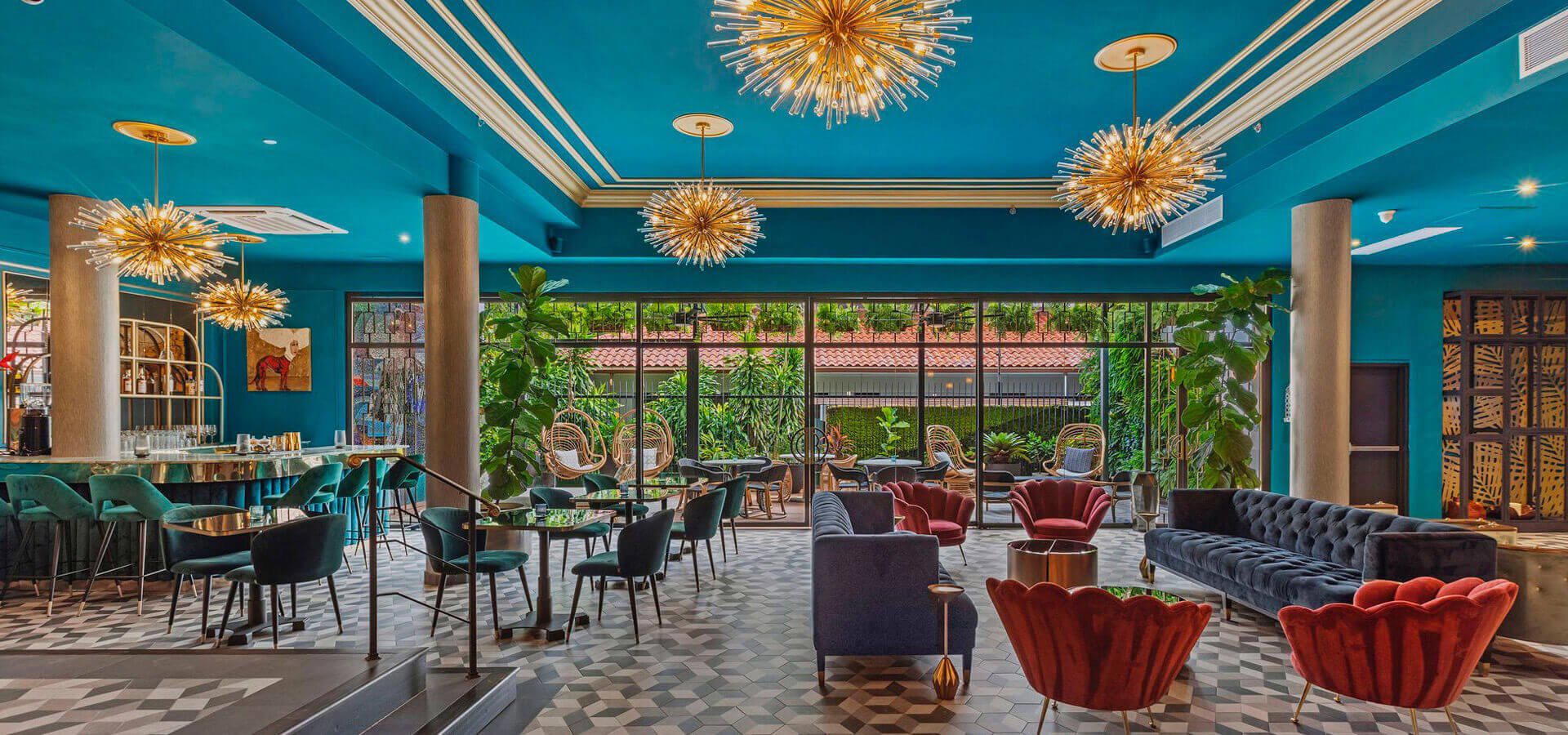
Lively, warm atmosphere filled with Latin energy, described by guests as fun with great vibes.