Sazón Cocina Criolla DTMO
Our verdict
Sazón Cocina Criolla DTMO sits within San Juan's Convention District at 250 Convention Blvd, bringing cocina criolla to a neighbourhood more accustomed to conference catering than serious local cooking. The restaurant operates where Puerto Rico's indigenous ingredient traditions meet contemporary kitchen discipline, positioning it closer to the island's modern-cuisine movement than to the casual fondas that anchor criolla cooking elsewhere in the city.

Pearl is the En Primeur Club membership app, where members save venues, book tables and use the concierge.
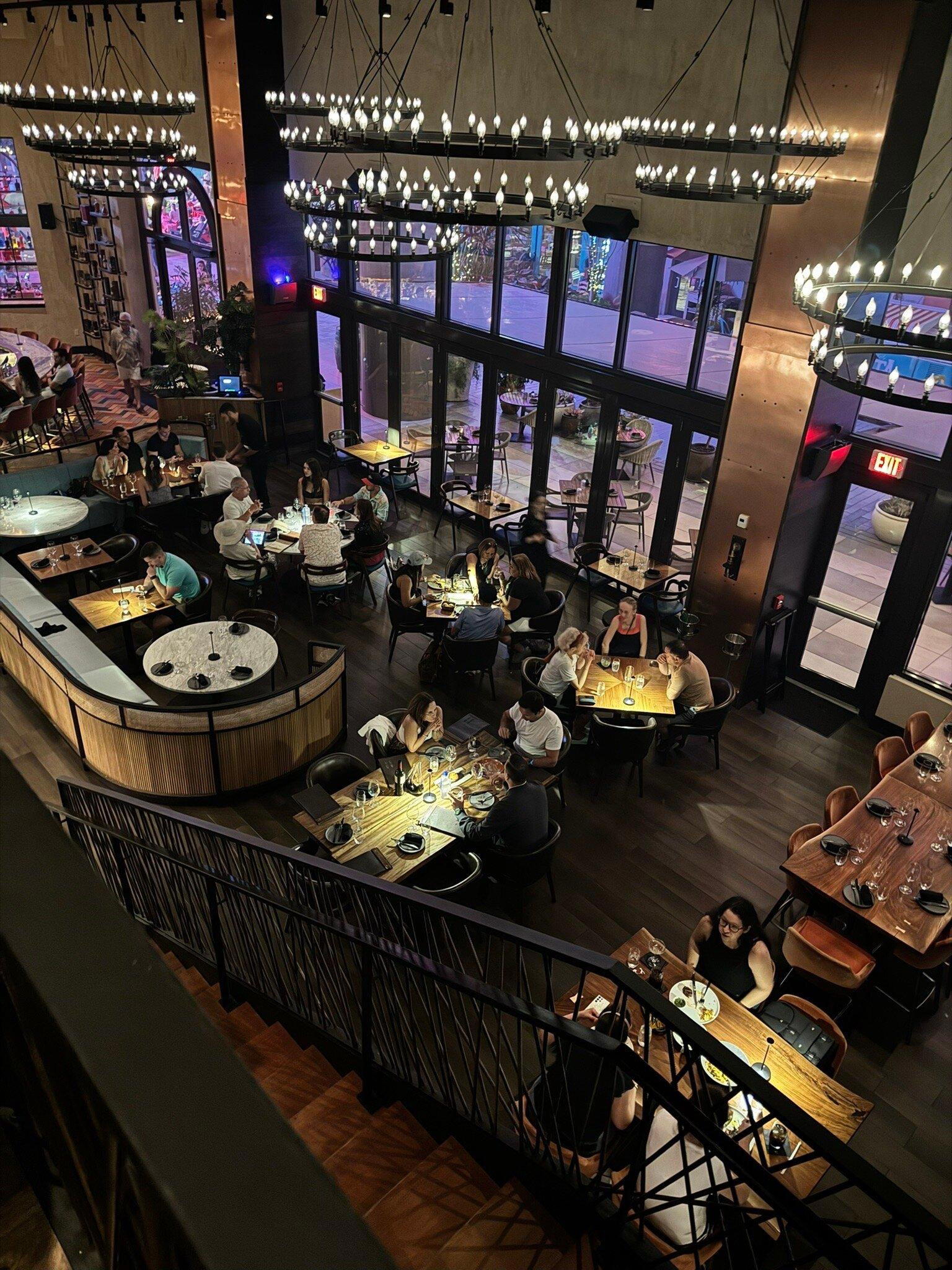
The menu
What to order
- Mofongo Rellenos
- Churrasco
- Asopao de Camarones
Cocina Criolla in the Convention District: A Different Kind of Argument
San Juan's dining geography has always been uneven. Miramar and Old San Juan pull the critical attention, stacking modern-cuisine tasting menus and internationally trained chefs within a few walkable blocks. The Convention District, by contrast, has historically operated on a different logic: volume, convenience, and the transient appetite of conference attendees with per diem budgets and early-morning panels. Against that backdrop, a restaurant serious about cocina criolla carries a particular kind of editorial weight. It is an argument that the cuisine deserves placement where it hasn't always been taken seriously.
Sazón Cocina Criolla DTMO, addressed at 250 Convention Blvd, makes that argument by occupying territory that most criolla-focused kitchens have ceded to tourist-facing operations or neighbourhood fondas. The "DTMO" designation is itself a locator, downtown-adjacent, conference-district adjacent, positioned for a guest whose default assumption might be hotel buffet or fast-casual. The restaurant's presence in this zip code is, before a single dish is served, a positioning statement about what Puerto Rican cooking can hold its own against.
What Cocina Criolla Actually Means on the Plate
The phrase cocina criolla gets applied loosely across Puerto Rico, sometimes to describe anything that involves sofrito and achiote, sometimes to anchor a full culinary identity rooted in the island's Spanish colonial, African, and Taíno inheritance. At its most rigorous, it means a cuisine built on specific ingredients, recao (culantro), ají caballero, plantain in multiple preparations, gandules, root vegetables like yautía and batata, combined through techniques that have accumulated across generations rather than culinary school curricula.
What separates the better criolla kitchens from the perfunctory ones is not nostalgia but precision: understanding why sofrito is built the way it is, how adobo functions as both seasoning philosophy and preservation logic, and when a slow-braised pernil hits structural integrity versus when it collapses into texture problems. The intersection of those indigenous ingredient traditions with contemporary kitchen discipline, knife work, temperature control, plating logic borrowed from modern fine dining, defines the most interesting tier of Puerto Rican cooking right now, and it is the frame through which Sazón Cocina Criolla DTMO invites assessment.
Across Puerto Rico, kitchens operating at this intersection have multiplied since roughly the mid-2010s, part of a broader regional movement that has drawn comparisons to similar indigenous-ingredient revivals in Peru, Mexico, and coastal Colombia. Areyto Modern Cuisine by Chef Jason González represents one version of that conversation in San Juan, applying formal technique to pre-colonial ingredient logic. Amor y Sal engages it from a coastal and seafood angle. Sazón works from the criolla tradition more directly, which places it in a slightly different peer group: less focused on reinvention for its own sake, more interested in what precision can do for a cuisine that already has strong internal logic.
The Convention District Context and What It Demands
Restaurants in convention-adjacent zones across major cities face a structural challenge that has nothing to do with culinary quality: the primary foot traffic skews toward guests with little time and high uncertainty about local dining. In cities like New Orleans, this has produced a two-tier system where convention-district restaurants either tilt toward tourist familiarity or carve out a reputation specific enough that locals and returning visitors seek them deliberately. San Juan's Convention District, anchored near the Puerto Rico Convention Center in Miramar-adjacent territory, operates on similar dynamics.
A criolla kitchen in this position either absorbs the convention-floor audience or builds a dual identity, credible enough for serious diners to make a specific trip, approachable enough that a first-timer off a conference badge can orient quickly. The address at 250 Convention Blvd places Sazón within walking range of hotels that feed the conference circuit, which means the dining room likely holds that tension on any given service. For visitors using San Juan as a base for broader island exploration, the restaurant sits at a logical starting point before heading toward destinations like Lechonera Los Pinos in Cayey for traditional lechón or Carne Mía in Aguada on the west coast.
San Juan's Broader Restaurant Moment
Puerto Rico's restaurant scene has gone through significant compression and reconstruction since 2017, when Hurricane Maria disrupted supply chains, staffing pipelines, and the physical infrastructure of dozens of operations. What has emerged in the years since is a more deliberate ecosystem: fewer casual operations running on inertia, more kitchens with a clear point of view about what they are doing and why. The island's relationship with its own ingredients has become more articulate, partly because the disruption forced kitchens to source differently, and partly because a younger generation of cooks has moved back to Puerto Rico with training from kitchens in New York, Spain, and Peru.
That dynamic mirrors what happened in other Caribbean and Latin American cities where external training returned home. The influence of technically rigorous kitchens, the kind of discipline associated with operations like Le Bernardin or the precision-driven approach of Atomix in New York, has filtered into how island chefs think about execution, even when the food on the plate is rooted entirely in local tradition. Cocina criolla, applied with that kind of kitchen seriousness, is the result.
Within San Juan proper, the restaurant sits alongside a growing cohort of kitchens taking Puerto Rican cuisine past the souvenir-plate version. 1919 Restaurant operates at the formal end of that spectrum with its Modern American framework. AQA Oceanfront and ARYA address different segments of the dining market entirely. For visitors wanting to track the criolla thread specifically across the island, the progression from San Juan to spots like BODEGA in Caguas, Bottles Dorado, or CAÑA in Carolina maps the cuisine across the island's different regional registers.
Planning a Visit
Sazón Cocina Criolla DTMO sits at 250 Convention Blvd, San Juan, Puerto Rico 00907, within the Convention District's hotel-and-conference corridor. Given the location's transient character, reservations during peak conference periods are the practical choice, though the restaurant's criolla positioning means it draws a separate local and visitor audience that operates on a different rhythm than the convention schedule. Specific hours, current pricing, and booking method are best confirmed directly with the venue, as those details vary by season and event calendar. For broader island itinerary planning, the full San Juan restaurants guide maps the dining scene across neighbourhoods and cuisine types, and regional options such as La Faena in Guaynabo, El Dorado in Playita, Brazo Gitano Franco in Mayaguez, Charco Azul in Vega Baja, and Escobar in Canovanas extend the picture further across Puerto Rico's municipalities.
Frequently asked questions
What do regulars order at Sazón Cocina Criolla DTMO?
How hard is it to get a table at Sazón Cocina Criolla DTMO?
What has Sazón Cocina Criolla DTMO built its reputation on?
Can Sazón Cocina Criolla DTMO handle vegetarian requests?
Is Sazón Cocina Criolla DTMO worth the price?
How does Sazón Cocina Criolla DTMO fit within San Juan's wider criolla dining movement?
At a Glance
Comparable venues nearby, for context on price, style, and recognition.
| Venue | Cuisine | Price | Notes |
|---|---|---|---|
| Sazón Cocina Criolla DTMOThis venue (the venue you are viewing) | Authentic Puerto Rican Criolla | $20–30 | Not listed |
| Chocobar Cortés | Chocolate-Infused Caribbean | $20–30 | Catedral, Chocolate-Infused Caribbean |
| Los Yeyos Restaurant | Puerto Rican Mofongo House | $10–20 | San Francisco, Puerto Rican Mofongo House |
| SOCIAL | Modern Puerto Rican International | $30–50 | Condado, Modern Puerto Rican International |
| Cafetería Mallorca | Puerto Rican Bakery Cafe | $10–20 | San Francisco, Puerto Rican Bakery Cafe |
| Bartolo Restaurant | Authentic Puerto Rican Creole | $20–30 | Miramar, Authentic Puerto Rican Creole |
Continue exploring
More in San Juan
Restaurants in San Juan
All restaurants in San Juan →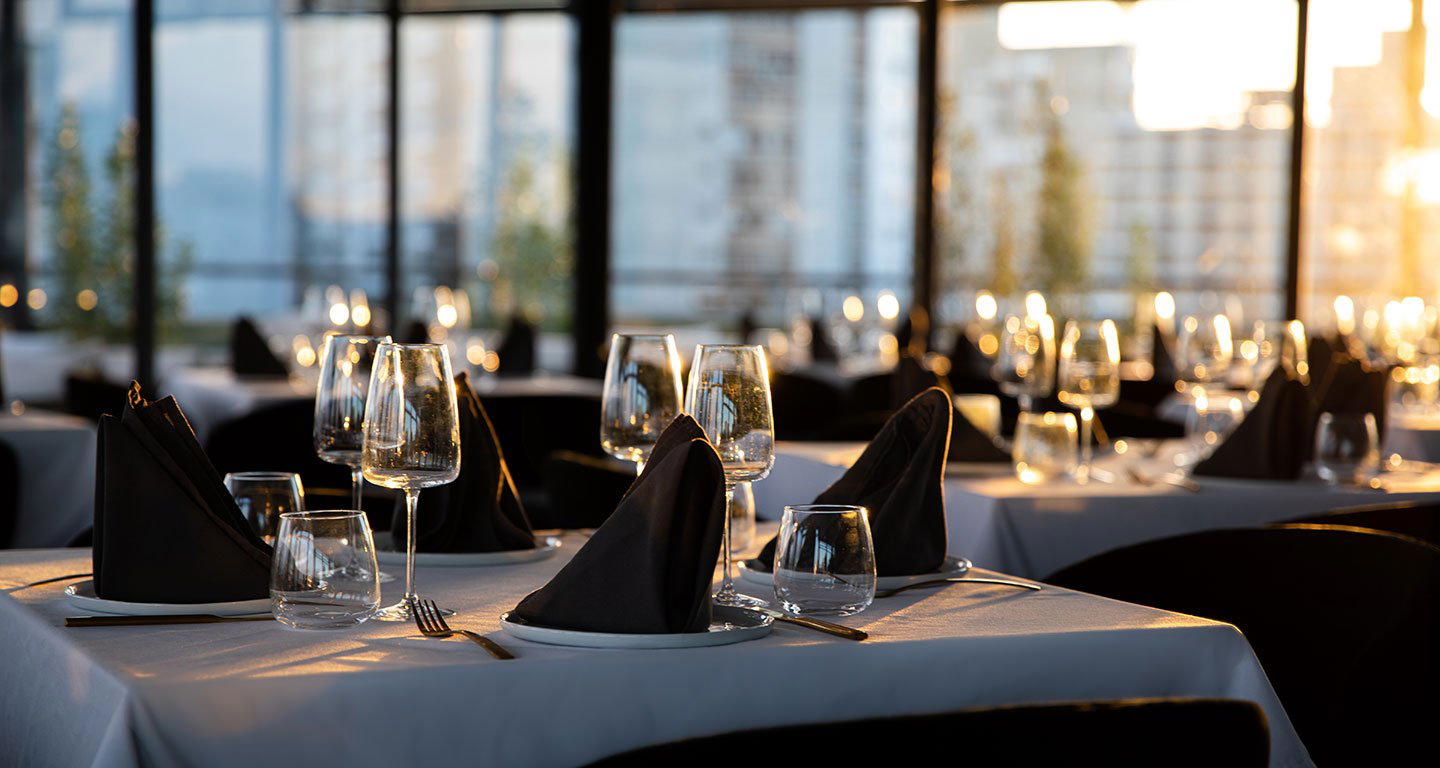
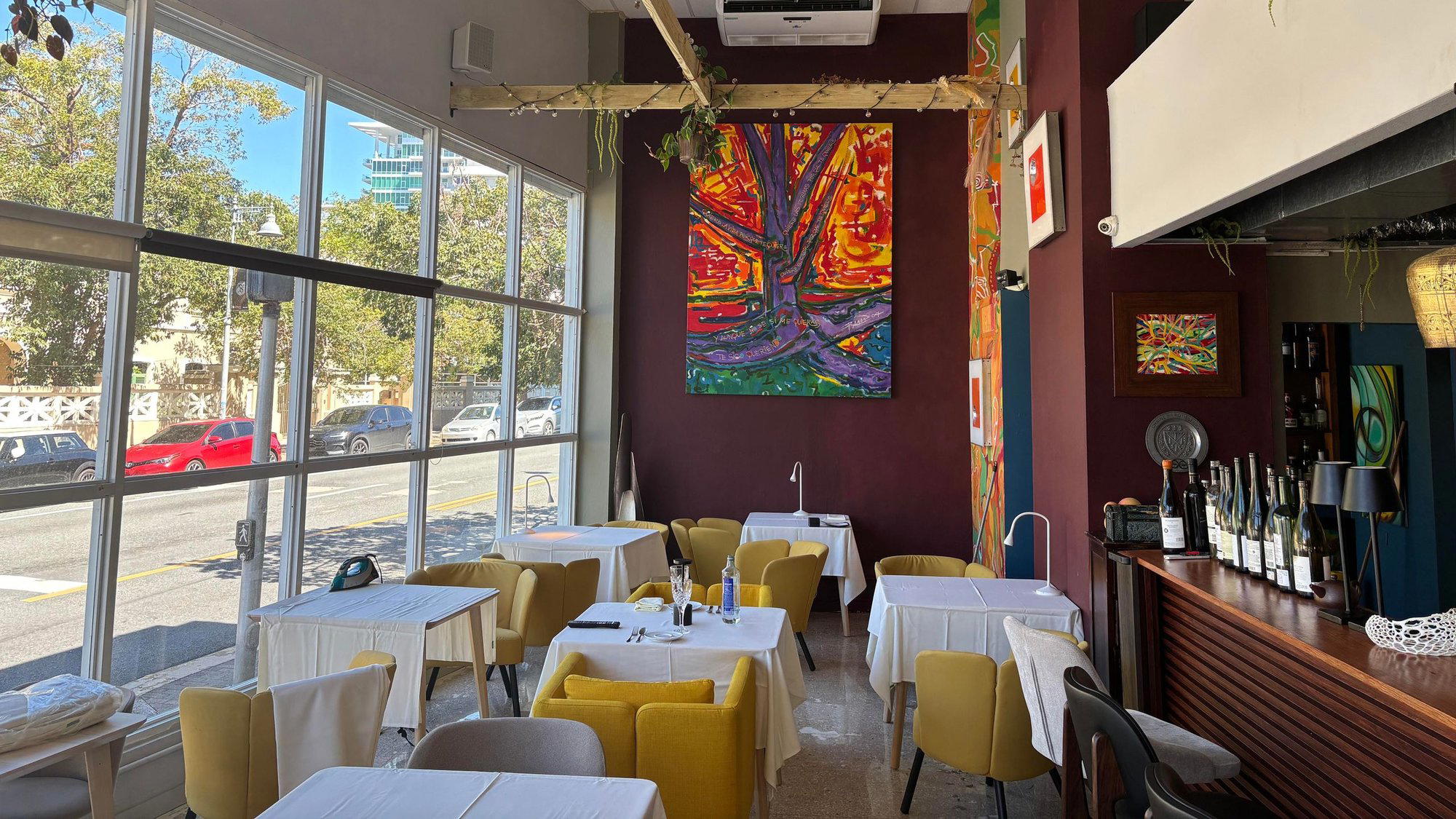
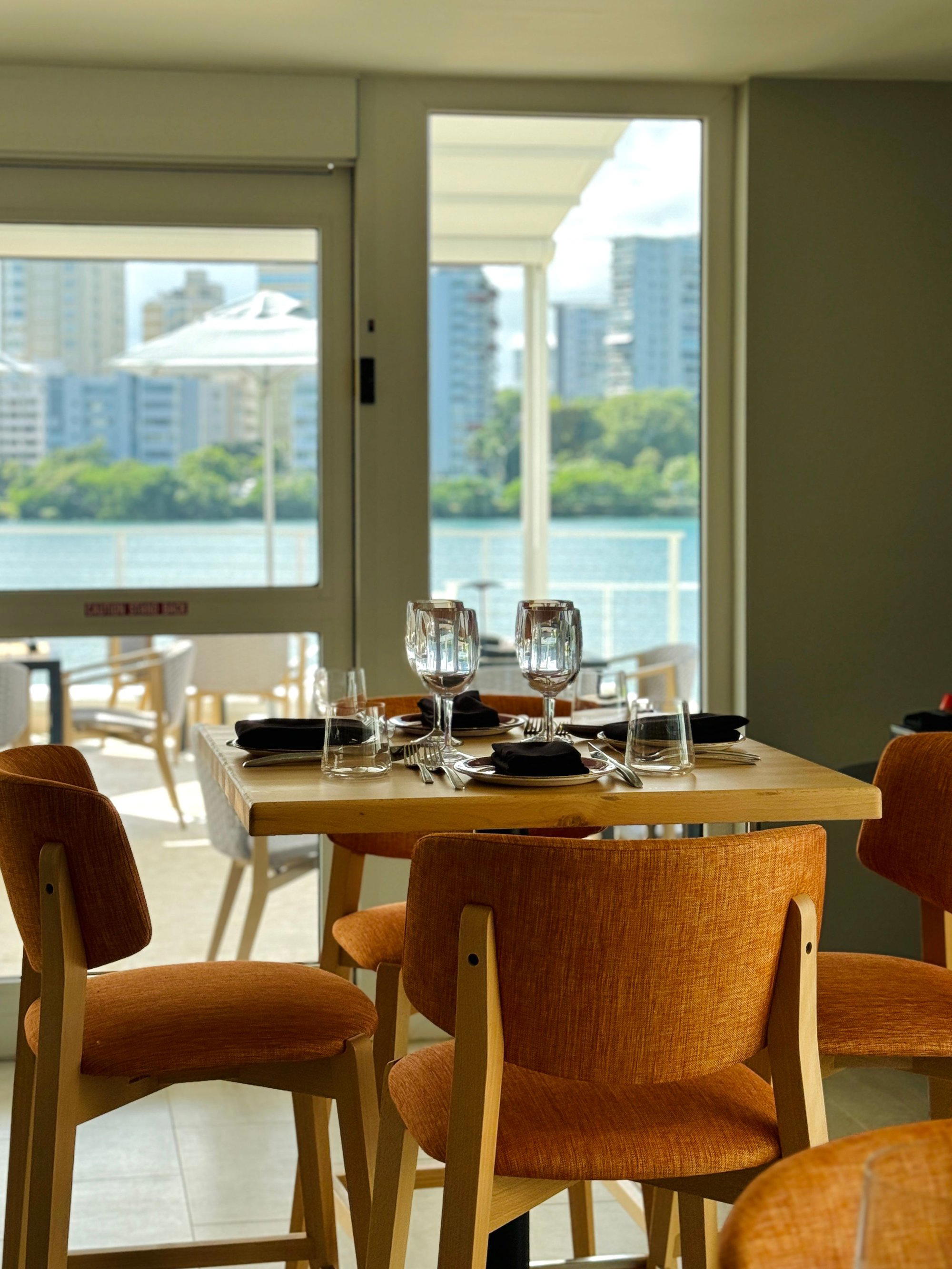
Bars in San Juan
All bars in San Juan →
Details
- Lively
- Cozy
- Family
- Group Dining
- Casual Hangout
- Open Kitchen
- Craft Cocktails
- Local Sourcing
- A La Carte
Current opening hours
- Monday
- 11:30 AM–11 PM
- Tuesday
- 11:30 AM–11 PM
- Wednesday
- 11:30 AM–11 PM
- Thursday
- 11:30 AM–12 AM
- Friday
- 11:30 AM–12 AM
- Saturday
- 11:30 AM–12 AM
- Sunday
- 11:30 AM–10 PM
Hours can change for holidays and private events. Hours as of .
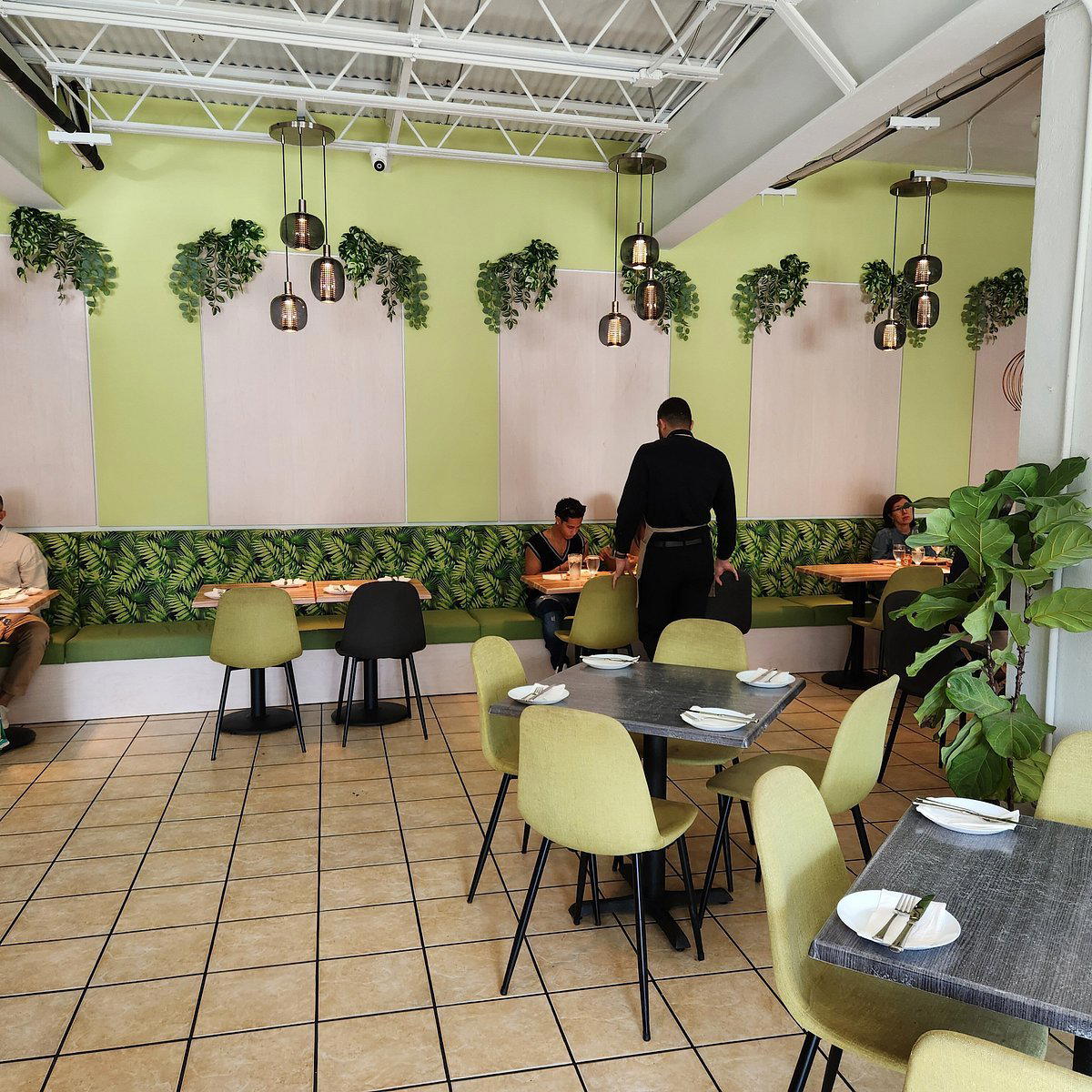
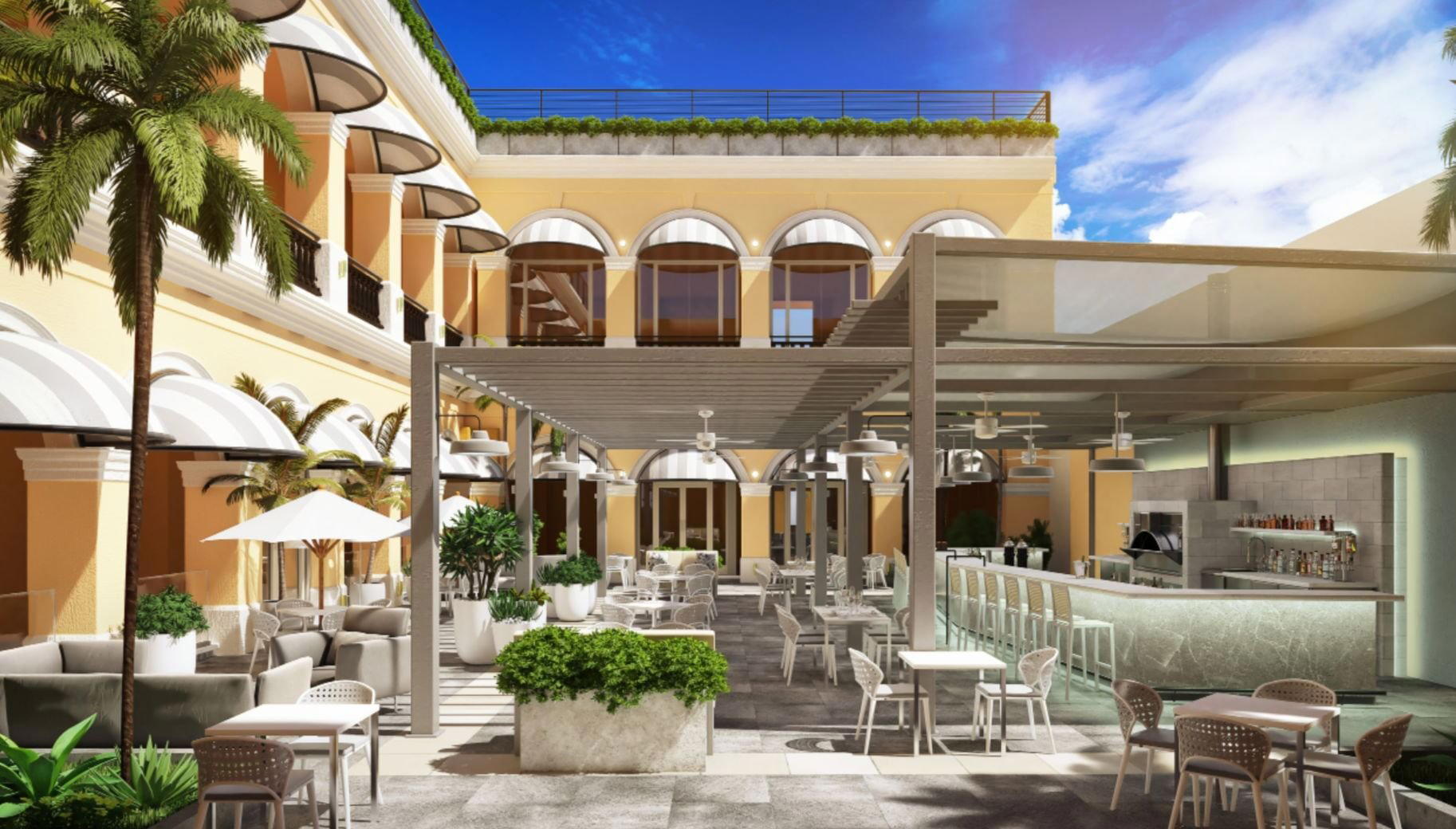
Beautiful tropical-inspired setting with lively atmosphere from nearby outdoor performances.