
Chinese restaurant KUE brings Kamakura’s seafood logic into a compact Chinese format, placing fish, dumplings and wine or sake in the same conversation rather than treating Chinese dining as a heavy banquet genre. Its Tabelog Chinese EAST 100 selections in 2023, 2024 and 2026 put it in a sharper category than the city’s casual lunch circuit.
Pearl is the En Primeur Club membership app — saves, bookings, and concierge access live there. Same editors, same standards.
- Address
- Ôfuna Plaza, 204 1 Chome-2-35 Okamoto, Kamakura, Kanagawa 247-0072, Japan
- Phone
- +81 467-53-9977
- Website
- instagram.com
 Saves & bookings on Pearl
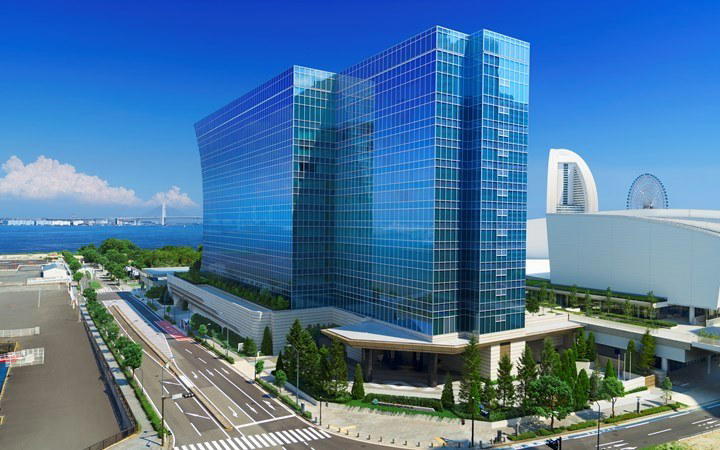
Ofuna is not postcard Kamakura of temple approaches and beach cafés. It is the working gateway: station traffic, apartment blocks, quick errands, and restaurants serving locals before visitors. Chinese restaurant KUE sits on this practical side of Kamakura, where pleasure comes less from scenery than precision, and a small room can argue more strongly than a view.
Kamakura dining is often framed through soba, shirasu, bakeries and coffee, but its stronger contemporary restaurants increasingly start from the same premise: local appetite first, tourist narrative second. In that context, a Chinese kitchen with seafood as a stated focus feels part of the region, not an imported genre. The category is Chinese, dumpling and seafood; the editorial point is how fish anchors the meal, pulling the format closer to coastal Kanagawa than banquet-room Chinese dining.
Seafood-led Chinese cooking in a city better known for cafés and temples
Ingredient sourcing is the useful lens because Kamakura and the Shonan coast reward restaurants that understand proximity to fish markets, coastal eating habits and lighter pacing. Chinese cuisine in Japan spans gyoza counters to formal course menus; this address sits at the smaller end, with 16 seats and counter seating among its room features. That scale suits seafood. Fish gains little from a sprawling menu built to satisfy every table at once. It benefits from timing, restraint and a kitchen willing to let sourcing shape the meal.
The Tabelog Chinese EAST 100 selections in 2023, 2024 and 2026 give the restaurant a credible signal within eastern Japan’s Chinese category. That marker is more relevant than generic popularity, because the field includes serious Chinese restaurants across Tokyo, Kanagawa and surrounding prefectures. A 3.71 score places it where repeat diners and category specialists pay attention, not just casual Ofuna traffic.
The price position reinforces that reading. Dinner sits above everyday Kamakura stops such as Cabbage Batake, CALVA or the simpler local price points represented by Cuillere. That does not make it a Tokyo-style luxury room; it makes it a destination Chinese meal within Kamakura’s local market. For a broader view of how it fits, Our full Kamakura restaurants guide gives context across casual, specialty and occasion-led addresses.
A compact format changes how Kamakura Chinese dining feels
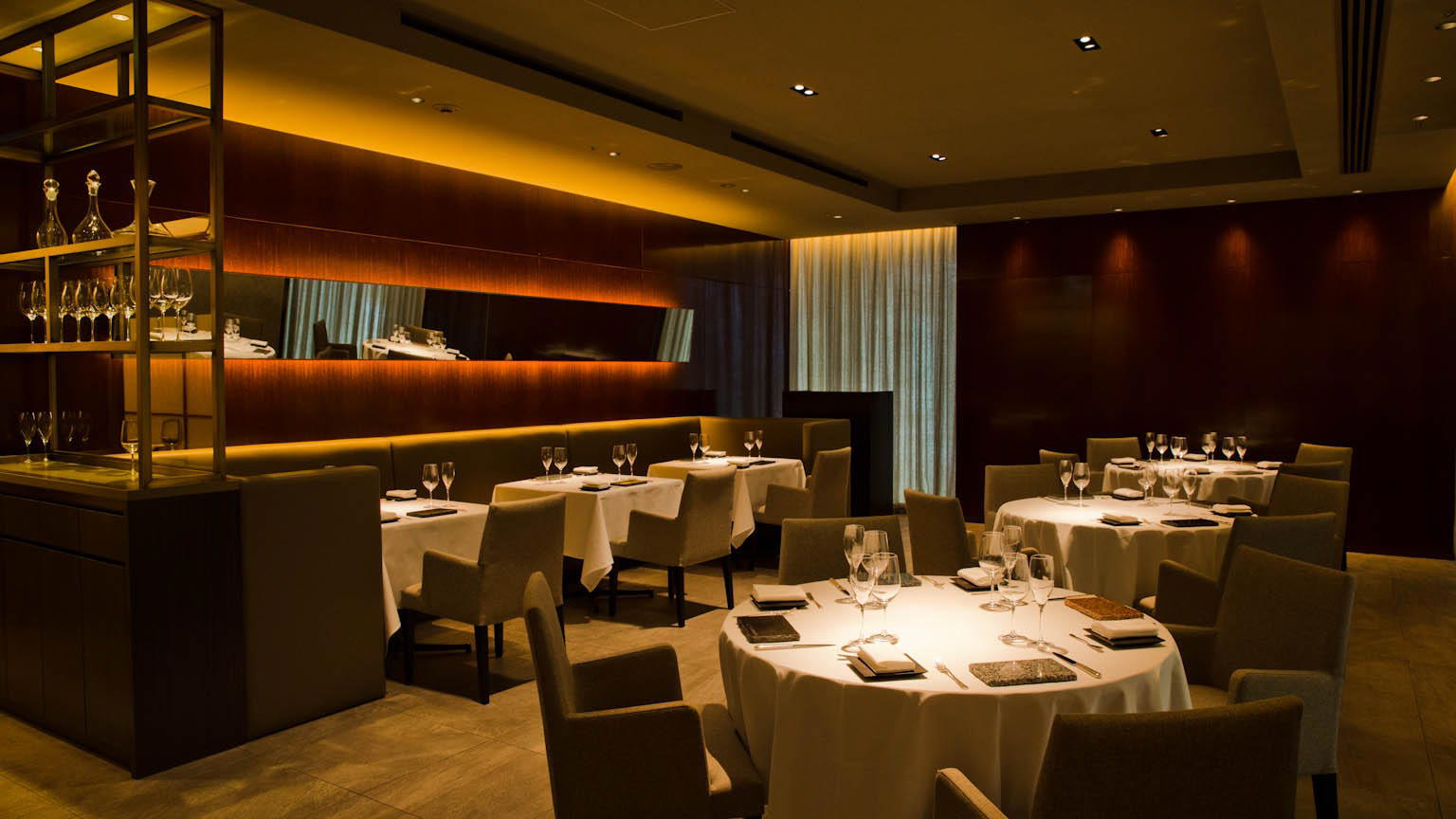
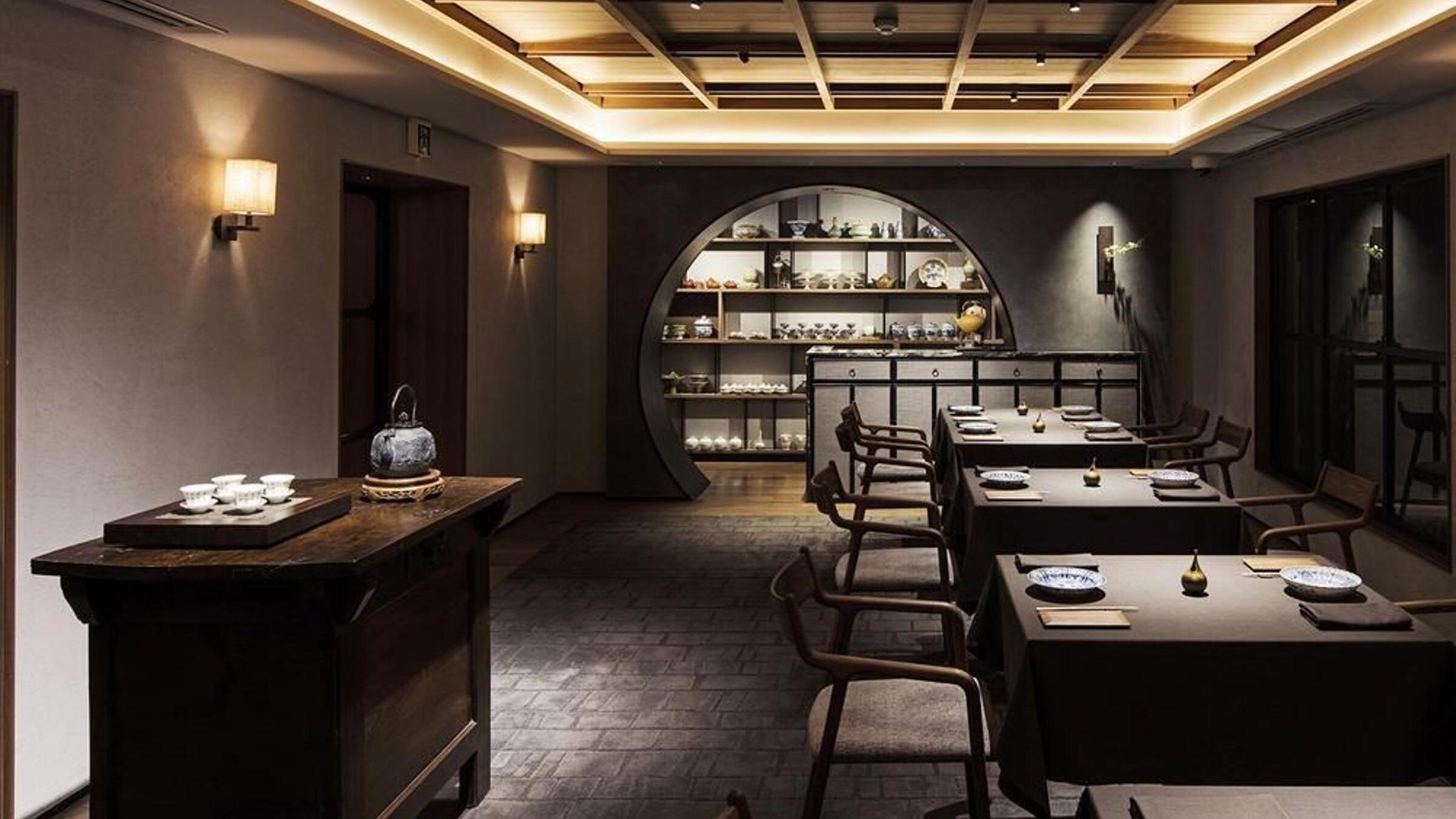
Small Japanese restaurants create a different contract between diner and kitchen. At 16 seats, with private room availability for a small group and a non-smoking policy, the format points away from high-volume Chinese dining and toward controlled pacing. Sake and wine matter too. They suggest pairing across courses rather than a single lager-and-plates rhythm, placing the restaurant closer to modern Japanese dining habits than old-school Chinese banquet convention.
That hybrid position is where KUE becomes interesting. Kamakura has a strong café and bakery culture, visible in Bergfeld Kamakura honten, Cafe Vivement Dimanche and arbre noir YAKUMI. Those addresses express the city’s slower daytime grammar. KUE works differently: evening-friendly, compact, and suited to diners who want the region’s seafood character translated through Chinese technique rather than another bowl, pastry or coffee stop.
The comparison should stay local. Tokyo can absorb specialist Chinese restaurants into vast dining neighborhoods; Kamakura cannot. A 16-seat Chinese restaurant with EAST 100 recognition changes the city’s category range. It gives Ofuna a reason to be more than an arrival point and widens the Kamakura conversation beyond the historic center. Visitors planning a wider stay can pair that restaurant reading with Our full Kamakura hotels guide, while drink-focused travelers can map the after-dinner side through Our full Kamakura bars guide.
How to read it against Kamakura's wider dining map
The strongest case for Chinese restaurant KUE is not that it competes with every acclaimed Chinese counter in Japan. It solves a Kamakura problem: where to eat seriously after the city’s daytime charm has done its work. Its seafood focus, dumpling category and course-oriented price tier suit an intentional meal more than a drop-in snack. For families or business meals, the small private room and child-friendly details widen its usefulness without changing its identity.
For travelers building a fuller itinerary, Kamakura works well when dining is not an afterthought between temples. The restaurant belongs on the same city plan as bakeries, cafés and casual specialists, not because it resembles them, but because it shows another version of local demand. Our full Kamakura experiences guide frames that slower rhythm, while Our full Kamakura wineries guide covers the category if wine is part of the trip planning.
Readers comparing Japanese dining across cities should note the distinction between local specialization and destination branding. A seafood-led Chinese restaurant in Ofuna has little in common with urban novelty formats such as. 鮪と炭火焼き うお炭 秋葉原店 in Tokyo.cafe in Osaka.know in Kumamoto or (Shoku) Vietnam in Kawasaki. Those comparisons mainly show how fragmented Japan’s specialist restaurant culture has become: curry counters such as [Curry Senmon Ten] Maruyama Kyoju. in Sapporo, contemporary Kyoto formats like [ki:] in Kyoto, and overseas Japanese-adjacent rooms such as Jōdo Saké Bar in Los Angeles or Onigiri Time in Pasadena all narrow the brief. KUE’s brief is coastal Chinese cooking at a scale where fish stays central.
The editorial call is clear: this is stronger for diners who want Kamakura to behave like a living food city, not a heritage day trip. Its awards, compact seat count and seafood focus make the case. The reward is not spectacle; it is a more precise reading of Ofuna, and of how Chinese dining can adapt to a coastal Japanese city without losing its category identity.
At-a-Glance Comparison
Comparable venues by cuisine and price in the same metro.
| Venue | Cuisine | Price | Notes |
|---|---|---|---|
| Chinese restaurant KUEThis venue — the venue you are viewing | Chinese restaurant with dumplings and seafood | $$$ | Not listed |
| フィエルテ | French Fine Dining | $$$ | Kamakura |
| Mi Casa | Modern Spanish in a Kamakura kominka | $$$ | Kamakura |
| ETE Kamakura | French Bistro | $$ | Kamakura |
| Latteria Bebe Kamakura | Cheese-focused Neapolitan pizzeria & Italian | $$ | Kamakura |
| Oryori Tomiyama | Traditional Japanese donburi & set meals | $$ | Kamakura |
Recognition history
Dated appearances from independent guides and award organizations, with the underlying list record or original source where available.
Tabelog 100 #2 · No. 2
Tabelog · Tabelog 100 - Chinese cuisine - EAST - 2026











At a Glance
- Date Night
- Group Dining
- Special Occasion
- Standalone
Current opening hours
- Monday
- 11:30 AM–2 PM, 5:30–9 PM
- Tuesday
- 11:30 AM–2 PM, 5:30–9 PM
- Wednesday
- 11:30 AM–2 PM, 5:30–9 PM
- Thursday
- Closed
- Friday
- 11:30 AM–2 PM, 5:30–9 PM
- Saturday
- 11:30 AM–2 PM, 5:30–9 PM
- Sunday
- 11:30 AM–2 PM, 5:30–9 PM
Hours can change for holidays and private events. Last verified .
Intimate, small dining room atmosphere with a quiet, reservation-only setting typical of a focused Chinese restaurant in a station-side building.