
Oryori Tomiyama brings Kamakura’s everyday Japanese dining idiom into a small-format room recognised in Tabelog’s Japanese Cuisine EAST 100 selection for 2021, 2023, and 2025. The appeal is not temple-town nostalgia but scale: counter seats, sunken kotatsu tables, donburi at lunch, izakaya-adjacent Japanese cooking at dinner, and a drinks list that includes sake, shochu, and wine.
Pearl is the En Primeur Club membership app — saves, bookings, and concierge access live there. Same editors, same standards.
- Address
- 神奈川県鎌倉市小町2-10-18 二の鳥居ビル2階
- Phone
- +81467379050
 Saves & bookings on Pearl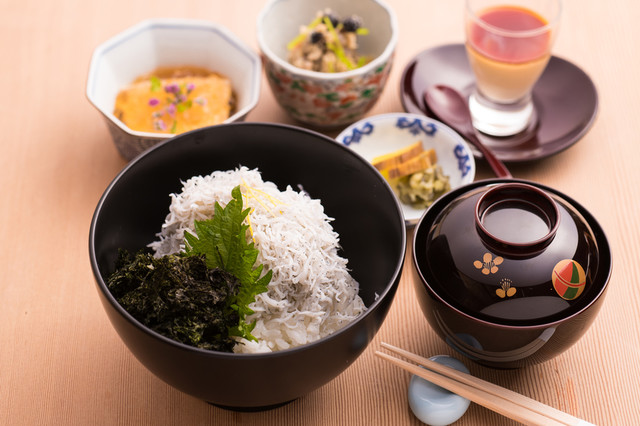
Komachi’s restaurant streets thin out quickly once the shrine-bound crowds begin to sort themselves into cafés, sweet shops, and lunch counters. Upstairs rooms matter in Kamakura: they remove a table from the souvenir flow without leaving the centre of town. Oryori Tomiyama works in that register, a compact Japanese restaurant above street level, with counter seating and sunken kotatsu tables setting a slower pace than the main shopping lanes below.
Kamakura dining is often read through tourism, but its stronger food culture sits in the overlap between local routine and day-trip demand. The city has old confectioners, coffee rooms, casual donburi counters, and small Japanese kitchens that need to satisfy residents as much as visitors. That mixed economy explains why a restaurant can carry the structure of washoku, the informality of an izakaya, and the accessibility of rice-bowl lunch service without feeling like three separate concepts.
Small-room Japanese cooking in a city built on day-trip appetite
Japanese cuisine in Kamakura does not need the theatre of a capital-city kaiseki room to read seriously. The sharper question is whether a kitchen can hold discipline while serving the rhythms of a coastal temple town: early lunches, post-walk dinners, compact rooms, and guests who may be dressed for a shrine path rather than a tasting-menu counter. Oryori Tomiyama’s Tabelog Japanese Cuisine EAST 100 selections in 2021, 2023, and 2025 place it in a recognised regional group rather than the purely local lunch circuit.
The category matters. Japanese Cuisine, Donburi, and Izakaya together describe a format with range but also restraint. Donburi anchors the daytime trade in a familiar Japanese grammar: rice, topping, miso-soup logic, quick satisfaction. The izakaya thread gives dinner more flexibility, while the Japanese-cuisine label signals a kitchen expected to handle preparation rather than merely assemble plates. That combination is common across Japan, but in Kamakura it carries a specific usefulness: it lets a meal stay tied to place without becoming a tourist set piece.
Compared with the city’s lower-priced sweets-and-coffee institutions such as Kamakura Naniwaya, Toshimaya Karyo Hatokoji, Nagon Shiruko Ten, and Iwata Coffee Ten, this is a different meal category entirely. Those addresses serve the stop-and-continue logic of Kamakura sightseeing. Kikuta, with a higher dinner bracket among the local comparison set, sits closer to the serious-meal end of the spectrum, but Oryori Tomiyama’s repeated Tabelog 100 recognition gives it a clearer external signal for travellers choosing one Japanese meal in town.
Counter seats, kotatsu tables, and the social scale of washoku
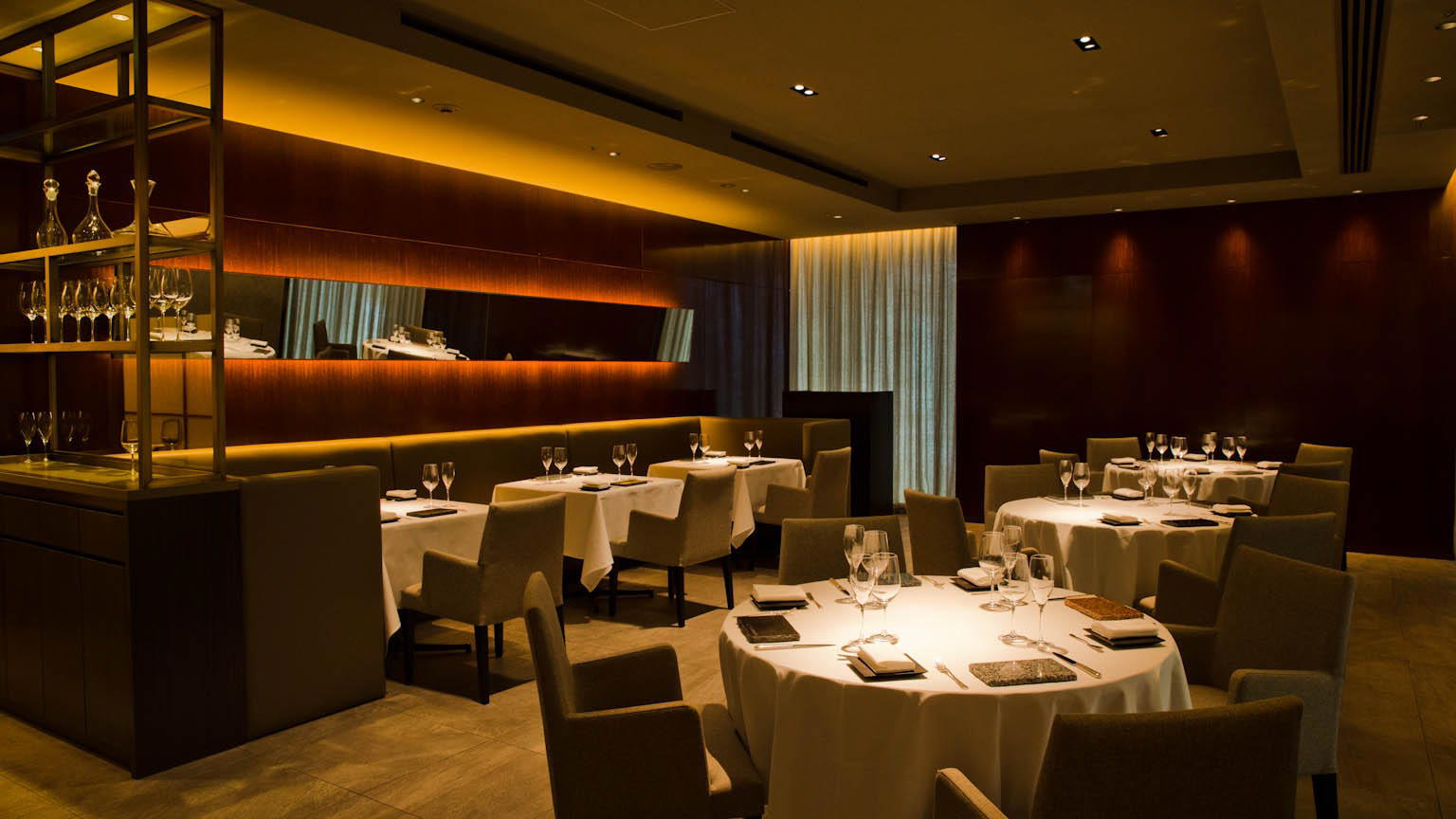
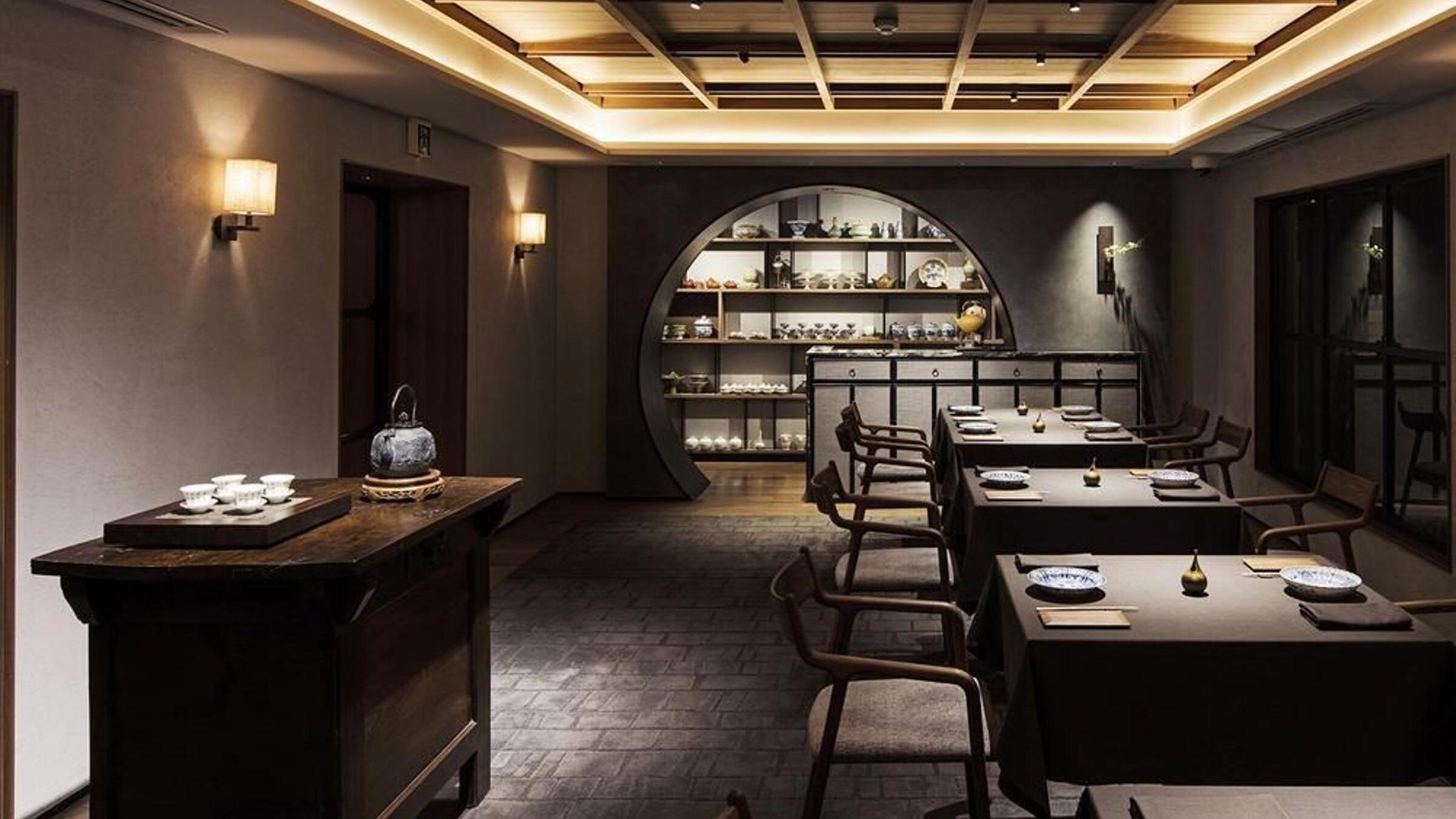
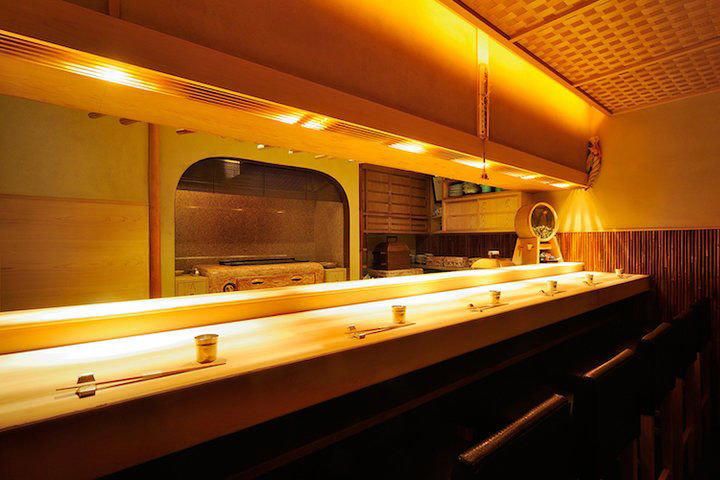
The room’s 15-seat count is not a decorative fact; it defines the experience. Five counter seats point to a kitchen-facing style of eating, while 10 sunken kotatsu seats allow small groups to settle in without turning the restaurant into a banquet room. In Japan, that split often marks a useful middle ground: more personal than a large izakaya, less formal than a private-room kaiseki restaurant, and better suited to Kamakura’s mixed audience of couples, small families, and local regulars.
Recognition also lands differently at this scale. A Tabelog score of 3.75 and inclusion in the 2025 Japanese Cuisine EAST 100 list do not turn the address into a trophy-room destination; they signal consistency within a category where many kitchens are modest, local, and resistant to easy export. For an out-of-town diner, that is the useful reading. The draw is not a chef mythology or a named signature plate, but a format that keeps Japanese cooking close to everyday use while meeting a higher regional benchmark.
The drinks list reinforces that breadth. Sake and shochu keep the meal rooted in Japanese drinking culture, while wine broadens the table without forcing a Western fine-dining frame onto it. That matters in a city where the dining day can begin with coffee, pass through noodles or rice bowls, and end with small dishes and alcohol rather than a long dégustation. Kamakura rewards restaurants that understand duration: some meals should be short, others should hold the evening.
How to place it within a Kamakura eating day
The smarter way to use this address is to think in sequence. Kamakura’s food map is unusually good for moving between categories: a bakery stop, a coffee room, a Japanese lunch, a sweet shop, then dinner near the station. Readers building a broader route can cross-reference arbre noir YAKUMI, Bergfeld Kamakura honten, Cabbage Batake, Cafe Vivement Dimanche, and CALVA for a clearer picture of how the city eats beyond one meal.
For wider planning, use Our full Kamakura restaurants guide alongside Our full Kamakura hotels guide, Our full Kamakura bars guide, Our full Kamakura wineries guide, and Our full Kamakura experiences guide. The larger point is not to overbuild the day. Kamakura is dense, walkable, and heavily shaped by daylight sightseeing; one properly chosen Japanese meal often carries more value than stacking reservations.
Travellers comparing Japanese dining across cities can also look outward:. 鮪と炭火焼き うお炭 秋葉原店 in Tokyo.cafe in Osaka.know in Kumamoto, (Shoku) Vietnam in Kawasaki, [Curry Senmon Ten] Maruyama Kyoju. in Sapporo, [ki:] in Kyoto, Jōdo Saké Bar in Los Angeles, and Onigiri Time in Pasadena. Those links widen the frame: Kamakura’s strength is not volume or spectacle, but a compact dining culture where small rooms can carry serious regional recognition.
Price Lens
Nearby venues at a similar price tier for orientation.
| Venue | Cuisine | Price | Notes |
|---|---|---|---|
| Oryori TomiyamaThis venue — the venue you are viewing | Not listed | $$ | Not listed |
| Cabbage Batake | Not listed | $$ | Kamakura, Okonomiyaki (Japanese savory pancakes) |
| OXYMORON komachi Komachi | Not listed | $$ | Kamakura, Japanese-style spice curry & café |
| Minowa | Not listed | $ | Kamakura, Traditional Japanese sweets & tea cafe |
| Sango Sho Honten | Kamakura, Japanese Curry & Yoshoku | $$ | Not listed |
| Moana Makai Sango Sho | Kamakura, Japanese Curry | $$ | Not listed |
Recognition history
Dated appearances from independent guides and award organizations, with the underlying list record or original source where available.
Tabelog 100 #14 · No. 14
Tabelog · Tabelog 100 - Japanese cuisine - EAST - 2025










At a Glance
- Cozy
- Classic
- Intimate
- Date Night
- Solo
- Casual Hangout
- Special Occasion
- Standalone
- Sake Program
- Local Sourcing
Warm, homey Japanese interior with a relaxed, intimate atmosphere that feels like a neighborhood spot rather than a formal kaiseki restaurant.