
Mi Casa brings Spanish and innovative cooking into Kamakura’s quieter Sasuke district, with a fish-led course format and a house-restaurant setting rather than a city-center dining room. Its selection for Tabelog 100 Spanish Cuisine in 2024 and 2026 places it in Japan’s serious Spanish conversation, while the scale, counter seating, and semi-private rooms keep the experience intimate.
Pearl is the En Primeur Club membership app — saves, bookings, and concierge access live there. Same editors, same standards.
- Address
- 1 Chome-12-9 Sasuke, Kamakura, Kanagawa 248-0017, Japan
- Phone
- +81 467-81-7647
- Website
- jeromequilbeuf.jp
 Saves & bookings on Pearl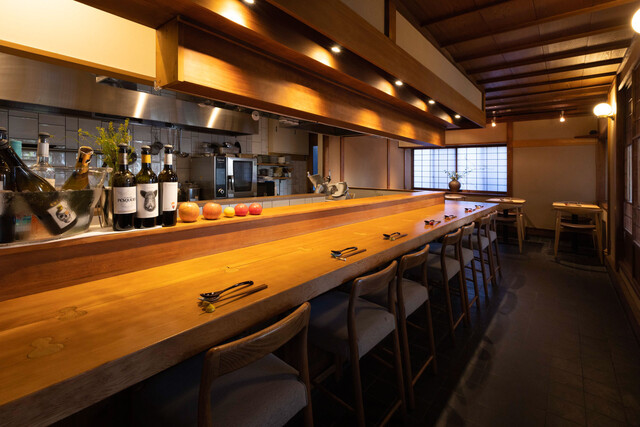
The approach to Sasuke changes the tempo of Kamakura dining. Away from the station-front snack shops and temple-route cafés, the streets turn residential, and the restaurant format becomes quieter: converted houses, small counters, rooms that ask diners to slow down before the first plate arrives. Mi Casa fits that side of the city, a house restaurant where Spanish cooking is filtered through the habits of coastal Kanagawa rather than staged as imported theatre.
Kamakura has always had two dining identities. One serves the day-tripper: coffee, sweets, bakeries, curry, shirasu bowls, and casual lunches calibrated around temple walks and train schedules. The other is smaller and more deliberate, built around reservations, set courses, and kitchens that use the city’s coastal position without turning every meal into a seafood postcard. For a broader read on that split, see Our full Kamakura restaurants guide, then compare the more casual local rhythm at Bergfeld Kamakura honten, Cafe Vivement Dimanche, CALVA, and Cabbage Batake.
Spanish cooking in Kamakura works when the coast is allowed into the room
Spanish restaurants in Japan often divide into two camps: faithful regional cooking on one side, and technique-led modern dining on the other. Kamakura gives the second category a useful constraint. The city is close enough to Tokyo to attract diners who understand tasting-menu discipline, but its food culture is shaped by fish, vegetables, bakeries, tea rooms, and the practical appetite of a seaside town. Mi Casa’s classification as Spanish and innovative, with an explicit emphasis on fish, places it in that middle ground.
That matters because Spanish cuisine is not only paella and jamón in this context. In Japan, the serious end of Spanish dining has absorbed counter formats, Japanese seafood sourcing, and wine-pairing habits from French and Italian fine dining. The result can feel less like a themed restaurant and more like a conversation between technique and location. Tabelog’s selection of Mi Casa for its Spanish Cuisine 100 list in 2024 and again in 2026 gives the restaurant a national reference point, not just a local one.
The competitive set in Kamakura is also revealing. Minowa and Sabou Kirara sit in a much lighter everyday bracket, while Salmanje de Yoshino and Koga Tei occupy higher-spend European dining territory in the city. The restaurant lands between casual Kamakura and the heavier formal end, with enough structure to justify planning around it but without requiring the mood of a destination dining pilgrimage. That is the useful lane: serious cooking in a city better known internationally for temples than for Spanish restaurants.
A house restaurant format changes the way the meal reads
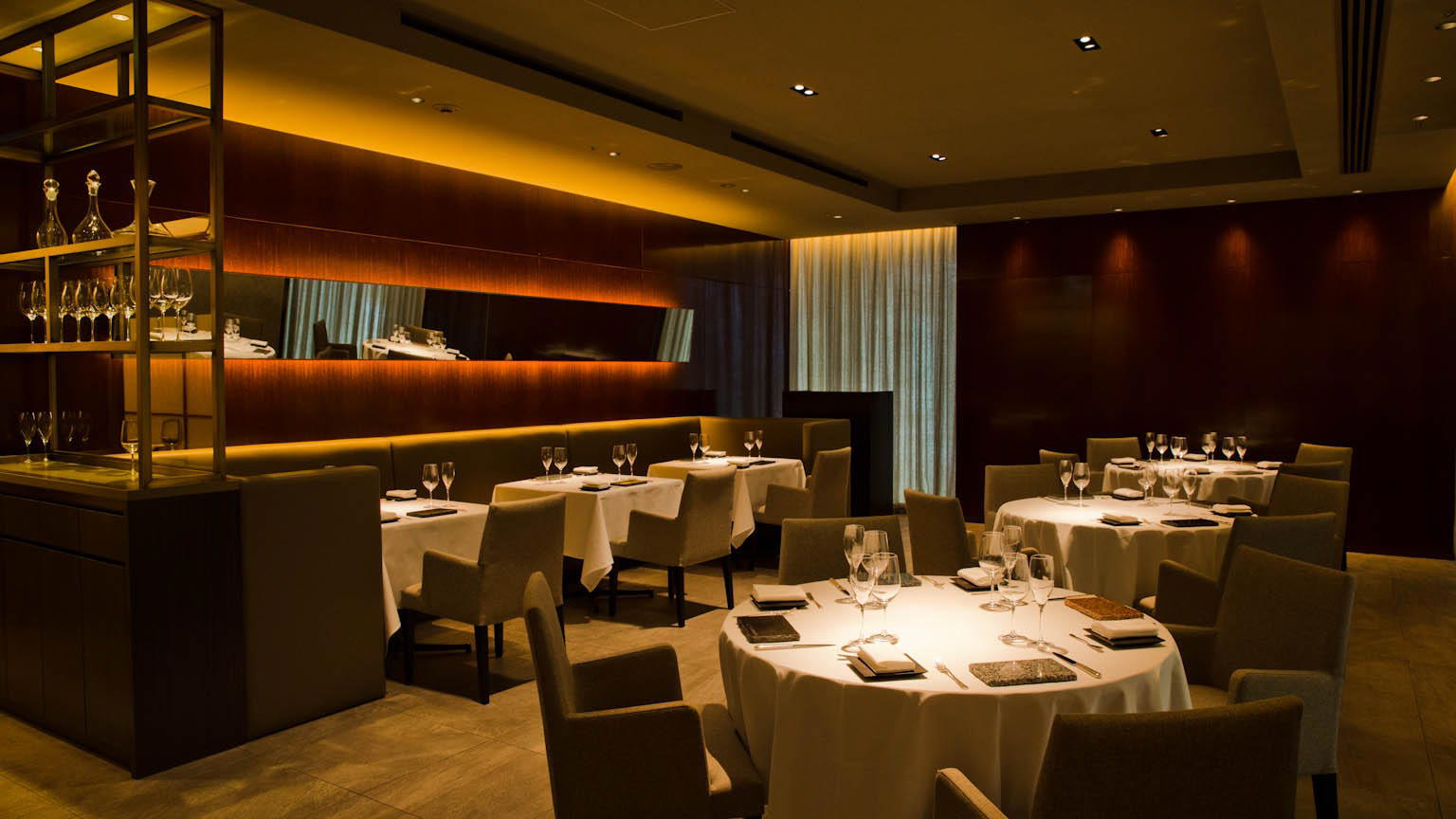
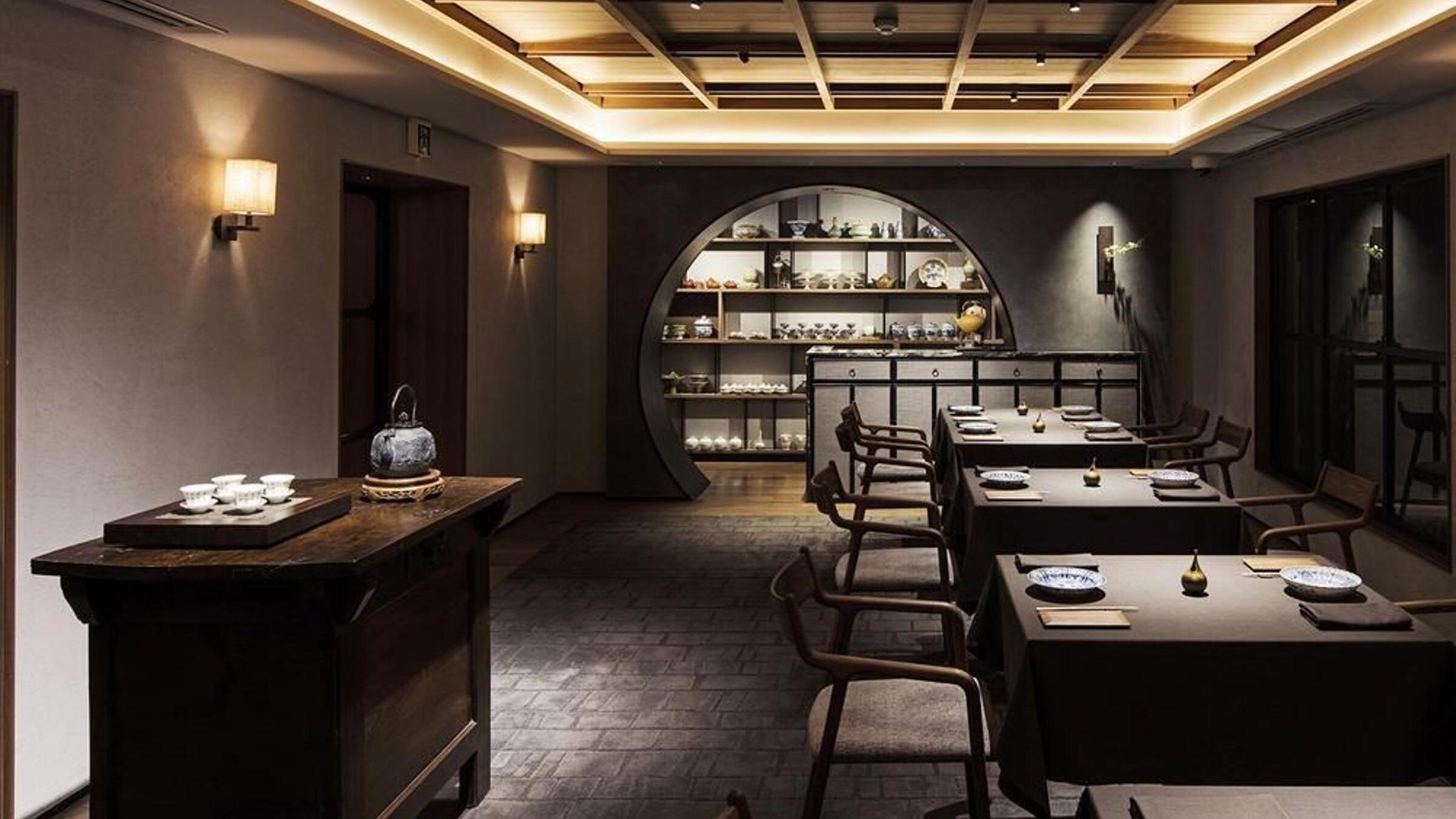
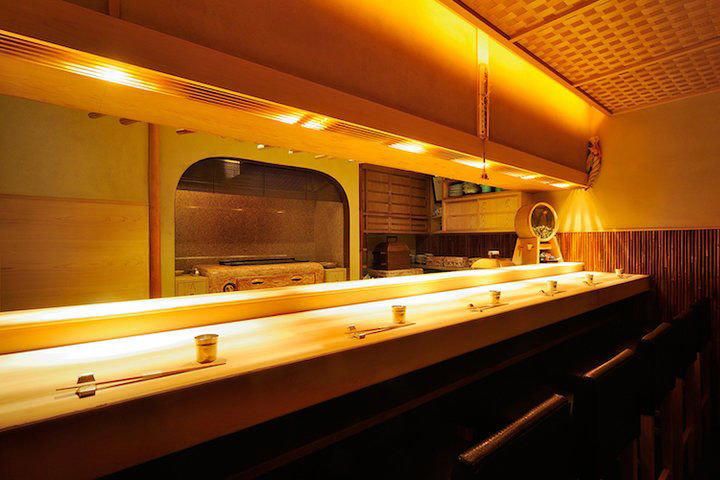
The room count and seating mix say as much as the cuisine label. A compact dining room with counter seats, tables, and upstairs semi-private rooms creates several versions of the same meal: counter-facing, small-table, and group-course. That flexibility is common in Japan but less common in Western Spanish dining, where the bar, tavern, and formal restaurant are often separated by concept. Here, the course format does the organizing.
For visitors building a Kamakura day, that distinction is useful. This is not the same decision as dropping into a café between temple stops or choosing a bakery before the train. It belongs to the part of the itinerary that has been protected in advance. The city rewards that kind of pacing: lunch can anchor a slow Sasuke and western Kamakura route, while dinner shifts the area away from sightseeing and toward a local-residential mood. For context beyond restaurants, Our full Kamakura hotels guide, Our full Kamakura bars guide, and Our full Kamakura experiences guide help separate the overnight city from the day-trip version.
The drinks program is another signal of the hybrid style. Wine is central to the category, but the availability of sake, shochu, cocktails, and a wine-focused selection reflects the way Japanese European restaurants often build broader pairing options around seafood and seasonal courses. That does not make the restaurant less Spanish; it makes it more legible in Kamakura, where diners rarely need rigid borders between European technique and Japanese drinking culture.
Private-room availability also shifts the audience. Kamakura’s better dining rooms often serve couples and small groups, but semi-private upstairs rooms make course dining workable for families and celebrations without forcing the meal into hotel-restaurant formality. The no-smoking policy, counter seating, and course-only structure reinforce the same point: the experience is controlled, but not stiff.
Where Mi Casa sits in a wider Japan dining map
Japan’s regional restaurant culture is no longer a Tokyo-only conversation. Serious dining now spreads through coastal towns, onsen cities, provincial capitals, and residential neighborhoods where rents, rhythm, and local sourcing create formats that would feel different in Ginza or Roppongi. The restaurant is a Kamakura example of that shift: Spanish technique without Tokyo density, fish emphasis without seaside cliché, and a house setting that suits the city’s slower evening cadence.
That broader map is useful for travelers comparing meals across Japan. A Kamakura Spanish course sits in a different register from the urban precision found at arbre noir YAKUMI, the casual regional specificity of (Shoku) Vietnam in Kawasaki, or the city-based formats represented by.cafe in Osaka.know in Kumamoto, [Curry Senmon Ten] Maruyama Kyoju. in Sapporo, and [ki:] in Kyoto. Even Japanese-leaning dining abroad, from Jōdo Saké Bar in Los Angeles to Onigiri Time in Pasadena, shows how format carries culture as much as cuisine label does.
The practical judgment is simple: choose this for a planned Kamakura meal rather than a spontaneous stop. The restaurant’s Tabelog 100 recognition, course orientation, fish emphasis, and residential house format all point toward diners who want the city’s quieter culinary register. For a traveler who has already covered the temples, coffee, and bakeries, this is where Kamakura becomes an evening dining city. For broader regional planning, Our full Kamakura wineries guide and. 鮪と炭火焼き うお炭 秋葉原店 in Tokyo add useful contrast between local coastal pacing and metropolitan appetite.
Price and Recognition
Nearby venues at a similar price tier for orientation.
| Venue | Cuisine | Price | Notes |
|---|---|---|---|
| Mi CasaThis venue — the venue you are viewing | Not listed | $$$ | Not listed |
| Koga Tei | Kamakura, Modern Spanish | $$$ | Not listed |
| Spanish restaurant Arashida | Not listed | $$$ | Kamakura, Refined Spanish & Basque Counter Dining |
| Roastbeef Kamakurayama | Not listed | $$$$ | Kamakura, Japanese Roast Beef Fine Dining |
| Moana Makai Sango Sho | Kamakura, Japanese Curry | $$ | Not listed |
| House of Flavors | Not listed | $$$$ | Kamakura, High-end Western-style cake shop & cafe |
Recognition history
Dated appearances from independent guides and award organizations, with the underlying list record or original source where available.
Tabelog 100 #46 · No. 46
Tabelog · Tabelog 100 - Spanish cuisine - 2026








At a Glance
- Cozy
- Rustic
- Intimate
- Modern
- Sophisticated
- Date Night
- Special Occasion
- Business Dinner
- Group Dining
- Open Kitchen
- Historic Building
- Design Destination
- Standalone
- Extensive Wine List
Current opening hours
- Monday
- 11:30 AM–3 PM, 5:30–11 PM
- Tuesday
- Closed
- Wednesday
- Closed
- Thursday
- 11:30 AM–3 PM, 5:30–11 PM
- Friday
- 11:30 AM–3 PM, 5:30–11 PM
- Saturday
- 11:30 AM–3 PM, 5:30–11 PM
- Sunday
- 11:30 AM–3 PM, 5:30–11 PM
Hours can change for holidays and private events. Last verified .
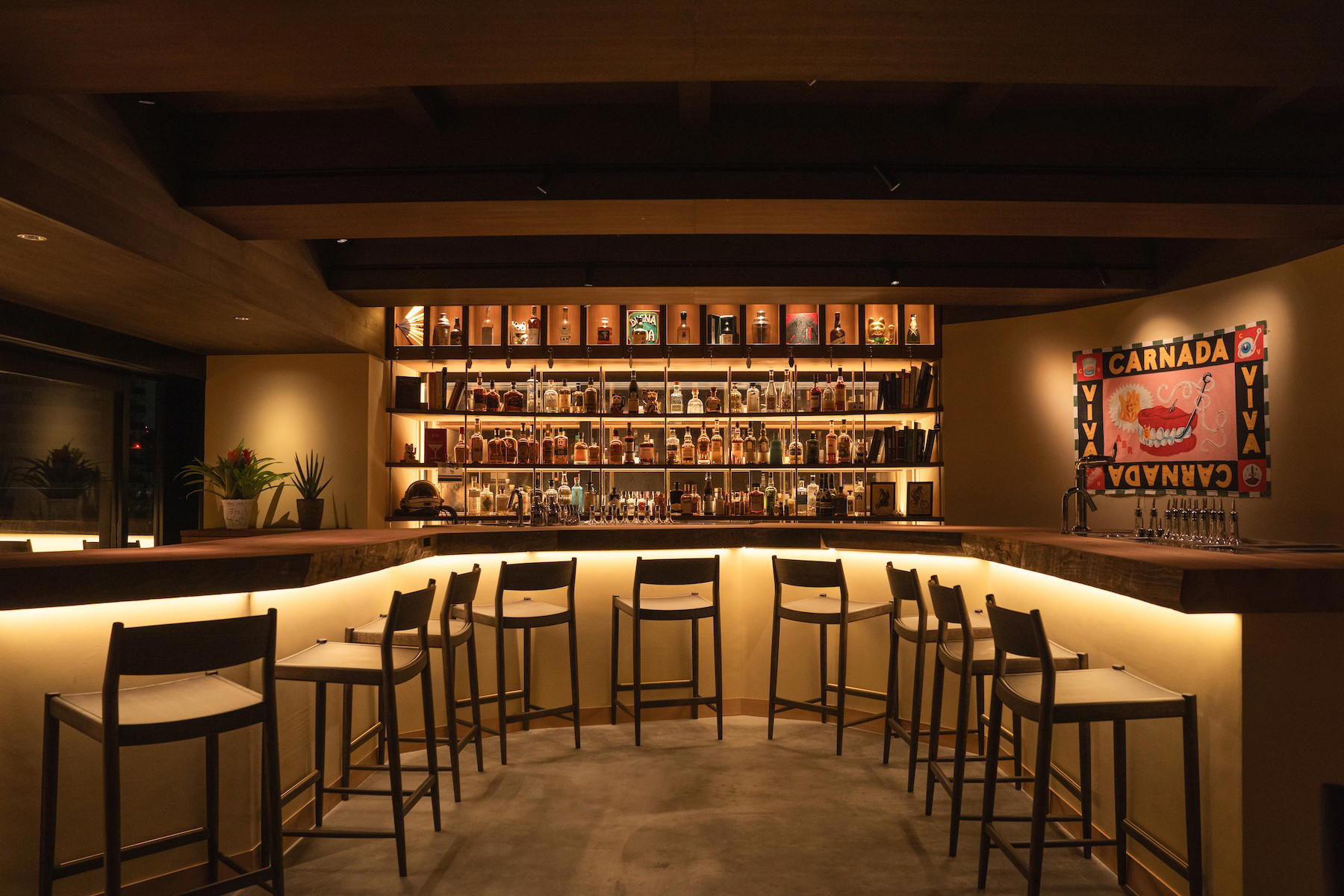
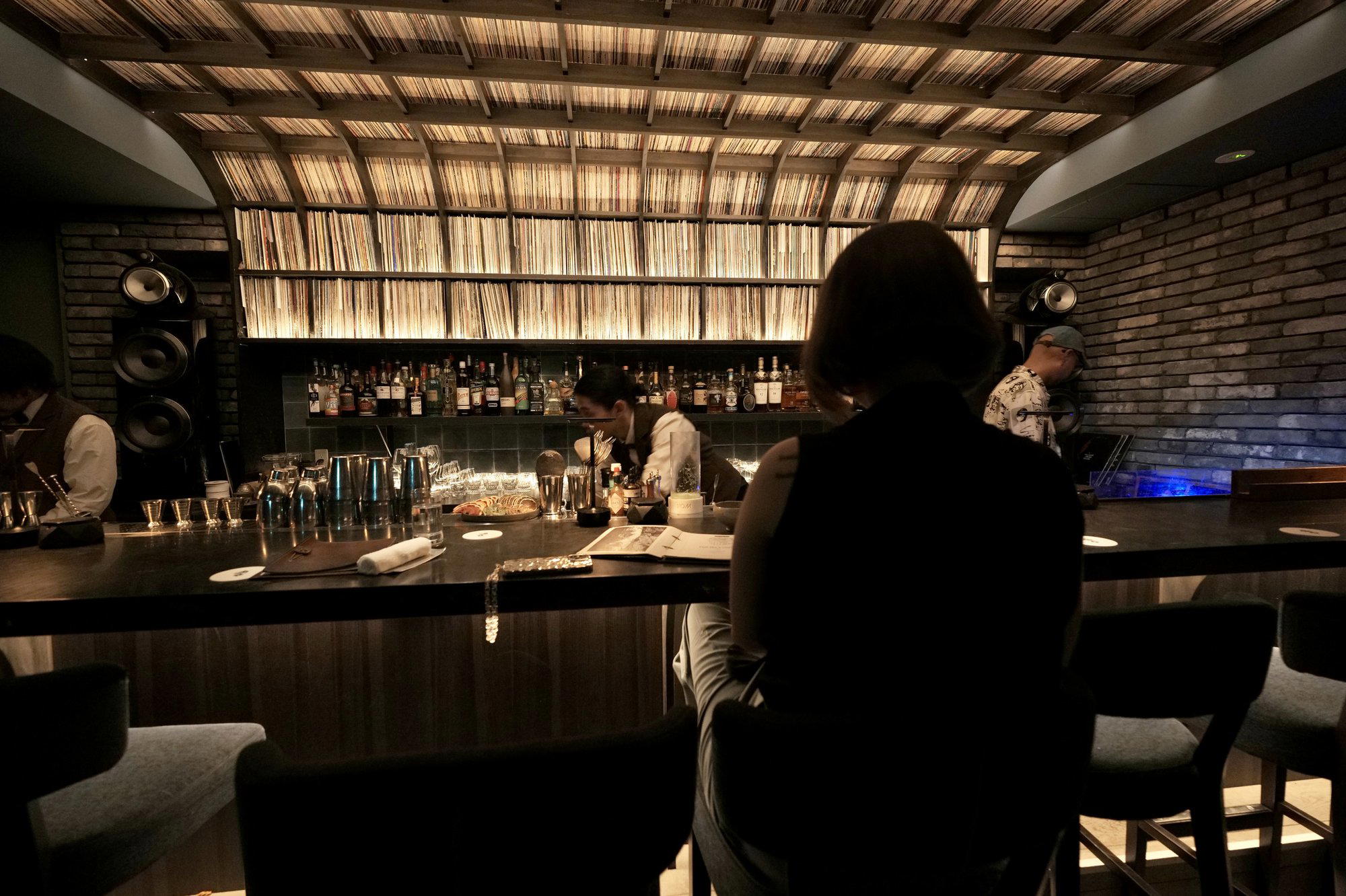
Small 18-seat space in a renovated kominka with warm lighting, open kitchen energy, and a relaxed "home away from home" feel that combines Japanese aesthetics with contemporary Spanish design touches.