
Cabbage Batake is a compact Ofuna okonomiyaki counter with Tabelog 100 - Okonomiyaki recognition for 2025 and a reputation built around a narrow, Kansai-rooted comfort-food category rather than broad restaurant theatrics. Its 10-seat, counter-only format puts it closer to a local specialist than a destination dining room, which is exactly the point in this part of Kamakura.
Pearl is the En Primeur Club membership app — saves, bookings, and concierge access live there. Same editors, same standards.
- Address
- Japan, 〒247-0056 Kanagawa, Kamakura, Ofuna, 1 Chome−20−4 河合プラザ
- Phone
- +81 467-44-1777
- Website
- tabelog.com
- Directions
- Get directions
 Saves & bookings on Pearl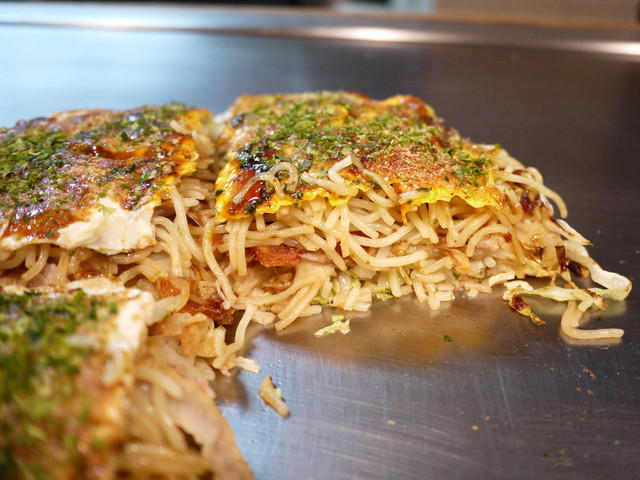
Ofuna’s restaurant streets differ from the temple-side lanes most visitors associate with Kamakura. The rhythm is practical commuter-town dining: station exits, small counters, after-work drinks, and places built around one food idea rather than a ceremonial evening. In that setting, okonomiyaki makes cultural sense: social food, cooked close to the guest, inexpensive by Japanese dining standards, and best judged by repeat local use rather than spectacle.
Cabbage Batake belongs to that tradition. The name translates roughly to “cabbage field,” a plainspoken clue to the dish’s foundation, but the restaurant is better read through format. A 10-seat counter narrows the experience to proximity and pace. This is not postcard Kamakura or the polished seafood lunch circuit around the old capital’s tourist routes. It is the city’s everyday side, where a small okonomiyaki counter can earn national category recognition without becoming grander.
Ofuna's counter culture gives okonomiyaki its proper scale
Okonomiyaki is often flattened in English as a Japanese savory pancake: accurate, but incomplete. The dish sits between home cooking, beer food, and regional identity. Hiroshima and Kansai versions carry different structures and loyalties; Tokyo and Kanagawa counters often work with a more flexible local interpretation. In a small room, what matters is not novelty but control: batter texture, cabbage ratio, heat management, and timing that keeps the center soft without making the surface heavy.
That is why the counter matters. At high-end sushi counters, proximity signals luxury and scarcity. At an okonomiyaki counter, it signals heat, speed, and communal informality. The cook’s station, grill, and guest’s seat share one field of action. Cabbage Batake uses that compact grammar rather than the broad menu sprawl that can dilute the category. Its Tabelog 100 - Okonomiyaki 2025 selection places it in a national conversation about specialists, not general-purpose izakaya.
Kamakura’s dining map is often split between daytime cafés, bakeries, curry shops, and coastal-leaning restaurants. Ofuna adds a less photographed layer: tighter rooms, later meals, and station-adjacent eating. For a broader read of the city’s range, Our full Kamakura restaurants guide shows how places such as CALVA, Bergfeld Kamakura honten, Cafe Vivement Dimanche, Caraway, and arbre noir YAKUMI occupy different parts of the same local appetite.
A specialist counter in a city often read through cafés and temple lunches
The stronger argument for Cabbage Batake is not rarefied dining. It preserves a category at the right seriousness. In Japan, many compelling meals happen in rooms where the menu is narrow, the spend controlled, and recognition comes from consistency inside a specific genre. Tabelog’s category lists tend to reward that precision: ramen shops, tonkatsu counters, curry rooms, bakeries, and okonomiyaki specialists can sit beside formal restaurants without pretending to be them.
Among Kamakura comparisons, the price positioning is telling. CALVA sits in a low-spend bakery bracket, Cuillere occupies a modest casual range, and Chinese restaurant KUE moves into a much higher dinner tier. The restaurant’s average dinner spend of JPY 2,000 to JPY 2,999 keeps it in the everyday-specialist zone, above a snack stop but far below the city’s occasion restaurants. The appeal is not ceremony, but a disciplined version of a democratic dish.
The 1988 opening date also matters. Longevity in a small Japanese counter category is a stronger signal than décor or menu language. Okonomiyaki restaurants do not survive for decades on novelty; they survive on neighborhood repetition, reliable pacing, and a dish that regulars understand well enough to judge harshly. The recognition history reinforces the point, with Tabelog Okonomiyaki 100 selections across 2019, 2022, 2023, 2024, and 2025.
For travelers using Kamakura as more than a day-trip temple route, this address widens the city’s food map. Pairing it with the right base matters, so Our full Kamakura hotels guide is useful for reading where Ofuna sits against coastal and old-town stays. The city’s drinking and cultural layers are separate questions; Our full Kamakura bars guide, Our full Kamakura wineries guide, and Our full Kamakura experiences guide place the meal within a wider itinerary.
How to read the meal against Japan's specialist dining culture
Japan’s strongest casual dining categories are often defined by limits. A ramen shop may work around one broth family; a curry counter may build a following on a narrow spice profile; an onigiri shop may turn rice, filling, and wrapping into a complete identity. The restaurant fits that pattern. The point is not range, but repetition with small adjustments regulars notice.
That pattern explains why out-of-town comparisons help without confusing the category. A ramen-focused address such as Ramen Moriya. or Ramen Free Birds plays a similar specialist role in another form, while [Curry Senmon Ten] Maruyama Kyoju. in Sapporo shows how one dish category can carry a whole restaurant identity. Outside Japan, Onigiri Time in Pasadena and Jōdo Saké Bar in Los Angeles translate parts of Japanese casual culture into different urban settings, but the Ofuna counter remains rooted in local grammar: small seats, tight menus, and regular traffic.
Other Japanese city references sharpen the distinction. 鮪と炭火焼き うお炭 秋葉原店 in Tokyo points toward seafood and charcoal drinking culture.cafe in Osaka toward café rhythm.know in Kumamoto toward regional contemporary dining, (Shoku) Vietnam in Kawasaki toward urban cross-cultural casual food, and [ki:] in Kyoto toward a different register of Japanese dining. Against that spread, the restaurant’s value is its refusal to overcomplicate a compact, grill-centered genre.
The critical read is simple: this is a specialist for diners who want Kamakura beyond matcha, temples, and seaside lunches. Its counter-only scale, repeated category recognition, non-smoking policy, take-out service, and long operating history give it the trust signals that matter for okonomiyaki. The meal belongs in a plan when Ofuna is already part of the route, or when the goal is to understand how everyday Japanese dining earns serious respect without formal dining codes.
Pricing, Compared
Comparable venues by cuisine and price in the same metro.
| Venue | Cuisine | Price | Notes |
|---|---|---|---|
| Cabbage Batake | Not listed | $$ | Kamakura, Okonomiyaki (Japanese savory pancakes) |
| Sango Sho Honten | Kamakura, Japanese Curry & Yoshoku | $$ | Not listed |
| Sabou Kirara | Not listed | $ | Kamakura, Traditional Japanese sweets cafe (wagashi & shaved ice) |
| KIBIYA Bakery Honten | Kamakura, Japanese Bakery | $ | Not listed |
| Kikuta | Kamakura, Japanese Izakaya | $$ | Not listed |
| Nagon Shiruko Ten | Kamakura, Japanese Sweets Cafe | $ | Not listed |
Recognition history
Dated appearances from independent guides and award organizations, with the underlying list record or original source where available.
Tabelog 100 #37 · No. 37
Tabelog · Tabelog 100 - Okonomiyaki - 2025









At a Glance
- Cozy
- Lively
- Intimate
- Classic
- Casual Hangout
- Solo
- After Work
- Standalone
- Chefs Counter
- Sake Program
- Beer Program
Current opening hours
- Monday
- Closed
- Tuesday
- 4:30–9:45 PM
- Wednesday
- 4:30–9:45 PM
- Thursday
- 4:30–9:45 PM
- Friday
- 4:30–9:45 PM
- Saturday
- 4:30–9:45 PM
- Sunday
- Closed
Hours can change for holidays and private events. Last verified .
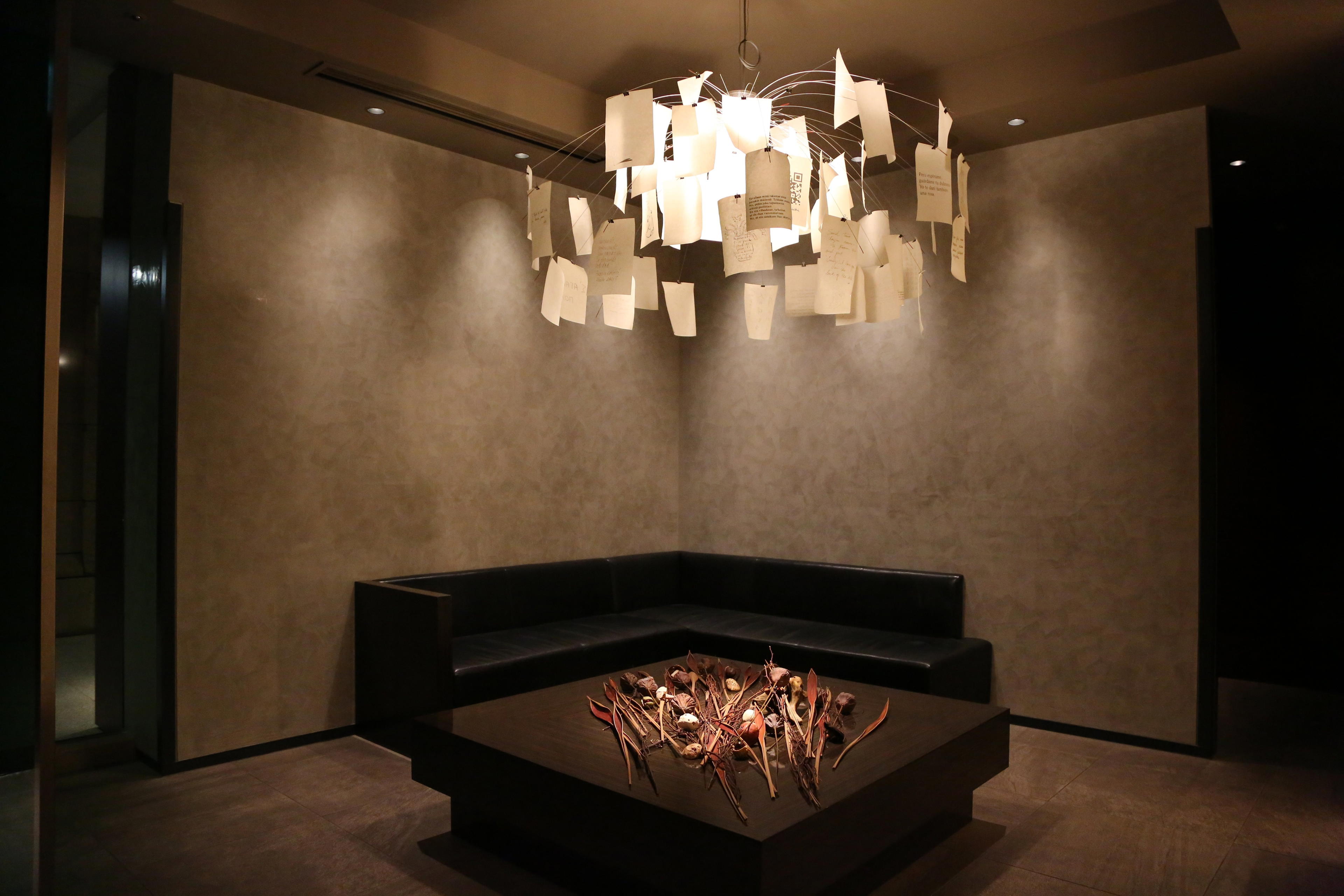
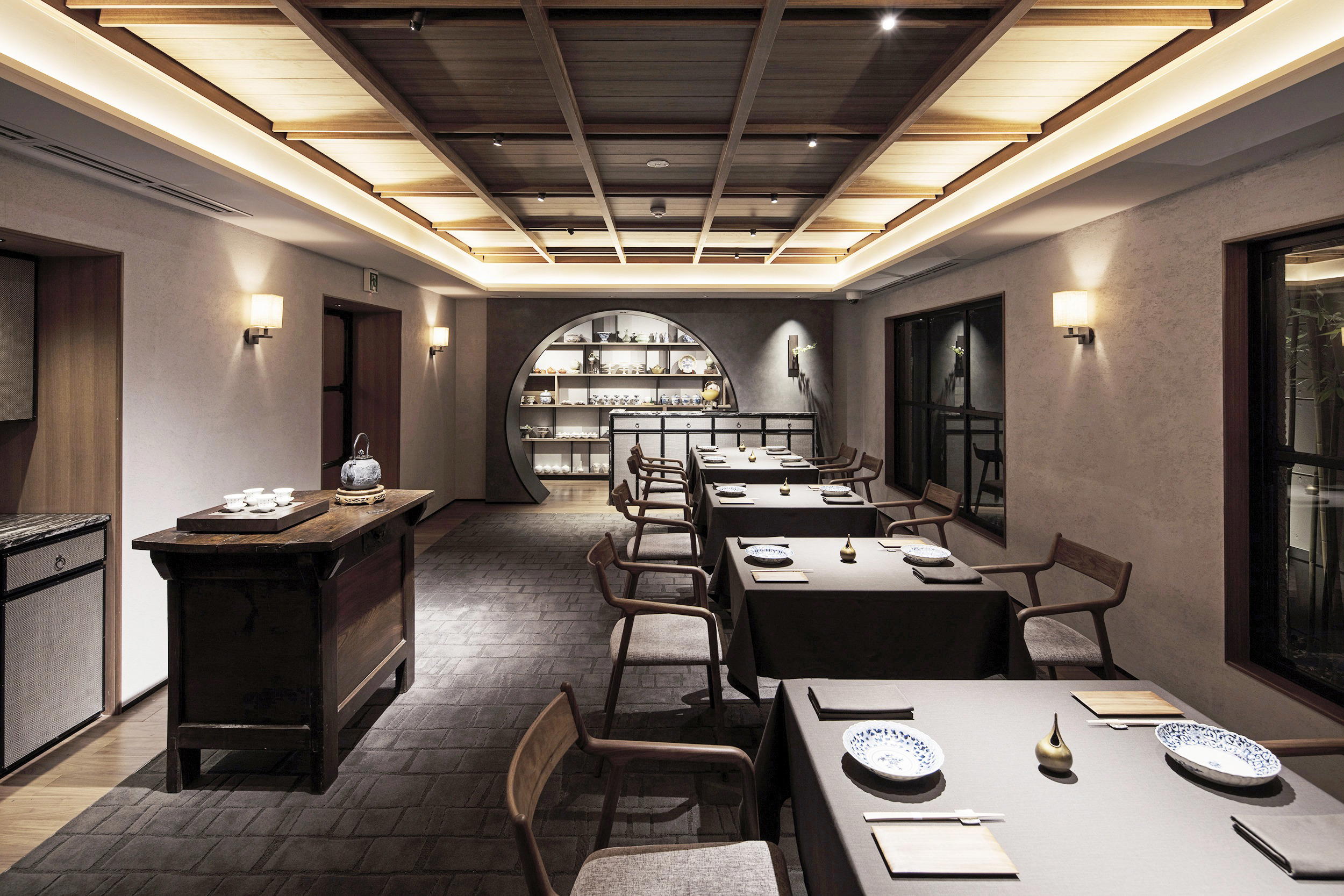
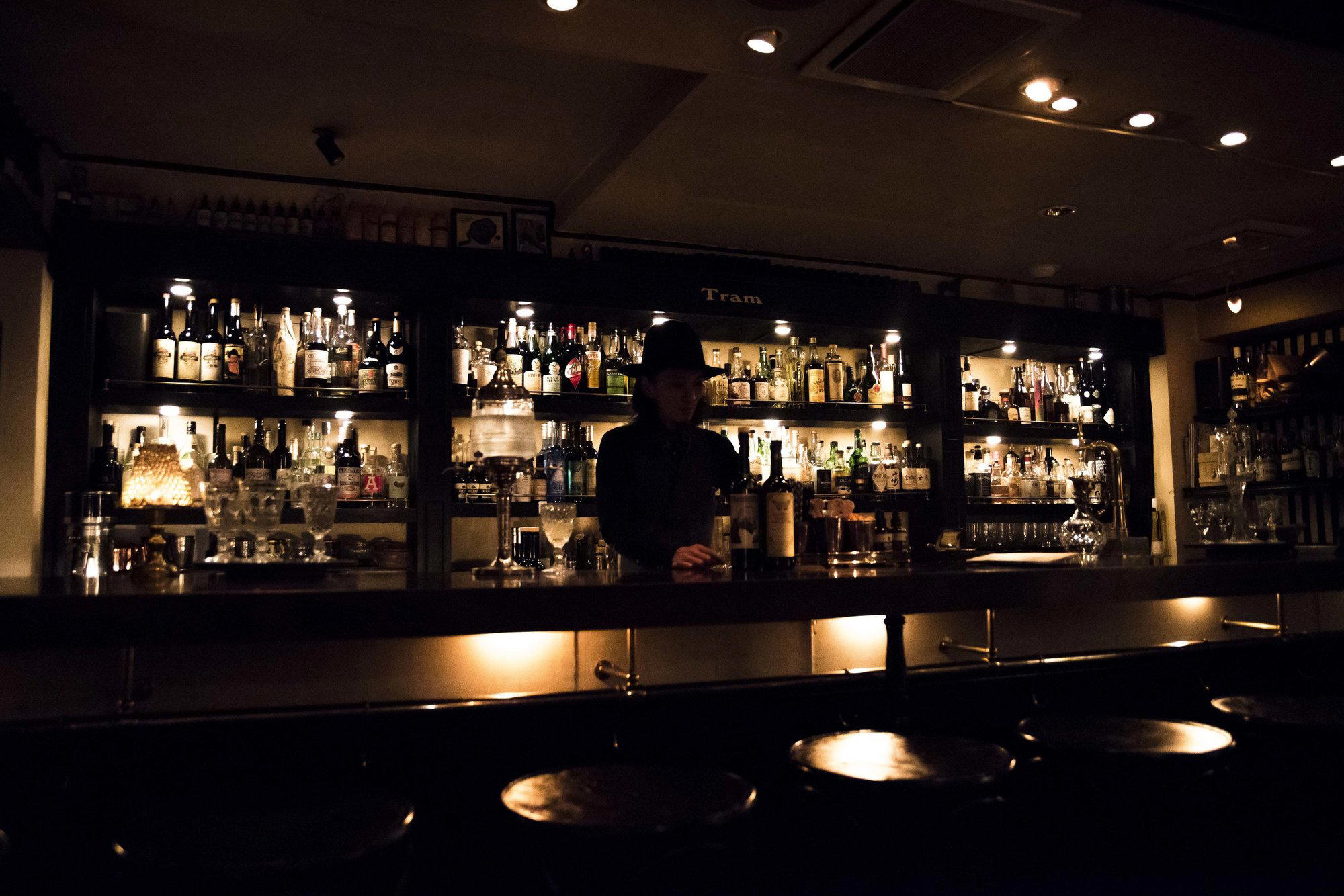
A compact, non‑smoking counter bar with only 10 seats, creating a classic neighborhood feel that is cozy, energetic, and focused on watching okonomiyaki cooked up close.