Pici Central
Pici Central occupies a quiet stretch of Aberdeen Street in Hong Kong's Central district, where the neighbourhood shifts from finance corridors to the kind of mid-levels blocks that attract long-running restaurants over flashy newcomers. The format sits within Central's increasingly confident Italian dining tier, where pasta-focused menus have carved a durable niche alongside the area's heavier fine-dining institutions.
Pearl is the En Primeur Club membership app — saves, bookings, and concierge access live there. Same editors, same standards.
- Address
- 地舖, 24 - 26 Aberdeen Street 中環蘇豪, Aberdeen St, Central, Hong Kong
- Phone
- +85227555233
- Website
- pici.hk
- Directions
- Get directions
 Saves & bookings on Pearl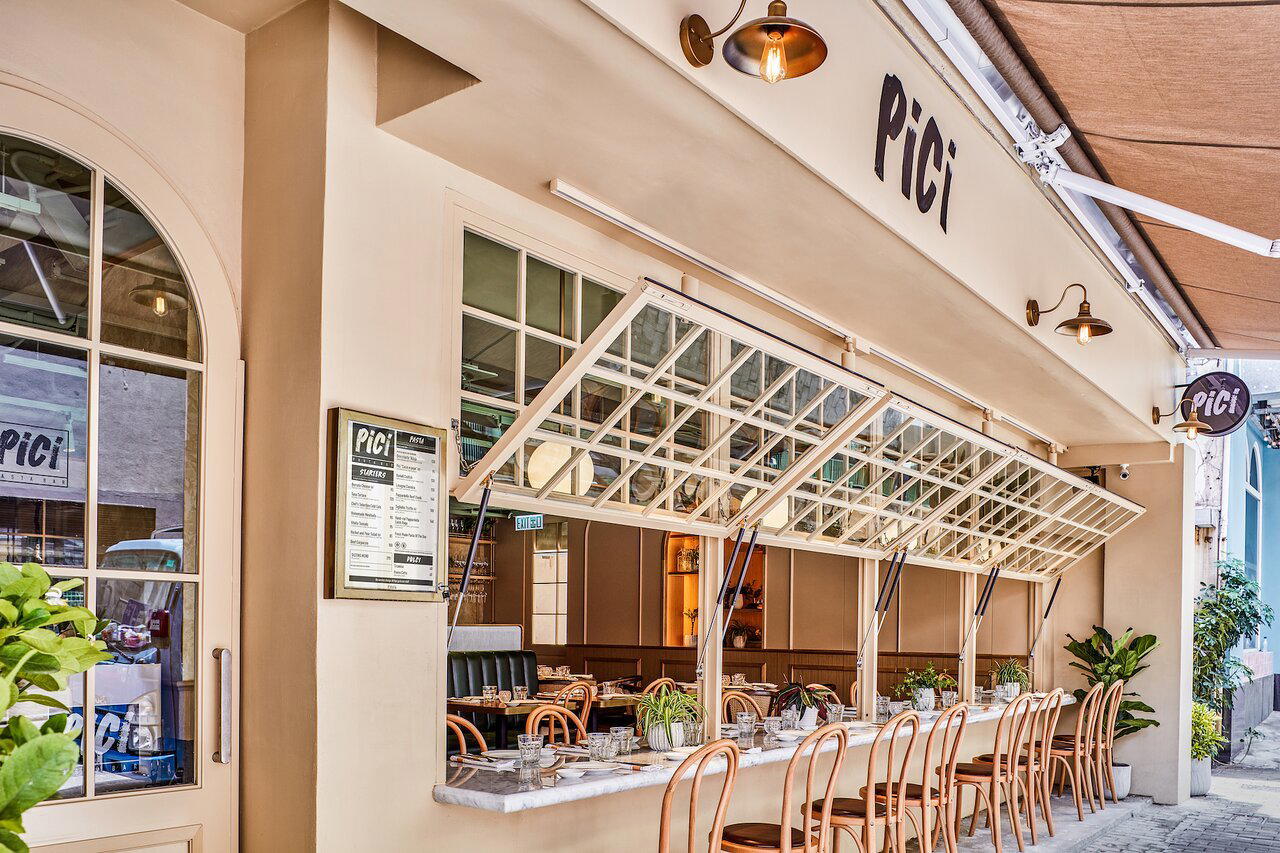
Aberdeen Street and the Pasta Counter Dynamic
Aberdeen Street has a particular rhythm in Central. The lower end pulls foot traffic from SoHo's bar circuit; the upper stretch, where the road climbs toward the mid-levels escalator, tends to collect restaurants that rely on return visits rather than first-night curiosity. Pici Central sits in this second category, on a block (numbers 24 to 26) where proximity to office clusters and residential walkways matters more than a landmark address. That positioning is common to a specific tier of Italian dining in Hong Kong: pasta-focused, neighbourhood-anchored, and priced to sustain repeat custom rather than to compete directly with the trophy Italian rooms that define the city's formal dining ceiling.
Hong Kong's Italian dining scene has long operated across a wide spread. At one end, 8½ Otto e Mezzo BOMBANA holds Michelin three-star status and functions as a benchmark for the city's formal Italian tier. At the other end, pasta-specialist formats like Pici occupy a different function entirely: they are the places that Central office workers schedule for Tuesday lunches and where couples return on a Wednesday evening without much planning. The category exists in most major Asian financial hubs, but Hong Kong's density makes it particularly competitive.
The Lunch and Dinner Divide on Aberdeen Street
The gap between lunch and dinner service at a Central pasta restaurant reveals more about a venue's character than any single menu category. Daytime on Aberdeen Street is purposeful: tables fill with people on timed breaks, the pace is faster, and the value proposition matters in proportion to how quickly a table turns. Evening service slows the street's metabolism considerably. The after-work crowd takes longer over bottles, the ambient noise softens, and the same dishes carry different weight when there is no deadline attached.
For pasta-focused restaurants in this price bracket across Central, lunch is where operational discipline becomes visible. A kitchen that can hold quality across a compressed midday window, when covers stack up and preparation margins narrow, is a more reliable signal of consistency than any single dinner outing. The dinner format, by contrast, rewards venues that can translate the same ingredients into an unhurried experience, where timing between courses and the room's atmosphere carry as much weight as what arrives on the plate.
This split is relevant to how you should think about visiting Pici Central. Aberdeen Street at midday is a different proposition from Aberdeen Street at eight in the evening. The street's daytime identity is Central mixed-use: construction noise from ongoing building work, courier traffic, and the particular ambient quality of a neighbourhood that has not fully committed to being either commercial or residential. By evening, the same stretch takes on a quieter character, which allows smaller restaurants to hold the room in a way that the lunch rush never quite permits.
Central's Italian Tier and Where Pasta Fits
Central's restaurant market has stratified considerably over the past decade. The formal fine-dining tier, anchored by Michelin-rated rooms including 8 1/2 Otto e Mezzo Bombana (Hong Kong) in Hong Kong, sits at a price point that effectively separates it from everyday dining. Below that, a mid-tier of European restaurants handles the territory where good cooking and manageable prices intersect. Pasta-specialist venues operate within this mid-tier and draw from a different customer logic than tasting-menu rooms.
The broader Central dining picture includes venues with sharp individual identities: Aaharn represents the Thai fine-dining end of the spectrum; AMMO occupies a European brasserie register tied to a specific architectural setting; Bayi handles Chinese regional cooking. Against this range, a pasta counter serves a function that the district's more ambitious restaurants do not: it absorbs the demand for reliable, uncomplicated European cooking at a frequency that fine-dining rooms cannot and do not aim to meet.
Pici as a pasta format, the name references the hand-rolled Tuscan pasta, signals something about the menu's orientation before you arrive. It is a declaration of a specific Italian regional tradition rather than a broad-church Italian menu, and that specificity tends to attract customers who already know what they want rather than those browsing options.
Practical Orientation
Aberdeen Street's steeper section requires either the mid-levels escalator or a short taxi drop-off. The address at 24 to 26 Aberdeen Street places it within easy reach of the SoHo cluster, and the surrounding block includes enough food and drink options that the immediate area rewards arriving slightly early rather than rushing. For comparison reference, venues across the city from cafe TOO to neighbourhood spots across districts like Gangstas in Islands or One-ThirtyOne in Tai Po illustrate how Hong Kong's restaurant geography rewards neighbourhood-specific knowledge over general city familiarity.
Booking ahead for dinner is advisable. Lunch on weekdays typically carries more flexibility.
Cuisine-First Comparison
Comparable venues nearby, for context on price, style, and recognition.
| Venue | Cuisine | Price | Notes |
|---|---|---|---|
| Pici CentralThis venue — the venue you are viewing | Handmade Italian Pasta Bar | $$ | Not listed |
| Wildfire | Italian Pizza and Grill | $$$ | The Peak |
| Fiata Pizza | Authentic Neapolitan Pizza | $$ | Central |
| Ăn Chơi | Authentic Vietnamese Street Food | $$ | Sheung Wan |
| cafe TOO | International Buffet | $$$ | Central And Western |
| Sheung Hei | Cantonese Claypot Rice | $$ | Kennedy Town |
Continue exploring
More in Central And Western
Restaurants in Central And Western
Browse all →
Bars in Central And Western
Browse all →
At a Glance
- Lively
- Cozy
- Trendy
- Date Night
- Group Dining
- Casual Hangout
- Open Kitchen
Current opening hours
- Monday
- 11:30 AM–10 PM
- Tuesday
- 11:30 AM–10 PM
- Wednesday
- 11:30 AM–10 PM
- Thursday
- 11:30 AM–10 PM
- Friday
- 11:30 AM–11 PM
- Saturday
- 11:30 AM–11 PM
- Sunday
- 11:30 AM–10 PM
Hours can change for holidays and private events. Last verified .
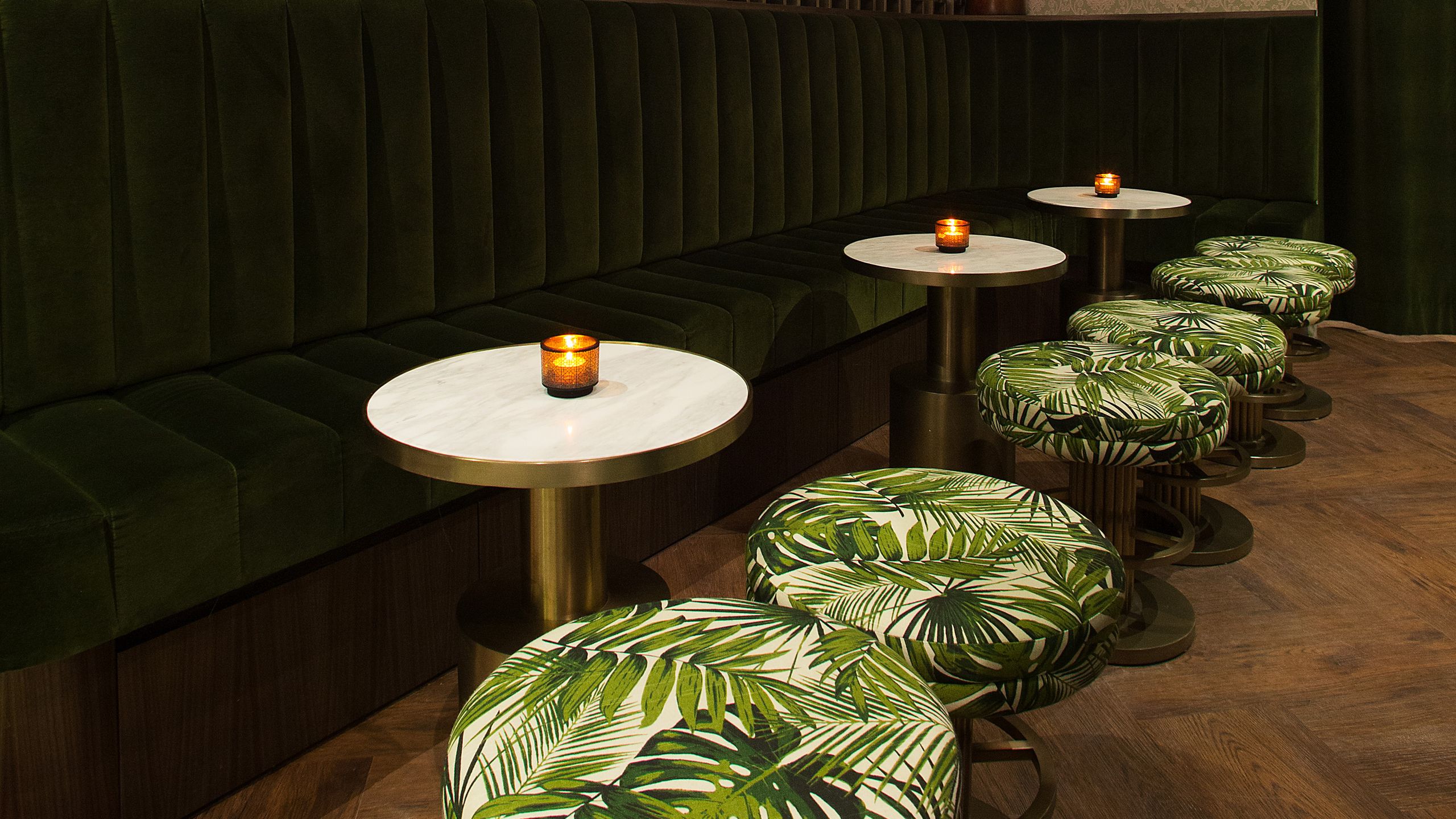
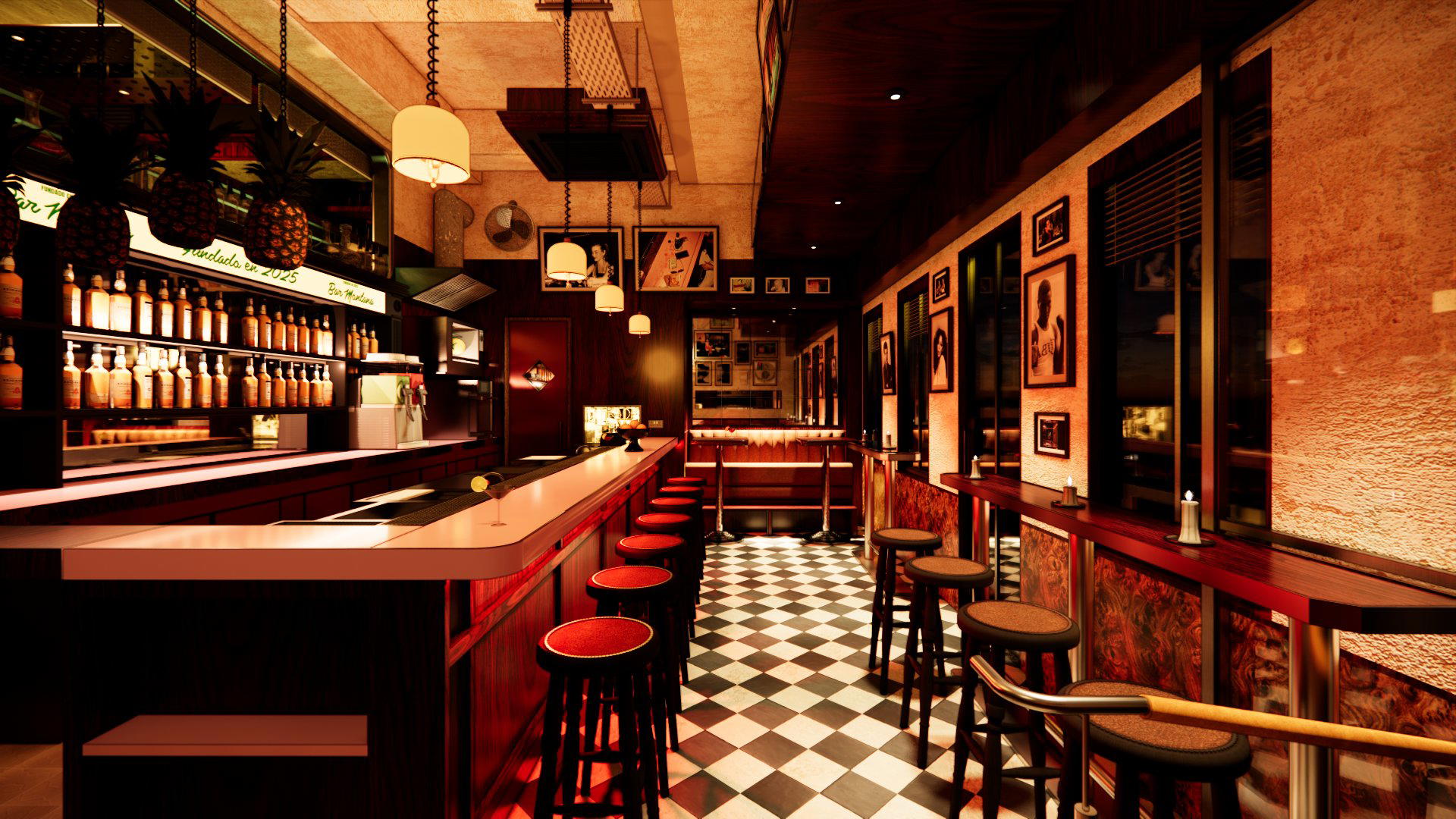
Chic yet cozy with warm lighting, lively crowded space, open kitchen, and lively non-stop dinner party atmosphere.