Cuisine Cuisine 國金軒
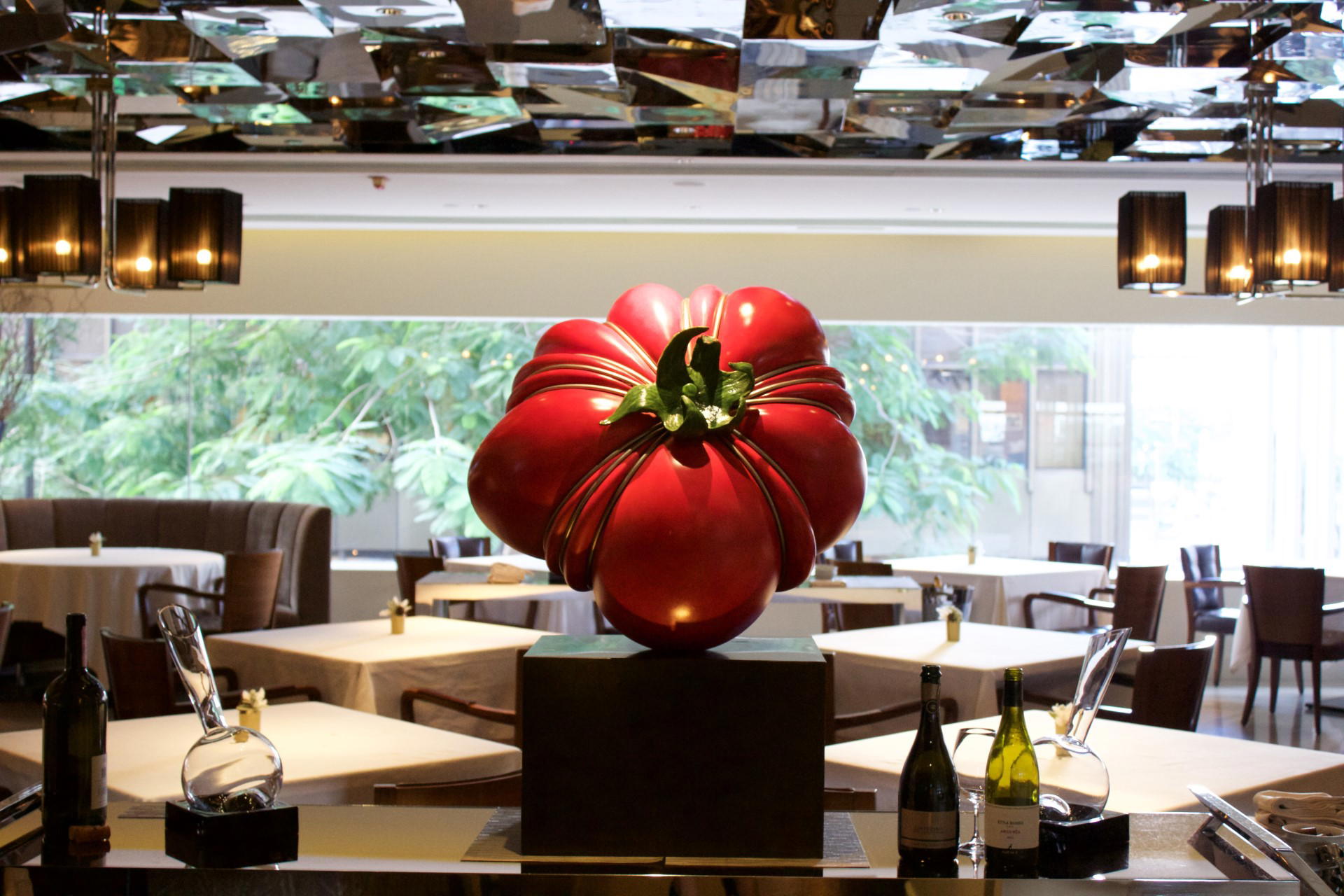
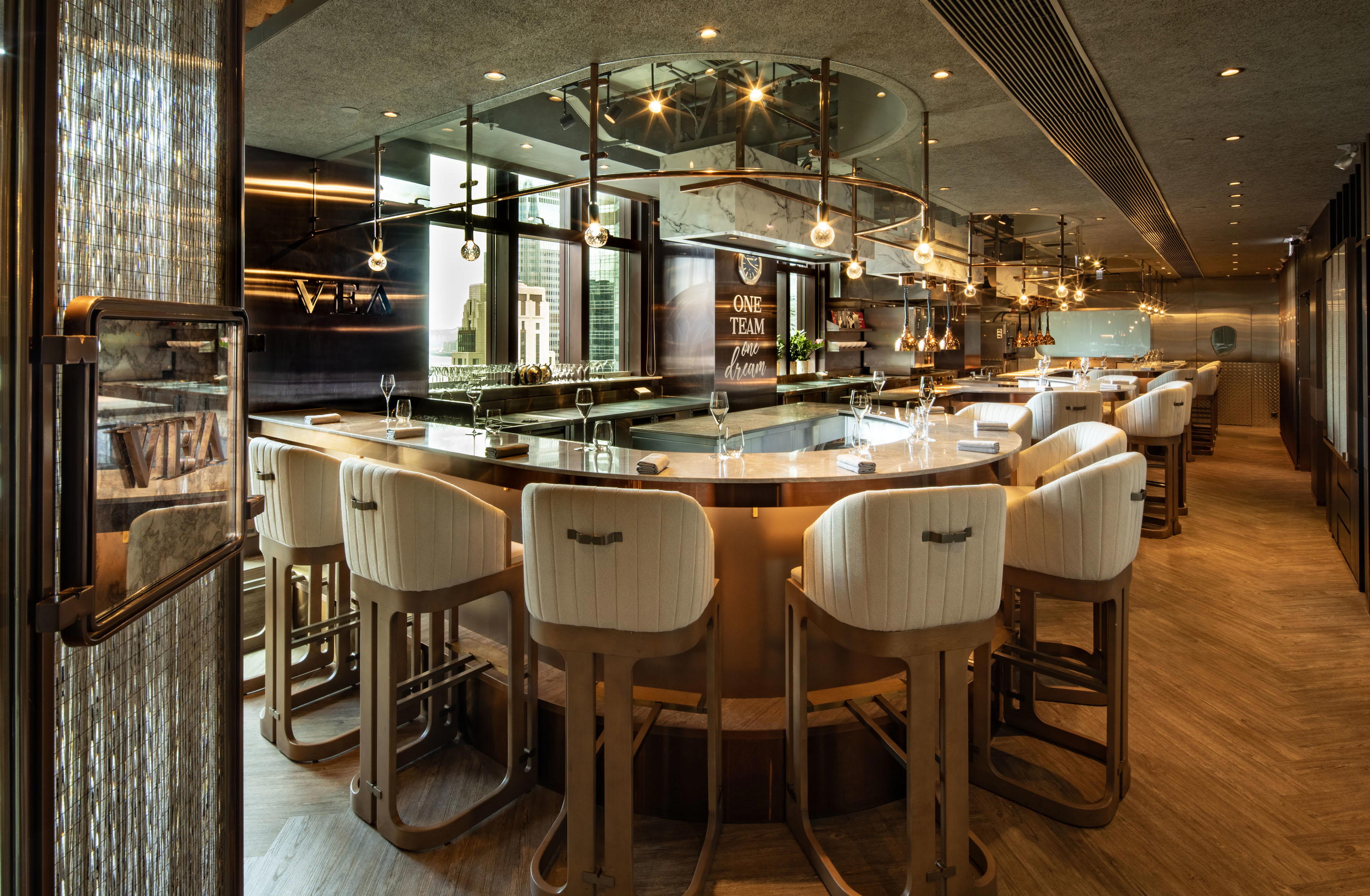
Cuisine Cuisine at ifc mall sits at the upper tier of Cantonese fine dining in Central, where the room's position above Hong Kong's financial core sets expectations the kitchen works to meet. The wine program here receives the same attention as the dim sum and roast repertoire, making it one of the more considered pairings-focused Chinese restaurants in a city that increasingly demands both.
Pearl is the En Primeur Club membership app — saves, bookings, and concierge access live there. Same editors, same standards.
- Address
- Shop 3101 – 07 ifc mall, 8 Finance St, Central, Hong Kong
- Phone
- +85223933933
- Website
- miradining.com
- Directions
- Get directions
 Saves & bookings on Pearl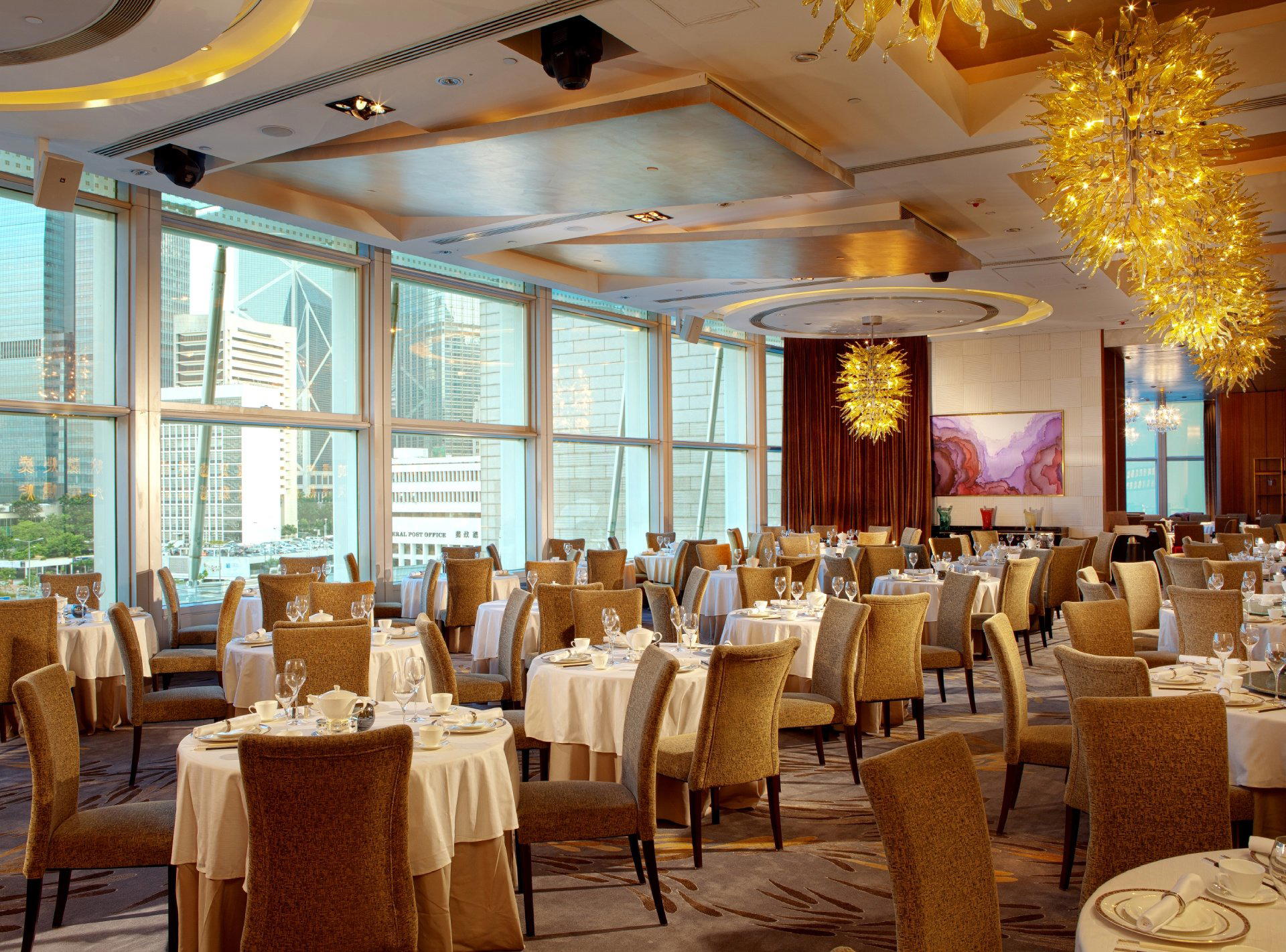
Where Central's Financial District Meets Cantonese Craft
The ifc mall occupies a particular position in Hong Kong's dining geography. Rising above the MTR interchange and the ferry piers at the edge of Central, it draws a clientele defined less by tourism than by proximity to finance, law, and international business. The restaurants on its upper floors are calibrated accordingly, competing with the polished Cantonese and international rooms that line the district. Cuisine Cuisine, on the third floor of ifc, positions itself firmly within that premium Cantonese tier, a category that, in Hong Kong, carries more competitive pressure per square foot than almost any other dining segment in the world.
Cantonese fine dining in Central has bifurcated over the past decade. One branch runs toward creative reinterpretation, borrowing technique from European kitchens and presenting familiar flavours in unfamiliar forms. The other holds to classical execution: roast meats, dim sum, steamed fish, and braised dishes judged by the rigour of their fundamentals rather than their novelty. Cuisine Cuisine belongs to this second tradition, where the measure of a kitchen is the clarity of a broth, the lacquer on a roasted bird, or the translucency of a har gow wrapper. For diners coming from international fine dining contexts, say, the seafood precision of Le Bernardin in New York City or the tasting-menu format of Lazy Bear in San Francisco, the register here is different: restraint expressed through tradition rather than through deconstruction.
The Wine Program as Editorial Argument
The aspect of Cuisine Cuisine that most clearly separates it from the broader Cantonese dining field is the seriousness applied to wine. Chinese fine dining in Hong Kong has historically treated wine as an afterthought or a hospitality gesture, a bottle of aged Bordeaux ordered for status rather than for pairing. The shift at the premium end of the market has been gradual but now unmistakable: rooms like this one are building cellar depth and pairing logic that treats the wine list as an argument about how Cantonese food should be drunk.
Cantonese cuisine presents a genuine sommelier challenge. The flavours in a classic banquet move from delicate (steamed whole fish with ginger and scallion) to richly savoury (braised abalone or sea cucumber), with fermented and preserved ingredients appearing throughout. The instinct to reach for red Burgundy at every course, common in Chinese fine dining rooms globally, undersells what is possible. Structured white Burgundy handles steamed shellfish with more precision than a light Pinot. Riesling from the Mosel or Alsace cuts through the fat in char siu in a way that generic red wine cannot. A well-curated list for a Cantonese room requires the sommelier to argue for less obvious choices against a clientele that may default to prestige labels. That is a harder programme to build and defend than simply stocking first-growth Bordeaux and calling the list complete.
Hong Kong remains among the more wine-active dining markets in Asia, a position reinforced by the removal of wine duties in 2008, which catalysed auction activity and private cellar development across the city. The downstream effect on restaurant wine programs has been significant: cellars in premium Central restaurants now hold depth that competes with equivalent rooms in London or Paris. Within that context, the wine program at a room like Cuisine Cuisine is not a differentiator by default, it is a differentiator only if the curation and service execution justify the price point.
ifc as a Dining Address
The ifc mall address carries specific weight in Hong Kong's dining conversation. The building shares a footprint with some of the city's most recognised rooms, including Le Salon de Thé de Joël Robuchon Hong Kong (ifc mall) in Central, and its tenant mix signals premium positioning by proximity. Being in ifc places Cuisine Cuisine in direct comparison with the broader Central fine dining tier, rooms like 8½ Otto e Mezzo BOMBANA and Amber in Hong Kong, where the expectation is that every element of the experience, including the wine list, receives professional attention.
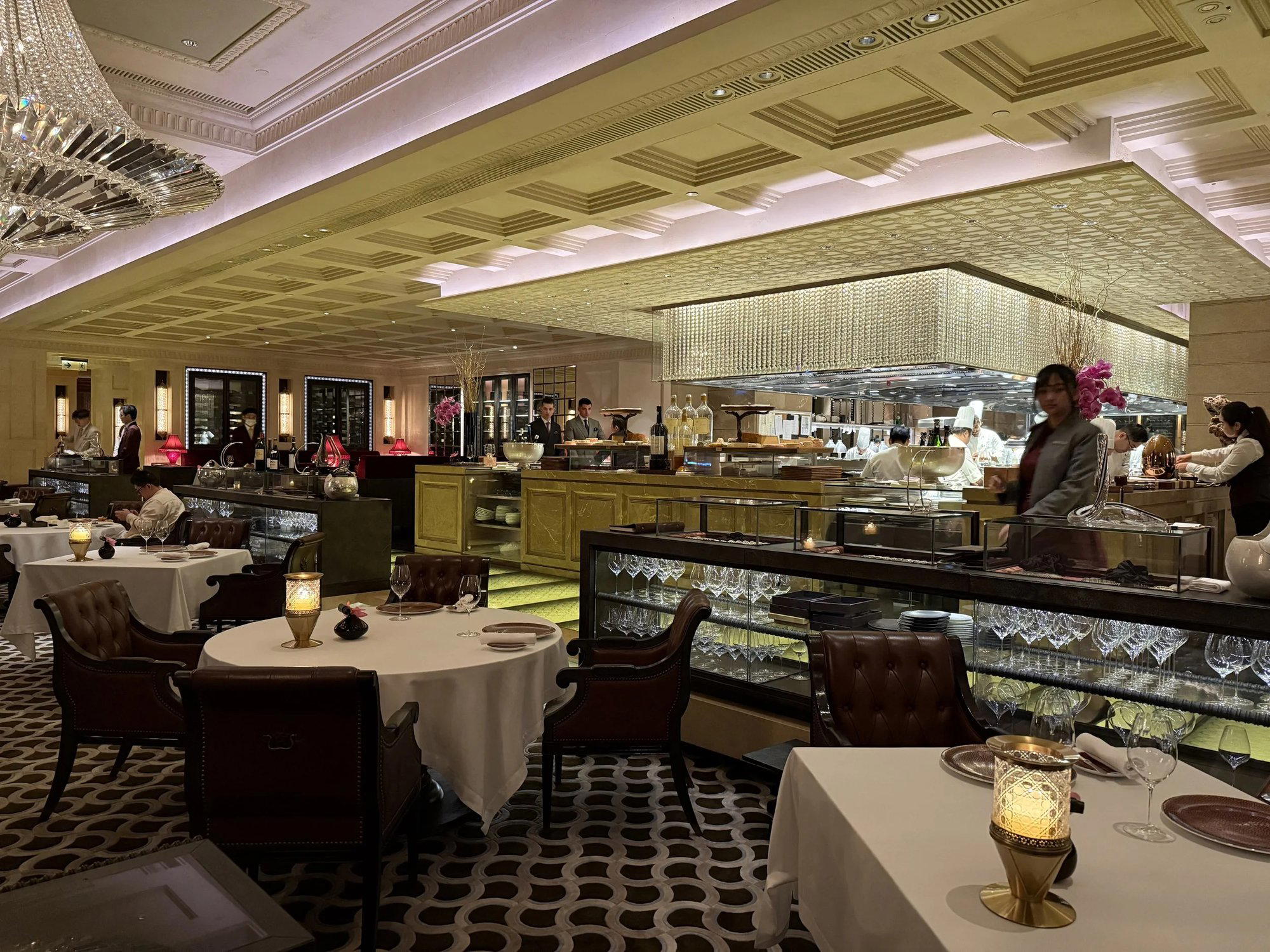
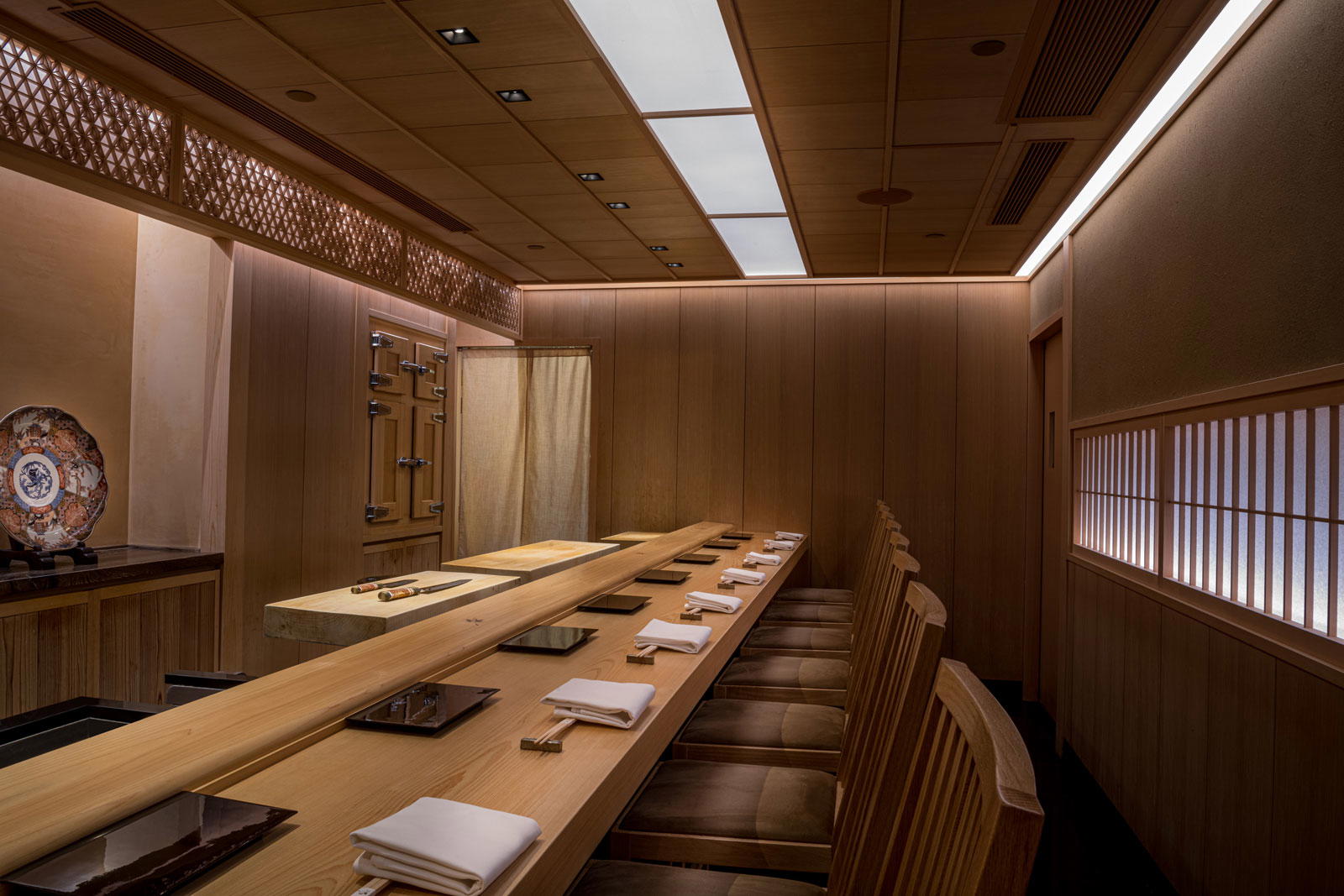
Central's dining geography rewards familiarity. The neighbourhood around ifc and the broader Central and Western district accommodates a range of registers, from the focused Thai cooking at Aaharn to the international all-day format at cafe TOO and the European-leaning room at AMMO. Cuisine Cuisine anchors the Cantonese formal end of that range. For a wider reading of where Central and Western's dining sits across styles and price points, the full Central And Western restaurants guide maps the district comprehensively.
Access is direct. The address also functions well for business dining specifically because of this connectivity: clients arriving from Tsim Sha Tsui or from the airport express can reach the building without a taxi.
Cantonese Fine Dining in Comparative Context
Placing Cuisine Cuisine against Hong Kong's broader Cantonese dining field requires acknowledging the city's depth in this category. The territory hosts multiple Michelin-recognised Chinese rooms, and the competition among premium Cantonese restaurants is dense enough that differentiation requires more than sound kitchen fundamentals. Rooms that distinguish themselves tend to do so through cellar investment, service consistency, or a particular technical strength, notable roasting, a dim sum program of unusual range, or a banquet format that justifies the pricing through ceremony as well as food quality.
Beyond Central, the Cantonese tradition extends across Hong Kong in formats ranging from the neighbourhood-focused Lei Garden in Sha Tin to the noodle-specialist precision of Block 18 Doggie's Noodle in Yau Tsim Mong, and the legacy of large-format dining at places like the Former Jumbo Floating Restaurant in Aberdeen. Each occupies a different position in the city's relationship with its own cuisine. Cuisine Cuisine's position in ifc places it at the formal, premium end of that spectrum, where the diner's primary frame of reference is other upscale Chinese rooms rather than the broader city dining scene.
For those building a longer Hong Kong itinerary, the contrast between Central's premium Cantonese options and venues further out, Bayi for a different register in Central and Western, or Enchanted Garden Restaurant in Islands for a distinct geographical perspective, illustrates how varied the city's Chinese dining offer is across districts.
Planning Your Visit
Cuisine Cuisine sits at Shop 3101-07 in ifc mall, 8 Finance Street, Central. The MTR's Hong Kong station provides direct access. Given the premium Cantonese positioning and the ifc address, reservations are advisable, particularly for lunch service on weekdays when the business dining demand peaks. For dietary requirements or allergy information, direct contact with the restaurant before arrival is the appropriate approach, as kitchen accommodations are handled case by case.
At-a-Glance Comparison
Comparable venues nearby, for context on price, style, and recognition.
| Venue | Cuisine | Price | Notes |
|---|---|---|---|
| Cuisine Cuisine 國金軒This venue — the venue you are viewing | Cuisine Cuisine National Gold Award | Not listed | Not listed |
| MIAN | Modern Regional Chinese | $$$ | Central |
| Kwan Kee Claypot Rice | Cantonese Claypot Rice | $ | Sai Ying Pun |
| Ăn Chơi | Authentic Vietnamese Street Food | $$ | Sheung Wan |
| Pici Central | Handmade Italian Pasta Bar | $$ | Central |
| Casa Lisboa | Authentic Portuguese | $$$ | Central |
Continue exploring
More in Central And Western
Restaurants in Central And Western
Browse all →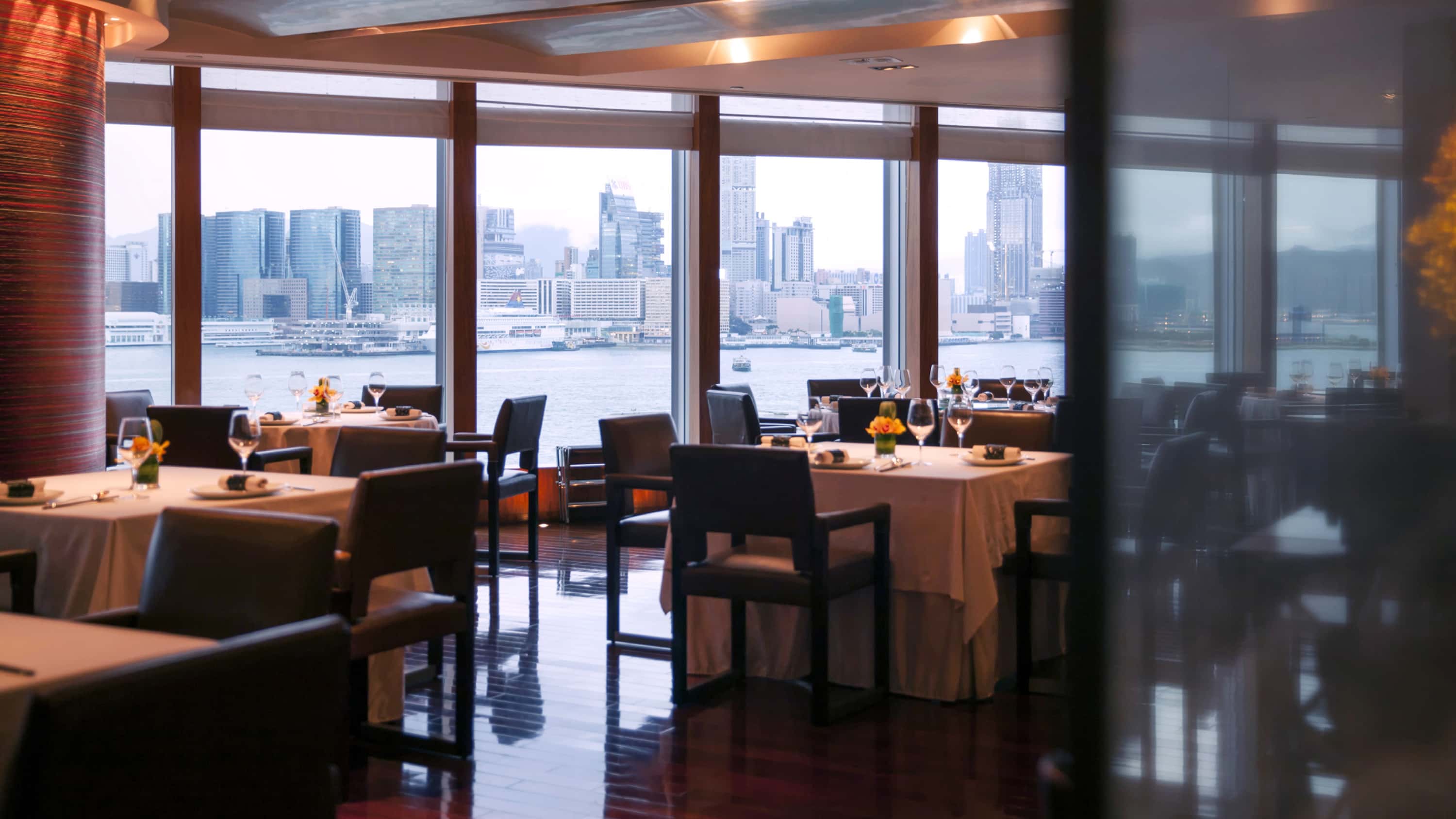
Bars in Central And Western
Browse all →
At a Glance
Current opening hours
- Monday
- 11:30 AM–3 PM, 6–11 PM
- Tuesday
- 11:30 AM–3 PM, 6–11 PM
- Wednesday
- 11:30 AM–3 PM, 6–11 PM
- Thursday
- 11:30 AM–3 PM, 6–11 PM
- Friday
- 11:30 AM–3 PM, 6–11 PM
- Saturday
- 11:30 AM–3 PM, 6–11 PM
- Sunday
- 11:30 AM–3 PM, 6–11 PM
Hours can change for holidays and private events. Last verified .
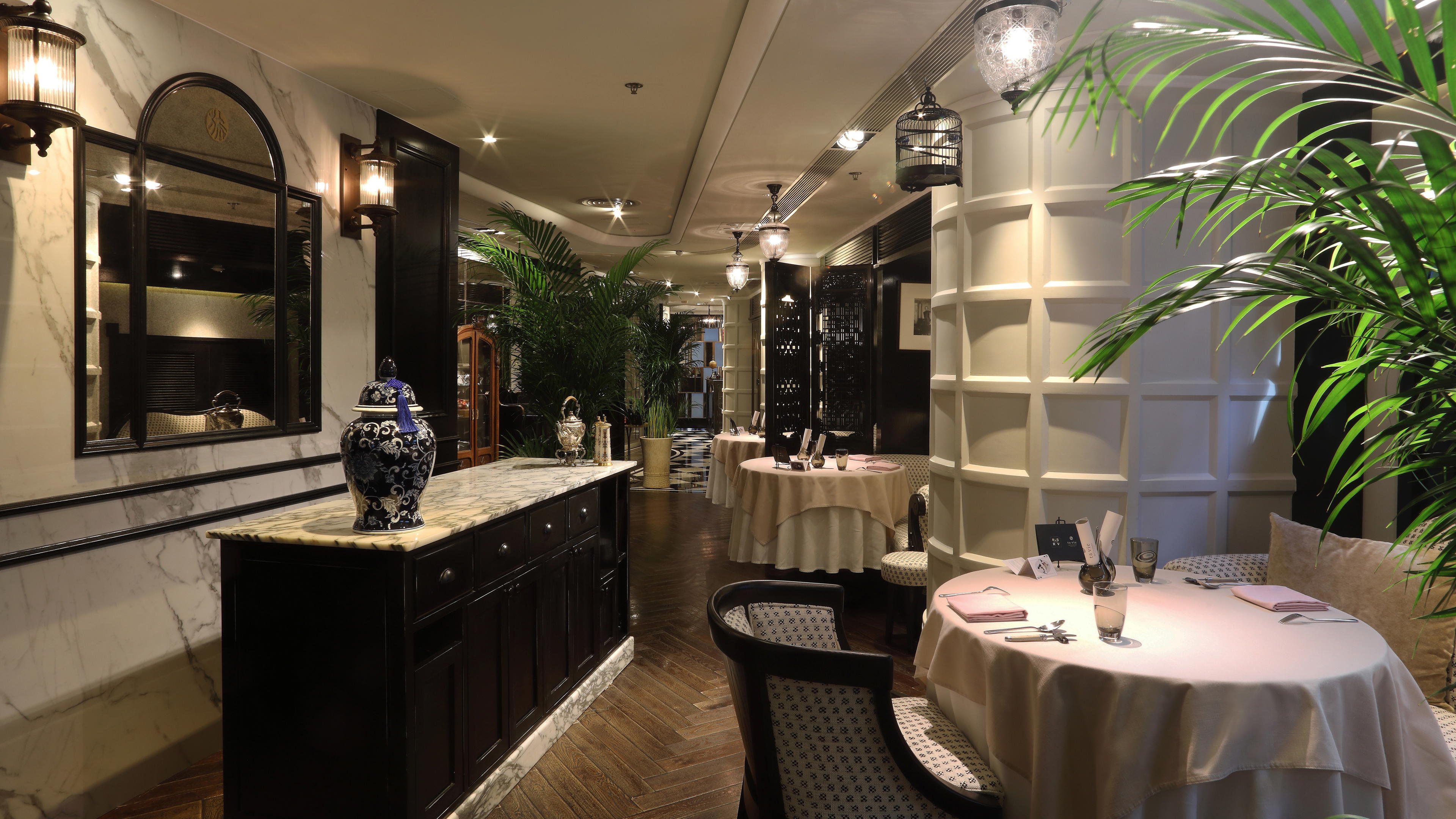
elegant and sophisticated