Our verdict
As De Oro sits on José De San Martín in Pisco, a port city whose name the world borrowed for its most famous export. Dining here places you inside a coastal Peruvian tradition built on local catch, desert-grown produce, and the sharp citrus notes that define Ica region cooking. For travellers moving between Lima and Paracas, it offers a grounded alternative to resort dining.

Pearl is the En Primeur Club membership app, where members save venues, book tables and use the concierge.
The menu
What to order
- Ceviche
- Pisco sour
- Corvina en salsa de langostinos
Pisco's Coastal Table: What the Ica Region Puts on the Plate
There is a particular logic to eating in Pisco that visitors arriving from Lima or Paracas sometimes miss. The city sits at the edge of a cold-current Pacific coastline where the Humboldt Current pushes nutrient-rich water northward, producing some of Peru's densest fishing grounds. The same geography that made this port a colonial-era export hub, first for wine, then for the grape distillate that carries its name, continues to define what arrives in local kitchens. Pisco is not a dining destination in the way that Miraflores or Barranco are, but the raw material argument for eating here is strong, and As De Oro, at José De San Martín 472, sits directly inside that tradition.
Understanding what makes the Ica coastal strip culinarily distinct requires separating it from Lima's Nikkei-inflected fine dining circuit. The restaurants that have drawn international attention, Astrid & Gastón in Lima and the Amazonian sourcing experiments of Mil Centro in Moray, operate with a self-conscious modernism that Pisco's neighbourhood tables largely set aside. Here, the cuisine is shaped more by proximity to ingredient than by technique as statement. The Pacific is the pantry.
The Setting on San Martín
José De San Martín is one of Pisco's main arteries, a street that runs through the city's commercial and civic centre in a way that grounds it firmly in everyday Peruvian urban life rather than tourist-facing polish. Arriving at As De Oro, you are not entering a curated enclave. The address places it among the kind of local businesses and foot traffic that characterise provincial coastal Peru, where the rhythm of fishing and market commerce still sets the daily tempo. That context matters for calibrating expectations: this is a neighbourhood-facing operation in a city where the fishing trade and the pisco industry, not international tourism, have historically driven economic life.
For travellers using Pisco as a stop between Lima and the Paracas Reserve, the address is accessible without requiring advance navigation. The broader Pisco restaurants guide covers the range of options across this stretch of the Ica coastline, which is useful context for placing As De Oro within the local dining tier rather than treating it in isolation.
Ingredient Geography: The Case for Eating on the Ica Coast
The editorial argument for coastal Peruvian cooking in cities like Pisco comes down to supply chain distance. Peru's central coast has long fed Lima's restaurant scene with product, but the restaurants that sit closest to the source operate under different economics and different freshness conditions. The Humboldt Current's influence means that cold-water species, including a range of shellfish, corvina, and the smaller reef fish that anchor many coastal preparations, are available at a quality point that diminishes with distance from port.
Ica region cooking also draws on the agricultural productivity of the surrounding desert valleys, where irrigation from Andean melt water supports asparagus, sweet potato, and a variety of peppers that feed into coastal preparations. The ají amarillo-based sauces and the leche de tigre preparations that define Peruvian ceviche culture find their most direct expression in cities like Pisco, where the produce, the citrus, and the catch are all within a short supply radius. This is the sourcing logic that distinguishes provincial coastal cooking from the menu-engineered versions served at resorts in Paracas or at destination restaurants further up the coast, such as Navegante in Punta Hermosa or Costanera 700 in Miraflores.
The broader Peruvian dining scene has spent the past two decades building a case for ingredient provenance as the country's primary culinary identity, from the Andean altitude sourcing that defines Campo Cocina Andina in Cuzco to the Amazonian materials used aboard Delfin Amazon Cruises in Iquitos. Coastal cities like Pisco represent the marine end of that argument, less articulated through fine-dining language but no less dependent on geography as the primary flavour driver.
Where As De Oro Sits in the Local Tier
As De Oro occupies an address in provincial Pisco's commercial centre, which places it in a different competitive tier than the resort-adjacent dining options around the Paracas Reserve or the internationally recognised restaurants in Lima.
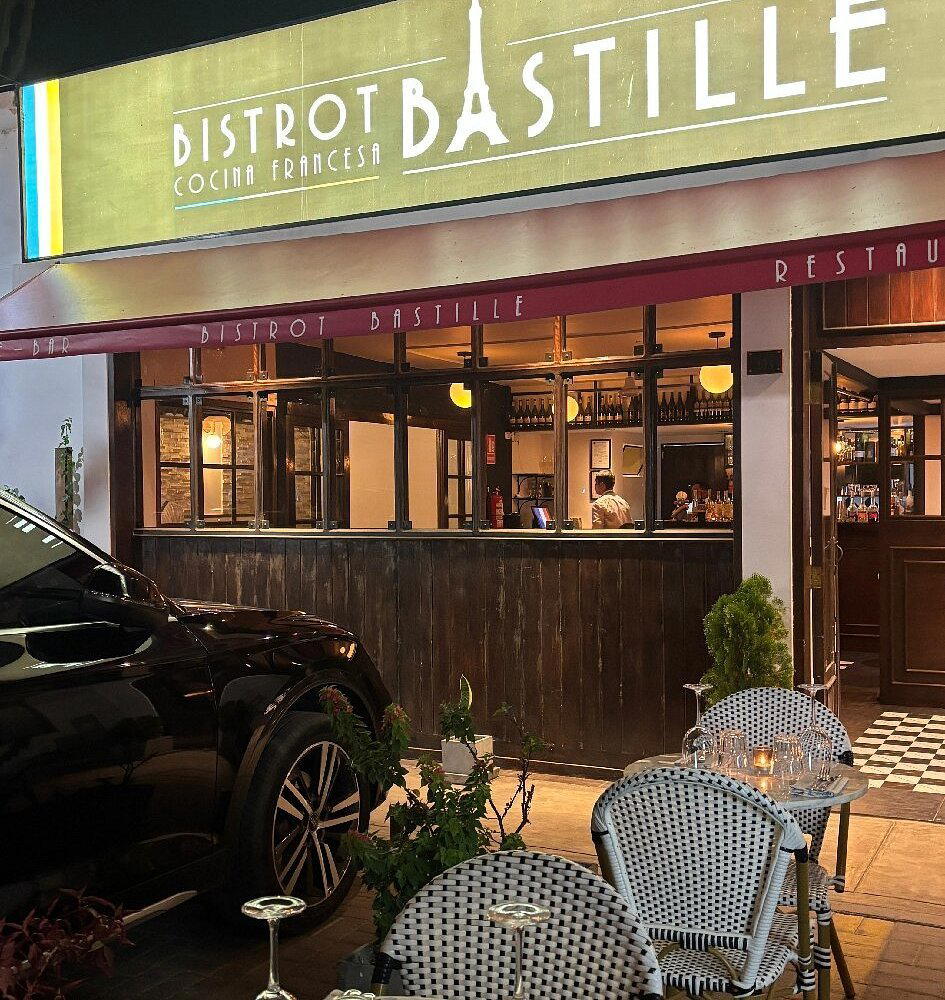
Travellers who have eaten across Peru's regional dining spectrum will recognise this tier immediately. It shares a logic with the more direct end of the market in other Peruvian cities, such as the local tables that sit below the destination level of Cirqa in Arequipa or the mid-range coastal operators near Bistrot Bastille in Ica District. The value proposition in this tier is access to good-quality regional cooking without the pricing structure that destination restaurants attach to their address and reputation.
Planning Your Visit
Pisco sits roughly 240 kilometres south of Lima along the Pan-American Highway, making it a practical stop on the overland route to Ica and the Nazca region. The city is also the conventional gateway to the Paracas National Reserve, and most visitors arrive by bus from Lima's Javier Prado terminal area, with journey times typically in the three-to-four-hour range depending on service. As De Oro's location on José De San Martín puts it within the walkable centre of the city. The full Pisco restaurants guide provides additional context on how to structure a day or overnight stop in the city, including options that pair with the coastal and nature-based activities that draw most travellers to this stretch of the Ica coast.
Frequently asked questions
Would As De Oro be comfortable with kids?
As De Oro sits on José De San Martín 472, a central civic street in Pisco rather than a nightlife corridor, which generally favours a quieter, neighbourhood-restaurant atmosphere suited to families. Pisco's dining culture skews toward casual, multi-generational tables in line with broader coastal Peruvian tradition.
How would you describe the vibe at As De Oro?
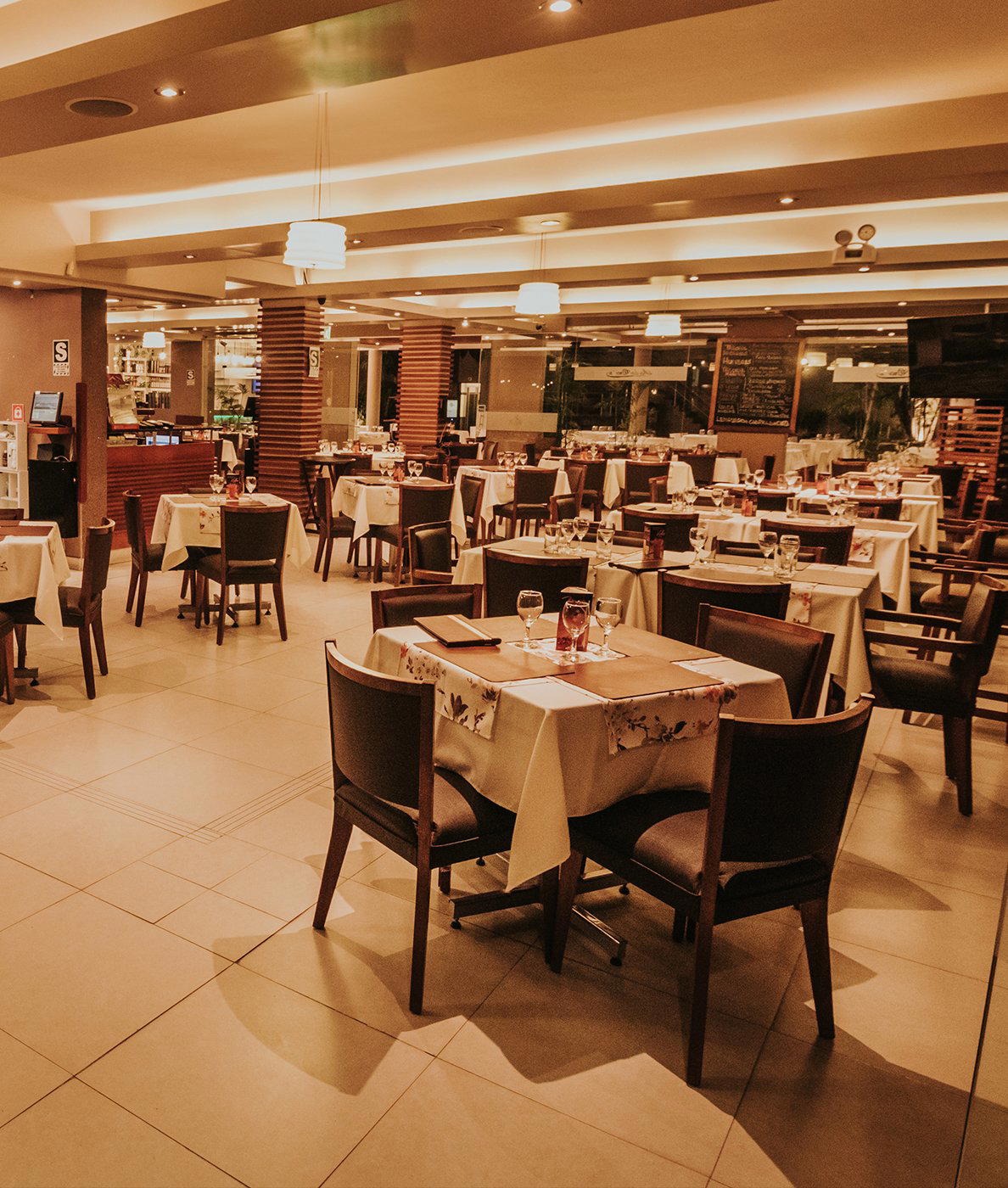
The address on San Martín places As De Oro in the commercial and civic centre of Pisco, a city that functions as a working port town rather than a resort destination. That context tends to produce straightforward, locals-first dining rooms: functional, unhurried, and oriented around the food rather than the setting.
Is As De Oro a good dining stop on the overland route between Lima and Nazca?
Pisco sits roughly 240 kilometres south of Lima on the Pan-American Highway, making it a logical break point on the overland route toward Ica, Nazca, and the south. As De Oro's address at José De San Martín 472 places it in the city centre, within reach of travellers passing through rather than staying overnight. For those making the Lima-to-Nazca drive, a meal in Pisco at a city-centre address like this represents one of the few opportunities to eat from the Ica coastal supply chain before the route turns inland.
What do people recommend at As De Oro?
What is well established is that Pisco sits adjacent to one of Peru's most productive cold-current fisheries, meaning coastal restaurants in the city typically draw on daily landings of corvina, chita, and local shellfish. Any visit to a Pisco dining room of this kind is logically oriented around whatever the catch of the day dictates.
How It Stacks Up
Comparable venues nearby, for context on price, style, and recognition.
| Venue | Cuisine | Price | Notes |
|---|---|---|---|
| As De OroThis venue (the venue you are viewing) | Traditional Peruvian Cevicheria | Not listed | Not listed |
| La Nacional | Modern Peruvian | $10–20 | Independencia |
| Pucusana | Peruvian Seafood Cevicheria | $10–20 | Pucusana |
| Chifa TITI | Chinese-Peruvian Chifa | $20–30 | San Isidro |
| Siete | Modern Peruvian-Mediterranean Fusion | $20–30 | Barranco |
| Tree House Restaurant | Peruvian Fusion | $10–20 | Aguas Calientes |
Continue exploring
More in Pisco
Restaurants in Pisco
All restaurants in Pisco →
Hotels in Pisco
Browse all →
Details
- Cozy
- Classic
- Casual Hangout
- Standalone
- A La Carte
- Pisco Sours
- Vegetarian Friendly
Current opening hours
- Monday
- Closed
- Tuesday
- 11:30 AM–11 PM
- Wednesday
- 11:30 AM–11 PM
- Thursday
- 11:30 AM–11 PM
- Friday
- 11:30 AM–11 PM
- Saturday
- 11:30 AM–11 PM
- Sunday
- 11:30 AM–11 PM
Hours can change for holidays and private events. Hours as of .
Cozy and inviting with a laid-back yet elegant setting.