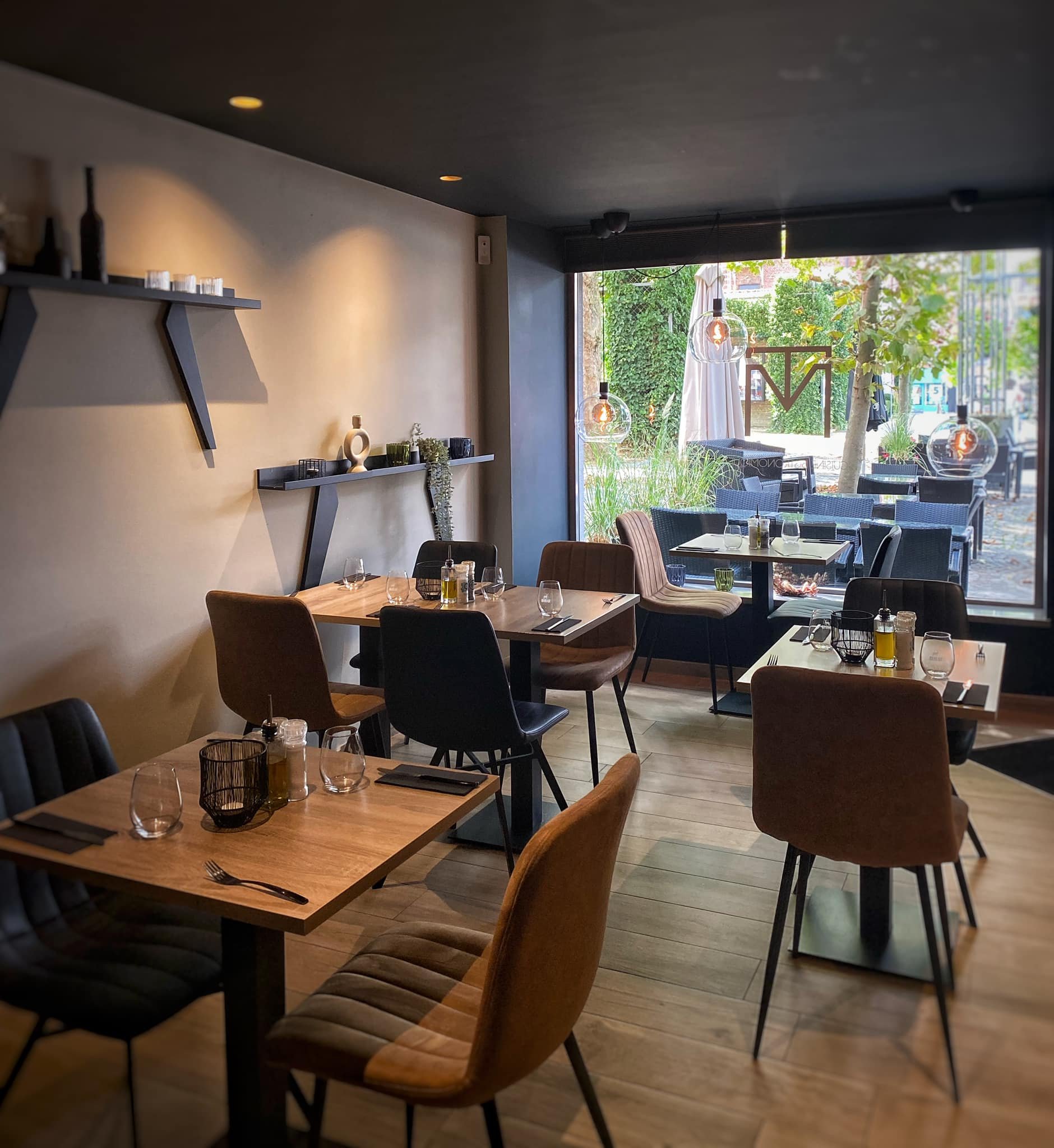
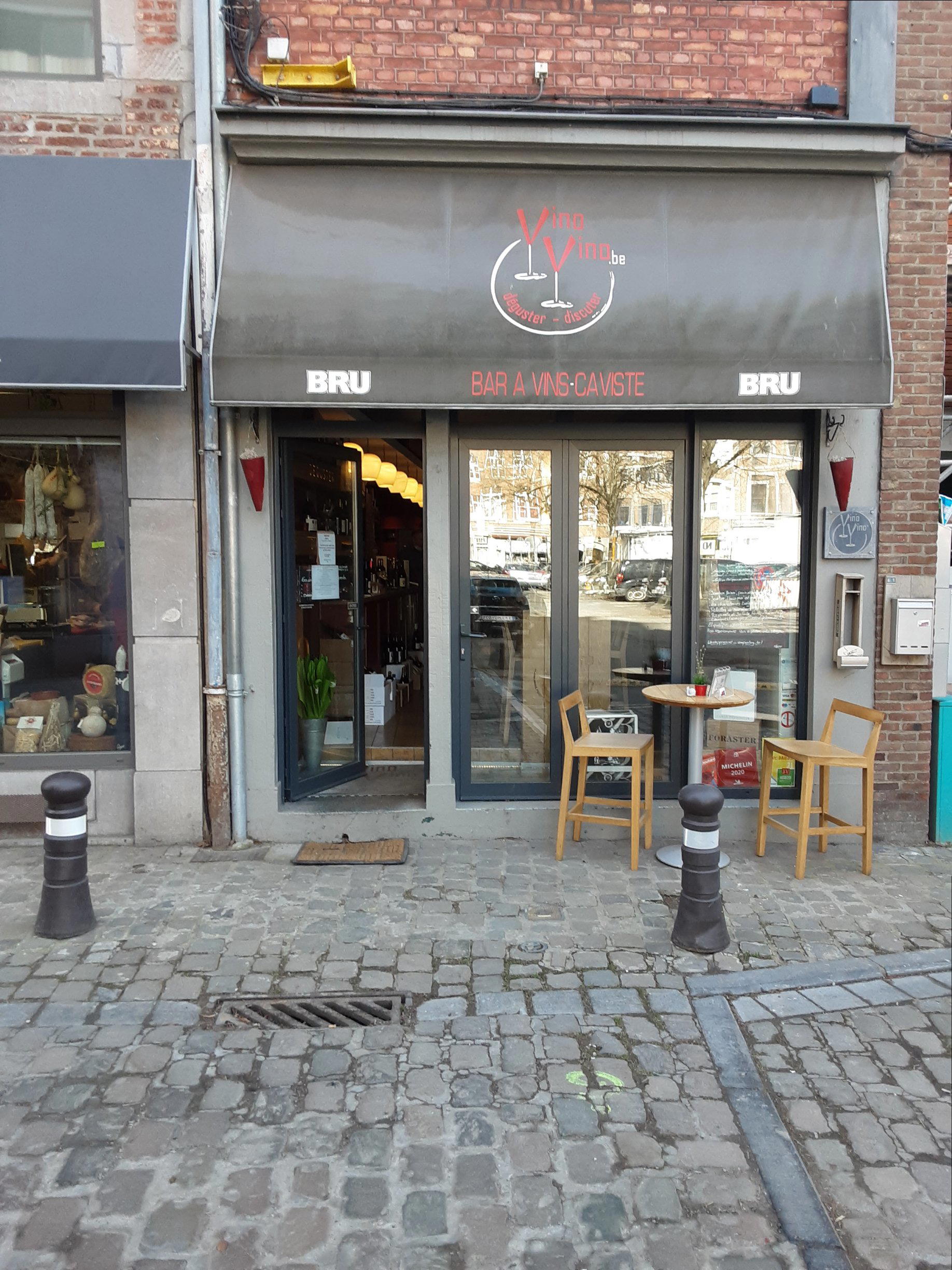
Chez Manon occupies a measured address on Place du Roi Albert Premier in Waremme, a market town in the Hesbaye agricultural belt where the sourcing question is answered by the land itself. The kitchen sits in a region that supplies a significant portion of Belgium's grain, sugar beet, and chicory, ingredients that appear in serious form at tables willing to work with them. For the Liège province dining circuit, Waremme represents an underexplored node worth the detour.
 Discover on Pearl
Pearl is the En Primeur Club membership app — saves, bookings, and concierge access live there. Same editors, same standards.
- Address
- Pl. du Roi Albert Premier 3, 4300 Waremme, Belgium
- Phone
- +3219515955
- Website
- facebook.com
Waremme and the Hesbaye Sourcing Argument
Belgium's most productive agricultural zone stretches across the Hesbaye plateau in the province of Liège, and Waremme sits close to its centre. The plateau's deep loam produces sugar beet, winter wheat, chicory root, and a variety of field vegetables that supply both industrial processors and, increasingly, smaller kitchens willing to work with growers directly. In that sense, the town's position is an argument about sourcing before a single plate arrives. Restaurants operating here have a different relationship with ingredient provenance than their counterparts in Ghent or Antwerp, where supply chains tend to run through intermediaries. Here, the farms are visible from the road.
Chez Manon holds its address on Place du Roi Albert Premier, the central square that gives Waremme its civic grammar, a modest but coherent space framed by the kind of low-rise architecture that characterises Walloon market towns. Arriving on foot from the railway station, which connects to Liège-Guillemins in under twenty minutes, the square reads as a working town centre rather than a destination set piece, which is precisely what makes restaurants that function here genuinely embedded rather than aspirational imports.
The Ingredient Geography of the Hesbaye Table
Understanding what a kitchen in Waremme can plausibly source requires some literacy about the Hesbaye's agricultural calendar. Late spring brings asparagus from the sandy fringes of the plateau. Summer moves into stone fruit, courgette, and the early bean harvest. Autumn is the dominant season for root vegetables and the sugar beet campaign, which runs from September through late November and changes the smell and rhythm of the entire region. Chicory, grown from forced roots in darkened sheds through winter, is the ingredient most closely associated with Walloon cooking at the local level, appearing braised, raw in salads, or reduced into sauces that carry its distinctive bitterness.
For comparison, the farm-to-table argument in Belgian fine dining tends to be made loudest at tables with more marketing infrastructure behind them. Le Petit Axhe in Waremme makes the sourcing connection explicit in its format. At the higher end of the national scene, kitchens like Hof van Cleve in Kruishoutem, Boury in Roeselare, and Willem Hiele in Oudenburg have built their identities around territorial specificity, but they operate inside well-documented culinary regions with established critical infrastructure. A kitchen in Waremme operates without that scaffolding, which means the sourcing relationship, if genuine, is more structural than promotional.
Where Chez Manon Fits in the Liège Province Circuit
The Liège province dining circuit is less consolidated than those of East or West Flanders. Serious tables do exist, several holding Michelin recognition, but they are spread across a large geographic area and do not form the kind of dense cluster that makes Bruges or Ghent legible as a dining destination in a single visit. Waremme, positioned between Liège city and the Flemish border near Tongeren, functions as a relay point rather than a terminus. That has implications for which restaurants can sustain themselves here and what register they need to operate in.
Chez Manon, at its address on the central square, is embedded in the town's daily life rather than positioned as an occasion venue in the way that, say, Le Chalet de la Forêt in Uccle or Bozar Restaurant in Brussels operate for a metropolitan audience. This is a meaningful distinction. Restaurants that serve a local population rather than a destination-dining audience tend to prioritise consistency and value density over theatrical presentation, a different set of priorities that produces a different kind of meal.
Across Belgium's broader restaurant map, the contrast between destination fine dining and locally anchored cooking becomes clearer when you look at what the destination tier requires. Tables like Zilte in Antwerp, Vrijmoed in Gent, and De Jonkman in Sint-Kruis draw from national and international audiences who have made a deliberate trip. The economics and expectations of that audience shape the format. A kitchen in Waremme answers to a different brief.
The Walloon Dining Register
French-language Belgium maintains a culinary register that differs from its Flemish counterpart in ways that are easy to understate. Walloon cooking leans on classical French technique applied to local materials, the Ardennes supplying game, the Hesbaye supplying grain and vegetables, the Meuse valley contributing freshwater fish traditions. The result is a cuisine that is less internationally visible than Flemish creative cooking, which has benefited from stronger critical attention and more aggressive export, but is no less coherent as a tradition. Kitchens like d'Eugénie à Emilie in Baudour and La Table de Maxime in Our operate within this Walloon register at a serious level. La Durée in Izegem and Ralf Berendsen in Neerharen show how the French-Belgian creative tradition plays out across the linguistic border zone.
Chez Manon operates within this broader Walloon dining context, where the measure of a kitchen is often how well it handles a limited set of ingredients across a menu built for regulars rather than first-time visitors. That is a harder brief than it sounds. For international comparison, the same argument applies to certain neighbourhood-anchored tables in France and the United States, kitchens like those represented at Lazy Bear in San Francisco or, at a different register entirely, the classical rigour of Le Bernardin in New York City, where the sourcing discipline is visible in the editing as much as in the sourcing itself.
Planning a Visit to Waremme
Waremme is accessible by rail from Liège-Guillemins, with frequent InterCity services running the route in roughly fifteen minutes. From Brussels, the journey involves a change at Liège and runs to approximately one hour fifteen minutes total. The town centre is compact enough to reach on foot from the station, and Place du Roi Albert Premier is within a short walk of the main axis. For visitors combining Waremme with the broader Liège province circuit, the local scene rewards a short stop before moving on. Further afield in the province, Castor in Beveren and Cuchara in Lommel represent the kind of serious cooking that makes a multi-stop itinerary through this part of Belgium coherent rather than arbitrary.
Comparable Venues
Comparable venues nearby, for context on price, style, and recognition.
| Venue | Cuisine | Price | Awards | Notes |
|---|---|---|---|---|
| Chez ManonThis venue — the venue you are viewing | Bistronomic French-Belgian | $$ | , | |
| Le Petit Axhe | Modern French Bistro | $$$ | Michelin Plate | Waremme |
| La Canette | Traditional French-Belgian Bistro | $$ | , | Durbuy Centrum |
| Piment & Chocolat | French-Belgian Gastropub | $$ | , | Sombreffe |
| Cagette | Neo-Bistro French-Asian Small Plates | $$ | , | Centre |
| Le 1900 | French Dorpsbistro | $$ | , | Perwez center |
Continue exploring
More in Waremme
Restaurants in Waremme
Browse all →
At a Glance
- Cozy
- Intimate
- Family
- Date Night
- Terrace
- Local Sourcing
- Street Scene
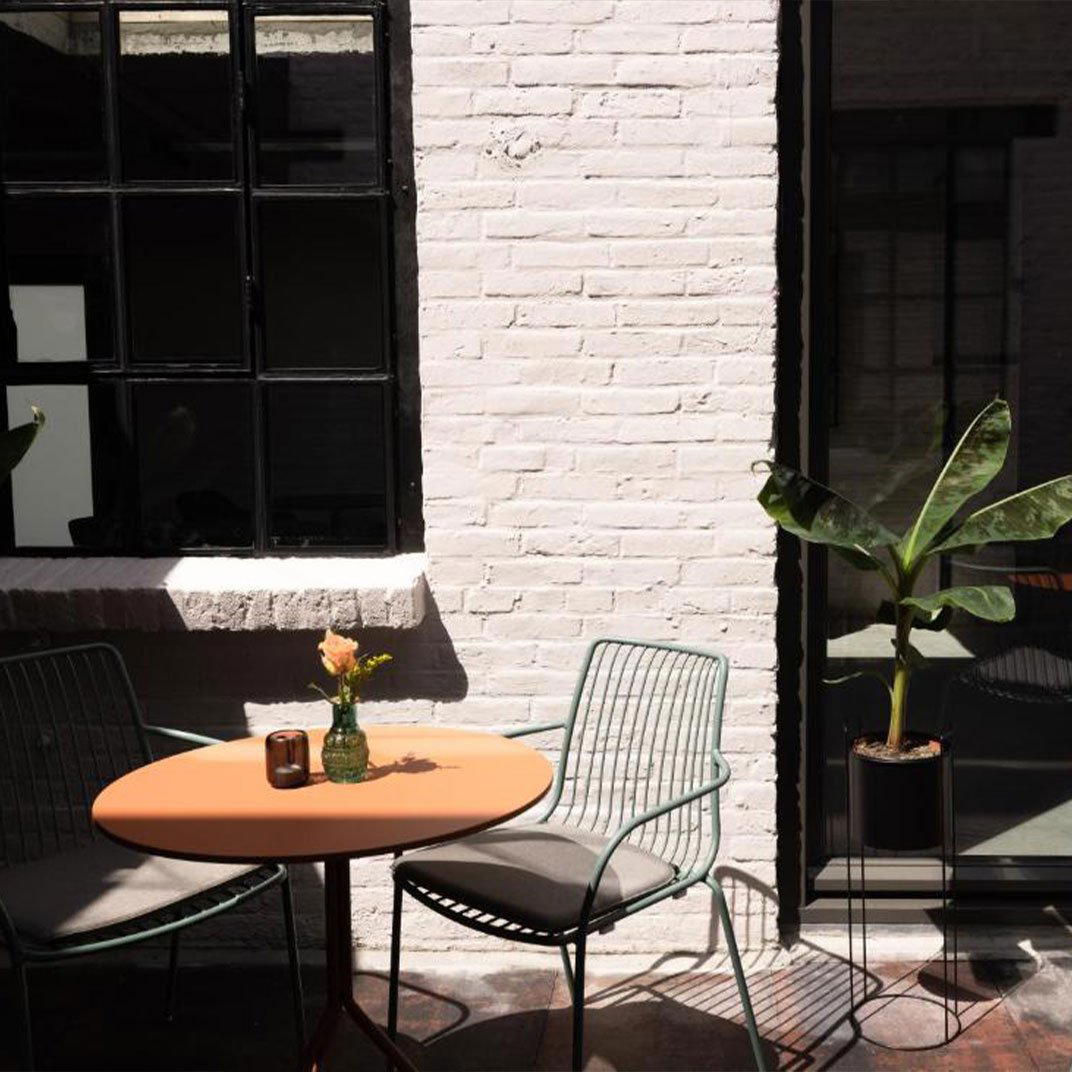
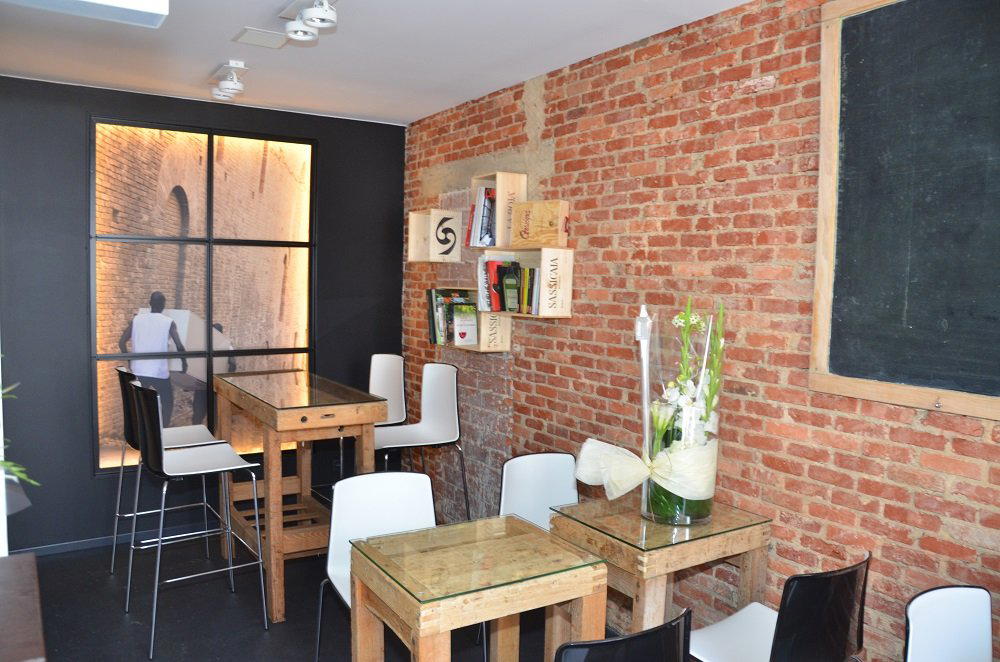
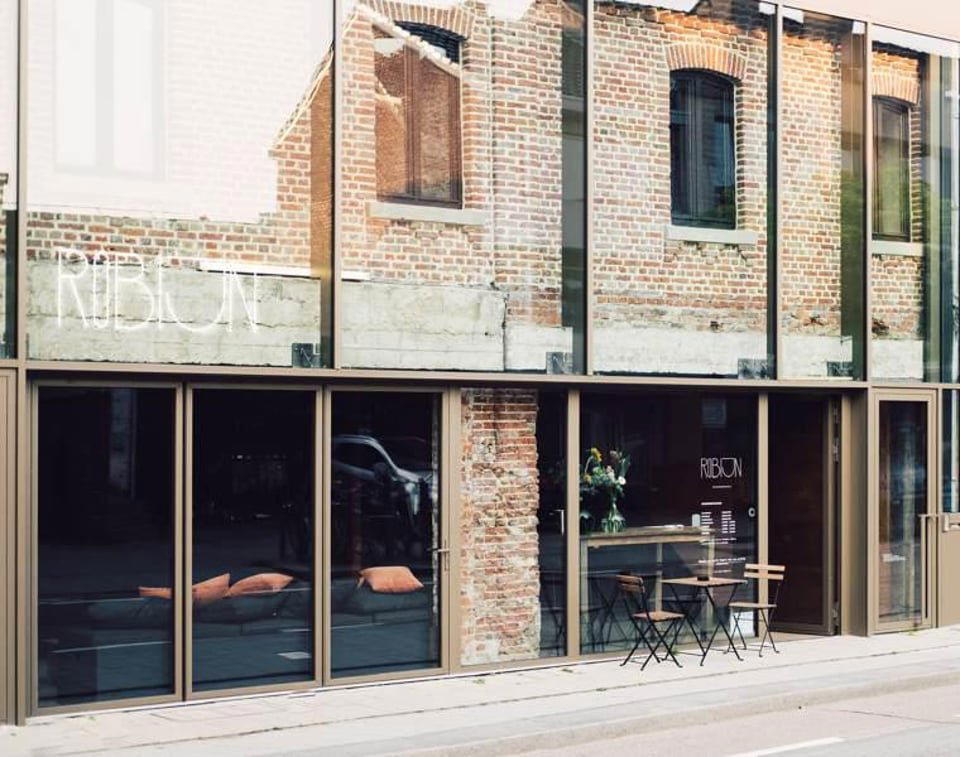
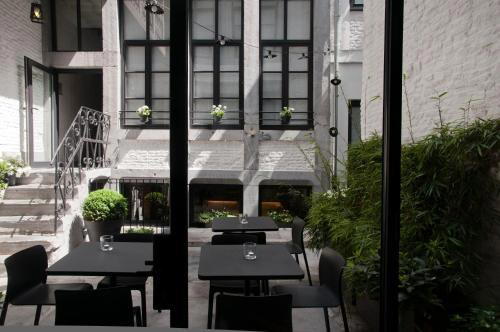
Warm, comfortable, and relaxed atmosphere in a cozy setting on the central square.