La Canette occupies a quiet address in Durbuy, the Ardennes town that draws weekend visitors from Brussels and beyond for its medieval streetscape and proximity to local farms and rivers. In a dining scene where sourcing from regional producers increasingly defines the better tables, La Canette positions itself within Durbuy's mid-range offering alongside neighbours like Le Clos des Récollets and Durbuy Ô. Rue Alphonse Eloy 1 is a practical starting point for exploring what the town's kitchens do with Ardennes country.
 Discover on Pearl
Pearl is the En Primeur Club membership app — saves, bookings, and concierge access live there. Same editors, same standards.
- Address
- Rue Alphonse Eloy 1, 6940 Durbuy, Belgium
- Phone
- +32472262540
- Website
- m.facebook.com
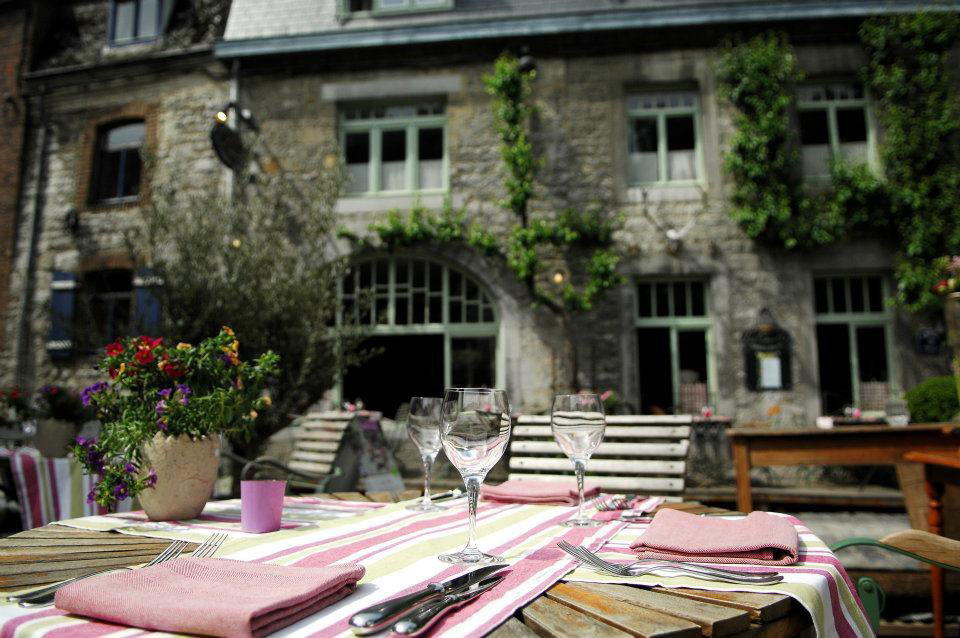
Durbuy's Dining Geography and Where La Canette Sits
Belgium's smallest city title is a bureaucratic quirk, but Durbuy has built a genuine weekend hospitality economy around it. The town's stone lanes and river-edged squares pull visitors from Brussels, Liège, and Namur, and that captive audience has produced a dining scene with more range than the population count would suggest. Restaurants here compete less on foot traffic than on reputation within the regional short-break circuit. The question for any table in Durbuy is not whether it can fill seats on a Saturday in July, but whether it earns a return visit or a deliberate detour.
La Canette at Rue Alphonse Eloy 1 occupies a position in that circuit. Durbuy's restaurant range runs from Durbuy Ô and Le Clos des Récollets at the approachable end through La Bru'sserie in the middle band to Le Grand Verre at the serious end, where a modern French kitchen operates at a price point that aligns it with Belgian destination dining. La Canette's address in the old town places it physically among the most visited streets, which matters for a restaurant that likely draws walk-in custom alongside its regulars.
The Ardennes as a Larder: What Regional Sourcing Means Here
The Ardennes has supplied Belgian kitchens with game, freshwater fish, and cured meats for generations. Wild boar, venison, trout from the Ourthe and its tributaries, locally foraged mushrooms, and farm-reared pork all appear in the regional cooking vocabulary, and the leading kitchens in this part of Wallonia use proximity to those sources as a structural advantage rather than a marketing talking point.
That sourcing context matters because it sets the standard against which any Durbuy kitchen is implicitly judged. When the supply chain is short enough that game can arrive from a local hunt and herbs from a kitchen garden an hour's drive away, the argument for ingredient freshness is concrete rather than aspirational. Belgian cuisine in the Ardennes has historically operated this way: not as a formal farm-to-table doctrine, but as a practical consequence of geography. Farmers, hunters, and river fishers are close, and the logistics of sourcing locally are simpler than in a city. The question for any restaurant in this context is whether the kitchen treats that proximity as an active editorial choice or simply as ambient convenience.
For comparison, the Belgian restaurants working most deliberately with regional provenance at the high end include places like L'air du Temps in Liernu, where sourcing decisions are integral to the menu structure, or Willem Hiele in Oudenburg, whose coastal positioning shapes what arrives in the kitchen each day. These are not direct peers of a mid-sized Durbuy restaurant, but they illustrate what deliberate sourcing looks like when it is treated as a discipline rather than a backdrop. At the level of Gaspard and La Canette's immediate Durbuy neighbours, the same instinct applies in a less formal register.
Approaching the Address
Rue Alphonse Eloy sits in the compact historic core that makes Durbuy navigable on foot once you have parked. The town's medieval scale means that most of the restaurants worth visiting are within a short walk of each other, which makes sequencing an evening here relatively direct. Arrive early enough to walk the Ourthe riverbank before dinner; the light on the water in late afternoon is one of the reasons the weekend crowd comes. The old town's streets are narrow and stone-paved, and the building stock gives every restaurant a certain atmospheric baseline before it has done anything with its interior.
Durbuy draws peak visitors in summer and over Belgian public holidays. A Saturday in August will see Rue Alphonse Eloy busy, and most restaurants operate with full covers. Planning ahead is sensible for any table in town during those windows; last-minute options on a peak evening narrow quickly. Spring and autumn visits offer quieter streets and, often, seasonal menus that lean into game and foraged ingredients more explicitly than summer cooking tends to.
La Canette in the Wider Belgian Context
For travellers mapping Belgian dining beyond the major cities, the Ardennes represents a different kind of ambition from Brussels or Antwerp. Bozar Restaurant in Brussels, Zilte in Antwerp, and Boury in Roeselare operate in urban competitive environments where Michelin recognition and international visibility shape the offer. The Ardennes kitchen tradition is less legible to that system, which is not a disadvantage so much as a different game entirely. Here the reference points are regional rather than global, and the reward for a good meal is embedded in a specific place and season rather than in credential accumulation.
That context positions a restaurant like La Canette as part of a regional ecosystem rather than a standalone attraction. Visiting Durbuy and eating well there is a cumulative experience across the town's tables, its market, its river, and its surrounding countryside. For travellers interested in Belgian fine dining with Michelin recognition, Hof van Cleve in Kruishoutem, De Jonkman in Sint-Kruis, or Castor in Beveren represent a different tier of ambition. For travellers interested in what Belgian cuisine looks like embedded in a specific landscape, Durbuy and addresses like La Canette are where that answer is more honestly found.
Readers with an interest in how provincial Belgian kitchens compare to their international counterparts might also look at d'Eugénie à Emilie in Baudour or Bartholomeus in Heist for a sense of how regional Belgian cooking plays out in other parts of the country. For a broader international frame, Le Bernardin in New York City and Atomix in New York City show the distance between destination dining in a global city and what a well-placed Ardennes kitchen is trying to do, which is useful perspective for calibrating expectations.
Planning a Visit
La Canette is at Rue Alphonse Eloy 1 in central Durbuy. Durbuy is most easily reached by car from Brussels in roughly ninety minutes or from Liège in about forty-five. Public transport connections exist but require patience; the town is not on a direct train line. Visiting on a weekday in shoulder season gives the best chance of a relaxed experience and availability without the weekend competition for tables.
Comparable Venues
Comparable venues nearby, for context on price, style, and recognition.
| Venue | Cuisine | Price | Awards | Notes |
|---|---|---|---|---|
| La CanetteThis venue — the venue you are viewing | Traditional French-Belgian Bistro | $$ | , | |
| Le Fou du Roy | Traditional French with Italian Influences | $$ | , | Durbuy village center |
| Durbuy Ô | French-Belgian Bistro | $$$ | Bib Gourmand | Durbuy |
| Gaspard | Belgian-French Gastropub | $$$ | , | Barvaux |
| Limoni e Tartufi | Italian Trattoria | $$ | , | Centrum Durbuy |
| Le Clos des Récollets | Dining | , | Bib Gourmand | Durbuy |
Continue exploring
More in Durbuy
Restaurants in Durbuy
Browse all →
At a Glance
- Cozy
- Rustic
- Classic
- Intimate
- Family
- Casual Hangout
- Terrace
- Local Sourcing
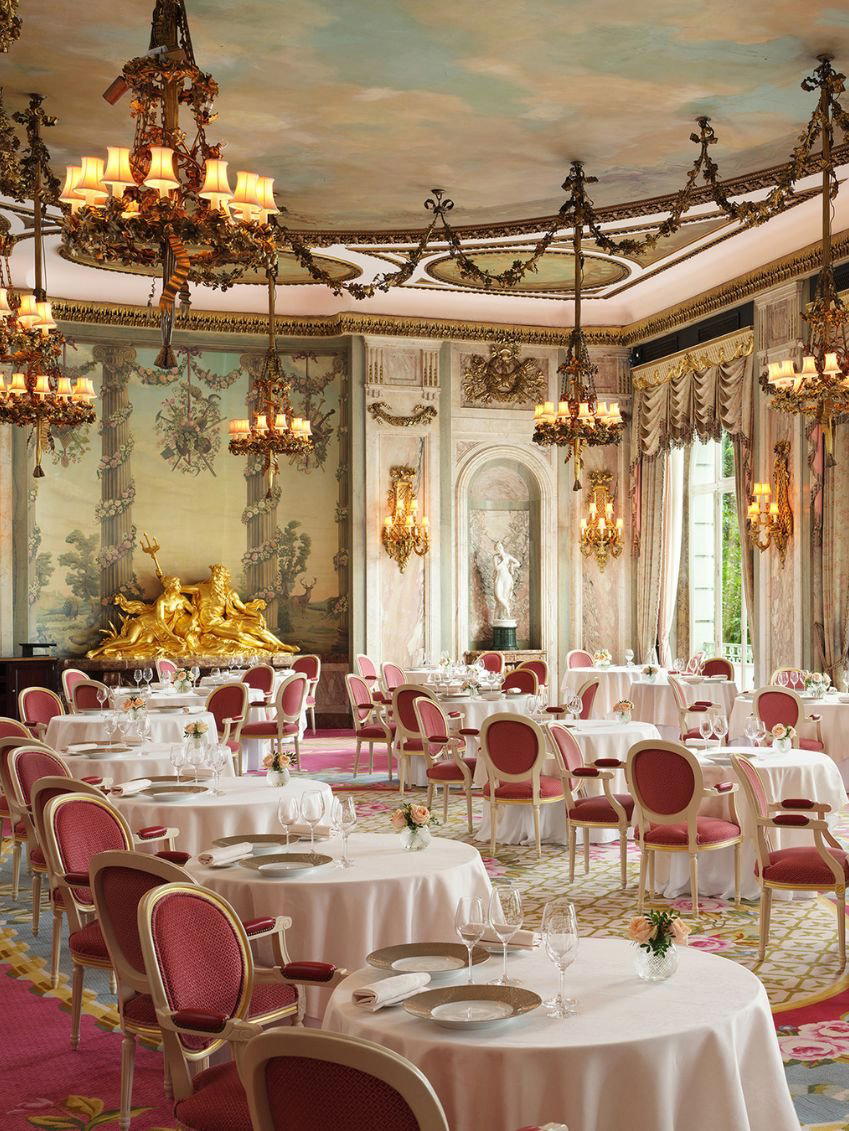
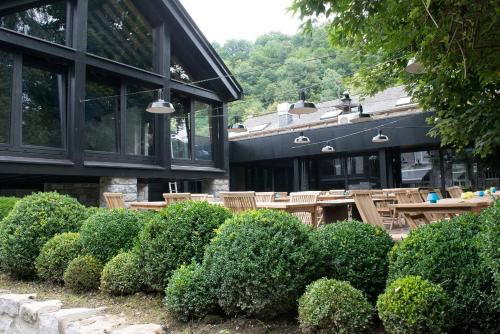
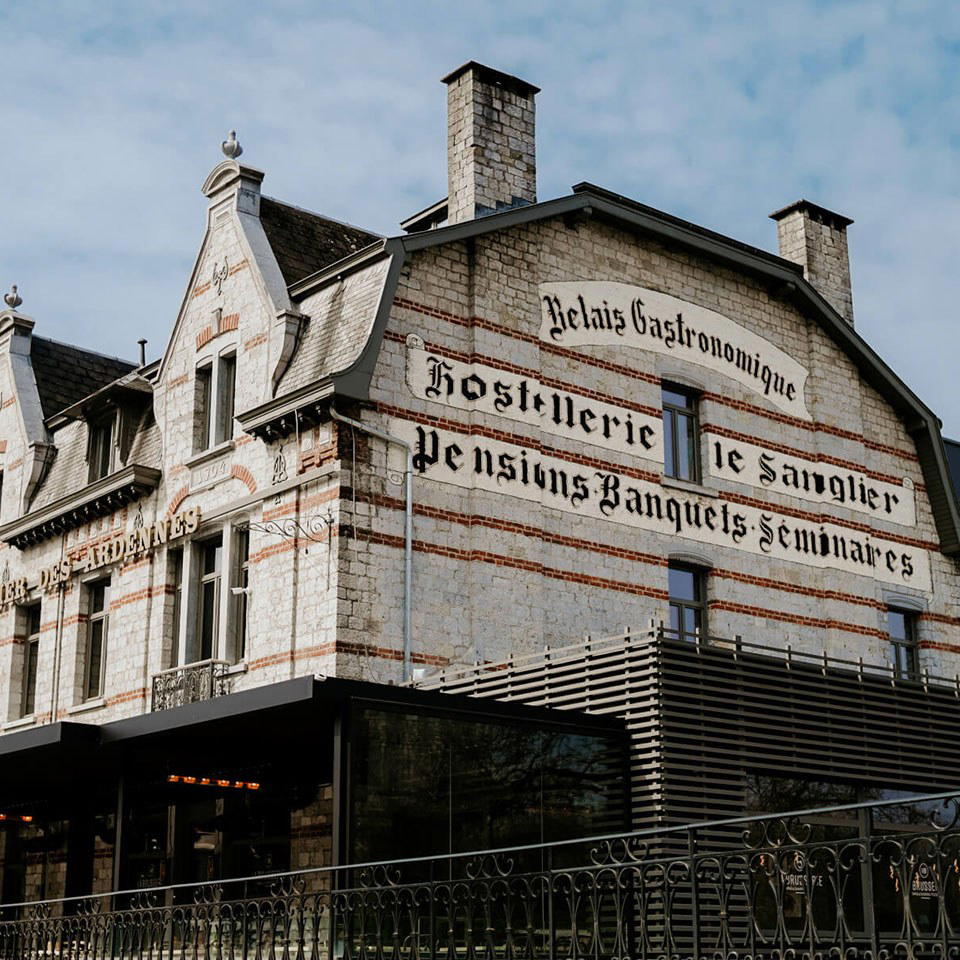
Warm retro decor with cozy, homely atmosphere and nostalgic charm.