On Friedrichstraße in Vienna's first district, Vietthao occupies a stretch of the city where grand Habsburg architecture meets a quietly evolving restaurant scene. The address places it among a comparable set of serious dining rooms, while the Vietnamese culinary tradition it draws from carries a different logic from the Austrian fine-dining establishments that dominate the neighbourhood.
Pearl is the En Primeur Club membership app — saves, bookings, and concierge access live there. Same editors, same standards.
- Address
- Friedrichstraße 2, 1010 Wien, Austria
- Phone
- +434315852031
- Website
- facebook.com
- Directions
- Get directions
 Saves & bookings on Pearl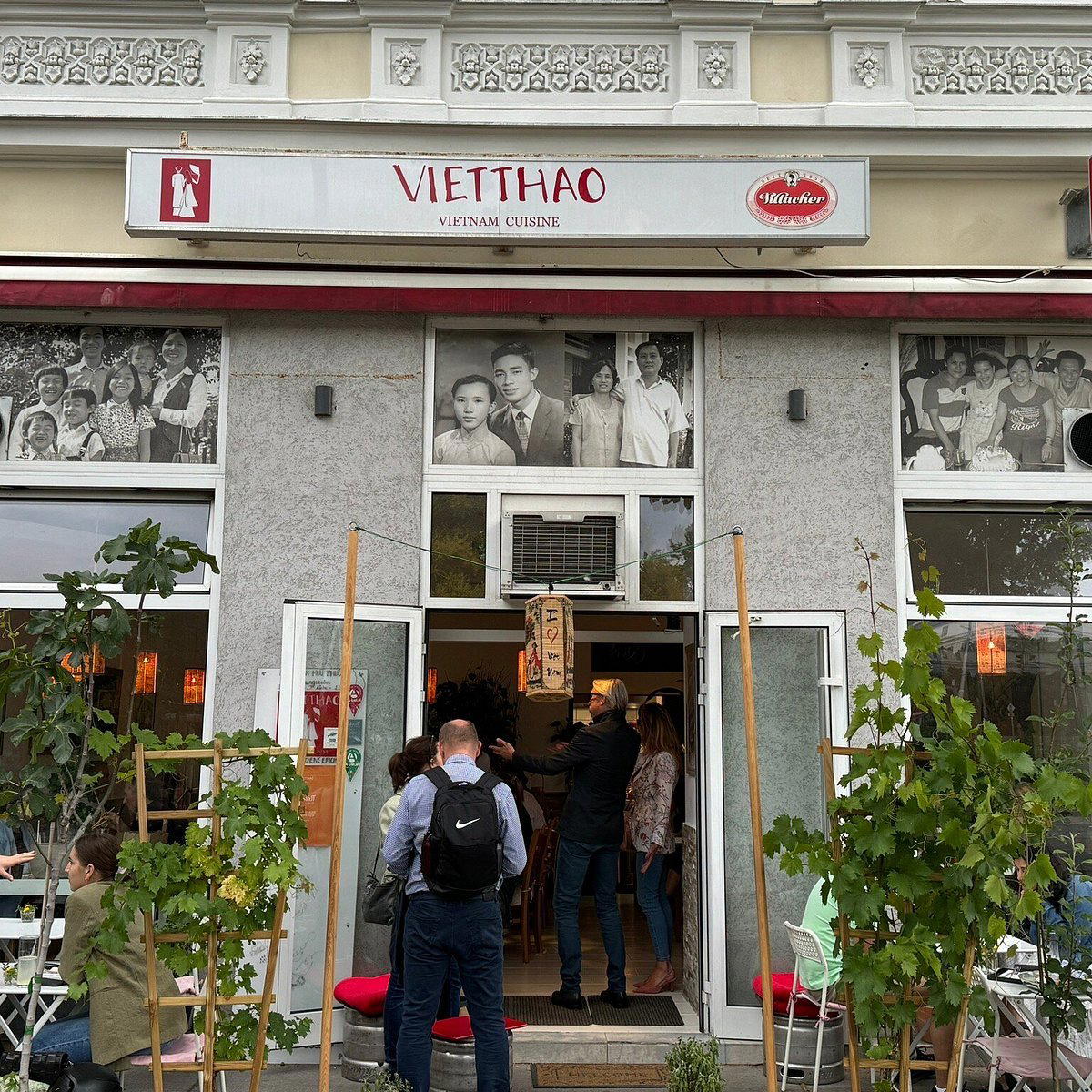
First District, Different Register
Vienna's first district is dense with institutional dining, rooms where starched tablecloths and silver service have been the default register for decades. The Innere Stadt remains the city's most legible postcode for serious restaurants, home to heavyweights like Steirereck im Stadtpark and Amador, where tasting menus run long and price points hit the upper register of European fine dining. Against that backdrop, a Vietnamese restaurant at Friedrichstraße 2 occupies a different frequency entirely, one that speaks to a quieter but persistent shift in how the city's first district feeds people who aren't there for a ceremonial occasion.
Vietnamese cuisine sits at an interesting position in European capitals right now. In cities like London, Paris, and Berlin, it has moved well beyond the cheap-and-cheerful bracket into a more considered tier, with some kitchens applying the precision and sourcing discipline associated with European fine dining to the broths, herbs, and fermented condiments of Vietnamese tradition. Vienna is a slower mover in this direction, which makes the address at Friedrichstraße worth attention as a data point in the city's evolving restaurant geography.
The Physical Container
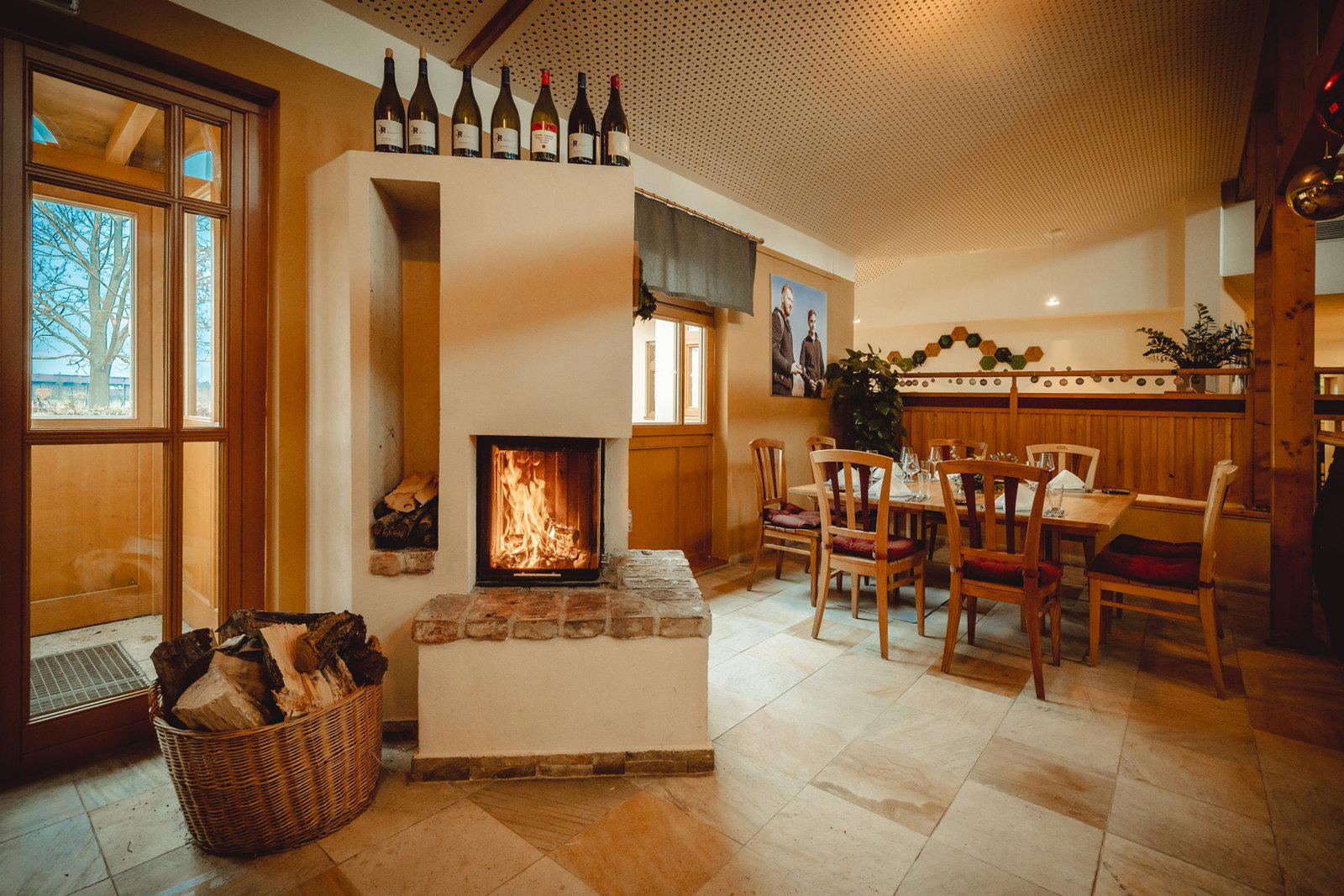
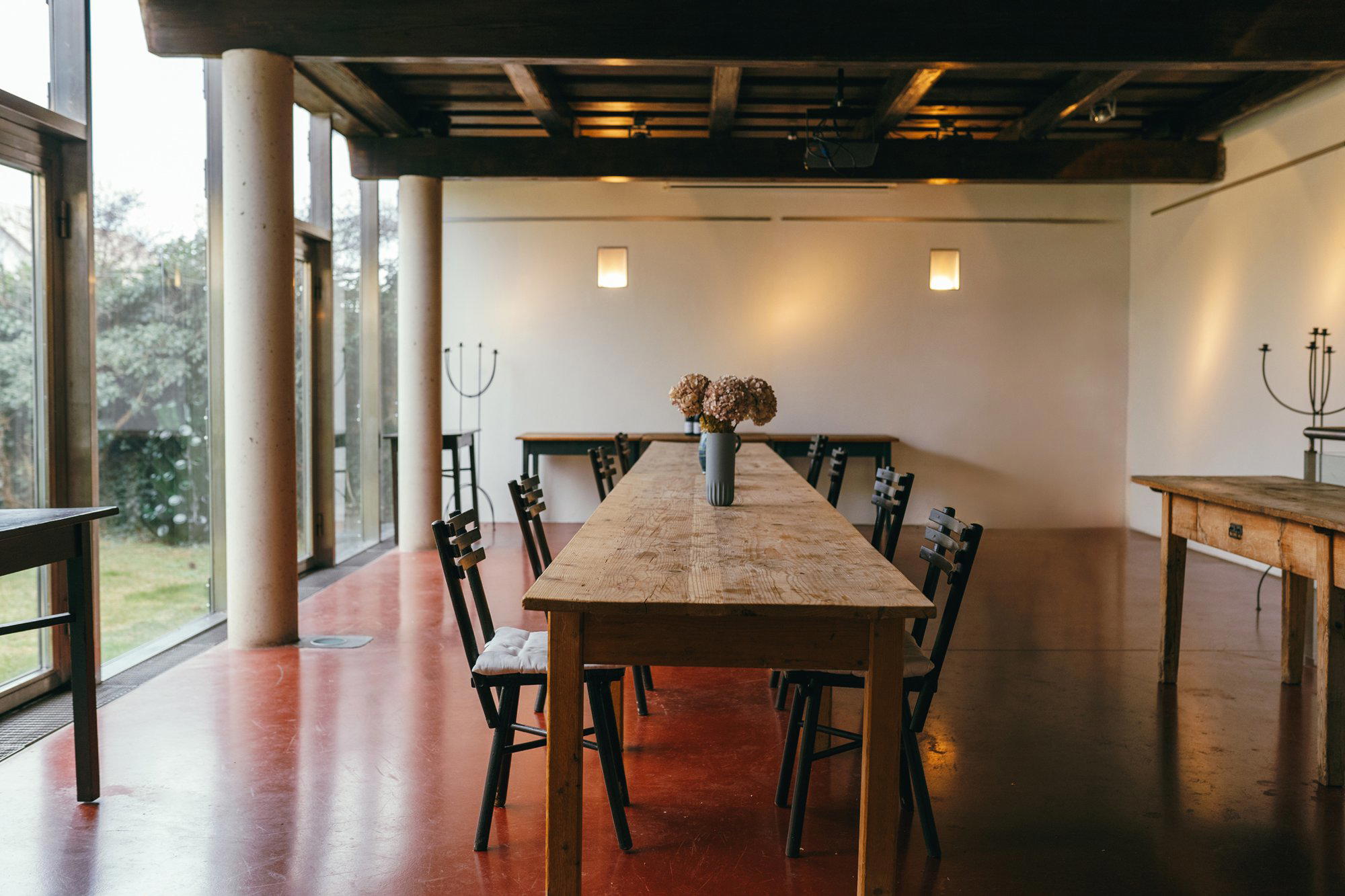
On Friedrichstraße, the urban context is instructive. The street sits between the Naschmarkt axis and the Ringstrasse, a zone where ground-floor retail and hospitality operate in the shadow of late-nineteenth-century residential and civic architecture. The typical room in this part of Vienna carries a certain physical weight, high ceilings, thick walls, windows that frame the street theatrically. Restaurants here tend to inherit rather than design their spaces, and how a kitchen responds to that inherited architecture says something about its ambitions.
The design logic of Vietnamese dining rooms in European cities often resists the inherited grandeur of their surroundings rather than accommodating it. The tradition rewards warmth over formality, communal circulation over compartmentalisation, and tactile materials over polished surfaces. Where Vienna's more prominent fine-dining addresses, Konstantin Filippou and Mraz & Sohn among them, have invested heavily in considered interior design as part of their offer, a neighbourhood Vietnamese restaurant on the same postcode operates from a different premise: the room serves the food, not the other way around.
That distinction matters for how you read the space. Seating arrangements in Vietnamese restaurants at this tier tend toward practicality, with tables positioned to handle varying group sizes and a rhythm of service that accommodates faster turnarounds than a tasting-menu room. The physical container at Friedrichstraße 2 sits in that tradition, even as the address itself suggests something more formal.
Vietnamese Cooking in the Austrian Capital
Austria's relationship with Asian cuisines is shaped partly by its Vietnamese-Austrian community, one of the more established in Central Europe, with roots tracing back to waves of immigration in the 1970s and 1980s. That history means Vietnamese food in Vienna is not a recent import but an embedded part of the city's everyday dining culture, present across districts from the second to the tenth, in formats ranging from market stalls to sit-down restaurants. The first district is a less typical address for this cuisine, which makes Vietthao's Friedrichstraße location a small editorial point about the direction the neighbourhood is moving.
Vietnamese cooking at its most useful in a European city context offers a counterweight to the richness that dominates Central European menus. The cuisine's structural reliance on fresh herbs, clean broths, and acid-bright condiments gives it a particular relevance in a city where pork fat and cream have historically provided the baseline. The contrast isn't a competition, it's a function of what different traditions offer at different moments in a meal calendar.
For context on what serious Vietnamese cooking can achieve at the summit of the category in a comparable Western city, Atomix in New York City demonstrates how Asian culinary traditions can be applied with the rigour and ambition of the highest fine-dining tier, even if Atomix works from a Korean rather than Vietnamese base. The principle transfers: precision sourcing and format discipline refine a tradition without erasing it.
Where Vietthao Sits in the Wider Picture
Vienna's fine-dining conversation concentrates heavily around Austrian and broader European creative cuisine. The restaurants that appear in international rankings and receive Michelin recognition, Doubek among the newer names, the established rooms like Steirereck at the senior end, operate within a framework of seasonal Austrian produce and European technique. That framework crowds out visibility for restaurants working in other traditions, regardless of their quality.
Austrian dining beyond Vienna follows a similar pattern, with recognised addresses across the country skewing heavily toward the Alpine and Viennese tradition: Döllerer in Golling an der Salzach, Obauer in Werfen, Ikarus in Salzburg, Gourmetrestaurant Tannenhof in Sankt Anton am Arlberg, Griggeler Stuba in Lech, Kräuterreich by Vitus Winkler in Sankt Veit im Pongau, Landhaus Bacher in Mautern an der Donau, Schwarzer Adler in Hall in Tirol, Ois in Neufelden, and Restaurant 141 by Joachim Jaud in Mieming. Against that backdrop, a Vietnamese restaurant in the first district operates outside the recognition infrastructure rather than within it. That is neither a criticism nor an endorsement, it is a structural observation about how the city's dining identity gets measured and where its blind spots tend to accumulate.
Know Before You Go
Side-by-Side Snapshot
Comparable venues nearby, for context on price, style, and recognition.
| Venue | Cuisine | Price | Notes |
|---|---|---|---|
| VietthaoThis venue — the venue you are viewing | Authentic Vietnamese | $$ | Not listed |
| Pho Ever | Authentic Vietnamese Pho | $$ | Hofburg |
| BanMi | Vietnamese Street Food | $$ | Josefstadt |
| Vietnam Bistro | Authentic Vietnamese Bistro | $$ | Margareten |
| le Pho | Vietnamese Pho | $$ | Mariahilf |
| Vevi Restaurant | Vegan Vietnamese | $$ | Neubau |
Continue exploring
More in Vienna
Restaurants in Vienna
Browse all →
Bars in Vienna
Browse all →
Hotels in Vienna
Browse all →
At a Glance
- Cozy
- Casual
- Casual Hangout
- Date Night
Current opening hours
- Monday
- Closed
- Tuesday
- 5–10:30 PM
- Wednesday
- 5–10:30 PM
- Thursday
- 5–10:30 PM
- Friday
- 5–10:30 PM
- Saturday
- 5–10:30 PM
- Sunday
- Closed
Hours can change for holidays and private events. Last verified .
Casual and welcoming family atmosphere with friendly service.