On Stubenbastei in Vienna's first district, Le Viet occupies a stretch of the Ringstrasse-adjacent inner city where Vietnamese cooking has quietly found a durable foothold. The address places it within walking distance of the Stadtpark and the dense concentration of fine-dining rooms that define contemporary Viennese gastronomy, offering a counterpoint to the city's dominant Austrian and modern European registers.
Pearl is the En Primeur Club membership app — saves, bookings, and concierge access live there. Same editors, same standards.
- Address
- Stubenbastei 12, 1010 Wien, Austria
- Phone
- +434315120218
- Website
- leviet.at
- Directions
- Get directions
 Saves & bookings on Pearl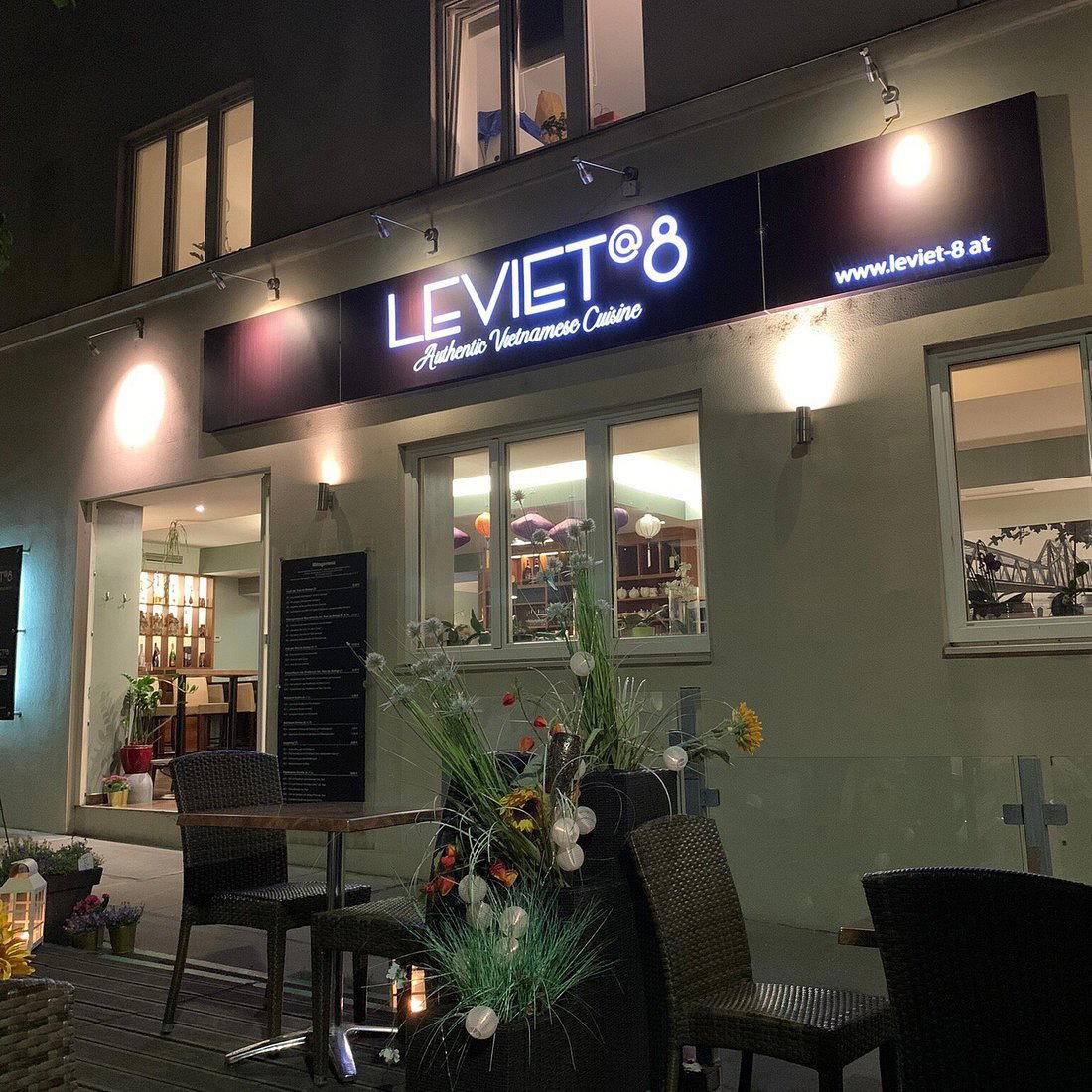
Vietnamese Cooking in a City Built on Austrian Tradition
Vienna's first district does not give ground easily. The streets fanning out from the Ringstrasse are lined with Baroque facades, grand hotel lobbies, and restaurants operating in the Austrian and modern European registers that have defined the city's fine-dining identity for decades. Rooms like Steirereck im Stadtpark, Amador, and Konstantin Filippou anchor the city's reputation as a serious European dining destination, and they set the competitive tone for everything operating within the same postal code. Against that backdrop, a Vietnamese kitchen on Stubenbastei 12 reads as a deliberate departure, a signal that the inner city's dining culture has broadened its frame of reference without abandoning its seriousness.
The presence of Southeast Asian cooking in central Vienna is less surprising than it might appear. Austria has maintained a Vietnamese community since the 1970s and 1980s, when waves of migration from Vietnam established a culinary infrastructure that has gradually shifted from suburban enclaves toward the city centre. What began as an immigrant food economy has, over several decades, developed into a more layered scene, with a handful of addresses demonstrating enough technical consistency and kitchen discipline to hold the attention of a dining public that also has access to Mraz and Sohn and Doubek.
The Address and What It Signals
Stubenbastei sits on the line where the old city fortification walls once ran, now a broad street connecting the Stadtpark end of the Ringstrasse to the Stubentor. The first district location is not incidental. Rents and expectations are both high here, and restaurants that survive on this stretch tend to do so because they have found a repeatable offer that the neighbourhood's residents, office workers, and tourists will return to. Le Viet's presence at number 12 suggests it has cleared that threshold, central Vienna does not sustain restaurants on novelty alone.
The broader pattern in Austrian fine dining remains heavily weighted toward the country's own culinary tradition, from the game and dairy-led kitchens of restaurants like Döllerer in Golling an der Salzach and Landhaus Bacher in Mautern an der Donau to the alpine-inflected menus at Gourmetrestaurant Tannenhof in Sankt Anton am Arlberg and Griggeler Stuba in Lech. Vietnamese cooking operates in a structurally different register: lighter stocks, fresh herb profiles, rice-based carbohydrates, and an emphasis on bright acidity rather than the reduction-led richness that characterises much Austrian and Central European cooking. That difference is precisely what gives Le Viet its function in the first district's dining ecosystem.
How Vietnamese Cooking Has Evolved in Vienna
The evolution of Vietnamese food in Vienna follows a trajectory visible in other northern and central European cities. The first generation of restaurants prioritised accessibility and volume: large menus, low price points, and an emphasis on satisfying a broad customer base quickly. Pho, spring rolls, and banh mi were the anchors, and the kitchens that made them well built loyal followings without requiring much critical infrastructure around them.
Second phase, which has been underway in Vienna for at least a decade, involves a smaller number of kitchens tightening their focus, shortening their menus, and operating with more attention to sourcing and technique. This is not distinctive to Vienna, comparable shifts have occurred in London, Amsterdam, and Berlin, where Vietnamese restaurants began competing for the same customer who might also book at a Korean tasting menu counter like Atomix in New York City or a French seafood room like Le Bernardin. The customer base for serious Asian cooking in European capitals has deepened, and the restaurants that have responded to that shift are now operating in a different competitive tier than their predecessors.
Le Viet's position on Stubenbastei places it within the city-centre bracket of this evolution. The first district address implies a price point and presentation standard that aligns with a customer expecting more than a casual pho stop.
What the Dining Room Offers the First District
In a city where the dominant evening-out narrative involves either the formal ritual of a tasting menu at rooms like Ikarus in Salzburg or Obauer in Werfen, or the relaxed familiarity of a Viennese Beisl, Vietnamese cooking occupies a useful middle ground. It is neither as ceremonially structured as an omakase or tasting menu, nor as rooted in local tradition as a schnitzel house. That positioning gives it a flexibility that dedicated fine-dining rooms do not have: it can absorb a business lunch, a casual dinner with friends, or a solo meal without the ritual weight that comes with booking a room that requires weeks of advance planning.
The Stubenbastei address is accessible on foot from the U3 and U4 lines, and the surrounding streets are well connected to the first district's hotel and office infrastructure. For visitors staying near the Stadtpark or the Ringstrasse hotels, the walk is direct and short. For Vienna residents, it is on the right side of the city for anyone coming from the third or fourth district.
Planning Your Visit
First-district Vietnamese restaurants at this address tier tend to run at higher weekday occupancy than their outer-district equivalents, particularly around the lunch hour and in the early evening dinner window. Weekend evenings in the inner city often fill faster than visitors expect. Arriving with a reservation, or at minimum arriving early in the service, is the lower-risk approach.
Awards and Standing
Comparable venues nearby, for context on price, style, and recognition.
| Venue | Cuisine | Price | Notes |
|---|---|---|---|
| Le vietThis venue — the venue you are viewing | Vietnamese | $$ | Not listed |
| Nams | Vietnamese | $$ | Alsergrund |
| Pho Linh | Authentic Vietnamese | $$ | Innere Stadt |
| Vietnam Bistro | Authentic Vietnamese Bistro | $$ | Margareten |
| le Pho | Vietnamese Pho | $$ | Mariahilf |
| Veggiezz | Vegan Fast Food | $$ | Stephansdom |
Continue exploring
More in Vienna
Restaurants in Vienna
Browse all →
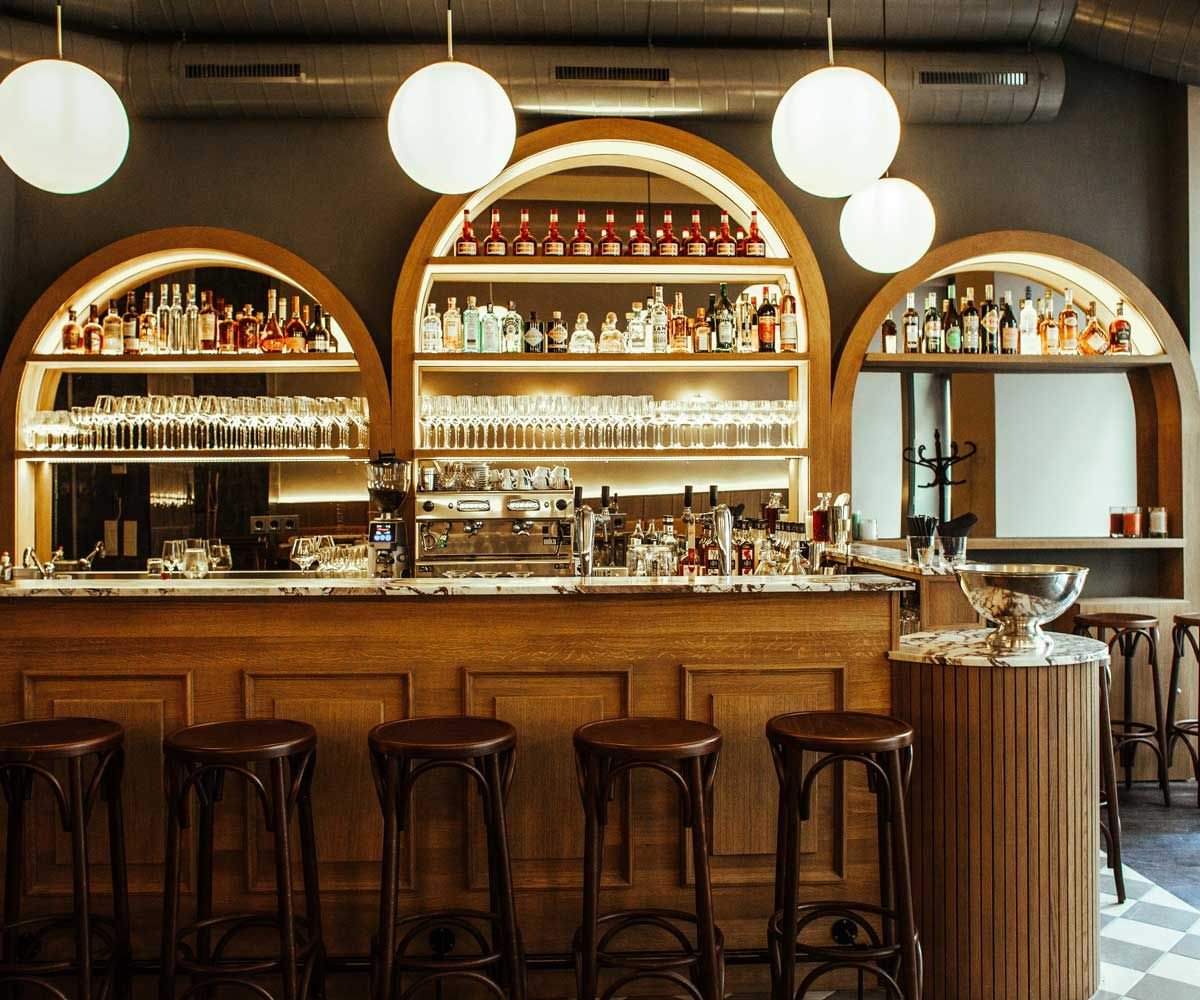
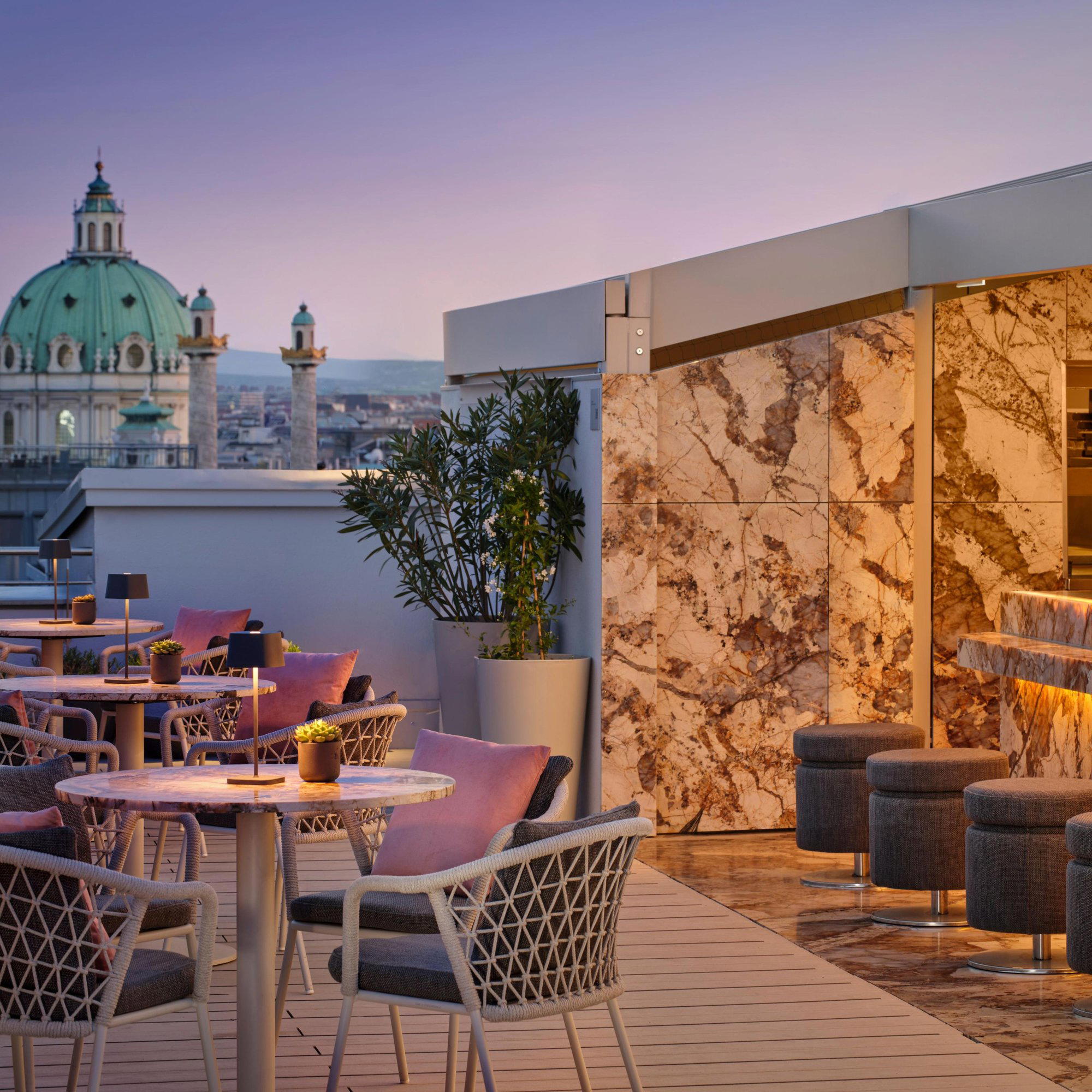
Bars in Vienna
Browse all →
Hotels in Vienna
Browse all →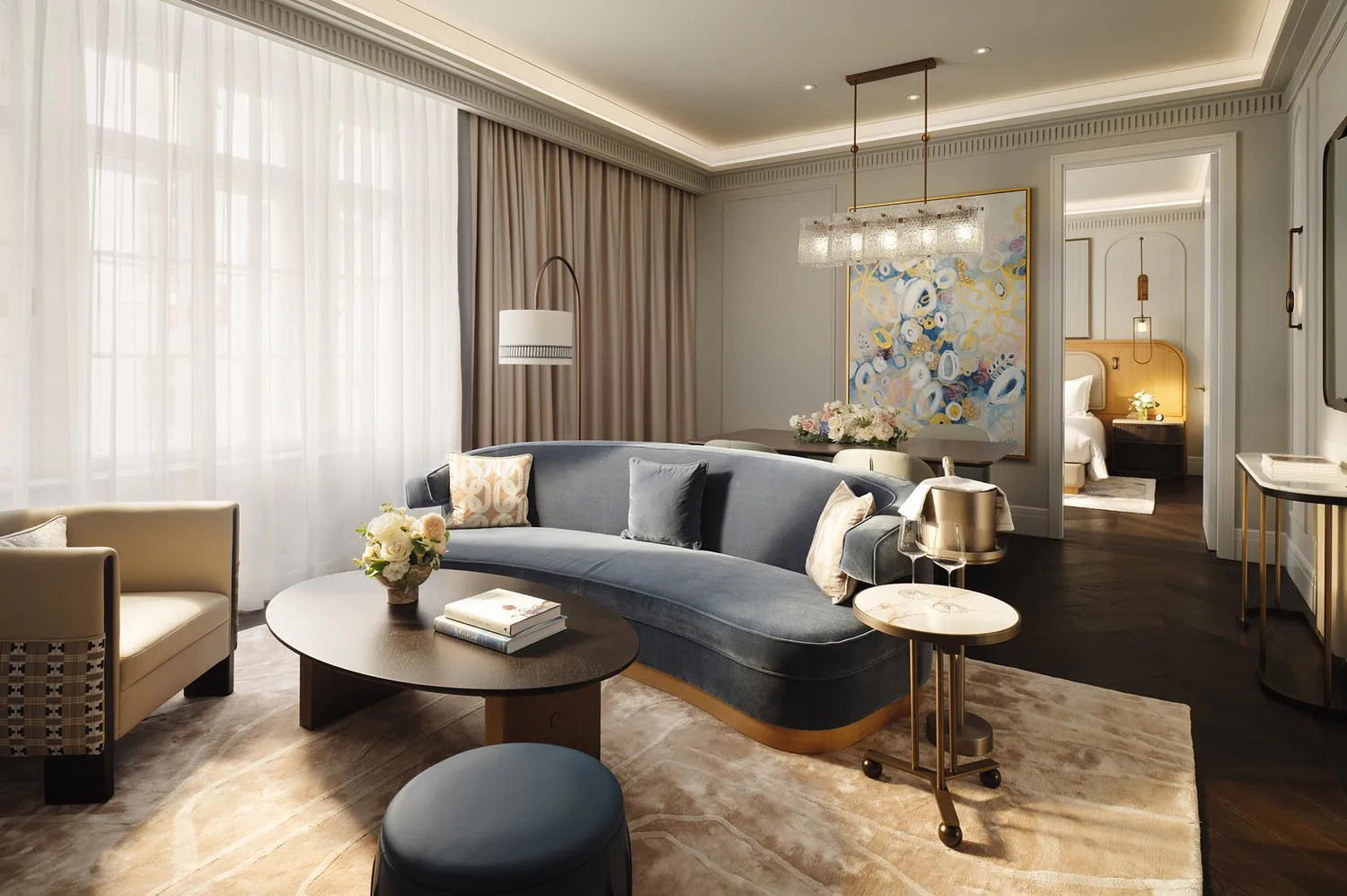
At a Glance
- Cozy
- Romantic
- Date Night
- Casual Hangout
- Open Kitchen
Current opening hours
- Monday
- 12–3 PM, 5:30–10:30 PM
- Tuesday
- 12–3 PM, 5:30–10:30 PM
- Wednesday
- 12–3 PM, 5:30–10:30 PM
- Thursday
- 12–3 PM, 5:30–10:30 PM
- Friday
- 12–3 PM, 5:30–10:30 PM
- Saturday
- 12–3 PM, 5:30–10:30 PM
- Sunday
- Closed
Hours can change for holidays and private events. Last verified .
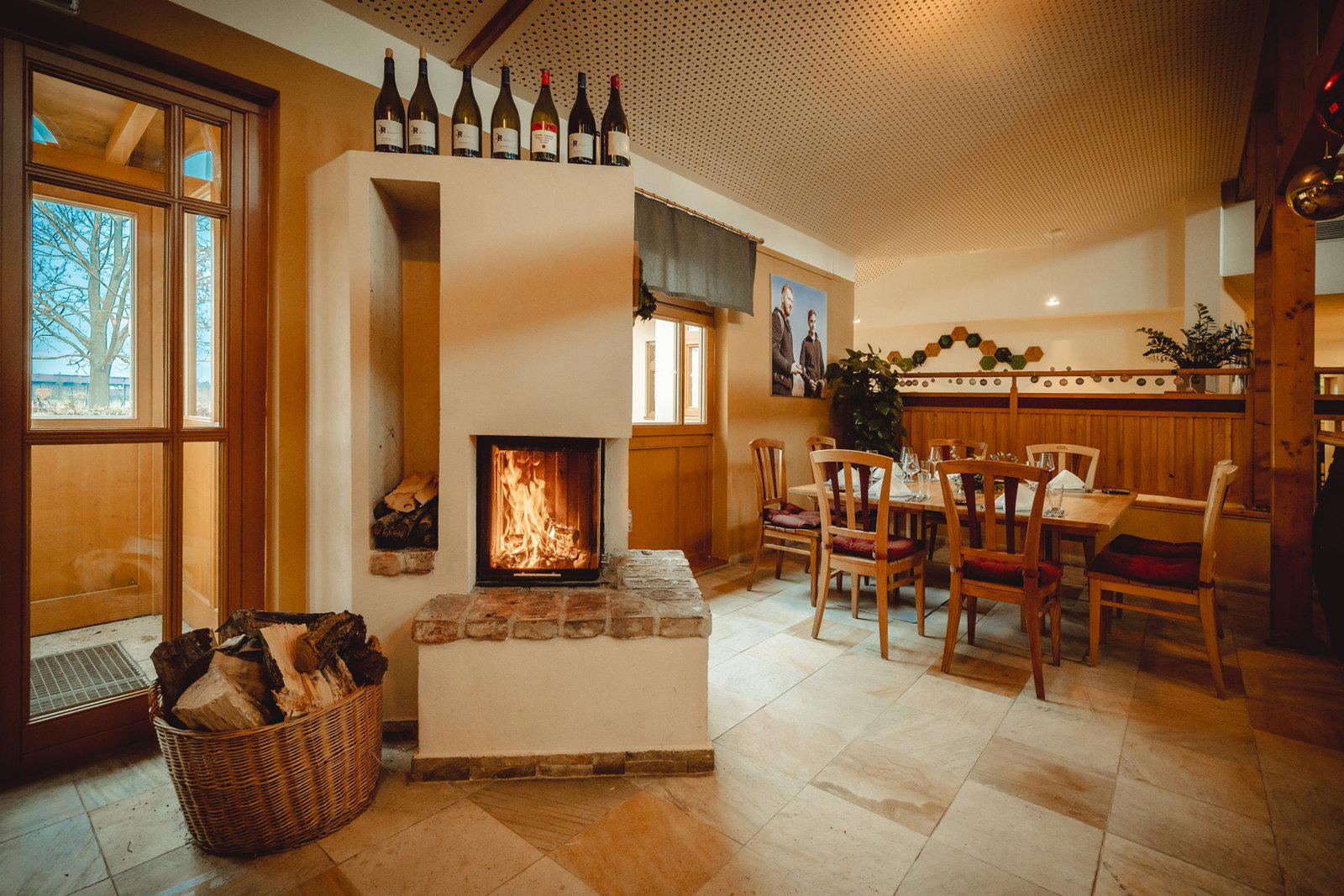
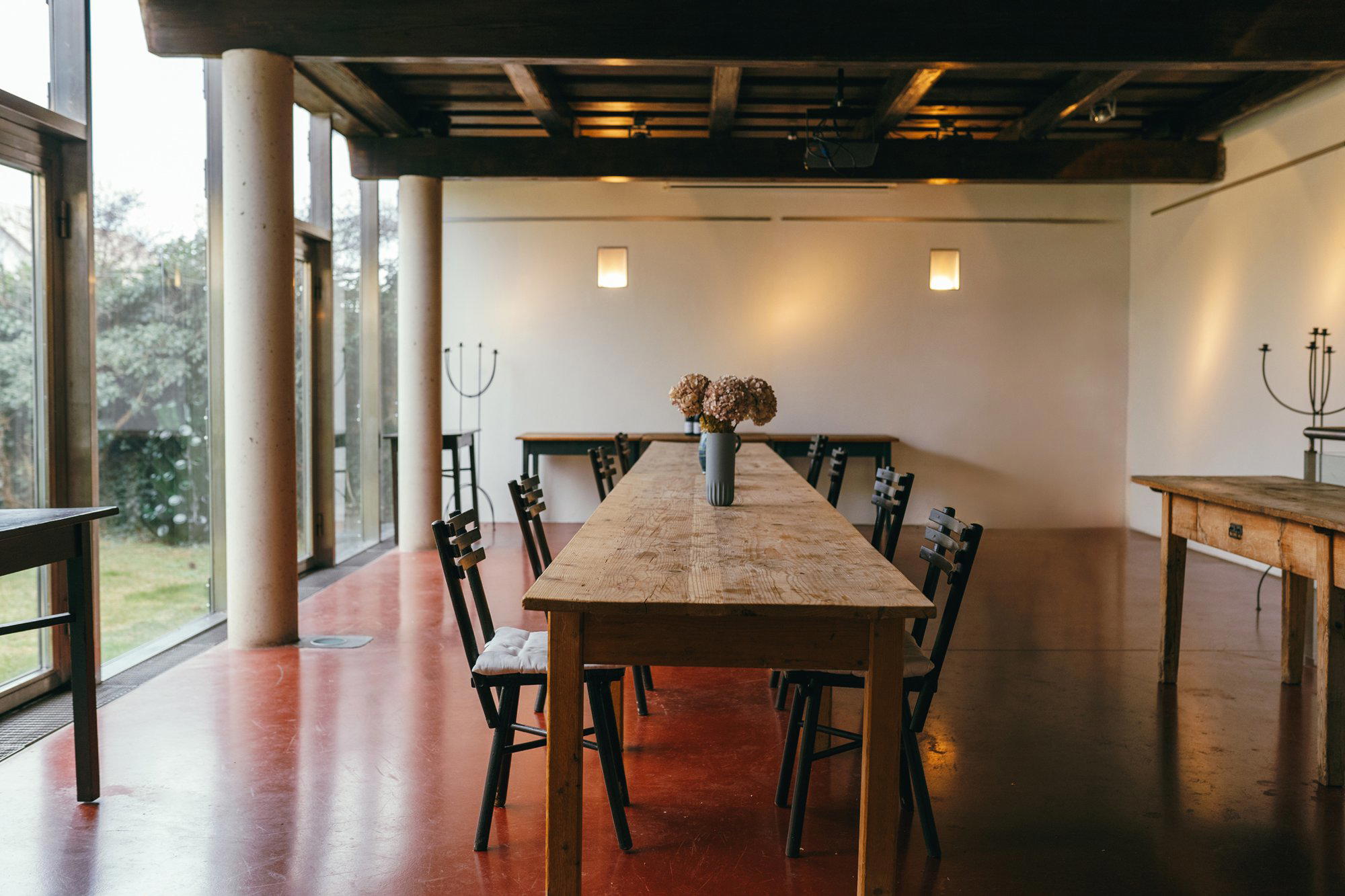
Cozy and relaxing with an appealing, romantic atmosphere and open kitchen.