Our verdict
Chakki sits in Ratchathewi, a Bangkok district where working-neighbourhood rhythms persist despite the city's relentless push toward polished dining precincts. The address on Soi Watthanayothin places it at some remove from the Sukhumvit and Silom corridors that dominate international coverage, and that distance is part of what defines it. Seek it out if you want a read on how Bangkok dining operates away from the award-circuit spotlight.

Pearl is the En Primeur Club membership app — saves, bookings, and concierge access live there. Same editors, same standards.
- Address
- 1 35-36 Soi Watthanayothin, Thanon Phaya Thai, Ratchathewi, Bangkok 10400, Thailand
- Phone
- +6622450849
- Hours
- Mon–Tue ClosedWed 11 AM–3 PMThu–Sun Closed
- Directions
- Get directions
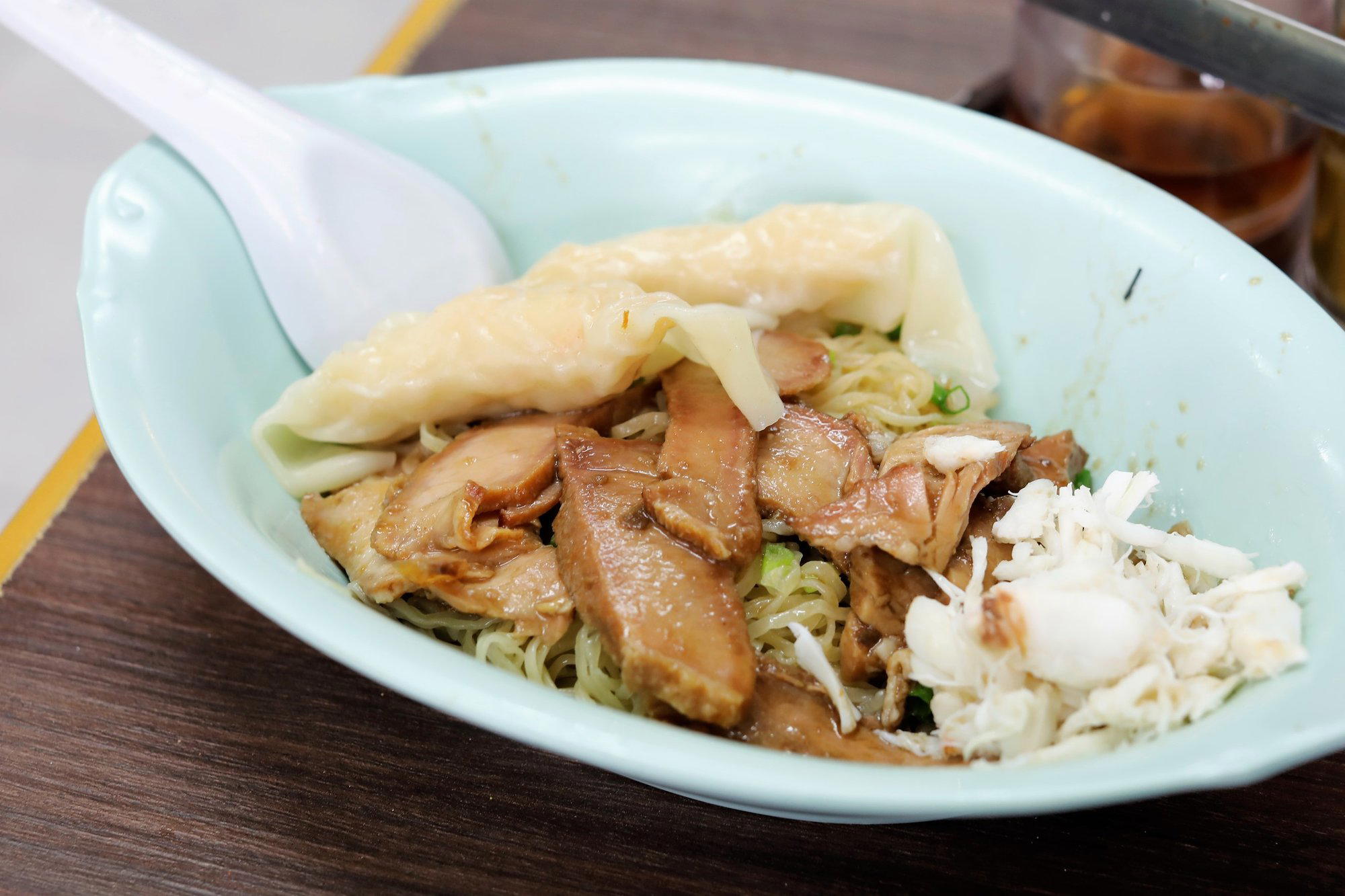
The menu
What to order
- Rad Na (crispy noodles with beef gravy)
- Fried Wontons
Off the Award Circuit, Inside the City
Bangkok's dining conversation is shaped disproportionately by a small cluster of addresses. Restaurants like Sorn (Southern Thai), Baan Tepa (Thai contemporary), and Sühring (German) occupy the tier that earns Michelin stars and 50 Best votes, and those venues command the majority of international attention. That concentration of scrutiny leaves much of the city's actual eating life under-documented. Chakki, on Soi Watthanayothin in Ratchathewi, belongs to that under-documented layer. Its address is neither in the polished corridors of Sukhumvit nor the historic lanes of the old city. It sits in a Bangkok that most arriving visitors pass through on the way to somewhere else, which is precisely why it warrants attention now.
Ratchathewi as a Dining District
Ratchathewi is a transitional zone by Bangkok geography: south of Chatuchak, north of Pathumwan, and crossed by the BTS Skytrain lines that connect the airport rail link to the central shopping belt. The district is not marketed as a dining destination the way Thonglor or Ekkamai have been, and for that reason it retains a density of neighbourhood-oriented restaurants that have not had to calibrate themselves to international palates or hotel concierge traffic. Restaurants here price against local competition rather than tourist tolerance, and their evolution has been driven by returning regulars rather than rotating visitors. That dynamic produces a different kind of restaurant. Chakki operates within this context, and understanding the district helps explain the format and pace one encounters there.
For comparison, consider how Southern Thailand's ingredient-driven cooking is represented at the award-circuit level by Sorn, or how modern Indian technique finds formal expression at Gaa (Modern Indian, Indian). Both operate at the ฿฿฿฿ tier in curated neighbourhoods and are structured around the machinery of international recognition. Chakki's trajectory, by contrast, has been shaped by a different set of pressures — the kind that come from a local catchment rather than a global one.
The Shape of Evolution at a Neighbourhood Address
Restaurants that survive and develop in non-tourist Bangkok districts do so through iteration, not reinvention. The changes tend to be gradual: a dish that gets refined across dozens of repetitions rather than relaunched with a new menu season, a sourcing relationship that deepens over years because a supplier lives two streets away. This is a different mode of evolution than what drives the tasting-menu restaurants on the international circuit, where pivots are often announced and documented. At addresses like Chakki's, change is legible to the regulars who have been coming since the beginning, and largely invisible to the first-time visitor who has no baseline for comparison.
This matters because it affects what the restaurant is now. The current version of a long-running neighbourhood address in Ratchathewi is the product of accumulated adjustments, not a designed concept. That can mean rough edges, but it can also mean a kind of confidence and specificity that concept-driven restaurants take years to earn. Thailand's regional dining culture rewards this kind of tenure. Venues like Ayutthayarom in Phra Nakhon Si Ayutthaya and Baan Heng in Khon Kaen demonstrate how deep local roots produce restaurants that operate with authority in their regional idiom. The same principle applies in Bangkok's working districts.
What the Address Tells You About the Format
Soi Watthanayothin runs off Thanon Phaya Thai in a section of Ratchathewi where shophouses and low-rise buildings give way to residential lanes. This is not a strip designed for foot traffic; it requires intent to arrive. Restaurants that survive on streets like this do so because their regulars make a specific decision to return, not because they capture passing trade. That self-selection shapes both the clientele and the kitchen's relationship to them. The absence of a website and phone number in the public record is consistent with an operation that fills through word of mouth and repeat visits rather than OTA listings or social-media discovery funnels.
For visitors arriving from outside Bangkok, the practical approach is to treat the area as a half-day or evening destination combined with other Ratchathewi or Phaya Thai stops. The BTS station at Phaya Thai is walkable, and the area has enough adjacent dining and street-food options to make the journey worthwhile regardless of Chakki's operating status on any given day. Confirmation of hours before visiting is advisable; neighbourhood restaurants in this district have not always maintained consistent digital presence.
Placing Chakki in the Broader Thailand Dining Map
Bangkok absorbs the majority of international dining attention in Thailand, but the country's most interesting neighbourhood-level cooking is distributed across its regions. PRU in Phuket and Anuwat in Phang Nga represent the premium end of provincial Thai dining, while Baan Chik Pork Noodles in Udon Thani and Banmai Chay Nam in Nakhon Ratchasima show what committed single-dish or regional-format cooking looks like outside the capital. Baan Suan Lung Khai in Ko Samui and Banrimbung in Nakhon Pathom occupy a similar position in their respective geographies.
Within Bangkok itself, the contrast between the Michelin-tracked tier and the neighbourhood tier is worth holding in mind. Côte by Mauro Colagreco (Mediterranean, Modern Cuisine) and Gaa represent what the international-facing end of Bangkok dining now looks like: imported pedigree, formal structure, global-standard pricing. Chakki represents something else — a restaurant whose identity has been formed by the city itself, without the scaffolding of international recognition. Both have their place in a complete read of what Bangkok eats. Our full Bangkok restaurants guide maps the range from neighbourhood addresses to the award-circuit tier.
For those building a broader Thailand itinerary around restaurants that exist outside the mainstream coverage, AKKEE in Pak Kret and The Spa in Lamai Beach occupy analogous positions in their own districts. The principle is consistent: the most locally specific cooking in Thailand is rarely found where the cameras are pointing.
Internationally, the model of high-intent neighbourhood dining that resists easy categorisation has parallels. Le Bernardin in New York City and Lazy Bear in San Francisco illustrate how different cities produce different institutional characters over time, each shaped by its specific local context as much as any formal intention.
Planning a Visit
Chakki is at 35-36 Soi Watthanayothin, Thanon Phaya Thai, Ratchathewi, Bangkok 10400. The nearest BTS station is Phaya Thai, which also connects to the Airport Rail Link, making the address accessible from Suvarnabhumi without a taxi. First-time visitors would do well to arrive with flexible timing and treat any wait as an opportunity to read the neighbourhood rather than an inconvenience.
Frequently asked questions
Where exactly is Chakki?
Chakki is located at 1 35-36 Soi Watthanayothin, Thanon Phaya Thai, Ratchathewi, Bangkok 10400, Thailand, Bangkok.
How does Chakki compare to Bangkok's award-recognised restaurants?
Chakki holds no documented Michelin, Asia's 50 Best, or equivalent award-circuit recognition in the available public record, which places it in a different category from addresses like Sorn or Baan Tepa that anchor Bangkok's international dining conversation. A restaurant at 35-36 Soi Watthanayothin, Ratchathewi develops its reputation through the local Bangkok dining community rather than international critic cycles — a different kind of durability, though harder to verify from outside the neighbourhood.
What do regulars order at Chakki?
Dish-level records for Chakki are not in the public domain, so naming specific orders with confidence is not possible here. What the address in Ratchathewi does signal is a restaurant developed for a local Bangkok clientele rather than an international dining circuit — the kind of menu that tends to evolve through repeat custom rather than seasonal press cycles. Visiting without a fixed agenda and asking what's moving that day is the more reliable approach.
Is Chakki reservation-only?
No booking method appears in Chakki's public record — no phone number or website is listed. Bangkok's neighbourhood-tier restaurants in districts like Ratchathewi frequently operate on a walk-in basis, though that can shift during peak local dining hours. Arriving early or outside the main lunch and dinner windows is the practical hedge until confirmed booking details become available.
Where the Accolades Land
| Venue | Cuisine | Price | Awards | Notes |
|---|---|---|---|---|
| ChakkiThis venue — the venue you are viewing | Traditional Cantonese Noodles | $10–20 | Not listed | Not listed |
| Sorn | Fine Southern Thai | $200–300 | 3 Michelin Stars · World's 50 Best #12 | Southern Thai, ฿฿฿฿ |
| Baan Tepa | Creative Thai Fine Dining | $150–200 | 2 Michelin Stars · World's 50 Best #53 | Thai contemporary, ฿฿฿฿ |
| Côte by Mauro Colagreco | Riviera Mediterranean Fine Dining | $200–300 | 2 Michelin Stars · World's 50 Best #91 | Mediterranean, Modern Cuisine, ฿฿฿฿ |
| Gaa | Modern Indian Fine Dining with Thai Influences | $150–200 | 2 Michelin Stars · World's 50 Best #95 | Modern Indian, Indian, ฿฿฿฿ |
| Sühring | Modern German Fine Dining | $200–300 | 3 Michelin Stars · World's 50 Best #18 | German, ฿฿฿฿ |
Details
- Cozy
- Casual
- Casual Hangout
- Standalone
- A La Carte
Current opening hours
- Monday
- Closed
- Tuesday
- Closed
- Wednesday
- 11 AM–3 PM
- Thursday
- Closed
- Friday
- Closed
- Saturday
- Closed
- Sunday
- Closed
Hours can change for holidays and private events. Last verified .
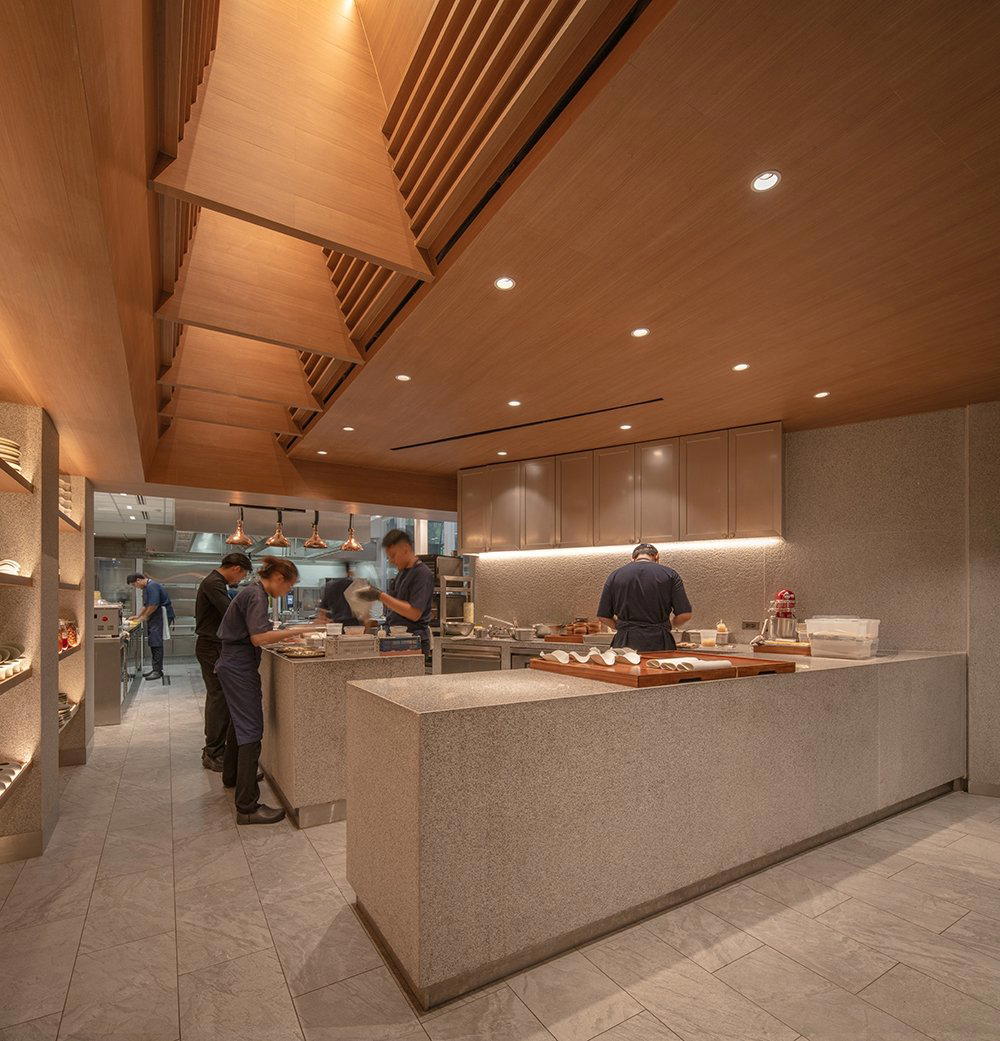
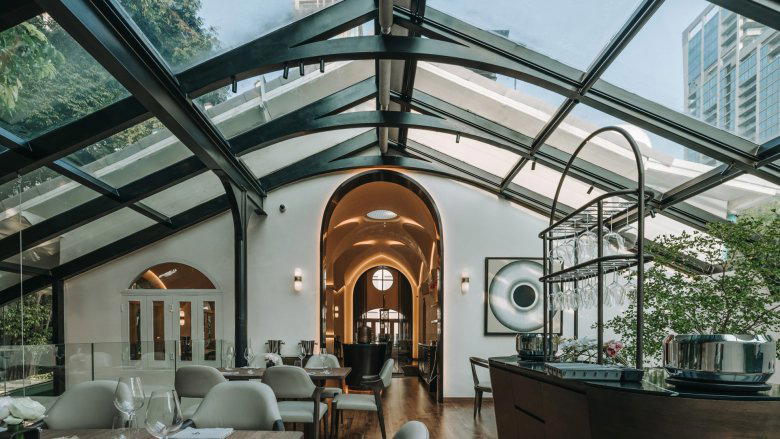
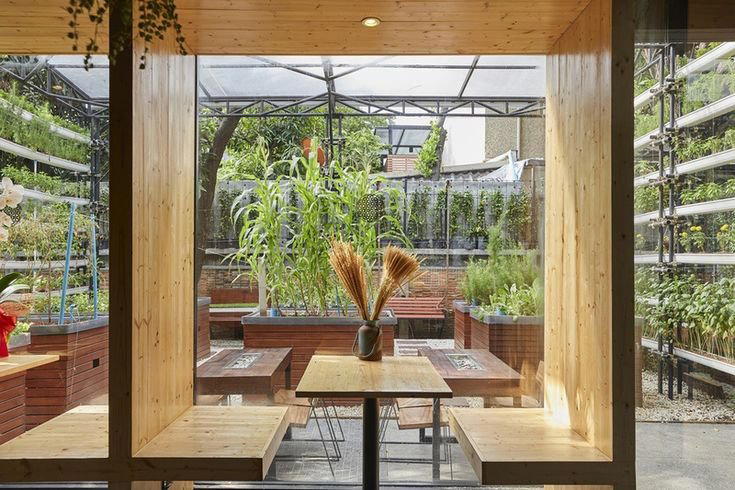
Relaxed and welcoming street-side atmosphere without air conditioning, reflecting local culture.