Our verdict
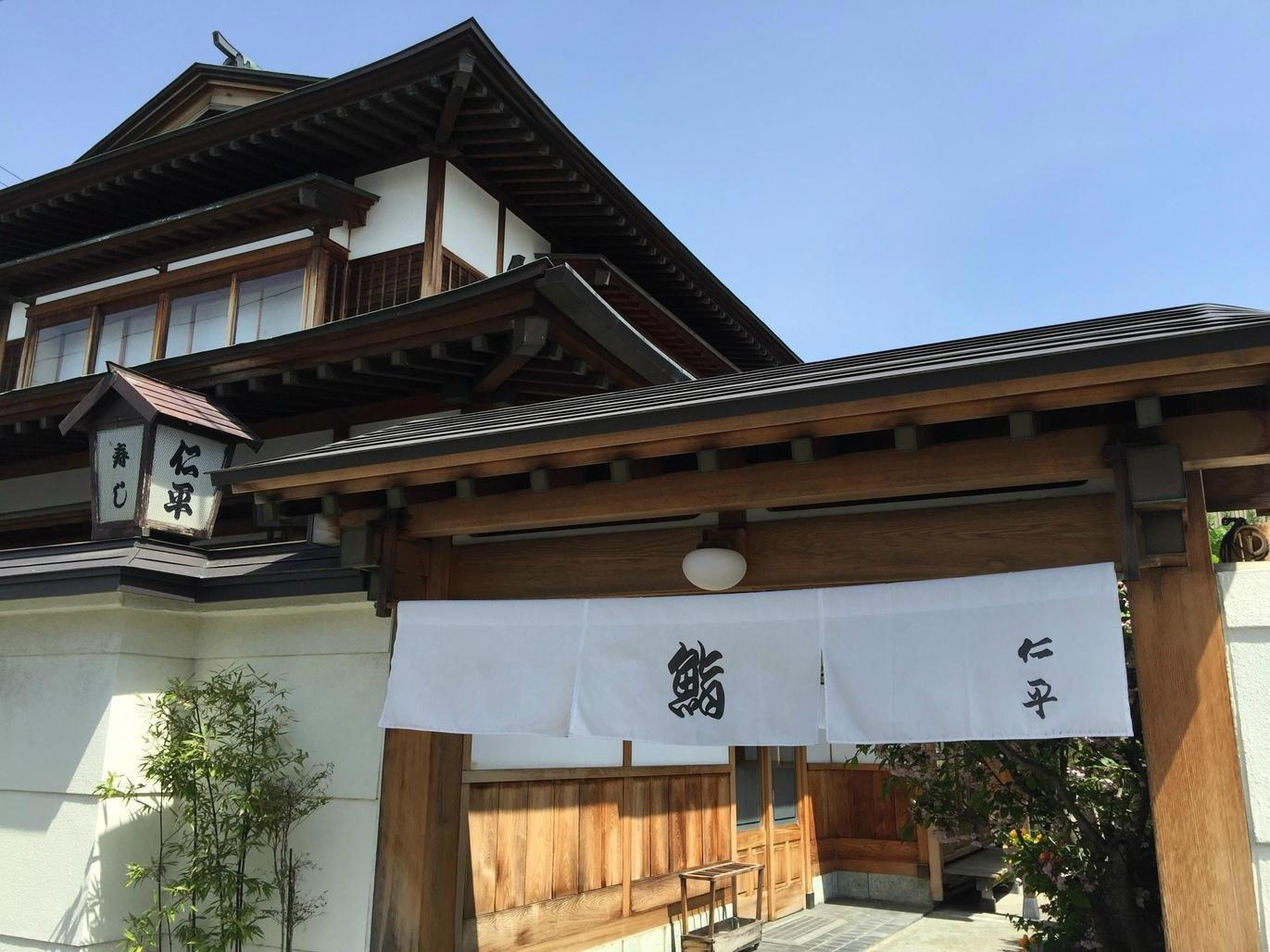
Located on a quiet street in Hirosaki, Aomori prefecture, é½ operates in one of Japan's most compelling ingredient regions, where apple orchards, cold-sea fisheries, and mountain-foraged produce define the local larder. The restaurant sits within a dining scene that punches above its city size, drawing parallels to the producer-driven focus that marks Japan's most serious regional tables.

Pearl is the En Primeur Club membership app, where members save venues, book tables and use the concierge.
The menu
What to order
- Seasonal omakase
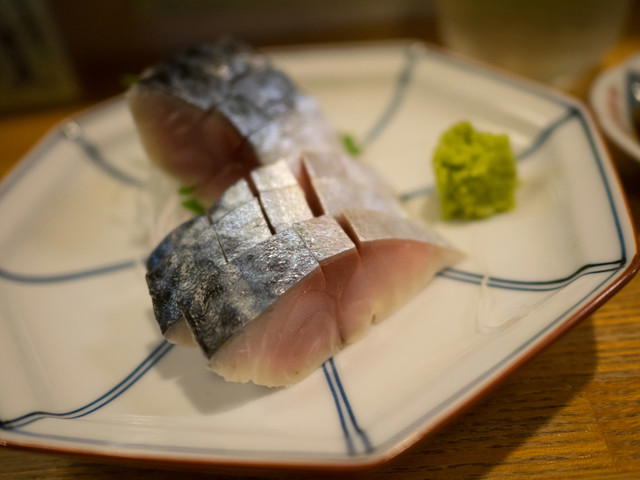
- Local Aomori seafood selections
Aomori's Larder, Served in Hirosaki
Hirosaki is not where most visitors to Japan think to eat seriously. That is a miscalculation. Aomori prefecture occupies the northernmost tip of Honshu, where the cold waters of the Tsugaru Strait produce scallops, sea urchin, and flatfish of a quality that Tokyo's high-end restaurants actively source. Inland, the Tsugaru plain, which surrounds Hirosaki, is Japan's most productive apple-growing region, responsible for roughly sixty percent of the country's total apple output. That agricultural and maritime abundance gives chefs here access to a larder that few urban kitchens can replicate, regardless of budget. é½, located at 36-3 Kitakawabatacho in the Kitakawabata district, sits inside this supply chain rather than adjacent to it.
This matters because ingredient proximity changes what a kitchen can do. In the same way that Goh in Fukuoka draws on Kyushu's marine depth, or akordu in Nara threads its menus through the Yamato region's ancient agricultural identity, é½ operates within a specific geographical proposition. Hirosaki's dining scene has grown quietly around this premise: that serious cooking in Tohoku is not a lesser version of what happens in Osaka or Kyoto, but a regionally distinct argument made through different produce.
The Kitakawabata District and Its Context
Kitakawabata sits along one of Hirosaki's older riverside corridors, a neighbourhood that retains a domestic, low-key character distinct from the castle district's tourist concentration. Restaurants here tend to serve local clientele rather than transient visitors, which pressures menus to reflect what is actually available and what regulars will return for season after season. That local anchoring is a useful corrective to the kind of menu drift that affects restaurants in high-traffic tourist zones, where crowd-pleasing substitutes for regional specificity.
Hirosaki as a city operates at a scale, roughly 170,000 residents, that sits between a major urban centre and a rural town. That middle scale is actually productive for serious dining: large enough to support ingredient supply networks and a professional kitchen workforce, small enough that chef-producer relationships stay direct. The same dynamic operates at affetto akita in Akita and Ajidocoro in Yubari District, two other Tohoku and Hokkaido-adjacent restaurants where mid-sized city constraints actually sharpen a kitchen's sourcing focus.
What Regional Sourcing Means at This Level
Aomori's ingredient calendar is compressed and intense. Spring brings warabi ferns and butterbur shoots from the slopes around Mount Iwaki. Summer opens the Mutsu Bay fishery, one of the most productive scallop grounds in Japan, alongside the prefecture's distinctive heirloom apple varieties that begin appearing in early autumn. Winter, which in Hirosaki arrives with genuine severity, produces the snowmelt-fed vegetables and cold-aged root crops that Tohoku cuisine has built its identity around for generations.
A kitchen committed to working with this cycle cannot fake it with substitutes. The seasons arrive abruptly and the sourcing windows are narrow. This is the kind of cooking discipline that Gion Sasaki in Kyoto and HAJIME in Osaka operate at the top of their respective registers: menus that are essentially a direct transcript of what the surrounding region produces at a given moment. In Hirosaki, that approach is possible without the institutional weight of Kyoto or the marketing infrastructure of Osaka, which means the cooking tends to be quieter and more private in character.
For context on how Tohoku fits within Japan's broader serious-dining conversation, the prefecture model here echoes what happens at Amaki in Aichi or aki nagao in Sapporo: regional kitchens that have built credible programs around what their specific geography provides, rather than importing a metropolitan template and applying it locally.
Hirosaki's Wider Restaurant Scene
The city supports a modest but genuine range of serious eating. Il Filo and オステリア・エノテカ・ダ・サスィーノ represent a strand of Hirosaki dining that translates local ingredients through a European lens, a common move in Japanese regional cities where Italian and French frameworks have proved useful for articulating local produce in a contemporary idiom. é½ addresses a different register of that conversation. For anyone building a serious itinerary around Tohoku, our full Hirosaki restaurants guide maps the broader scene with neighbourhood-level specificity.
The city's dining geography rewards some planning. Hirosaki is accessible from Tokyo via the Tohoku Shinkansen to Shin-Aomori, then a limited express train westward to Hirosaki Station, a journey of roughly three and a half to four hours in total. The Kitakawabata district is walkable from the central station, making logistics direct for visitors arriving from the rail network.
How é½ Sits Relative to Japan's Regional Fine Dining
Japan's regional fine dining has expanded considerably over the past decade. The Michelin Guide has extended coverage beyond Tokyo, Osaka, and Kyoto into prefectures including Hokkaido, Hiroshima, and Fukuoka, validating what local food writers had noted for years: that serious cooking exists at scale outside the major urban centres. The Tohoku region remains less covered by formal award infrastructure than southwestern Japan, which means restaurants like é½ operate in a zone where reputation travels primarily through word of mouth, specialist media, and the referral networks of the dining community rather than through guide rankings.
That positioning is not a disadvantage for the kitchen, but it does require more effort from the traveller. Comparable situations arise at Aji Arai in Oita, Akakichi in Imabari, and Amegen in Saga, all restaurants in prefectures where the formal recognition infrastructure is thinner but the cooking quality has attracted serious attention nonetheless. The comparison set for é½ is not the Ginza omakase corridor or the kaiseki rooms of Kyoto's Gion, but the quieter tier of Japanese regional restaurants that reward visitors who research beyond the standard itinerary. Harutaka in Tokyo, Abon in Ashiya, and Le Bernardin in New York City represent the formalised, heavily-documented end of a spectrum; é½ occupies a less documented position that may appeal precisely because of that.
For visitors whose reference points are the tightly scripted tasting formats of Lazy Bear in San Francisco, a Tohoku regional restaurant offers a different kind of rigour: less theatrical, more rooted in the specific geography outside its door.
Planning Your Visit
Given the restaurant's location in a residential neighbourhood corridor rather than a tourist district, and given the norms of serious Japanese regional dining at this level, visitors are advised to research current booking conditions through local Japanese-language platforms or the Hirosaki City tourism resources before travel. The Kitakawabata address places the restaurant in a walkable zone from Hirosaki Station, and the area is leading explored on foot. Visits to Hirosaki align well with the Neputa Festival in early August and the cherry blossom season in late April and early May, both of which generate significant demand for accommodation and restaurant bookings across the city.
Frequently asked questions
Does é½ work for a family meal?
é½ is located at 36-3 Kitakawabatacho in Hirosaki, a quiet residential-feeling riverside corridor. The setting's low-key character suggests an intimate format rather than a casual family dining room. Families with older children who appreciate focused, ingredient-led cooking are better placed here than those looking for a relaxed, flexible dinner.
Where exactly is é½?
é½ is located at 36-3 Kitakawabatacho, Hirosaki, Aomori 036-8194, Japan, Hirosaki.
Is é½ reservation-only?
Reservations are recommended for é½ in Hirosaki. Confirm current policy via the venue's official channels.
What should I expect atmosphere-wise at é½?
Kitakawabata is one of Hirosaki's older riverside corridors, domestic and unhurried in character. é½ at 36-3 Kitakawabatacho sits within that grain, so expect an environment shaped by the neighbourhood rather than designed for spectacle. The surrounding streets have none of the density of a city dining district, which tends to concentrate attention on the plate.
| Venue | Cuisine | Price | Awards | Notes |
|---|---|---|---|---|
| é½This venue (the venue you are viewing) | Omakase Sushi | $50–100 | Not listed | Not listed |
| HAJIME | Avant-Garde Japanese Fine Dining | $300–500 | 3 Michelin Stars · World's 50 Best #83 | French, Innovative |
| Harutaka | Edo-Style Omakase Sushi | $200–300 | 3 Michelin Stars · World's 50 Best #76 | Sushi |
| L'Effervescence | Modern French with Japanese Influences | $200–300 | 3 Michelin Stars · World's 50 Best #69 | French |
| RyuGin | Modern Kaiseki | $500+ | 3 Michelin Stars · World's 50 Best #41 | Kaiseki, Japanese |
| Crony | Modern French with Japanese Influences | $150–200 | 2 Michelin Stars · World's 50 Best #34 | Innovative, French |
Continue exploring
More in Hirosaki
Restaurants in Hirosaki
All restaurants in Hirosaki →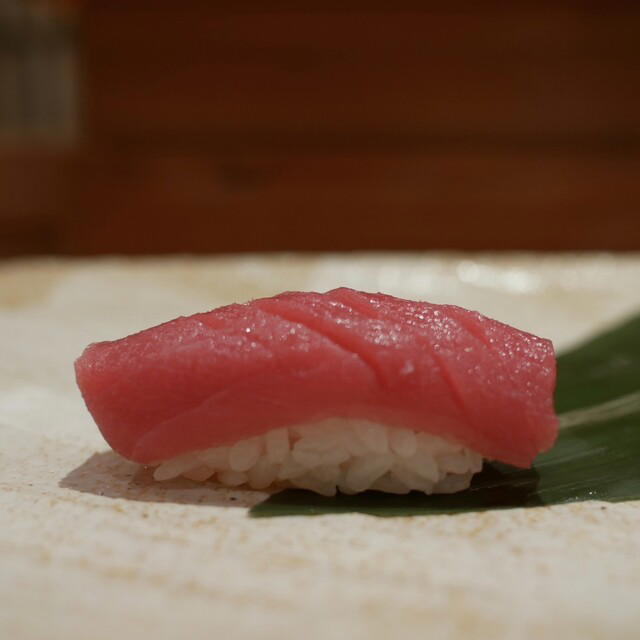
Bars in Hirosaki
All bars in Hirosaki →
Details
- Elegant
- Intimate
- Modern
- Quiet
- Date Night
- Special Occasion
- Business Dinner
- Chefs Counter
- Open Kitchen
- Sake Program
- Local Sourcing
- Omakase
- Counter Dining
- Sake
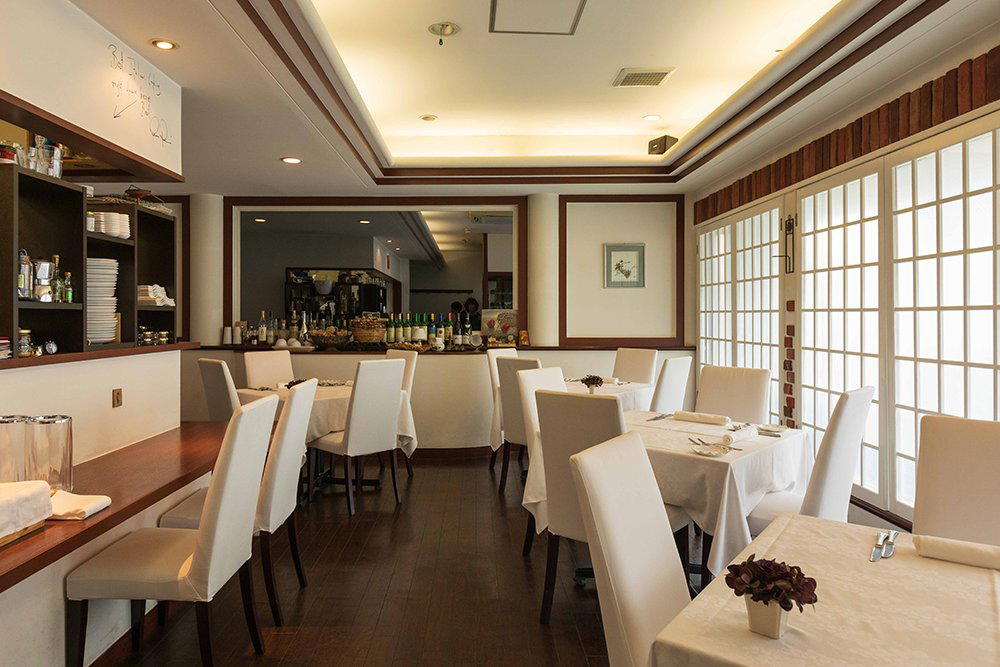
Minimalist, serene atmosphere with soft lighting and a focus on the chef's counter interaction; refined and contemplative dining environment.