Our verdict
Il Filo occupies a second-floor address on Dotemachi in Hirosaki, a city better known for its castle and apple orchards than its restaurant scene. The setting places it inside a quieter tier of Japanese regional dining, where ingredient provenance and local agricultural identity carry more weight than urban spectacle. For visitors already planning time in Aomori Prefecture, it warrants attention alongside the broader Hirosaki dining circuit.

Pearl is the En Primeur Club membership app, where members save venues, book tables and use the concierge.
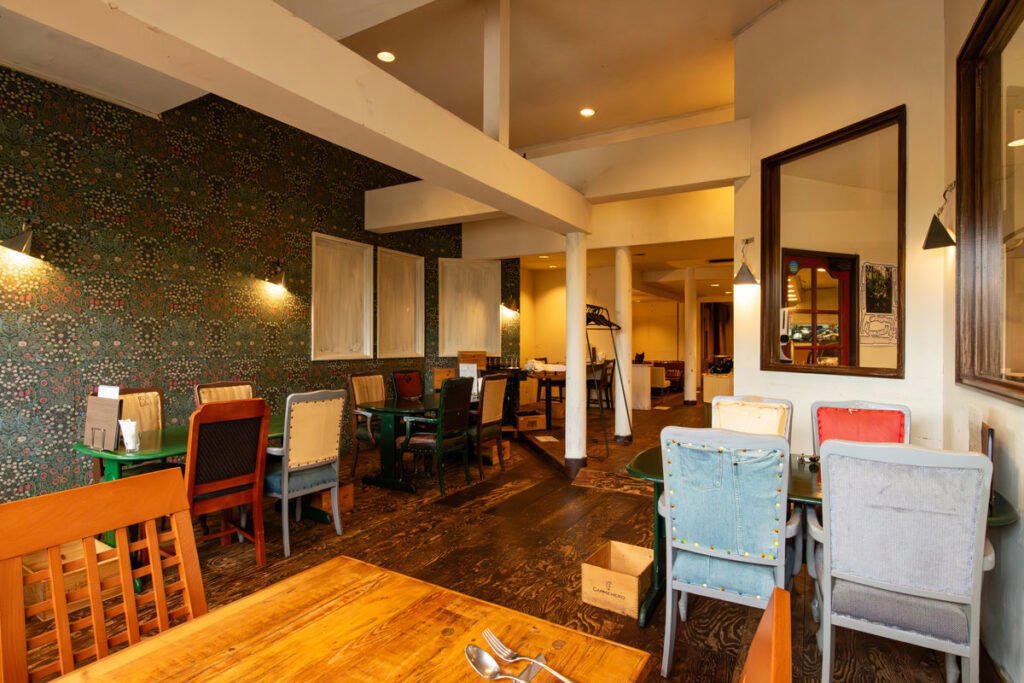
The menu
What to order
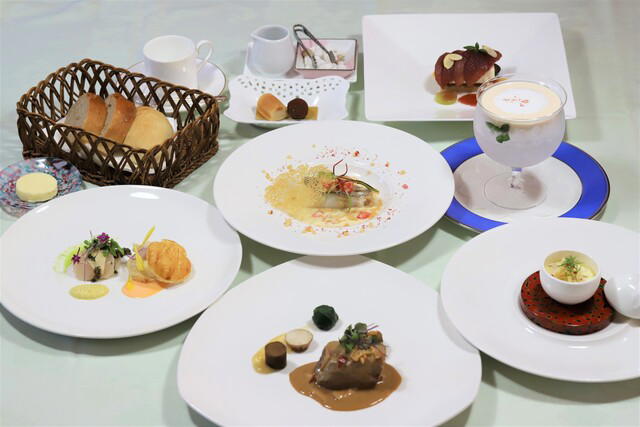
- Il filo special omelette rice
- Game dishes
- Homemade charcuterie
Second Floor, Dotemachi: Where Hirosaki's Agricultural Identity Meets the Plate
Climbing to a second-floor restaurant in a Japanese regional city carries a particular set of expectations. The street level belongs to ramen counters and izakayas; the upper floors, especially along a commercial strip like Dotemachi, tend to house the quieter, more considered rooms that serve a local clientele with specific tastes and a preference for discretion. Il Filo's address at 107 2F Dotemachi in Hirosaki places it in that upper-floor category, the kind of space that requires a deliberate decision to seek out rather than a spontaneous walk-in. Hirosaki itself sets the terms: this is a city in Aomori Prefecture, in Japan's far north, where the agricultural calendar defines civic life more than the restaurant calendar does.
Aomori Prefecture is Japan's leading apple-producing region, accounting for roughly half of the country's total apple output, and Hirosaki sits at the center of that identity. But the agricultural breadth extends well beyond fruit. The Tsugaru plain produces rice with a distinctive cold-climate sweetness, the waters off the Aomori coast supply some of the most prized scallops and sea urchin in the country, and the mountains behind the city yield foraged ingredients that appear on seasonal menus across Japan's premium dining tier. Any restaurant operating in this environment has access to a sourcing context that Tokyo kitchens spend considerable resources to replicate through supply chains. The question, for a regional room like Il Filo, is how that proximity to ingredient origin translates to what arrives at the table.
The Ingredient Logic of Northern Honshu
Italian cuisine, which the name Il Filo signals, has established a durable presence in Japanese regional cities over the past three decades. The genre fits the regional dining pattern well: it allows kitchens to build menus around local produce and protein without requiring the rigid seasonal architecture of kaiseki or the technical orthodoxy of French haute cuisine. A trattoria or osteria format in a place like Hirosaki can pivot naturally around what Aomori's farms and waters are producing in a given month, using pasta and olive oil as the structural framework while the actual flavors come from the region.
This sourcing logic explains why Italian has become a vehicle of choice for ingredient-focused restaurants in provincial Japan. At the premium end of the national scene, venues like HAJIME in Osaka and akordu in Nara demonstrate how European culinary frameworks can carry Japanese ingredient narratives to international recognition. In Fukuoka, Goh does something similar through kaiseki. The regional iteration of that pattern, operating without the infrastructure of a major city's dining press or awards circuit, tends to run on local reputation and repeat business rather than on external validation. Il Filo, given what the Dotemachi address and format suggest, likely sits in that quieter tier: cooking that earns its standing through ingredient fidelity and consistency rather than through award cycles.
What Hirosaki Offers the Serious Eater
Hirosaki's restaurant scene is small by any metropolitan standard, but it is not thin. The city's culinary identity has been shaped by a tradition of careful, produce-led cooking that reflects Aomori's agricultural wealth rather than chasing urban trends. 齋 and オステリア・エノテカ・ダ・サスィーノ represent other nodes on that circuit, each approaching the city's ingredient base from a different angle. Taken together, these rooms form a compact but coherent dining map for a city of Hirosaki's scale. For anyone building an itinerary around the region, our full Hirosaki restaurants guide provides the broader picture.
The comparison set for a venue like Il Filo extends beyond the city. Across Japan's regional dining scene, second-tier cities have quietly developed rooms that compete on ingredient quality and kitchen discipline rather than on ambiance or celebrity. 一本杉川島 in Nanao, 夕仙山乃 in Sapporo, and 鷹羽屋 in Nishikawa Machi each operate within that regional-but-serious register. At the international level, the discipline of letting sourcing lead the menu is visible at very different price points, from Le Bernardin in New York City to Atomix in New York City, where ingredient provenance is argued as a primary credential rather than a supporting detail.
Planning a Visit to Il Filo
Hirosaki is accessible by shinkansen to Shin-Aomori Station followed by a local train or bus to the city center; the journey from Tokyo takes approximately three hours. Dotemachi is within the walkable core of Hirosaki, close to the castle park that draws visitors in spring for the cherry blossom season, typically late April to early May, and in autumn for the apple harvest festivals. Those seasonal peaks represent the most natural windows for combining a Hirosaki trip with dining exploration, though the city's quieter winter months offer a different kind of access to Aomori's cold-climate larder. Regional Italian rooms at this address type in Japan often run evening seatings only, with a preference for advance booking over walk-ins, though that should be verified before arrival. Visitors interested in the broader regional circuit should also consider other produce-led rooms nearby: 湖辺庵 in Takashima and Bistro Ange in Toyohashi each represent the kind of quiet, ingredient-led cooking that travels well across Japan's regional Italian format. For Japanese fine dining comparisons at the national level, Harutaka in Tokyo and Gion Sasaki in Kyoto provide useful reference points for what serious regional-sourced cooking looks like at its most formalized. Additional context from the broader Japanese regional dining map can be found through Birdland in Sakai, Blue Ocean Steak in Nakagami District, and bodai in 那智勝浦町.
Frequently asked questions
Is Il Filo a family-friendly restaurant?
Il Filo occupies a second-floor space on Dotemachi in Hirosaki, which suggests a sit-down dining format rather than a casual drop-in environment. Hirosaki itself is a compact regional city where restaurants tend toward quieter, considered settings. Families with older children who can engage with a more structured meal will find the format appropriate; it is less suited to very young children.
What should I expect atmosphere-wise at Il Filo?
The second-floor address on Dotemachi places Il Filo above the street-level rhythm of Hirosaki's centre, which typically translates to a quieter, more focused dining room. Italian restaurants in Japanese regional cities tend to run intimate operations, often with attentive, unhurried service. Expect a pace that prioritises the meal over turnover.
Is Il Filo worth visiting as a day-tripper from Aomori City?
Hirosaki is roughly 35 kilometres southwest of Aomori City, reachable by local train in under an hour, which makes a dedicated dining trip to Dotemachi practical within a single day. Il Filo's second-floor setting on one of Hirosaki's main thoroughfares puts it close to Hirosaki Castle Park, so the visit can be structured around both the city's cultural sites and the meal. For travellers already routing through Aomori Prefecture, the detour requires minimal additional travel time.
What do regulars order at Il Filo?
Italian restaurants embedded in Japan's agricultural regions consistently build their most loyal following around pasta and secondi courses that reflect local sourcing.
What's the address for Il Filo?
Il Filo is located at Japan, ã036-8281 Aomori, Hirosaki, Dotemachi, 107 2F, Hirosaki.
Do they take walk-ins at Il Filo?
In Hirosaki's dining scene, second-floor Italian restaurants of this type often operate with limited covers and prefer reservations, particularly during cherry blossom season in late April when the city draws significant visitor numbers. Contacting the restaurant directly before visiting is the prudent approach.
What's the signature at Il Filo?
The restaurant's name, Italian for 'the thread,' points toward a kitchen with a considered philosophy rather than a broad menu. Given Hirosaki's strong agricultural identity in Aomori Prefecture, the connection between northern Honshu produce and Italian technique is the most plausible organising principle of the cooking.
Fast Comparison
Comparable venues nearby, for context on price, style, and recognition.
| Venue | Cuisine | Price | Awards | Notes |
|---|---|---|---|---|
| Il FiloThis venue (the venue you are viewing) | Modern Italian with Game Cuisine | $50–100 | Not listed | Not listed |
| Restaurant Yamazaki | Seasonal French fine dining with Aomori apples | $50–100 | Tabelog 100 #43 | Oyakata-machi |
| Hasuya | Traditional Japanese Izakaya & Sake Bar | $30–50 | Tabelog 100 #78 | Chuo Hirosaki |
| é½ | Omakase Sushi | $50–100 | Not listed | Hirosaki |
| オステリア・エノテカ・ダ・サスィーノ | Farm-to-Table Italian | $150–200 | Tabelog Bronze #344 | Chuo Hirosaki |
| Sushi Uehara | Traditional Seasonal Sushi Omakase | $50–100 | Tabelog 100 #66 | Dotemachi |
Continue exploring
More in Hirosaki
Restaurants in Hirosaki
All restaurants in Hirosaki →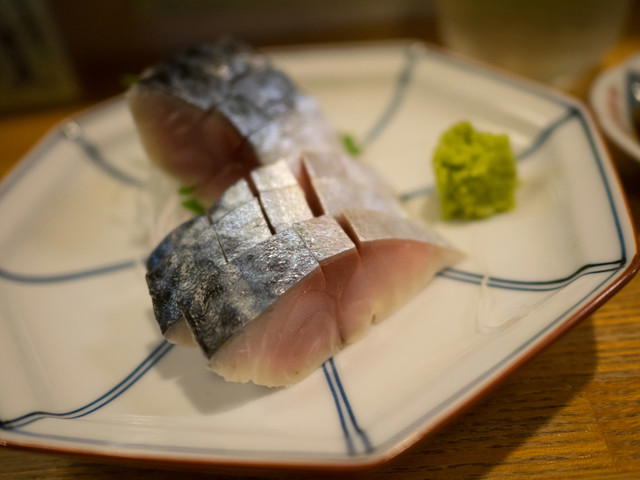
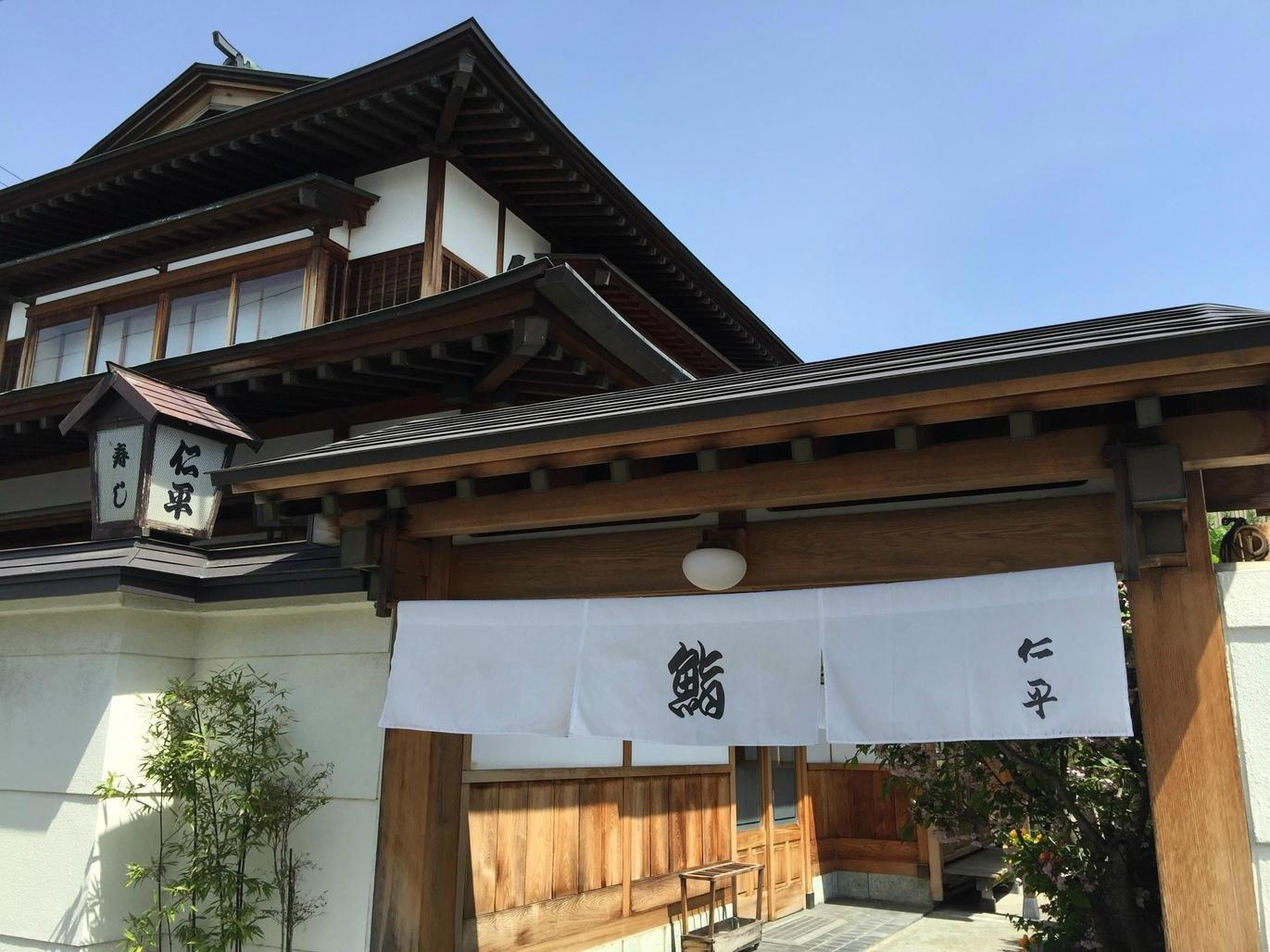
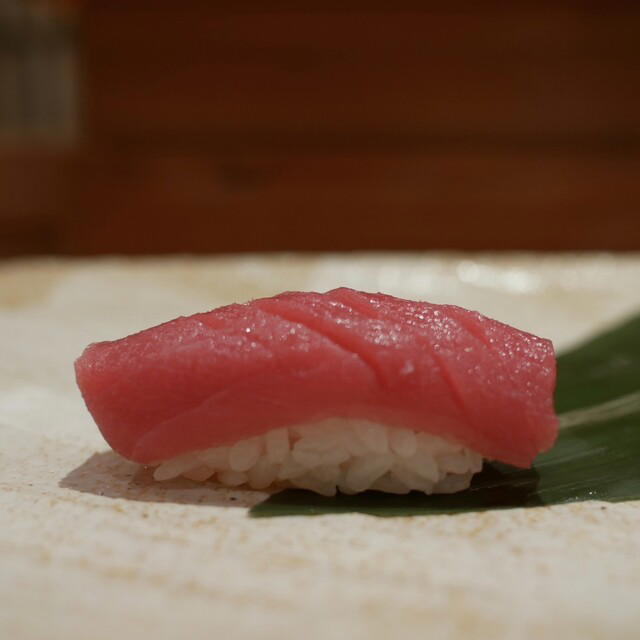
Bars in Hirosaki
All bars in Hirosaki →
Details
- Cozy
- Elegant
- Intimate
- Date Night
- Special Occasion
- Open Kitchen
- Sake Program
- Extensive Wine List
- Local Sourcing
- A La Carte
- Small Plates
- Wine
Current opening hours
- Monday
- 11:30 AM–2:30 PM, 6–10 PM
- Tuesday
- 11:30 AM–2:30 PM, 6–10 PM
- Wednesday
- Closed
- Thursday
- 11:30 AM–2:30 PM, 6–10 PM
- Friday
- 11:30 AM–2:30 PM, 6–10 PM
- Saturday
- 11:30 AM–2:30 PM, 6–10 PM
- Sunday
- 11:30 AM–2:30 PM, 6–10 PM
Hours can change for holidays and private events. Last verified .
Cozy atmosphere in a castle town setting, emphasizing seasonal charms with warm, intimate lighting suitable for evening Italian dining.